Unlawful Detainer Term With A Witness
Description

Get your form ready online
Our built-in tools help you complete, sign, share, and store your documents in one place.
Make edits, fill in missing information, and update formatting in US Legal Forms—just like you would in MS Word.
Download a copy, print it, send it by email, or mail it via USPS—whatever works best for your next step.
Sign and collect signatures with our SignNow integration. Send to multiple recipients, set reminders, and more. Go Premium to unlock E-Sign.
If this form requires notarization, complete it online through a secure video call—no need to meet a notary in person or wait for an appointment.
We protect your documents and personal data by following strict security and privacy standards.

Make edits, fill in missing information, and update formatting in US Legal Forms—just like you would in MS Word.

Download a copy, print it, send it by email, or mail it via USPS—whatever works best for your next step.

Sign and collect signatures with our SignNow integration. Send to multiple recipients, set reminders, and more. Go Premium to unlock E-Sign.

If this form requires notarization, complete it online through a secure video call—no need to meet a notary in person or wait for an appointment.

We protect your documents and personal data by following strict security and privacy standards.
Looking for another form?
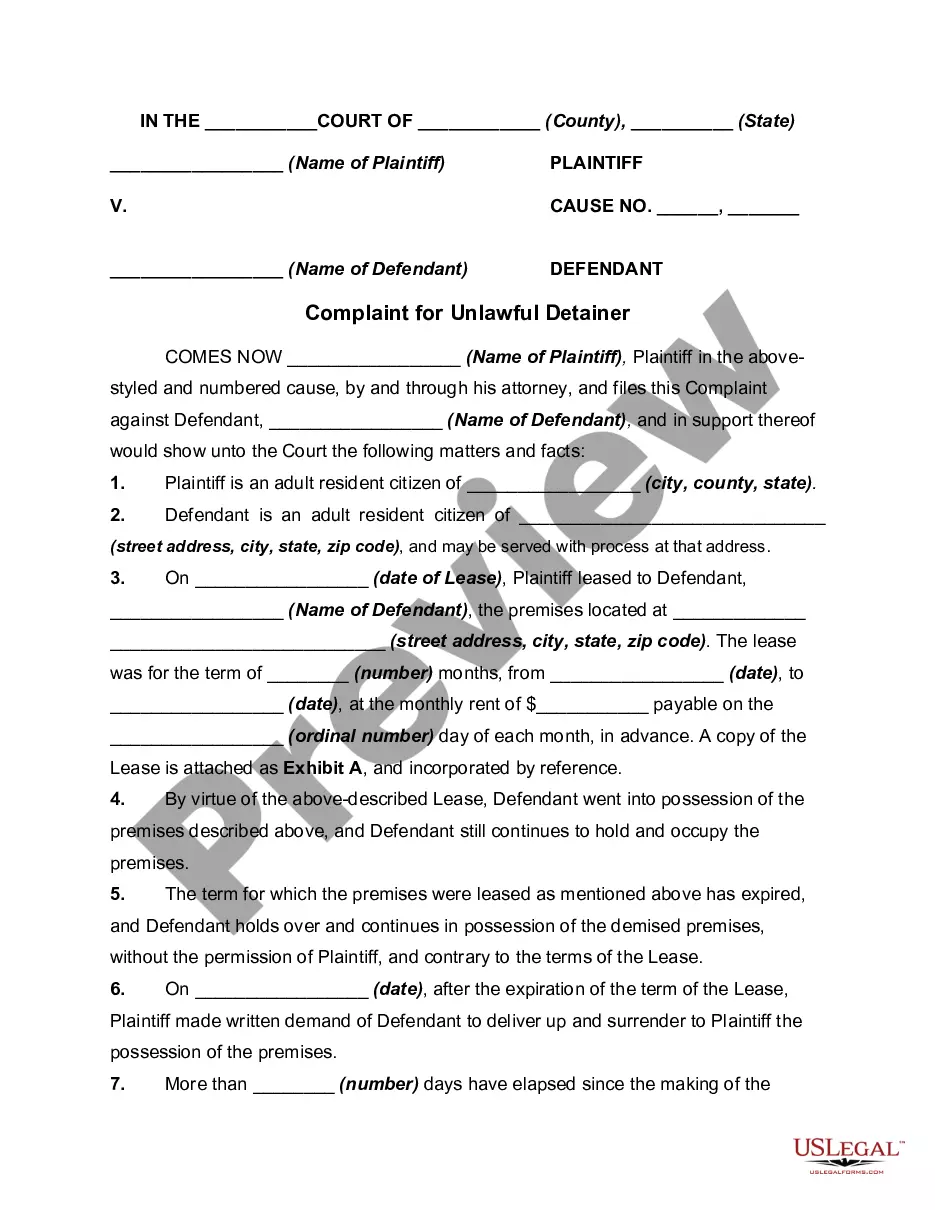
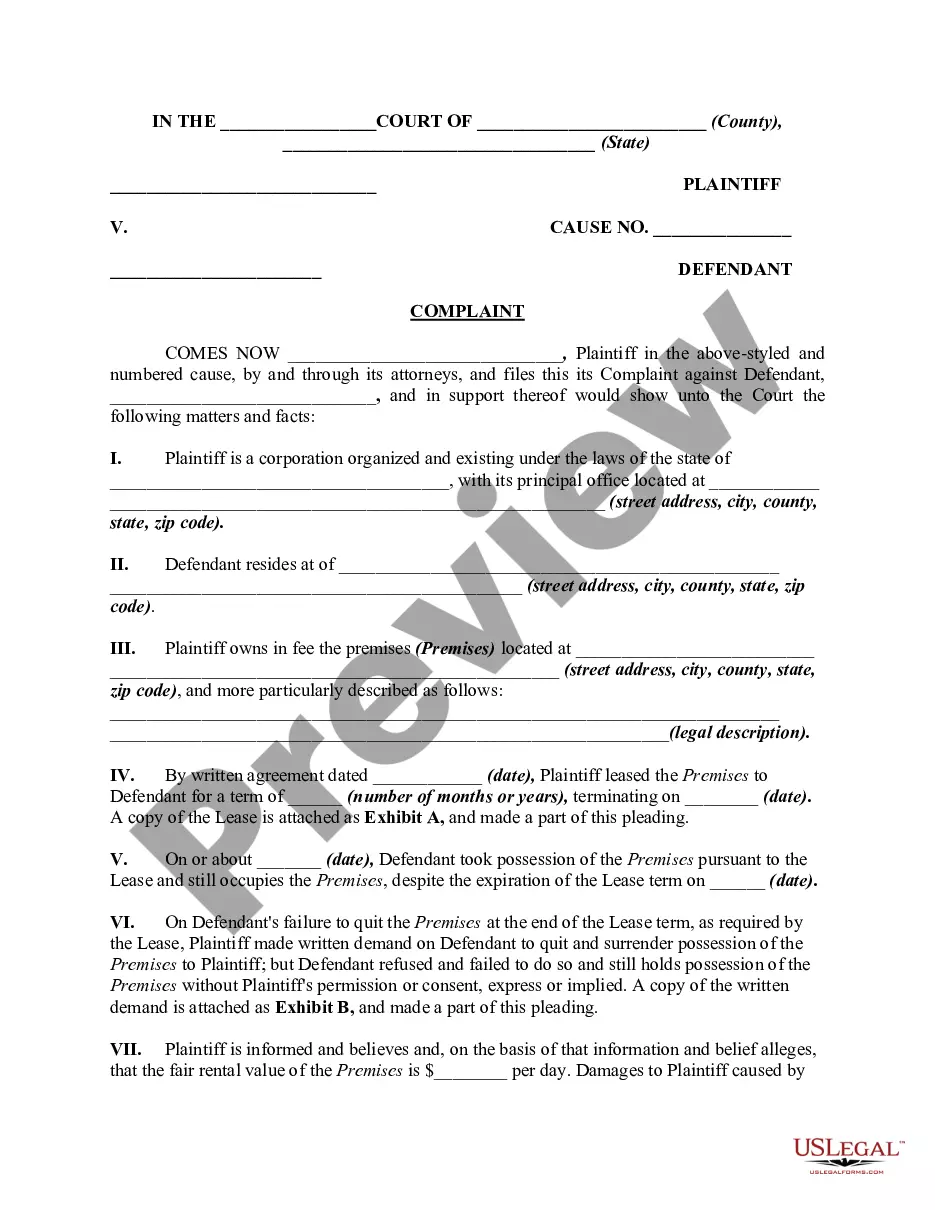
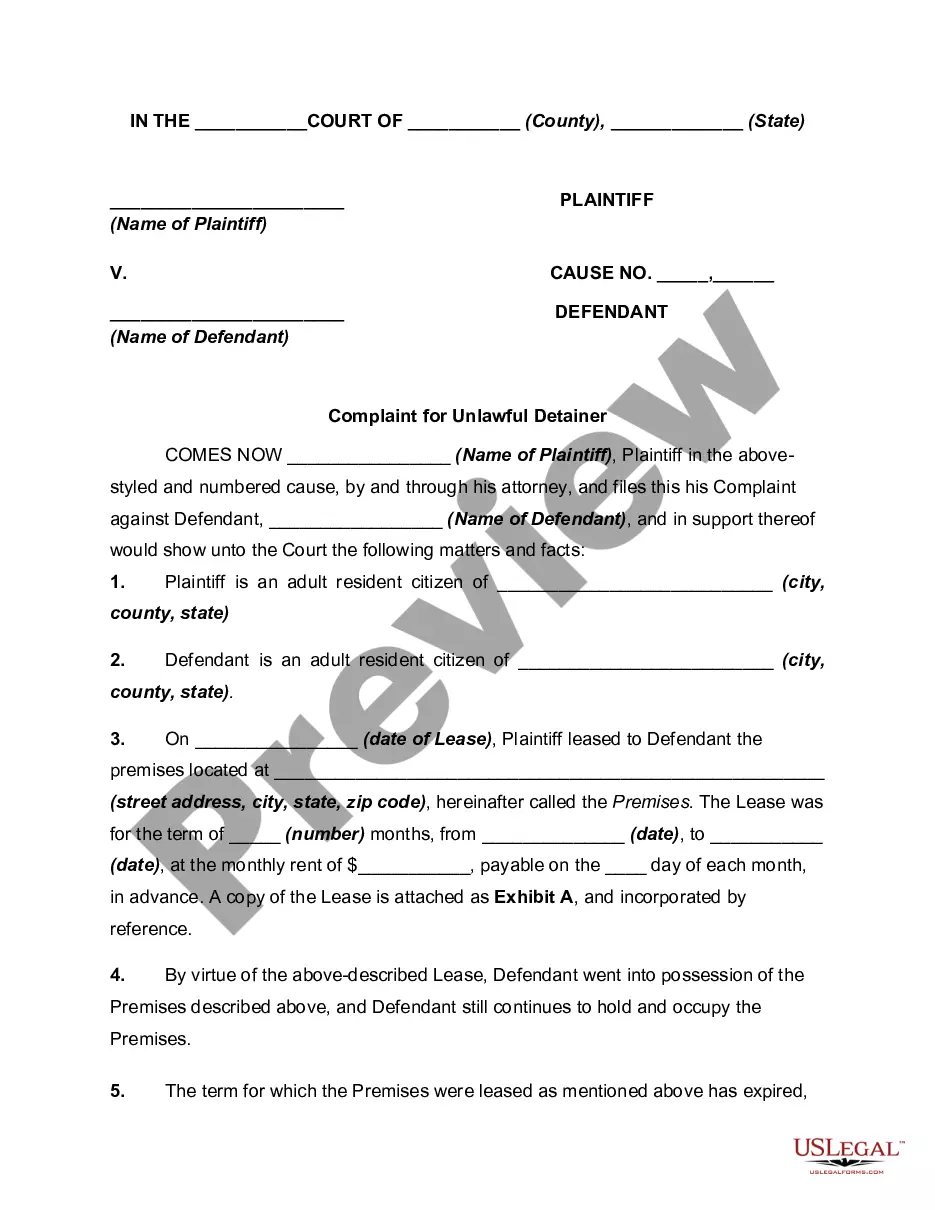
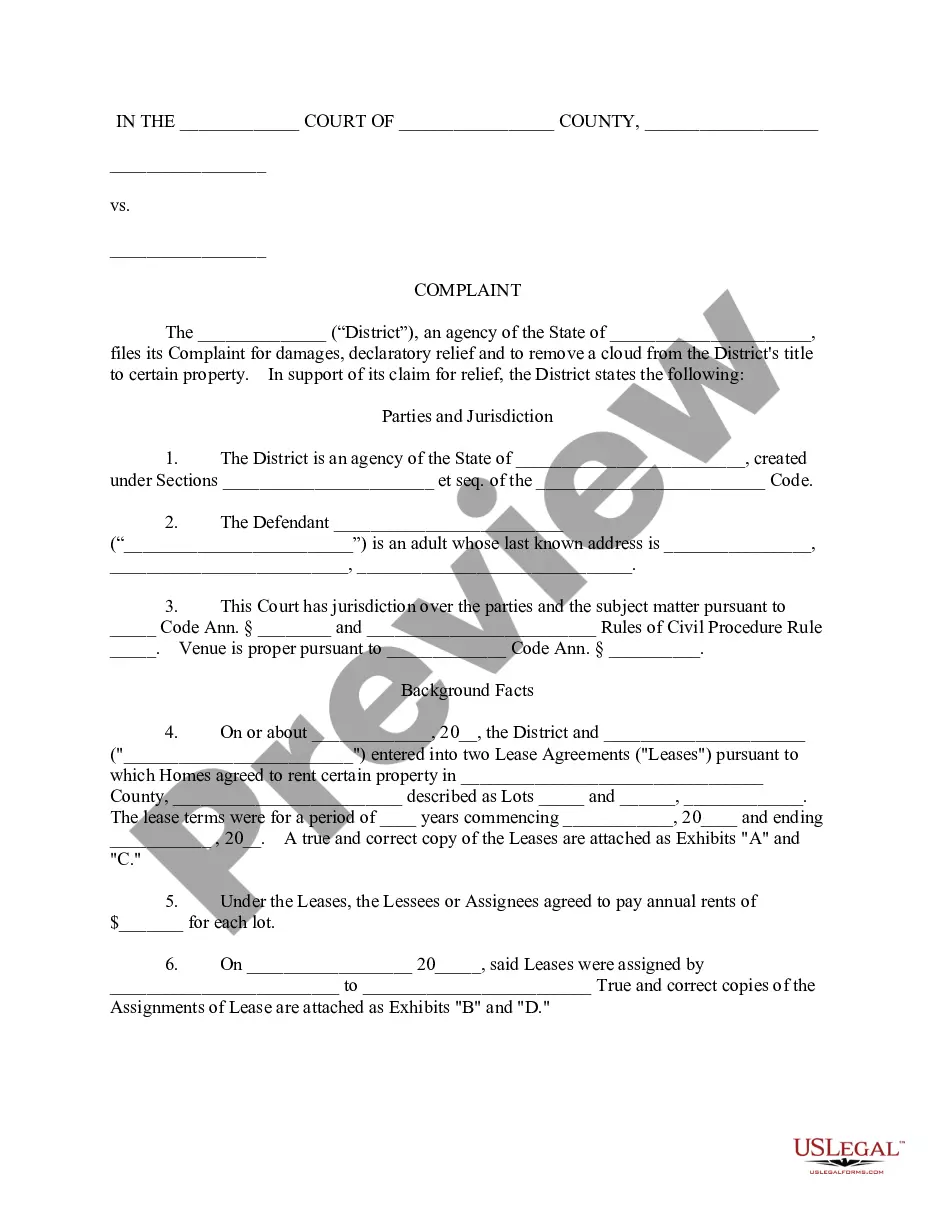
How to fill out Complaint For Unlawful Detainer - Tenant Holding Over After Expiration Of Term?
- Log into your US Legal Forms account if you're an existing user. Click the Download button for your required form template after ensuring your subscription is active.
- If you're new to the service, start by exploring the Preview mode to review the form description. Make sure the template is suitable for your needs and compliant with local jurisdiction regulations.
- In case the current template doesn't meet your requirements, utilize the Search feature to find a more appropriate document.
- Once you identify the correct form, click the Buy Now button. Choose your preferred subscription plan and create an account to gain full access to the form library.
- Complete your purchase by providing your credit card information or logging in to your PayPal account for smoother transaction processing.
- Download the finalized document to your device. You can access it anytime from the My Forms section in your profile.
US Legal Forms combines an extensive and user-friendly library with access to premium experts. This ensures that your documents are not only easy to fill out but also legally sound.
Start using US Legal Forms today to streamline your legal document needs. Get started with a free account and experience the convenience firsthand!
Form popularity
FAQ
Yes, a tenant can win an unlawful detainer in California if they present a strong defense. Utilizing the unlawful detainer term with a witness allows tenants to bring forth credible testimony against eviction claims. By gathering evidence and effectively communicating your position, you improve your chances of success. Platforms like US Legal Forms can assist you in preparing necessary documents and understanding your legal options.
An unfair eviction occurs when a landlord attempts to remove a tenant without adhering to the legal procedures. The unlawful detainer term with a witness can play a role here, as having witnesses can help show irregularities in the eviction process. Understanding your rights as a tenant is essential to fighting back against unfair eviction practices. Always document interactions and seek legal help if you suspect wrongful eviction.
In California, the burden of proof lies primarily with the landlord in an unlawful detainer case. They must present evidence that justifies the eviction, including the unlawful detainer term with a witness if applicable. However, tenants can also present their evidence and arguments to contest the eviction. Knowing the specifics of these legal responsibilities can be crucial to your case.
When writing a letter to a judge to stop an eviction, be clear and concise. Mention the unlawful detainer term with a witness, as this shows you are aware of your rights. Explain your circumstances and why you believe the eviction should not proceed. Ensure you include all relevant information and, if possible, seek legal advice to structure your letter effectively.
To win in court for eviction, you must provide clear evidence that supports your case. The unlawful detainer term with a witness refers to having someone testify about the facts surrounding the eviction. Gathering documents like leases, payment records, and witness statements can strengthen your position. Presenting these materials effectively can increase your chances of a favorable ruling.
Filing an eviction notice on a family member can be a necessary but emotional process. First, you should review your state laws regarding eviction notices, as they can vary significantly. Depending on the circumstances, you might need to serve a written notice that states the unlawful detainer term with a witness, particularly if the family member refuses to leave voluntarily. Consider using a service like US Legal Forms to ensure all necessary documentation is completed correctly, reducing stress during this challenging situation.
An eviction notice is a formal communication informing tenants of their need to vacate a property, while an unlawful detainer is the legal action taken when tenants fail to respond to the eviction notice. Understanding these terms, particularly the unlawful detainer term with a witness, is vital for both landlords and tenants. By using US Legal Forms, you can access detailed guidance on managing both processes accurately and legally.
Like California, an eviction notice in Illinois does not require notarization. The primary requirement is that it must be served effectively to the tenant. Being familiar with the unlawful detainer term with a witness is essential, as it allows you to present a stronger case when needed. Utilize US Legal Forms to create your eviction notice and navigate local regulations for accuracy.
In California, an eviction notice does not generally need to be notarized. Instead, it must be served according to state law, which might include delivering it to the tenant personally. Knowing the unlawful detainer term with a witness is crucial, as having supporting testimony can strengthen your case if disputes arise. Platforms like US Legal Forms can aid in understanding these nuances and preparing the necessary documents.
Eviction notices typically do not need to be certified, but this can depend on state regulations. Some jurisdictions may require a specific delivery method to ensure proper notice. Understanding the unlawful detainer term with a witness can clarify the process and help you avoid common pitfalls. Check US Legal Forms to see local requirements and use their resources to help prepare your documents.