Unlawful Detainer Term For A Deceased Person
Description
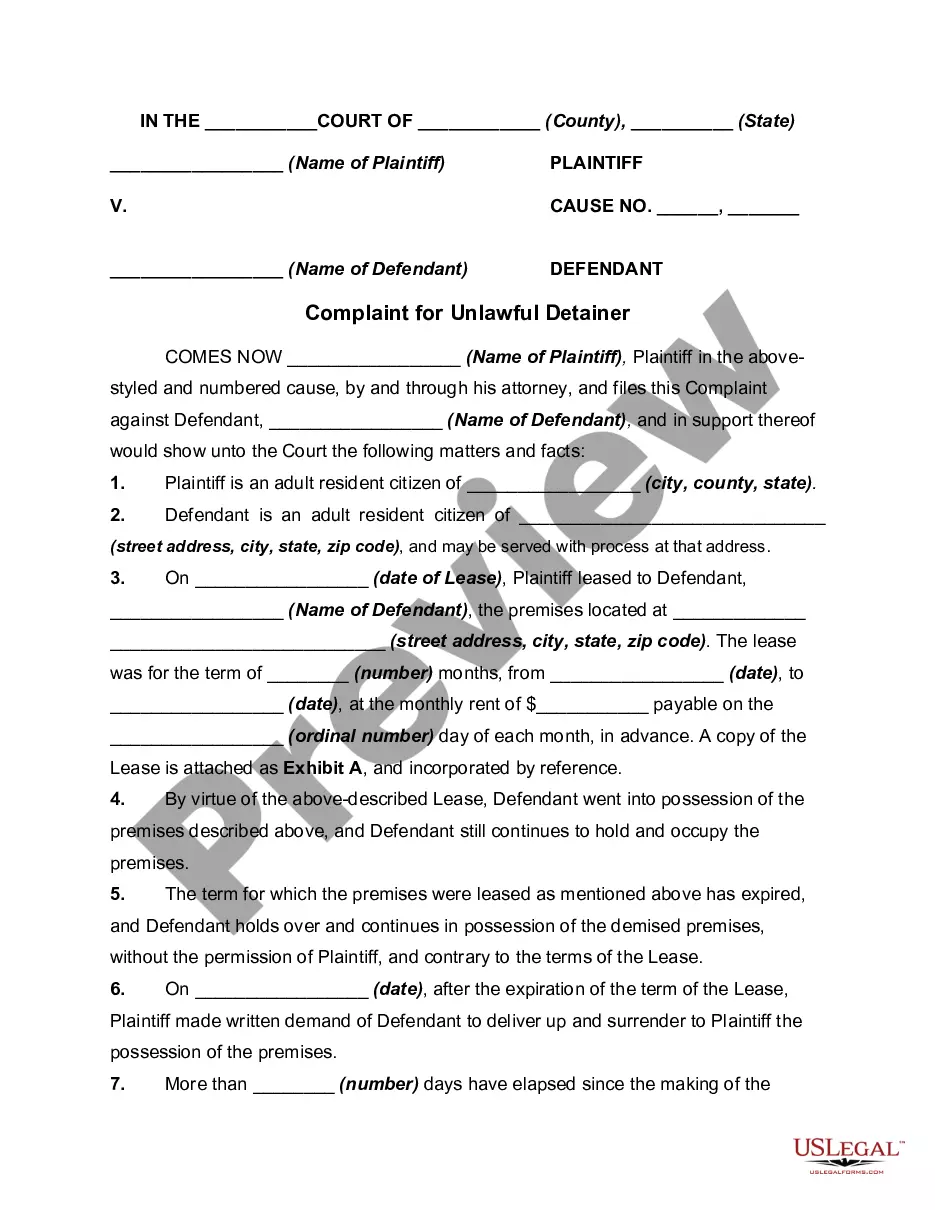

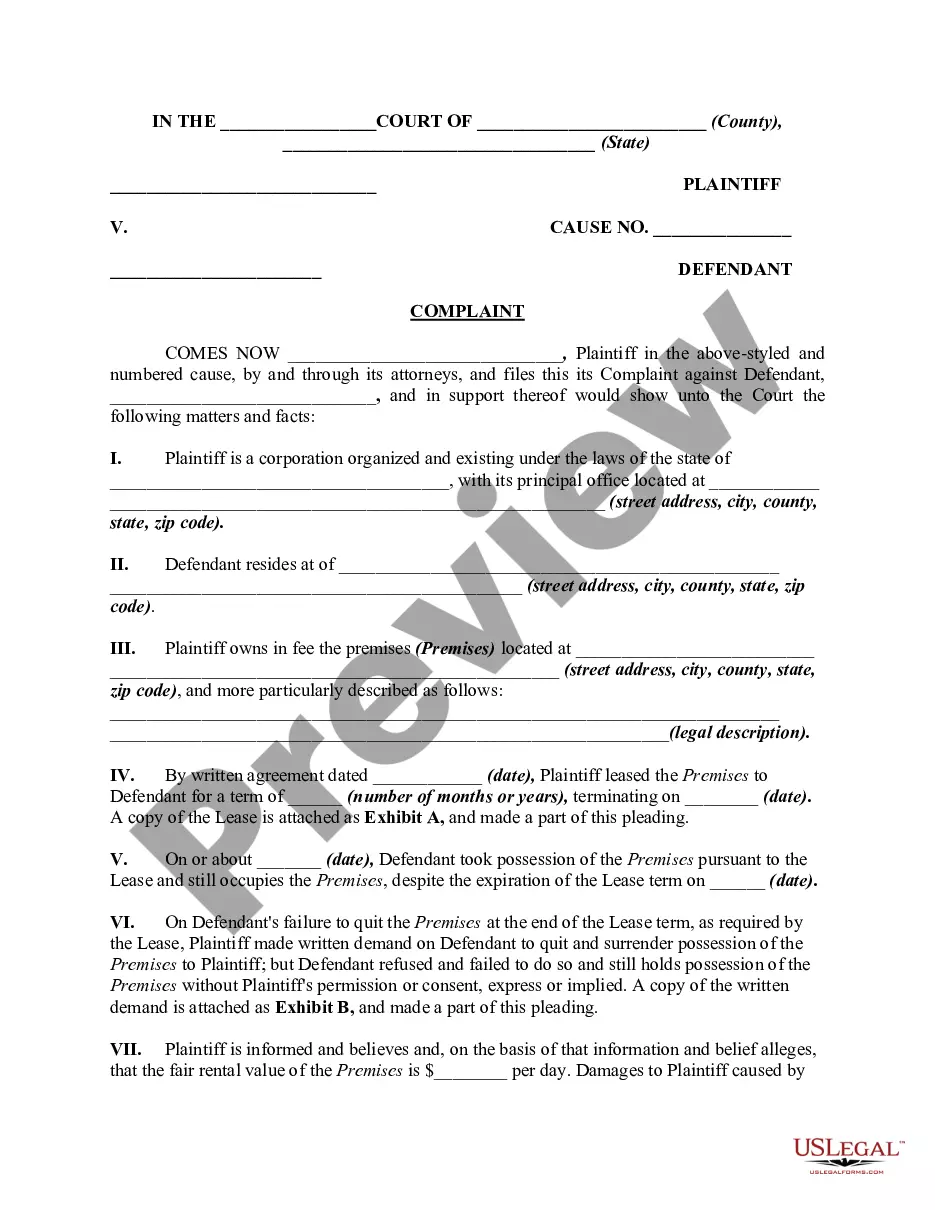
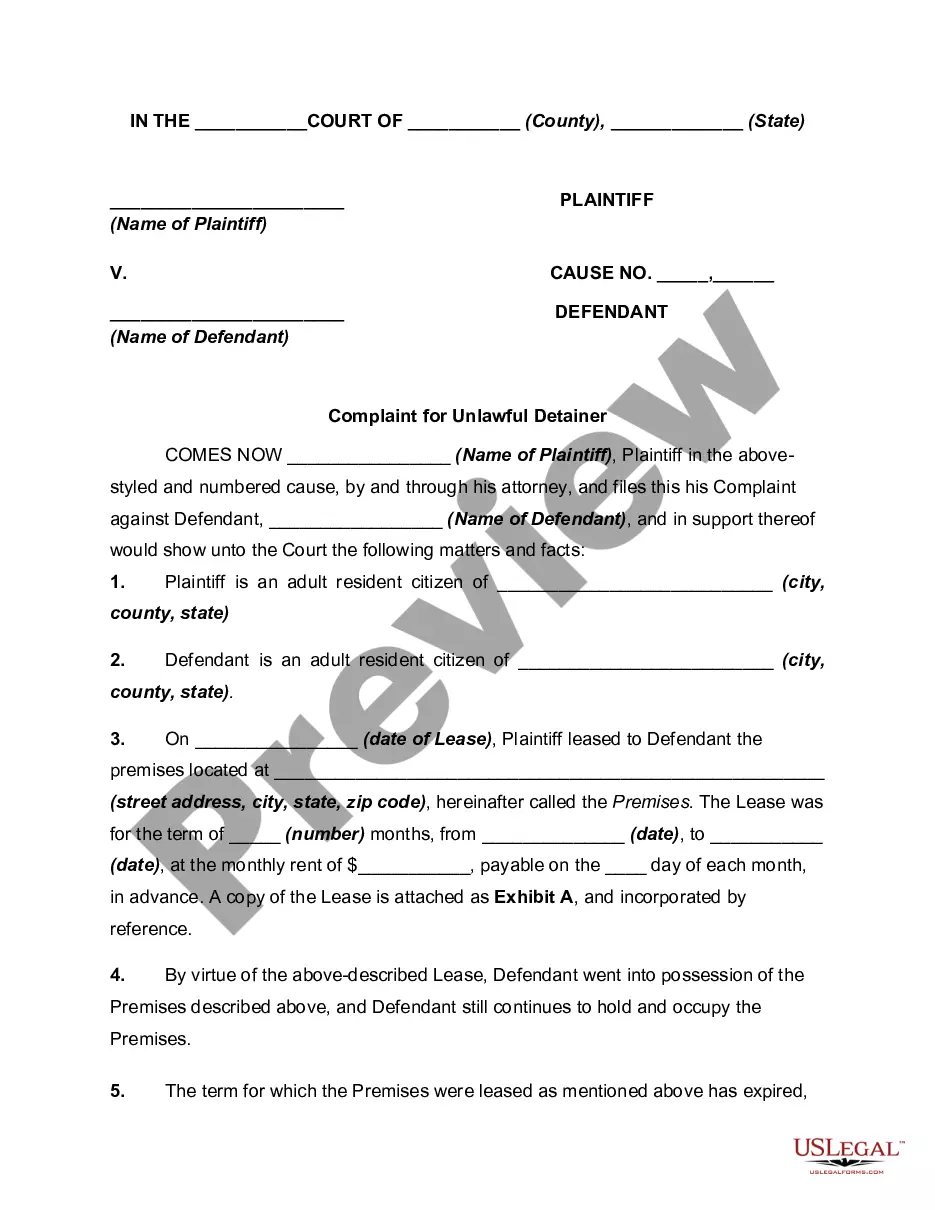
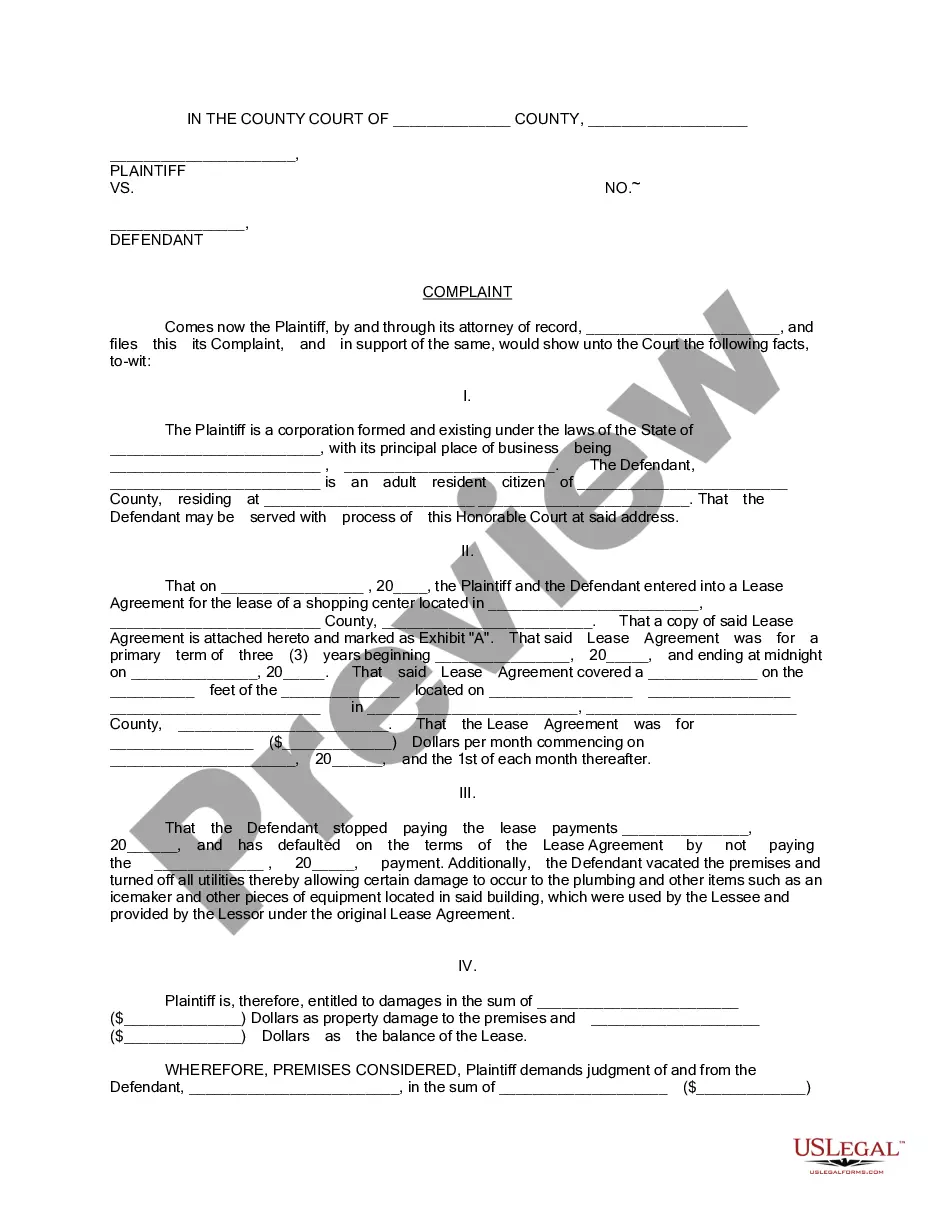
Get your form ready online
Our built-in tools help you complete, sign, share, and store your documents in one place.
Make edits, fill in missing information, and update formatting in US Legal Forms—just like you would in MS Word.
Download a copy, print it, send it by email, or mail it via USPS—whatever works best for your next step.
Sign and collect signatures with our SignNow integration. Send to multiple recipients, set reminders, and more. Go Premium to unlock E-Sign.
If this form requires notarization, complete it online through a secure video call—no need to meet a notary in person or wait for an appointment.
We protect your documents and personal data by following strict security and privacy standards.

Make edits, fill in missing information, and update formatting in US Legal Forms—just like you would in MS Word.

Download a copy, print it, send it by email, or mail it via USPS—whatever works best for your next step.

Sign and collect signatures with our SignNow integration. Send to multiple recipients, set reminders, and more. Go Premium to unlock E-Sign.

If this form requires notarization, complete it online through a secure video call—no need to meet a notary in person or wait for an appointment.

We protect your documents and personal data by following strict security and privacy standards.
Looking for another form?
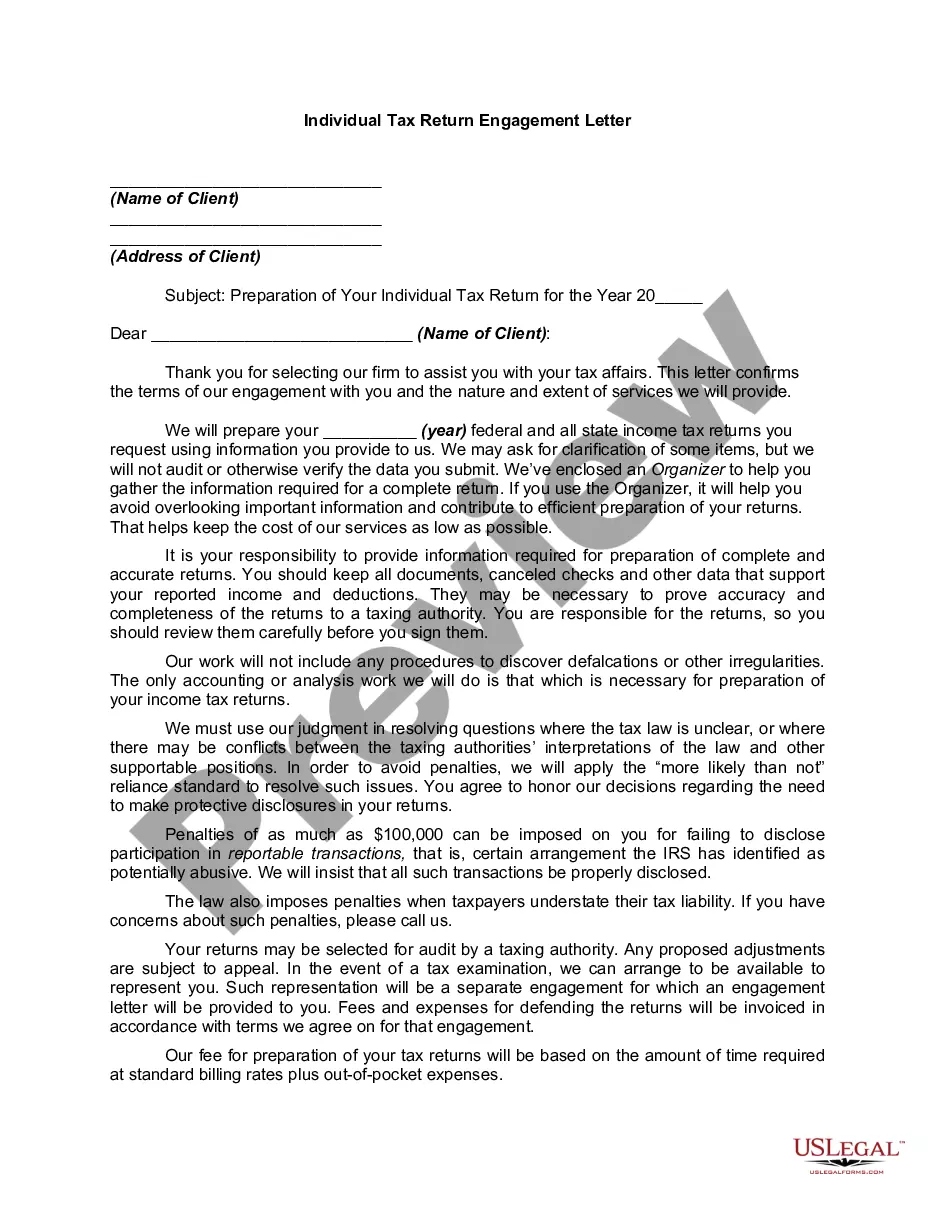
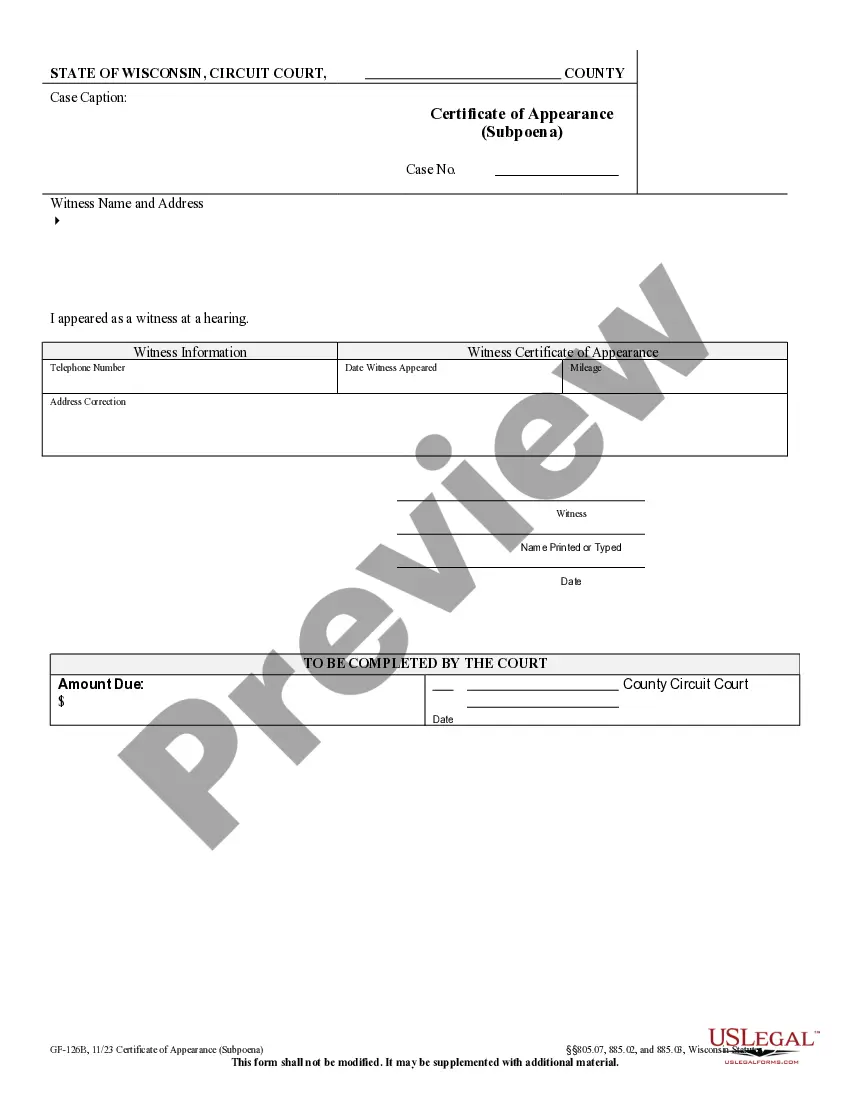
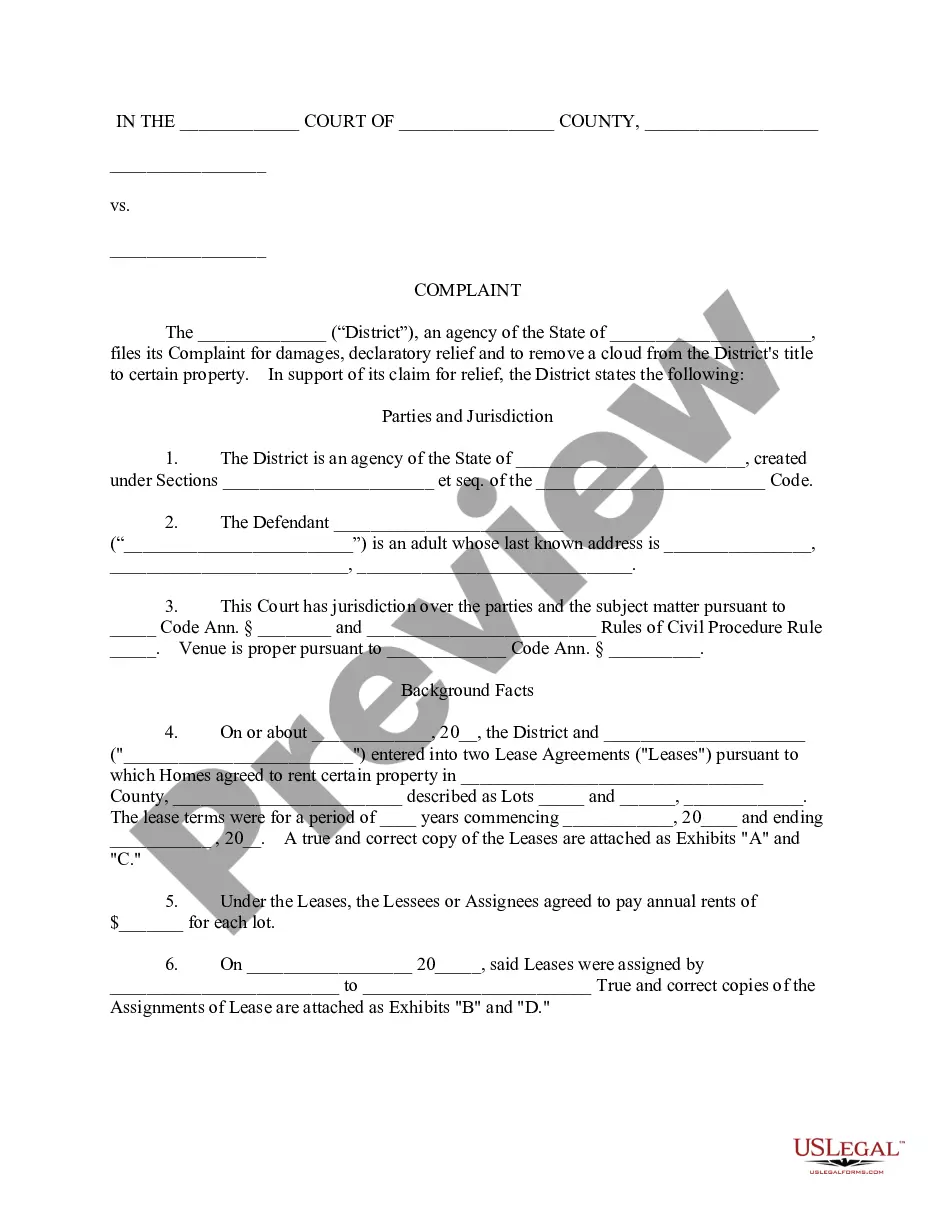
How to fill out Complaint For Unlawful Detainer - Tenant Holding Over After Expiration Of Term?
- If you're a returning user, simply log in to your account and check for the unlawful detainer form suitable for a deceased individual's case. Make sure your subscription remains active; if not, renew it based on your payment plan.
- For first-time users, begin by browsing the extensive online library. Check the Preview mode and read the form description carefully to ensure it's the correct match for your needs.
- If the form isn't quite right, utilize the Search feature to find an alternative template that aligns with your local jurisdiction requirements.
- After finding the correct document, click on the Buy Now button and select a subscription plan that best suits your needs. You'll need to create an account for access to the library.
- Proceed to enter your payment details using either your credit card or PayPal to complete the purchase.
- Finally, download your legal form to your device. You can access it anytime in the My Forms section of your profile.
US Legal Forms not only allows users to obtain legal documents quickly but also provides access to over 85,000 easily fillable and editable templates along with premium expert assistance for accurate completion. This combination ensures that you can navigate legal requirements confidently.
Don't wait any longer! Start your journey towards hassle-free legal documentation by visiting US Legal Forms today!
Form popularity
FAQ
Winning an unlawful detainer case often hinges on solid evidence and adherence to legal procedures. Gather documentation such as payment records, communication with the tenant, and any relevant lease agreements. If the unlawful detainer term for a deceased person applies, knowing the specific rules surrounding it can also strengthen your position. Consider utilizing platforms like Uslegalforms to access the necessary forms and resources to prepare effectively.
In Florida, an unlawful detainer is often synonymous with eviction but has distinct legal implications. An unlawful detainer refers specifically to a legal action taken by a landlord to reclaim possession of a property. Understanding these nuances is important, especially when considering the unlawful detainer term for a deceased person, as it may affect how claims and processes are carried out in this context.
After an unlawful detainer judgment, the landlord typically has the right to regain possession of the rental property. The tenant may be required to vacate by a specific date, and failure to do so can lead to further legal action. If the tenant is deceased, the unlawful detainer term for a deceased person may come into play, affecting how the property is managed afterwards. Clear communication and proper legal guidance can help navigate this process.
Writing a letter to a judge to stop an eviction requires a clear and respectful tone. Begin by stating your case and providing relevant details about the unlawful detainer term for a deceased person, if applicable. Be concise yet thorough, explaining why the eviction should not proceed. Ensure to include any supporting documentation or reasons that justify your request.
In Minnesota, landlords must follow strict procedures for eviction. They must provide written notice, which can vary in length based on the reason for eviction. Furthermore, if the case advances to court, the unlawful detainer term for a deceased person becomes significant if the tenant has passed away. It is crucial for landlords to familiarize themselves with these rules to ensure compliance.
In Washington state, the eviction process may take several weeks to a few months. Initially, a landlord must provide proper notice, which can range from 14 to 60 days depending on the situation. Following this notice, if the tenant does not vacate, the landlord must file an unlawful detainer lawsuit. This may lead to a court hearing, where the unlawful detainer term for a deceased person could complicate the process if applicable.
When a tenant passes away, landlords may face unique legal challenges regarding the rental agreement. The unlawful detainer term for a deceased person influences how the property is managed and whether the lease is terminated. Typically, landlords must provide notice to the deceased tenant's heirs regarding the situation. Utilizing services such as USLegalForms can help ensure you follow the correct procedures during this time.
The new eviction law in New York state includes significant changes regarding unlawful detainer term for a deceased person. This law aims to protect tenants, even in situations where the original tenant has passed away. Under this legislation, landlords must follow specific procedures before initiating eviction for a deceased tenant's estate. Understanding these regulations can help you navigate potential challenges and ensure compliance with the law.
The legal term for unlawful detainer indicates a situation where a tenant remains in possession of rental property despite the expiration of their lease or after failing to comply with lease rules. This term becomes particularly significant when navigating the unlawful detainer term for a deceased person, as it involves understanding the rights of heirs and the landlord's obligations. By grasping these legal definitions, you can better prepare for any potential challenges. For reliable legal forms and documents, consider uslegalforms as a valuable resource.
An eviction notice is a formal communication from a landlord to a tenant, indicating that the tenant must vacate the property due to specific issues such as unpaid rent or lease violations. In contrast, unlawful detainer refers to the legal action taken to remove a tenant from a property when they refuse to leave after an eviction notice is issued. Both terms are critical in understanding tenant rights and responsibilities, especially when dealing with the unlawful detainer term for a deceased person. To learn more about these processes, check out uslegalforms.