Estate Probate Florida For Sale
Description
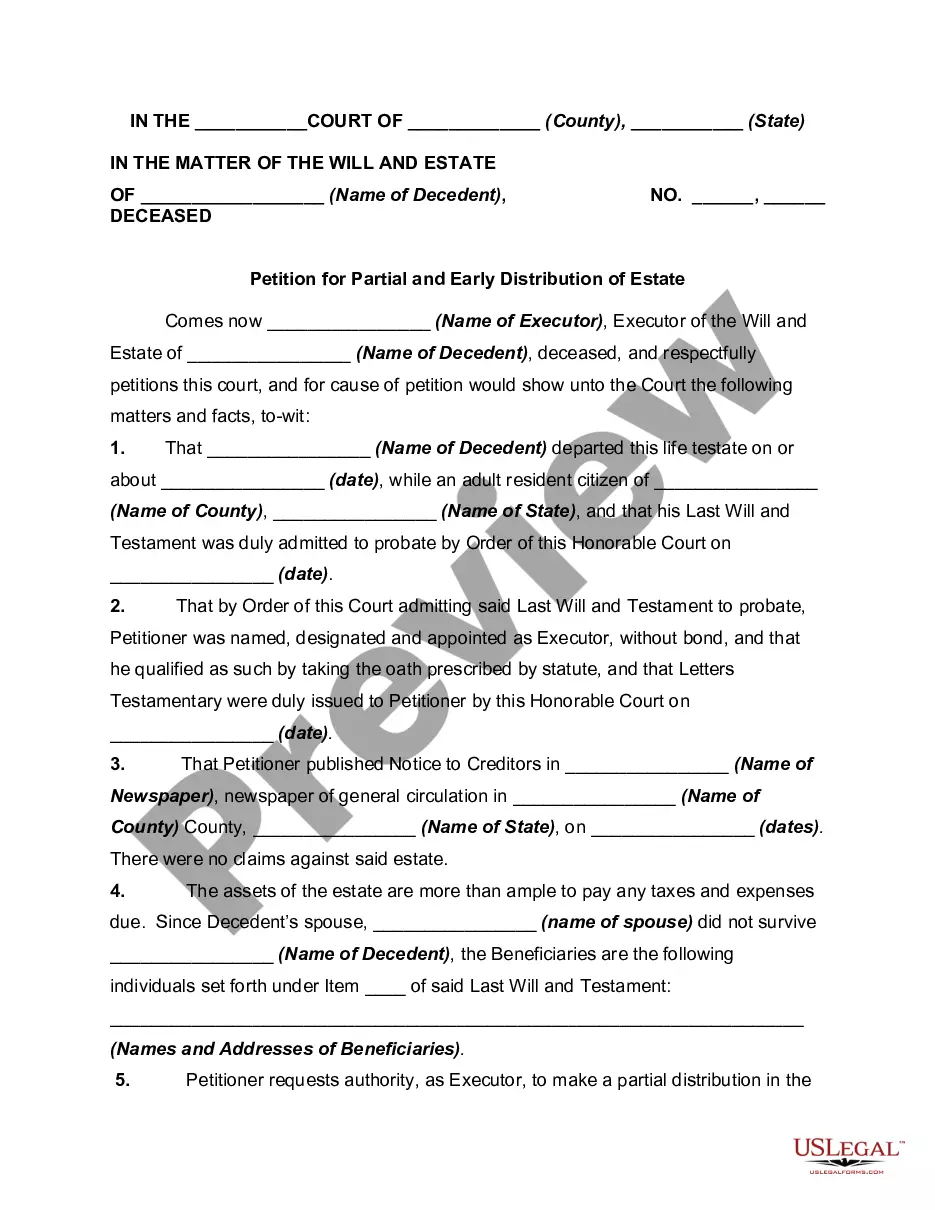
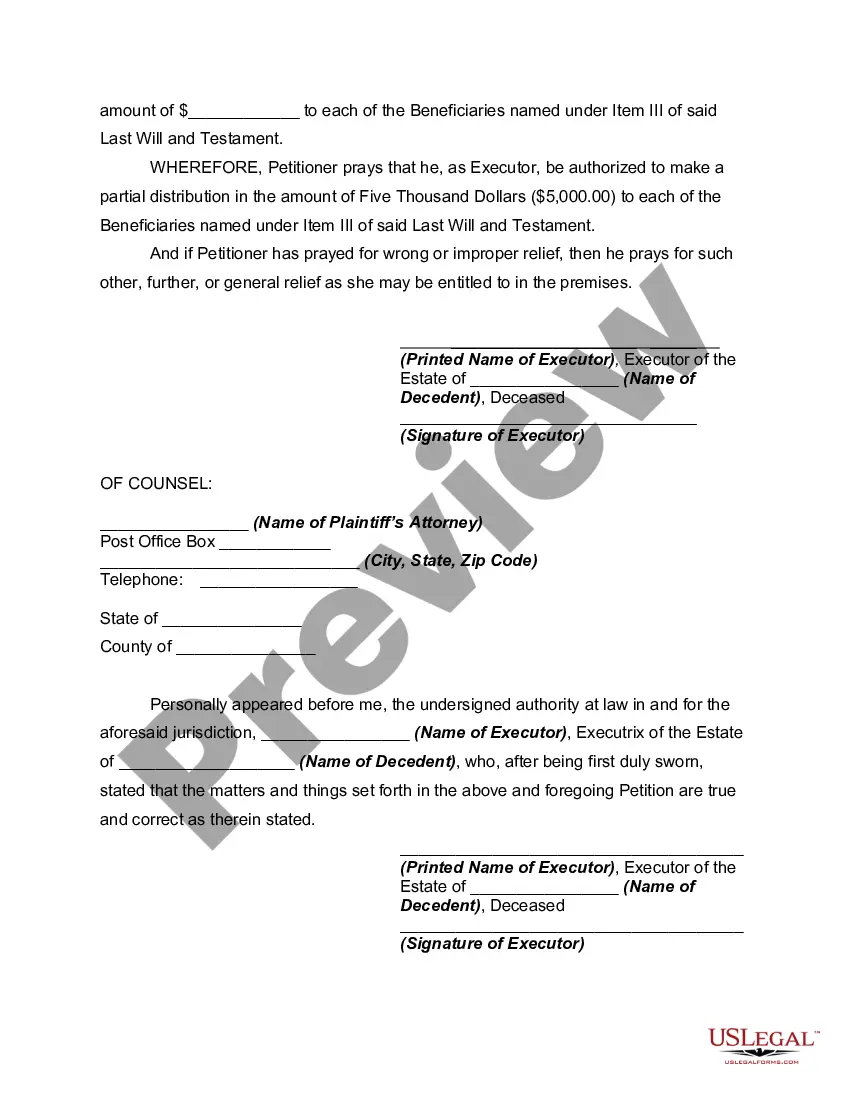
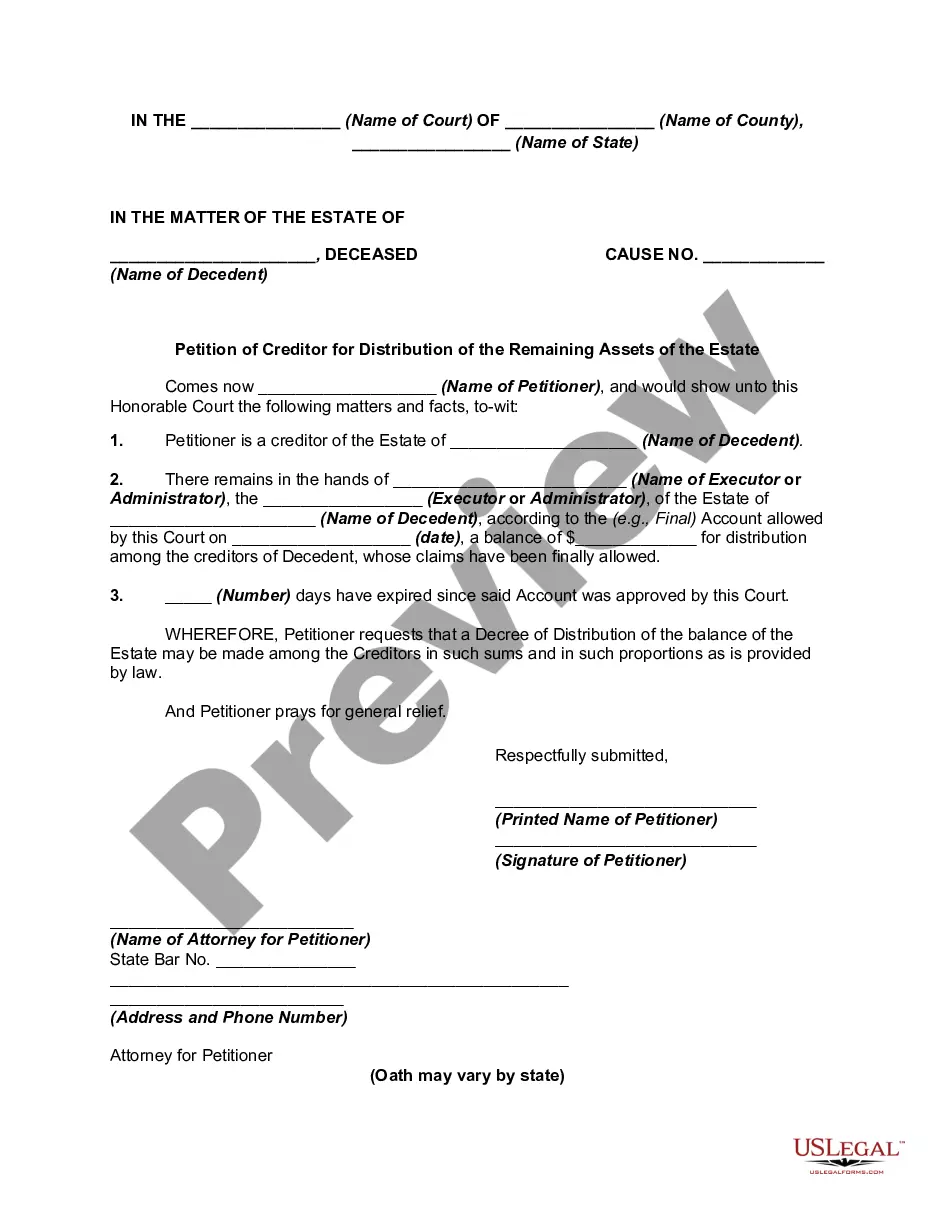
Get your form ready online
Our built-in tools help you complete, sign, share, and store your documents in one place.
Make edits, fill in missing information, and update formatting in US Legal Forms—just like you would in MS Word.
Download a copy, print it, send it by email, or mail it via USPS—whatever works best for your next step.
Sign and collect signatures with our SignNow integration. Send to multiple recipients, set reminders, and more. Go Premium to unlock E-Sign.
If this form requires notarization, complete it online through a secure video call—no need to meet a notary in person or wait for an appointment.
We protect your documents and personal data by following strict security and privacy standards.

Make edits, fill in missing information, and update formatting in US Legal Forms—just like you would in MS Word.

Download a copy, print it, send it by email, or mail it via USPS—whatever works best for your next step.

Sign and collect signatures with our SignNow integration. Send to multiple recipients, set reminders, and more. Go Premium to unlock E-Sign.

If this form requires notarization, complete it online through a secure video call—no need to meet a notary in person or wait for an appointment.

We protect your documents and personal data by following strict security and privacy standards.
Looking for another form?
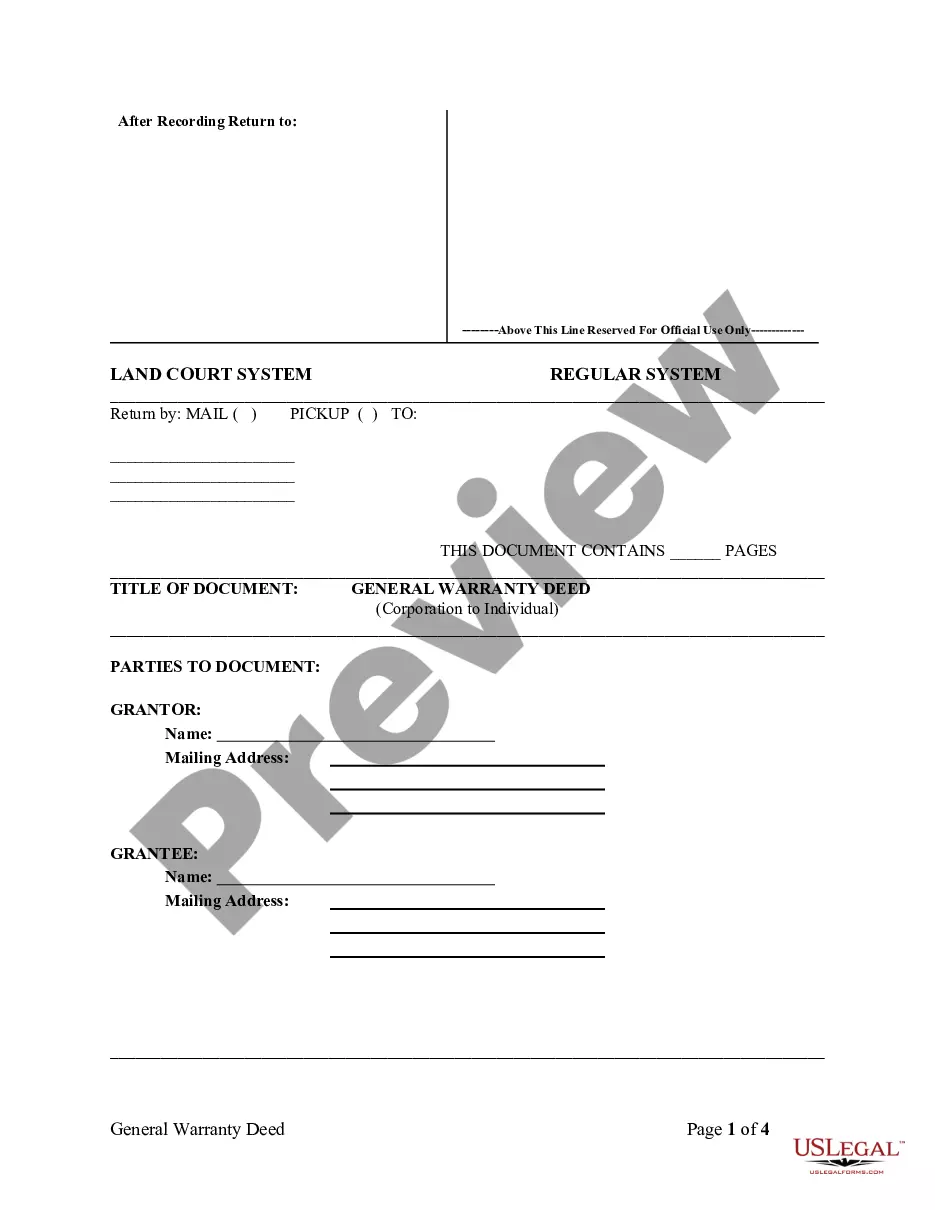
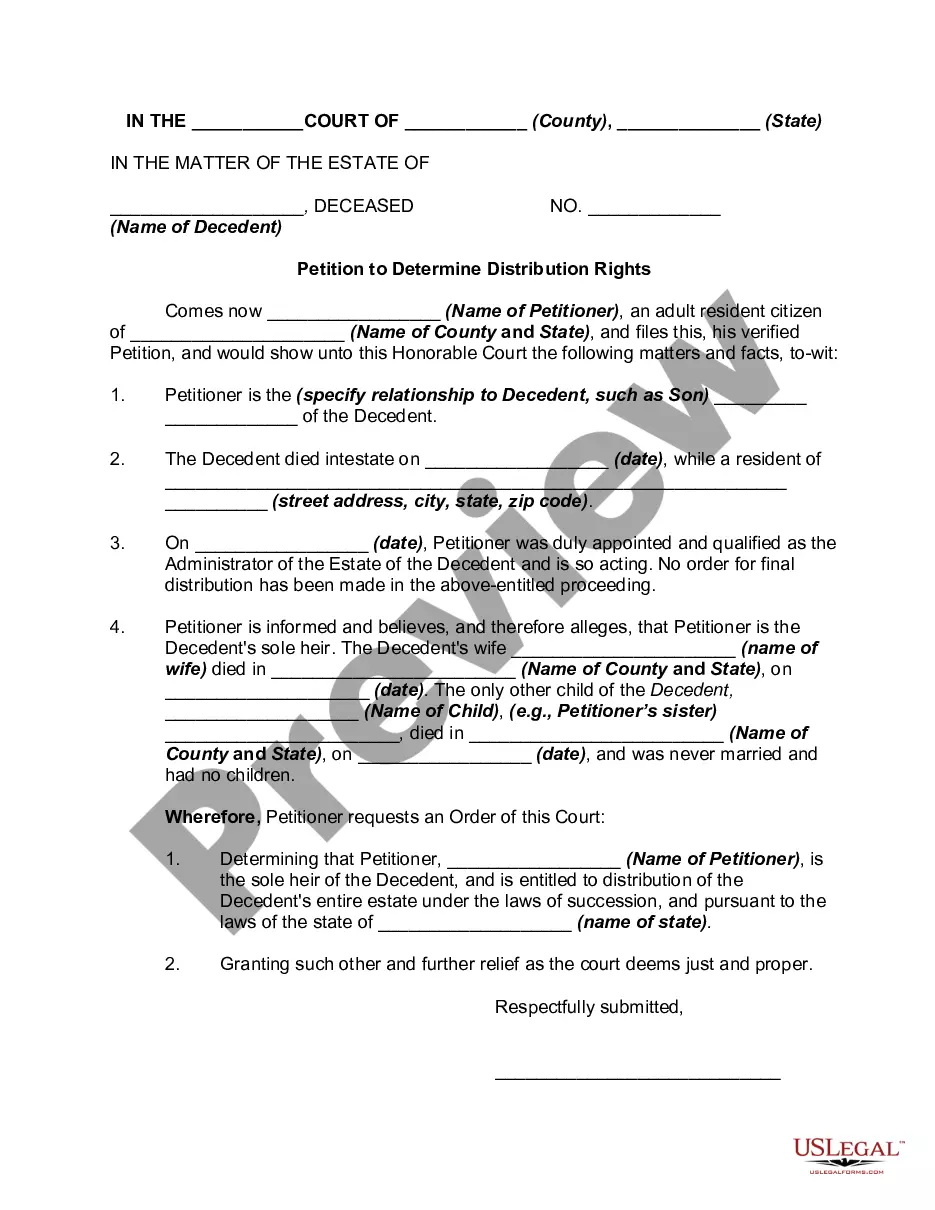
How to fill out Petition For Partial And Early Distribution Of Estate?
Regardless of whether it's for corporate reasons or personal affairs, everyone has to handle legal matters at some point in their lives.
Filling out legal paperwork demands meticulous care, starting with selecting the correct form example.
With an extensive US Legal Forms collection available, you no longer need to waste time searching for the correct template online. Leverage the library’s user-friendly navigation to find the appropriate form for any situation.
- For example, if you choose an incorrect version of an Estate Probate Florida For Sale, it will be rejected upon submission.
- Thus, it is vital to find a reliable source of legal documents such as US Legal Forms.
- To acquire an Estate Probate Florida For Sale sample, follow these straightforward steps.
- Locate the necessary template using the search feature or browse the catalog.
- Examine the form’s description to ensure it aligns with your circumstances, state, and county.
- Select the form’s preview to review it.
- If it is not the correct form, return to the search tool to find the Estate Probate Florida For Sale sample that you need.
- Obtain the template if it satisfies your requirements.
- If you possess a US Legal Forms account, just click Log in to access previously stored documents in My documents.
- If you do not have an account yet, you can download the form by clicking Buy now.
- Select the suitable pricing option.
- Complete the profile registration form.
- Choose your payment method: use a credit card or PayPal account.
- Select the document format you desire and download the Estate Probate Florida For Sale.
- Once downloaded, you can finish the form using editing software or print it and complete it by hand.
Form popularity
FAQ
To fill out inventory for a decedent's estate, list all assets clearly, including their estimated values. Ensure you account for real estate, personal belongings, and financial accounts. Utilizing US Legal Forms can streamline creating an accurate inventory, which is vital in the estate probate Florida for sale process.
A probate sale in Florida involves selling the estate’s property under court supervision. The personal representative handles the sale, and potential buyers often need to attend court hearings to finalize the transaction. Using platforms that specialize in estate probate Florida for sale can simplify this process.
Filling out an estate document requires careful attention to details such as the decedent's information, asset lists, and liabilities. It's recommended to consult with a professional or use a reliable platform like US Legal Forms for accurate forms and guidance. Properly completed estate documents facilitate the estate probate Florida for sale.
In Florida, you generally have two years from the date of death to file for an estate. However, it's often best to start the process as soon as possible to avoid complications. Timely filing can streamline the estate probate Florida for sale process.
In Florida, assets subject to probate typically include real estate, bank accounts, and personal property owned solely by the deceased. Additional assets that lack a designated beneficiary may also fall under probate jurisdiction. Understanding these assets can greatly impact the estate probate Florida for sale strategy.
Income for an estate includes any earnings generated by estate assets, such as rental income, interest, or dividends. This income is vital for settling debts and taxes associated with the estate. It’s important to track this income closely during the estate probate Florida for sale process.
You can sell a house during probate in Florida once the court approves the sale. The personal representative usually obtains this approval to ensure that the sale benefits the estate. Selling the home promptly may be crucial, especially if it is part of the estate probate Florida for sale process.
During probate in Florida, the estate owns the house. The personal representative, appointed by the court, manages the home until the probate process is complete. This means that the home may be part of the estate probate Florida for sale process, which influences decisions regarding its sale.
In Florida, the 10 day rule for probate requires that the personal representative notify the beneficiaries of the estate within 10 days of being appointed. This notification ensures that all interested parties are informed about the probate process and the estate's status. Understanding this rule is crucial for anyone looking into estate probate Florida for sale, as it highlights the importance of timely communication. Additionally, using a reliable platform like USLegalForms can help you navigate these requirements effectively.
Yes, you can file for probate without a lawyer in Florida, but be prepared for a challenging journey. Managing estate probate Florida for sale by yourself requires knowledge of the applicable laws and meticulous attention to detail. Utilizing resources like US Legal Forms can help you understand the necessary forms and steps to effectively complete the process.