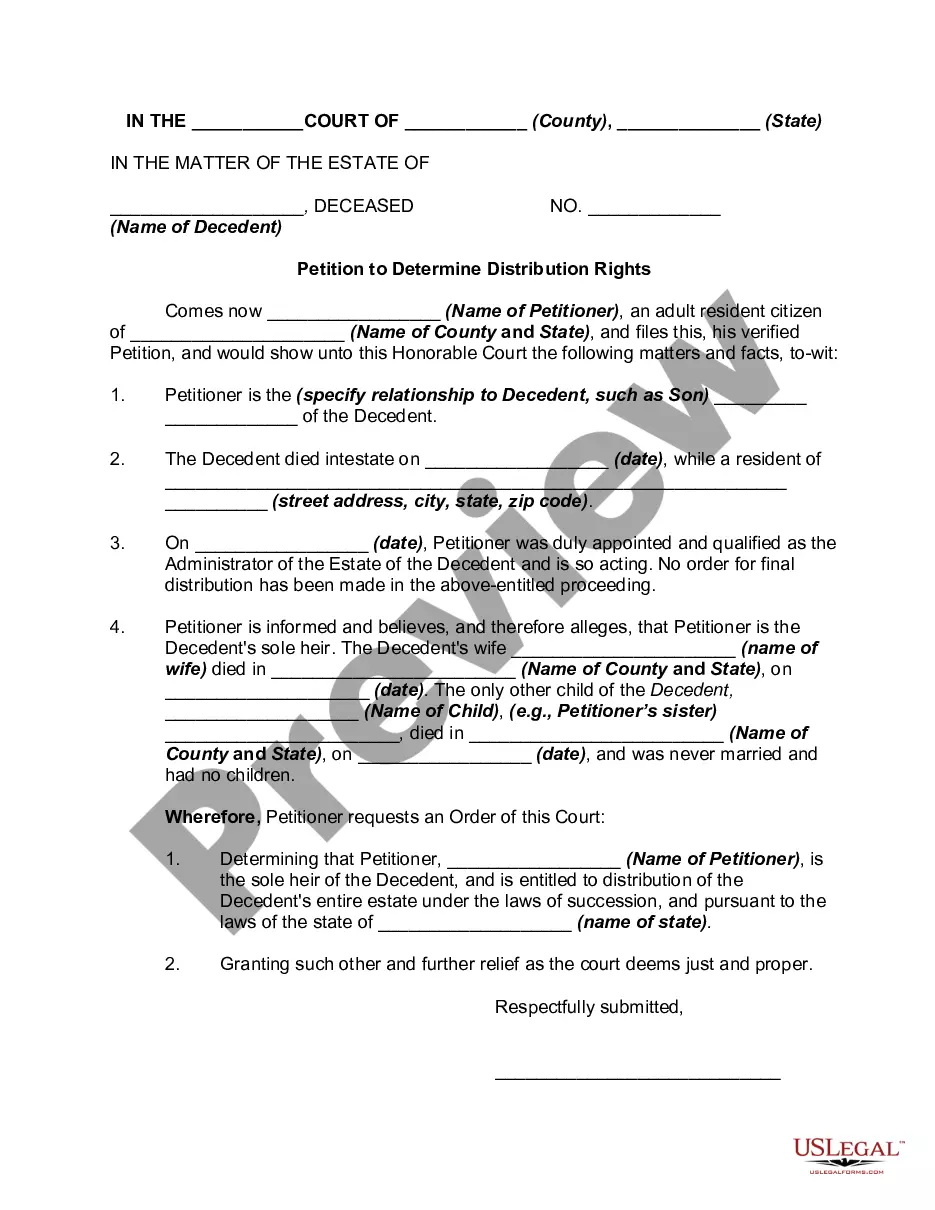
Estate Partial Distribution Letter For Estate
Description
Get your form ready online
Our built-in tools help you complete, sign, share, and store your documents in one place.
Make edits, fill in missing information, and update formatting in US Legal Forms—just like you would in MS Word.
Download a copy, print it, send it by email, or mail it via USPS—whatever works best for your next step.
Sign and collect signatures with our SignNow integration. Send to multiple recipients, set reminders, and more. Go Premium to unlock E-Sign.
If this form requires notarization, complete it online through a secure video call—no need to meet a notary in person or wait for an appointment.
We protect your documents and personal data by following strict security and privacy standards.

Make edits, fill in missing information, and update formatting in US Legal Forms—just like you would in MS Word.

Download a copy, print it, send it by email, or mail it via USPS—whatever works best for your next step.

Sign and collect signatures with our SignNow integration. Send to multiple recipients, set reminders, and more. Go Premium to unlock E-Sign.

If this form requires notarization, complete it online through a secure video call—no need to meet a notary in person or wait for an appointment.

We protect your documents and personal data by following strict security and privacy standards.
Looking for another form?
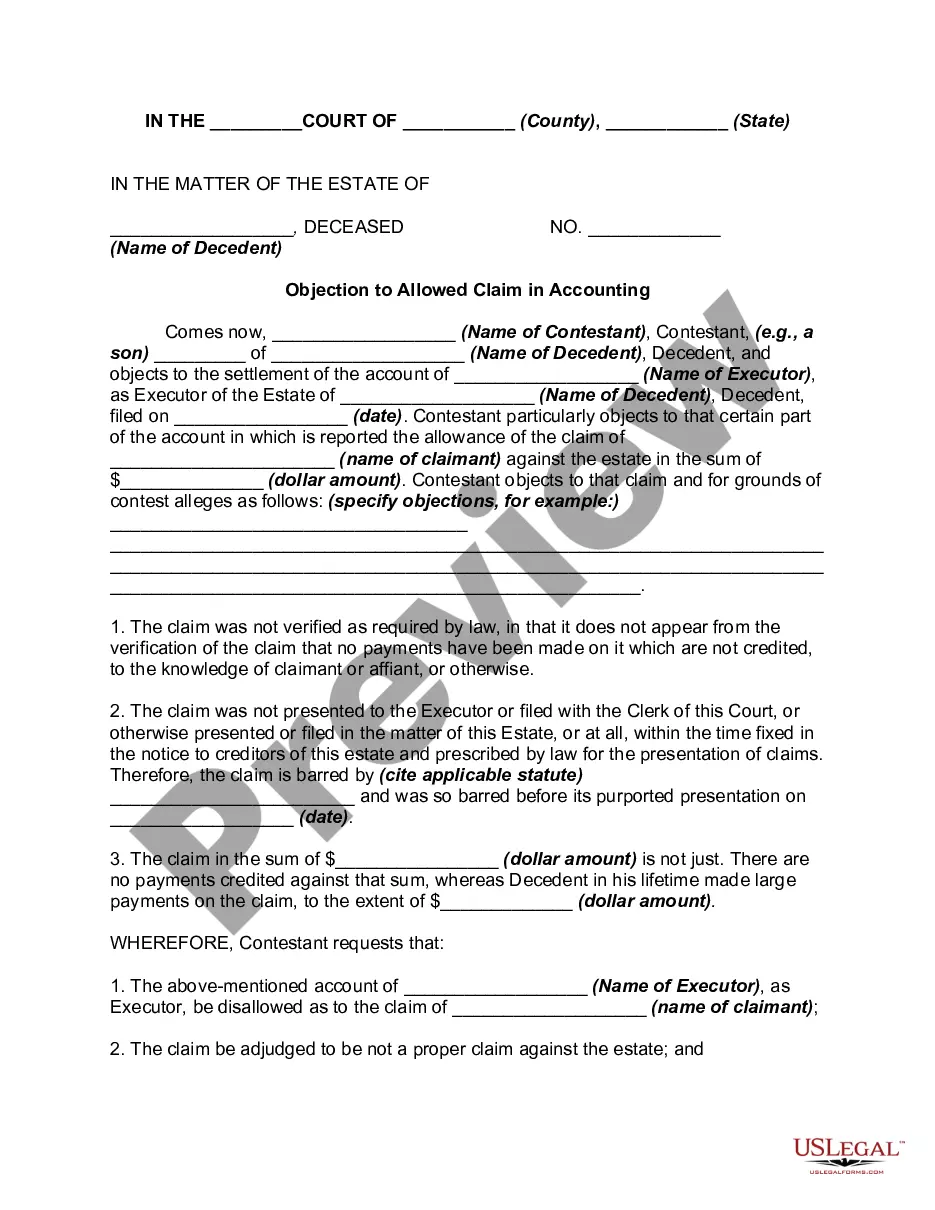
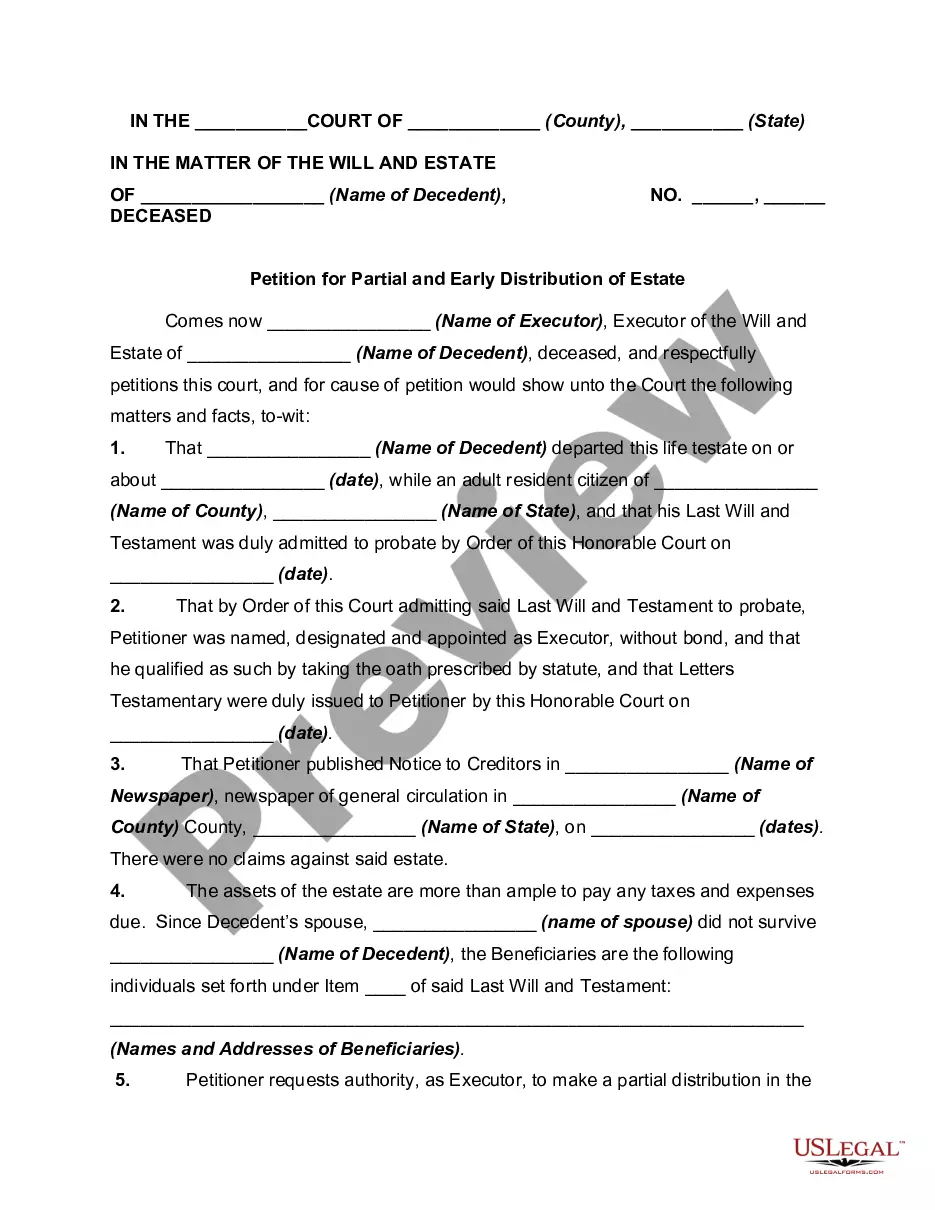
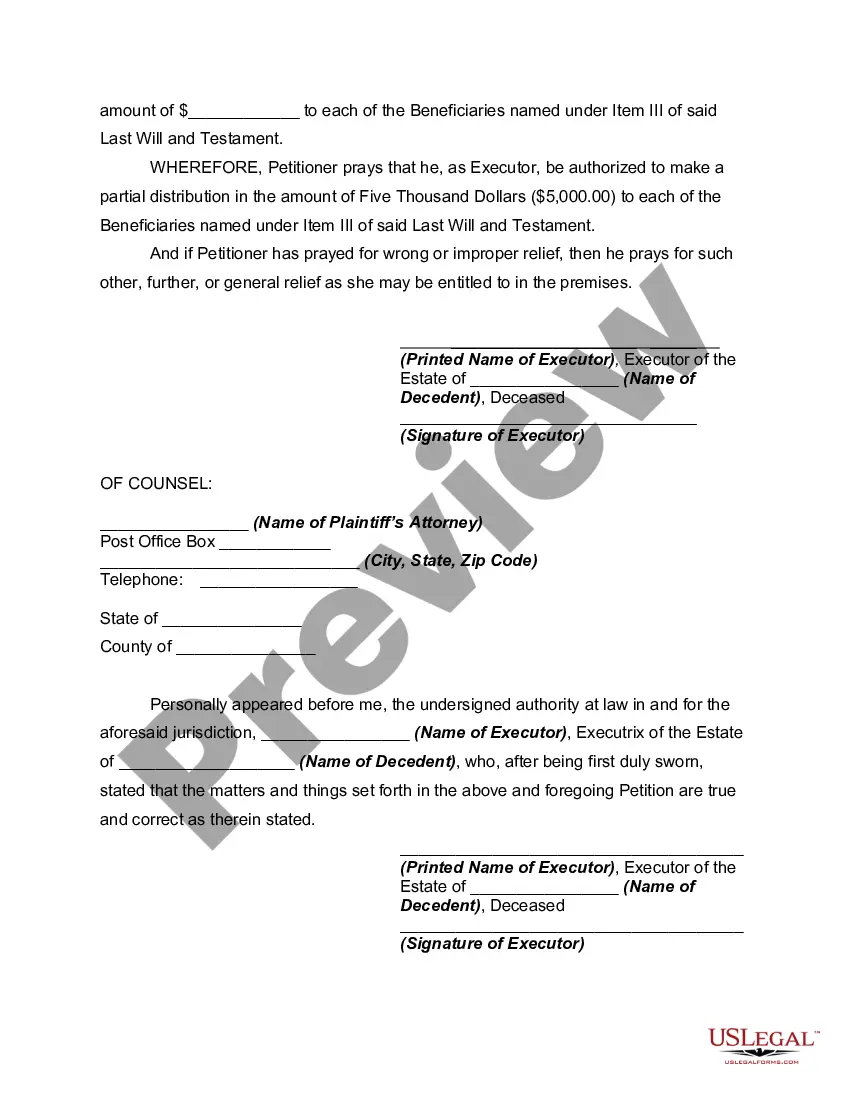
How to fill out Petition For Partial And Early Distribution Of Estate?
The Estate Partial Distribution Letter For Estate you observe on this page is a versatile legal template crafted by expert attorneys in compliance with federal and local regulations.
For over 25 years, US Legal Forms has supplied individuals, organizations, and legal practitioners with more than 85,000 validated, state-specific documents for any business and personal event. It’s the fastest, easiest, and most reliable method to acquire the documents you require, as the service ensures the utmost level of data protection and anti-malware safeguards.
Choose the format you prefer for your Estate Partial Distribution Letter For Estate (PDF, DOCX, RTF) and save the document on your device.
- Search for the document you require and review it.
- Browse the example you looked for and preview it or examine the form description to confirm it meets your needs. If it doesn’t, utilize the search bar to locate the suitable one. Click Buy Now when you have identified the template you want.
- Register and Log In.
- Select the pricing option that fits you and set up an account. Use PayPal or a credit card to make a swift payment. If you already possess an account, Log In and verify your subscription to continue.
- Obtain the editable template.
Form popularity
FAQ
Yes, an estate can be partially distributed, allowing beneficiaries to receive some assets before the entire estate is settled. This is especially practical when there are delays in settling debts or taxes. A well-prepared estate partial distribution letter for estate can facilitate this process and ensure that beneficiaries are informed of their entitlements.
No, an estate does not have to be divided equally among beneficiaries unless specified in the will or trust. You can dictate different shares or specific assets to various beneficiaries based on your wishes. Ensuring that your estate partial distribution letter for estate accurately reflects these decisions helps avoid confusion later.
Yes, an executor can make a partial distribution to beneficiaries if it is deemed appropriate. This may occur when the estate has sufficient liquid assets available, allowing for a distribution before all debts are settled. The executor typically documents this in an estate partial distribution letter for estate to keep beneficiaries informed about their shares.
A distribution statement for an estate is a document that outlines the specific assets and values being distributed to beneficiaries. This statement provides transparency and serves as a record of what each beneficiary receives. It is often included in the estate partial distribution letter for estate to maintain clear communication among all parties involved.
Yes, an estate can be partially distributed to beneficiaries under certain conditions. The executor may decide to distribute a portion of the estate while awaiting the resolution of other matters, such as debts or taxes. This process often involves creating an estate partial distribution letter for estate that details what assets are being distributed initially.
Yes, a legal request regarding estate distribution typically comes in the form of a will or trust document. This document clearly states your wishes for how your assets should be divided after your death. It is essential to create this legal framework to ensure your estate partial distribution letter for estate reflects your intentions accurately.
A beneficiary distribution letter serves as a formal notification to beneficiaries regarding the distribution of assets from an estate. It outlines what each beneficiary is entitled to receive and provides clarity on the distribution process. For instance, if a deceased individual had a will, the letter would specify how the estate partial distribution letter for estate allocates assets according to the will's instructions.
To report estate distributions to beneficiaries, you should provide a clear statement detailing the assets distributed and their respective values. This can be done through an estate partial distribution letter for estate, which outlines each beneficiary's share and any applicable tax implications. It is important to maintain transparency and keep beneficiaries informed throughout the process. Utilizing platforms like USLegalForms can simplify this task, offering templates and resources to ensure compliance and clarity.
An executor should typically wait at least six months after the probate process begins before distributing assets. This waiting period allows time for all debts to be settled and any claims against the estate to be addressed. It is essential to ensure that all beneficiaries receive their fair share based on the estate's final accounting. Using an estate partial distribution letter for estate can help facilitate this process by formally notifying beneficiaries of their expected distributions.
An example of a final distribution of estate letter includes a clear statement of the estate’s closure, along with a detailed list of distributed assets or funds to each beneficiary. This letter should highlight the executor's role and any relevant dates. It serves as a formal documentation of the distribution process. Consider using an estate partial distribution letter for estate as a foundation to create this final letter, ensuring it meets all necessary legal standards.