Estate Distribution Account For Minor
Description
Get your form ready online
Our built-in tools help you complete, sign, share, and store your documents in one place.
Make edits, fill in missing information, and update formatting in US Legal Forms—just like you would in MS Word.
Download a copy, print it, send it by email, or mail it via USPS—whatever works best for your next step.
Sign and collect signatures with our SignNow integration. Send to multiple recipients, set reminders, and more. Go Premium to unlock E-Sign.
If this form requires notarization, complete it online through a secure video call—no need to meet a notary in person or wait for an appointment.
We protect your documents and personal data by following strict security and privacy standards.

Make edits, fill in missing information, and update formatting in US Legal Forms—just like you would in MS Word.

Download a copy, print it, send it by email, or mail it via USPS—whatever works best for your next step.

Sign and collect signatures with our SignNow integration. Send to multiple recipients, set reminders, and more. Go Premium to unlock E-Sign.

If this form requires notarization, complete it online through a secure video call—no need to meet a notary in person or wait for an appointment.

We protect your documents and personal data by following strict security and privacy standards.
Looking for another form?

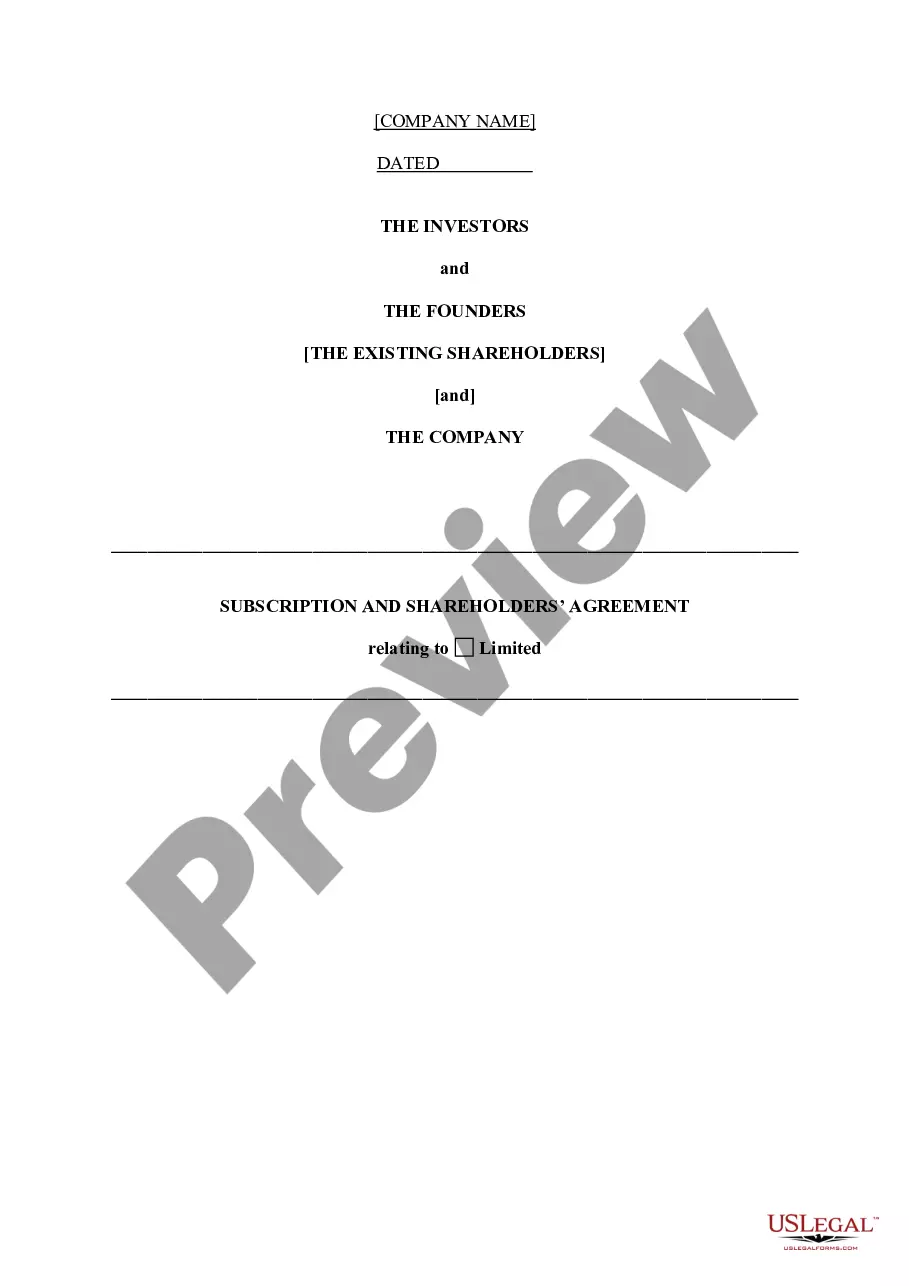

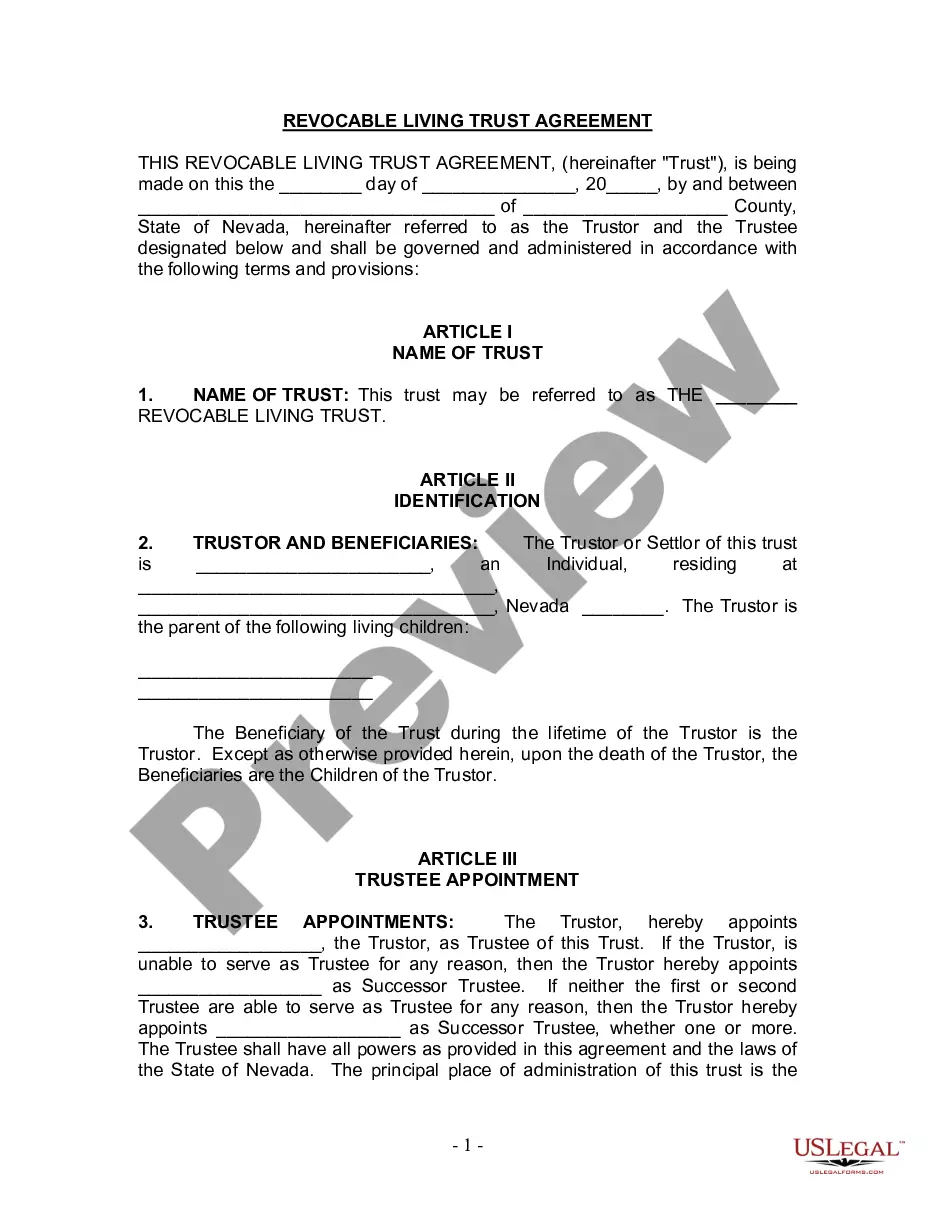


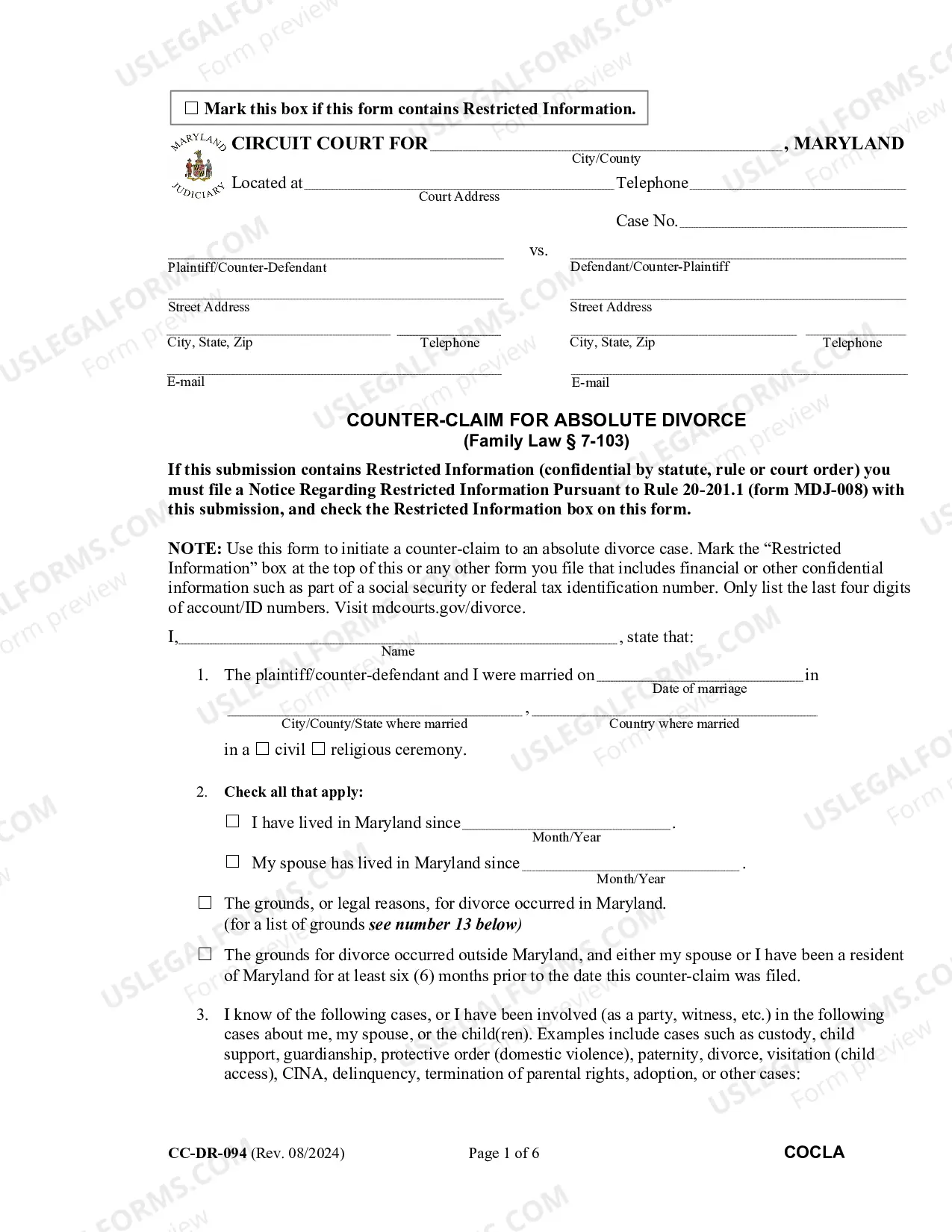


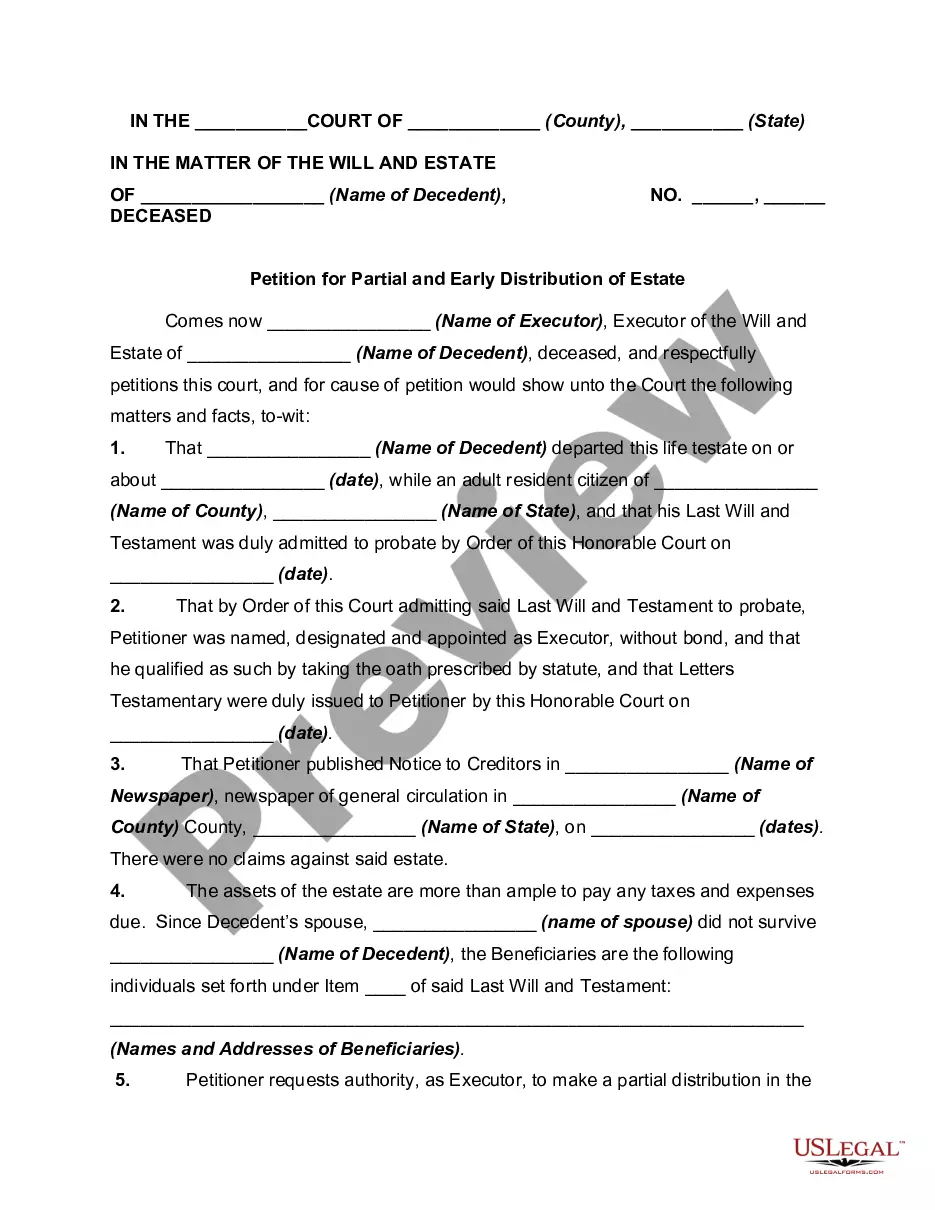
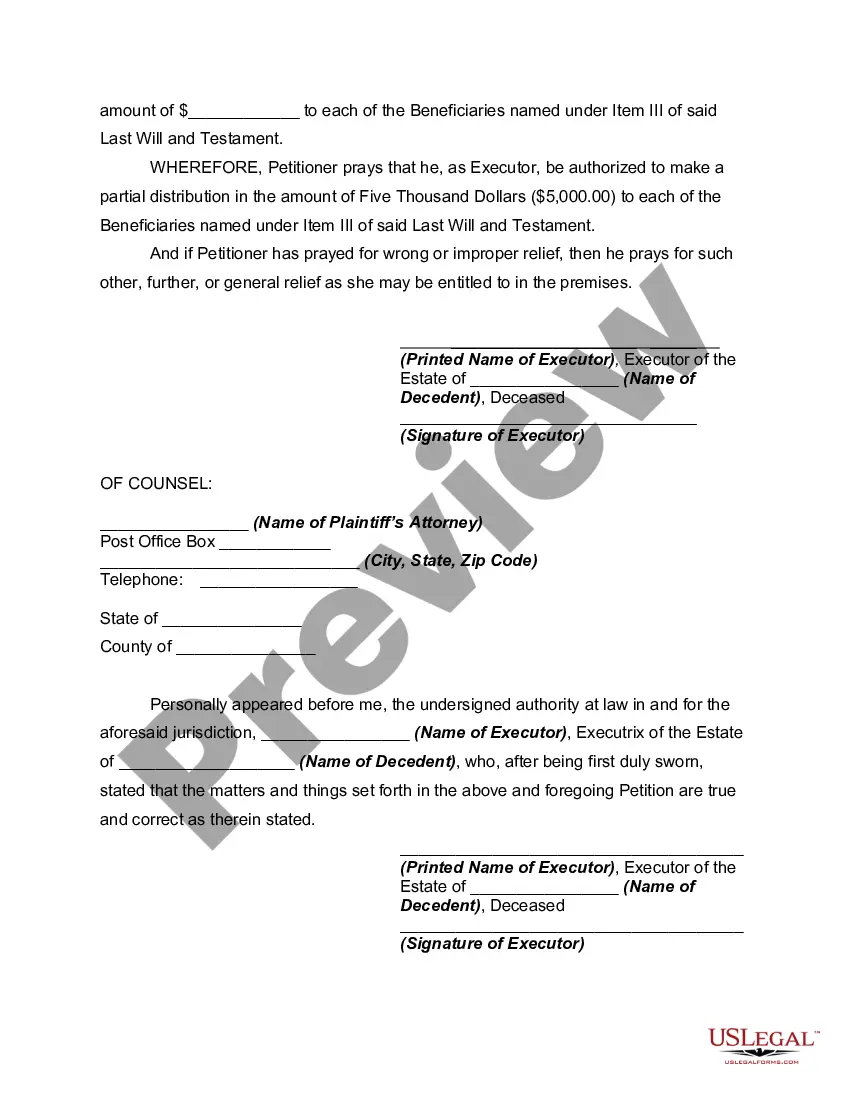
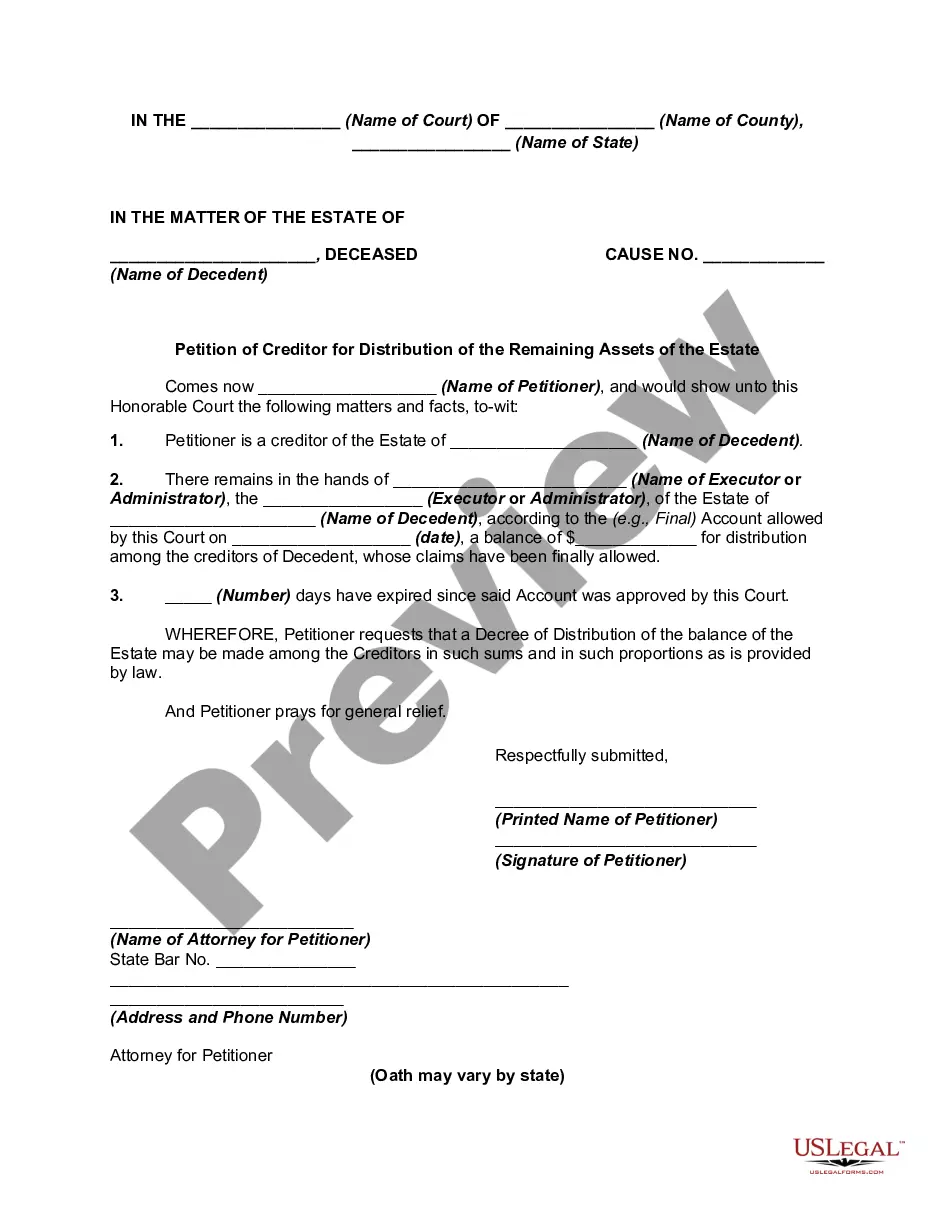
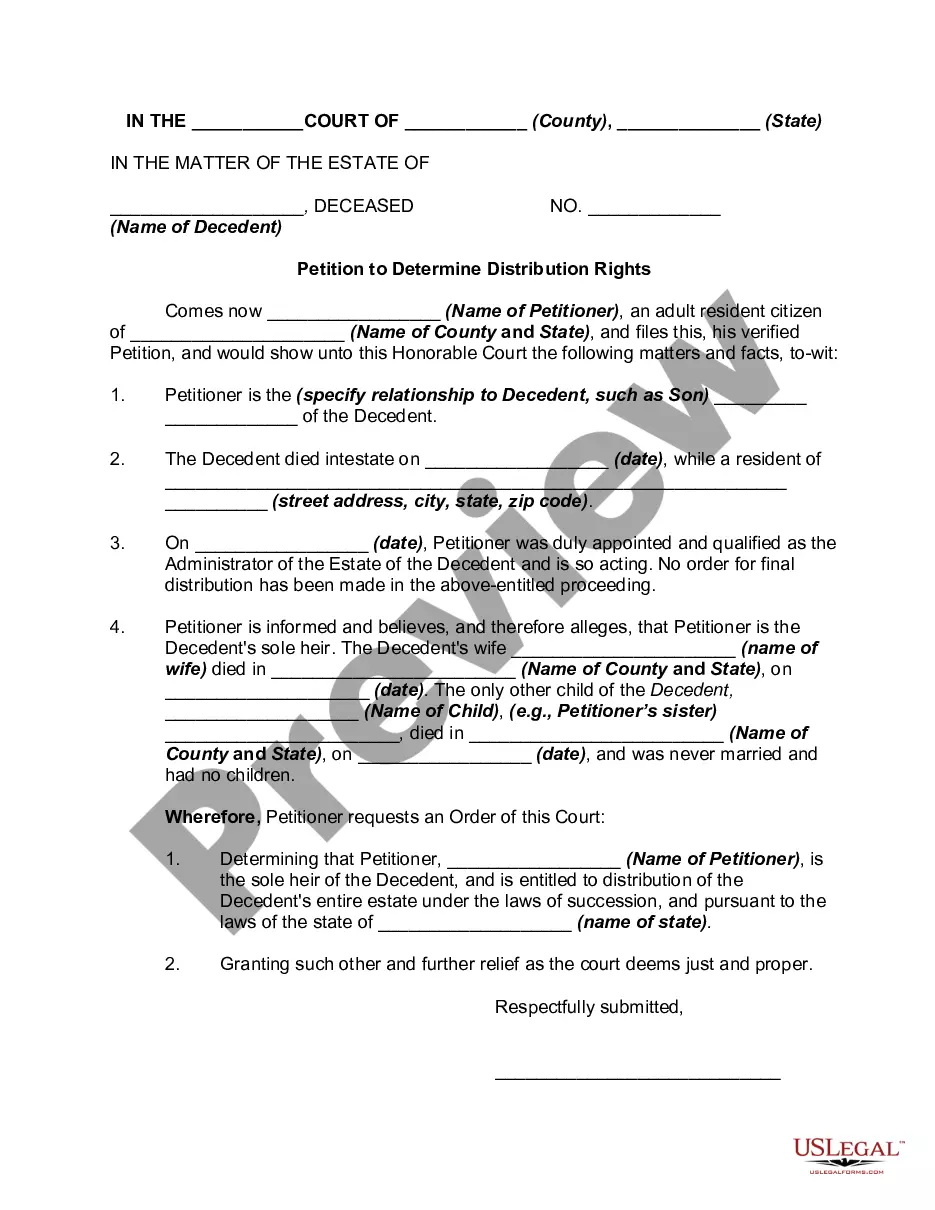
How to fill out Petition For Partial And Early Distribution Of Estate?
The Estate Distribution Account For Minor displayed on this page is a reusable legal blueprint crafted by experienced attorneys in accordance with federal and state laws.
For over 25 years, US Legal Forms has offered individuals, businesses, and lawyers access to more than 85,000 verified, state-specific documents for any commercial and personal need. It’s the fastest, simplest, and most trustworthy method to secure the documents you require, as the service ensures bank-level data protection and anti-malware safeguards.
Select the format you prefer for your Estate Distribution Account For Minor (PDF, DOCX, RTF) and save the document onto your device.
- Search for the document you require and examine it.
- Browse the example you sought and preview it or review the form description to ensure it meets your needs. If it doesn’t, utilize the search feature to locate the appropriate one. Click Buy Now once you have found the template necessary.
- Register and Log In.
- Choose the pricing plan that fits your needs and set up an account. Make a quick payment using PayPal or a credit card. If you already possess an account, Log In and check your subscription to proceed.
- Obtain the editable template.
Form popularity
FAQ
You should add together the totals for assets, changes, and income, then take away the totals for liabilities and expenses. This final figure should then be divided into the appropriate portions and then assigned to the list of beneficiaries.
When the child turns 18 (or 21 or more if a different age is stated in the will) the trustee will transfer to the child the balance of the inheritance due. An executor is usually additionally appointed as a trustee by the will.
Can a minor be a beneficiary in your will? Although minors (specified as anyone under 18) can be beneficiaries of an estate, in general, they aren't allowed to accept a share of an estate or a gift until they reach 18 years of age.
The money shall be invested with the County Treasurer; The money shall be deposited in a blocked account, or a single premium deferred annuity, with withdrawal only allowed by Court order; All or part of the money must be turned over to a custodian under the California Uniform Transfers to Minors Act.
A trust made by parents where property, for example, is held in trust until children are aged between 18 and 25 will attract some 'exit charges' for funds left in the trust beyond the age of 18, along with Capital Gains Tax, although holdover relief may be available, meaning the child will not have to pay the tax until ...