Distribution Estate Form With Tax
Description
Get your form ready online
Our built-in tools help you complete, sign, share, and store your documents in one place.
Make edits, fill in missing information, and update formatting in US Legal Forms—just like you would in MS Word.
Download a copy, print it, send it by email, or mail it via USPS—whatever works best for your next step.
Sign and collect signatures with our SignNow integration. Send to multiple recipients, set reminders, and more. Go Premium to unlock E-Sign.
If this form requires notarization, complete it online through a secure video call—no need to meet a notary in person or wait for an appointment.
We protect your documents and personal data by following strict security and privacy standards.

Make edits, fill in missing information, and update formatting in US Legal Forms—just like you would in MS Word.

Download a copy, print it, send it by email, or mail it via USPS—whatever works best for your next step.

Sign and collect signatures with our SignNow integration. Send to multiple recipients, set reminders, and more. Go Premium to unlock E-Sign.

If this form requires notarization, complete it online through a secure video call—no need to meet a notary in person or wait for an appointment.

We protect your documents and personal data by following strict security and privacy standards.
Looking for another form?





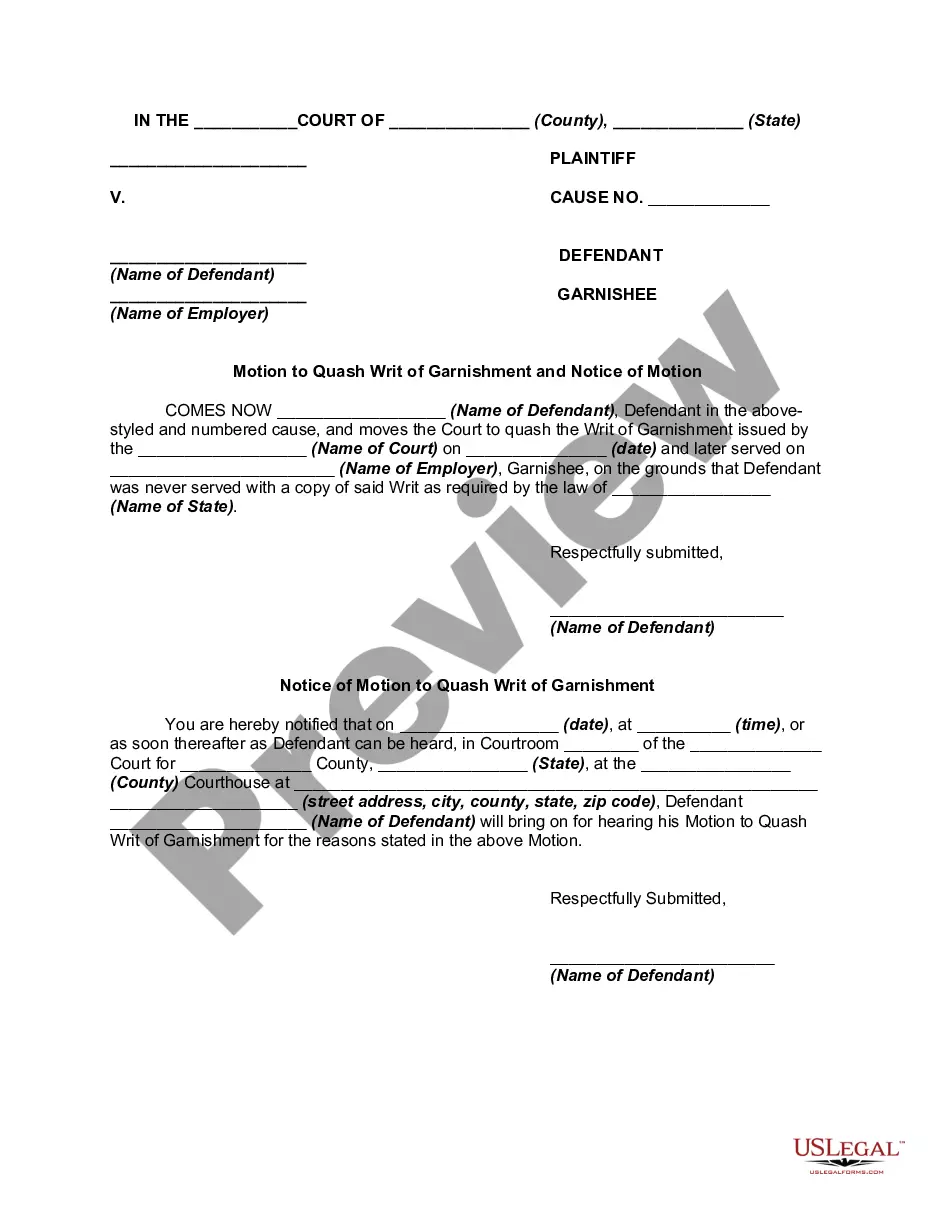

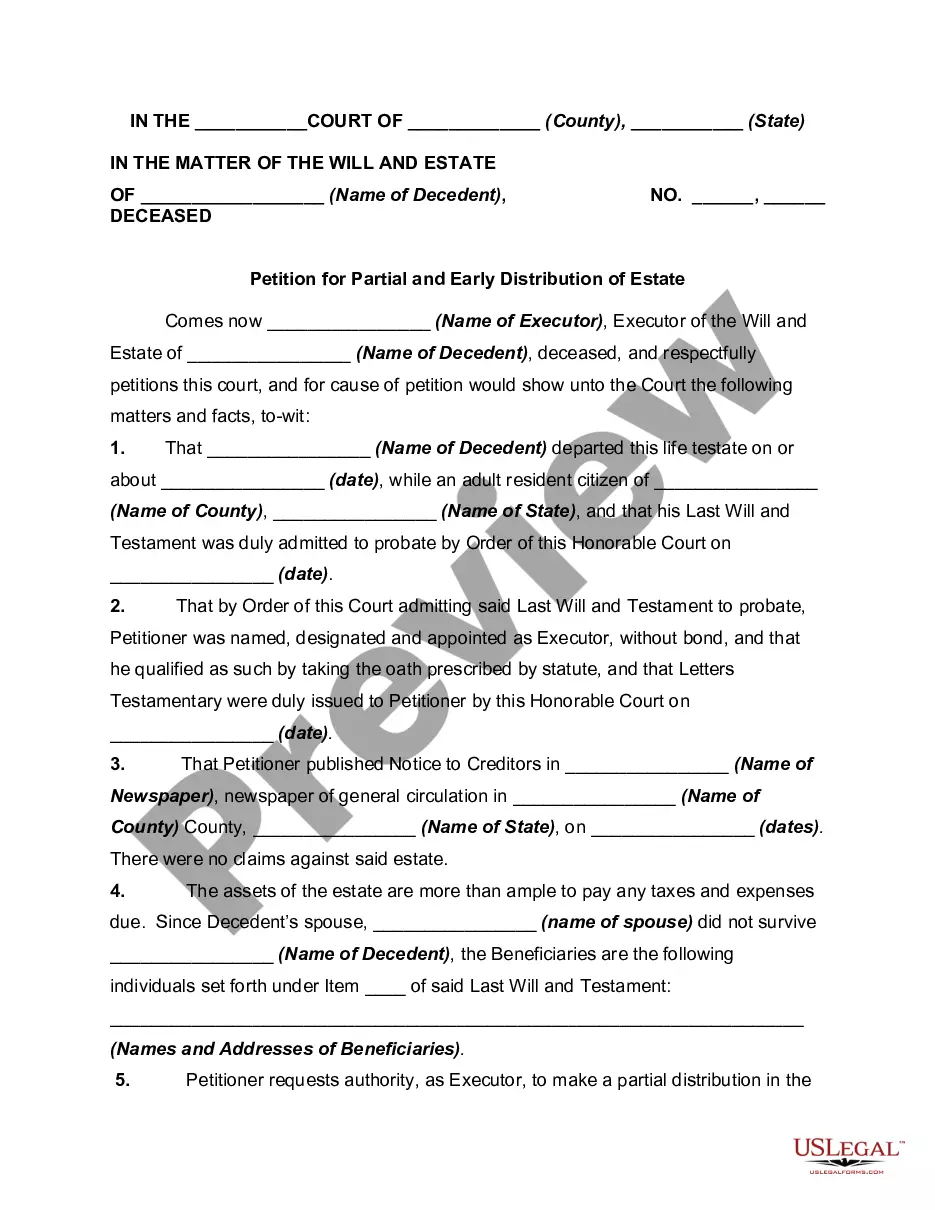
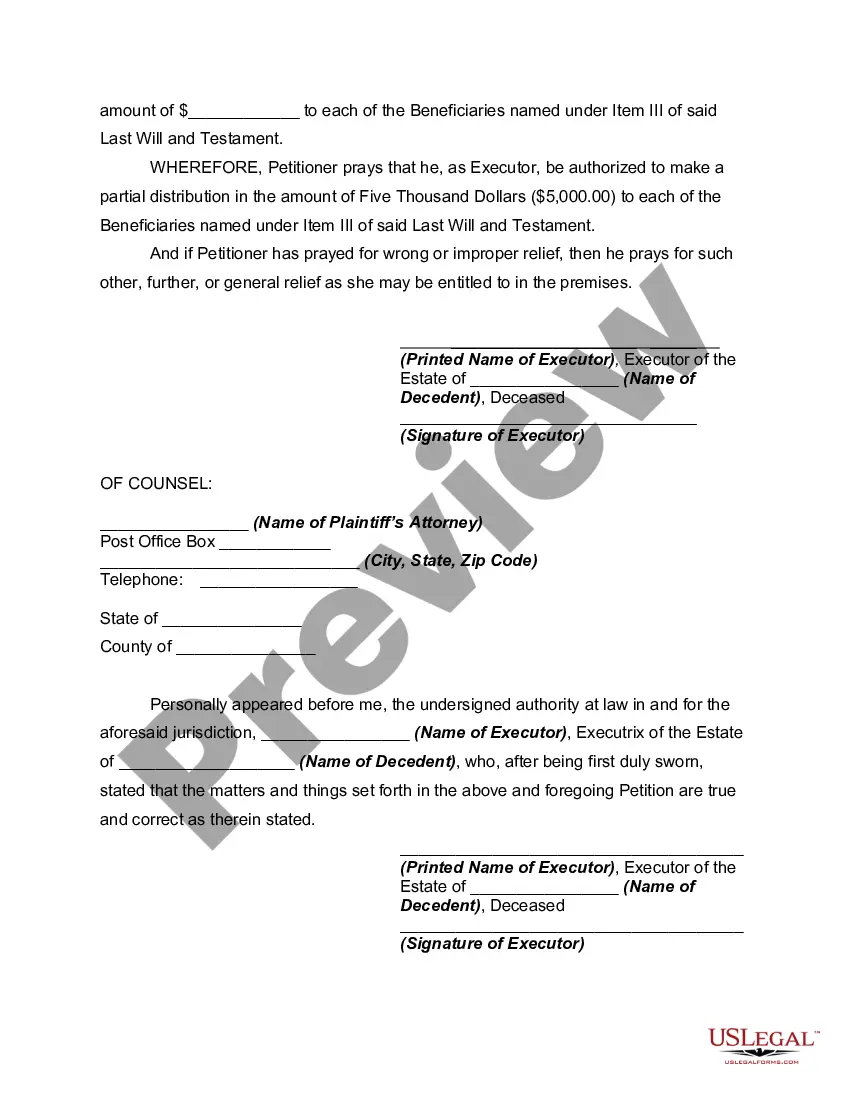
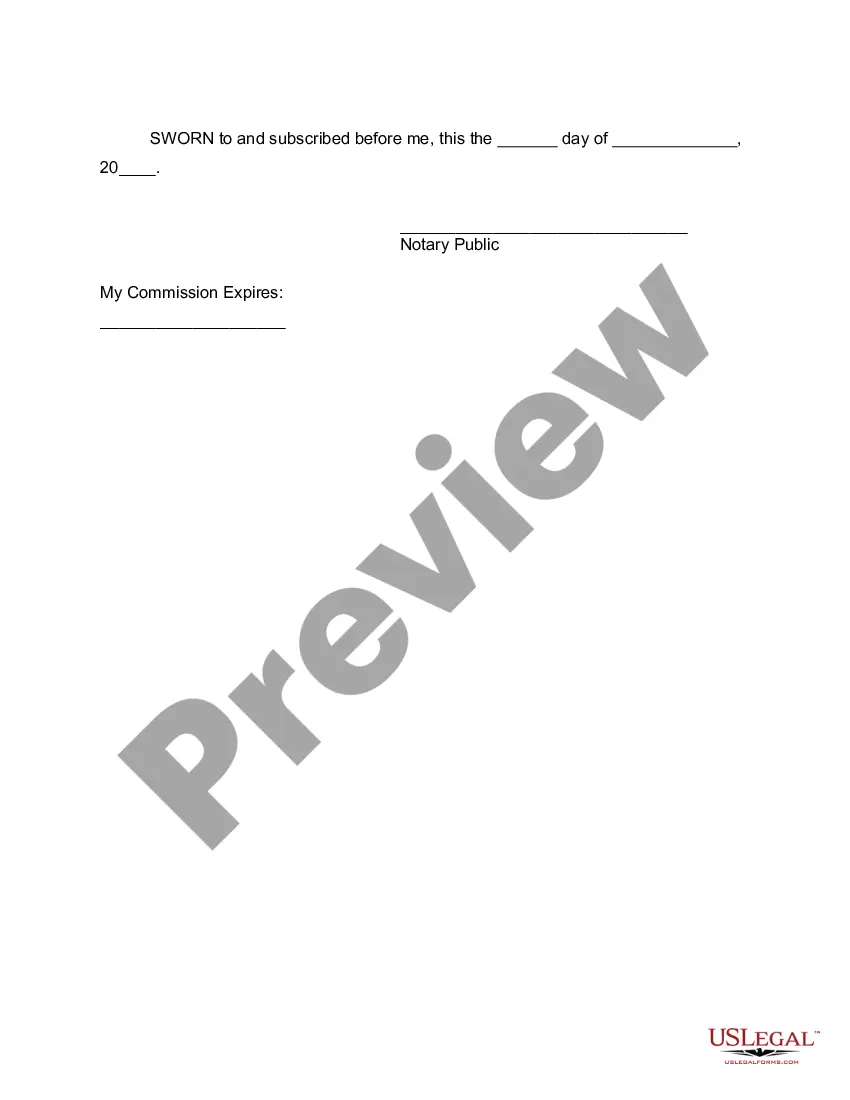
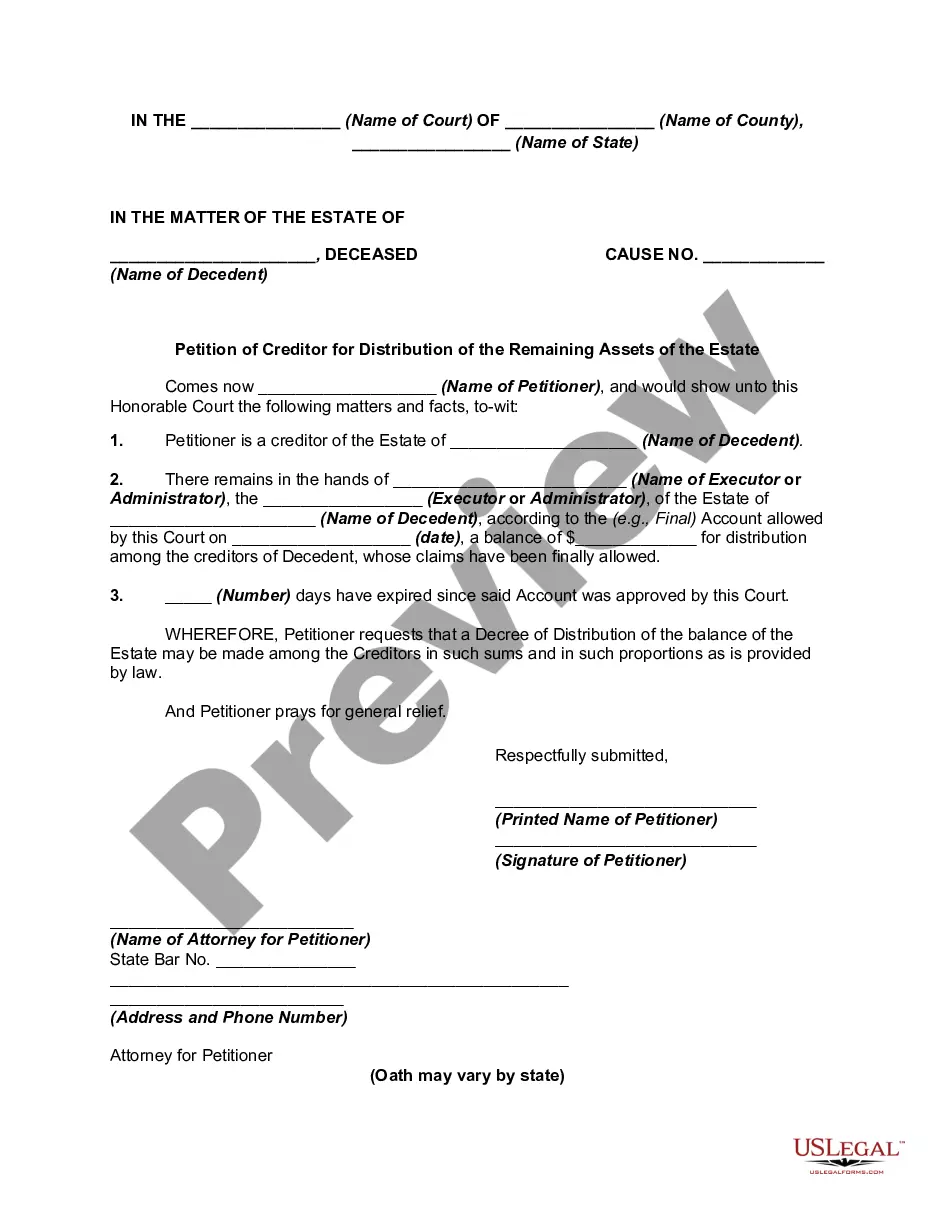
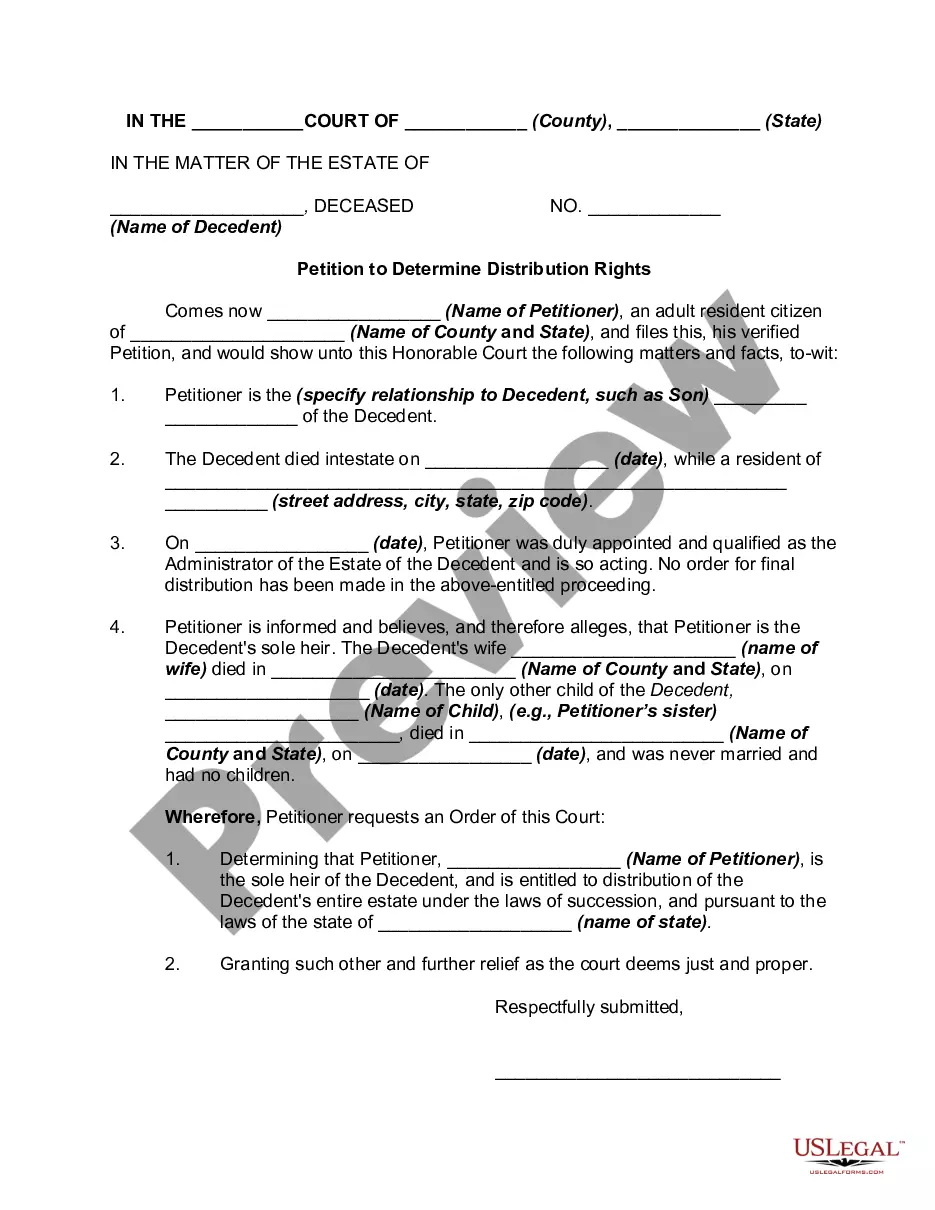
How to fill out Petition For Partial And Early Distribution Of Estate?
It’s widely acknowledged that you cannot transform into a legal authority instantly, nor can you swiftly master the drafting of a Distribution Estate Form With Tax without possessing a specialized background.
Formulating legal documents is a lengthy process necessitating specific education and expertise. So why not entrust the development of the Distribution Estate Form With Tax to the professionals.
With US Legal Forms, one of the most comprehensive legal document repositories, you can discover everything from court documents to templates for in-office communication.
If you need any other form, start your search again.
Register for a complimentary account and select a subscription plan to purchase the template. Click Buy now. Once the payment is completed, you can acquire the Distribution Estate Form With Tax, complete it, print it, and send or mail it to the relevant individuals or organizations.
- We recognize how vital compliance and adherence to federal and local laws and regulations are.
- That’s why, on our platform, all forms are location-specific and current.
- Here’s how to begin with our website and obtain the document you need in just minutes.
- Locate the form you require using the search bar at the top of the page.
- Preview it (if this option is available) and review the accompanying description to see if the Distribution Estate Form With Tax meets your needs.
Form popularity
FAQ
In general, any inheritance you receive does not need to be reported to the IRS. You typically don't need to report inheritance money to the IRS because inheritances aren't considered taxable income by the federal government.
Inheritances of cash or property are not taxed as income to the recipient. As of 2021, the estate tax, which the estate itself pays, is levied only on amounts above $11.7 million.
Report income distributions to beneficiaries and to the IRS on Schedule K-1 (Form 1041). For calendar year estates and trusts, file Form 1041 and Schedule(s) K-1 on or before April 15 of the following year.
Once the executor of the estate has divided up the assets and distributed them to the beneficiaries, the inheritance tax can come into play. The amount of tax is calculated separately for each individual beneficiary, and the beneficiary has to pay the tax.
As executor of an estate, the form you'll file for the deceased person is Form 1040 as a final return. If you are legally deemed the executor or fiduciary of an estate, you may also file a Form 1041 for the deceased individual's estate.