Unlawful Detainer Over With Prejudice
Description
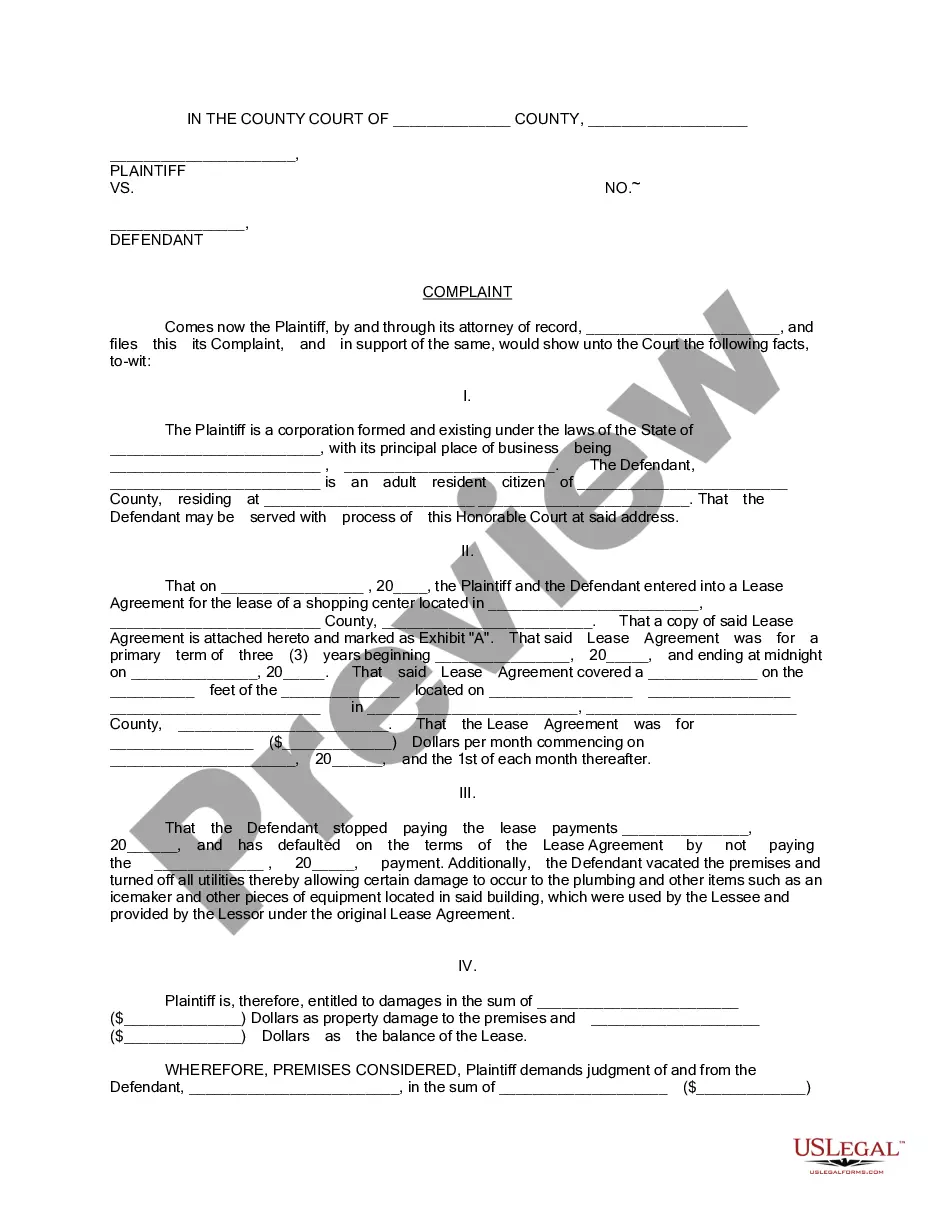
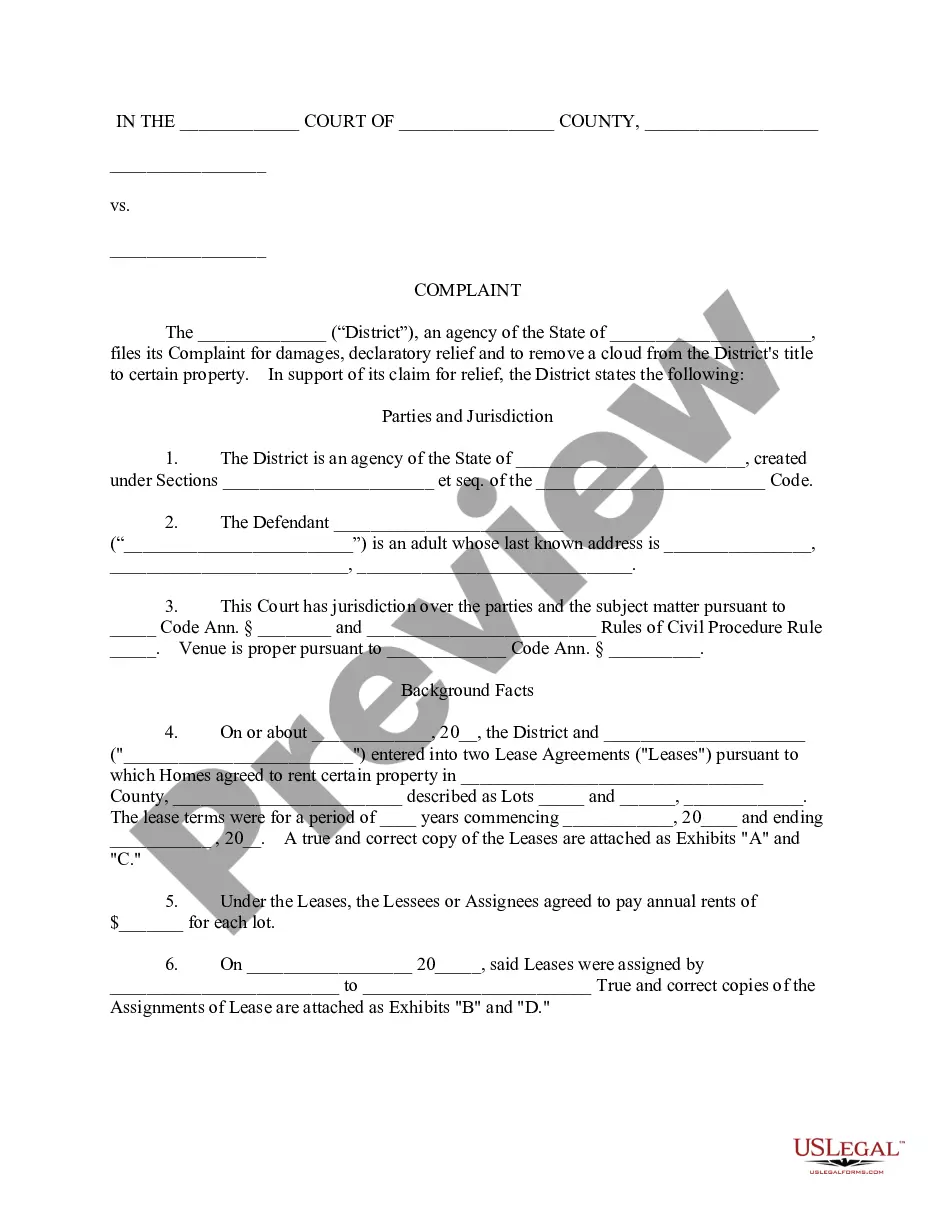
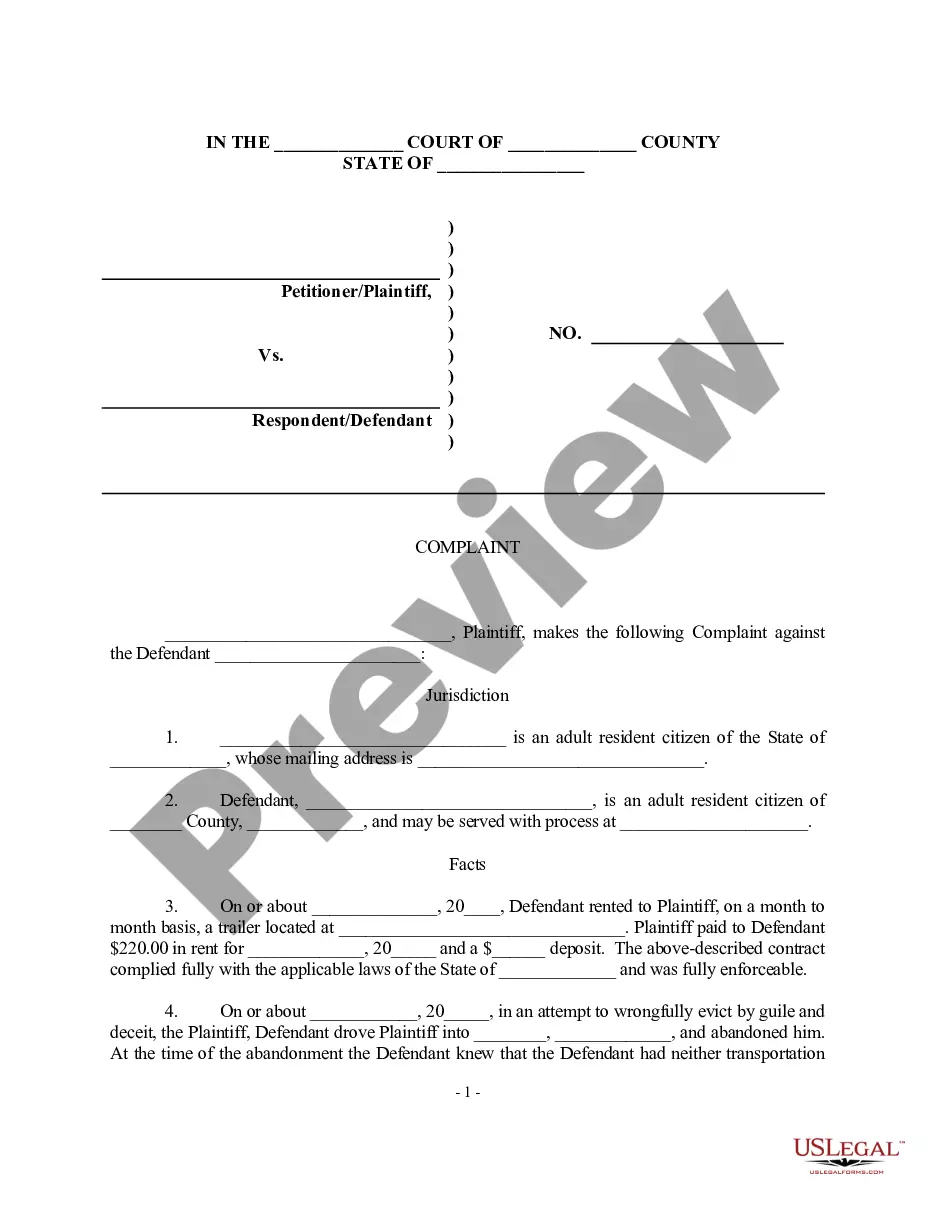
Get your form ready online
Our built-in tools help you complete, sign, share, and store your documents in one place.
Make edits, fill in missing information, and update formatting in US Legal Forms—just like you would in MS Word.
Download a copy, print it, send it by email, or mail it via USPS—whatever works best for your next step.
Sign and collect signatures with our SignNow integration. Send to multiple recipients, set reminders, and more. Go Premium to unlock E-Sign.
If this form requires notarization, complete it online through a secure video call—no need to meet a notary in person or wait for an appointment.
We protect your documents and personal data by following strict security and privacy standards.

Make edits, fill in missing information, and update formatting in US Legal Forms—just like you would in MS Word.

Download a copy, print it, send it by email, or mail it via USPS—whatever works best for your next step.

Sign and collect signatures with our SignNow integration. Send to multiple recipients, set reminders, and more. Go Premium to unlock E-Sign.

If this form requires notarization, complete it online through a secure video call—no need to meet a notary in person or wait for an appointment.

We protect your documents and personal data by following strict security and privacy standards.
Looking for another form?

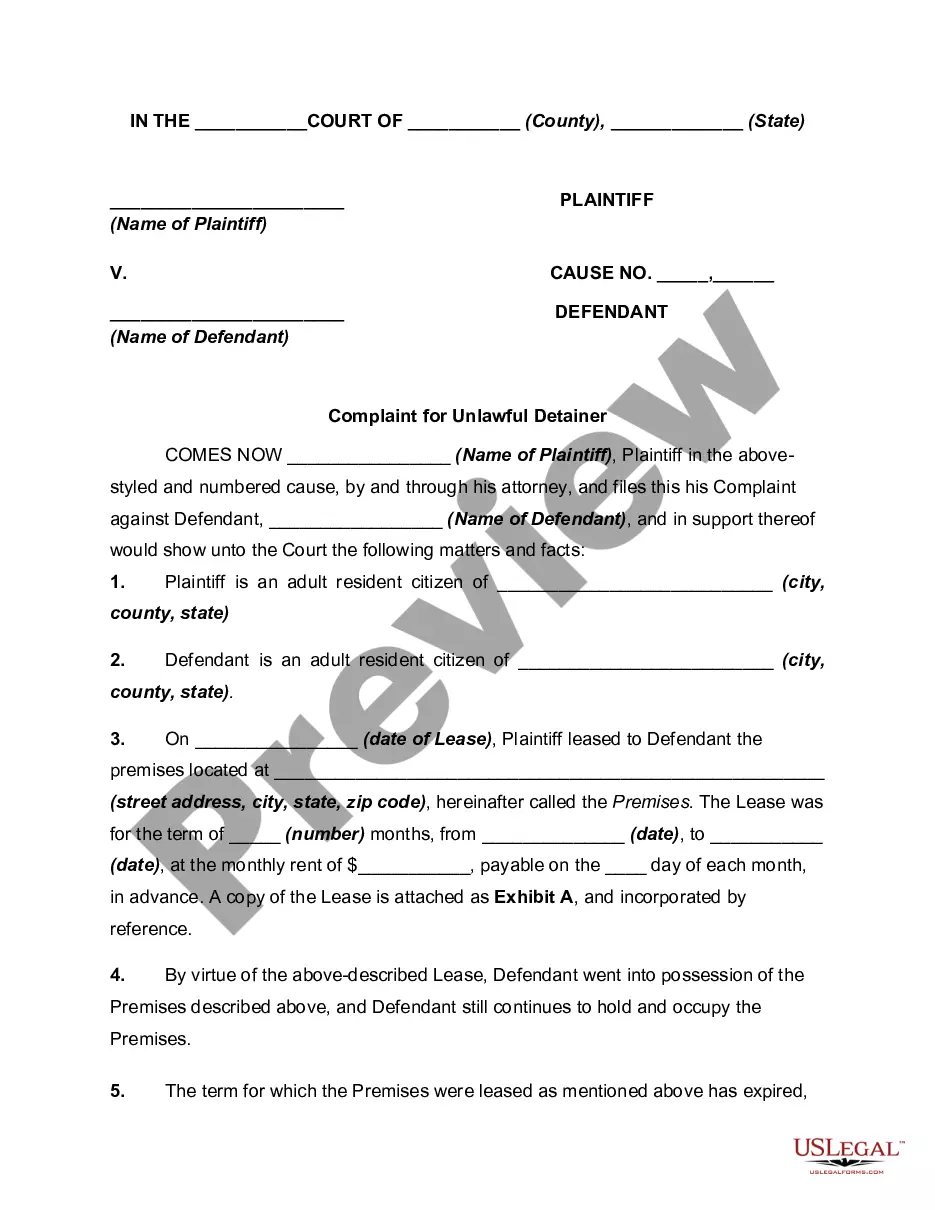
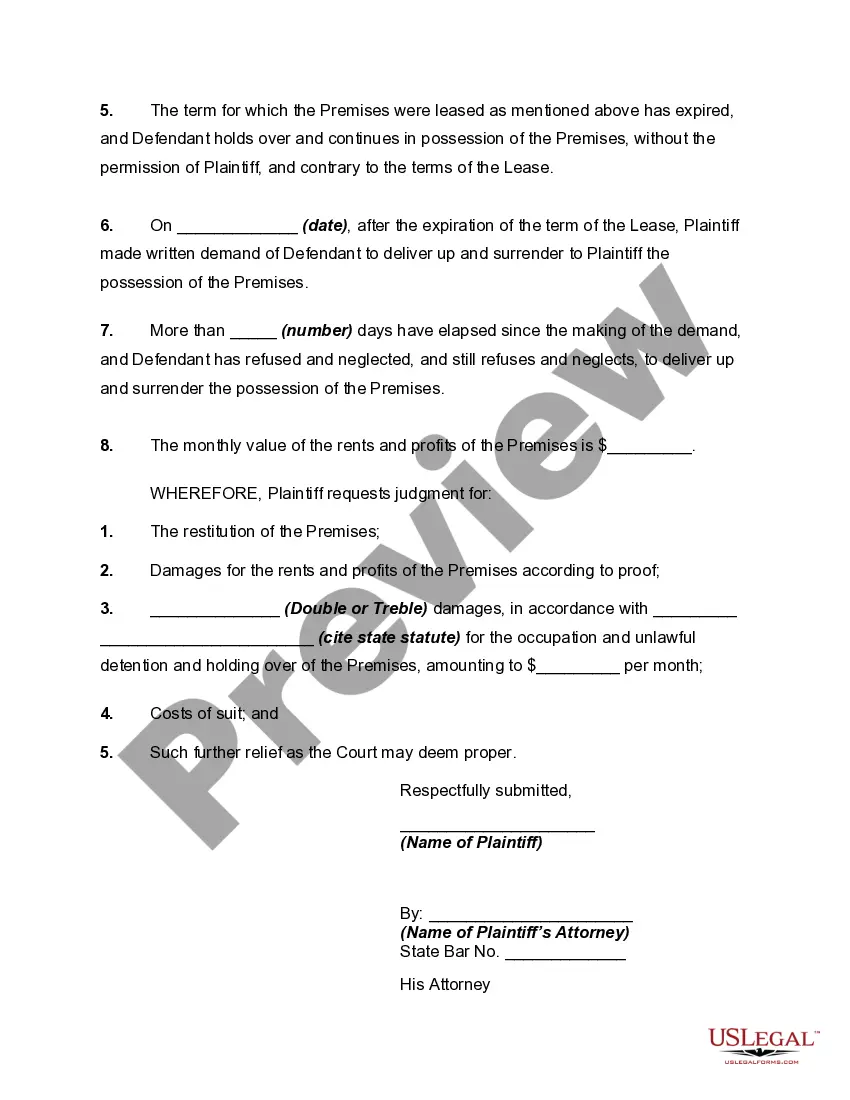
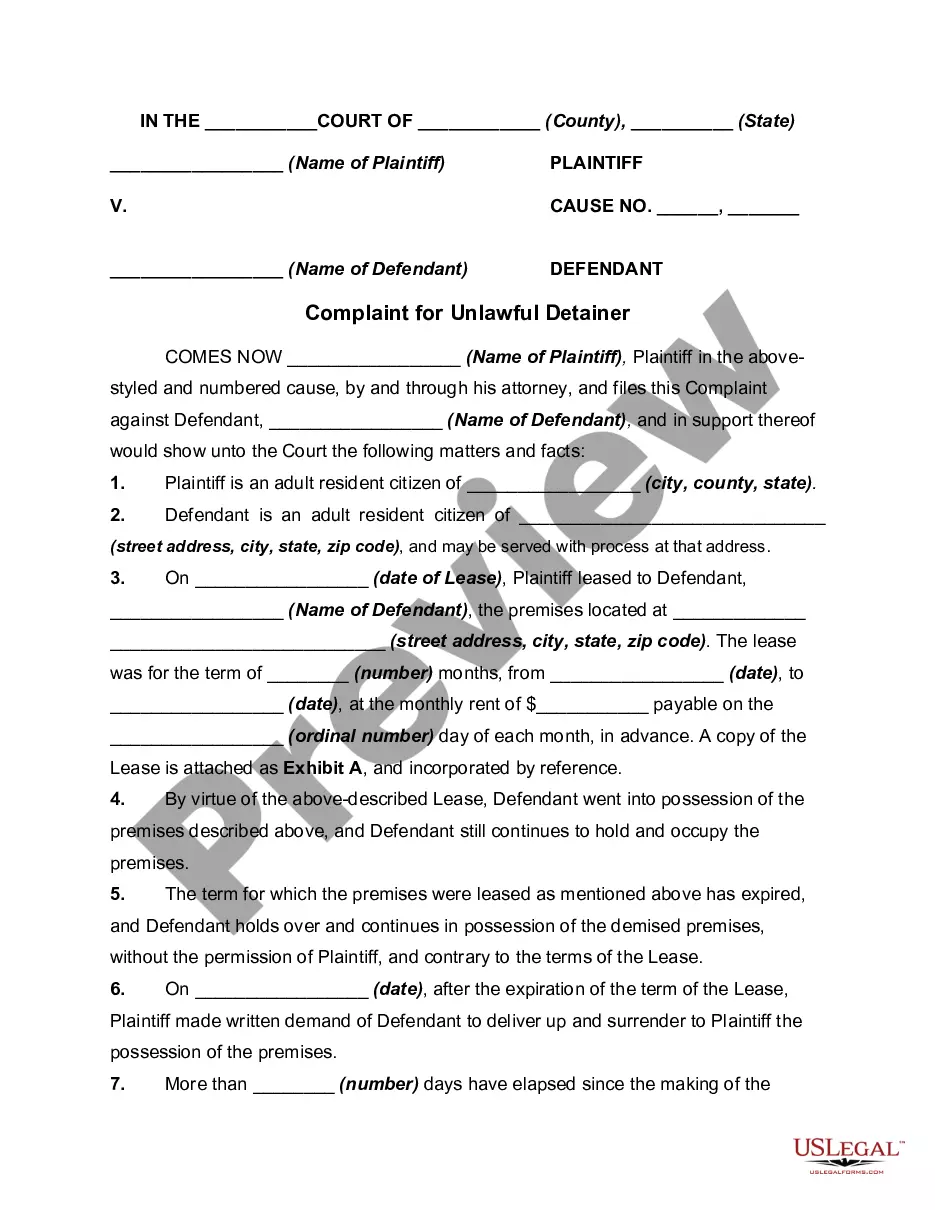
How to fill out Complaint For Unlawful Detainer - Residential Tenant Holding Over After Expiration Of Term?
Handling legal documentation and tasks can be a lengthy addition to your day.
Unlawful Detainer Over With Prejudice and similar forms often necessitate searching for them and maneuvering through the process to complete them effectively.
Therefore, whether you are managing financial, legal, or personal issues, having a comprehensive and user-friendly online repository of forms readily available will be beneficial.
US Legal Forms is the leading online platform for legal documents, offering over 85,000 state-specific templates and a variety of resources to assist you in completing your paperwork efficiently.
Simply Log In to your account, find Unlawful Detainer Over With Prejudice, and obtain it immediately from the My documents section. You can also access previously stored forms.
- Browse through the database of relevant documents accessible to you with a single click.
- US Legal Forms provides you with state- and county-specific forms available for download at any time.
- Protect your document management processes with premium support that enables you to prepare any form in minutes without any additional or hidden charges.
Form popularity
FAQ
To get a case dismissed without prejudice, you can request the court to dismiss the case while retaining your right to refile it in the future. This is essential if you believe new evidence may surface or if you are seeking additional time to address the issues at hand. Utilizing resources on platforms like US Legal Forms can help clarify the nuances of this process.
Yes, you can file a motion to dismiss a case with prejudice under specific conditions. This typically occurs when the case lacks merit or when the party wishes to prevent future litigation on the same matter. If you find yourself in a situation involving an unlawful detainer, consider consulting professional resources to ensure you navigate the process correctly.
To appeal a case dismissed with prejudice, you must file a notice of appeal in the specified timeframe set by the court. The process requires you to outline the reasons for your appeal and any relevant facts about your unlawful detainer case. Remember, a successful appeal relies heavily on demonstrating an error in the original court's decision.
When a case is dismissed with prejudice in the context of an unlawful detainer, it means the case cannot be brought back to court. This final decision prevents the landlord from filing another eviction lawsuit based on the same grounds. Essentially, it closes the door on that particular issue, protecting the tenant from future claims on that eviction.
If you wish to appeal an unlawful detainer ruling, file your appeal in the court location where the original proceeding was heard. For more information on Unlawful Detainer (Landlord/Tenant), visit our Landlord/Tenant page. Additional information is also available on the California Courts Self-Help Center website.
To respond to the eviction case, you start with filling out an Answer or other response forms. Then, you file them with the court. This gives you the chance to tell the judge if there are any legal reasons your landlord can't evict you and tell your side of the story at a court trial.
Respond to the eviction case by filing a written response with the court very quickly. This means you're going to participate in the lawsuit and fight the eviction. Talk with your landlord and try to come up with an agreement where you can stay in your home.
1. Wait to see how your tenant responds. After your tenant is served the Summons and Complaint forms, they have 5 days to file a response with the court. The 5 days don't include Saturdays, Sundays, or court holidays.
Once you have come up with a mutual agreement, your landlord can allow you to apply for an eviction record expungement. You should document all the mediation proceedings, such as payment receipts, your mutual agreement and the landlord's consent. You will need these documents to support your expungement application.