Entry Detainer For The Payment
Description
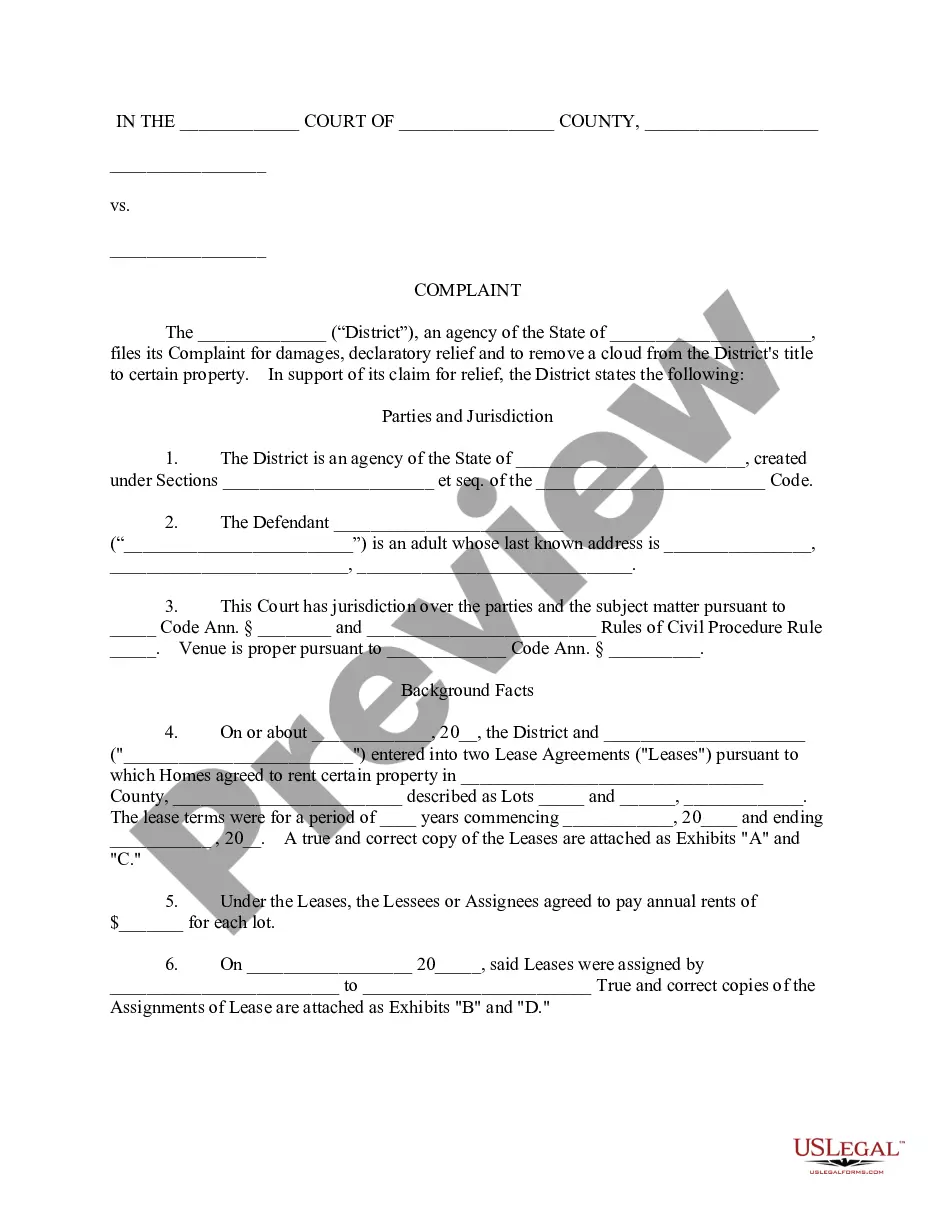
Get your form ready online
Our built-in tools help you complete, sign, share, and store your documents in one place.
Make edits, fill in missing information, and update formatting in US Legal Forms—just like you would in MS Word.
Download a copy, print it, send it by email, or mail it via USPS—whatever works best for your next step.
Sign and collect signatures with our SignNow integration. Send to multiple recipients, set reminders, and more. Go Premium to unlock E-Sign.
If this form requires notarization, complete it online through a secure video call—no need to meet a notary in person or wait for an appointment.
We protect your documents and personal data by following strict security and privacy standards.

Make edits, fill in missing information, and update formatting in US Legal Forms—just like you would in MS Word.

Download a copy, print it, send it by email, or mail it via USPS—whatever works best for your next step.

Sign and collect signatures with our SignNow integration. Send to multiple recipients, set reminders, and more. Go Premium to unlock E-Sign.

If this form requires notarization, complete it online through a secure video call—no need to meet a notary in person or wait for an appointment.

We protect your documents and personal data by following strict security and privacy standards.
Looking for another form?
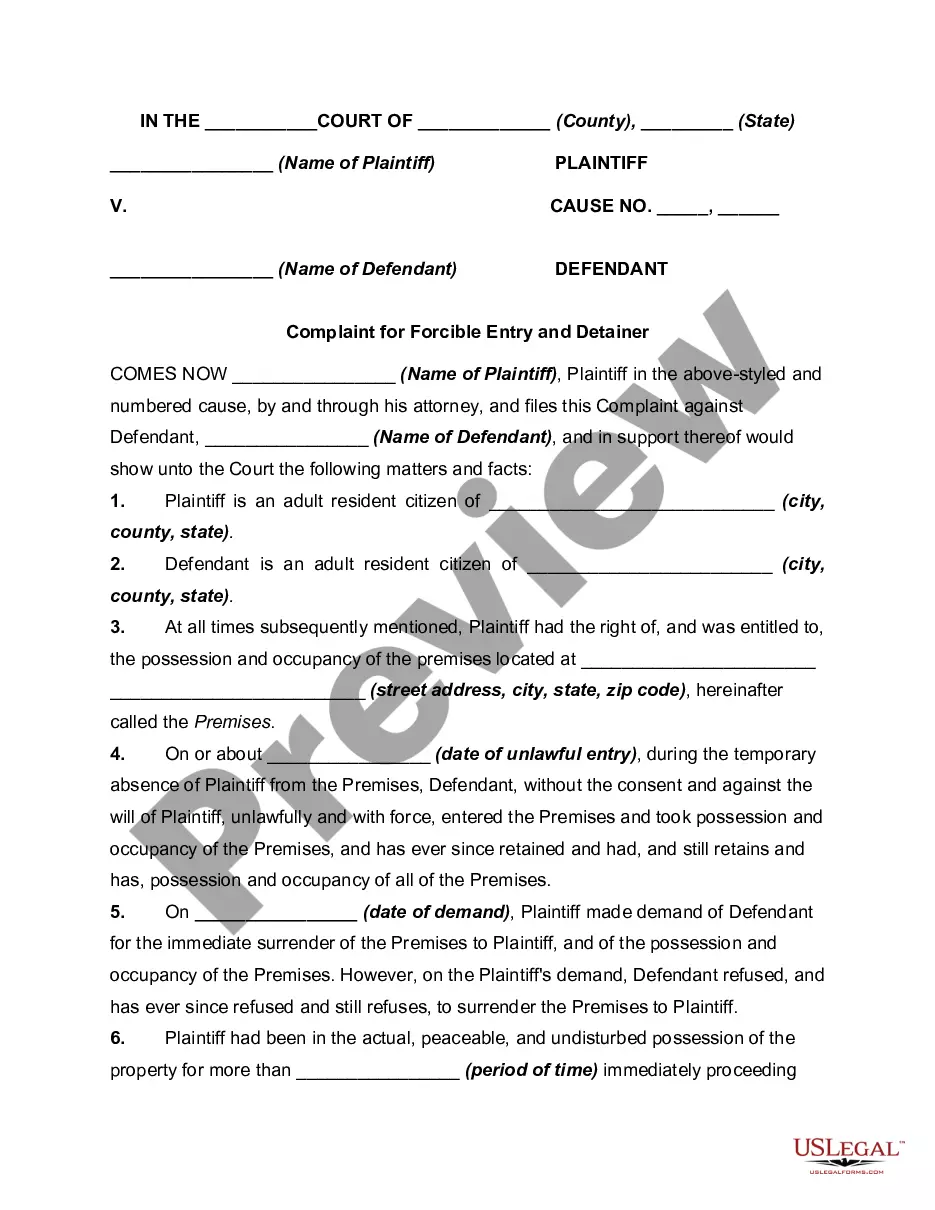
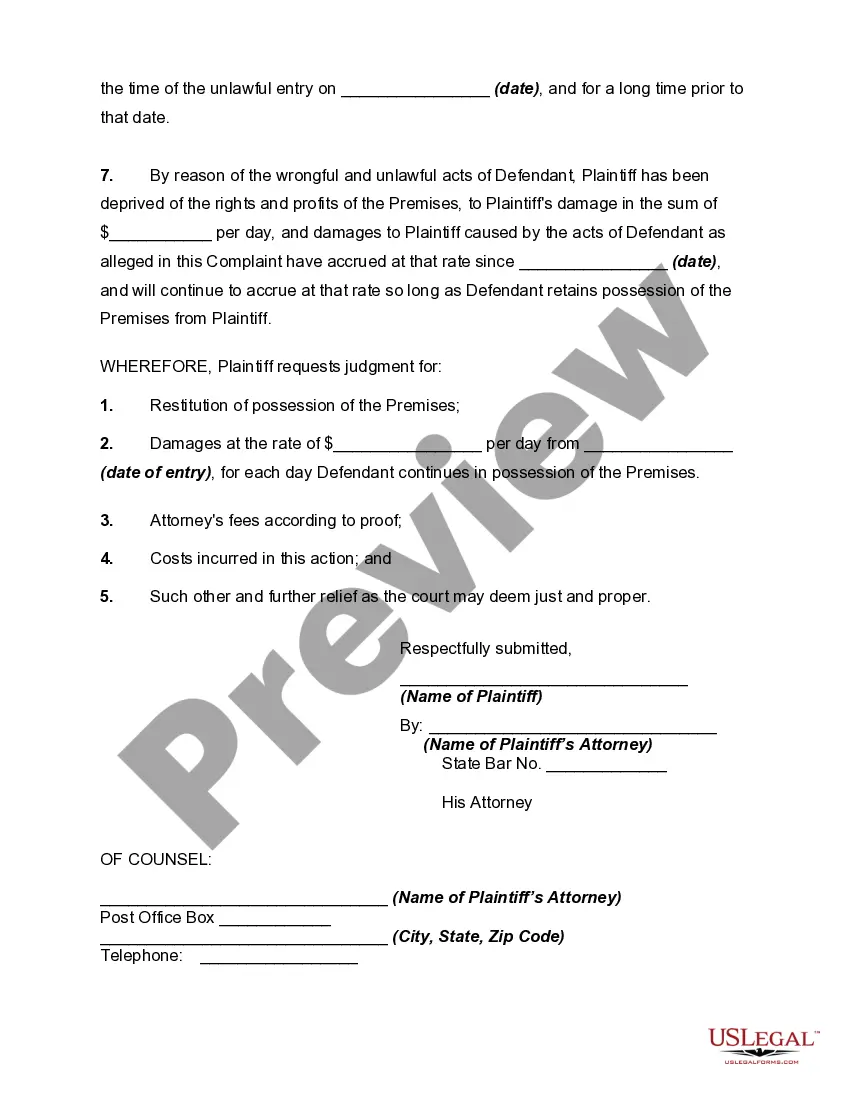
How to fill out Complaint For Forcible Entry And Detainer - Defendant Refuses To Surrender Premises On Demand?
- Visit the US Legal Forms website and log into your account if you're a returning user; otherwise, create a new account.
- Search for the Entry Detainer for the Payment template by using the search bar or browsing the categories.
- Review the form's description and preview mode to ensure it meets your legal requirements.
- Select the document and choose a suitable subscription plan by clicking the Buy Now button.
- Complete your purchase securely using credit card or PayPal information.
- Download the form to your device, ensuring you can easily access it in the My Forms section whenever you need.
In conclusion, US Legal Forms offers an extensive library and premium support that simplifies the legal document process. With just a few steps, you can obtain the Entry Detainer for the Payment form you need to ensure your legal matters are handled efficiently.
Start your journey with US Legal Forms today and experience the ease of managing legal documents!
Form popularity
FAQ
In Maryland, the eviction process can take several weeks to a few months, depending on the circumstances. After filing an Entry detainer for the payment, a court date is scheduled, and the tenant must be notified. If the court rules in favor of the landlord, a judge will issue a warrant for eviction. Timing can vary based on the tenant's response and potential delays in the court system, so it is wise to prepare for unexpected situations.
Discharge to detainer in Texas refers to a court's action to dismiss a tenant's claim or defense in an eviction case based on procedural grounds. This means that the court releases the landlord to proceed with the eviction process. When discussing entry detainer for the payment, it becomes evident how essential it is for landlords to understand these terms to navigate legal proceedings effectively. For both parties, clarity on these definitions can prevent misunderstandings and support smoother resolutions.
In Texas, a detainer refers to the legal action taken by a landlord to evict a tenant for failing to comply with the lease agreement, typically for non-payment of rent. The landlord must follow specific legal steps, which may involve notifying the tenant and filing for court intervention. An entry detainer for the payment is crucial here, as it serves to facilitate the landlord's ability to reclaim possession without unnecessary delays. It's important for tenants to understand their rights during this process.
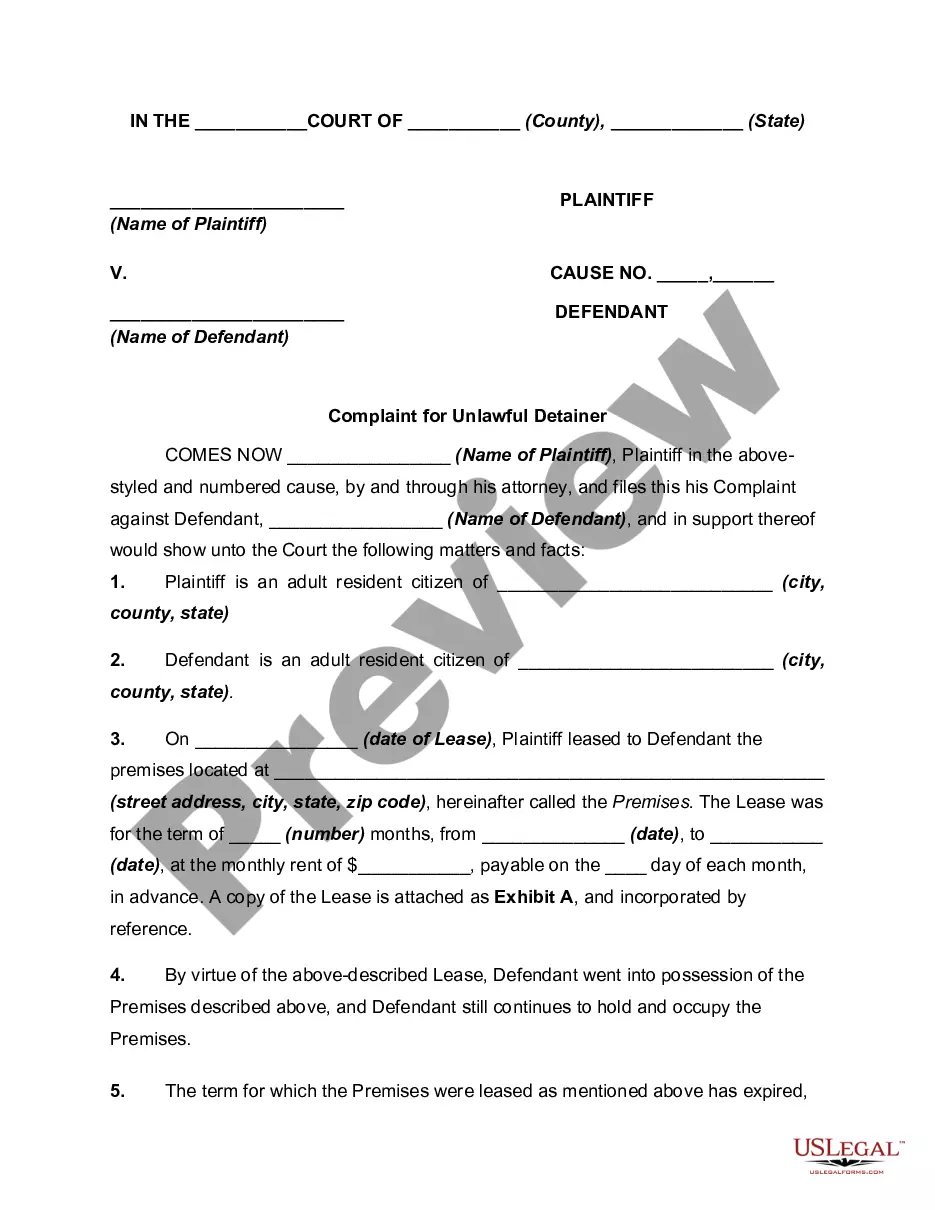
Entry and detainer is a legal term referring to the process through which a landlord seeks to reclaim property after a tenant has violated rental terms. This process includes filing a lawsuit to give the landlord the right to enter the property and remove any occupants. By utilizing the entry detainer for the payment, landlords can effectively pursue their rights and protect their investments. Knowing the ins and outs of this term empowers landlords and tenants to make informed decisions.
A detainer letter is a formal notification from a landlord to a tenant, indicating that legal action will be taken to regain possession of the property. This letter usually outlines the reasons for the eviction, such as non-payment of rent. The entry detainer for the payment is often a critical component in these letters, signaling the urgency of the situation. Tenants should take this communication seriously and seek advice on how to respond.
In Texas, a landlord cannot immediately evict a tenant without following proper legal procedures. The landlord must provide notice and file for an eviction in court, allowing tenants the opportunity to respond. The entry detainer for the payment can expedite this process, ensuring that landlords act within legal boundaries. Understanding this law is crucial for both landlords and tenants to navigate potential disputes successfully.
Generally, landlords in Maryland can begin the eviction process after a tenant is one month behind on rent. However, this can vary based on the lease agreement and local rules. If you find yourself in challenging financial circumstances, consider reaching out to your landlord to discuss options before they file an entry detainer for the payment. Open communication can sometimes lead to solutions that prevent eviction.
The eviction process for non-payment of rent can take as little as two to three weeks in Maryland. Once your landlord files for an entry detainer for the payment, you will receive a court date. If the court rules in favor of the landlord, you may have a short time before you must vacate the property. Staying informed about your rights can help you navigate this process more effectively.
The eviction process in Washington State can take anywhere from a few weeks to a couple of months. This duration largely depends on the court's schedule and any potential disputes from tenants. By understanding the entry detainer for the payment, you can better navigate the timeframes involved and work towards a successful resolution.
To terminate a tenant in Washington State, you typically need to give a 20-day notice if the lease is month-to-month. This notice allows tenants the opportunity to find new housing. Utilizing the entry detainer for the payment can help clarify the termination process and ensure you follow proper legal procedures.