Pretrial Diversion In Tennessee
Description

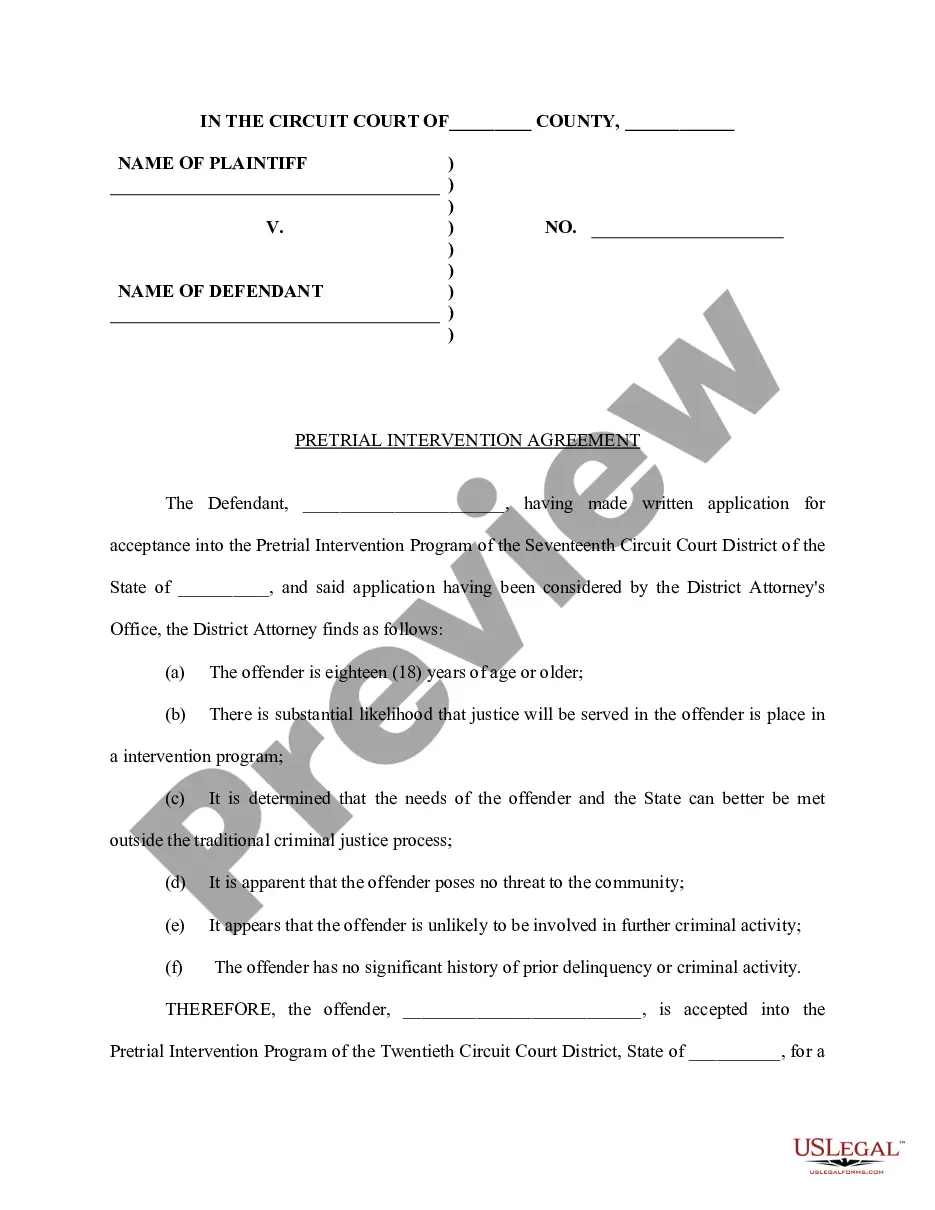
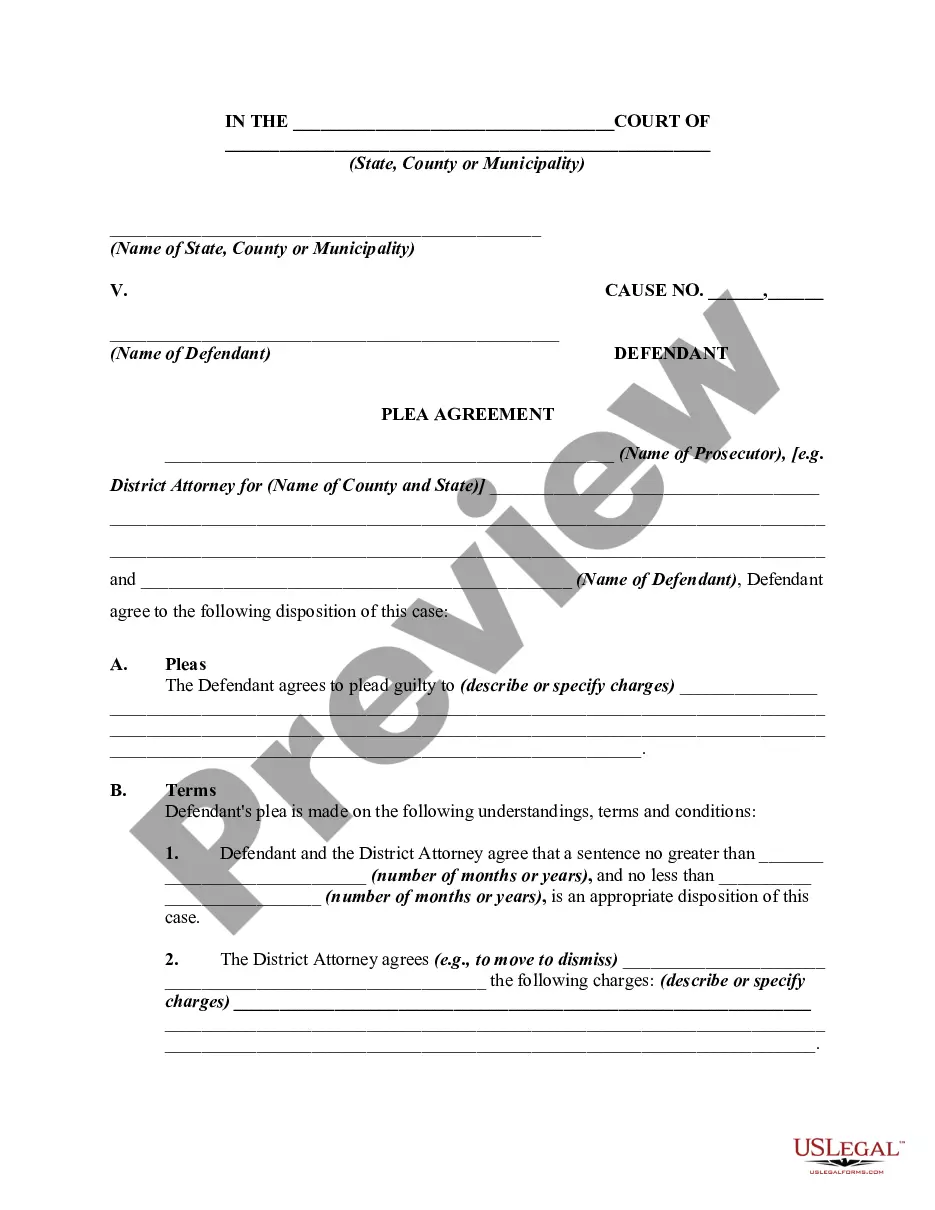
Get your form ready online
Our built-in tools help you complete, sign, share, and store your documents in one place.
Make edits, fill in missing information, and update formatting in US Legal Forms—just like you would in MS Word.
Download a copy, print it, send it by email, or mail it via USPS—whatever works best for your next step.
Sign and collect signatures with our SignNow integration. Send to multiple recipients, set reminders, and more. Go Premium to unlock E-Sign.
If this form requires notarization, complete it online through a secure video call—no need to meet a notary in person or wait for an appointment.
We protect your documents and personal data by following strict security and privacy standards.

Make edits, fill in missing information, and update formatting in US Legal Forms—just like you would in MS Word.

Download a copy, print it, send it by email, or mail it via USPS—whatever works best for your next step.

Sign and collect signatures with our SignNow integration. Send to multiple recipients, set reminders, and more. Go Premium to unlock E-Sign.

If this form requires notarization, complete it online through a secure video call—no need to meet a notary in person or wait for an appointment.

We protect your documents and personal data by following strict security and privacy standards.
Looking for another form?

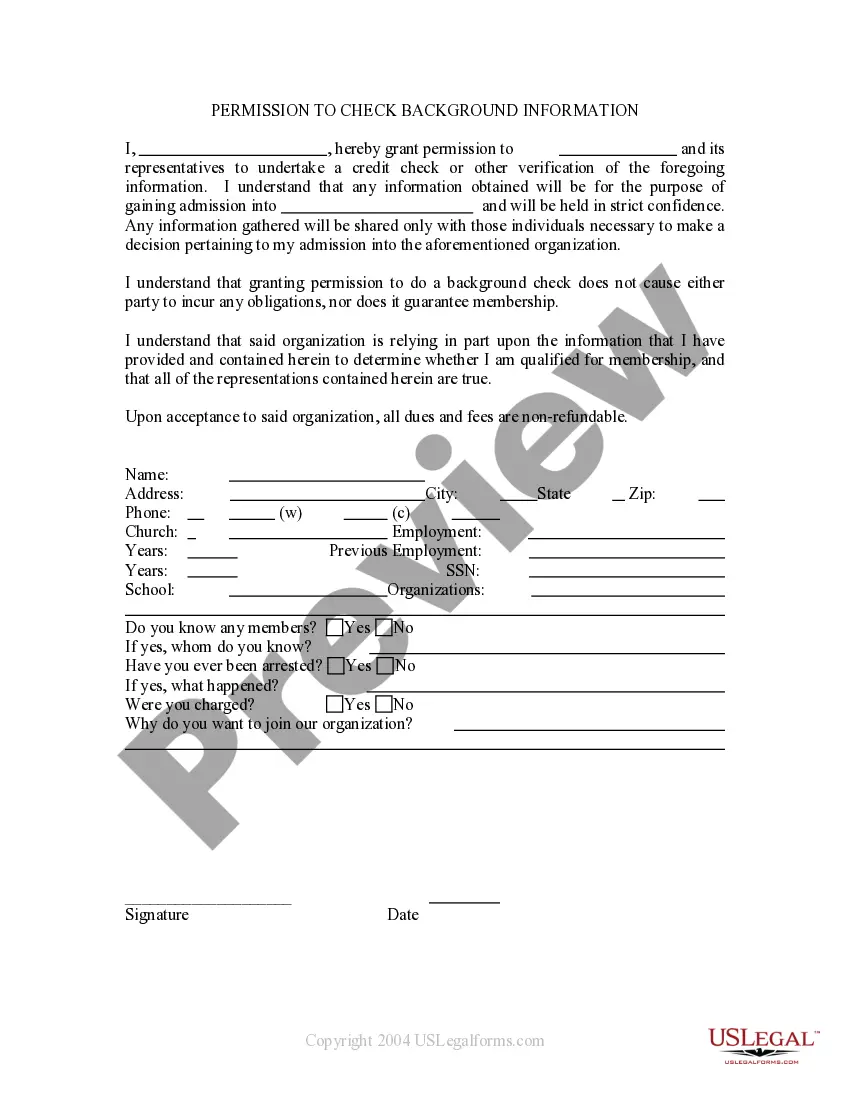




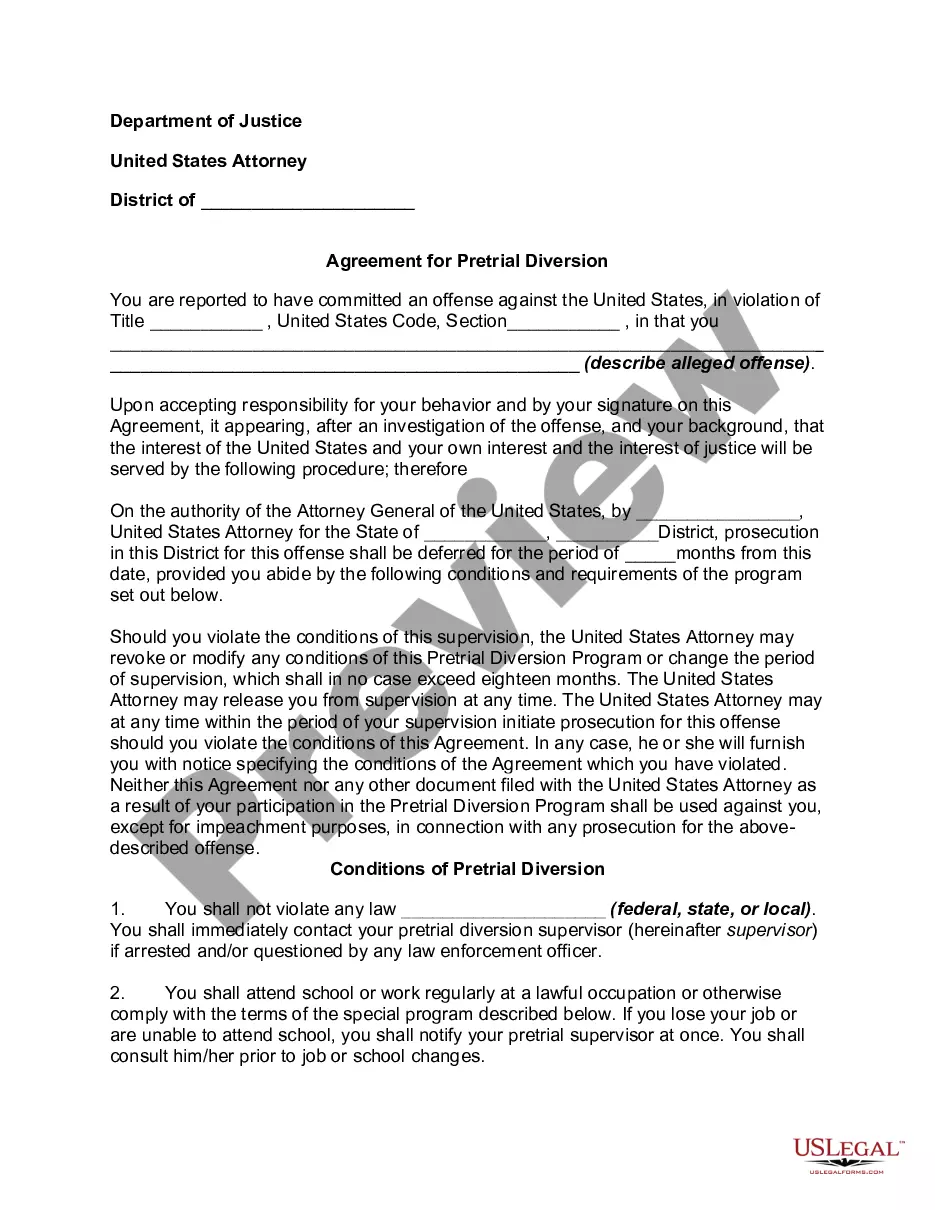
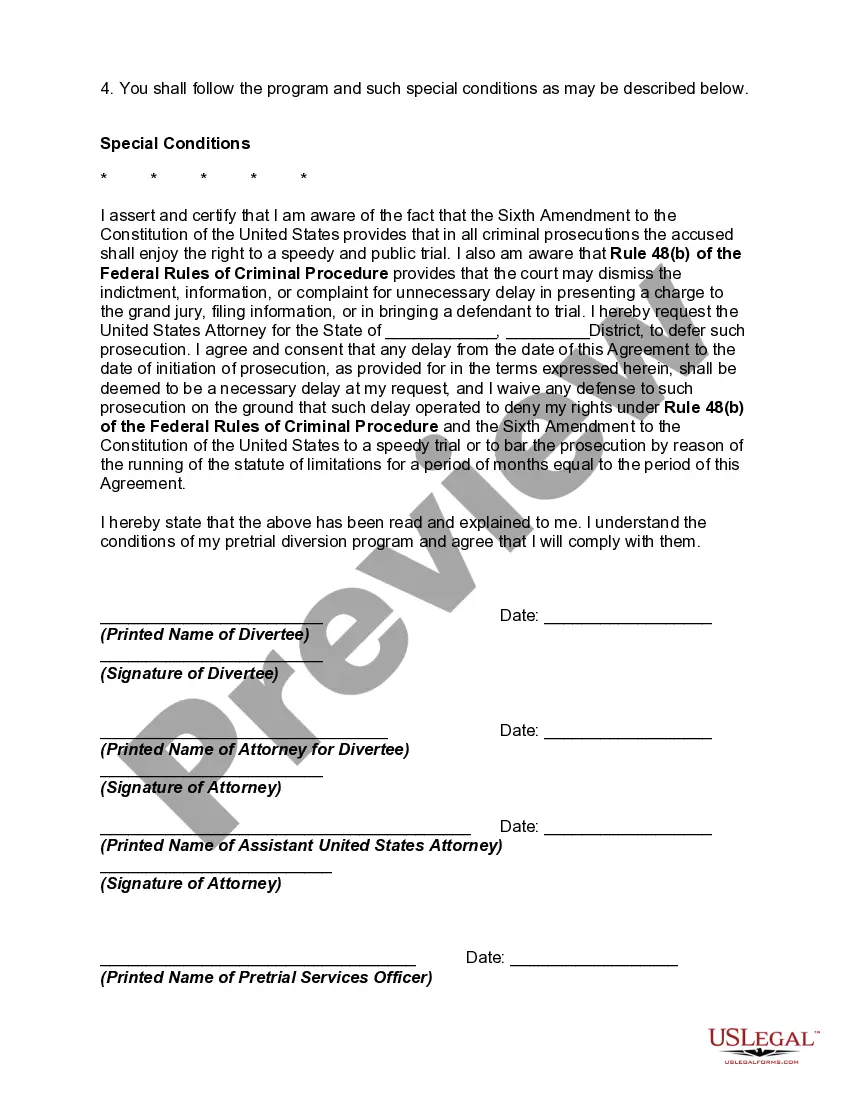
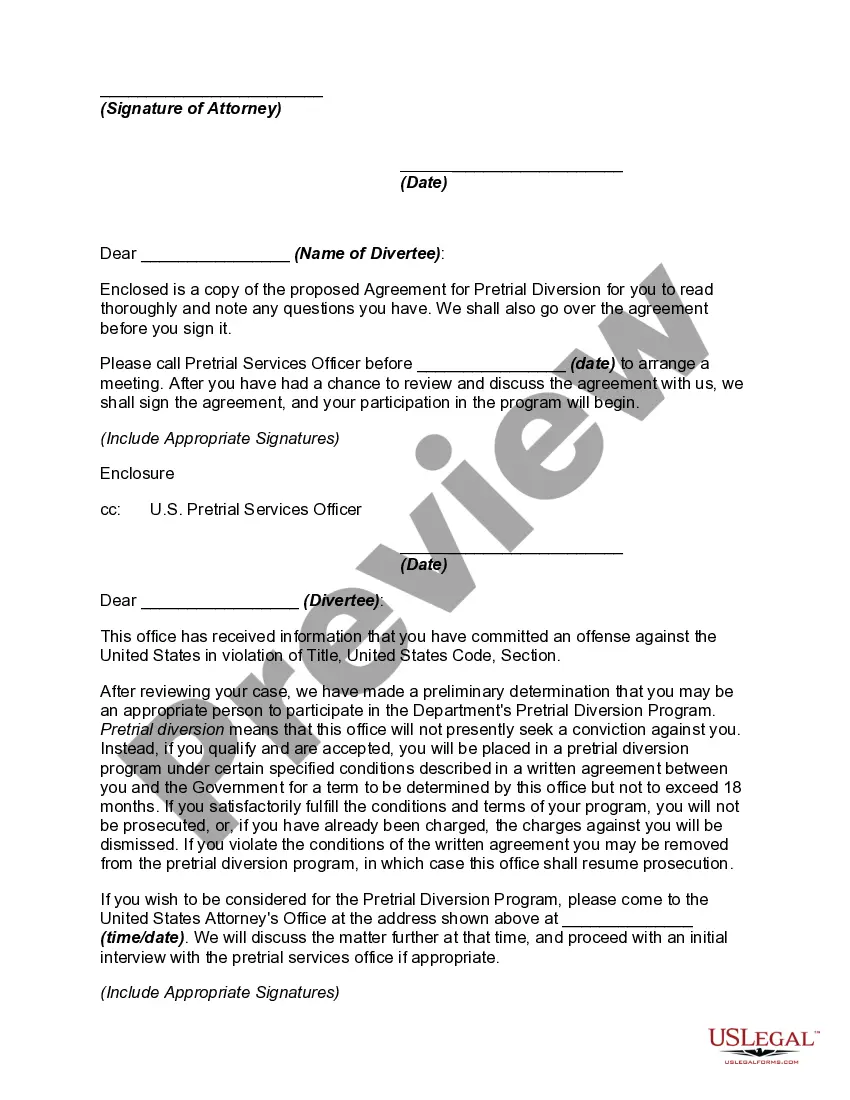
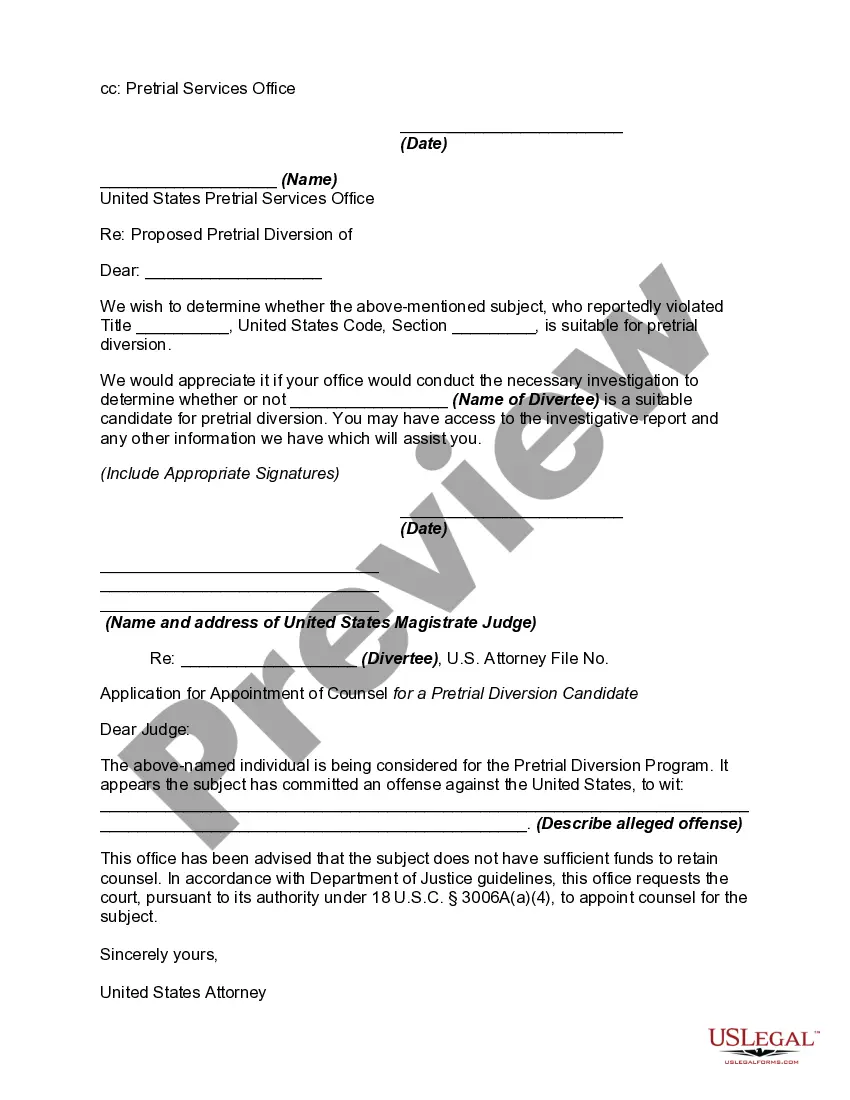
How to fill out Agreement For Pretrial Diversion?
Whether for commercial purposes or personal matters, everyone must deal with legal issues at some juncture in their life.
Filling out legal paperwork requires meticulous care, starting with selecting the appropriate form template. For example, choosing an incorrect version of a Pretrial Diversion form in Tennessee will result in its rejection after submission. Therefore, it is crucial to have a trustworthy source of legal documents like US Legal Forms.
With an extensive catalog from US Legal Forms available, you will never need to waste time searching for the right template online. Utilize the library’s user-friendly navigation to find the correct form for any circumstance.
- Locate the template you need by using the search bar or navigating the catalog.
- Review the description of the form to confirm its suitability for your case, state, and locality.
- Click on the form's preview to examine it.
- If it is not the correct document, return to the search feature to find the Pretrial Diversion form in Tennessee that you need.
- Download the template once it aligns with your needs.
- If you have a US Legal Forms account, click Log in to access previously saved documents in My documents.
- If you do not possess an account yet, you can acquire the form by clicking Buy now.
- Choose the suitable pricing option.
- Fill out the account registration form.
- Select your payment method: you can use a credit card or PayPal account.
- Choose the file format you desire and download the Pretrial Diversion document in Tennessee.
- Once saved, you can complete the form using editing software or print it and fill it out manually.
Form popularity
FAQ
Eligibility for pretrial diversion in Tennessee generally includes first-time offenders and those charged with non-violent crimes. Additional factors may influence eligibility, such as your criminal history and the specific circumstances of the case. Consulting with a qualified legal professional can clarify your individual case.
The process of pretrial diversion in Tennessee starts with your attorney submitting a request to the court. If approved, you must comply with the program's conditions, which may include counseling or community service. Successfully completing these requirements can lead to the dismissal of your charges.
Individuals with certain criteria, such as first-time offenders or those charged with lesser crimes, are most likely to receive a pretrial diversion in Tennessee. The court typically reviews the circumstances of the case, the nature of the offense, and the defendant's background. Your attorney can help illustrate your suitability for this option.
Asking for a pretrial diversion in Tennessee involves filing a motion with the court. You should consult with your legal representative to prepare the necessary paperwork and present your case effectively. This can increase your chances of receiving approval for the diversion program.
To ask for a pretrial diversion in Tennessee, you generally need to speak with your attorney. They will guide you through the process of submitting a formal request to the court. It's essential to present any supporting information that demonstrates your eligibility and commitment to comply with the program's requirements.
In Tennessee, various types of diversion include pretrial diversion, drug diversion, and educational diversion programs. Each type addresses specific needs and aims to reduce recidivism through constructive measures. These programs provide meaningful second chances for individuals looking to improve their futures without facing harsh penalties.
The two primary types of diversions in Tennessee include judicial diversions and statutory diversions. Judicial diversions are often recommended by a judge and tailored to individual circumstances, while statutory diversions follow specific legal guidelines. Both types aim to promote rehabilitation and prevent future offenses, helping individuals navigate the legal system successfully.
For first-time offenders in Tennessee, pretrial diversion programs are particularly beneficial. These programs typically offer an opportunity to avoid a conviction by completing specific tasks, such as educational classes and community service. This approach not only reduces the burden of a permanent criminal record but also supports personal growth and accountability.
While pretrial diversion in Tennessee offers many benefits, it may not be suitable for everyone. Some disadvantages include the need to complete strict requirements, which can be time-consuming or challenging. Additionally, individuals may feel a stigma attached to participating in a diversion program, even though it provides a chance for a fresh start.
Different types of drug diversion in Tennessee often involve specialized treatment programs that cater to substance abuse issues. These programs may include outpatient treatment, inpatient rehabilitation, and support groups designed to foster recovery. Engaging in drug diversion can lead to more favorable outcomes, helping individuals regain control of their lives.