Who Pays For Special Needs Trust
Description
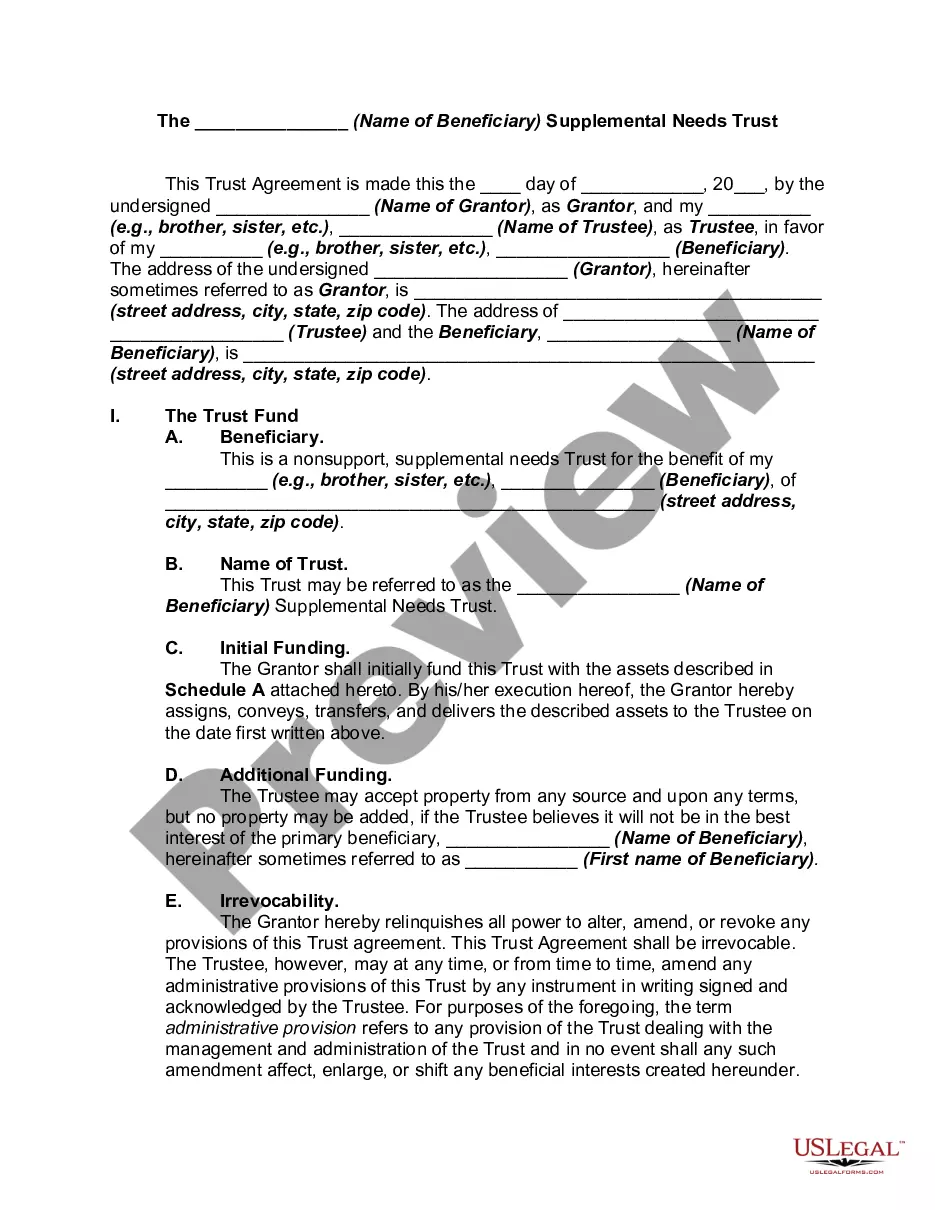
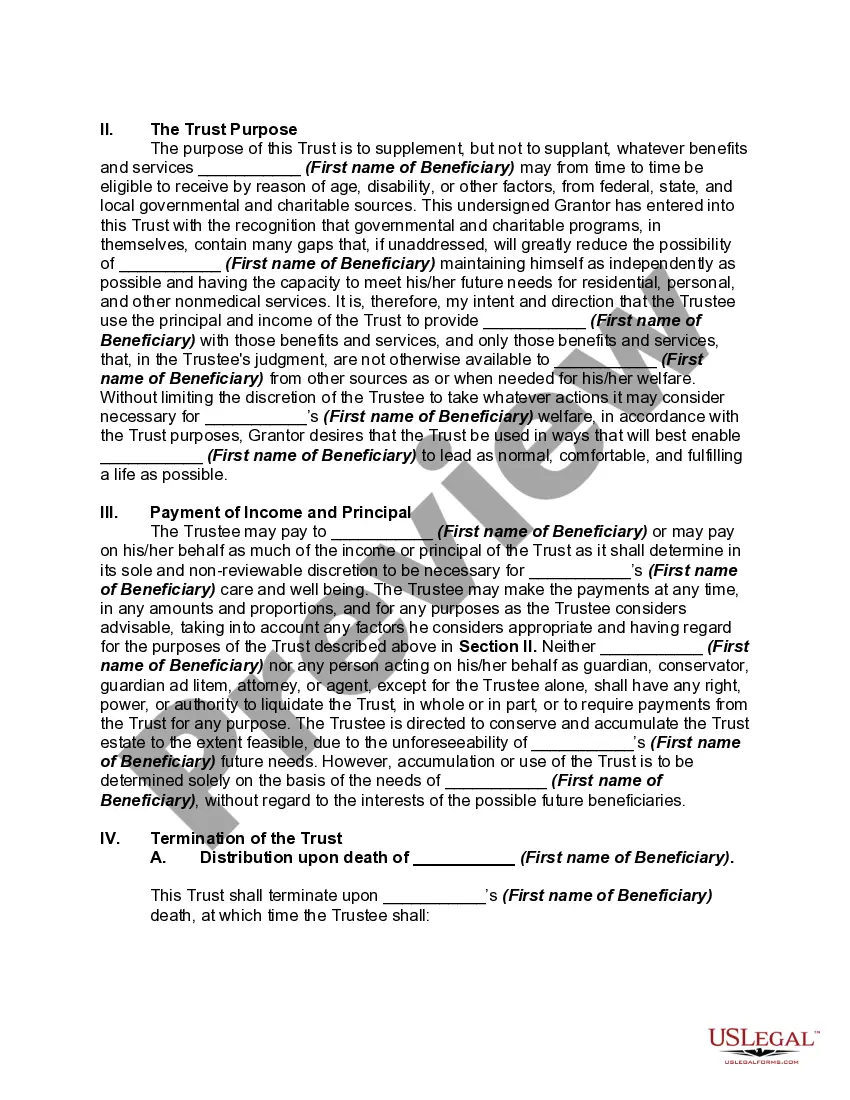
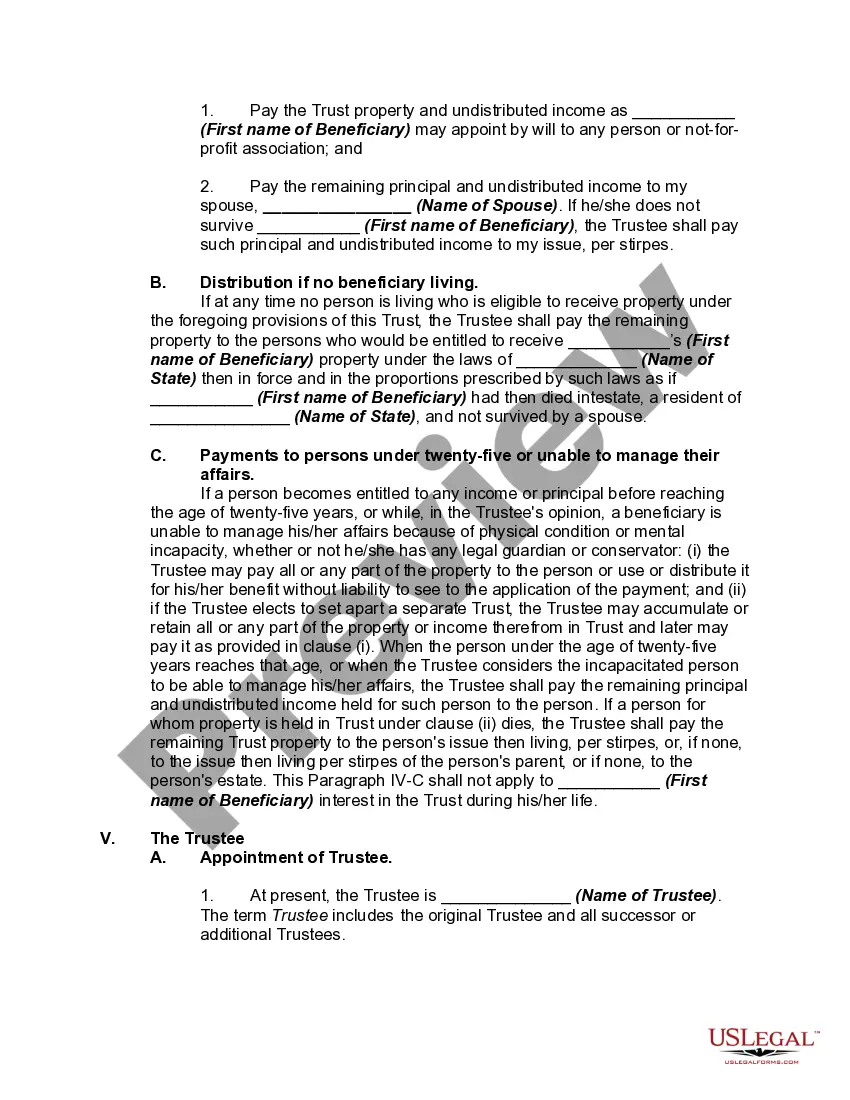
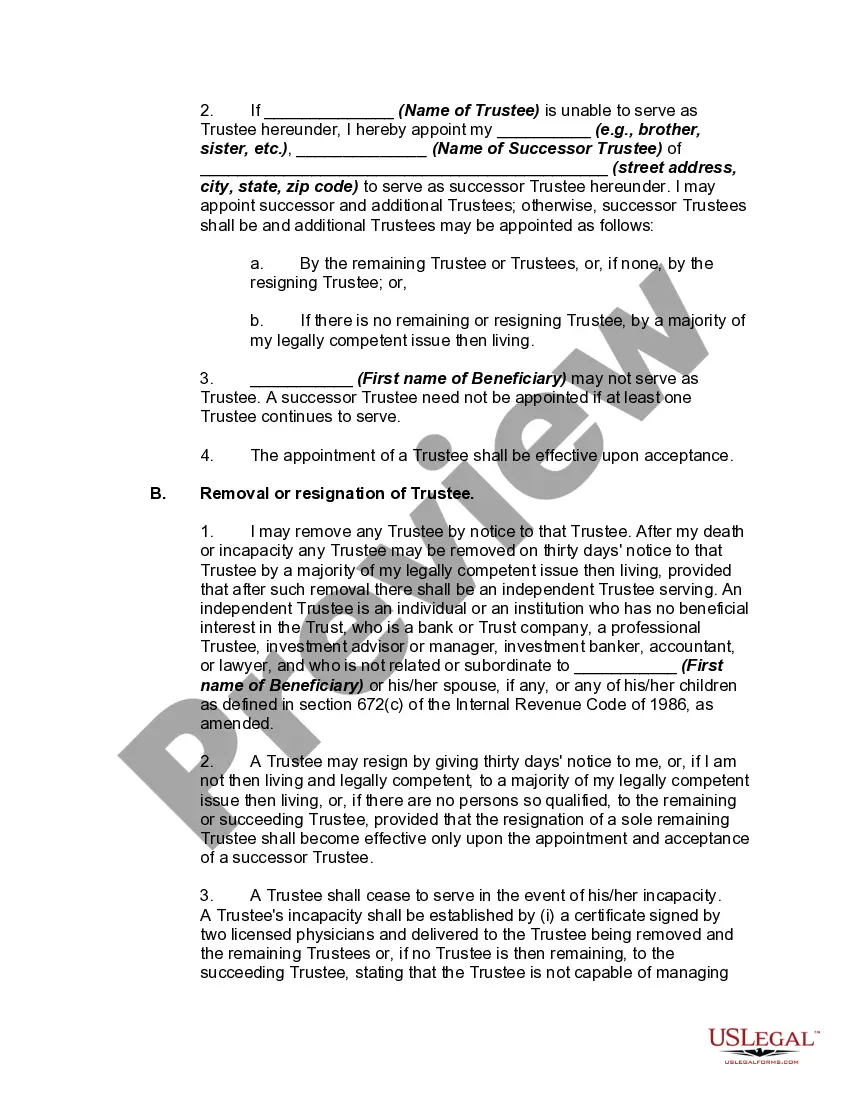




Get your form ready online
Our built-in tools help you complete, sign, share, and store your documents in one place.
Make edits, fill in missing information, and update formatting in US Legal Forms—just like you would in MS Word.
Download a copy, print it, send it by email, or mail it via USPS—whatever works best for your next step.
Sign and collect signatures with our SignNow integration. Send to multiple recipients, set reminders, and more. Go Premium to unlock E-Sign.
If this form requires notarization, complete it online through a secure video call—no need to meet a notary in person or wait for an appointment.
We protect your documents and personal data by following strict security and privacy standards.

Make edits, fill in missing information, and update formatting in US Legal Forms—just like you would in MS Word.

Download a copy, print it, send it by email, or mail it via USPS—whatever works best for your next step.

Sign and collect signatures with our SignNow integration. Send to multiple recipients, set reminders, and more. Go Premium to unlock E-Sign.

If this form requires notarization, complete it online through a secure video call—no need to meet a notary in person or wait for an appointment.

We protect your documents and personal data by following strict security and privacy standards.
Looking for another form?





How to fill out Supplemental Needs Trust For Third Party - Disabled Beneficiary?
- Log in to your account on the US Legal Forms website if you are a returning user. Ensure your subscription is active; if not, renew it based on your chosen payment plan.
- For first-time users, start by reviewing the Preview mode and details of the relevant form. Confirm that it aligns with your specific requirements and local jurisdiction.
- If adjustments are necessary, utilize the Search tab to find alternate templates. Always opt for those that are tailored to your needs.
- Once you identify the correct document, proceed to purchase by clicking the Buy Now button and selecting your preferred subscription plan. Registration is required to access the resource library.
- Complete your transaction by providing payment information, either through a credit card or PayPal account.
- Download your form to your device, ensuring you save it for future use. You can also access it anytime from the My Forms section in your profile.
In conclusion, US Legal Forms significantly simplifies the process of securing legal documentation for special needs trusts. By following these steps, you can ensure a smooth experience in meeting legal requirements.
Take the first step today by visiting US Legal Forms to empower yourself with the right legal tools!
Form popularity
FAQ
A trustee may need your tax return to ensure accurate reporting of income related to the special needs trust. The tax return helps the trustee determine any taxable income that impacts the trust’s overall financial health. Transparency in financial matters is key to effective trust management. This understanding is vital for individuals questioning who pays for special needs trust taxes and how personal finances interact with trustee duties.
The beneficiary of a special needs trust is typically an individual with disabilities. This trust is designed to supplement the beneficiary's needs without interfering with government benefits. It's crucial for individuals to understand how this arrangement affects their financial situation. Many people ask who pays for special needs trust arrangements, and the answer often ties back to the specific needs of the designated beneficiary.
A trustee files taxes by completing Form 1041 for the special needs trust. This form details all income, deductions, and credits associated with the trust. It's important for the trustee to maintain accurate records to help during tax season. By knowing how to file taxes for a special needs trust, trustees can avoid common pitfalls associated with who pays for special needs trust taxes.
Yes, a trustee must file a tax return for the special needs trust if the trust's income is above the minimum threshold. This responsibility protects the interests of the beneficiaries by ensuring compliance with tax laws. Thus, understanding the filing requirements is essential for any trustee. This directly relates to who pays for special needs trust obligations.
A trust must file taxes if its gross income exceeds $600 for the tax year. This ensures that any income generated by the trust is reported to the IRS. Understanding tax obligations is crucial for managing a special needs trust. If you're wondering who pays for special needs trust taxes, it is typically the trust itself once income exceeds this threshold.
A special trustee plays a vital role in managing a special needs trust effectively. This individual ensures that the trust funds are used appropriately and in the best interest of the beneficiary, while also considering who pays for special needs trust expenses. Having a knowledgeable trustee can help maintain the trust while adhering to government regulations. Choosing the right trustee can significantly impact the quality of care and support provided to your loved one.
Many parents overlook thorough planning when setting up a trust fund, which can lead to complications later. One major mistake involves misunderstanding who pays for special needs trust expenses and structuring the trust incorrectly. It's critical to consult with professionals who understand both legal and financial aspects of special needs trusts. Platforms like US Legal Forms can help guide you through the necessary paperwork and considerations to avoid these pitfalls.
A special needs trust can be funded at various times, typically when the beneficiary needs financial support or when assets are available from a settlement or inheritance. Planning ahead is essential, as it helps you navigate situations regarding who pays for special needs trust and when to distribute funds effectively. Consulting resources like USLegalForms can provide clarity on best practices for funding and managing your trust.
Responsibility for tax payment largely depends on the type of trust and its structure. In most cases, the trust itself is responsible for paying any applicable taxes on its income. Understanding who pays for special needs trust taxes is an important aspect of trust management, making it vital to have a competent advisor during the setup.
The Internal Revenue Service taxes special needs trusts based on their income generation. Typically, these trusts are subject to the same tax rules as individual tax returns, meaning they can owe taxes on any income earned over a specific amount. Knowing how taxes will impact your trust can help you make informed decisions about who pays for special needs trust and how to fund it effectively.