Who Can Get A Special Needs Trust
Description
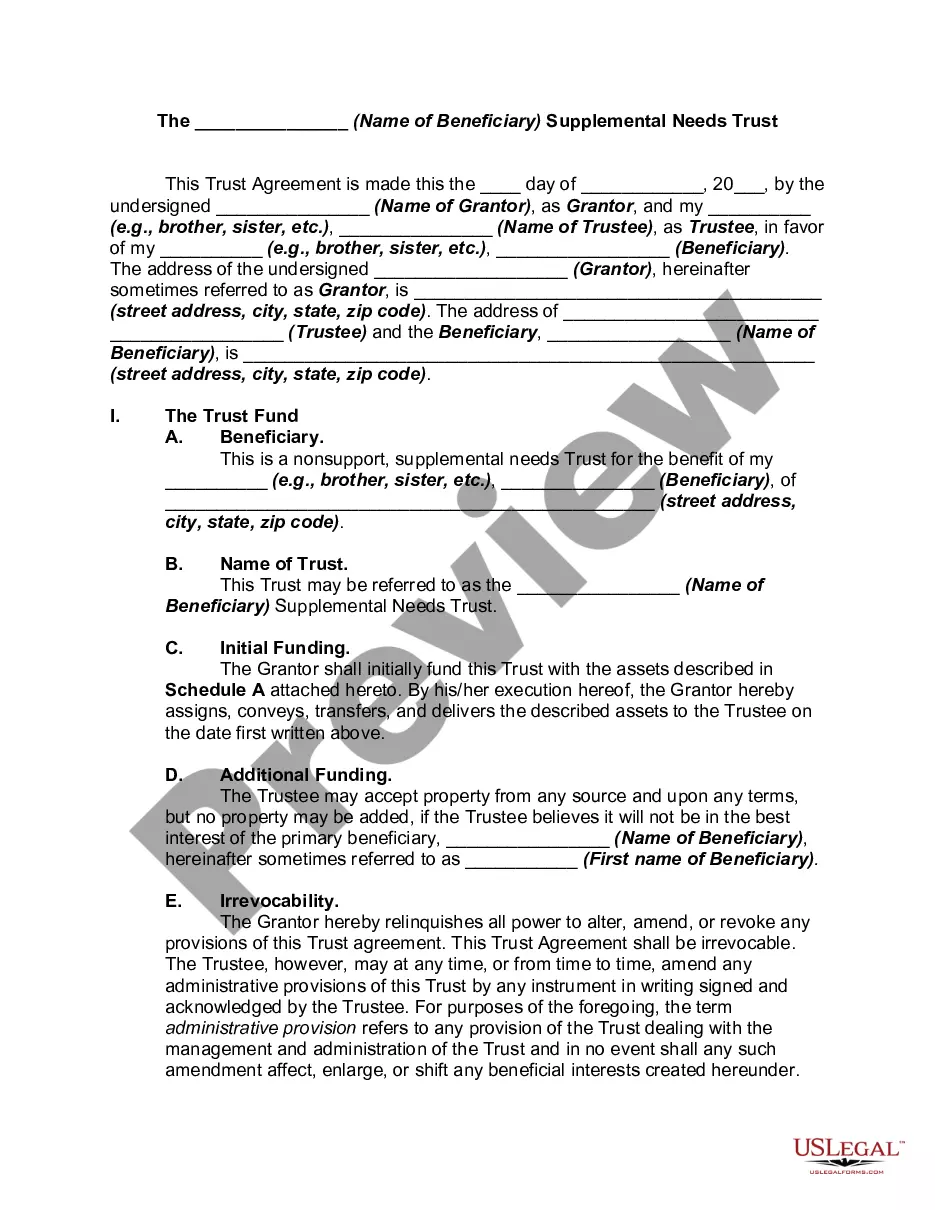
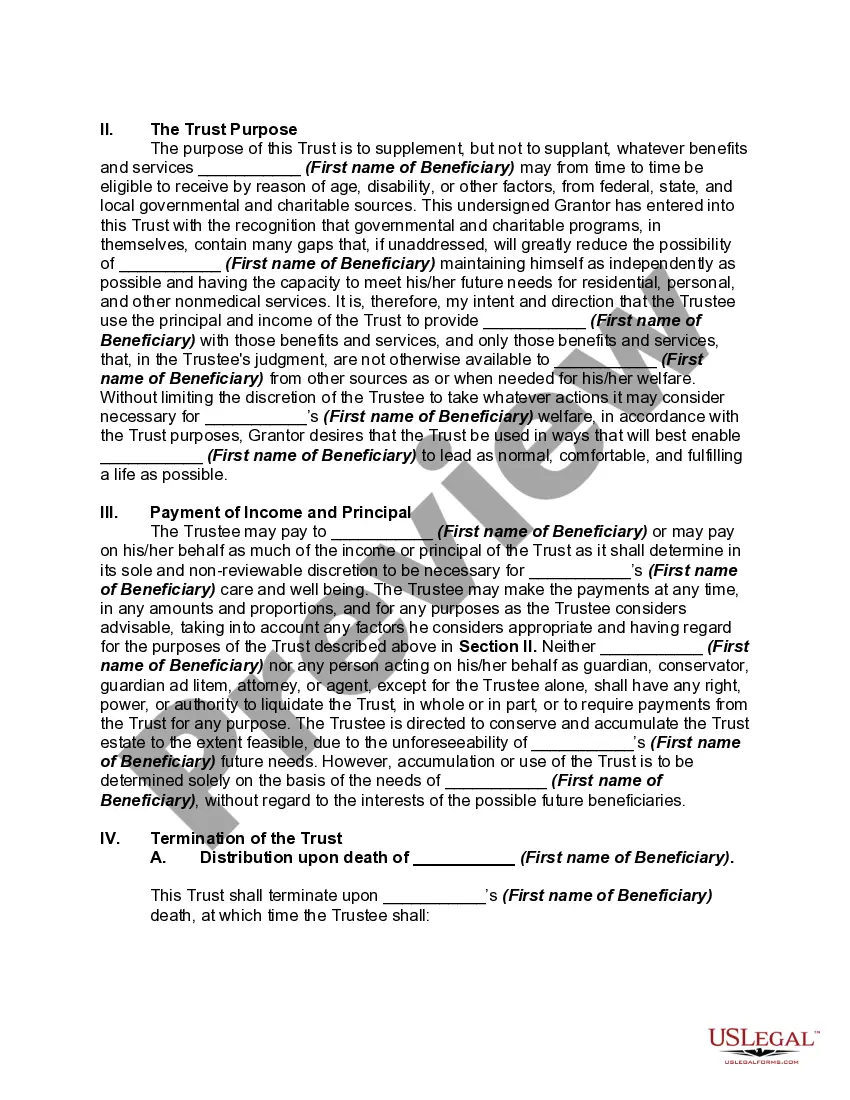
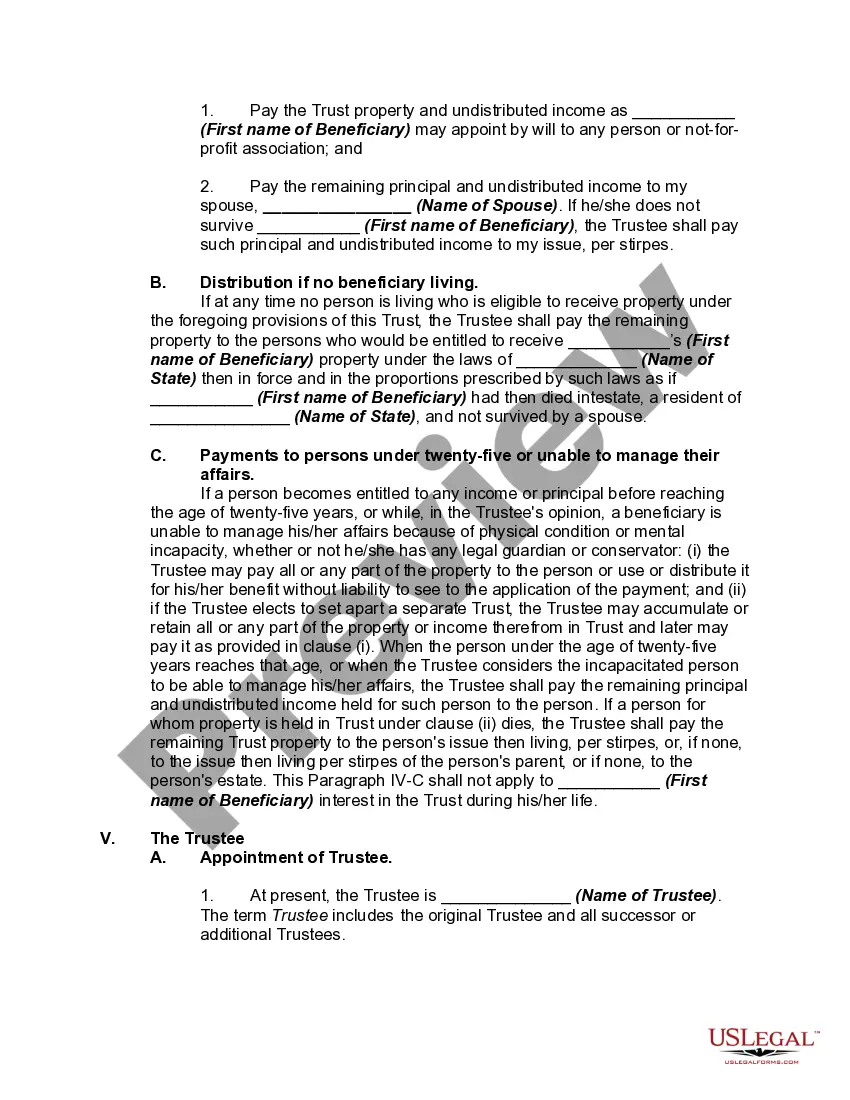
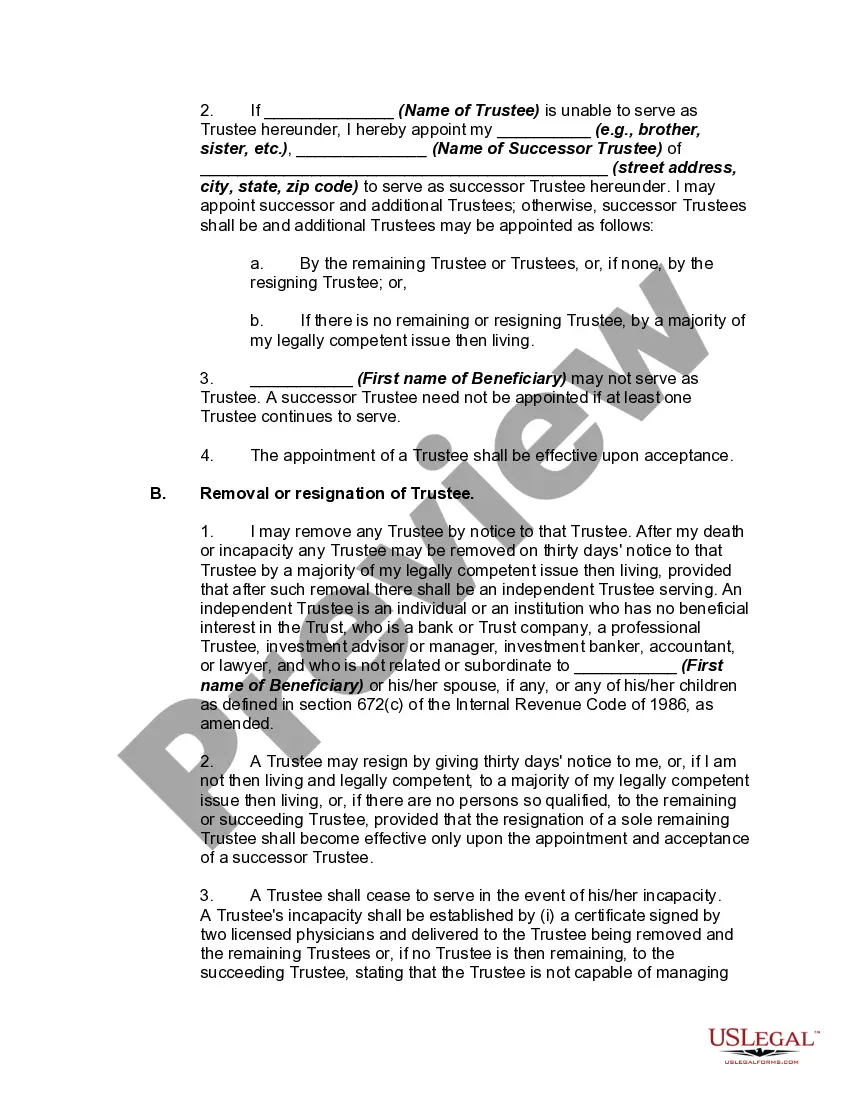
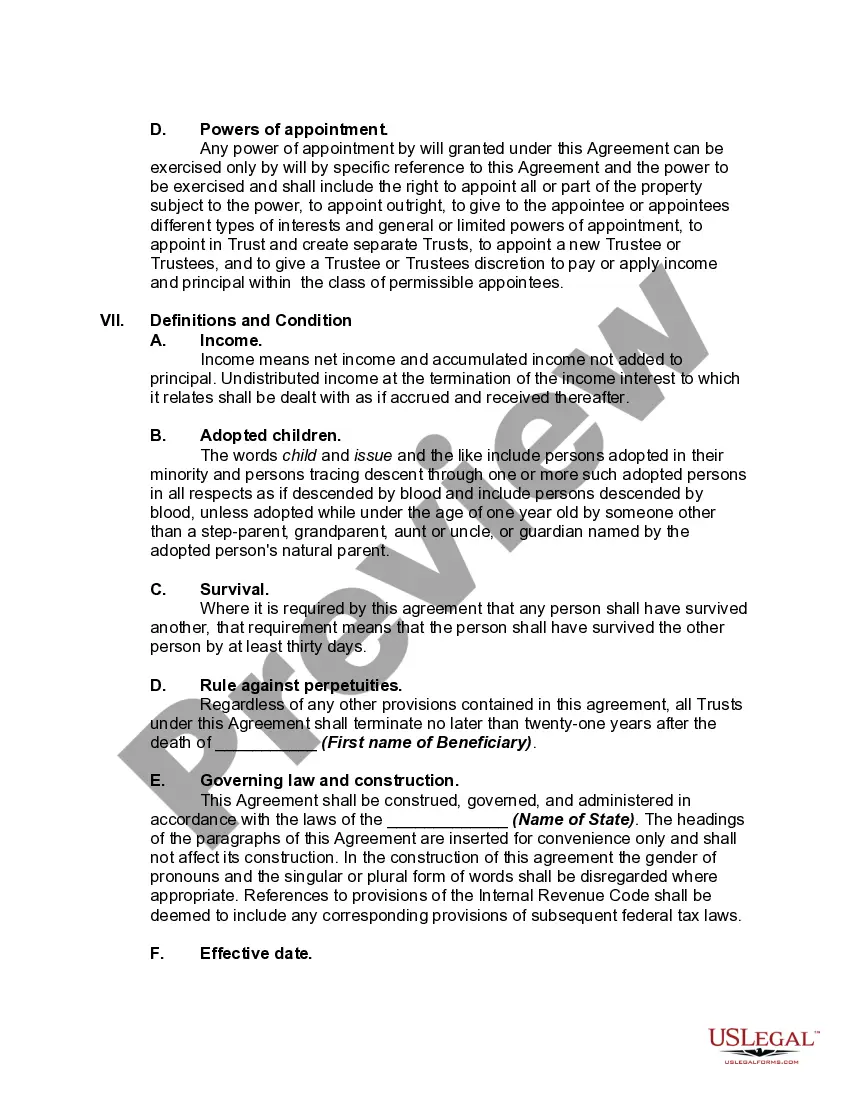

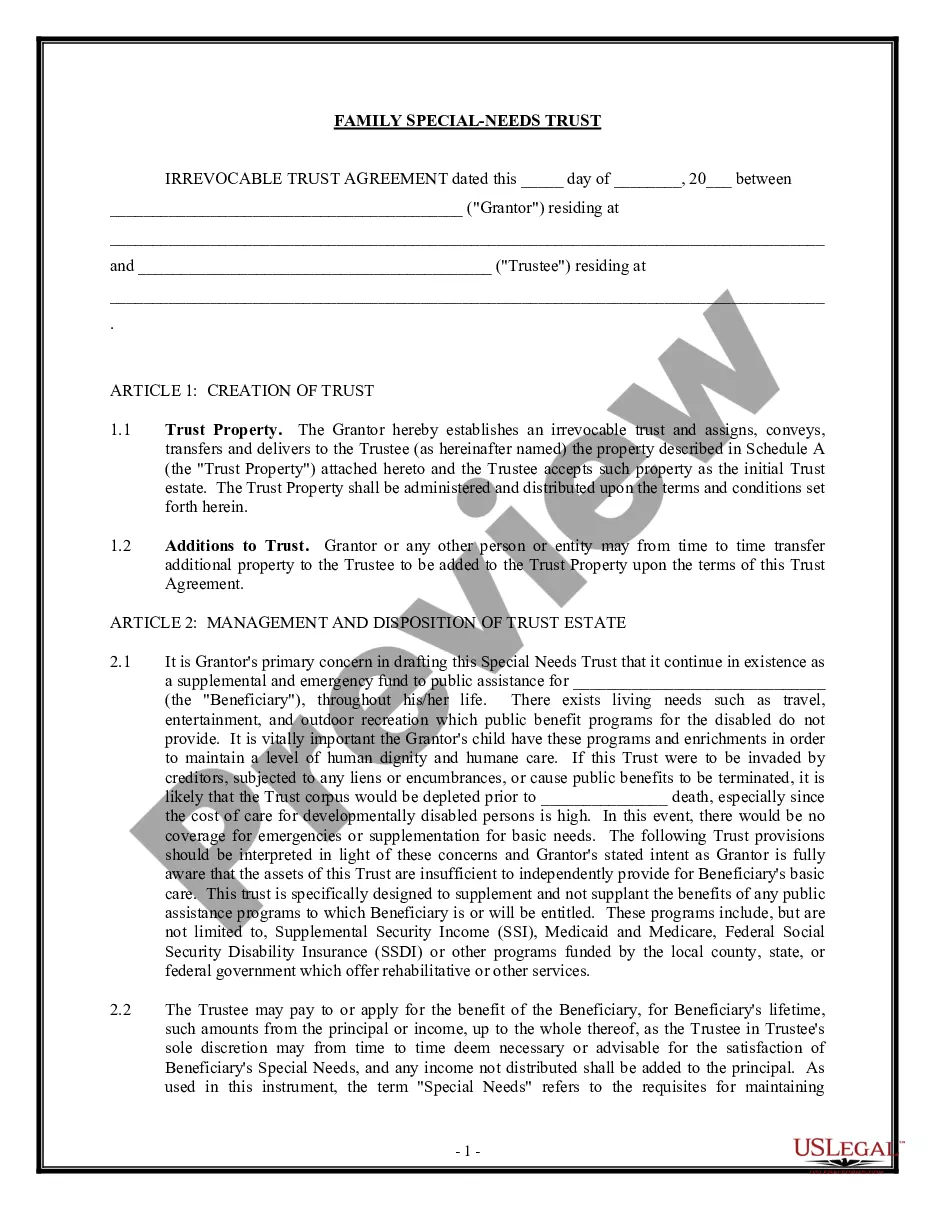

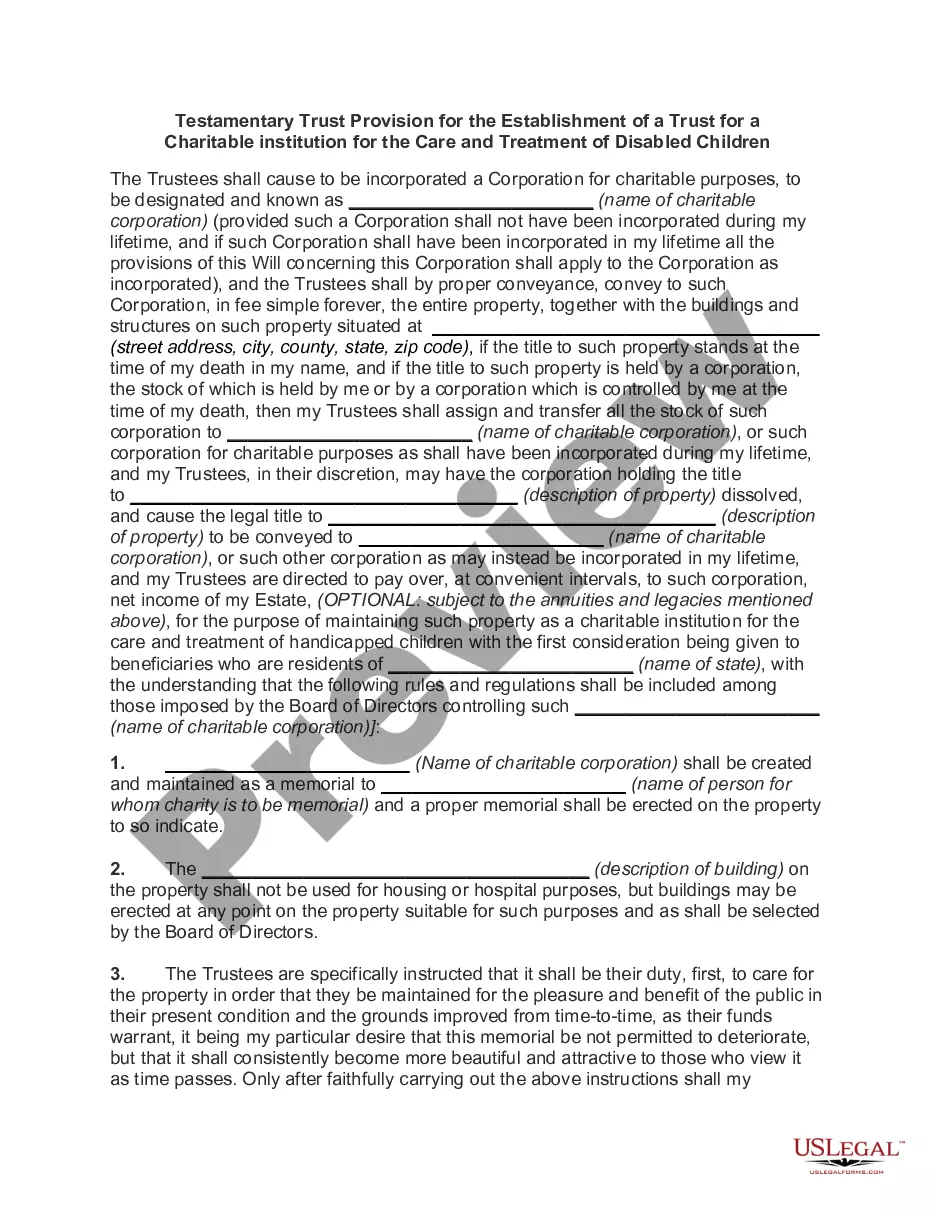
Get your form ready online
Our built-in tools help you complete, sign, share, and store your documents in one place.
Make edits, fill in missing information, and update formatting in US Legal Forms—just like you would in MS Word.
Download a copy, print it, send it by email, or mail it via USPS—whatever works best for your next step.
Sign and collect signatures with our SignNow integration. Send to multiple recipients, set reminders, and more. Go Premium to unlock E-Sign.
If this form requires notarization, complete it online through a secure video call—no need to meet a notary in person or wait for an appointment.
We protect your documents and personal data by following strict security and privacy standards.

Make edits, fill in missing information, and update formatting in US Legal Forms—just like you would in MS Word.

Download a copy, print it, send it by email, or mail it via USPS—whatever works best for your next step.

Sign and collect signatures with our SignNow integration. Send to multiple recipients, set reminders, and more. Go Premium to unlock E-Sign.

If this form requires notarization, complete it online through a secure video call—no need to meet a notary in person or wait for an appointment.

We protect your documents and personal data by following strict security and privacy standards.
Looking for another form?


How to fill out Supplemental Needs Trust For Third Party - Disabled Beneficiary?
- Visit the US Legal Forms website to explore their extensive library of legal documents.
- If you are an existing user, simply log in to your account to access previous downloads. Ensure your subscription is current; renew if necessary.
- For new users, browse the preview mode and ensure you select the correct template that aligns with your local regulations.
- Use the Search tab to find alternative forms if your first choice doesn’t meet your needs.
- Select the required document and click on the Buy Now button, choosing from the subscription plans available.
- Complete your purchase using either your credit card information or PayPal.
- Download the completed form to your device or access it later from the My Forms section of your profile.
US Legal Forms stands out with its robust collection of over 85,000 legal documents, making it one of the most comprehensive services in the industry. Users can also have peace of mind knowing that assistance is available from premium experts for form completion, ensuring accuracy and legality.
In conclusion, obtaining a special needs trust through US Legal Forms is a streamlined process that can provide essential support for your loved ones. Take action today and start exploring their extensive library to secure the right documentation for your needs.
Form popularity
FAQ
The maximum amount for a special disability trust can depend on various factors, including the beneficiary's needs and state regulations. While there is no strict upper limit, exceeding a certain threshold may impact the individual's financial qualifications for government support. It becomes essential to balance trust funds with maintaining eligibility for programs. Resources like USLegalForms can guide you in navigating these considerations.
The minimum amount for a special needs trust varies based on state laws and individual circumstances. While there isn't a universal minimum requirement, starting with a few thousand dollars is often advisable. This amount helps ensure that the trust effectively covers the needs of the beneficiary and safeguards their eligibility for public assistance. Understanding your state's guidelines is vital for establishing a successful trust.
A qualified disability trust aims to serve individuals who may potentially benefit from a special needs trust. The trust must primarily support a disabled beneficiary, and any income generated typically should not exceed a predetermined limit. Meeting these criteria is crucial to avoid jeopardizing essential government assistance programs, making it essential to understand who can get a special needs trust.
To determine who can get a special needs trust, a qualified trust must meet specific requirements. It should primarily benefit an individual who has a disability. Additionally, the beneficiary cannot have more than a certain amount of assets. Ensuring compliance with these requirements can help maintain the necessary government benefits for the individual.
The beneficial owner of a special needs trust is the individual for whom the trust is established. This person typically has a disability that the trust aims to support financially while preserving eligibility for essential government benefits. Identifying who can get a special needs trust involves ensuring that the beneficial owner is clearly defined within the trust document. Platforms like uslegalforms provide tools to help clarify and formalize ownership designations effectively.
An eligible designated beneficiary of an eligible designated beneficiary trust (EDB) includes individuals who meet the legal criteria to receive benefits from the trust. These beneficiaries are typically individuals with disabilities or chronic conditions. Understanding who can get a special needs trust involves recognizing how EDB laws apply within your context. Engaging with knowledgeable resources can guide you through these specific classifications.
An eligible designated beneficiary of a trust may include anyone who meets the criteria established in the trust document. This can be family members, friends, or dependents, depending on the trust's intent. When determining who can get a special needs trust specifically, it's vital to understand the unique requirements that apply in these cases. Using platforms like uslegalforms can streamline the process of identifying and establishing eligible beneficiaries.
An eligible designated beneficiary for a special needs trust includes anyone with a disability who can receive benefits from the trust while protecting their government aid. This often refers to individuals who are unable to afford necessary care and support due to their condition. As you think about who can get a special needs trust, remember that proper documentation and legal setup are crucial for ensuring compliance. Utilizing the right resources can help address these concerns effectively.
An eligible designated beneficiary of a special needs trust is typically an individual with a qualifying disability who can benefit from the trust without jeopardizing government assistance. This includes children, adults, or family members who meet specific criteria based on their needs. Understanding who can get a special needs trust can help you in making informed decisions when setting one up. Consulting with professionals can offer you clarity about eligibility requirements.
While special needs trusts offer many advantages, they also come with some disadvantages. These can include costs related to establishing and managing the trust, as well as potential restrictions on funds that may affect the beneficiary’s lifestyle. It’s important to assess both benefits and drawbacks when considering who can get a special needs trust. Engaging with USLegalForms can help weigh these factors effectively.