What Is A Supplemental Needs Trust
Description
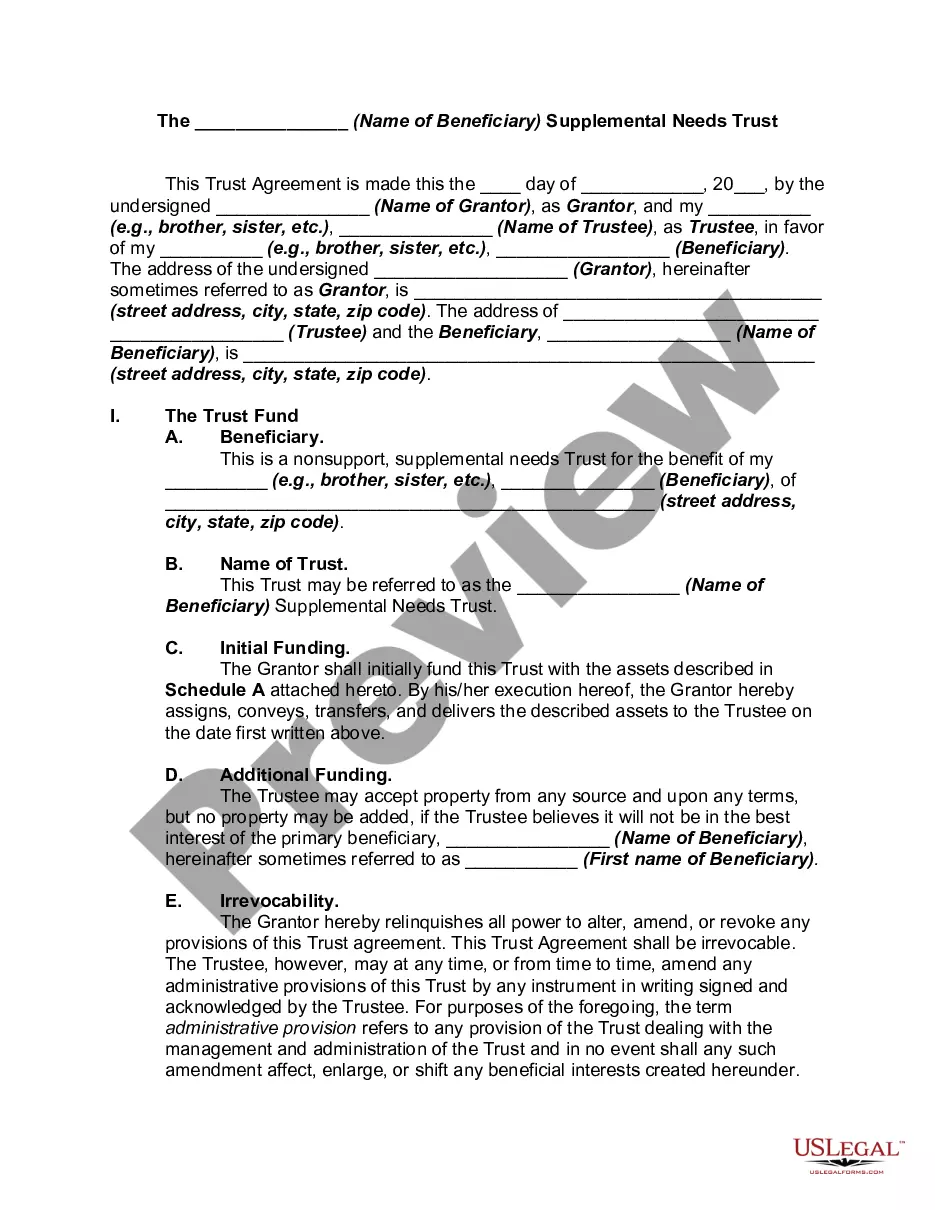
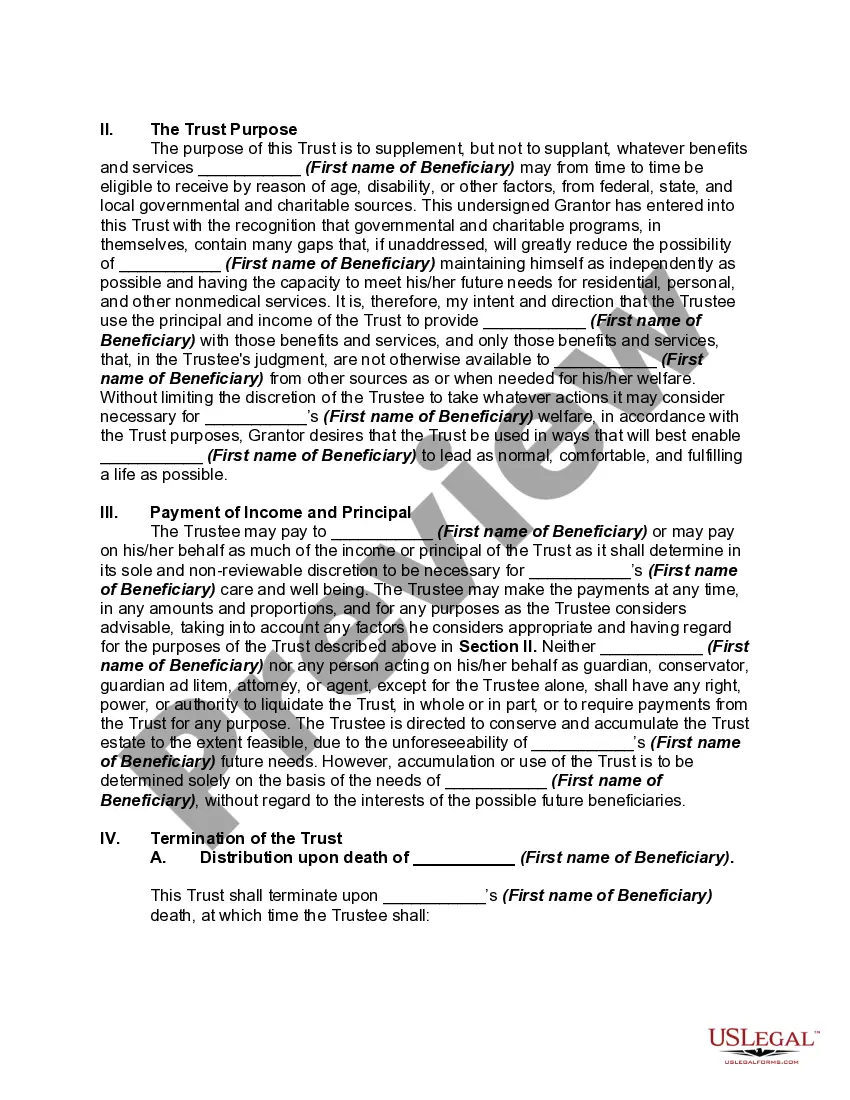
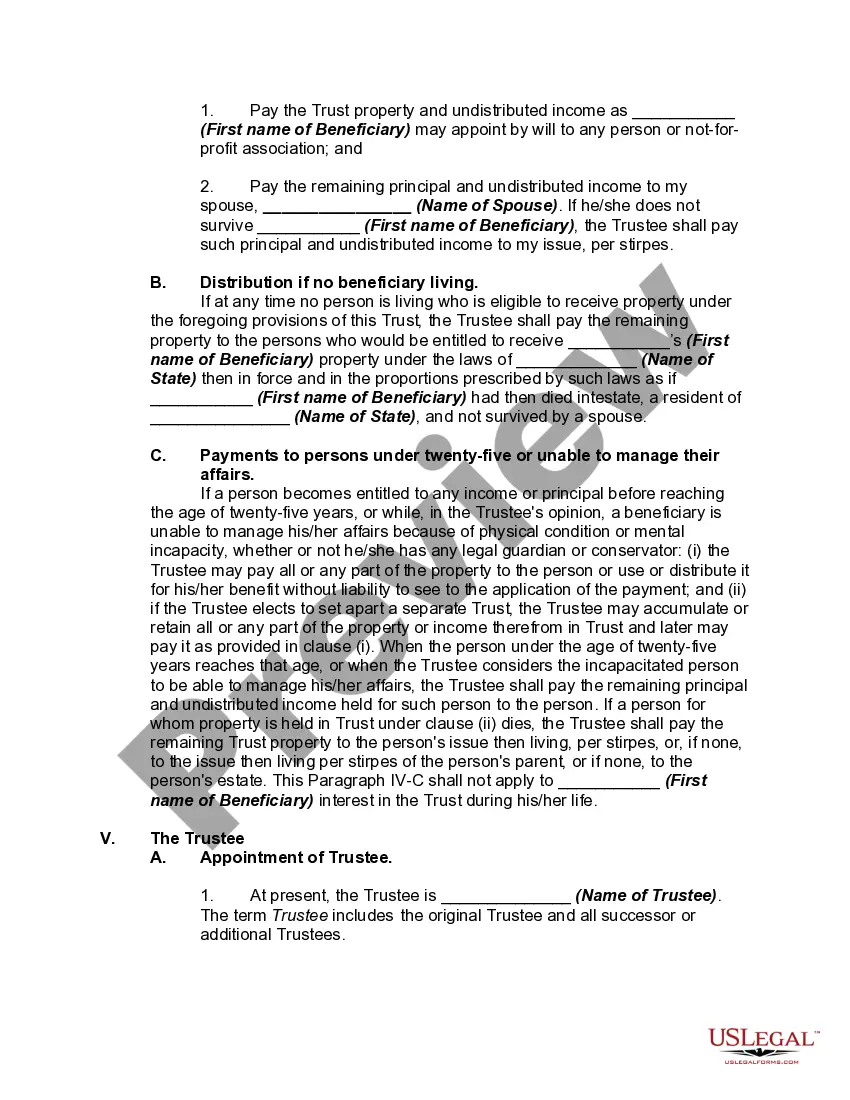
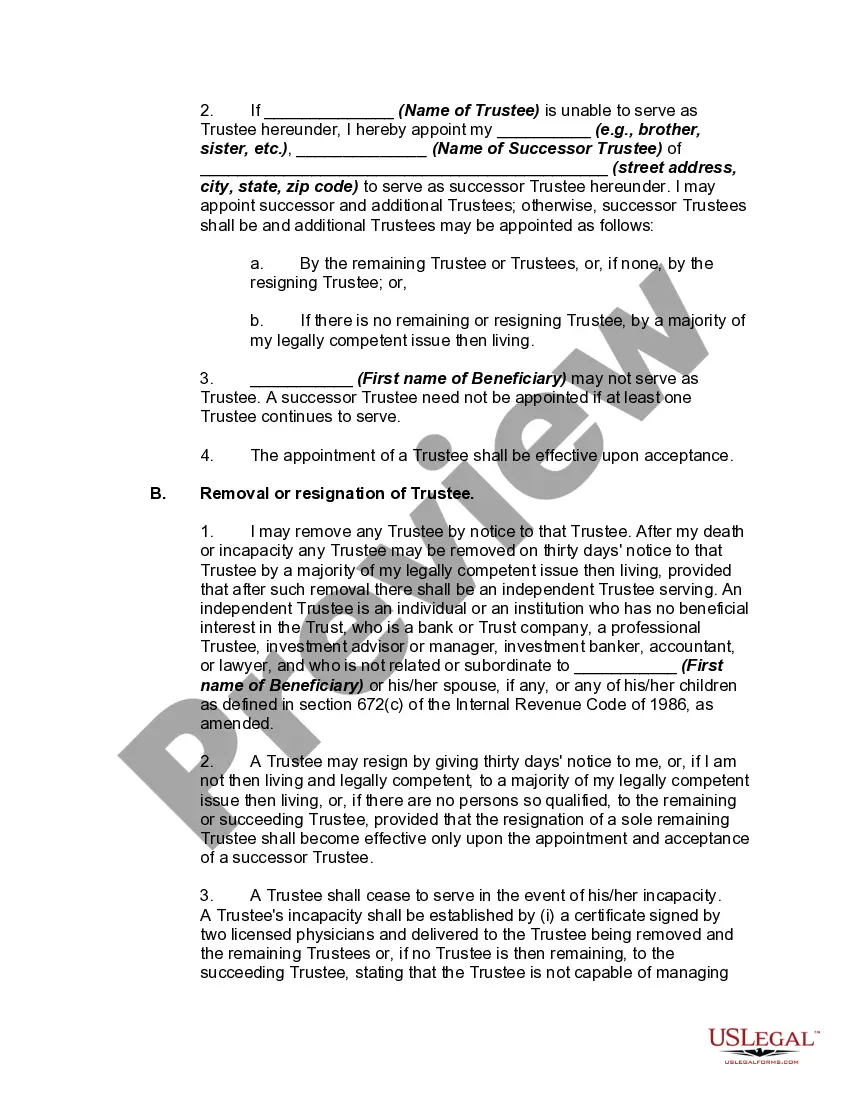
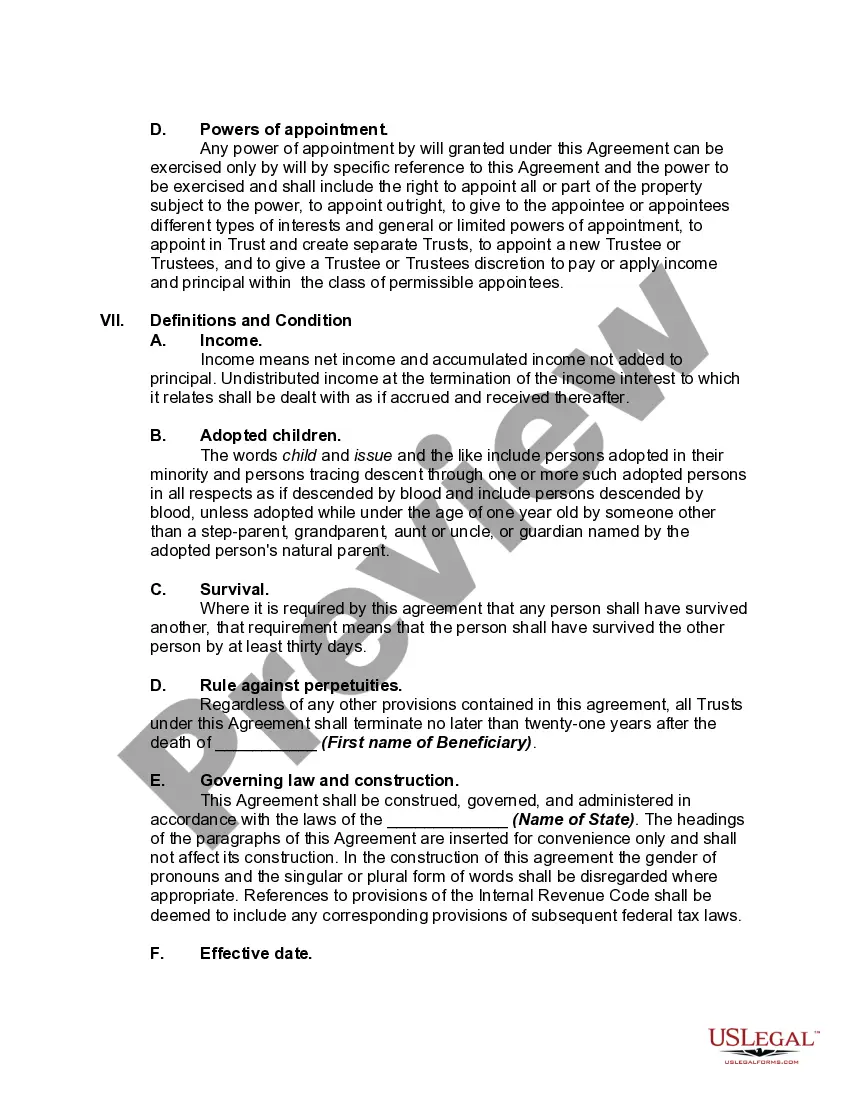
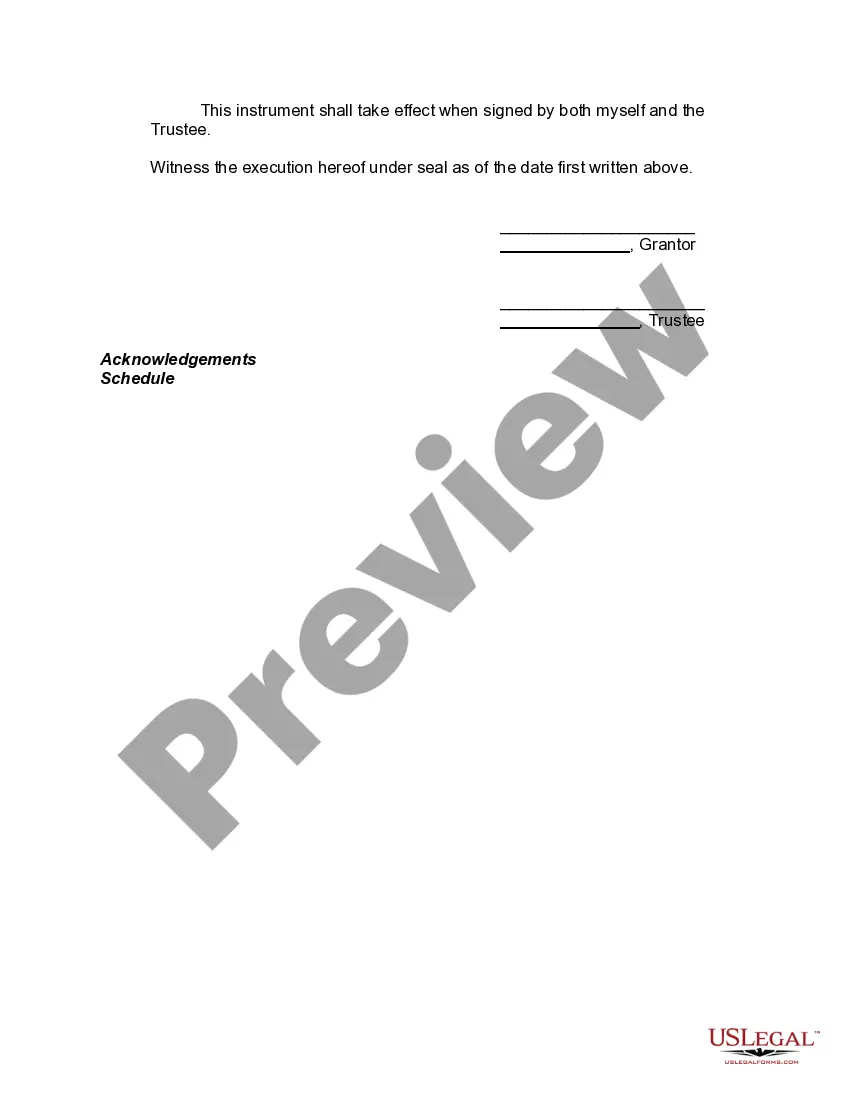

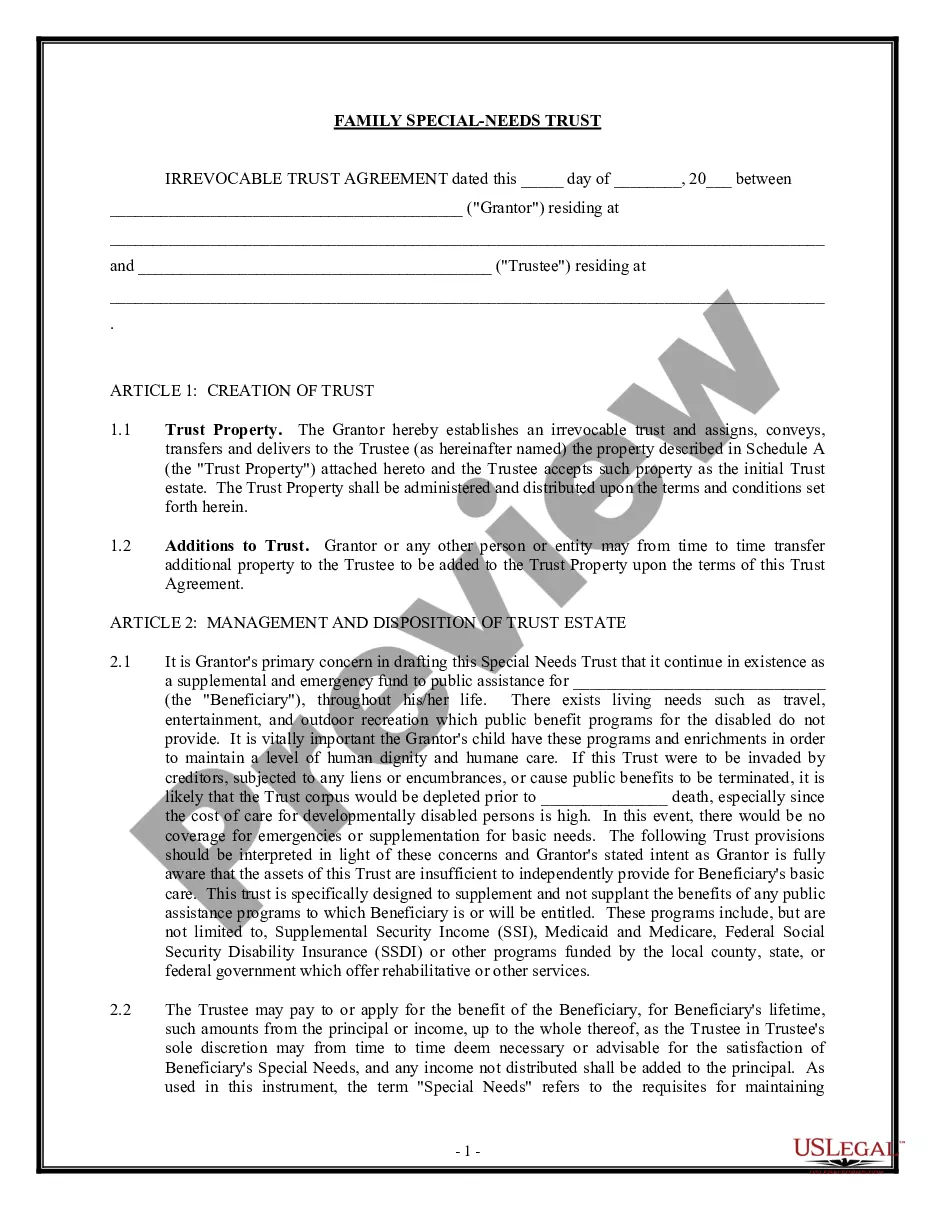
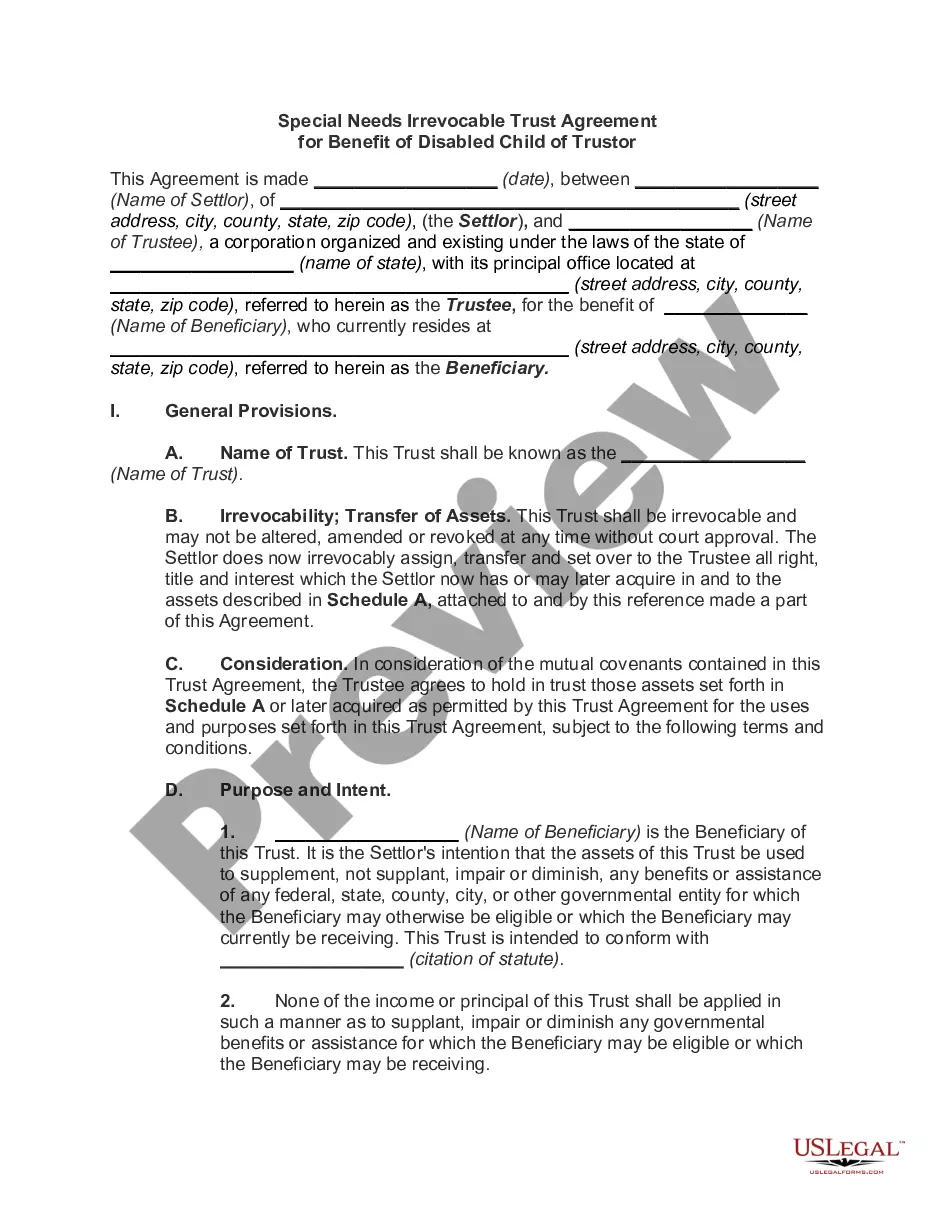
Get your form ready online
Our built-in tools help you complete, sign, share, and store your documents in one place.
Make edits, fill in missing information, and update formatting in US Legal Forms—just like you would in MS Word.
Download a copy, print it, send it by email, or mail it via USPS—whatever works best for your next step.
Sign and collect signatures with our SignNow integration. Send to multiple recipients, set reminders, and more. Go Premium to unlock E-Sign.
If this form requires notarization, complete it online through a secure video call—no need to meet a notary in person or wait for an appointment.
We protect your documents and personal data by following strict security and privacy standards.

Make edits, fill in missing information, and update formatting in US Legal Forms—just like you would in MS Word.

Download a copy, print it, send it by email, or mail it via USPS—whatever works best for your next step.

Sign and collect signatures with our SignNow integration. Send to multiple recipients, set reminders, and more. Go Premium to unlock E-Sign.

If this form requires notarization, complete it online through a secure video call—no need to meet a notary in person or wait for an appointment.

We protect your documents and personal data by following strict security and privacy standards.
Looking for another form?





How to fill out Supplemental Needs Trust For Third Party - Disabled Beneficiary?
- If you're an existing user, log in to your account at US Legal Forms and navigate to the document you need. Ensure your subscription is active; if it's expired, renew it under your payment plan.
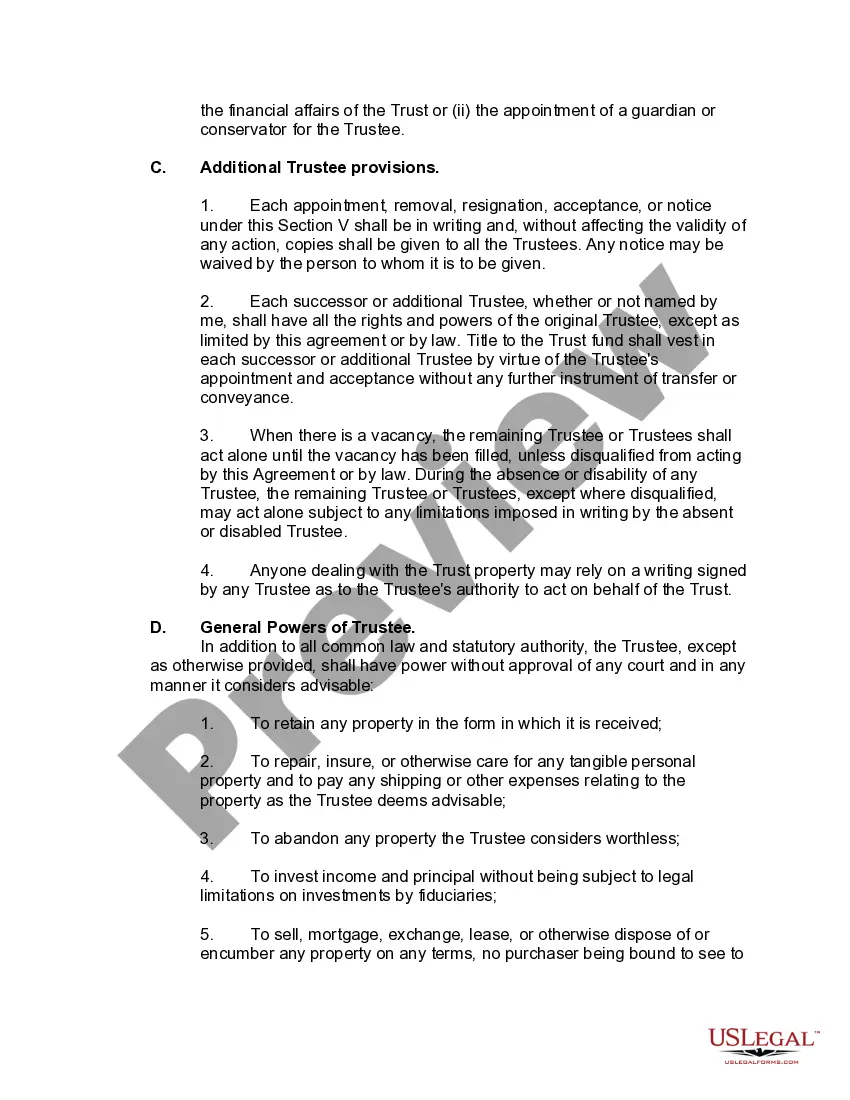
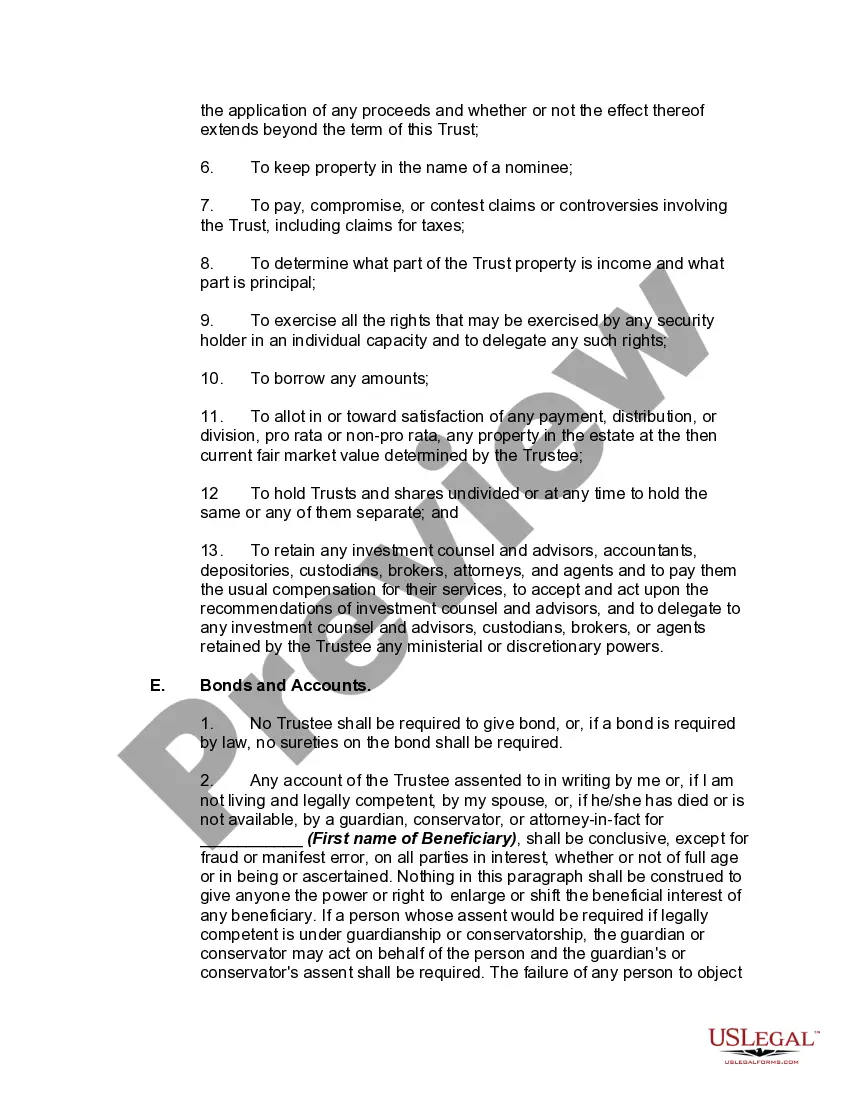
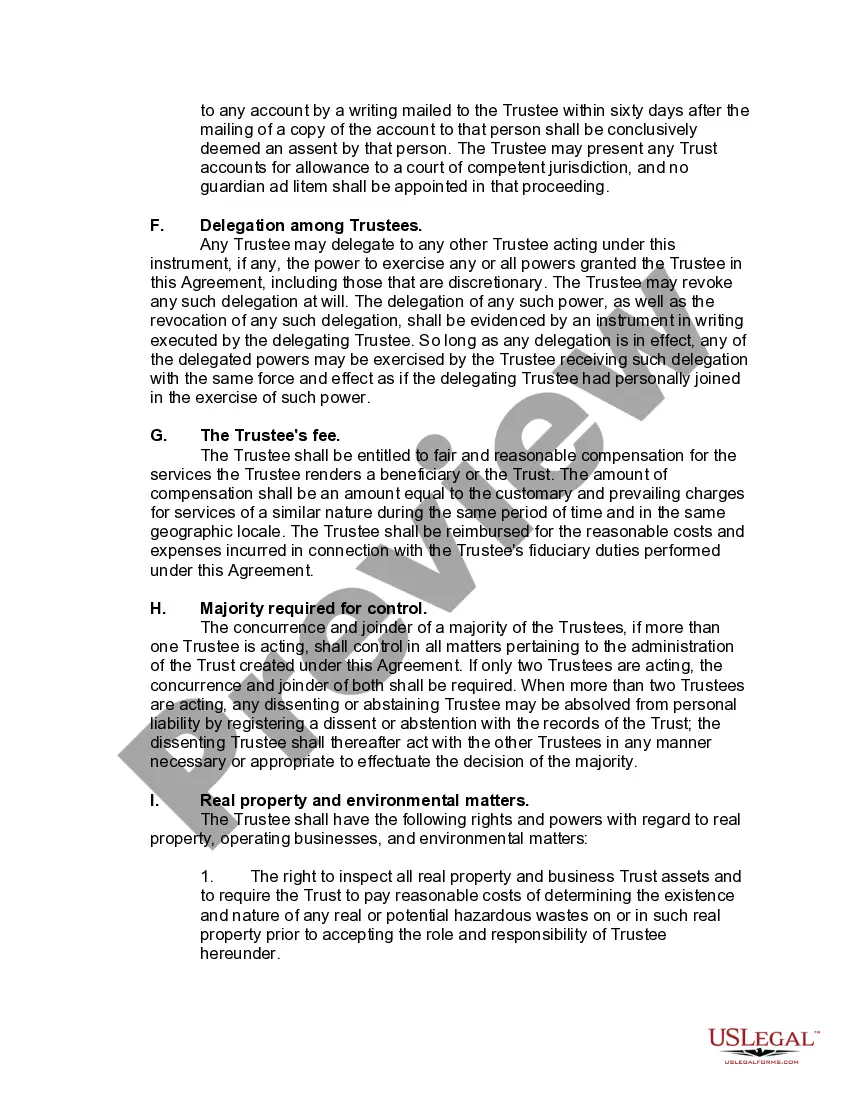
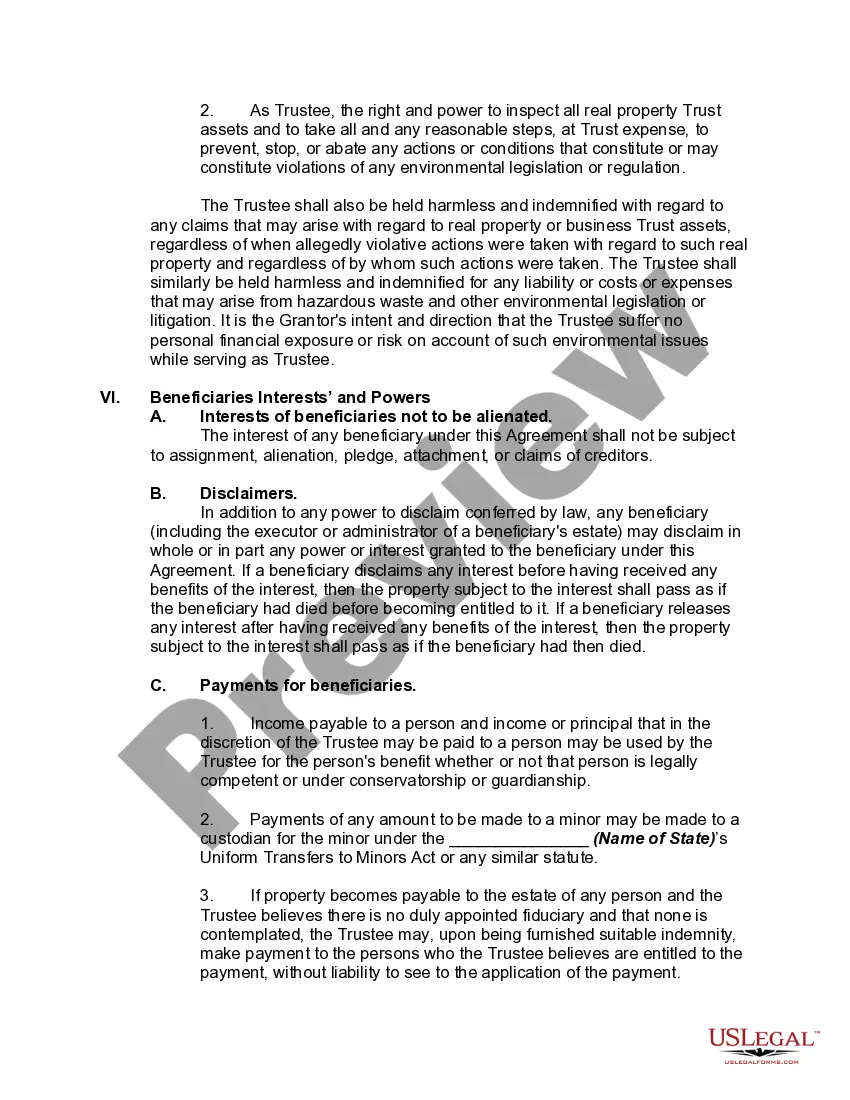
- For newcomers, start by reviewing the Preview mode and description of the form to confirm that it fits your needs and adheres to local jurisdiction requirements.
- If adjustments are necessary, make use of the Search feature to look for alternative templates that may better suit your criteria.
- Once you've settled on the correct document, click the 'Buy Now' button and select your preferred subscription plan. You'll need to create an account to access the extensive library.
- Proceed with your purchase by entering your credit card information or using your PayPal account for payment.
- Finally, download the form to your device for completion. You can revisit it anytime via the 'My Forms' section within your account.
By utilizing US Legal Forms, you benefit from a vast collection of over 85,000 editable legal forms, making the process efficient and user-friendly.
Now you’re equipped to create your supplemental needs trust effortlessly! Explore US Legal Forms today to ensure your documents are legally sound and precise.
Form popularity
FAQ
The owner of a supplemental needs trust is typically the individual who establishes the trust, known as the grantor. However, the beneficiary, often a person with disabilities, is the one who ultimately benefits from the trust's assets. Understanding the roles within the trust is vital, especially when managing its funds effectively.
Deciding whether your parents should put their assets in a trust depends on their financial situation and goals. A trust can provide benefits like asset protection and simplified estate planning. However, if they have beneficiaries with special needs, considering a supplemental needs trust may be particularly wise to safeguard government benefits while enhancing their quality of life.
A family trust can come with various disadvantages, such as the potential for family disputes over assets. Furthermore, if not structured correctly—like in the case of a supplemental needs trust—it could inadvertently affect the beneficiary's eligibility for benefits. Consultation with a legal expert can help navigate these complexities.
The downfall of having a trust often lies in the complexity of managing it. Trusts require ongoing administration and may incur legal and tax implications. Utilizing a supplemental needs trust can mitigate some issues, but understanding the requirements and responsibilities is critical to ensure its effectiveness.
One downside of putting assets in a trust is the potential loss of control over those assets. Once properties or funds are transferred, they may no longer be accessible to the original owner. It’s important to evaluate the long-term implications, especially when considering options like a supplemental needs trust that aims to protect vulnerable individuals.
While a supplemental needs trust offers many benefits, it also has some disadvantages. For example, funds in this trust cannot be used for specific necessities like housing, as this could jeopardize government support. It's essential to weigh these limitations against the trust's advantages to ensure it aligns with your overall financial strategy.
A supplemental needs trust is a specialized trust created to benefit individuals with disabilities while preserving their eligibility for government programs. It allows you to provide additional funds for things like education, healthcare, and personal care without affecting their public benefits. Understanding what a supplemental needs trust can offer will help you make informed decisions for your loved ones.
The biggest mistake parents often make when setting up a trust fund is failing to thoroughly understand their options. Without proper guidance, they may overlook essential features like a supplemental needs trust, which can protect a child's eligibility for government benefits. It's crucial to consider the needs of the beneficiary and consult with a knowledgeable attorney to avoid costly errors.
A special needs trust can present several disadvantages, including limitations on how funds can be utilized by the beneficiary. These trusts may also involve ongoing administrative costs and require a knowledgeable trustee. Understanding potential challenges can help in making informed decisions, and platforms like USLegalForms can help simplify the trust creation process.
A supplemental needs trust generally stipulates what occurs after the beneficiary's death in its terms. These provisions can direct remaining funds to specific heirs or outline how the assets should be managed posthumously. Having clear instructions helps ensure your desires are honored, so detailed planning is essential.