Transfer 401k To Beneficiary
Description
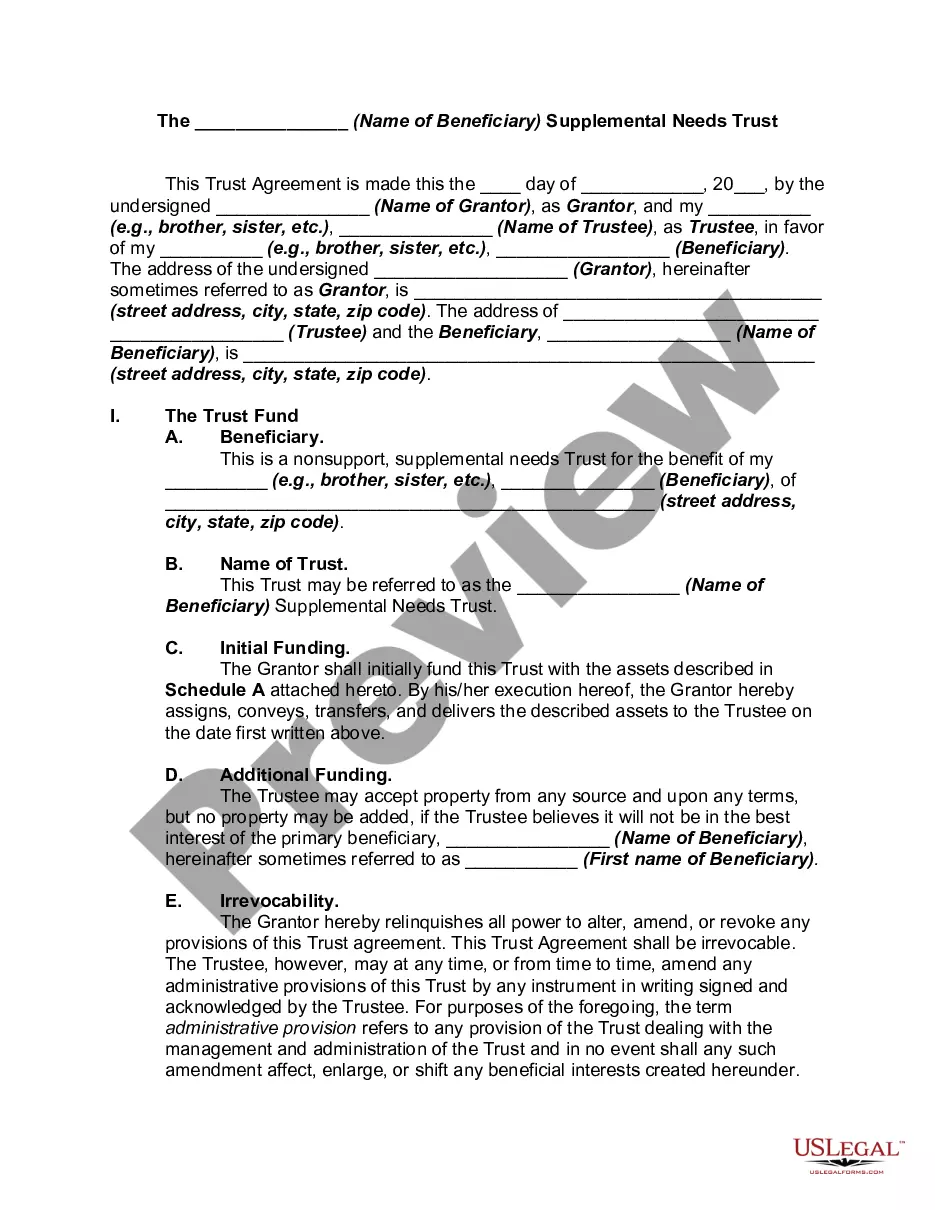
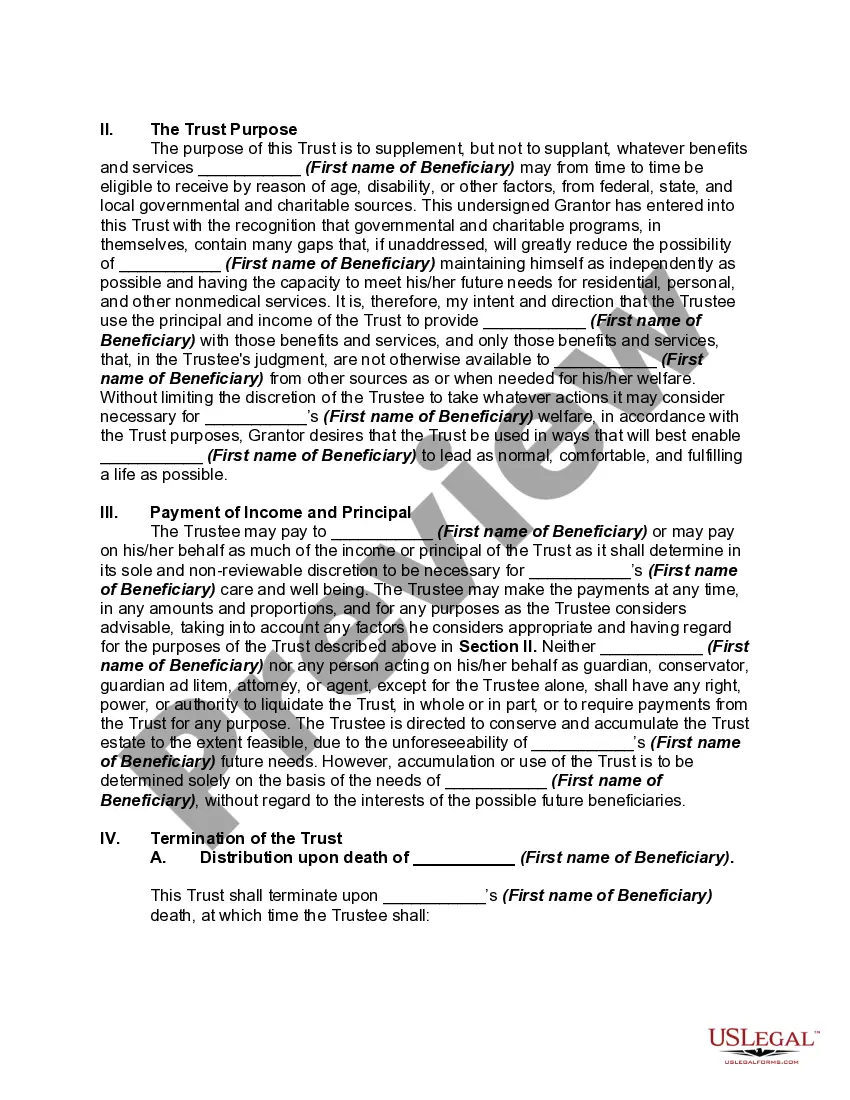
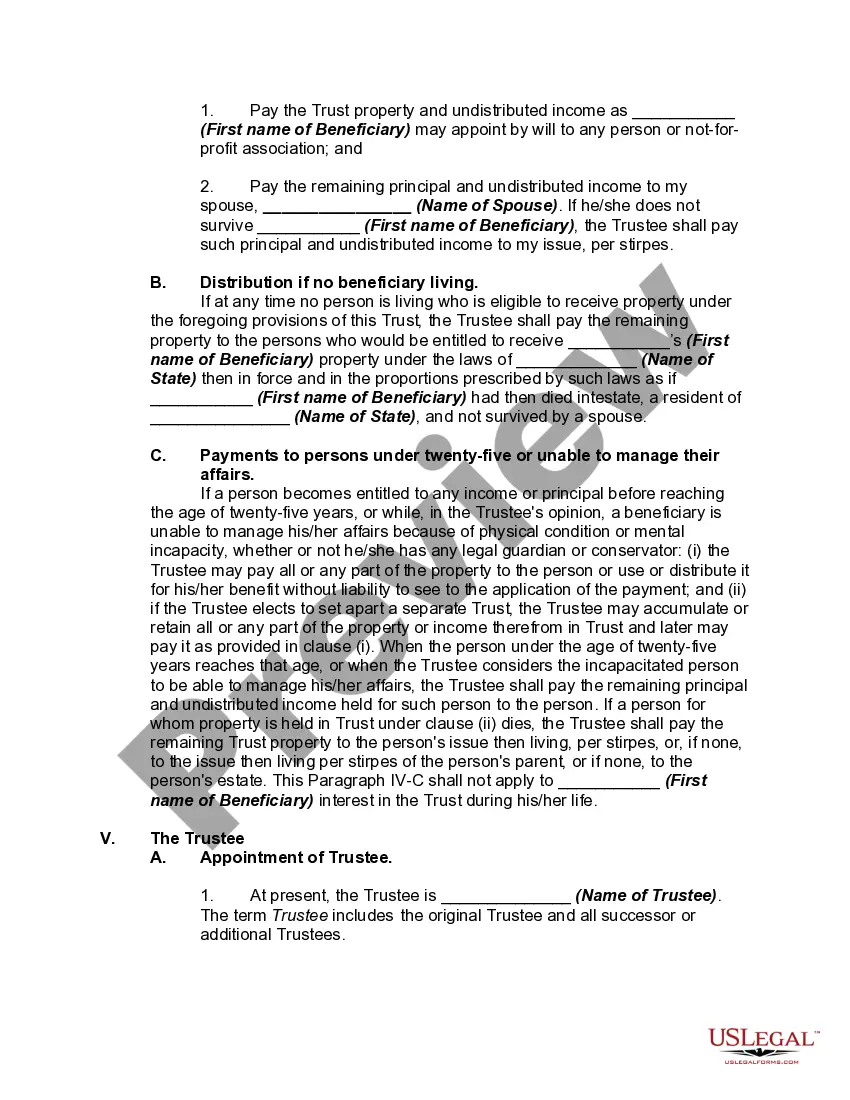
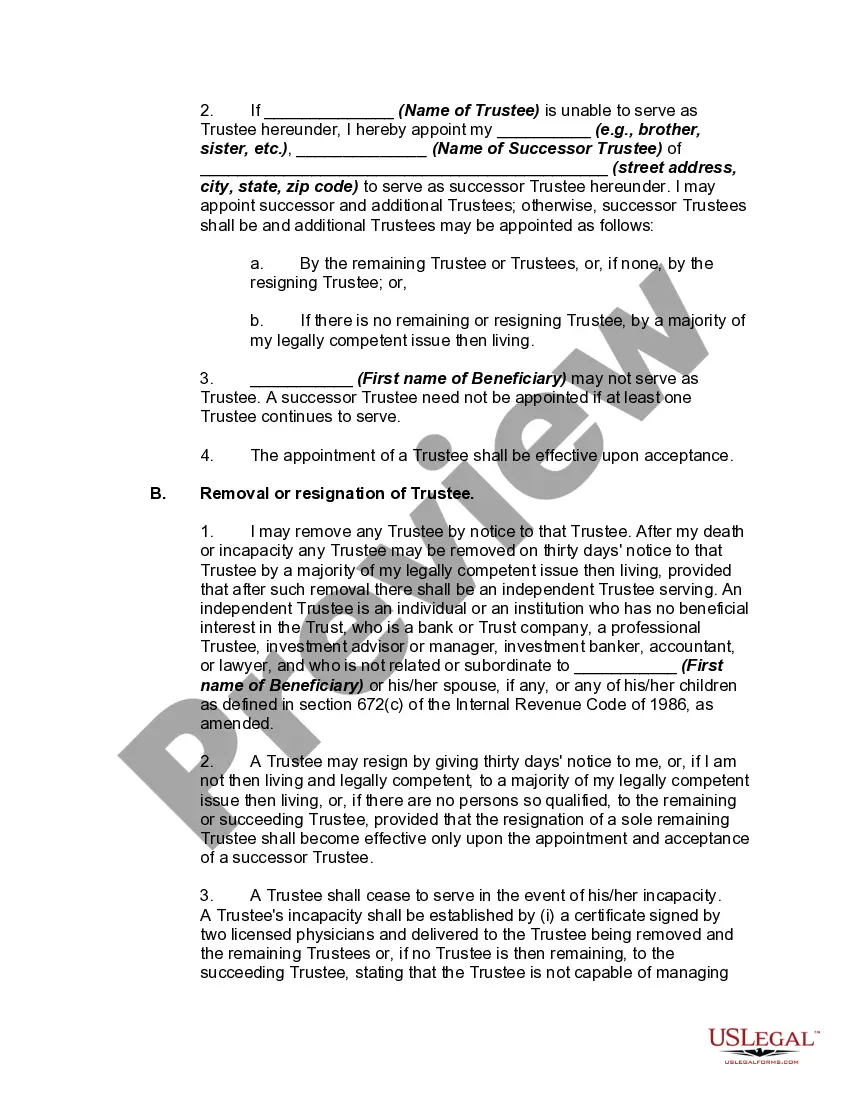




Get your form ready online
Our built-in tools help you complete, sign, share, and store your documents in one place.
Make edits, fill in missing information, and update formatting in US Legal Forms—just like you would in MS Word.
Download a copy, print it, send it by email, or mail it via USPS—whatever works best for your next step.
Sign and collect signatures with our SignNow integration. Send to multiple recipients, set reminders, and more. Go Premium to unlock E-Sign.
If this form requires notarization, complete it online through a secure video call—no need to meet a notary in person or wait for an appointment.
We protect your documents and personal data by following strict security and privacy standards.

Make edits, fill in missing information, and update formatting in US Legal Forms—just like you would in MS Word.

Download a copy, print it, send it by email, or mail it via USPS—whatever works best for your next step.

Sign and collect signatures with our SignNow integration. Send to multiple recipients, set reminders, and more. Go Premium to unlock E-Sign.

If this form requires notarization, complete it online through a secure video call—no need to meet a notary in person or wait for an appointment.

We protect your documents and personal data by following strict security and privacy standards.
Looking for another form?




How to fill out Supplemental Needs Trust For Third Party - Disabled Beneficiary?
Acquiring legal document examples that adhere to national and local regulations is essential, and the web provides a multitude of choices to select from.
However, what’s the benefit of expending time hunting for the appropriate Transfer 401k To Beneficiary template online when the US Legal Forms digital library already houses such documents consolidated in one location.
US Legal Forms is the most extensive online legal resource boasting over 85,000 fillable documents created by lawyers for any professional and personal circumstances.
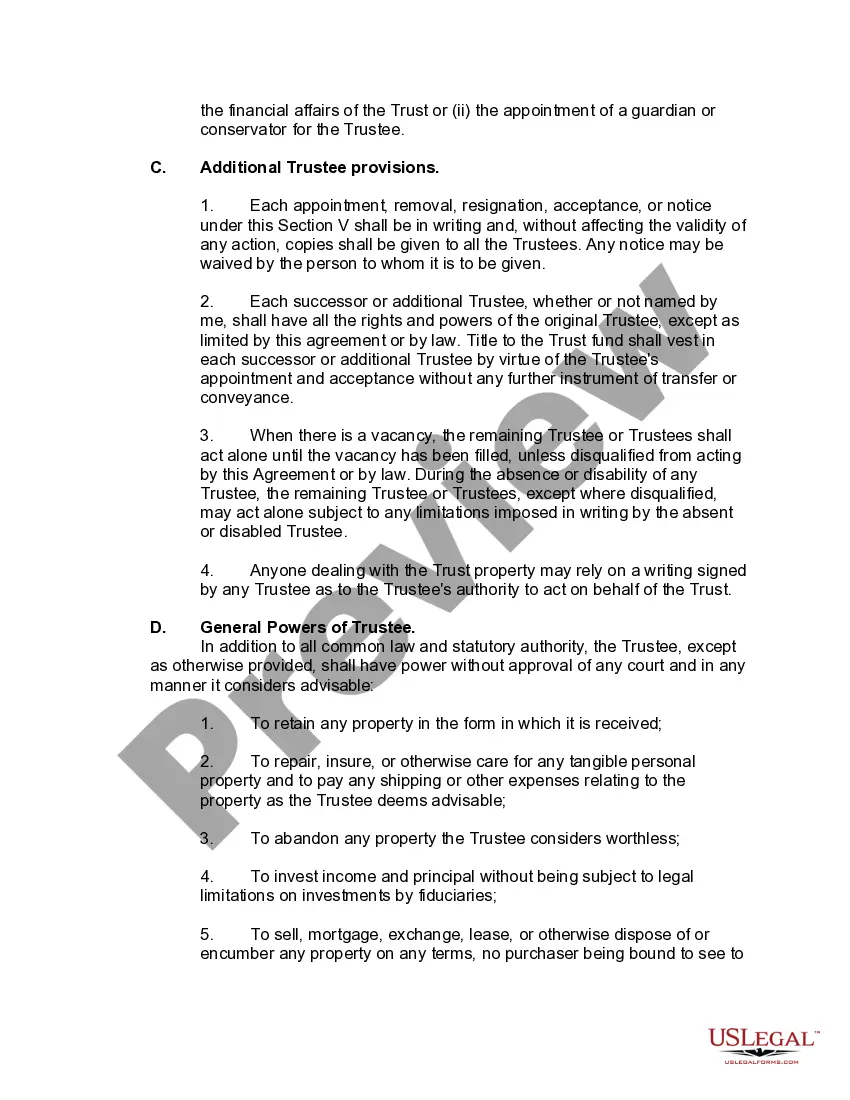
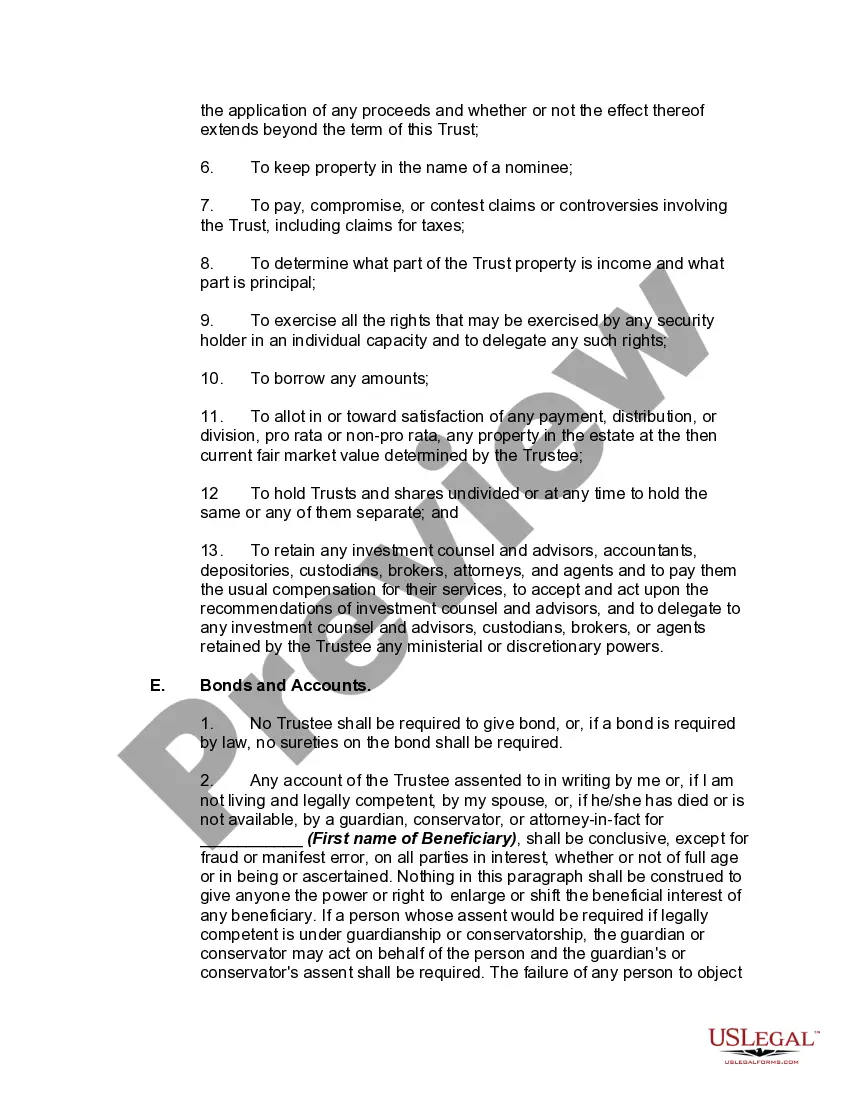
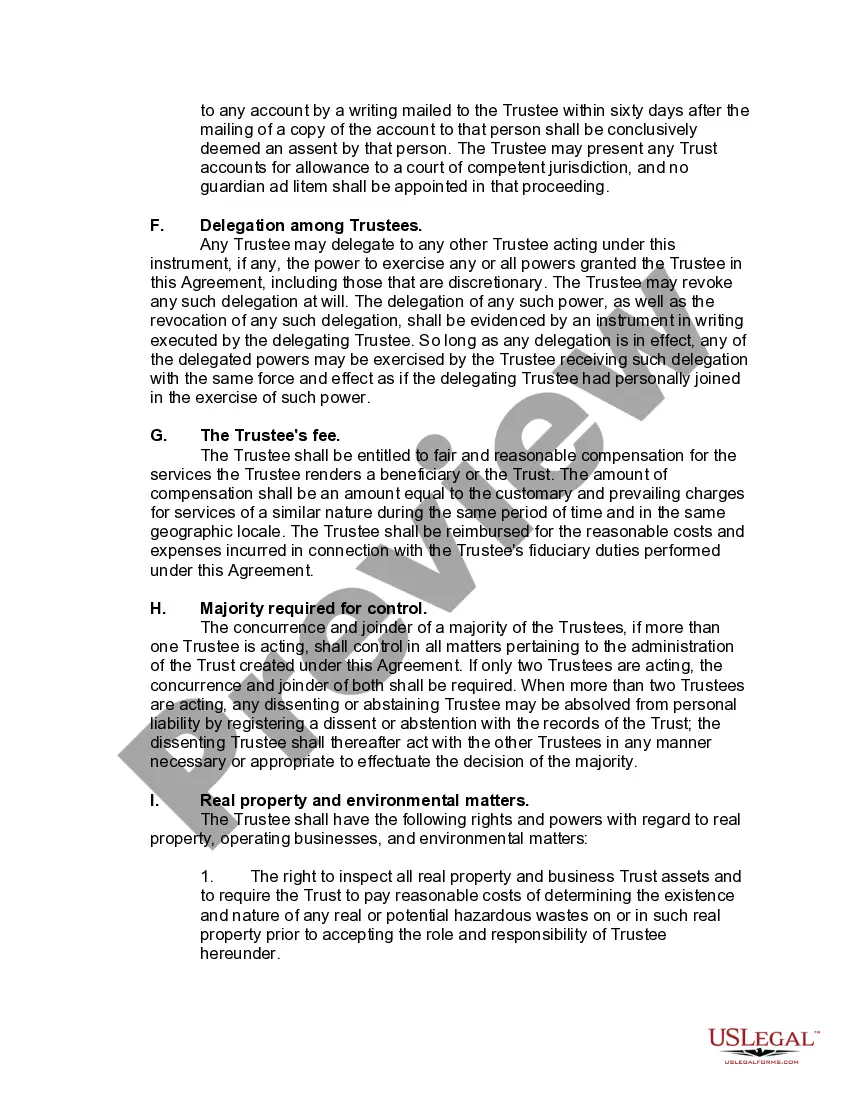
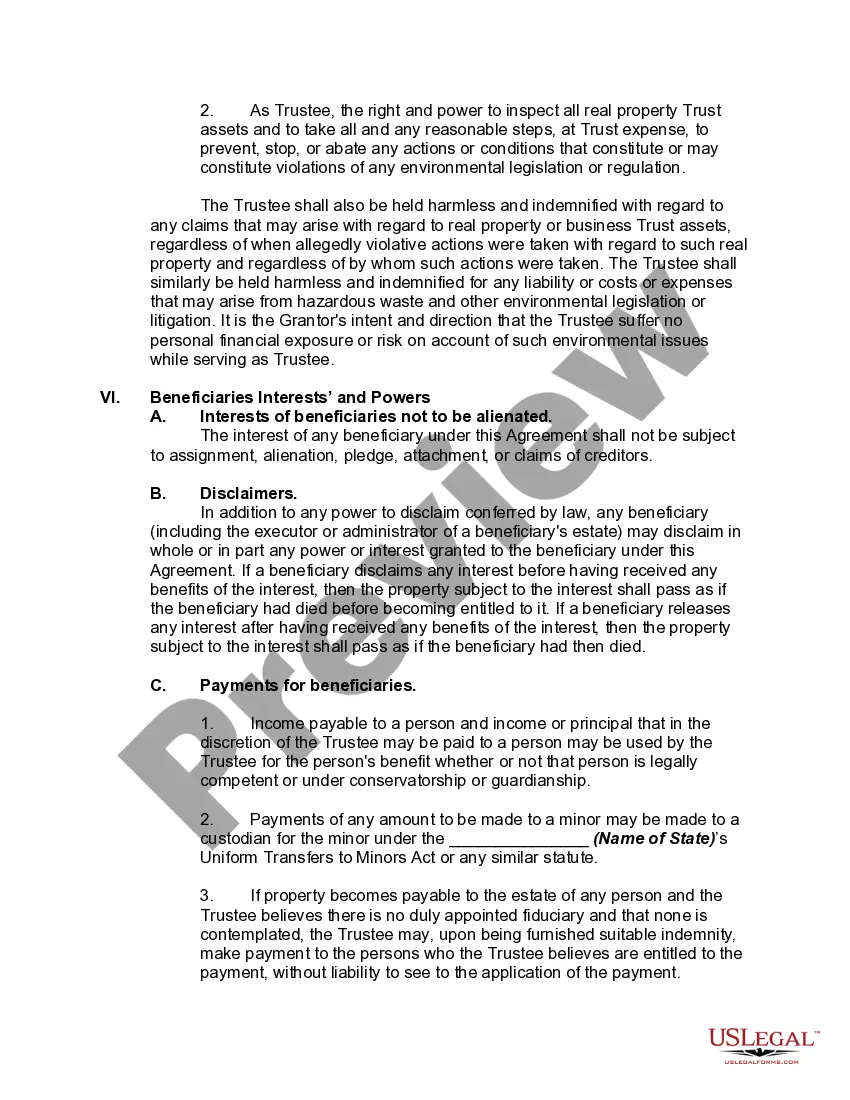
Review the template using the Preview feature or via the text outline to ensure it meets your requirements.
- They are easy to navigate with all documents categorized by state and intended usage.
- Our experts keep up with legal amendments, ensuring your paperwork remains current and compliant when obtaining a Transfer 401k To Beneficiary from our site.
- Acquiring a Transfer 401k To Beneficiary is quick and straightforward for both existing and new members.
- If you possess an account with an active subscription, Log In and store the document sample you need in the correct format.
- For newcomers to our site, adhere to the instructions outlined below.
Form popularity
FAQ
You can send a withdrawal request to the plan administrator, and ask them to send the funds via check. You should also provide the address where the check will be sent. Once the check is sent, you can expect to receive it in your mail in 3 to 5 days.
Can you transfer your 401k to your bank? Once you have attained 59 ½, you can transfer funds from a 401k to your bank account without paying the 10% penalty. However, you must still pay the withdrawn amount's ordinary income (Federal and State).
Ideally, you will be the person who someday uses the funds in your 401(k) after you retire. But if you were to pass away before then, your 401(k) assets would pass on to someone else: your beneficiary.
Can spouses combine retirement accounts? No, spouses cannot combine retirement accounts. However, a spouse can be named as a beneficiary of your account, which can be rolled into their own IRA in the event of your death.
Wait to Withdraw Until You're at Least 59.5 Years Old By age 59.5 (and in some cases, age 55), you will be eligible to begin withdrawing money from your 401(k) without having to pay a penalty tax. You'll simply need to contact your plan administrator or log into your account online and request a withdrawal.