Supplemental Needs Trust Uses
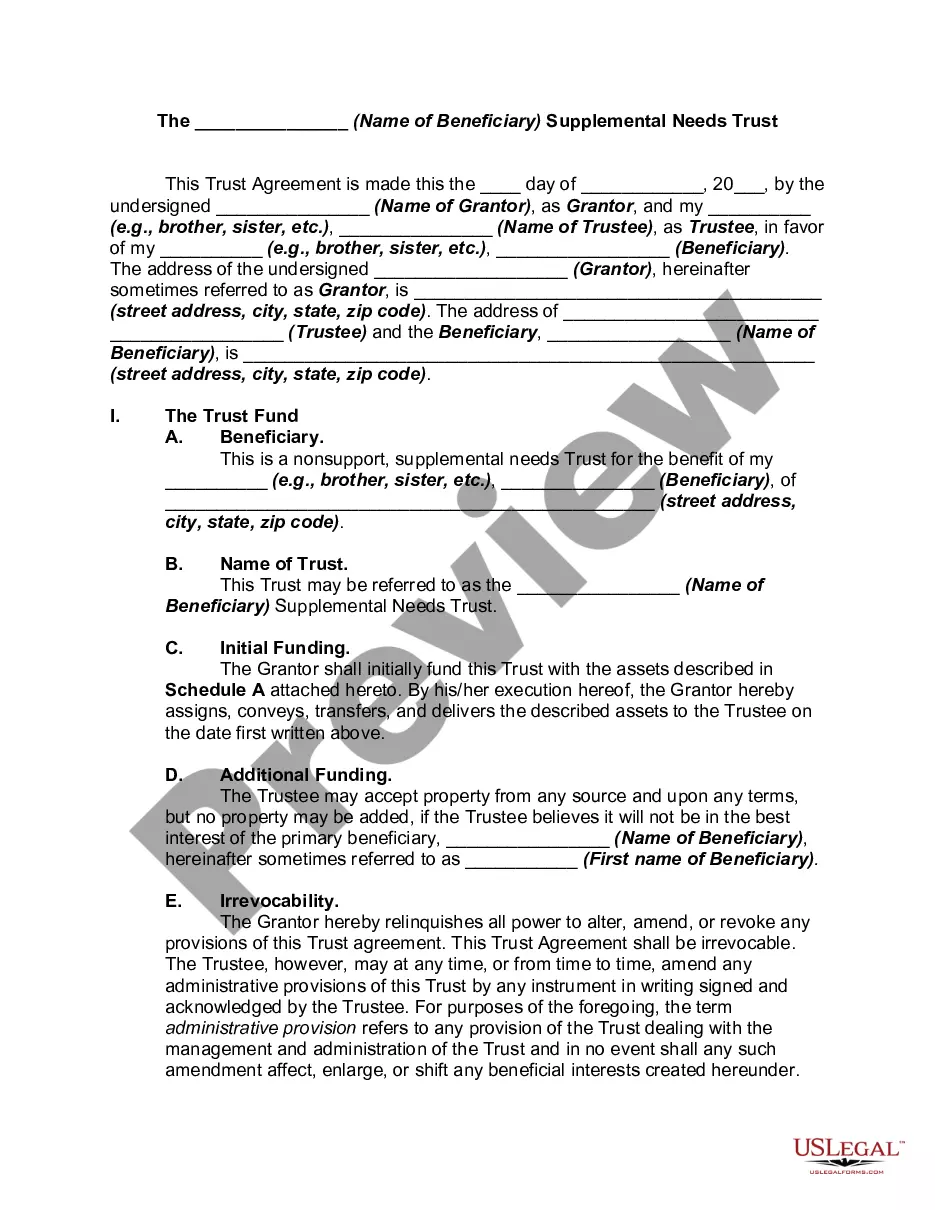
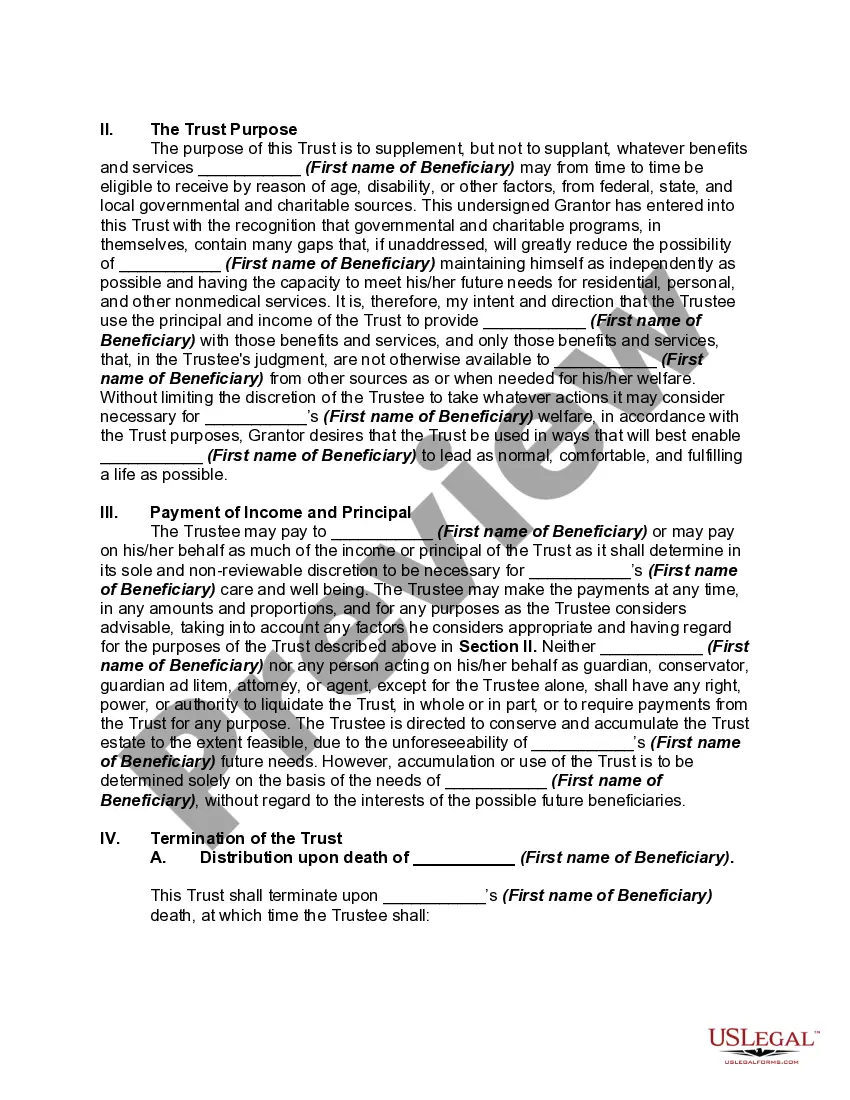
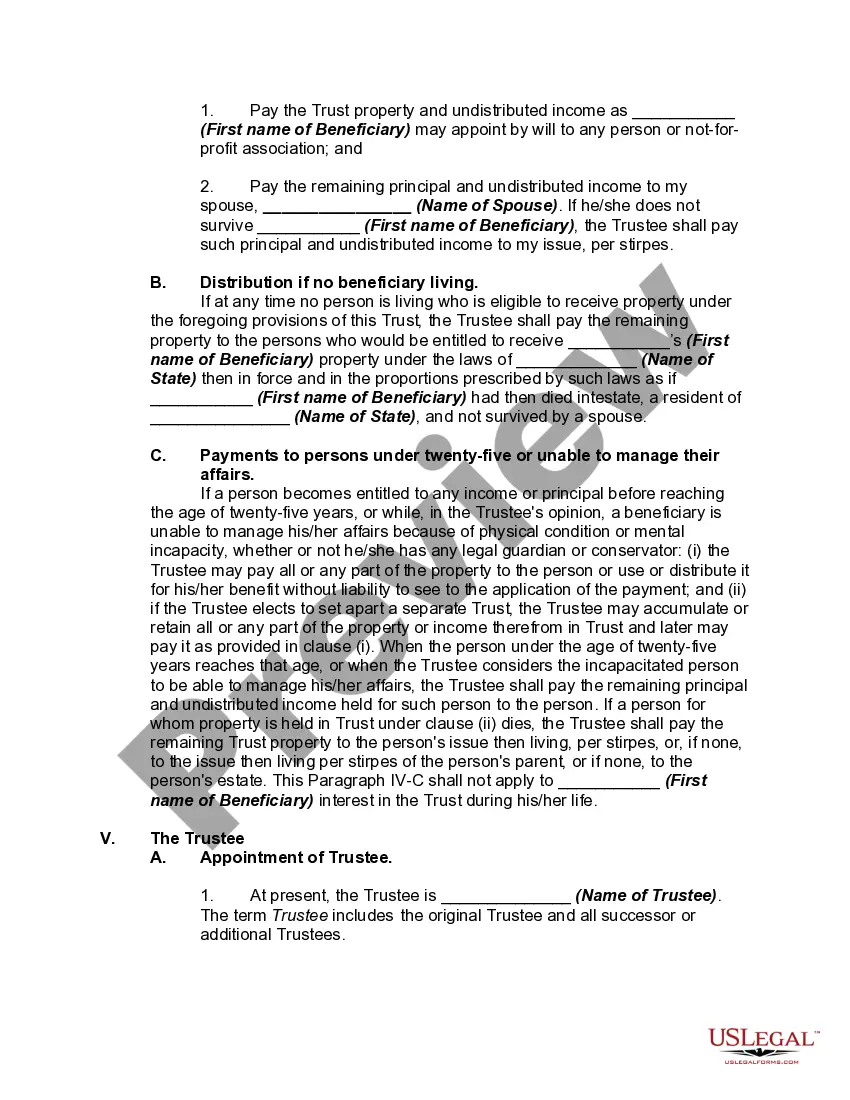
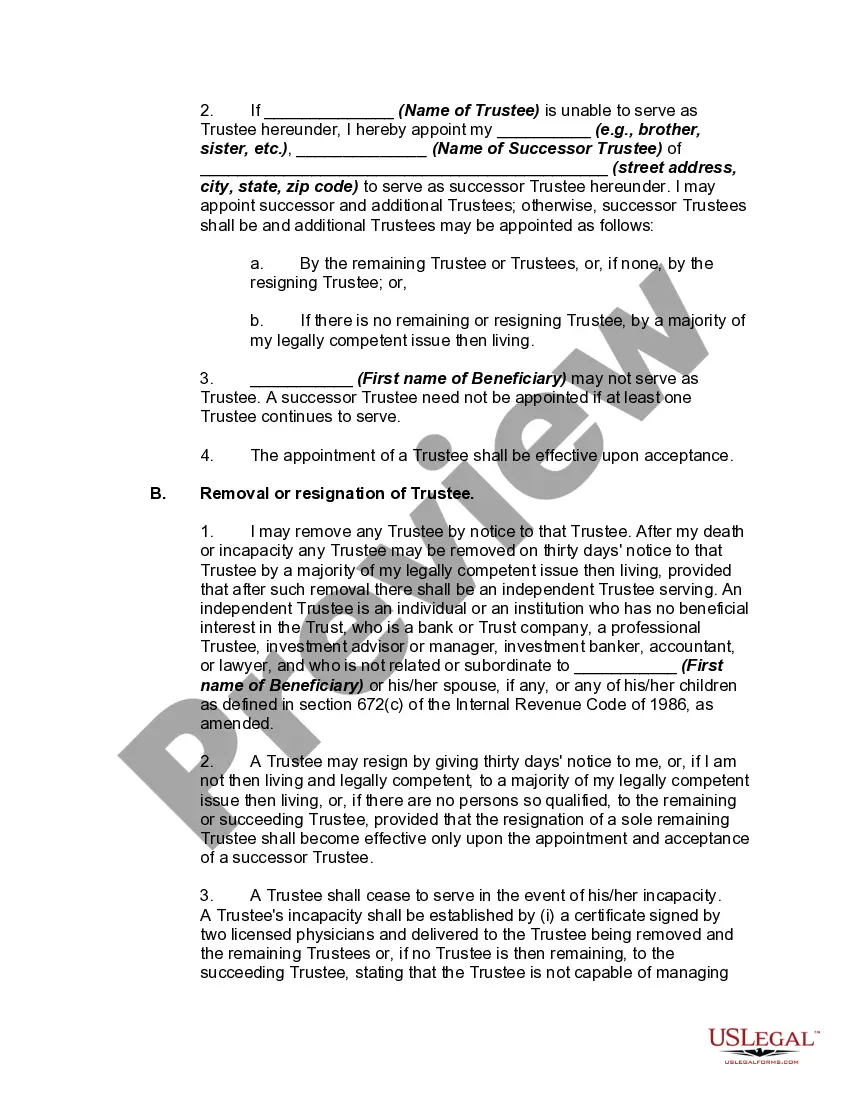
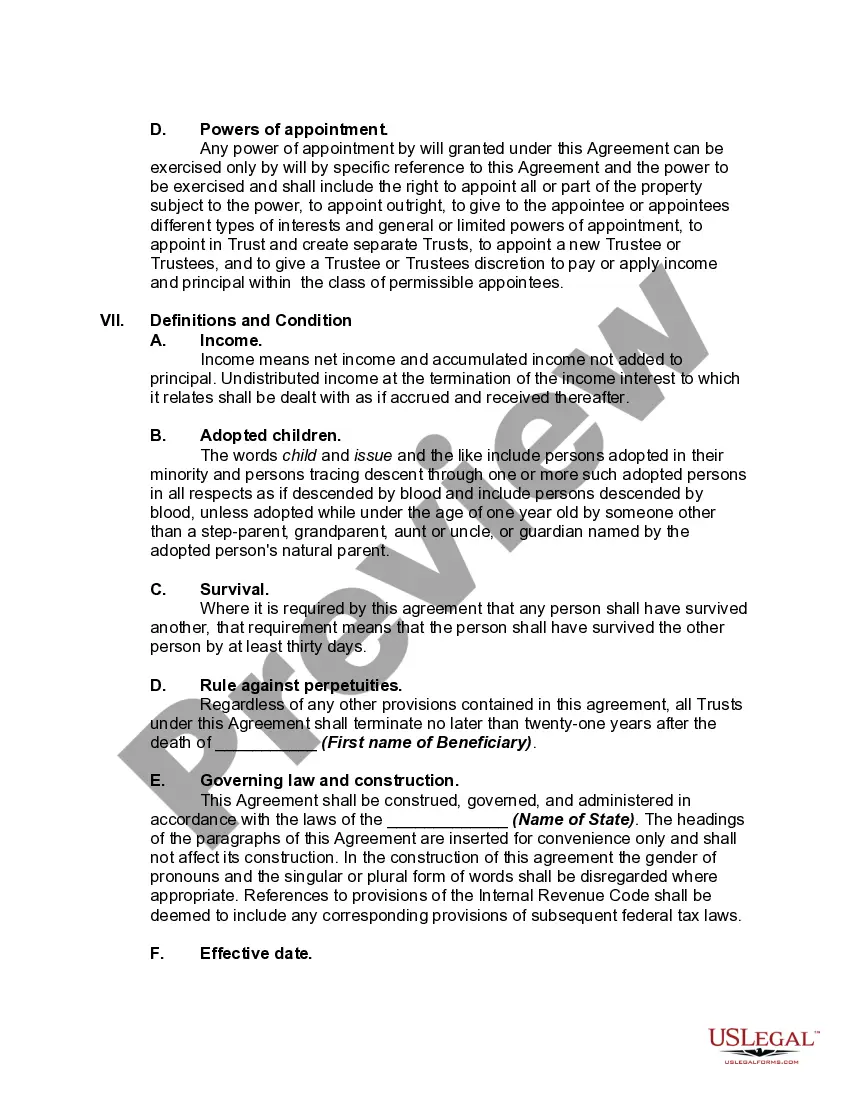
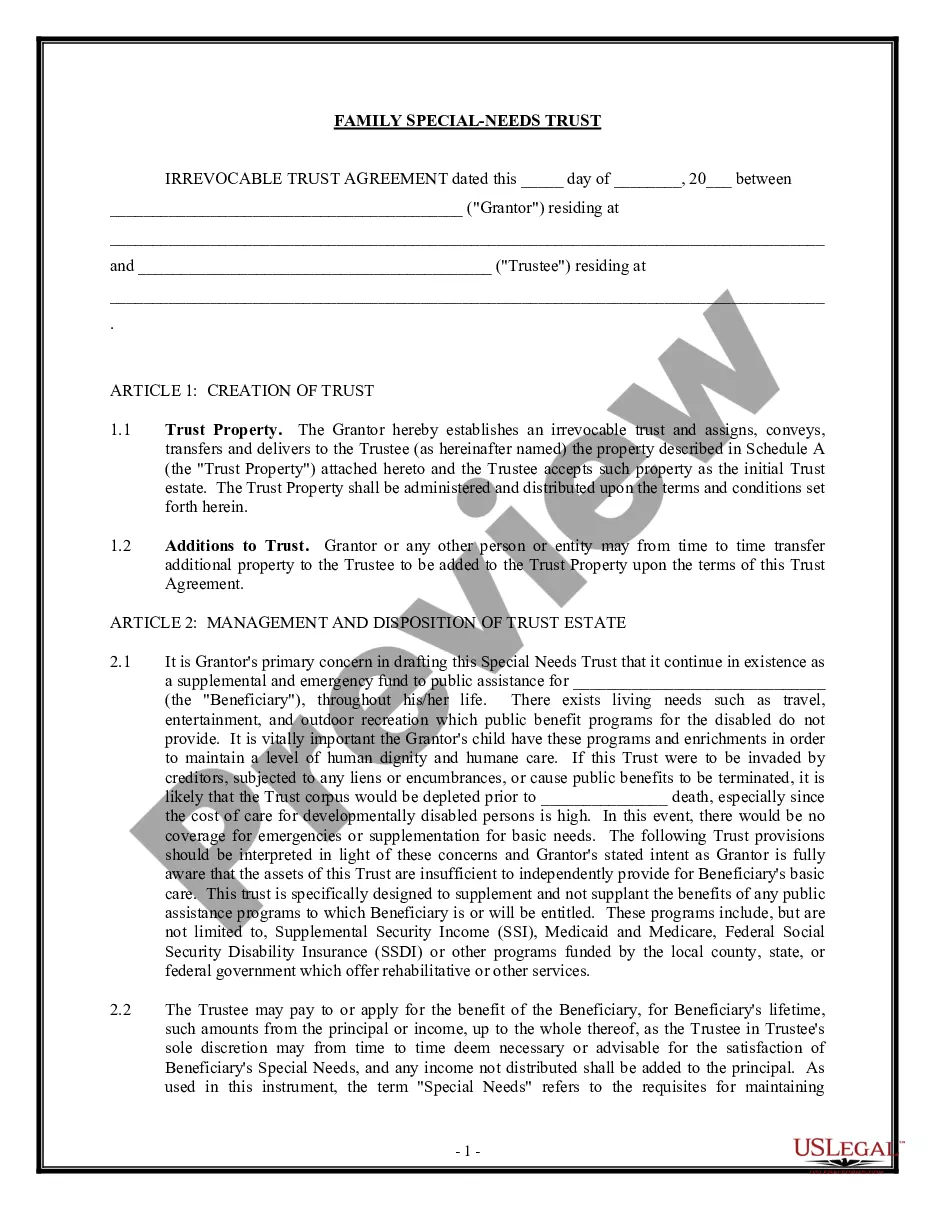
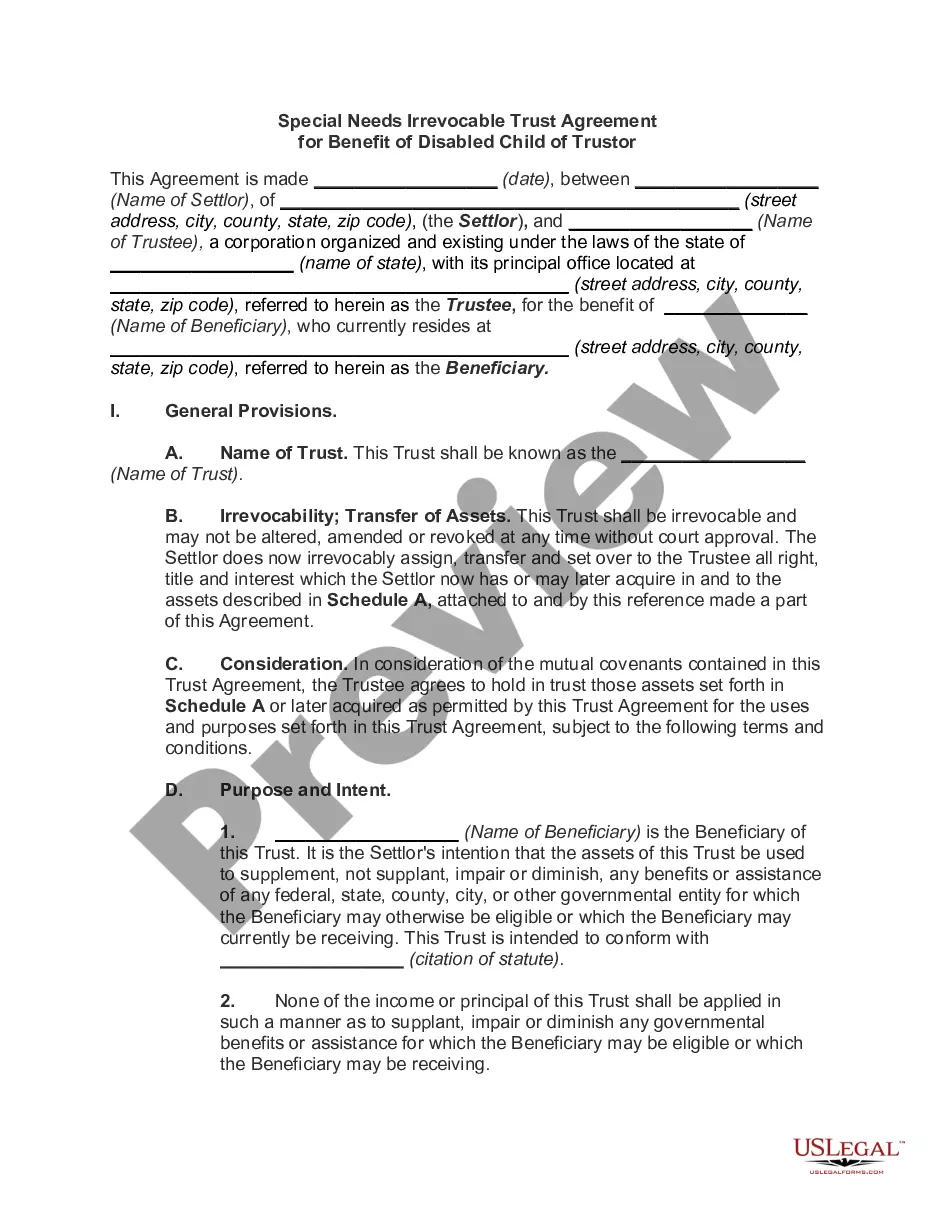
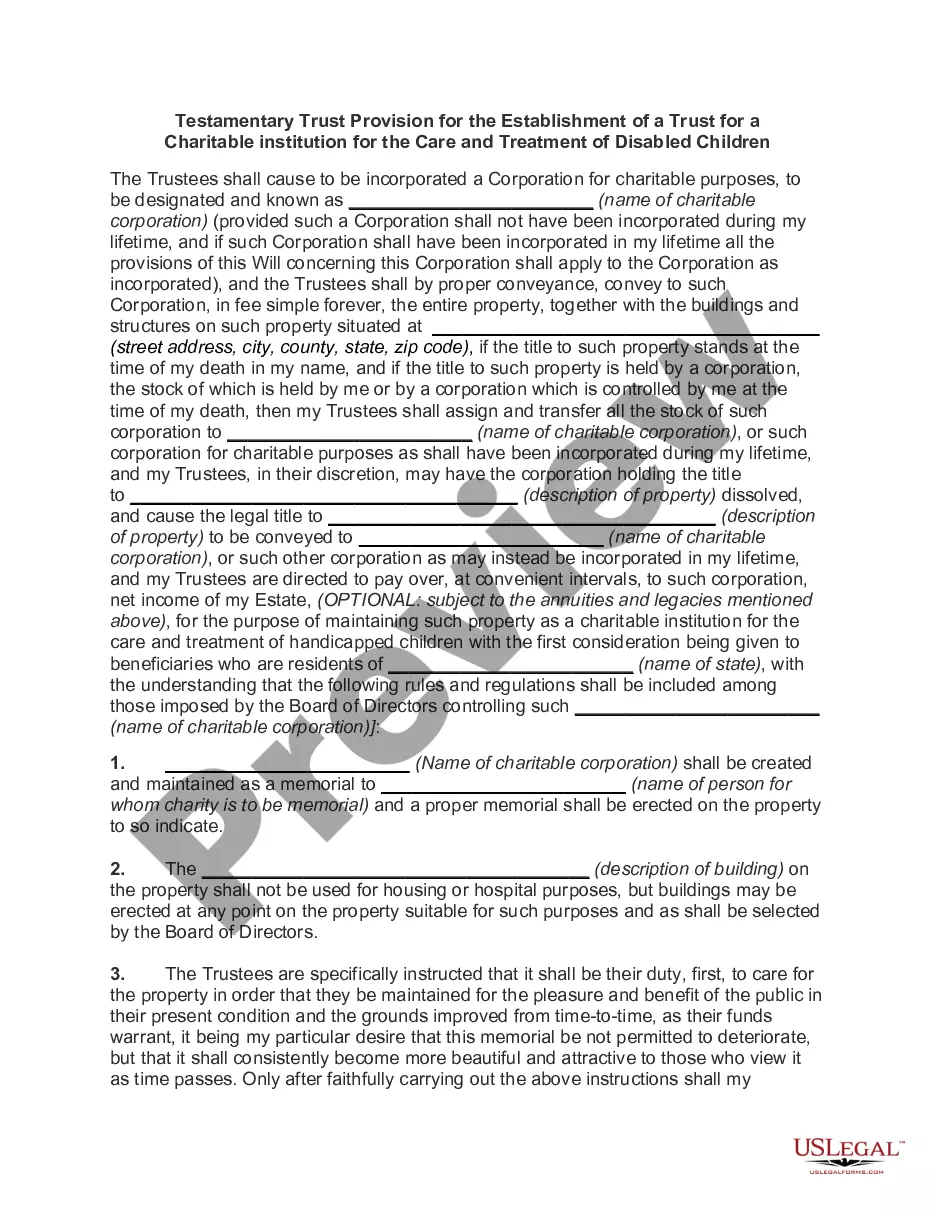
Description


Get your form ready online
Our built-in tools help you complete, sign, share, and store your documents in one place.
Make edits, fill in missing information, and update formatting in US Legal Forms—just like you would in MS Word.
Download a copy, print it, send it by email, or mail it via USPS—whatever works best for your next step.
Sign and collect signatures with our SignNow integration. Send to multiple recipients, set reminders, and more. Go Premium to unlock E-Sign.
If this form requires notarization, complete it online through a secure video call—no need to meet a notary in person or wait for an appointment.
We protect your documents and personal data by following strict security and privacy standards.

Make edits, fill in missing information, and update formatting in US Legal Forms—just like you would in MS Word.

Download a copy, print it, send it by email, or mail it via USPS—whatever works best for your next step.

Sign and collect signatures with our SignNow integration. Send to multiple recipients, set reminders, and more. Go Premium to unlock E-Sign.

If this form requires notarization, complete it online through a secure video call—no need to meet a notary in person or wait for an appointment.

We protect your documents and personal data by following strict security and privacy standards.
Looking for another form?







How to fill out Supplemental Needs Trust For Third Party - Disabled Beneficiary?
- Log in to your US Legal Forms account if you're a returning user. Confirm that your subscription is valid; if it's expired, renew as per your payment plan.
- For first-time users, start by previewing the form descriptions and ensure you select the correct template that aligns with your local jurisdiction requirements.
- If necessary, utilize the search bar to find alternative templates. Ensure the form you choose meets your specific needs.
- Proceed to purchase the document by clicking the 'Buy Now' button and selecting your preferred subscription plan. You'll need to create an account for full access.
- Complete your purchase by entering your payment details via credit card or PayPal.
- Download your completed form to your device for easy access, and revisit it anytime via the 'My Forms' section in your account.
In conclusion, utilizing US Legal Forms enhances the efficiency of obtaining essential legal documents, particularly for supplemental needs trusts. By following these steps, you streamline your access to a vast collection of forms tailored to your requirements.
Explore US Legal Forms today to simplify your legal document needs!
Form popularity
FAQ
A supplemental needs trust can be used for various essential purposes without jeopardizing government benefits. It allows for spending on items like education, healthcare, and special needs services. Importantly, these trusts help ensure funds are available for a person's specific needs while preserving their eligibility for benefits. You can explore how uslegalforms can assist in setting up and managing a supplemental needs trust effectively.
Filling out a trust fund involves several key steps to ensure proper management. First, you need to gather information about your assets and beneficiaries, as this supports the specific purposes of your supplemental needs trust uses. Next, you will complete the necessary legal documents, making sure to outline the terms clearly. Finally, consider seeking assistance from platforms like uslegalforms, which can provide tailored guidance to ensure your trust is set up correctly.
A common mistake parents make is not clearly defining the trust's purpose and goals, which can lead to confusion and mismanagement later on. Many overlook the importance of selecting a knowledgeable trustee who understands the nuances of supplemental needs trust uses. Additionally, failing to regularly review and update the trust can result in outdated provisions that may not serve the beneficiary well. By being aware of these pitfalls, you can ensure a smoother setup and management process.
One disadvantage of a supplemental needs trust is its complexity, which can lead to difficulties in proper administration. It may also limit certain financial planning options, as funds must be strictly managed to avoid disrupting government benefits. Additionally, the initial setup costs can be a concern for many families. Therefore, understanding these drawbacks can guide you in optimizing supplemental needs trust uses.
Special needs trusts can present challenges, such as complexities in managing distributions while maintaining government benefits. Beneficiaries might find it confusing to navigate rules surrounding allowable expenses. Additionally, improper management can lead to financial strain or loss of benefits. Therefore, knowing these potential issues enhances your understanding of effective supplemental needs trust uses.
When the beneficiary of a supplemental needs trust dies, the trust assets typically do not revert to the beneficiary's estate. Instead, the trustee may need to distribute the remaining funds according to the trust's terms. Often, these assets can benefit other family members or contribute to a charity. Understanding these details helps in planning effective supplemental needs trust uses.
A supplemental needs trust is primarily used to enhance the quality of life for individuals with disabilities without affecting their eligibility for government benefits. It can provide funds for various needs, such as education, therapy, or special equipment. By utilizing a supplemental needs trust, families can ensure that their loved ones receive the necessary support while safeguarding essential benefits. This kind of trust can be effectively managed with the assistance of platforms like US Legal Forms, which offer essential guidance.
A family trust can sometimes lead to family disputes, especially if the terms are unclear or if relatives have differing opinions on the trust's management. Additionally, family trusts do not shield assets from all types of creditors. They can also incur ongoing expenses for management and tax filings, which can add up over time. It's essential to communicate openly with family members to minimize misunderstandings.
Deciding whether your parents should put their assets in a trust largely depends on their financial goals and circumstances. If they aim to protect their assets from creditors or want to facilitate a smoother transfer upon passing, a trust may be beneficial. However, it’s crucial to discuss their specific needs and consult an expert. Platforms like US Legal Forms can provide resources and guidance to help make informed choices.
Putting assets in a trust can limit your control over those assets. Once assets are transferred, you may need to follow specific guidelines that restrict your ability to withdraw or manage them freely. Moreover, setting up a trust can involve upfront costs and legal fees, which might deter some individuals. Therefore, you should weigh the benefits against these potential downsides carefully.