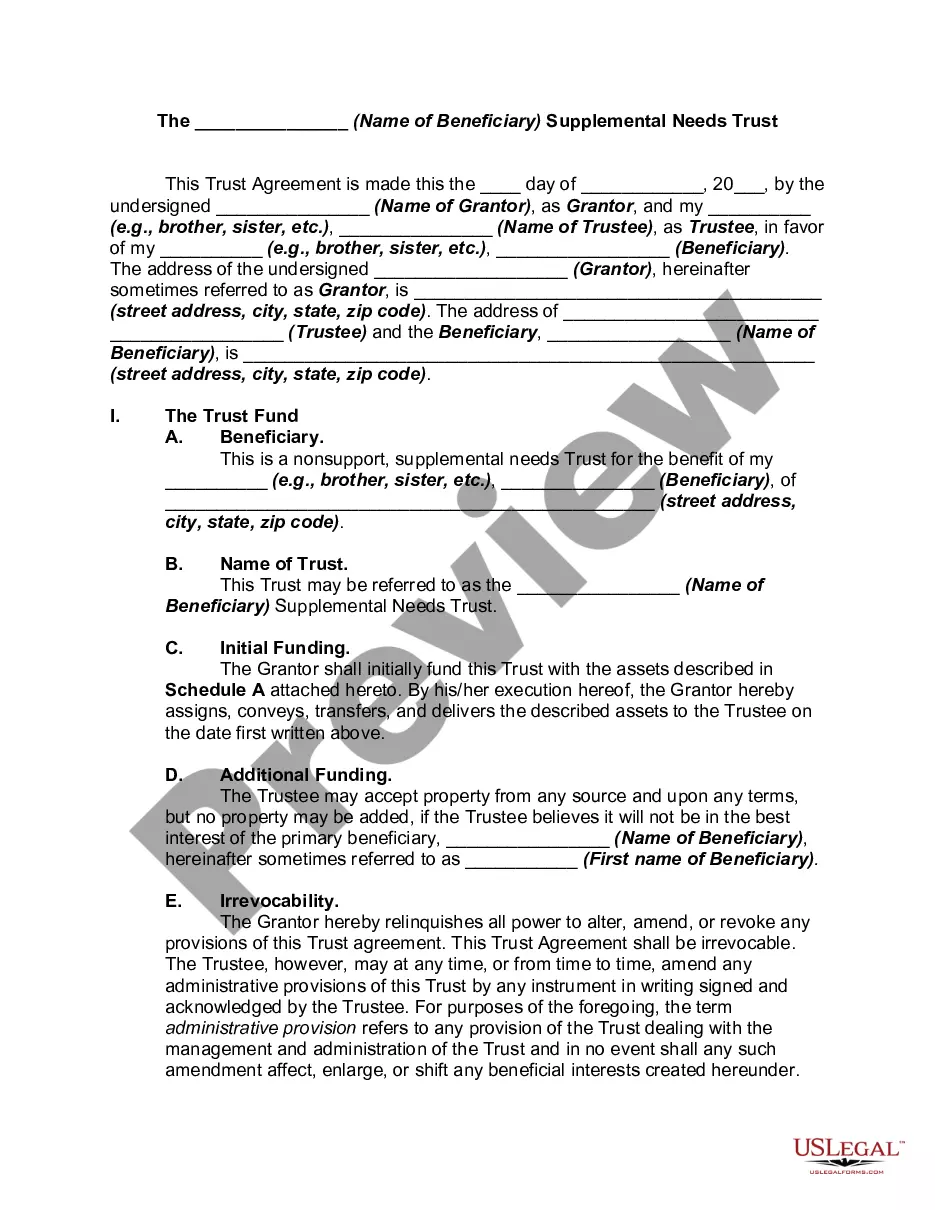
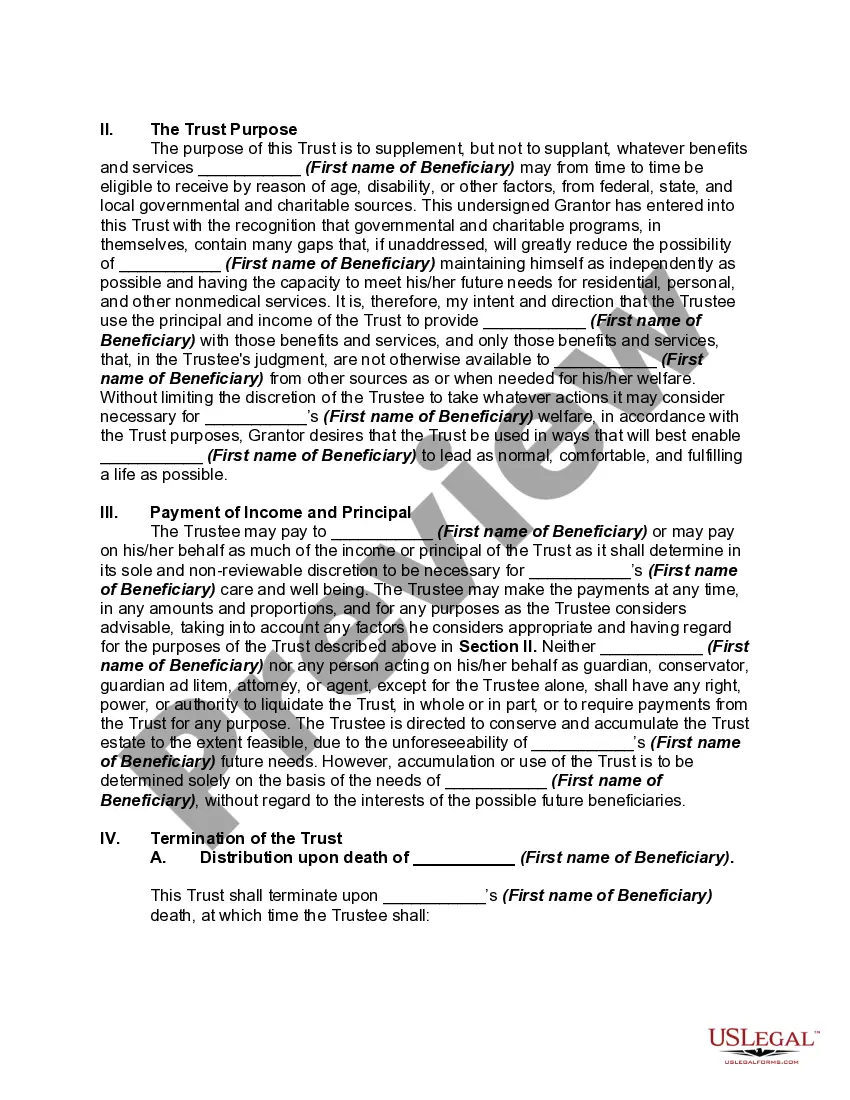
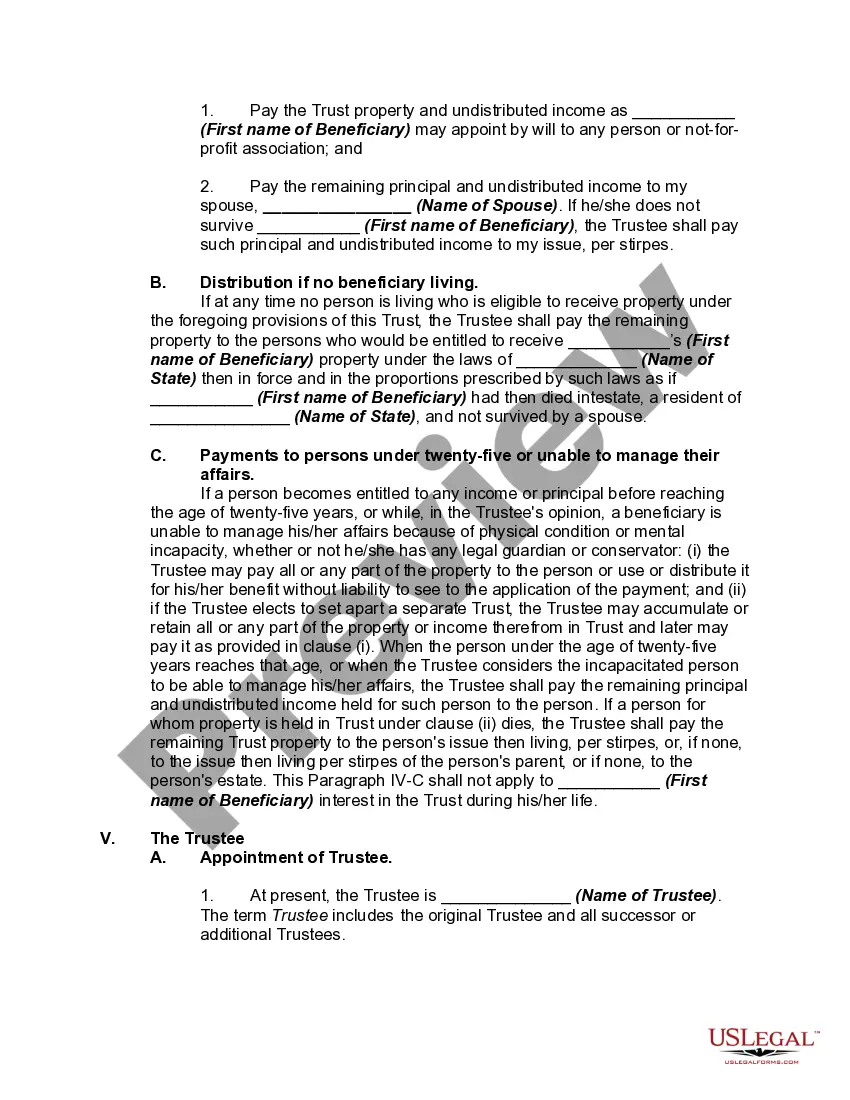
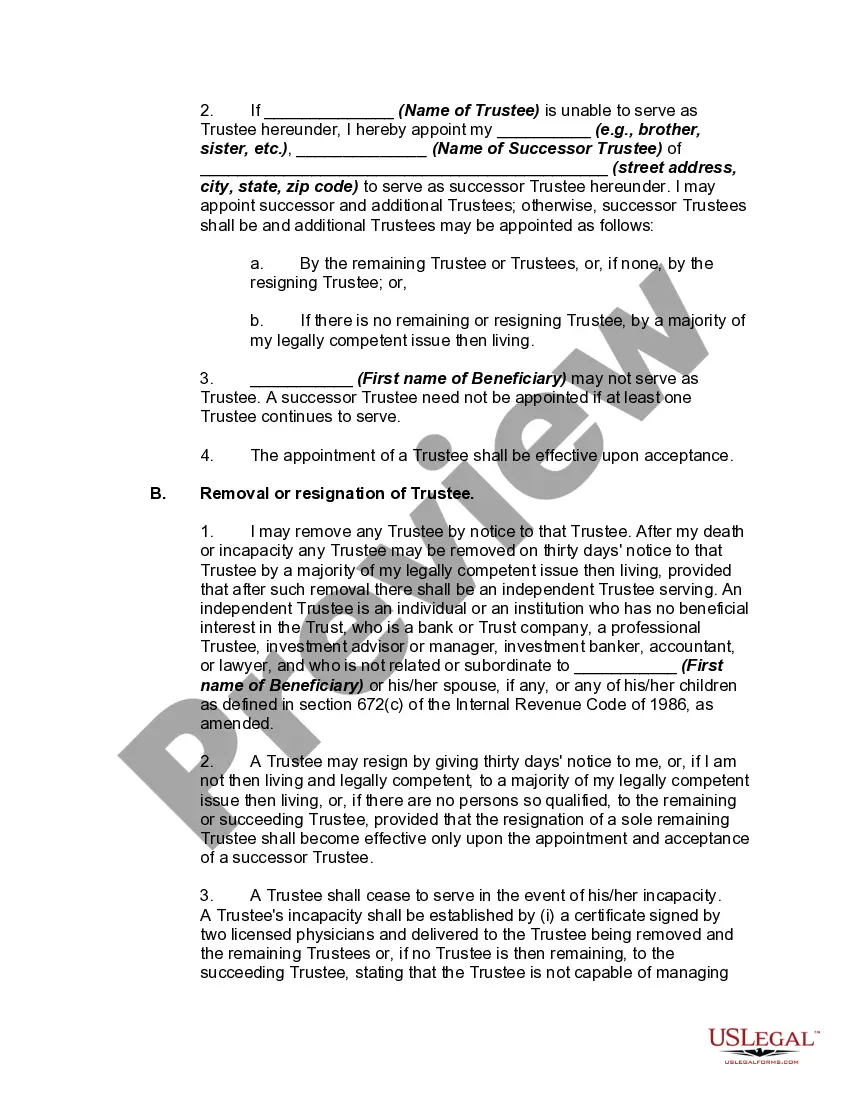
Supplemental Needs Trust In Minnesota
Description
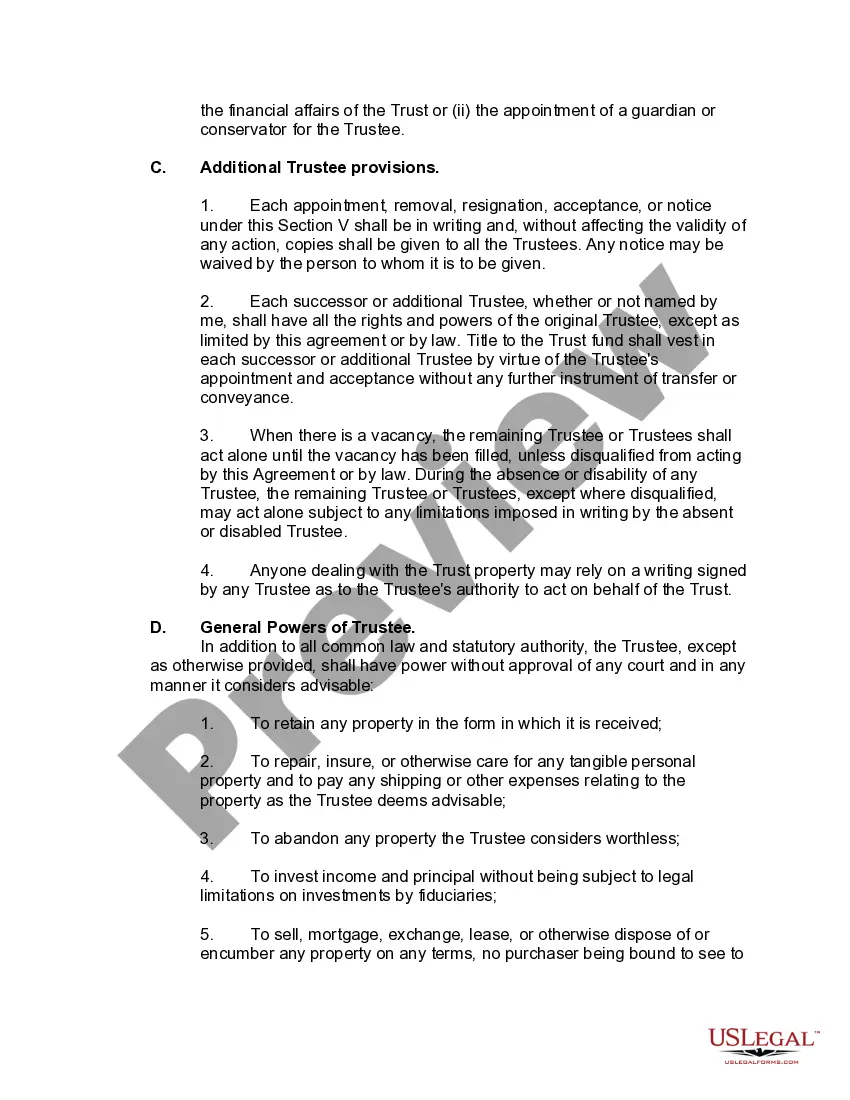
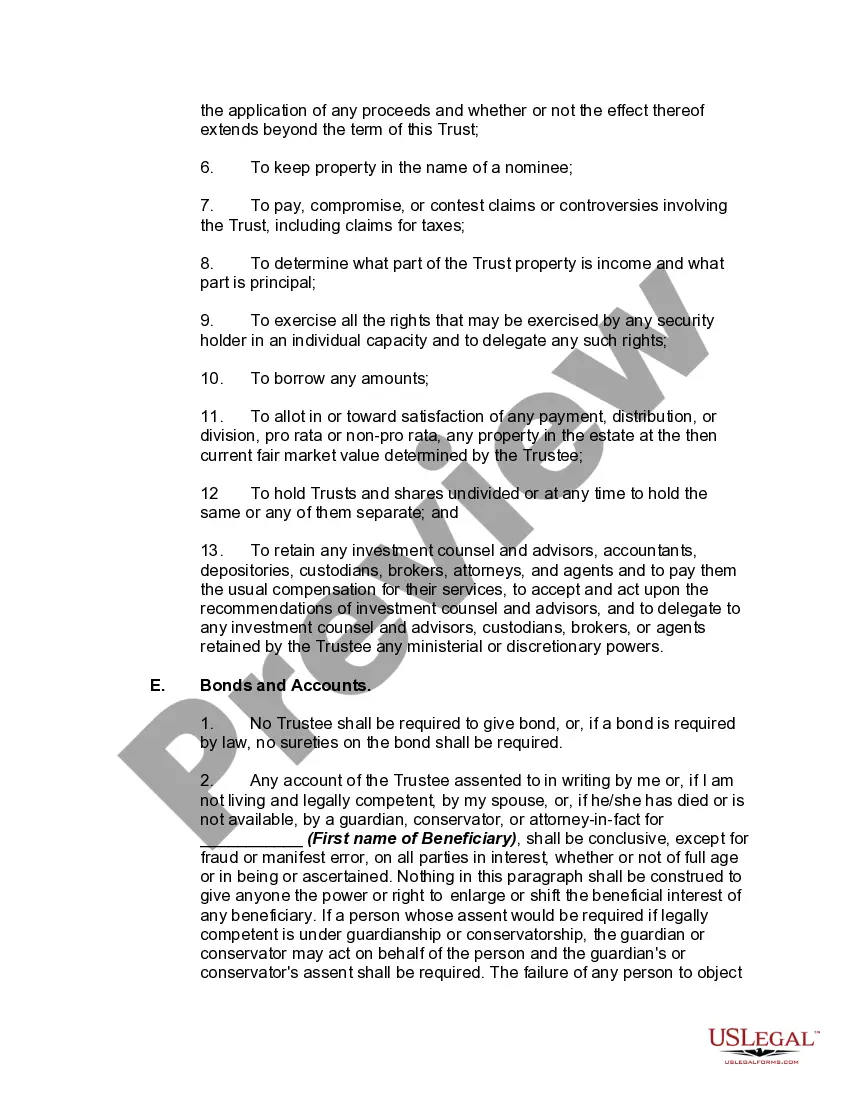
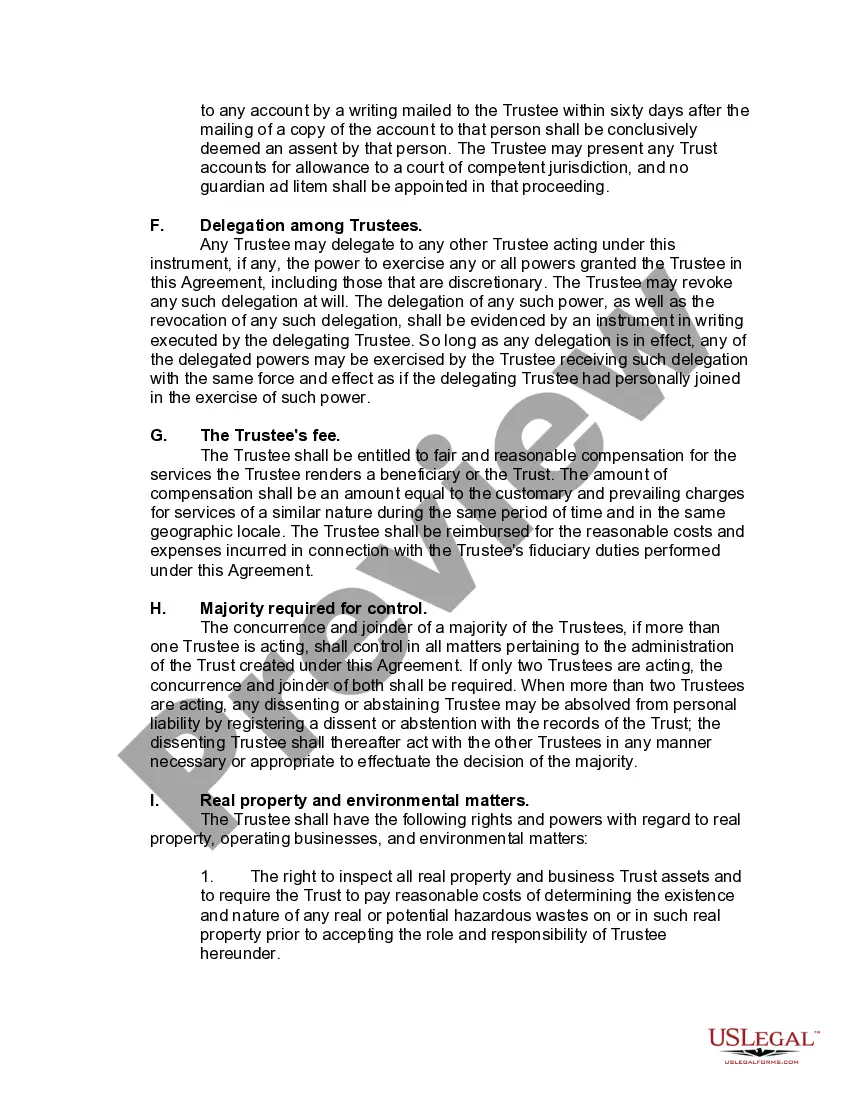
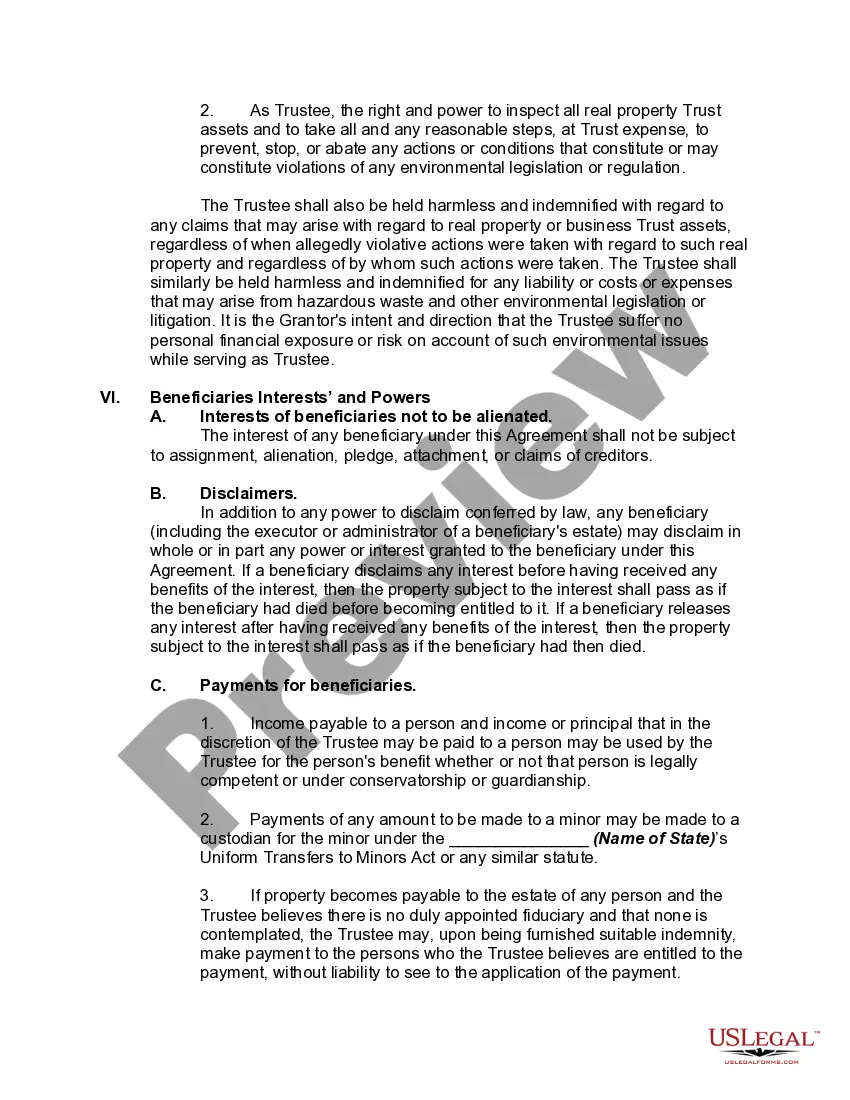
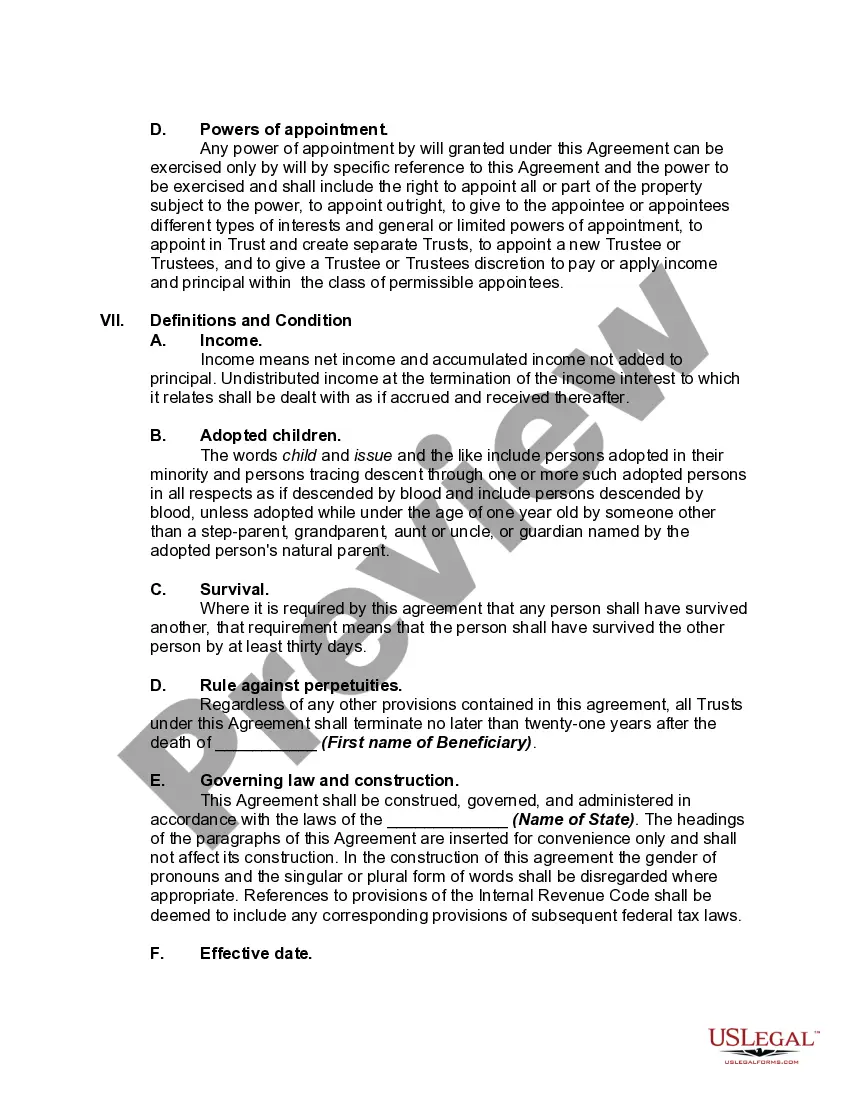
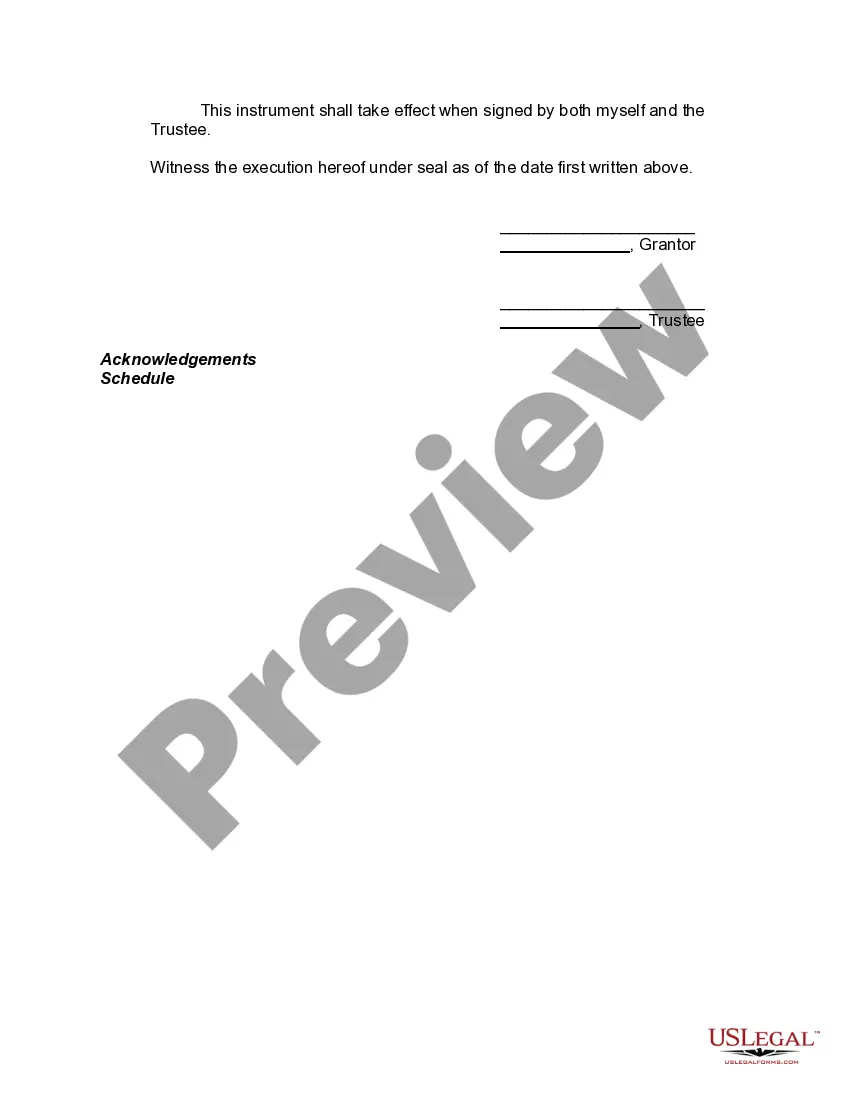

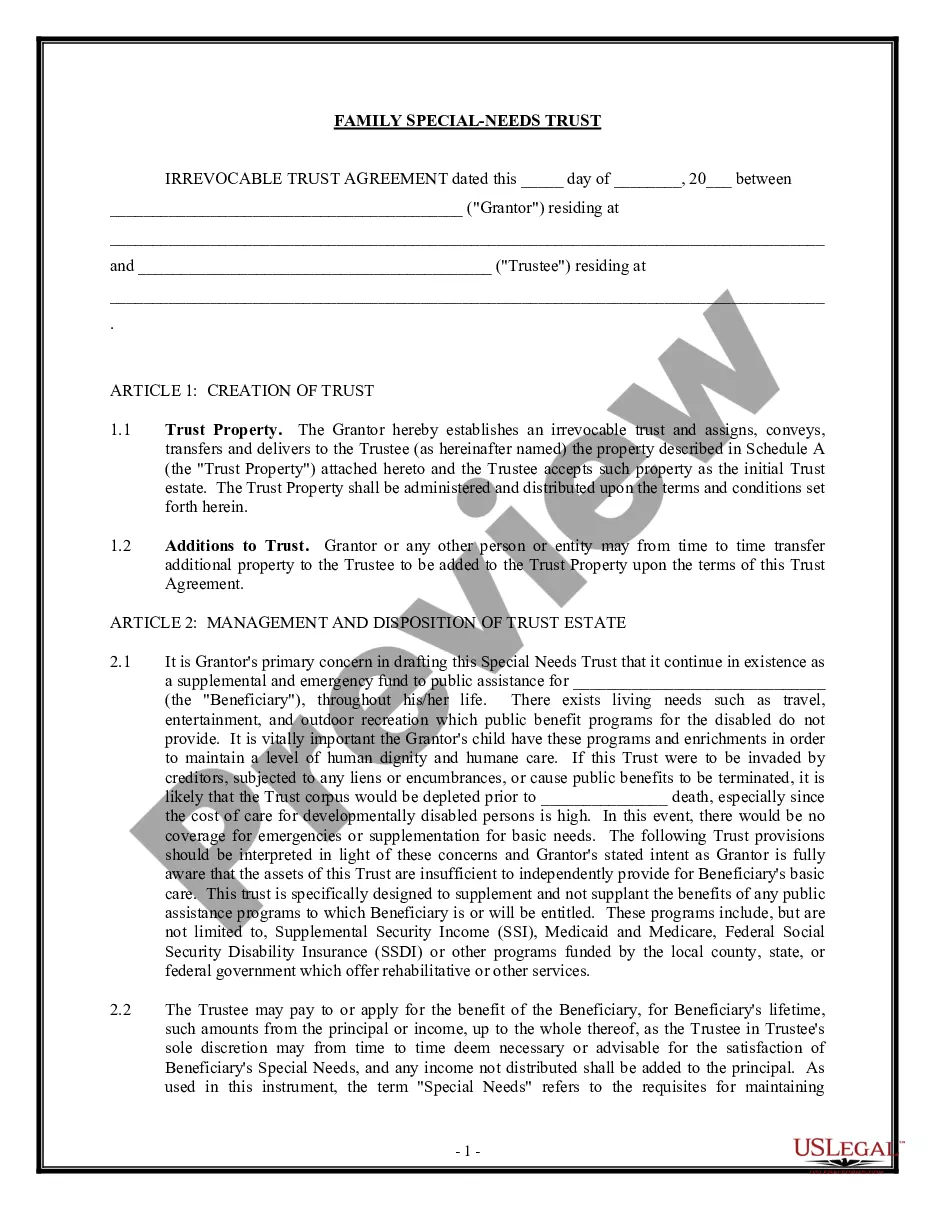
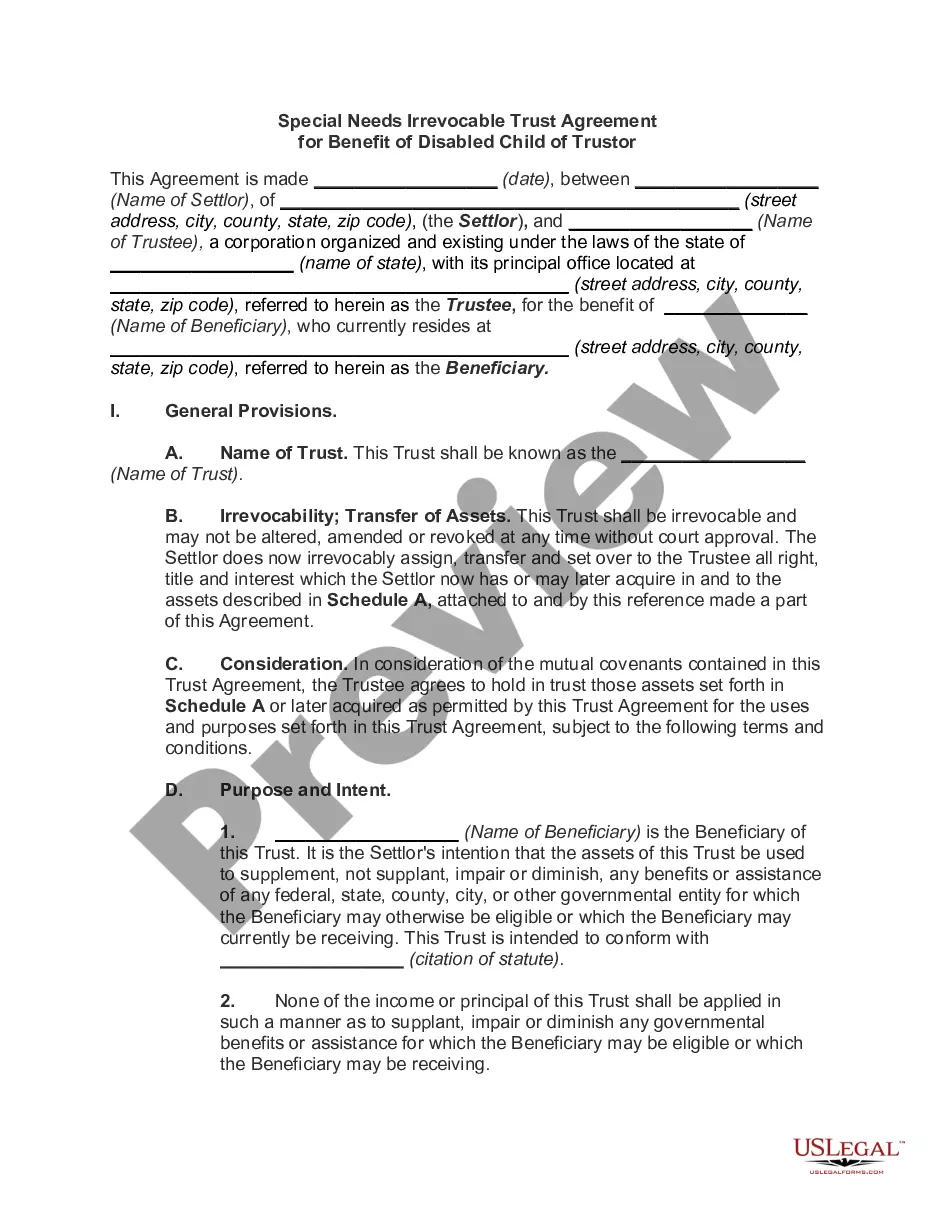
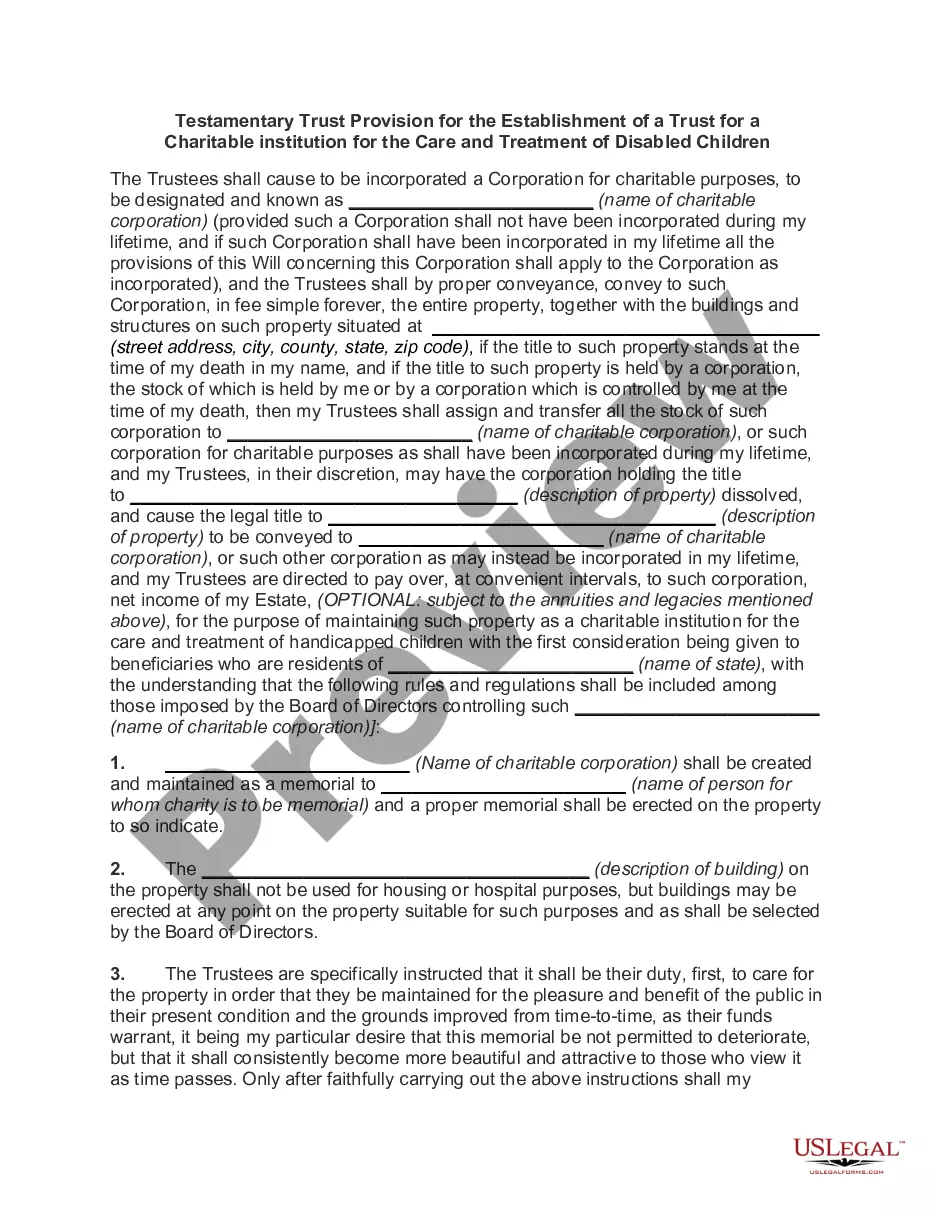
Get your form ready online
Our built-in tools help you complete, sign, share, and store your documents in one place.
Make edits, fill in missing information, and update formatting in US Legal Forms—just like you would in MS Word.
Download a copy, print it, send it by email, or mail it via USPS—whatever works best for your next step.
Sign and collect signatures with our SignNow integration. Send to multiple recipients, set reminders, and more. Go Premium to unlock E-Sign.
If this form requires notarization, complete it online through a secure video call—no need to meet a notary in person or wait for an appointment.
We protect your documents and personal data by following strict security and privacy standards.

Make edits, fill in missing information, and update formatting in US Legal Forms—just like you would in MS Word.

Download a copy, print it, send it by email, or mail it via USPS—whatever works best for your next step.

Sign and collect signatures with our SignNow integration. Send to multiple recipients, set reminders, and more. Go Premium to unlock E-Sign.

If this form requires notarization, complete it online through a secure video call—no need to meet a notary in person or wait for an appointment.

We protect your documents and personal data by following strict security and privacy standards.
Looking for another form?
How to fill out Supplemental Needs Trust For Third Party - Disabled Beneficiary?
It’s widely recognized that you can’t transform into a legal expert overnight, nor can you comprehend how to swiftly prepare Supplemental Needs Trust In Minnesota without a specific array of skills.
Drafting legal papers is a labor-intensive endeavor necessitating certain training and expertise. So why not entrust the formulation of the Supplemental Needs Trust In Minnesota to the professionals.
With US Legal Forms, one of the most extensive legal document repositories, you can access everything from court documents to templates for in-office communication.
You can regain access to your documents from the My documents section at any time. If you’re an established customer, you can simply Log In, and find and download the template from the same section.
Regardless of the intent of your forms—be it financial and legal, or personal—our platform has you covered. Try US Legal Forms now!
- Identify the document you require by utilizing the search feature at the top of the webpage.
- Review it (if this option is available) and read the accompanying description to ascertain whether Supplemental Needs Trust In Minnesota is what you are looking for.
- Initiate your search again if you need another document.
- Create a free account and select a subscription plan to purchase the document.
- Select Buy now. Once the payment is processed, you can download the Supplemental Needs Trust In Minnesota, fill it out, print it, and send or mail it to the intended recipients or organizations.
Form popularity
FAQ
Setting up a supplemental needs trust in Minnesota requires careful consideration of legal requirements and the needs of the beneficiary. While it may be possible to create one on your own, it is often advisable to involve a qualified attorney. An experienced lawyer can ensure that your trust complies with state laws and functions as intended, protecting your loved one's benefits. Using a platform like US Legal Forms can provide you with resources and templates to help you get started, but professional guidance often makes the process smoother.
While the terms are often used interchangeably, a supplemental needs trust in Minnesota specifically emphasizes enhancing the beneficiary's quality of life without disqualifying them from public benefits. Some documents may delineate different types of trusts under the umbrella of supplemental needs, but fundamentally, they serve a similar purpose. It’s crucial to understand the legal language as you establish these trusts.
Yes, a supplemental needs trust in Minnesota is often referred to as a special needs trust. Both terms describe a legal arrangement designed to enhance the quality of life for individuals with disabilities without affecting their eligibility for government benefits. It’s important to use the correct terminology when discussing these trusts to avoid confusion.
Filing taxes on a special needs trust in Minnesota requires understanding its tax classification. Generally, if the trust is revocable, the grantor reports income on their tax return. However, if it’s irrevocable, the trust itself needs to file a separate tax return. Consider consulting a tax professional to navigate these rules and ensure compliance with state and federal laws.
To set up a special needs trust in Minnesota, start by consulting an attorney experienced in estate planning and special needs issues. The process involves drafting the trust document, naming a trustee, and specifying the beneficiaries. Additionally, you can utilize resources from platforms like USLegalForms, which provide templates and guidance for creating a compliant special needs trust.
A supplemental needs trust in Minnesota is established to provide financial support for individuals with disabilities without jeopardizing their government benefits. In contrast, a pooled trust combines funds from multiple beneficiaries into a single account, managed by a non-profit organization. While both serve similar purposes, the supplemental needs trust offers more personalized management and control over individual funds.
A supplemental needs trust in Minnesota works by holding and managing funds specifically for individuals with disabilities. The trust can provide financial resources for various needs, such as medical expenses, education, or hobbies, without affecting eligibility for essential government benefits. By working with platforms like USLegalForms, families can easily set up a trust to secure their loved ones' future while ensuring compliance with the law.
When a beneficiary of a supplemental needs trust in Minnesota passes away, the trust typically goes through a process of settlement. Any remaining funds may be distributed according to the terms outlined in the trust document, which might include disbursing to family members or funding specific causes. It is essential to plan wisely to ensure the trust serves its purpose and reflects the deceased's wishes.
One potential disadvantage of a special needs trust in Minnesota is its complexity, which can lead to misunderstandings about fund usage and eligibility for benefits. Additionally, the trust can be costly to establish and maintain, with legal fees and ongoing management expenses. Furthermore, if not set up correctly, it may not provide the intended financial security for the beneficiary, impacting their well-being.
In Minnesota, a special needs trust and a supplemental needs trust serve similar purposes, but there are distinctions. A special needs trust is often used to ensure that individuals with disabilities maintain eligibility for government benefits while receiving additional support. On the other hand, a supplemental needs trust in Minnesota specifically allows for financial assistance that enhances the quality of life without jeopardizing those benefits.