Supplemental Needs Trust Form With Bank
Description
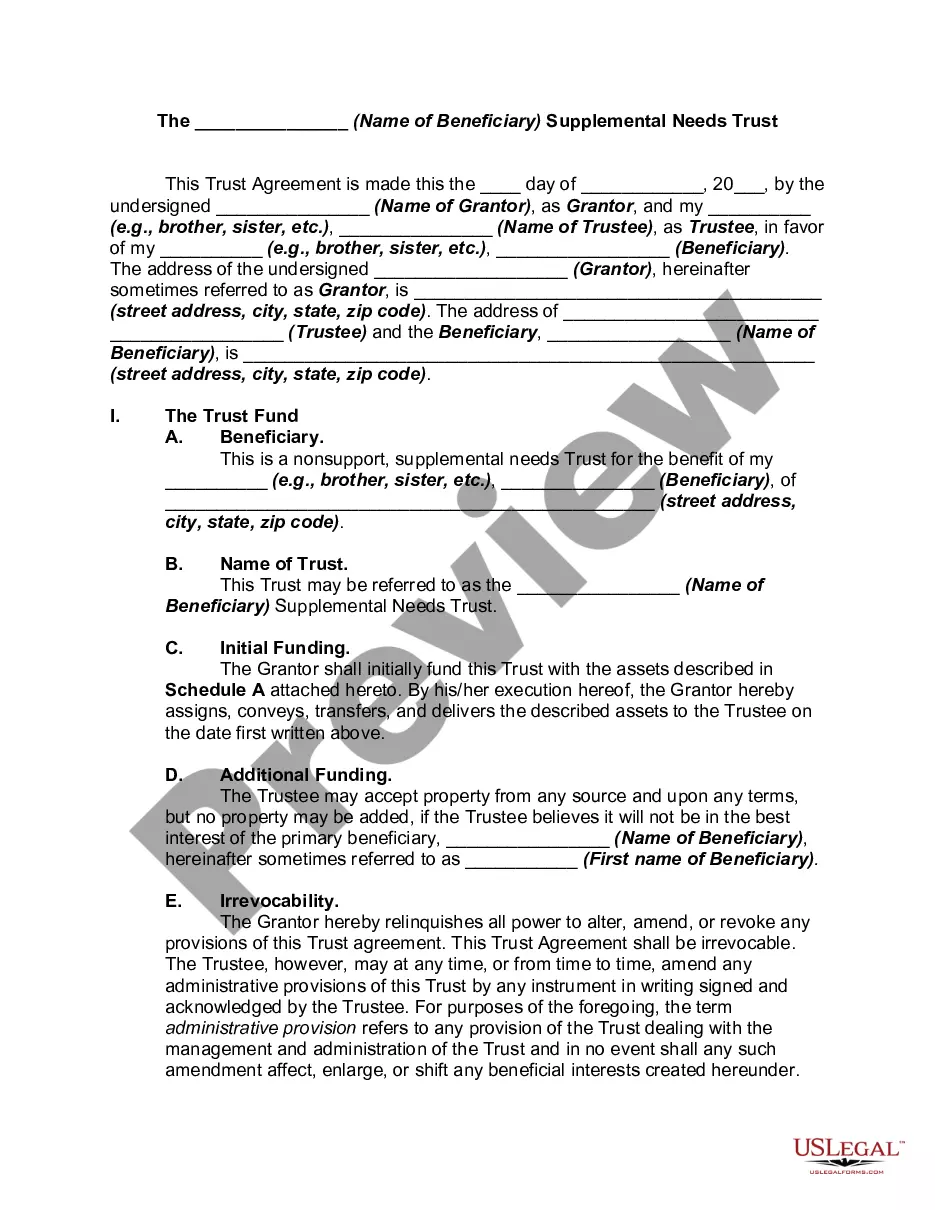
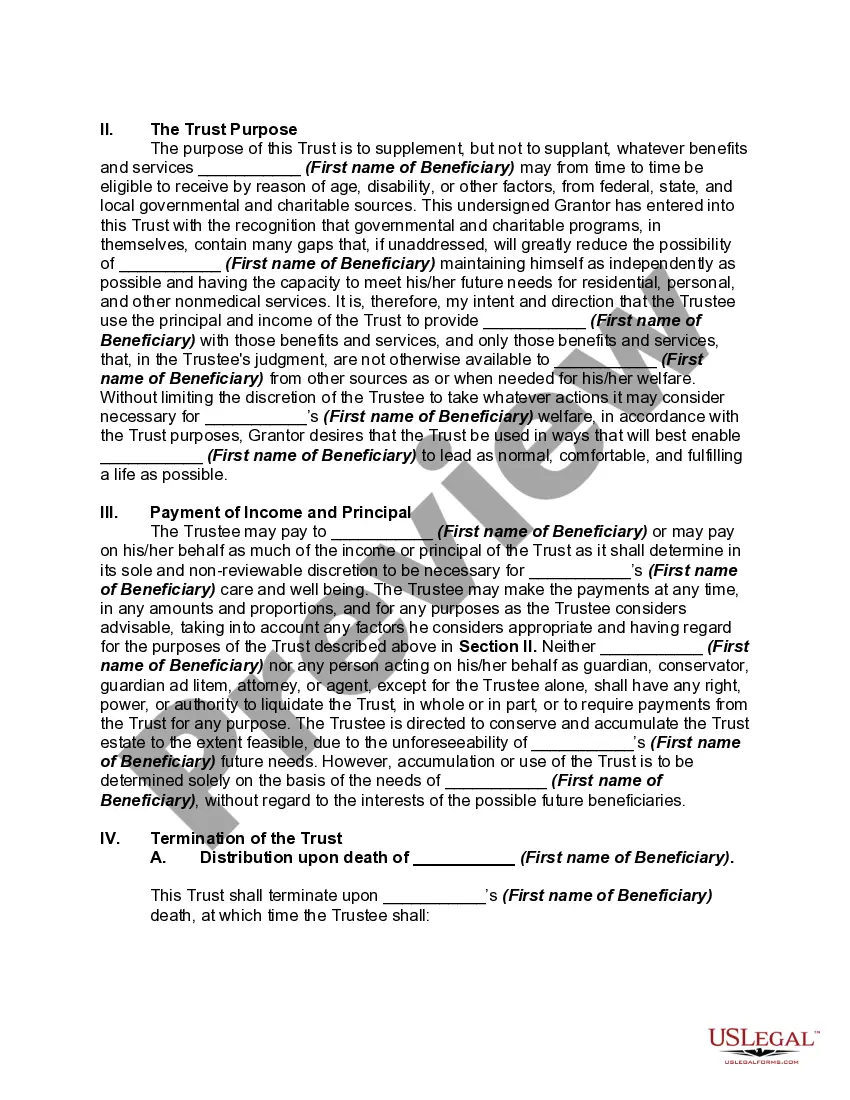
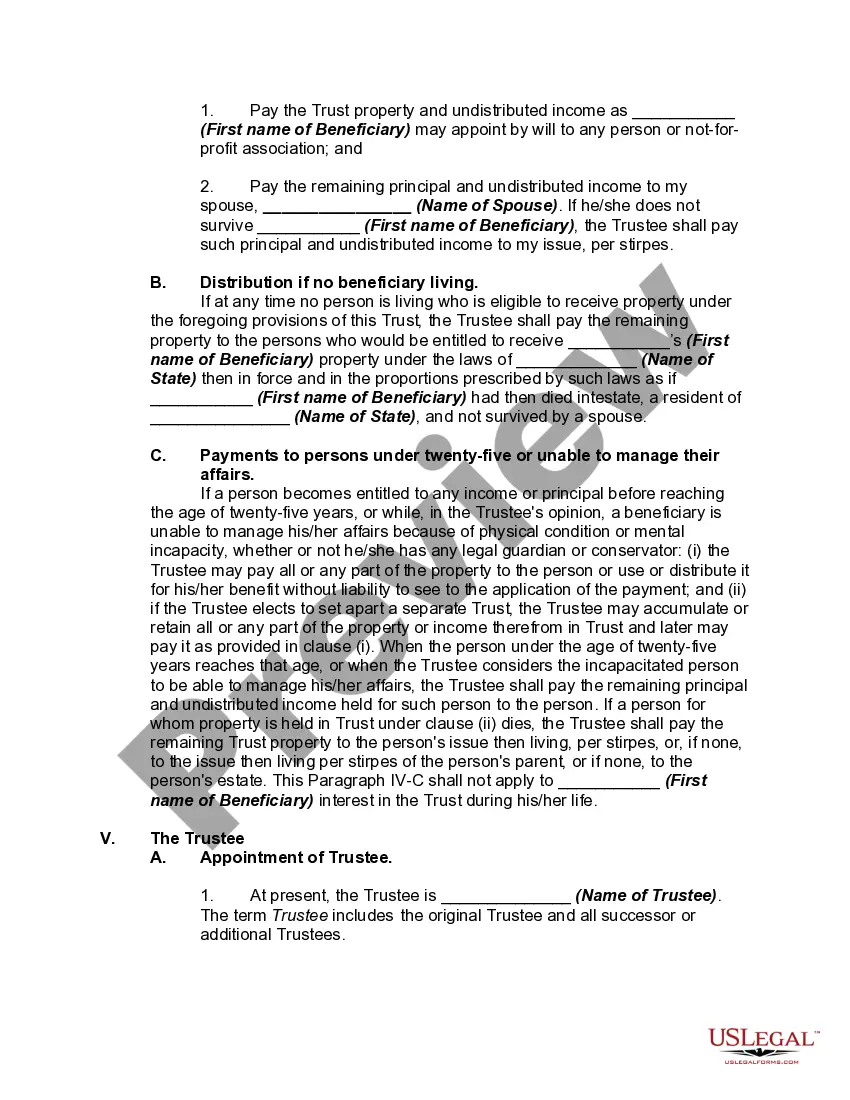
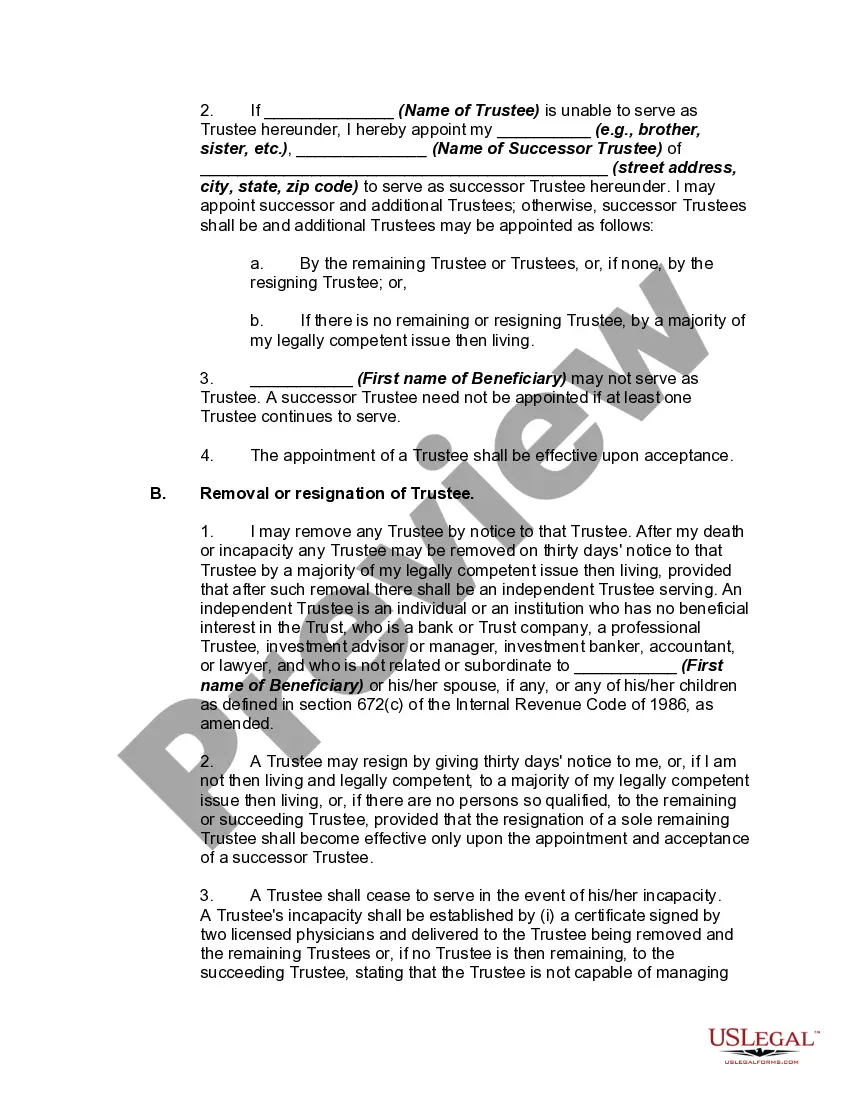
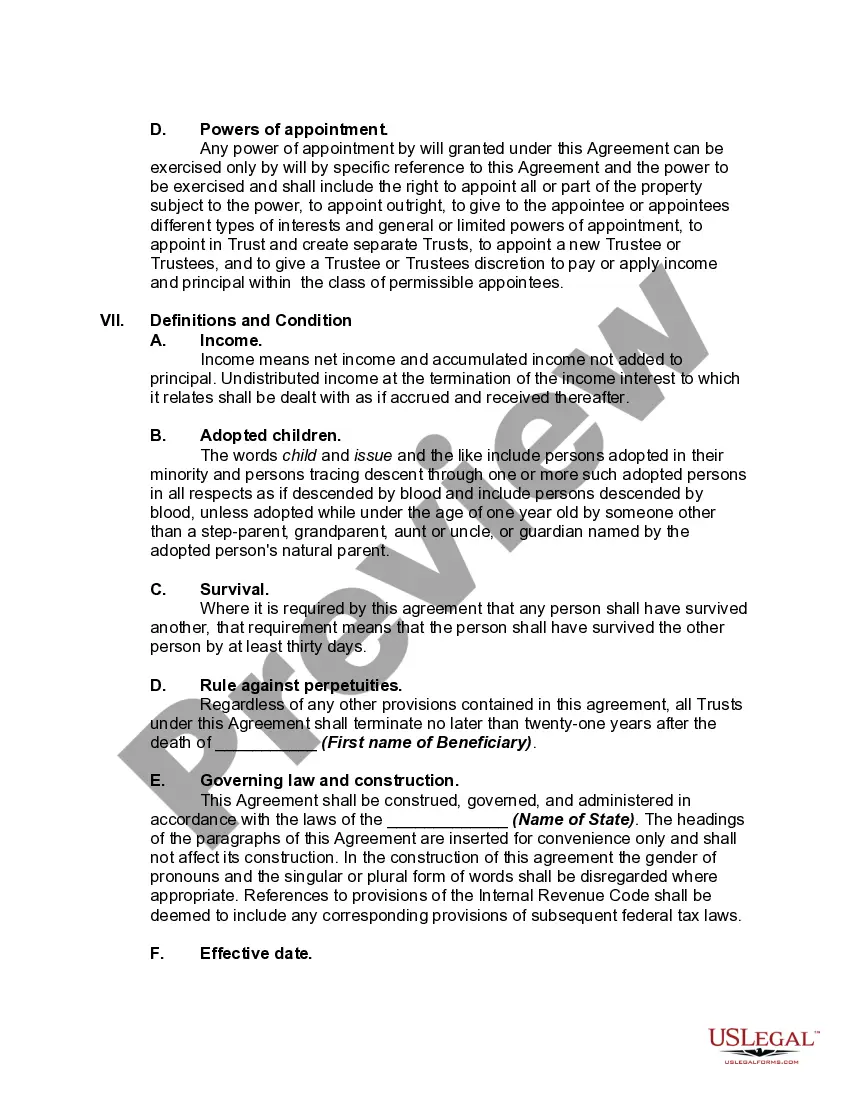
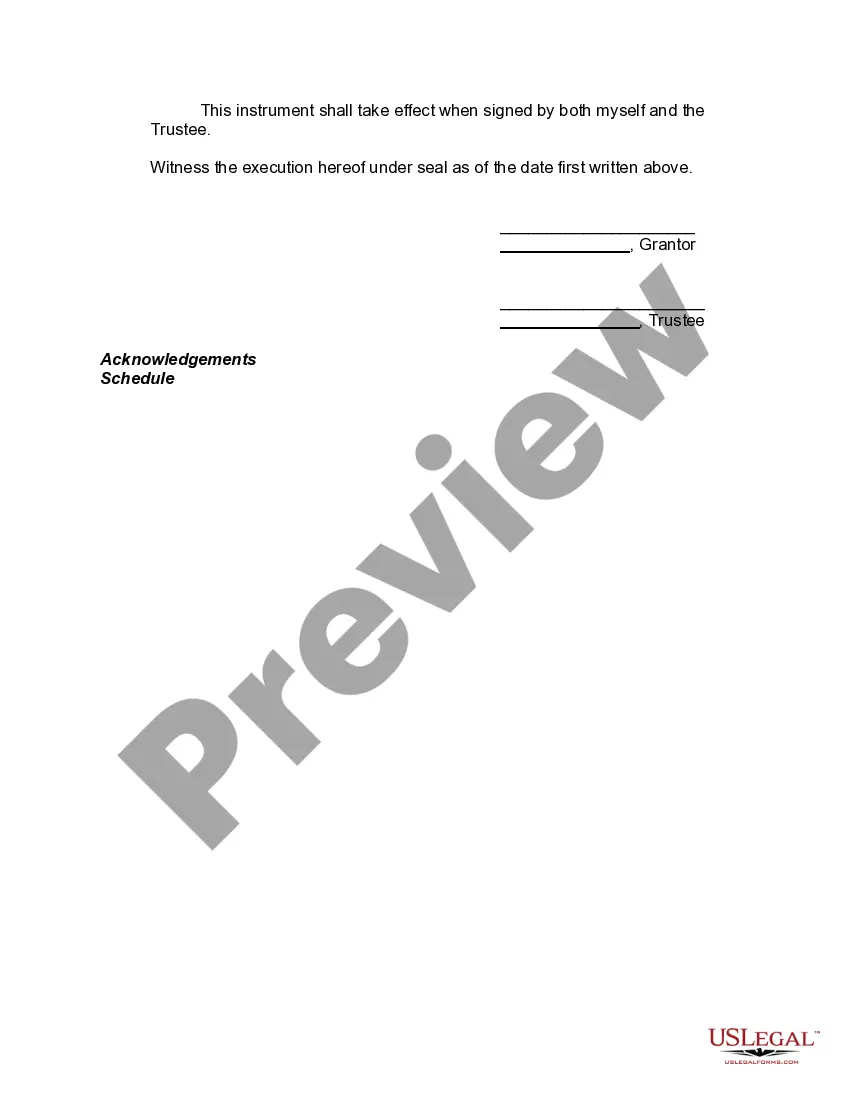

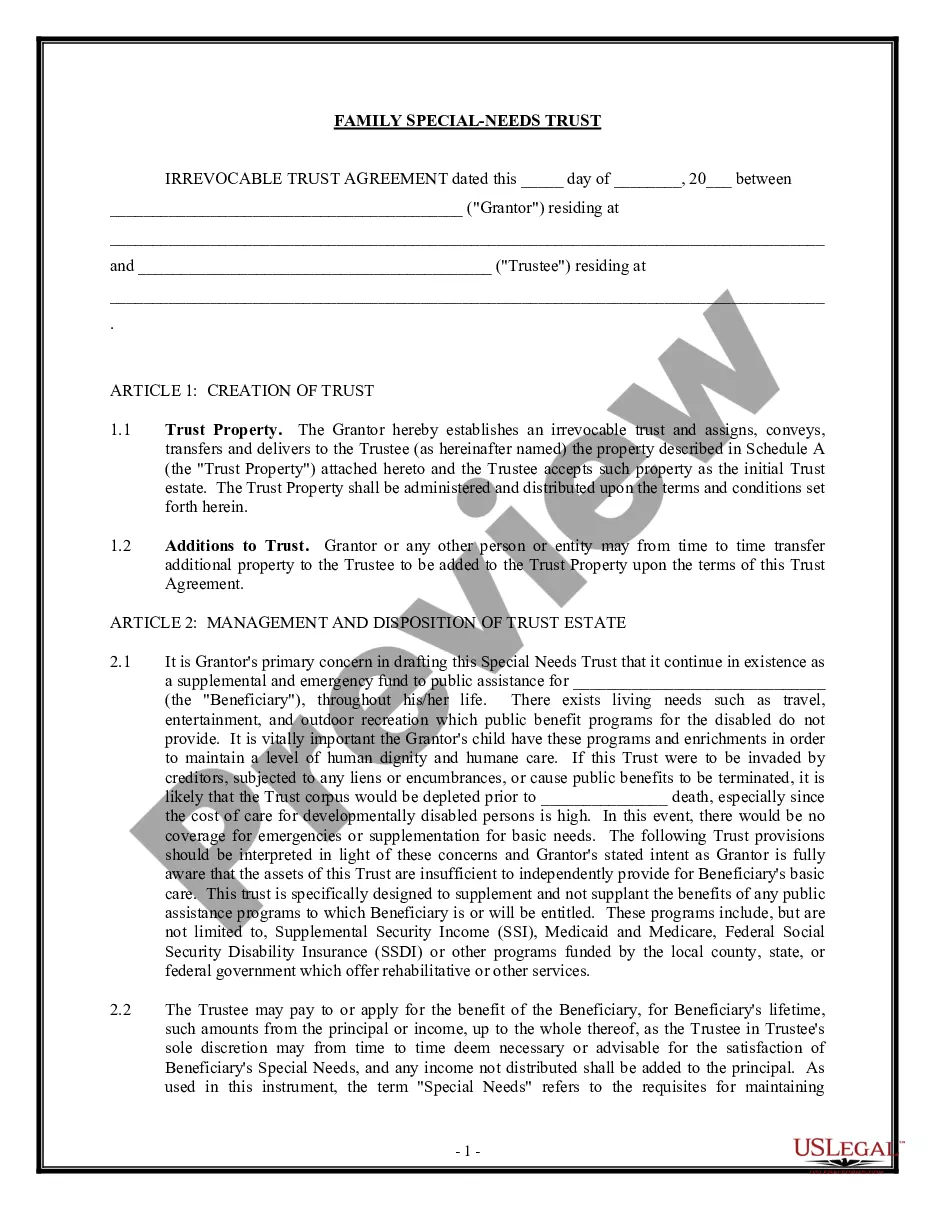
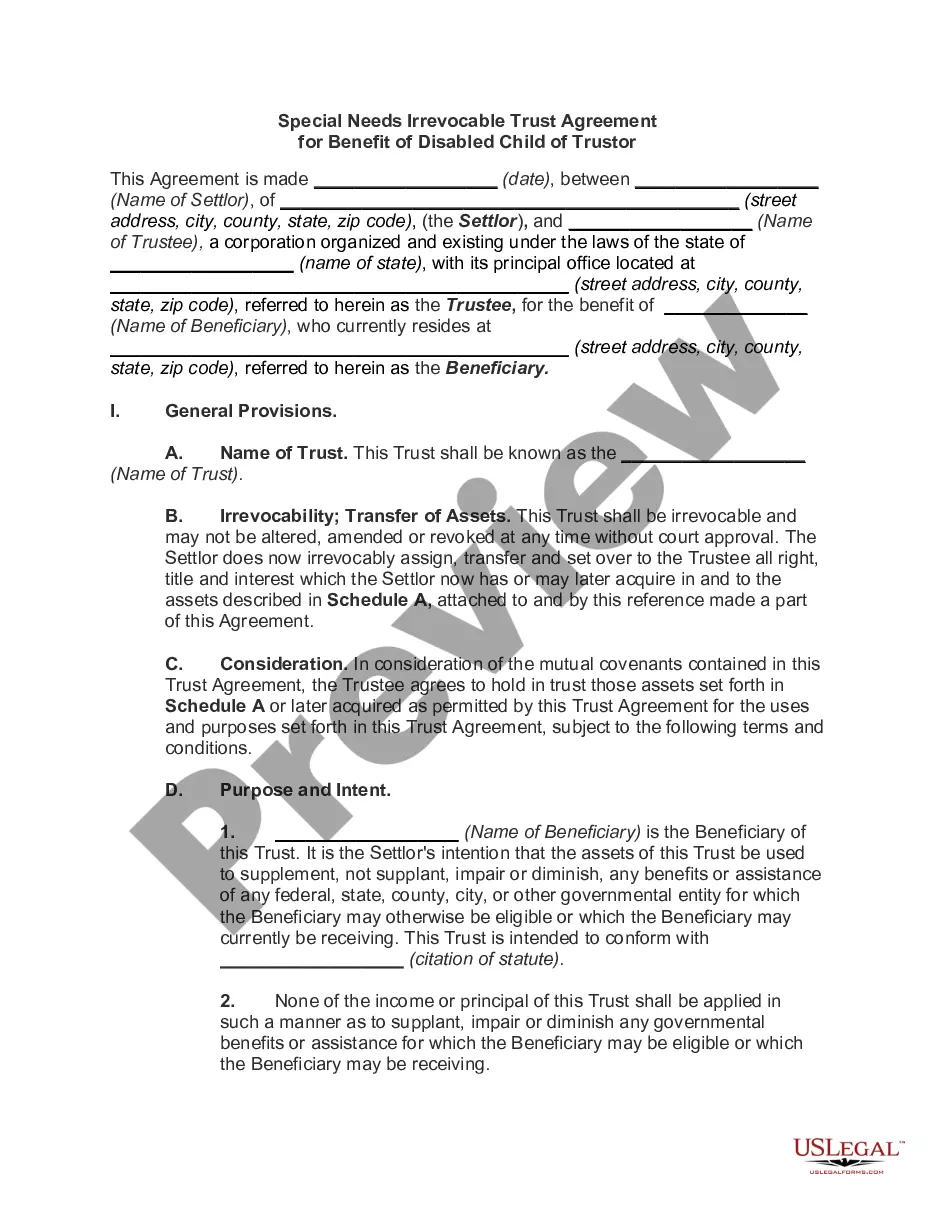
Get your form ready online
Our built-in tools help you complete, sign, share, and store your documents in one place.
Make edits, fill in missing information, and update formatting in US Legal Forms—just like you would in MS Word.
Download a copy, print it, send it by email, or mail it via USPS—whatever works best for your next step.
Sign and collect signatures with our SignNow integration. Send to multiple recipients, set reminders, and more. Go Premium to unlock E-Sign.
If this form requires notarization, complete it online through a secure video call—no need to meet a notary in person or wait for an appointment.
We protect your documents and personal data by following strict security and privacy standards.

Make edits, fill in missing information, and update formatting in US Legal Forms—just like you would in MS Word.

Download a copy, print it, send it by email, or mail it via USPS—whatever works best for your next step.

Sign and collect signatures with our SignNow integration. Send to multiple recipients, set reminders, and more. Go Premium to unlock E-Sign.

If this form requires notarization, complete it online through a secure video call—no need to meet a notary in person or wait for an appointment.

We protect your documents and personal data by following strict security and privacy standards.
Looking for another form?
How to fill out Supplemental Needs Trust For Third Party - Disabled Beneficiary?
Locating a reliable venue to obtain the most up-to-date and pertinent legal templates is a significant part of navigating bureaucracy. Securing the appropriate legal documents requires precision and careful consideration, which is why sourcing samples of the Supplemental Needs Trust Form With Bank exclusively from credible providers, such as US Legal Forms, is essential. An incorrect template could squander your time and delay your situation. With US Legal Forms, you can have minimal concerns. You can access and review all the information regarding the document’s applicability and significance for your circumstances and in your jurisdiction.
Follow these steps to complete your Supplemental Needs Trust Form With Bank.
Eliminate the hassle associated with your legal paperwork. Browse the extensive US Legal Forms library to discover legal samples, assess their applicability to your situation, and download them immediately.
- Use the library navigation or search bar to find your template.
- Review the form’s description to ensure it meets the criteria of your jurisdiction.
- Check the form preview, if available, to confirm that the template is what you need.
- Return to the search to find the correct document if the Supplemental Needs Trust Form With Bank does not fit your needs.
- Once you are certain about the form’s suitability, download it.
- If you are a registered user, click Log in to verify and access your chosen forms in My documents.
- If you do not have an account yet, click Buy now to acquire the form.
- Select the pricing option that aligns with your needs.
- Continue to the registration to finalize your purchase.
- Complete your payment by choosing a transaction method (credit card or PayPal).
- Select the document format for downloading the Supplemental Needs Trust Form With Bank.
- Once you have the form on your device, you can edit it using the editor or print it out to fill it manually.
Form popularity
FAQ
The best type of bank account for a trust is typically an account specifically designed for trust funds. Such accounts can be linked to the supplemental needs trust form with bank, ensuring that the funds are managed efficiently. Look for an account that offers features beneficial to trusts, like no fees or minimum balances, to maximize your investment. Additionally, it’s wise to consult with a financial advisor for tailored advice.
Yes, you can designate a trust as a beneficiary on your bank account. This approach aligns with the use of the supplemental needs trust form with bank, providing clear directives on how the funds should be managed after your passing. By adding a trust as a beneficiary, you ensure that the assets go directly into the trust. This method simplifies the process and secures the intended financial support for your loved ones.
SSDI does not depend upon having limited assets, and it is not affected by distributions from a Disability Trust.
Complexity and Cost: Creating and administering a special needs trust involves legal expertise and ongoing management, which may result in higher costs compared to simpler estate planning options. Families should weigh the benefits against the associated expenses.
It depends on the terms of the trust. It may happen quickly or it could take years or even decades to distribute. It's important to point out that the longer it takes to distribute the assets, the more money it will cost to keep the trust active since you must pay for maintenance and trustee fees.
It cannot be paid to a trust. If you are receiving Social Security by direct deposit, you should leave the account that receives the payments outside of your trust.
Most Trusts take 12 months to 18 months to settle and distribute assets to the beneficiaries and heirs.