Supplemental Needs Trust
Description
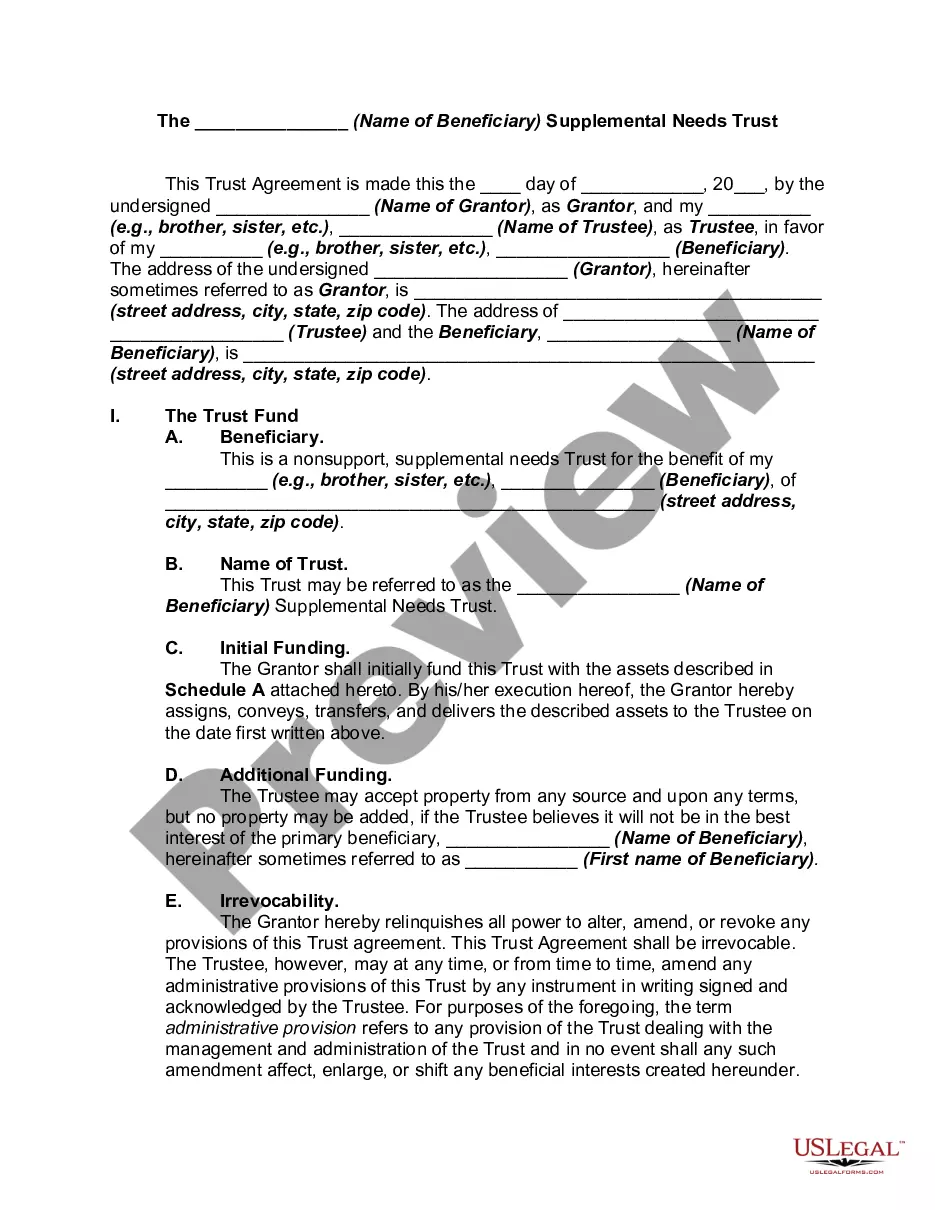
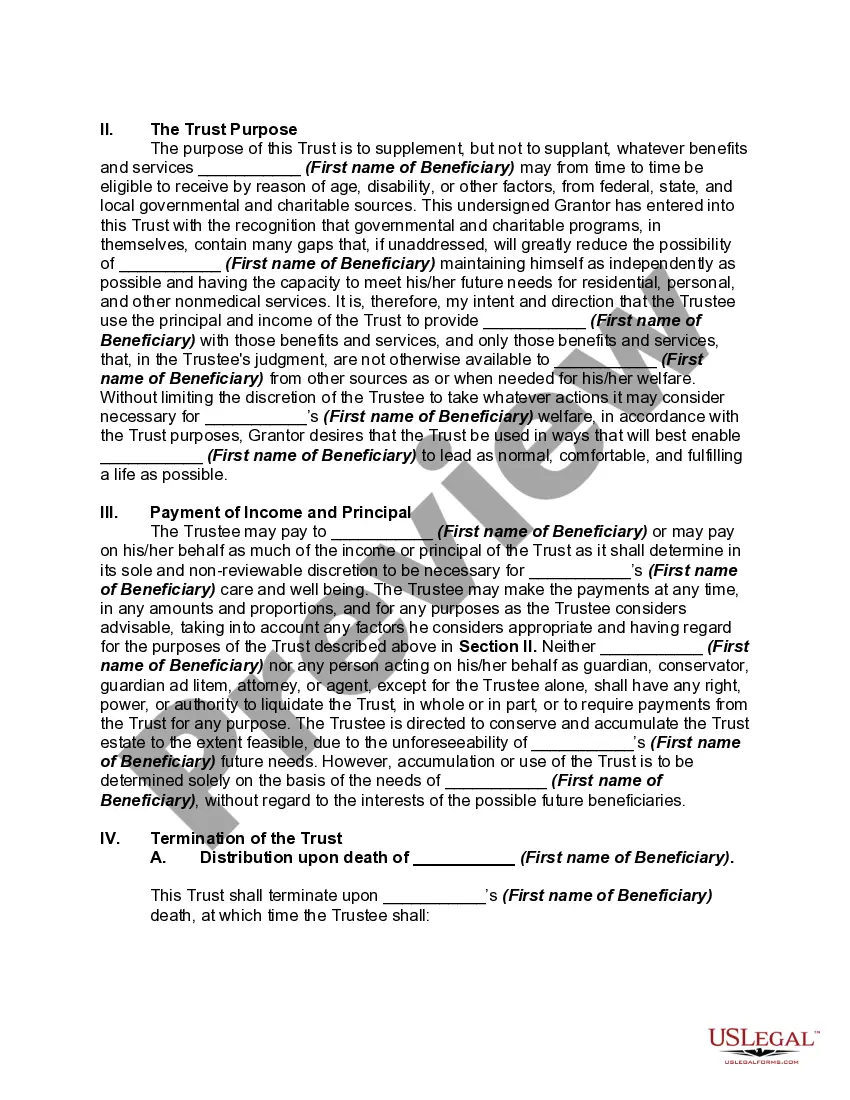
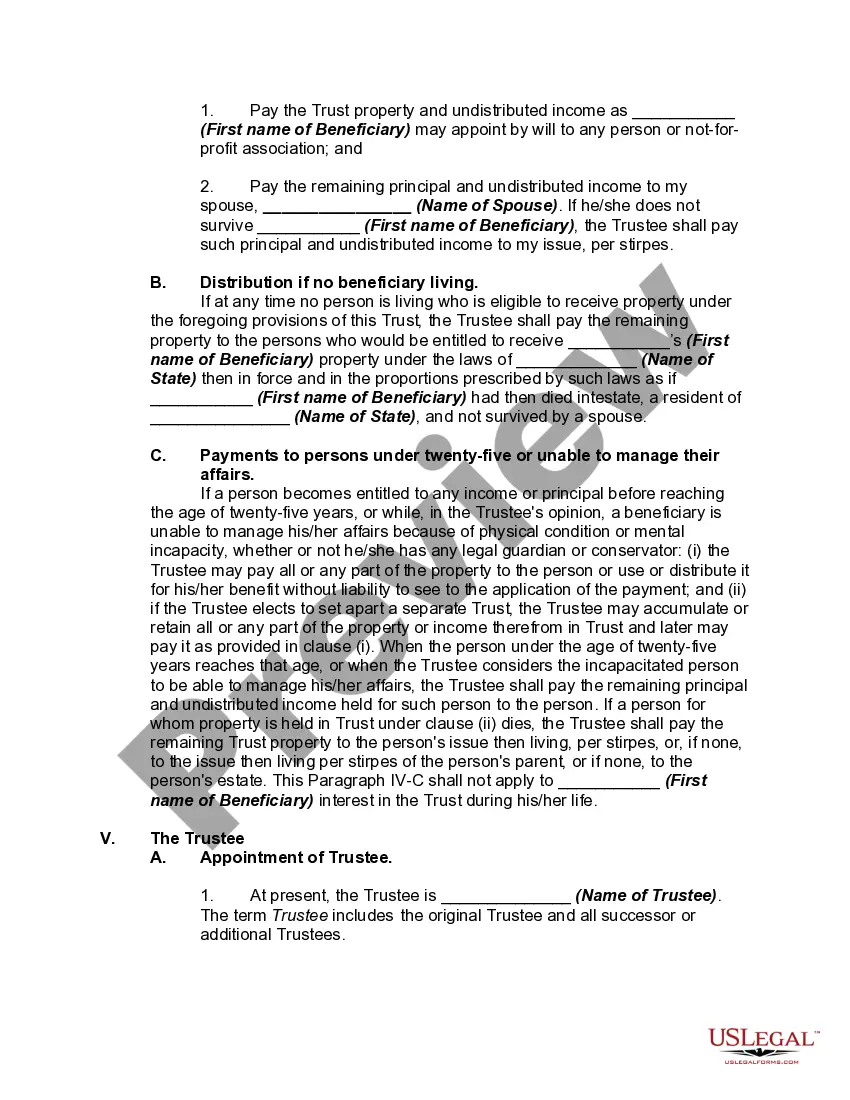
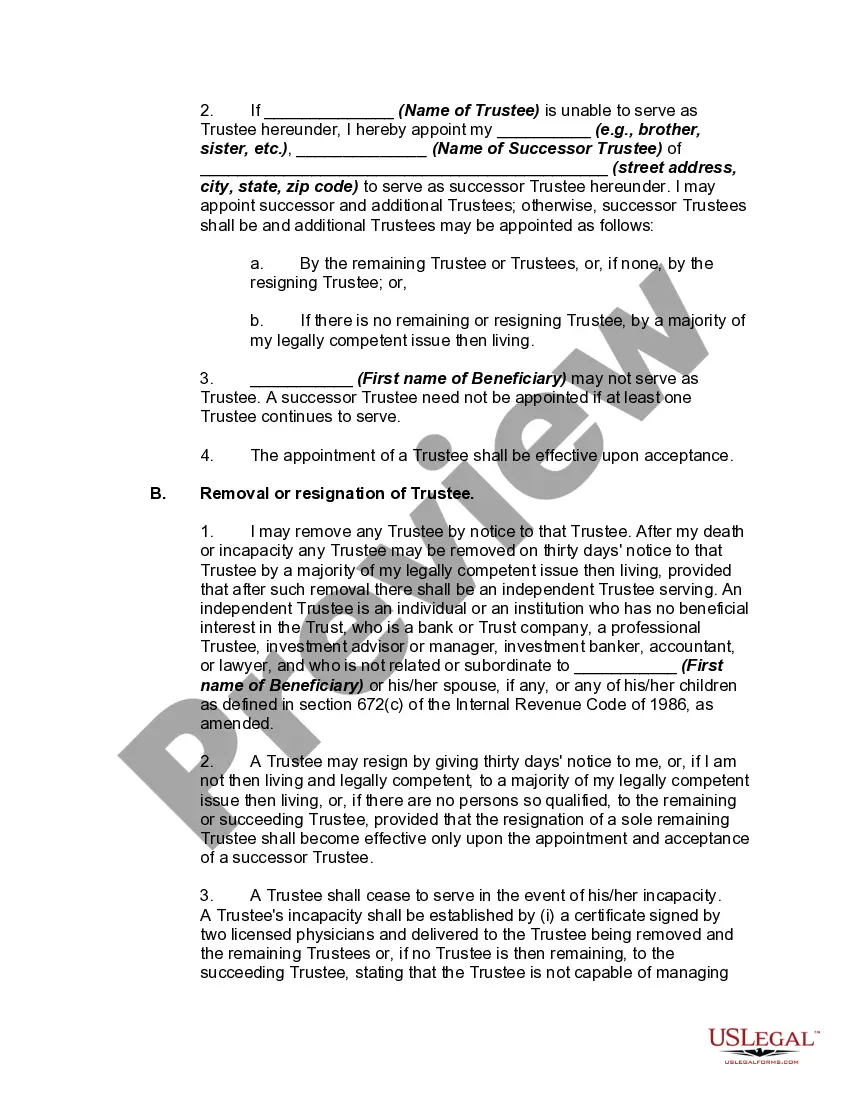

Get your form ready online
Our built-in tools help you complete, sign, share, and store your documents in one place.
Make edits, fill in missing information, and update formatting in US Legal Forms—just like you would in MS Word.
Download a copy, print it, send it by email, or mail it via USPS—whatever works best for your next step.
Sign and collect signatures with our SignNow integration. Send to multiple recipients, set reminders, and more. Go Premium to unlock E-Sign.
If this form requires notarization, complete it online through a secure video call—no need to meet a notary in person or wait for an appointment.
We protect your documents and personal data by following strict security and privacy standards.

Make edits, fill in missing information, and update formatting in US Legal Forms—just like you would in MS Word.

Download a copy, print it, send it by email, or mail it via USPS—whatever works best for your next step.

Sign and collect signatures with our SignNow integration. Send to multiple recipients, set reminders, and more. Go Premium to unlock E-Sign.

If this form requires notarization, complete it online through a secure video call—no need to meet a notary in person or wait for an appointment.

We protect your documents and personal data by following strict security and privacy standards.
Looking for another form?





How to fill out Supplemental Needs Trust For Third Party - Disabled Beneficiary?
- Log in to your US Legal Forms account if you are a returning user; ensure your subscription is active to access your forms.
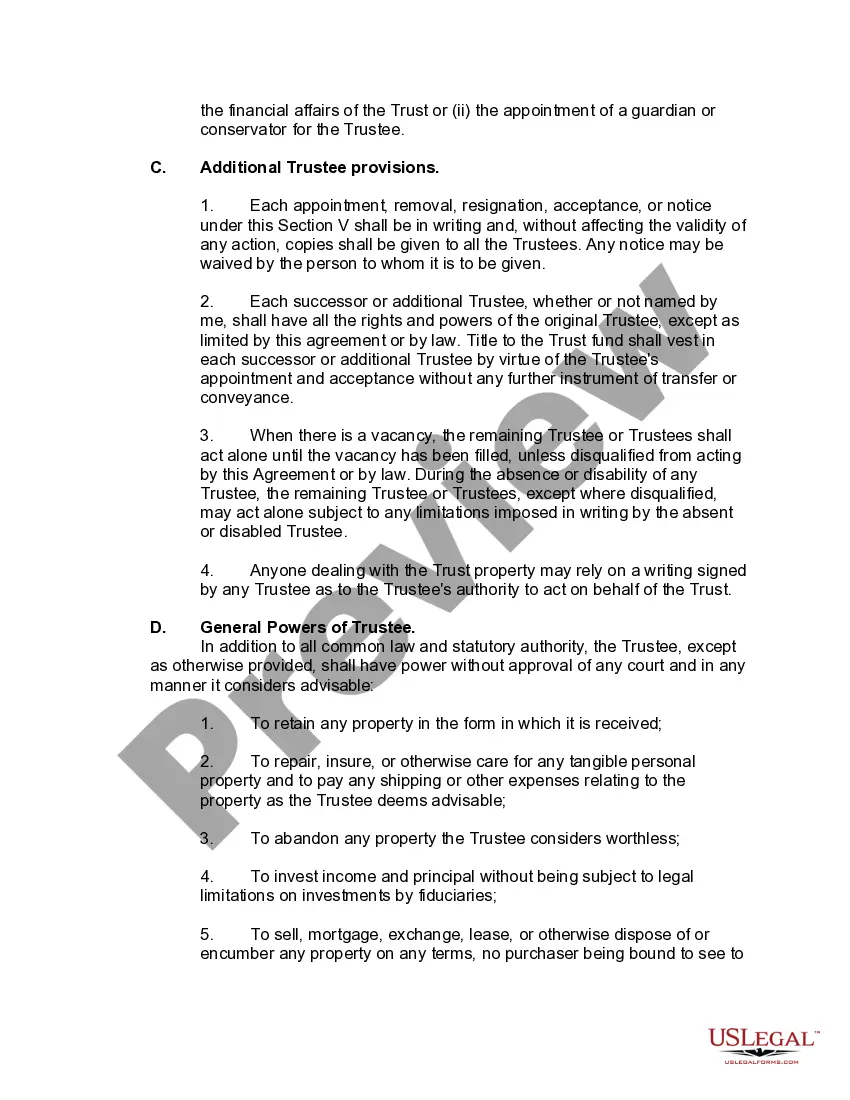
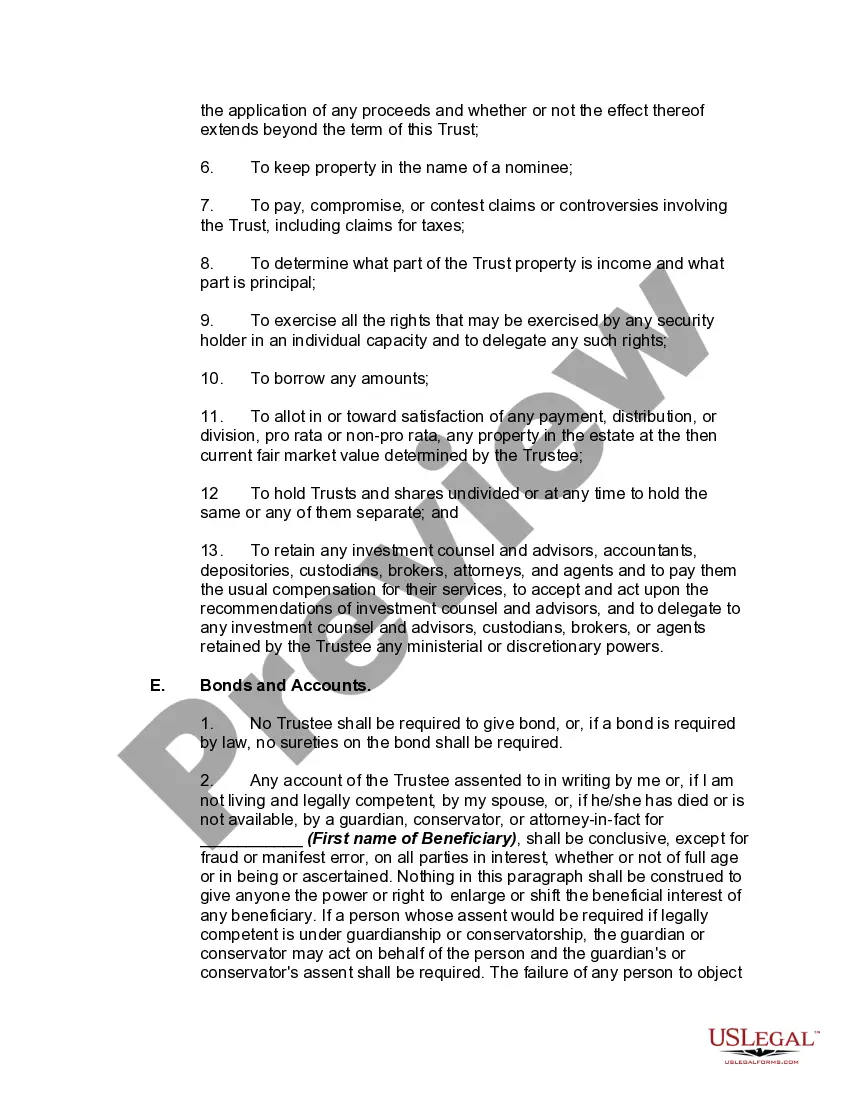
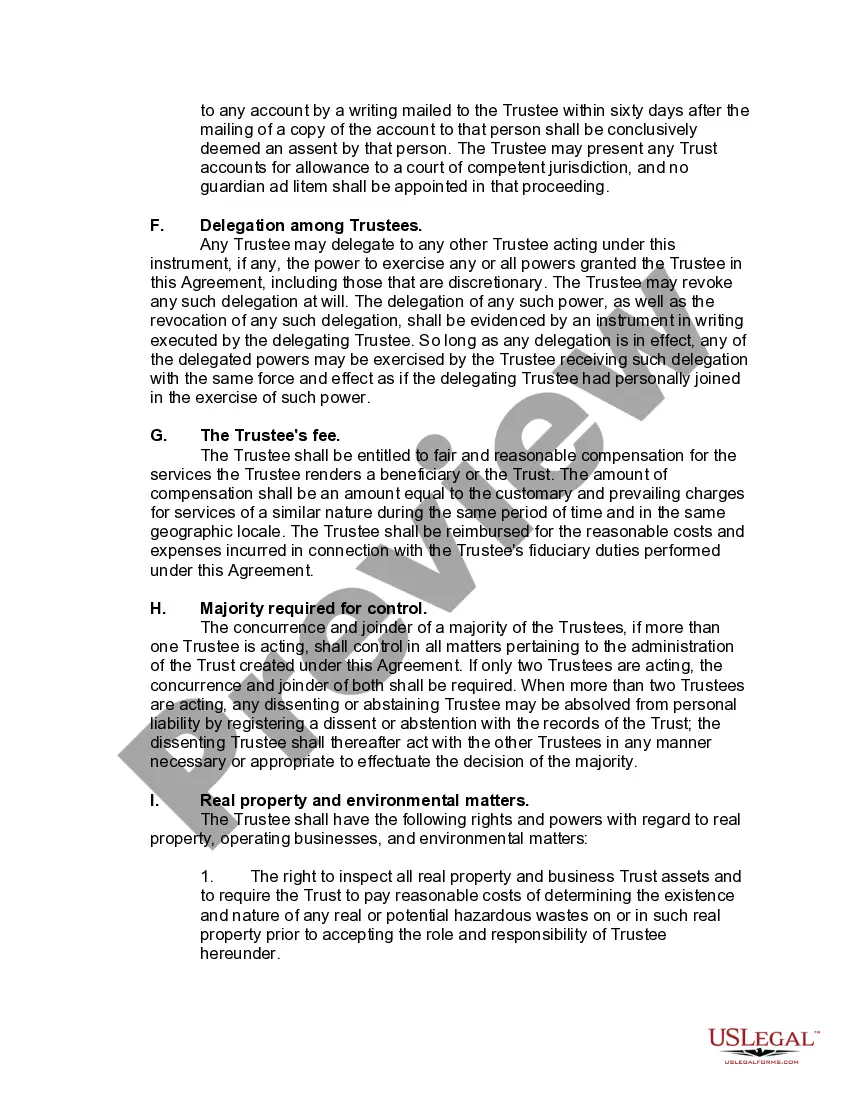
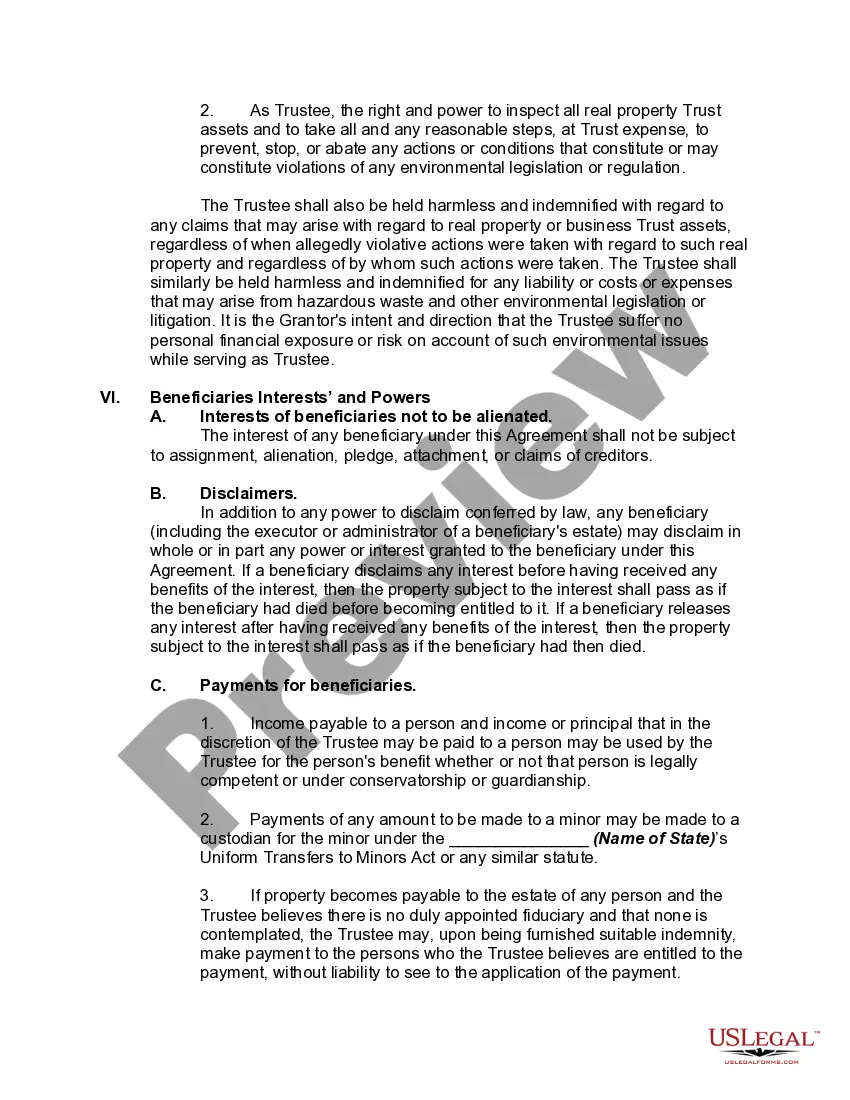
- If you are new, start by exploring the Preview mode and detailed form descriptions. This helps confirm that the document fits your needs and meets local jurisdiction guidelines.
- If your required form isn't available, utilize the Search feature at the top to find the appropriate template.
- Once you find the right document, click the Buy Now button. Choose your preferred subscription plan and create an account to gain access.
- Proceed to checkout by entering your payment details via credit card or PayPal to finalize your purchase.
- After payment, download your form and save it on your device. You can access it anytime through the My Forms section of your account.
In conclusion, using US Legal Forms not only simplifies the process of creating a supplemental needs trust but also provides access to a vast library of over 85,000 legal forms. This ensures that you can find the precise document needed to protect your interests effectively.
Start your journey today by visiting US Legal Forms and secure your supplemental needs trust with confidence!
Form popularity
FAQ
Filling out a trust fund requires attention to detail, starting with the trust document itself. You need to provide the names of grantors, trustees, and beneficiaries, as well as outline the terms of the trust. It is also crucial to specify the assets that will fund the trust, ensuring compliance with legal requirements. For a seamless experience, you can turn to US Legal Forms, which offers resources and templates to help you accurately create a supplemental needs trust.
A supplemental needs trust allows individuals with disabilities to receive financial support without losing essential government benefits. This type of trust helps in preserving assets while ensuring that the beneficiary can access additional resources for their quality of life. Additionally, it offers flexibility in how funds can be used, catering to the unique needs of the beneficiary. To explore the establishment of a supplemental needs trust, visit US Legal Forms for comprehensive support and guidance.
A supplemental needs trust is typically taxed depending on the income it generates. If the trust produces income, that income may be taxable to the beneficiary or the trust itself. Additionally, distributions made from the trust to the beneficiary could have tax implications. To navigate these complexities, you may consider using the services provided by US Legal Forms, which can guide you through the nuances of tax obligations related to a supplemental needs trust.
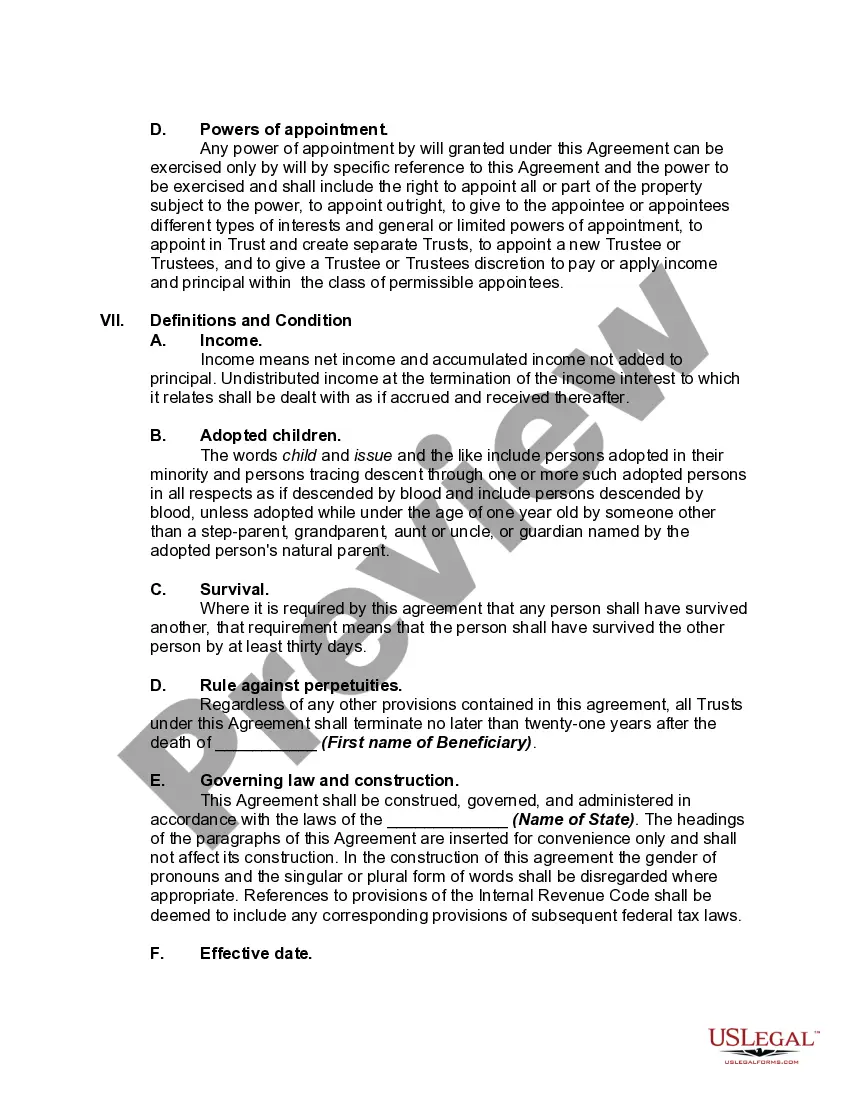
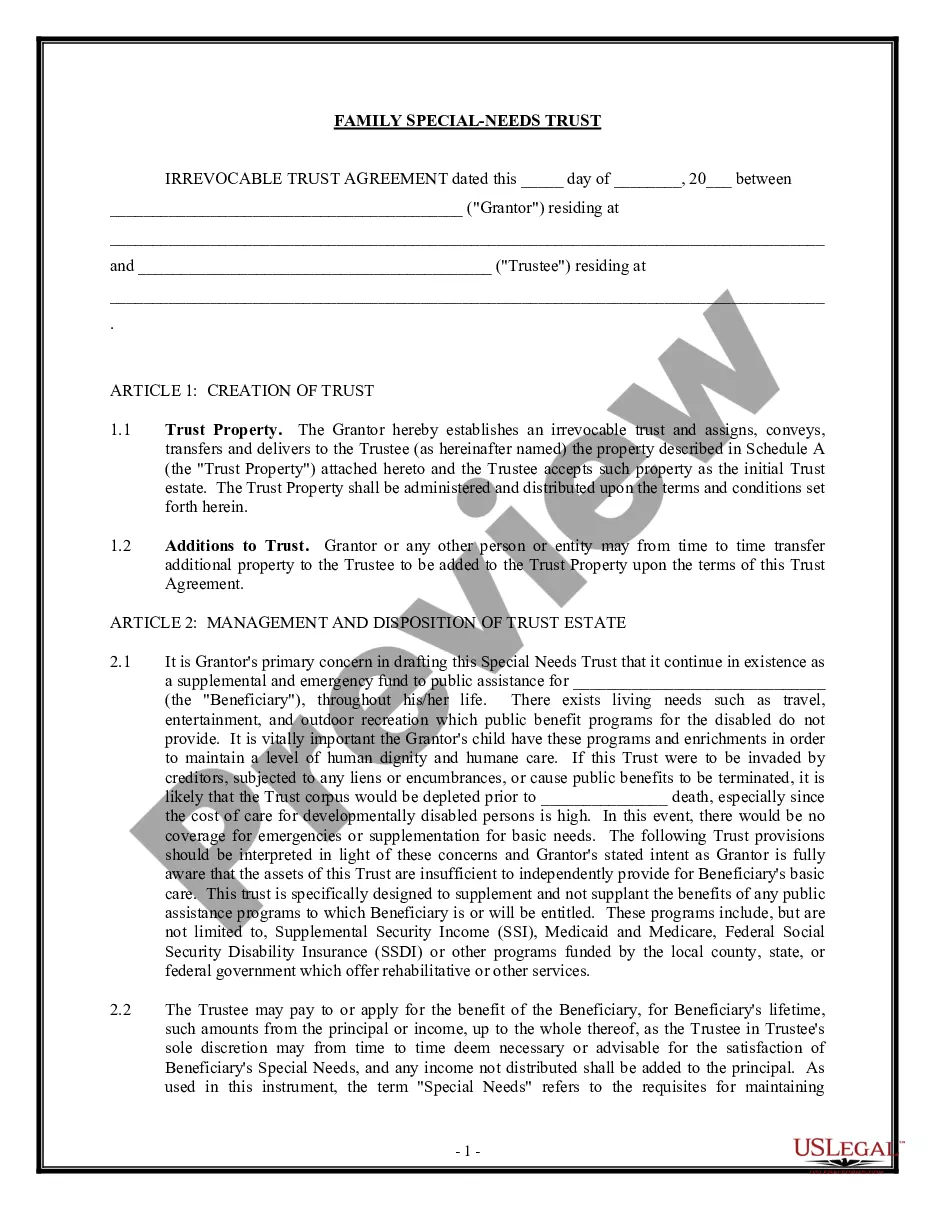
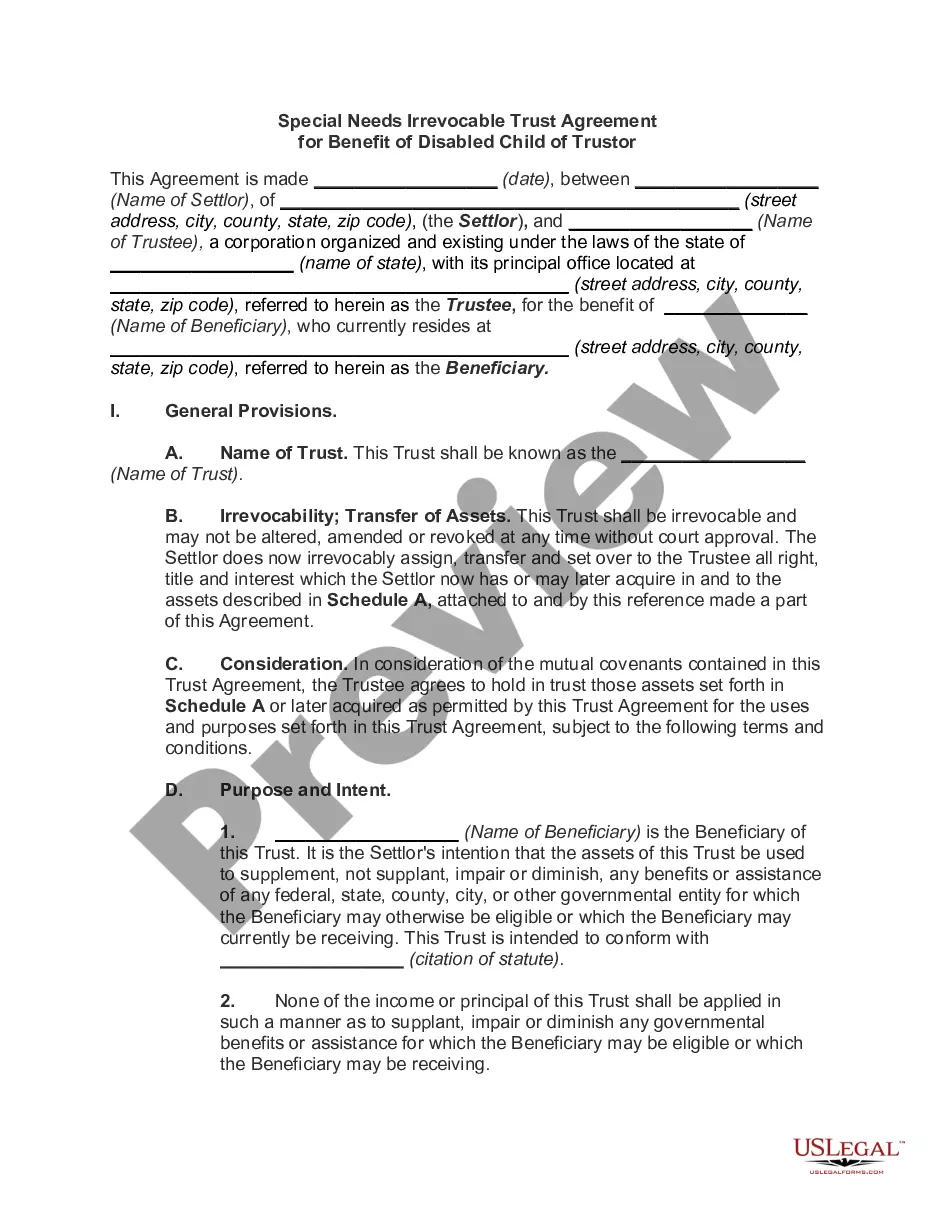
A supplemental needs trust is a legal arrangement designed to benefit individuals with disabilities without compromising their eligibility for government assistance. This type of trust allows you to provide funds for extras, such as education, travel, or special equipment, while preserving essential benefits. By establishing a supplemental needs trust, you ensure that your loved one can enjoy a higher quality of life. At US Legal Forms, we offer resources to help you create this important legal tool.
While special needs trusts, including supplemental needs trusts, can be incredibly beneficial, they do have some challenges. One of the main issues can arise from improper funding or management, which can jeopardize the beneficiary's eligibility for government benefits. Additionally, there may be complex regulations and requirements that must be adhered to, which could lead to confusion. Working with a professional can help you navigate these challenges successfully.
When the beneficiary of a supplemental needs trust dies, the assets in the trust are typically distributed according to the terms set forth in the trust document. Often, these assets may go to other family members or organizations. However, if there are any outstanding expenses, such as medical bills or funeral costs, those obligations may need to be settled first. It's important to review the specific provisions of the trust for exact instructions.
Establishing a supplemental needs trust involves several key steps. First, you need to define the purpose of the trust and identify assets to include. Next, work with a qualified attorney who specializes in estate planning to draft the necessary documents, ensuring compliance with legal standards to protect benefits.
Setting up a supplemental needs trust on your own is possible, but it is generally not recommended due to the complexity involved. You need to ensure proper legal language is used and that the trust complies with all regulations. For peace of mind, seeking assistance from professionals can help you avoid common pitfalls.
While a supplemental needs trust offers many benefits, it also has potential downsides. These trusts often require significant management and legal compliance, which can lead to higher costs. Furthermore, making distributions may be restricted to maintain qualifying benefits, so understanding these limitations is important.
Creating a supplemental needs trust for yourself is an option, but there are specific rules to follow. You must ensure that the trust complies with legal requirements to maintain eligibility for government benefits. Consulting a legal expert can help you navigate the best structure for your situation.