Special Needs Care
Description
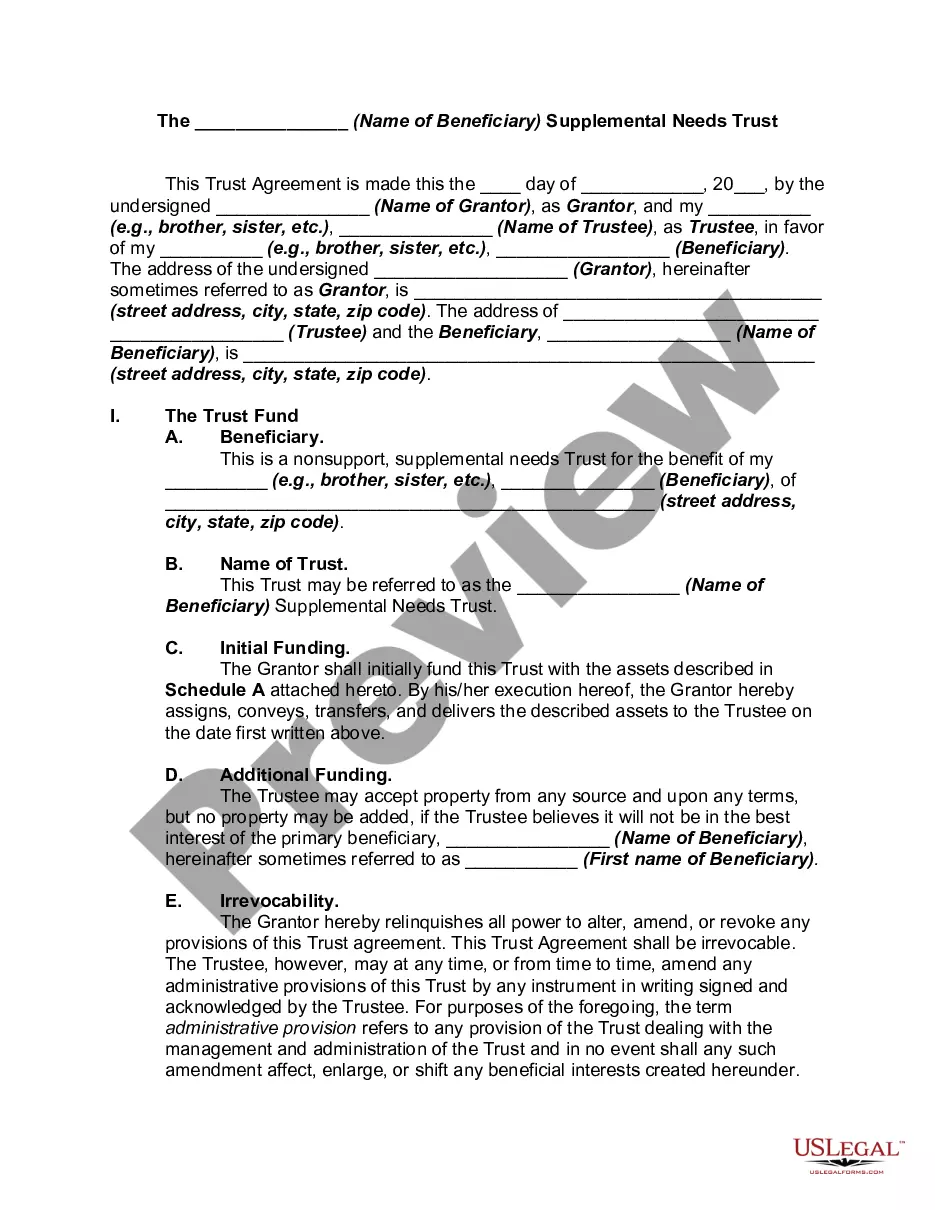
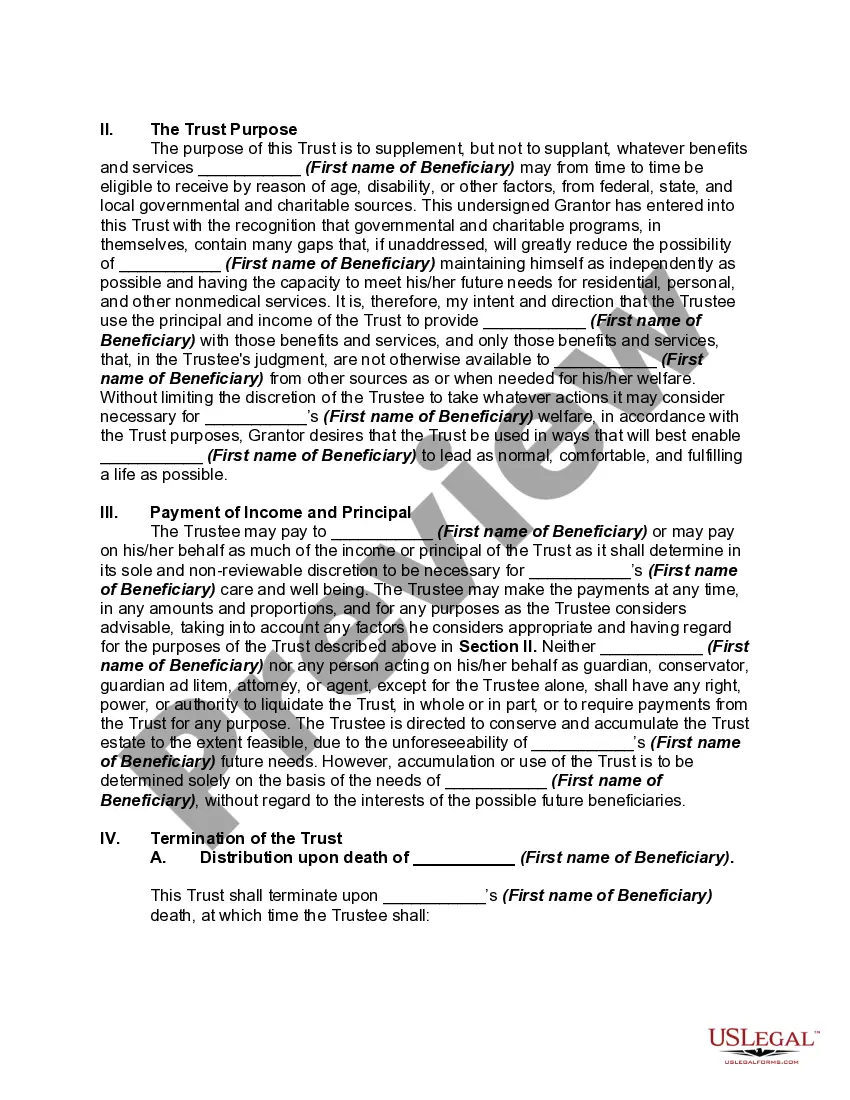
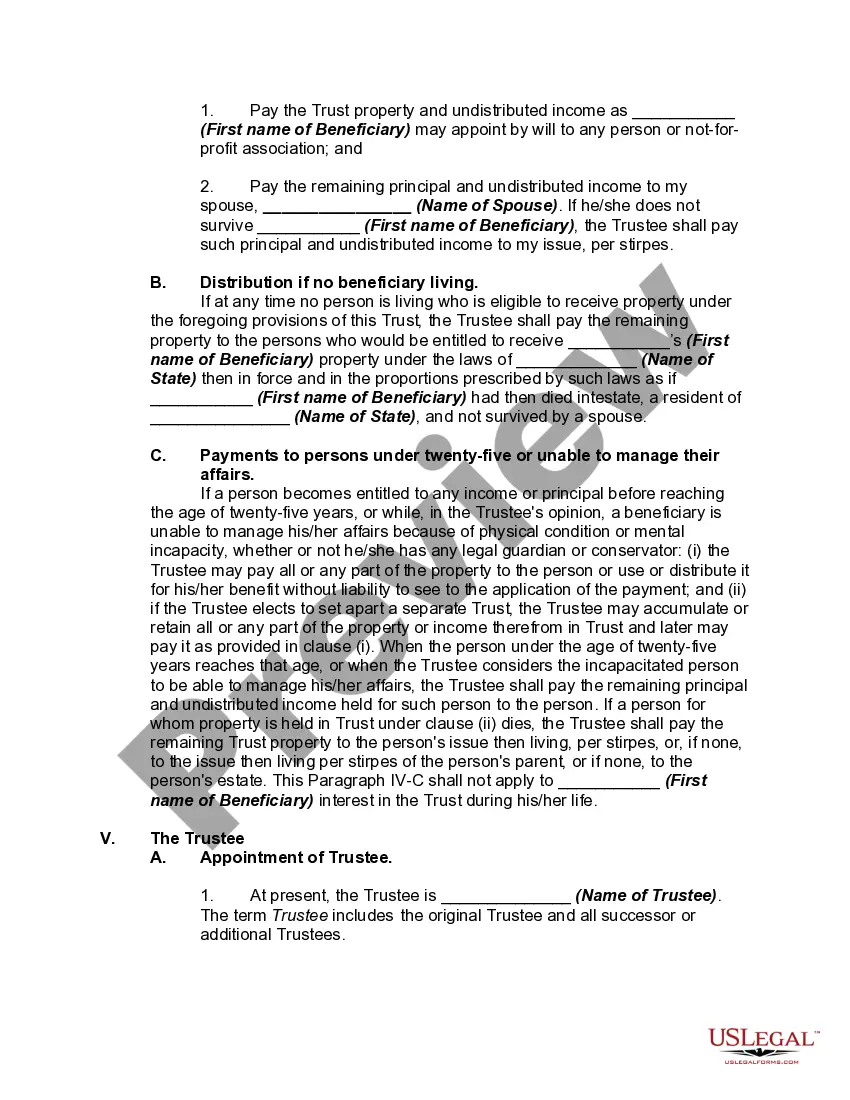
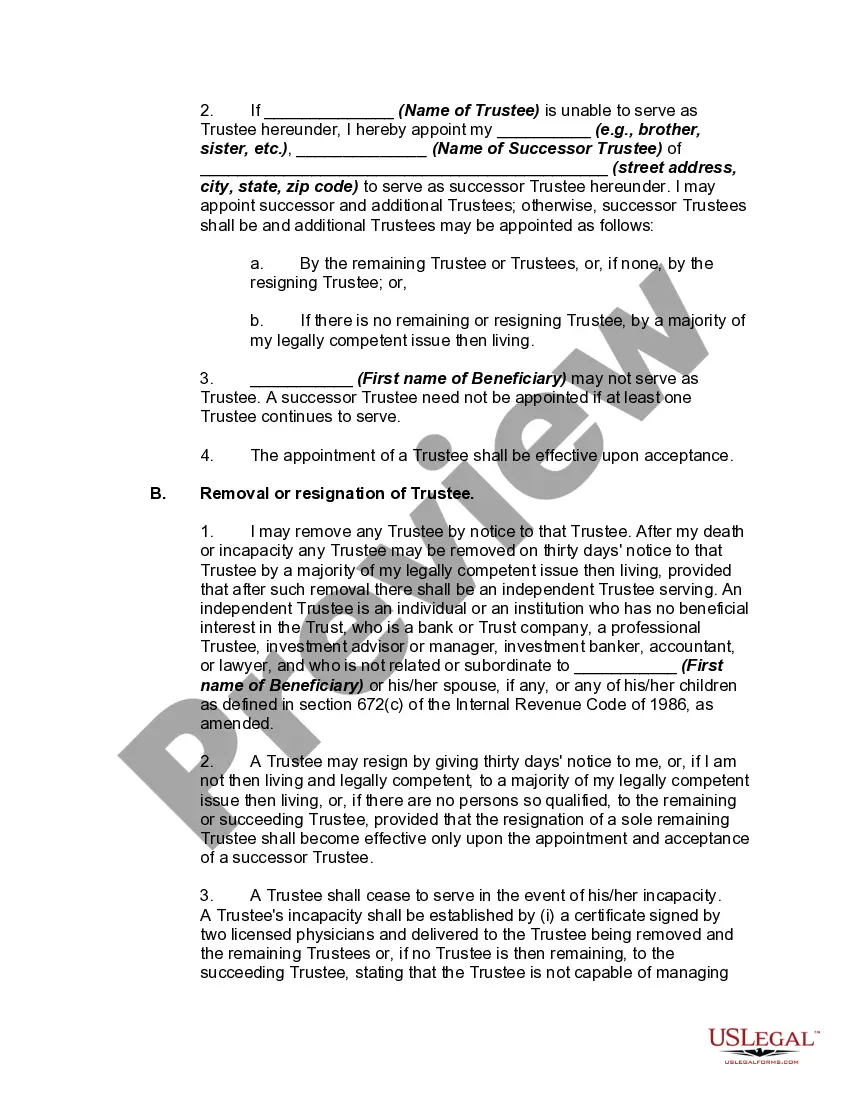


Get your form ready online
Our built-in tools help you complete, sign, share, and store your documents in one place.
Make edits, fill in missing information, and update formatting in US Legal Forms—just like you would in MS Word.
Download a copy, print it, send it by email, or mail it via USPS—whatever works best for your next step.
Sign and collect signatures with our SignNow integration. Send to multiple recipients, set reminders, and more. Go Premium to unlock E-Sign.
If this form requires notarization, complete it online through a secure video call—no need to meet a notary in person or wait for an appointment.
We protect your documents and personal data by following strict security and privacy standards.

Make edits, fill in missing information, and update formatting in US Legal Forms—just like you would in MS Word.

Download a copy, print it, send it by email, or mail it via USPS—whatever works best for your next step.

Sign and collect signatures with our SignNow integration. Send to multiple recipients, set reminders, and more. Go Premium to unlock E-Sign.

If this form requires notarization, complete it online through a secure video call—no need to meet a notary in person or wait for an appointment.

We protect your documents and personal data by following strict security and privacy standards.
Looking for another form?
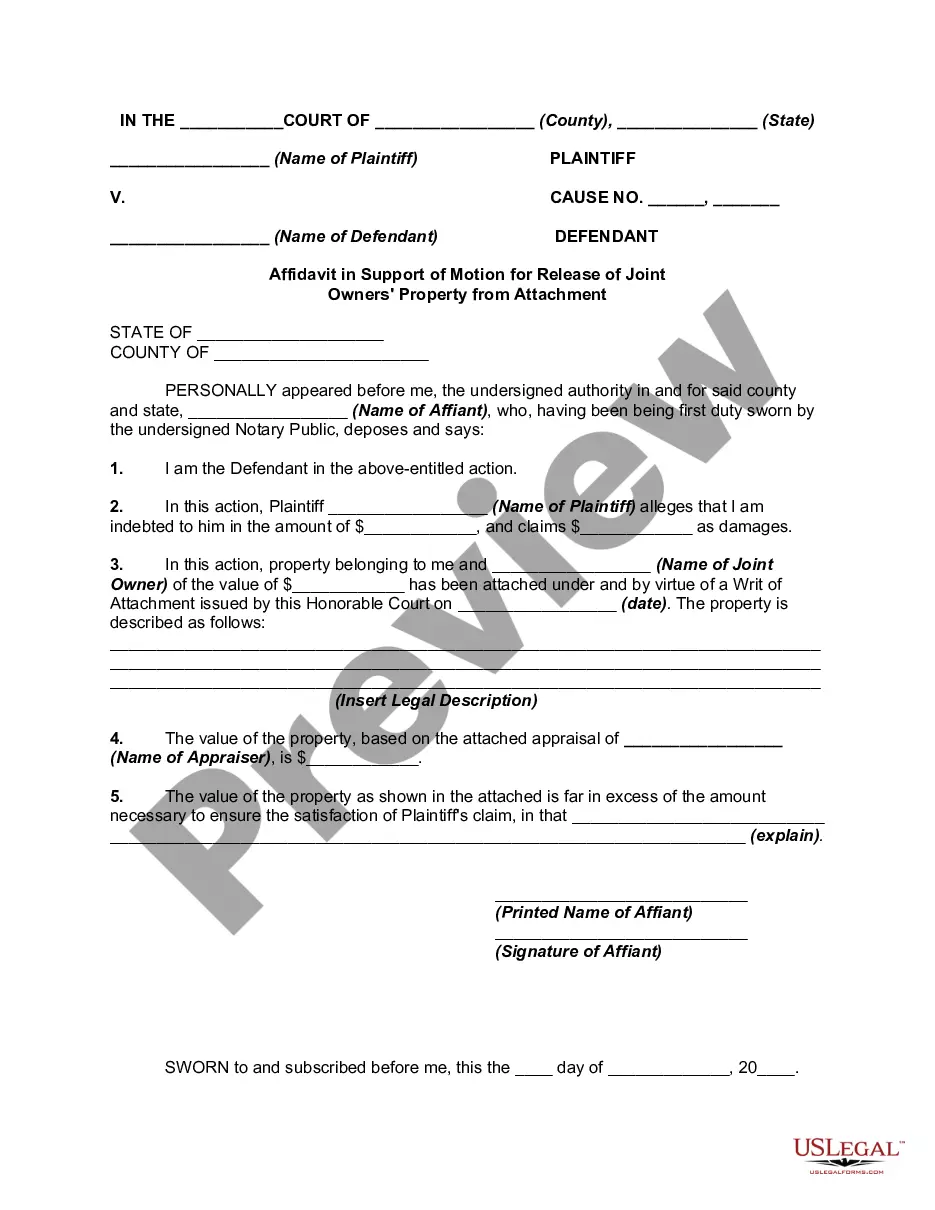







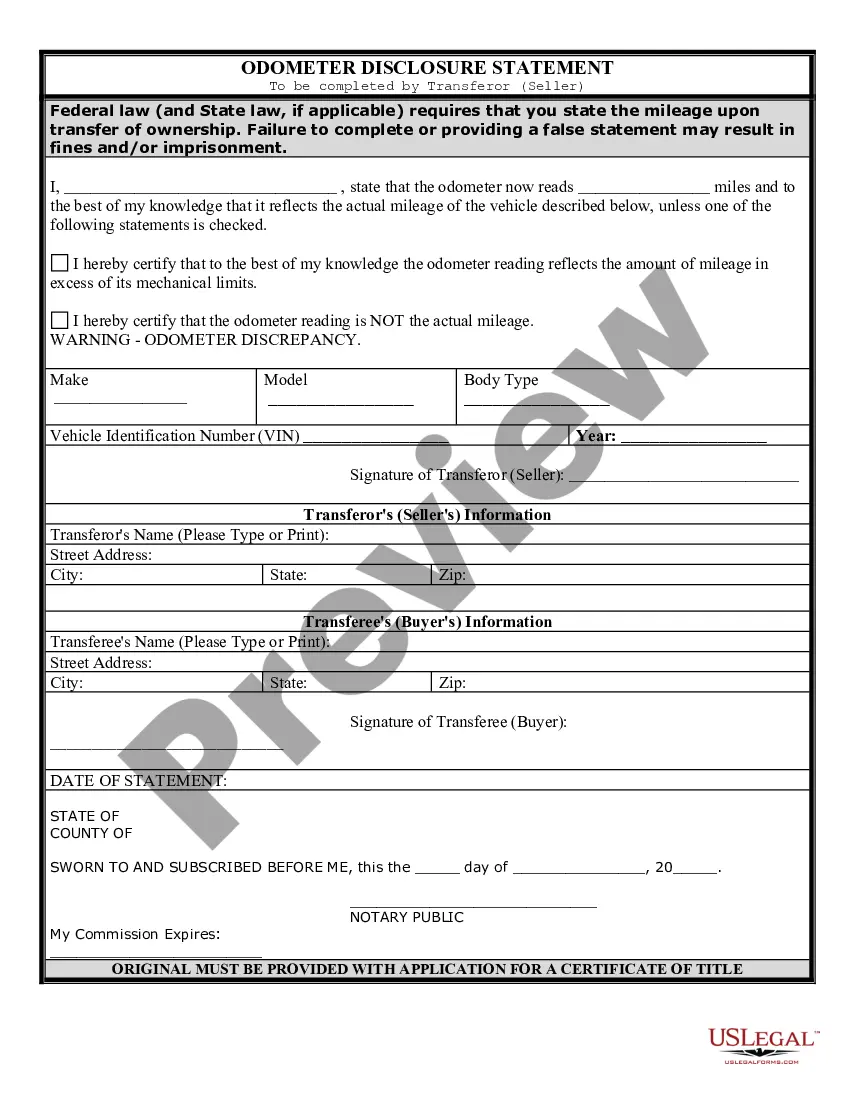

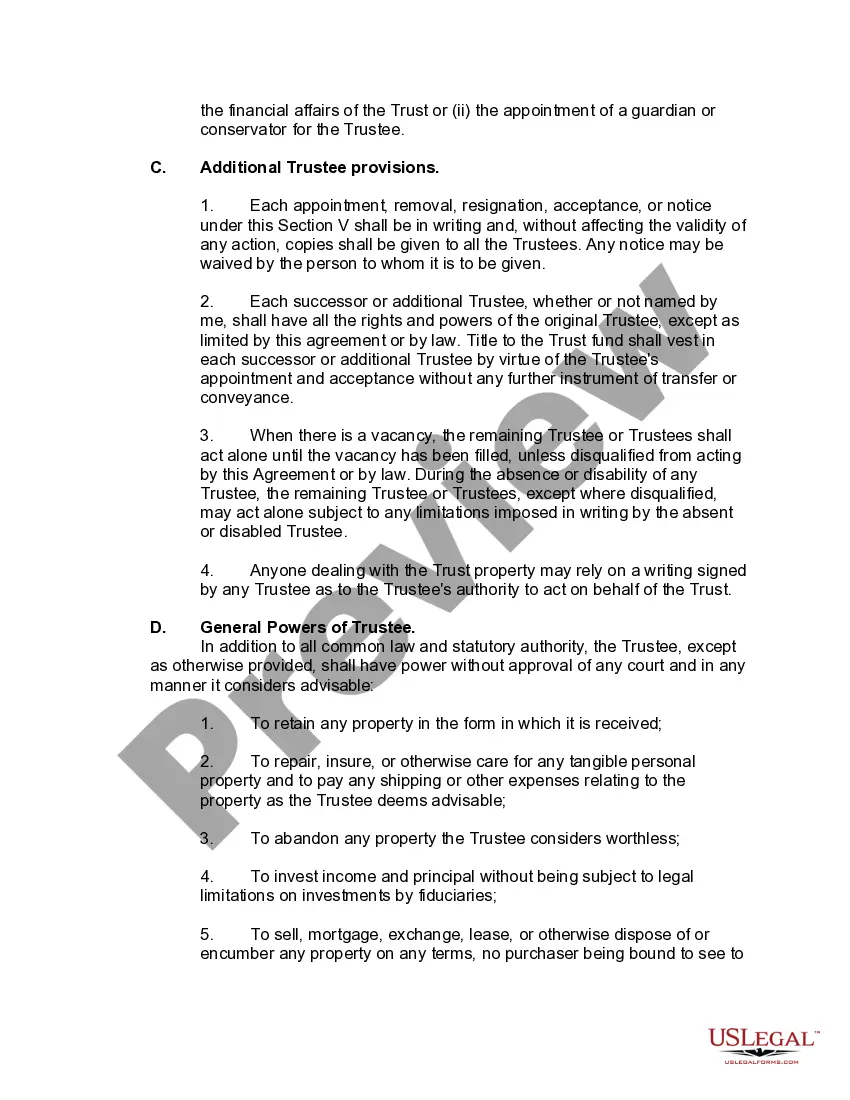
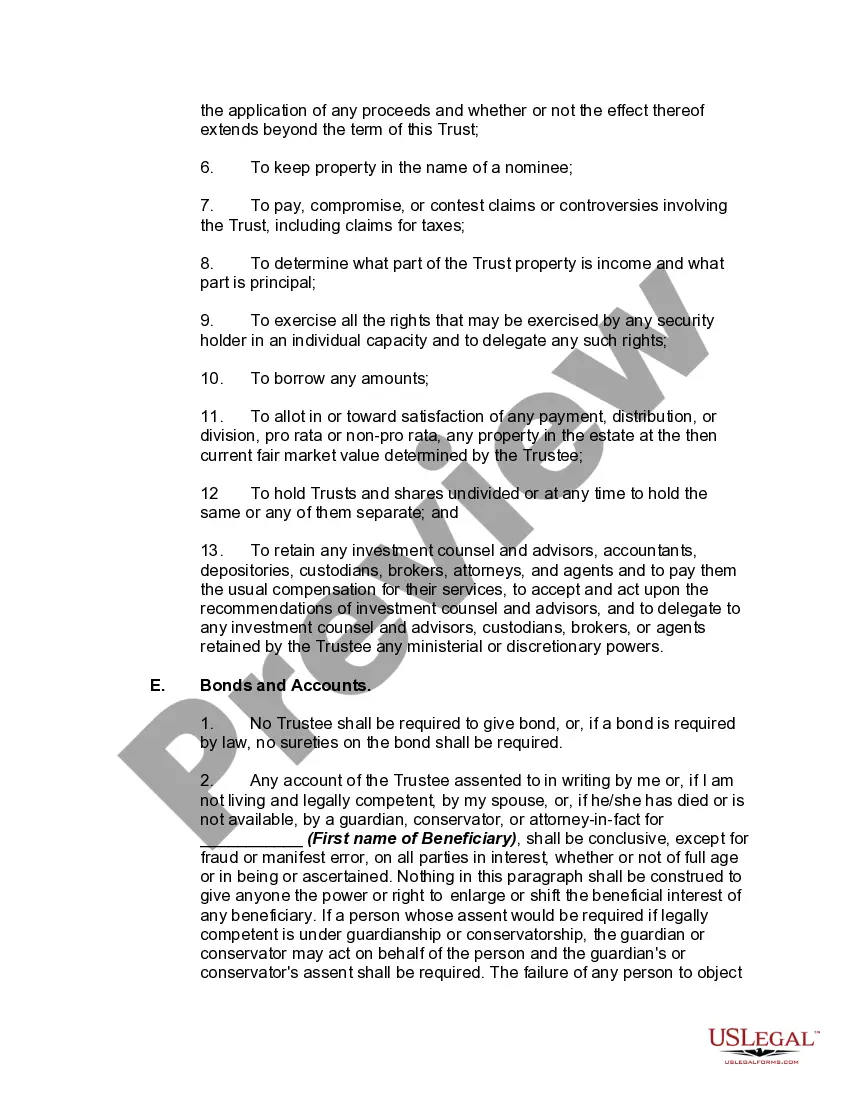
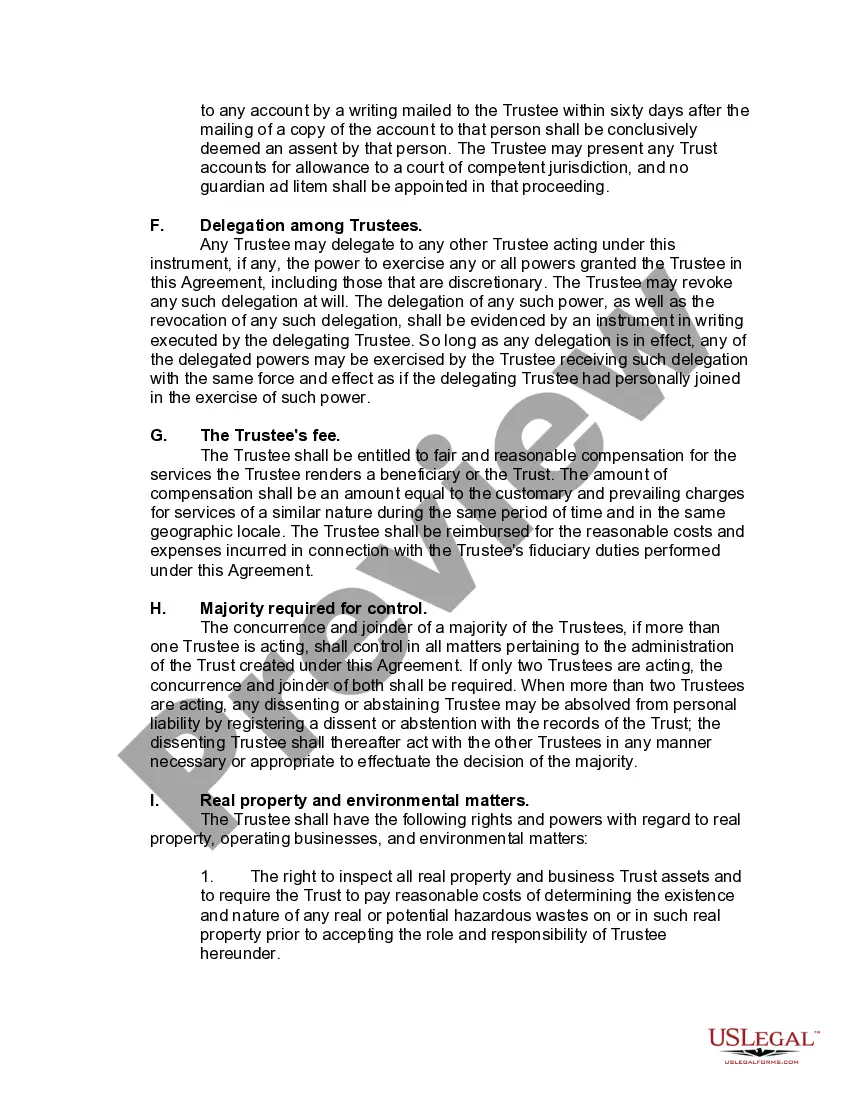
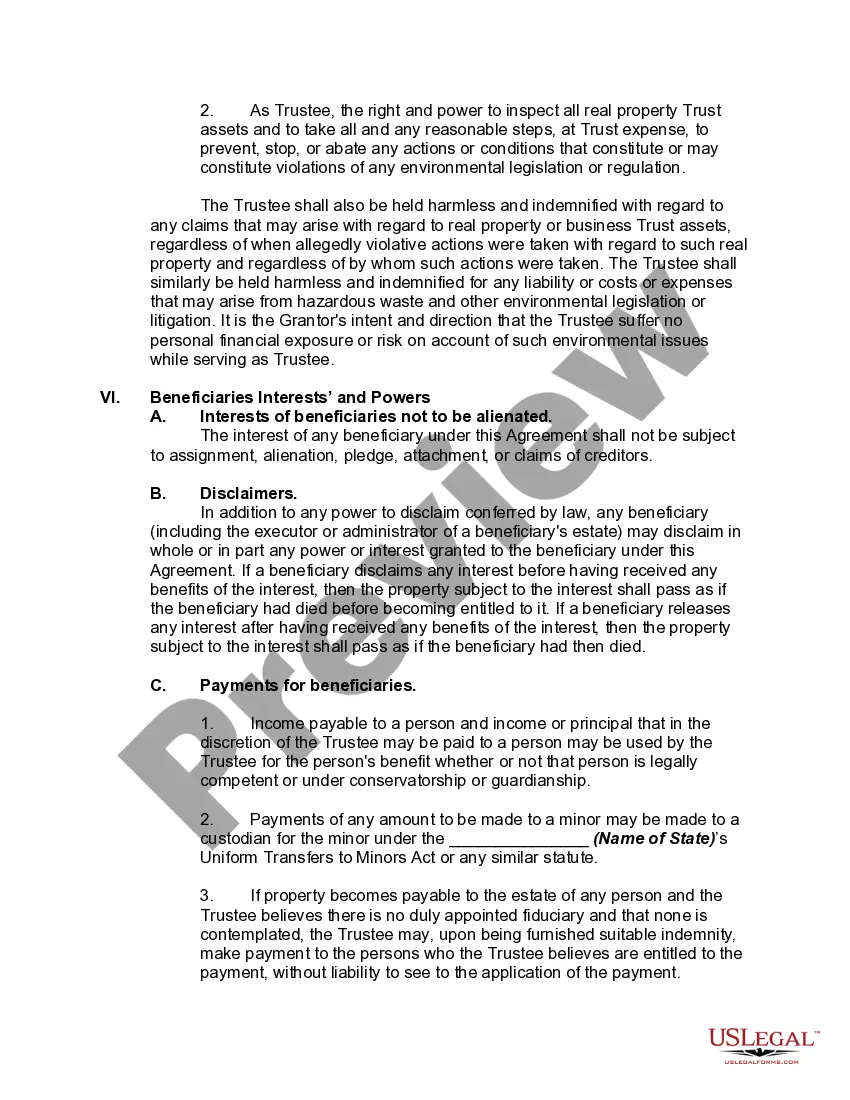
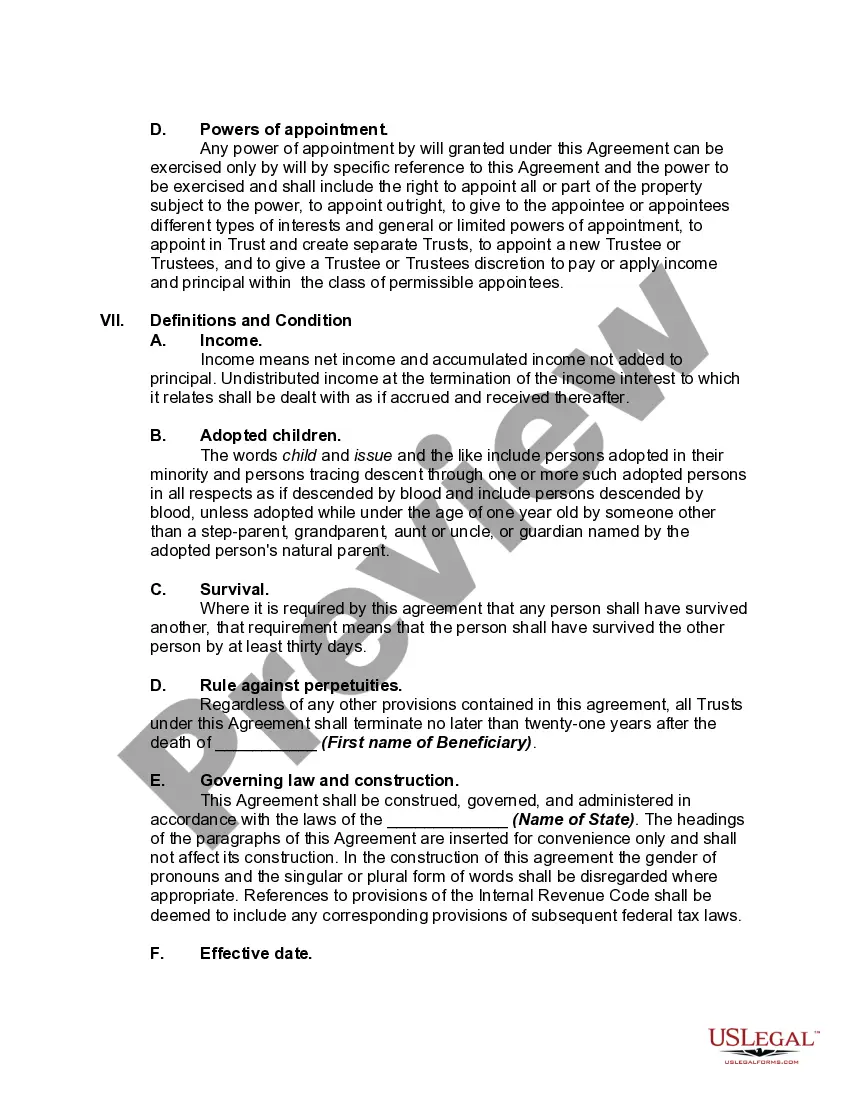
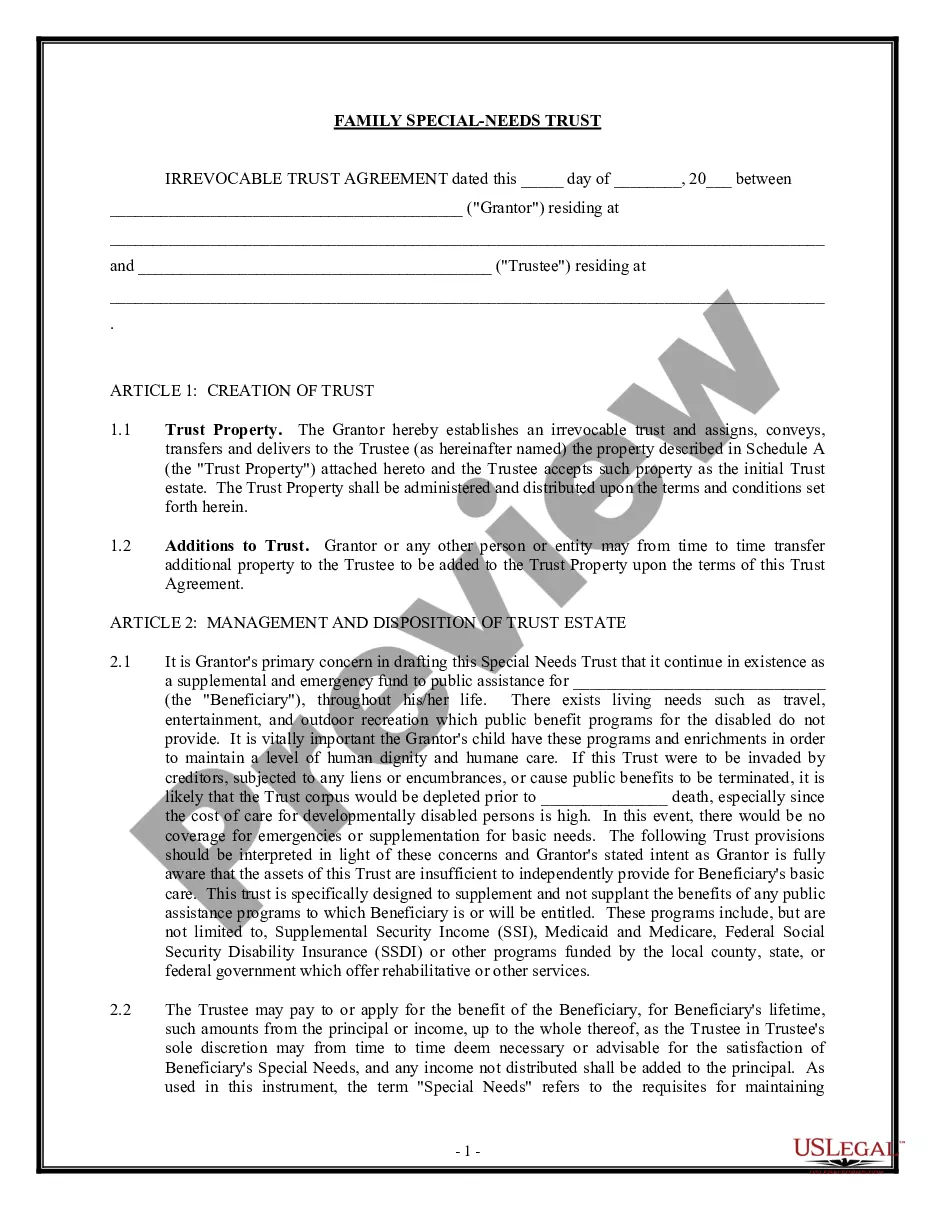
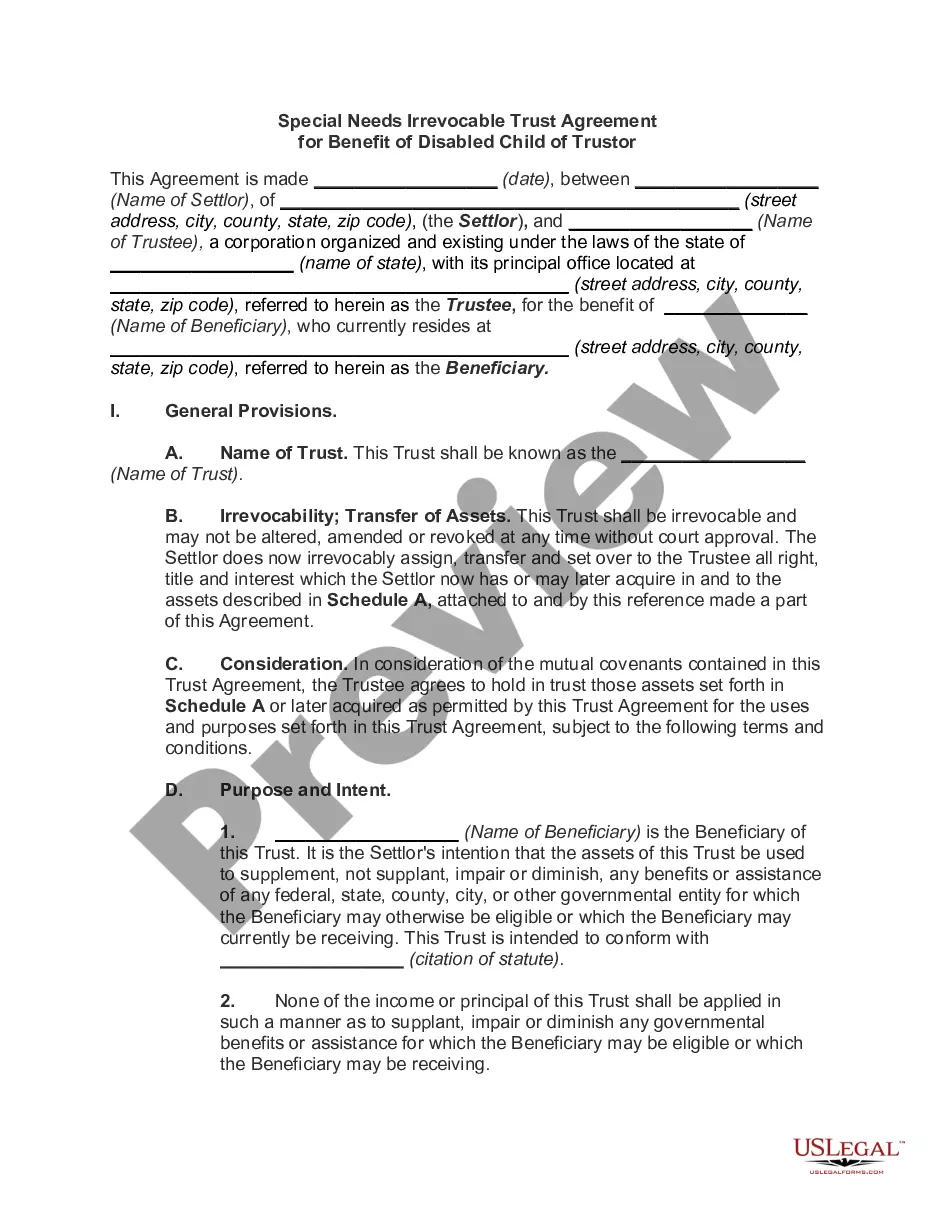
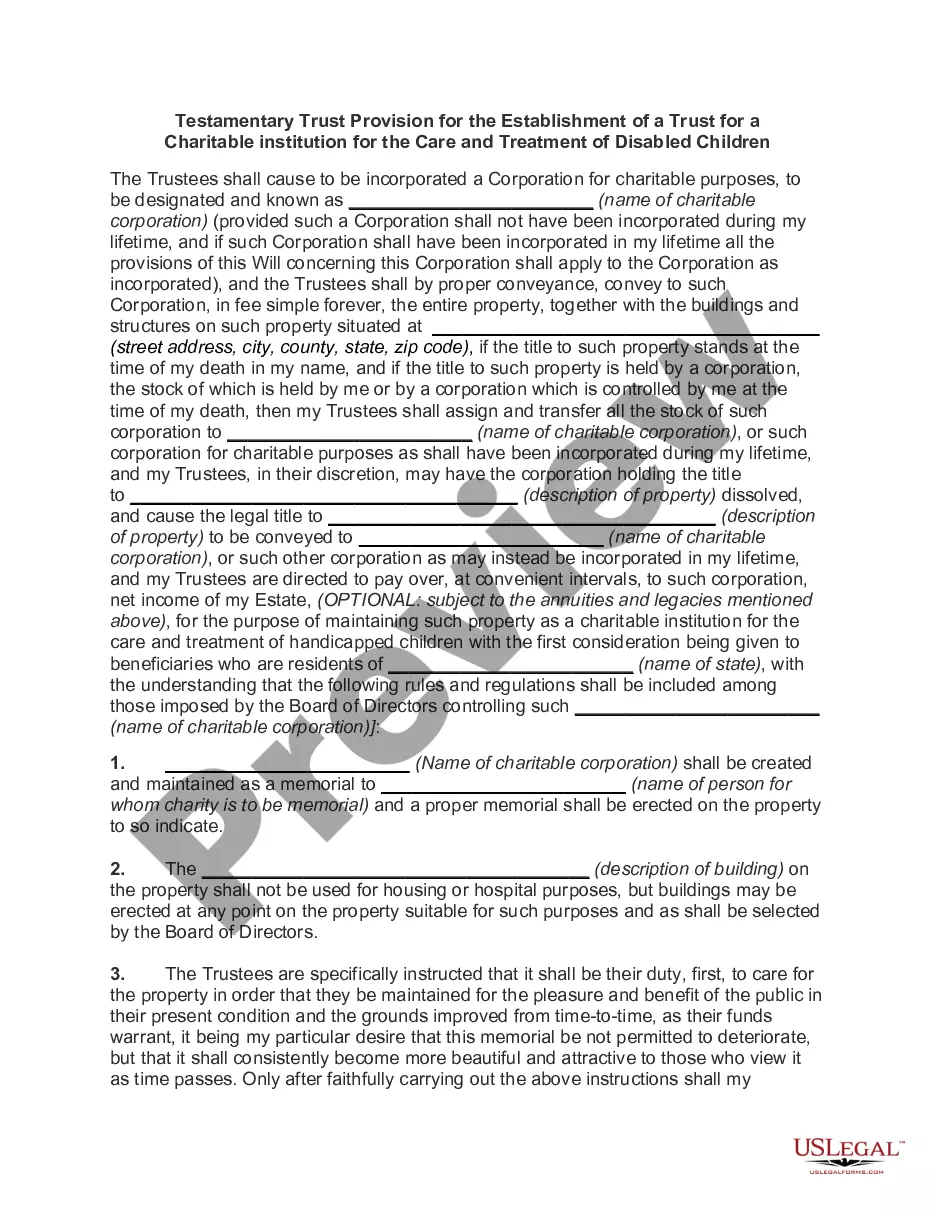
How to fill out Supplemental Needs Trust For Third Party - Disabled Beneficiary?
- Begin by checking if you already have an account with US Legal Forms. If so, log in and download the required document directly by clicking the Download button. Ensure your subscription is active, or renew it if necessary.
- If you're new to the service, start by reviewing the Preview mode and form descriptions. Make sure you've selected the correct form that meets your requirements and adheres to your local jurisdiction.
- In case you need alternative templates, utilize the Search tab above to find more options that suit your needs effectively.
- Once you identify the correct document, click on the Buy Now button and choose the subscription plan that fits your needs. You'll need to create an account to access the full library.
- Complete your purchase by entering your payment information, either via credit card or through your PayPal account.
- Finally, download the document to your device for completion. You can also find it later in the My documents section of your profile whenever you need it.
In conclusion, US Legal Forms equips individuals and attorneys with an extensive library to execute legal documents effectively, promoting peace of mind in legal matters related to special needs care. Take the first step towards securing your required forms today!
Explore US Legal Forms now and ensure your documentation is handled with precision and ease.
Form popularity
FAQ
The IRS does consider autism a disability, typically qualifying for favorable tax treatment. This status can open doors to various deductions and credits, aiding in special needs care costs. If you need help navigating this process, seek support from professionals experienced in tax laws related to disabilities.
Yes, you can claim a special needs child on your taxes, which can provide significant financial relief. Tax benefits may cover medical expenses related to special needs care. It's beneficial to stay informed about the deductions available and consider using resources that simplify the filing process.
Yes, autism is recognized as a legally defined disability under various laws, including the Americans with Disabilities Act. This recognition helps individuals access special needs care and support services. If you or someone you care for has autism, knowing these rights is crucial for obtaining necessary assistance.
The IRS defines a disability as a physical or mental condition that substantially limits one or more major life activities. This includes individuals with special needs care requirements. If you meet this definition, you may qualify for various tax benefits or deductions, so it's wise to explore your options.
Social Security defines different levels of autism spectrum disorder that may qualify for disability benefits. Typically, individuals with significant impairment in social interaction and communication skills might be eligible. If you believe you or your loved one qualifies, consider seeking assistance with special needs care applications.
You usually must file a tax return for a special needs trust if it generates income above a certain threshold. This is because special needs care trusts often have specific tax rules. It's essential to consult a tax professional familiar with these trusts to ensure compliance and make the most of available deductions.
Examples of needs in healthcare range from routine check-ups to specialized treatments for chronic conditions. Other needs include mental health support and rehabilitation services. It is crucial to acknowledge these varied requirements for providing holistic care. A comprehensive approach ensures that all aspects of a person's health are effectively managed.
The three types of special needs generally include physical, developmental, and emotional challenges. Each of these categories requires specific care strategies tailored to the individual's circumstances. Understanding these types helps caregivers and healthcare providers create effective care plans. Moreover, addressing the individual’s needs aids in overall development and contentment.
Special medical care is health care designed for patients with unique medical conditions that require specialized approaches. This can include therapies, medical interventions, and support tailored to specific needs. It differs from standard medical care due to its focus on achieving the best possible outcomes for individuals with special needs. Utilizing platforms like US Legal Forms can simplify finding resources and legal information pertinent to special medical care.
Special needs care refers to the tailored support provided to individuals with specific health challenges. This type of care addresses the physical, emotional, and social needs of each individual. It recognizes the importance of personalized attention in enhancing their quality of life. By focusing on individualized care approaches, you can significantly impact a person's well-being.