401k Beneficiary Rules
Description



Get your form ready online
Our built-in tools help you complete, sign, share, and store your documents in one place.
Make edits, fill in missing information, and update formatting in US Legal Forms—just like you would in MS Word.
Download a copy, print it, send it by email, or mail it via USPS—whatever works best for your next step.
Sign and collect signatures with our SignNow integration. Send to multiple recipients, set reminders, and more. Go Premium to unlock E-Sign.
If this form requires notarization, complete it online through a secure video call—no need to meet a notary in person or wait for an appointment.
We protect your documents and personal data by following strict security and privacy standards.
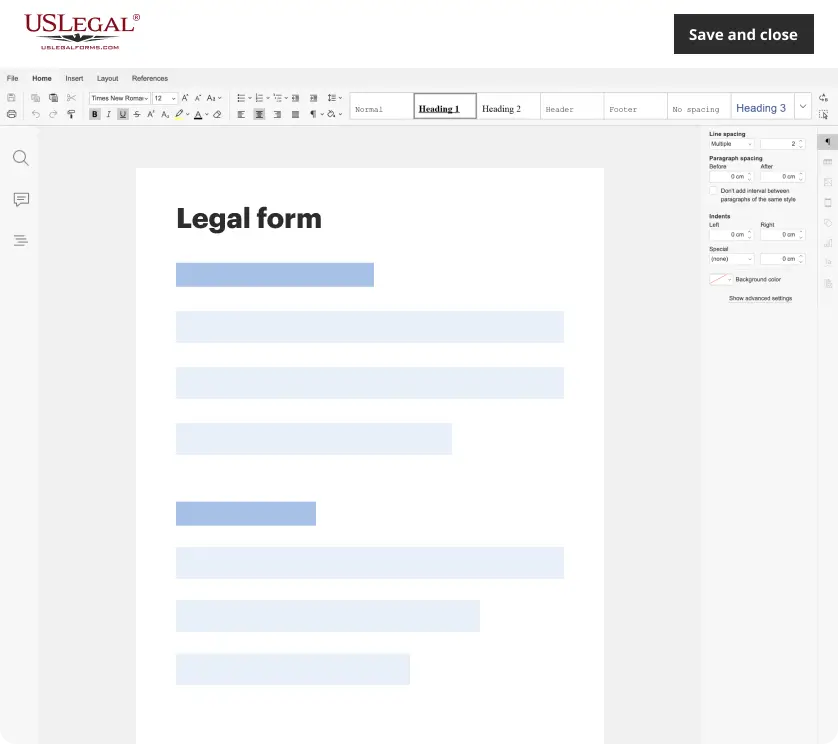
Make edits, fill in missing information, and update formatting in US Legal Forms—just like you would in MS Word.
Download a copy, print it, send it by email, or mail it via USPS—whatever works best for your next step.
Sign and collect signatures with our SignNow integration. Send to multiple recipients, set reminders, and more. Go Premium to unlock E-Sign.

If this form requires notarization, complete it online through a secure video call—no need to meet a notary in person or wait for an appointment.
We protect your documents and personal data by following strict security and privacy standards.
Looking for another form?



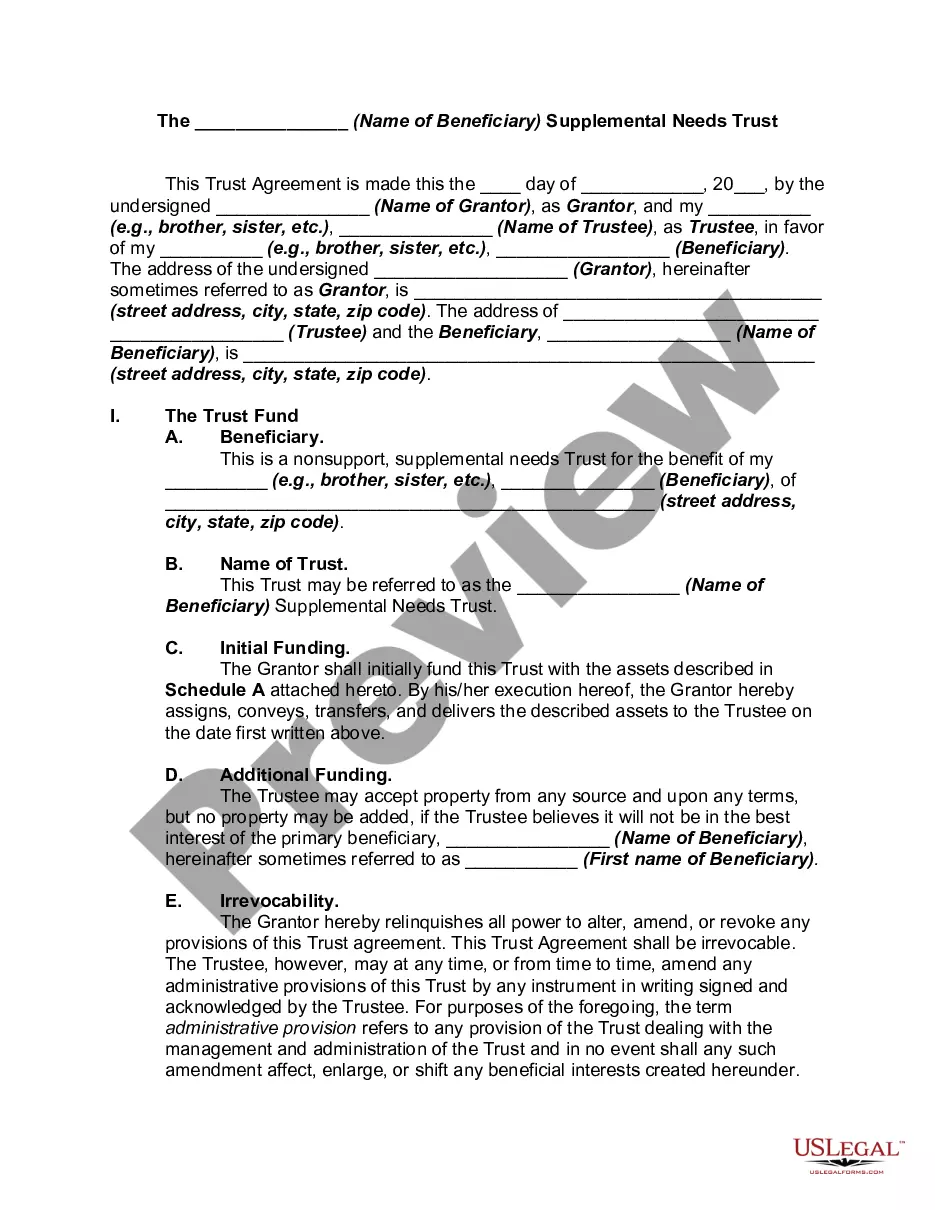
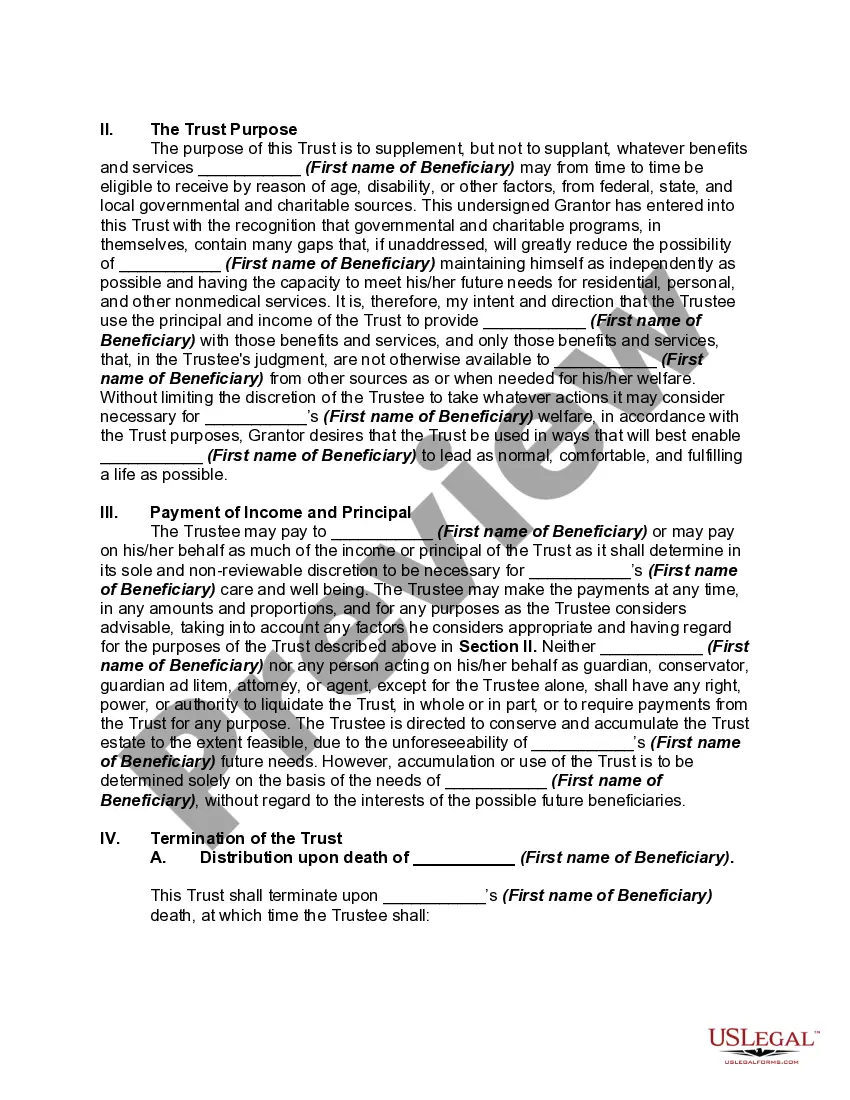
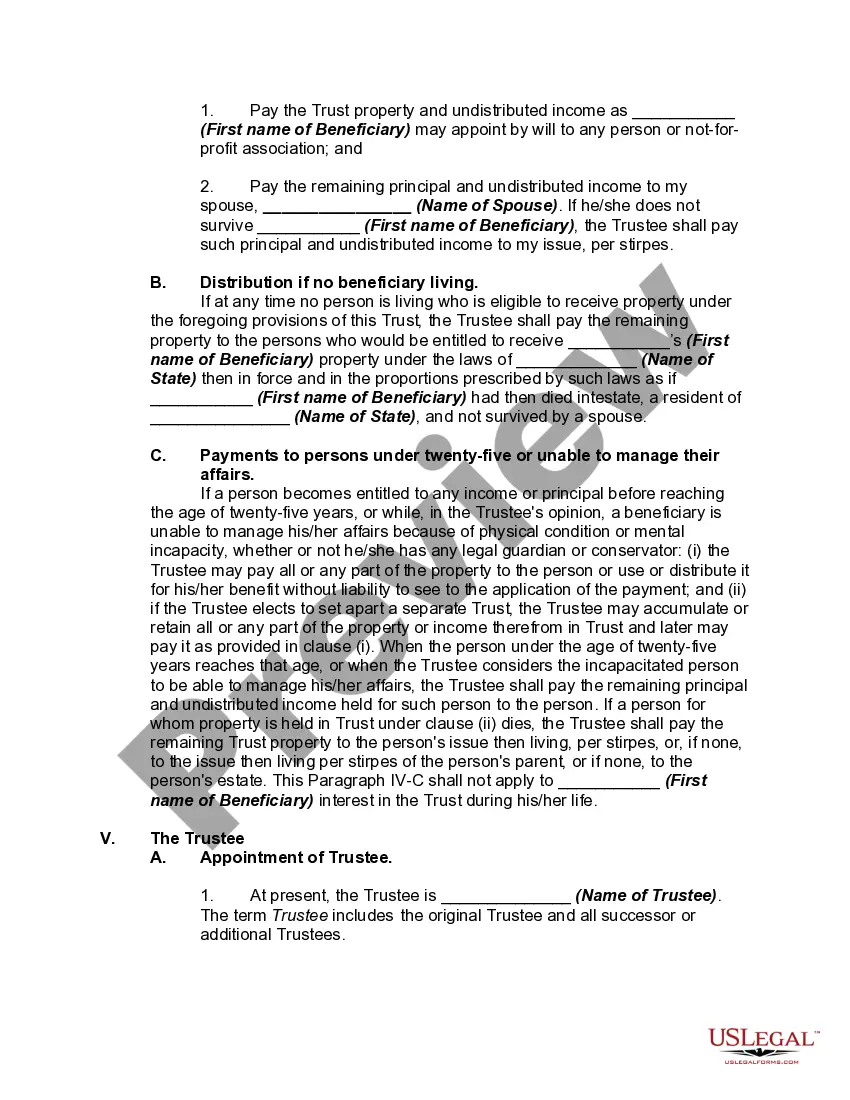
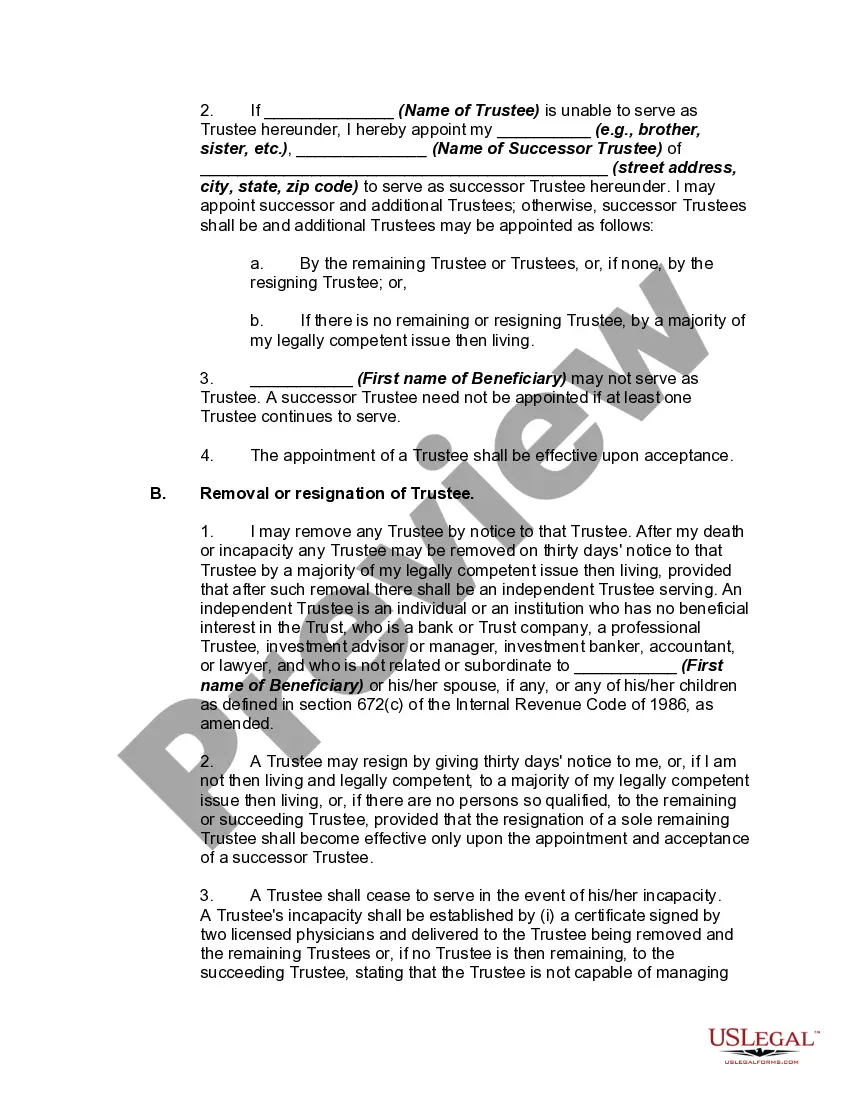
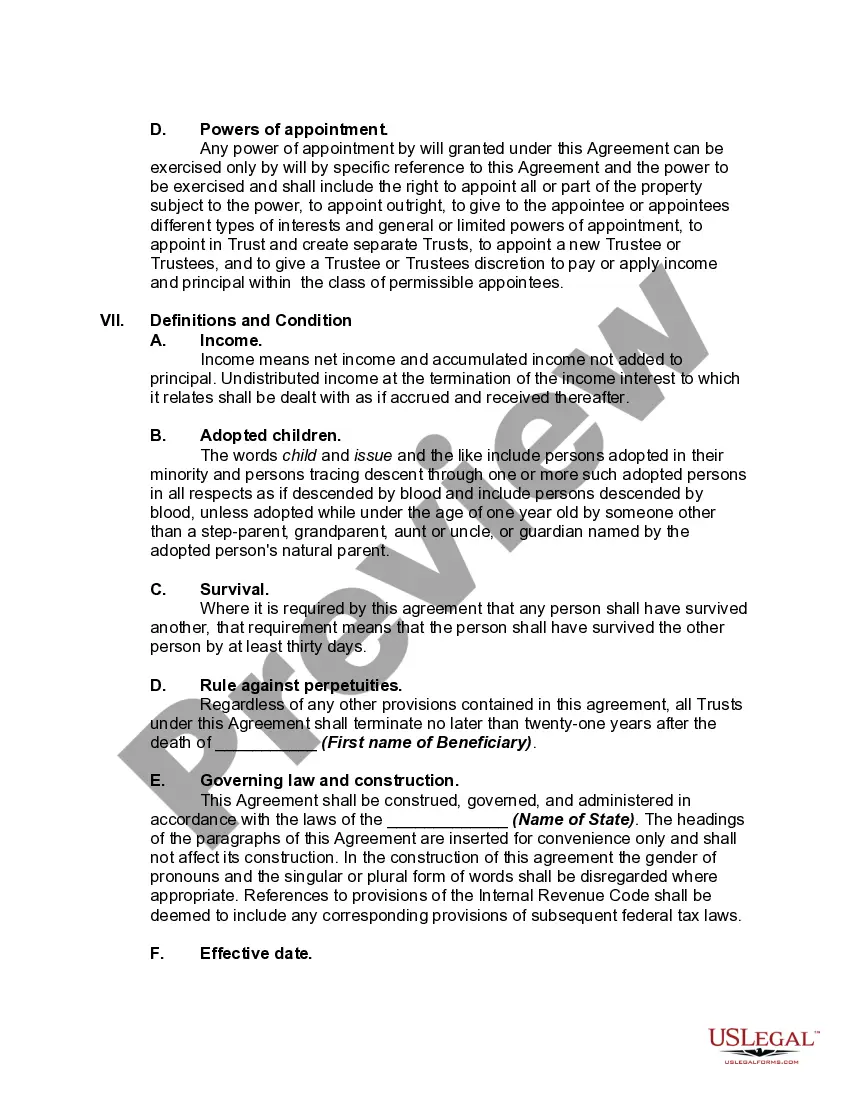
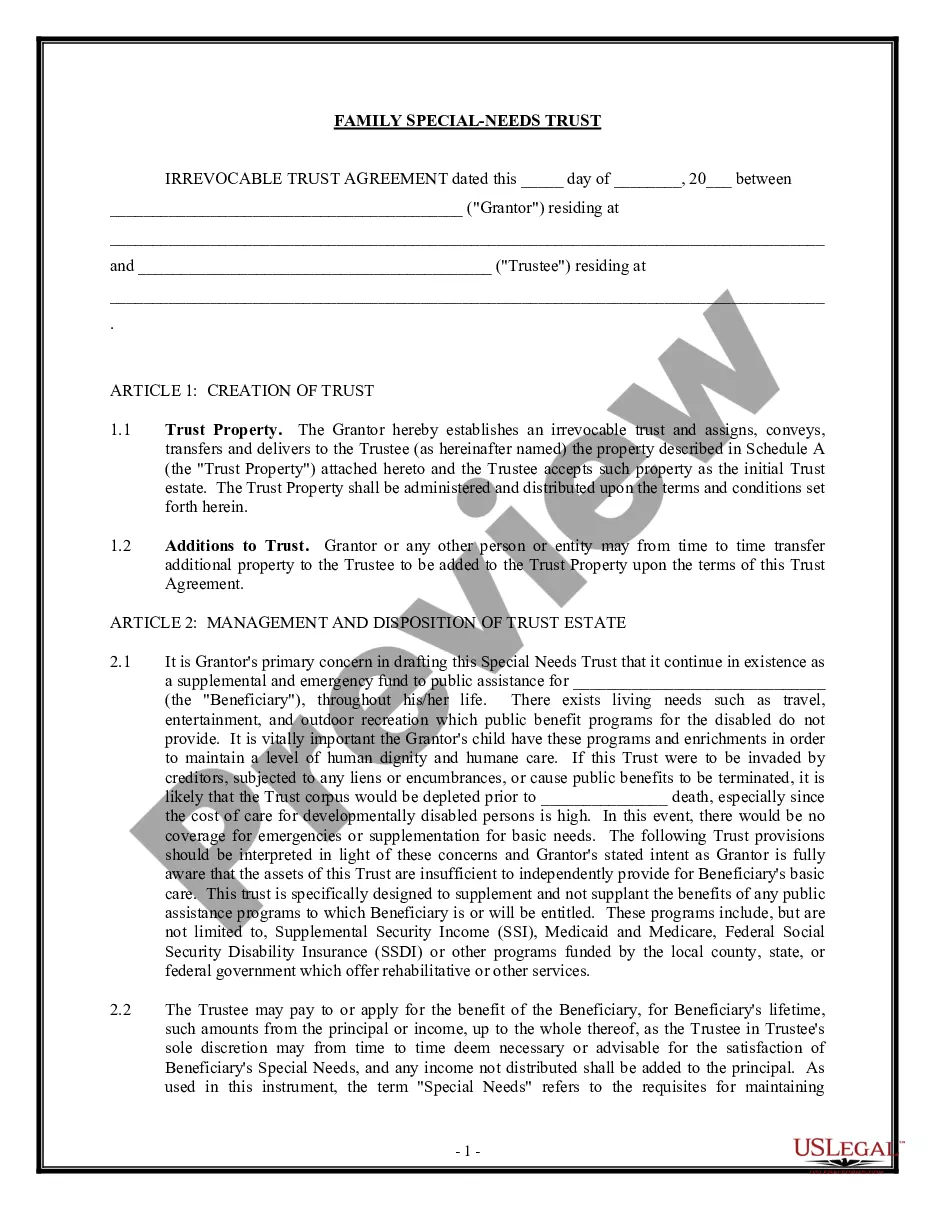
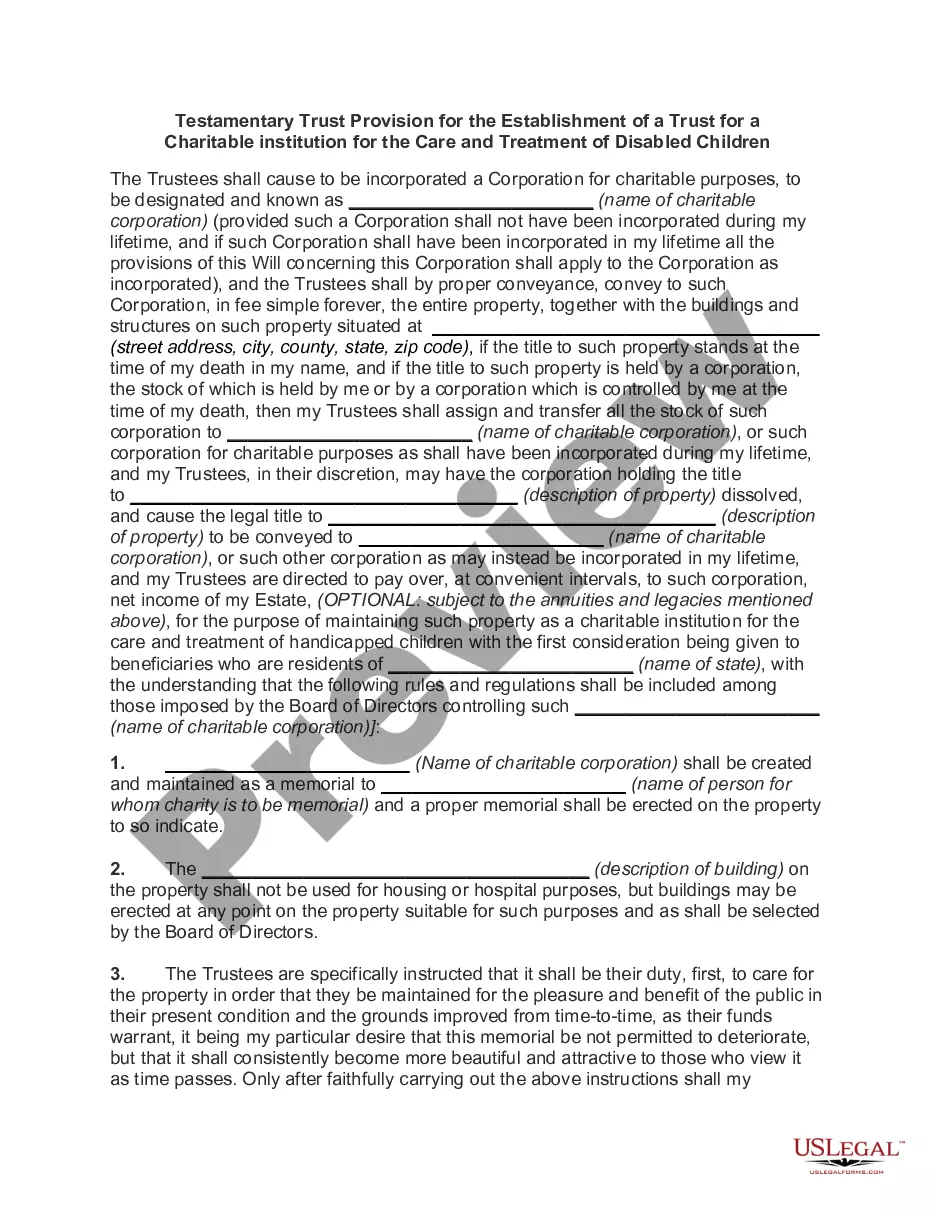
How to fill out Supplemental Needs Trust For Third Party - Disabled Beneficiary?
Legal management can be challenging, even for the most seasoned experts.
When you are looking for 401k Beneficiary Guidelines and do not have the time to commit to locating the correct and current version, the processes can be overwhelming.
Utilize a valuable resource base of articles, guides, and manuals related to your circumstances and needs.
Save time and energy searching for the documents you require, and utilize US Legal Forms’ sophisticated search and Review tool to locate 401k Beneficiary Guidelines and download it.
Benefit from the US Legal Forms online library, supported by 25 years of experience and dependability. Transform your document management into a straightforward and user-friendly process today.
- If you have a subscription, Log In to your US Legal Forms account, search for the form, and download it.
- Check your My documents tab to view the documents you have previously downloaded as well as to organize your folders as you see fit.
- If it's your first time with US Legal Forms, create an account and gain unlimited access to all advantages of the library.
- Here are the steps to follow after accessing the form you need.
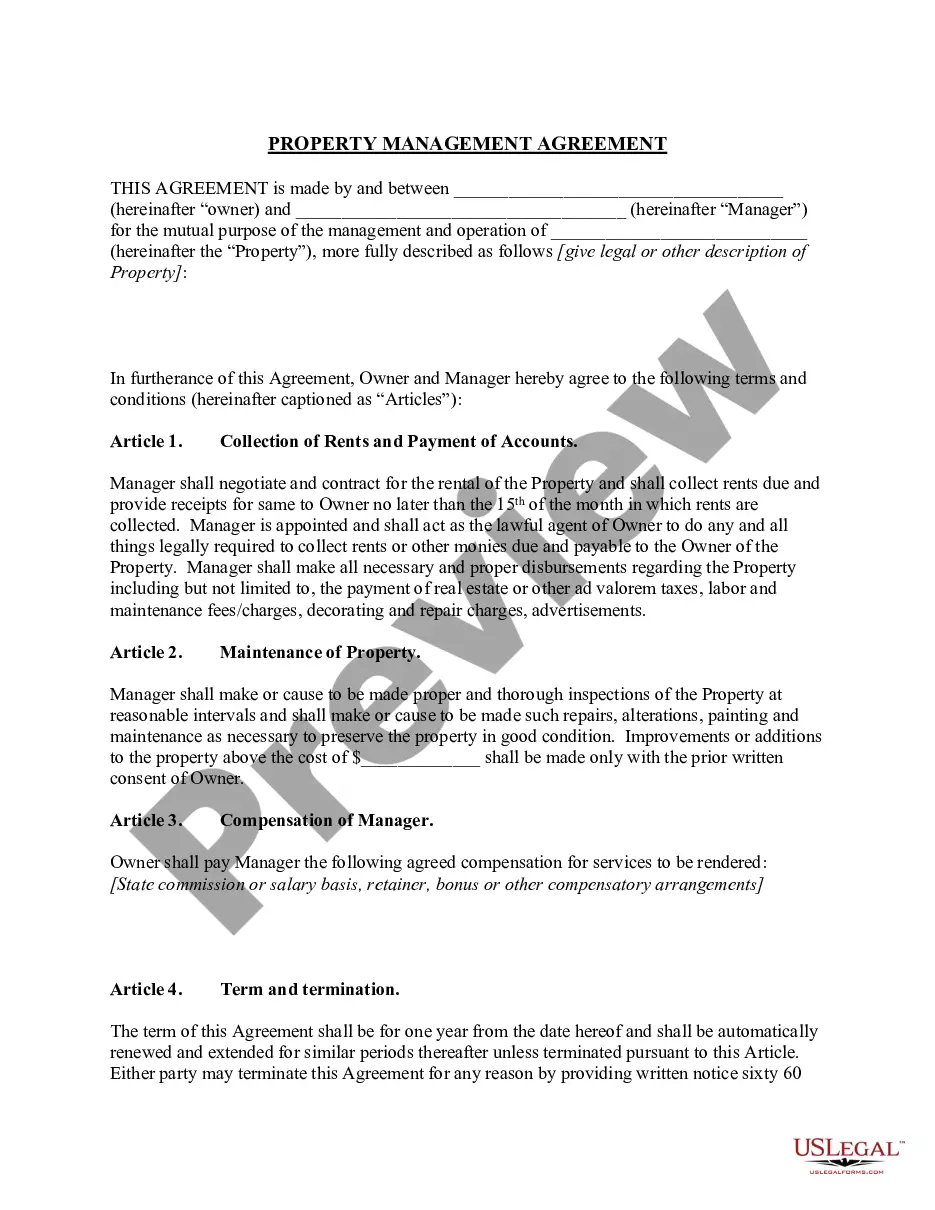
- Confirm this is the correct form by previewing it and reviewing its details.
- Access state- or county-specific legal and business documents.
- US Legal Forms encompasses any needs you may have, from personal to corporate documents, all in one place.
- Employ advanced tools to complete and manage your 401k Beneficiary Guidelines.
Form popularity
FAQ
If you need to send money across to another account, you need to add the account as a beneficiary. Keep the beneficiary's account details handy. These include the bank account number, the IFSC code, the branch details, the beneficiary's name as mentioned in the bank account, and phone number.
You'd still pay regular income tax on any distributions you take. If your spouse was age 70 1/2 or older at death, you would have to take required minimum distributions from the account. Again, there would be no early withdrawal penalty but you would pay income tax on the withdrawals.
401(k) beneficiary rules on surviving non-spouse As part of the SECURE Act, non-spouse beneficiaries of 401(k)s can take money from the account whenever they want, as long as everything is withdrawn from the inherited 401(k) account by the end of the 10th year following the account owner's death.
Write the names of the first beneficiary(ies) you would like to receive your benefit after you die. You may name an individual(s), entity (such as a charity, business, religious organization, funeral home, etc.), trust, or estate. You may name more than one.
Leave the funds in the inherited 401(k) plan, if permitted. Roll the funds into their own 401(k), if their plan allows. Ideally, this should be a direct rollover from one 401(k) to another. Any rollover checks must be deposited within 60 days and are subject to Internal Revenue Service (IRS) withholding rules.