Common Tenant Rules
Description
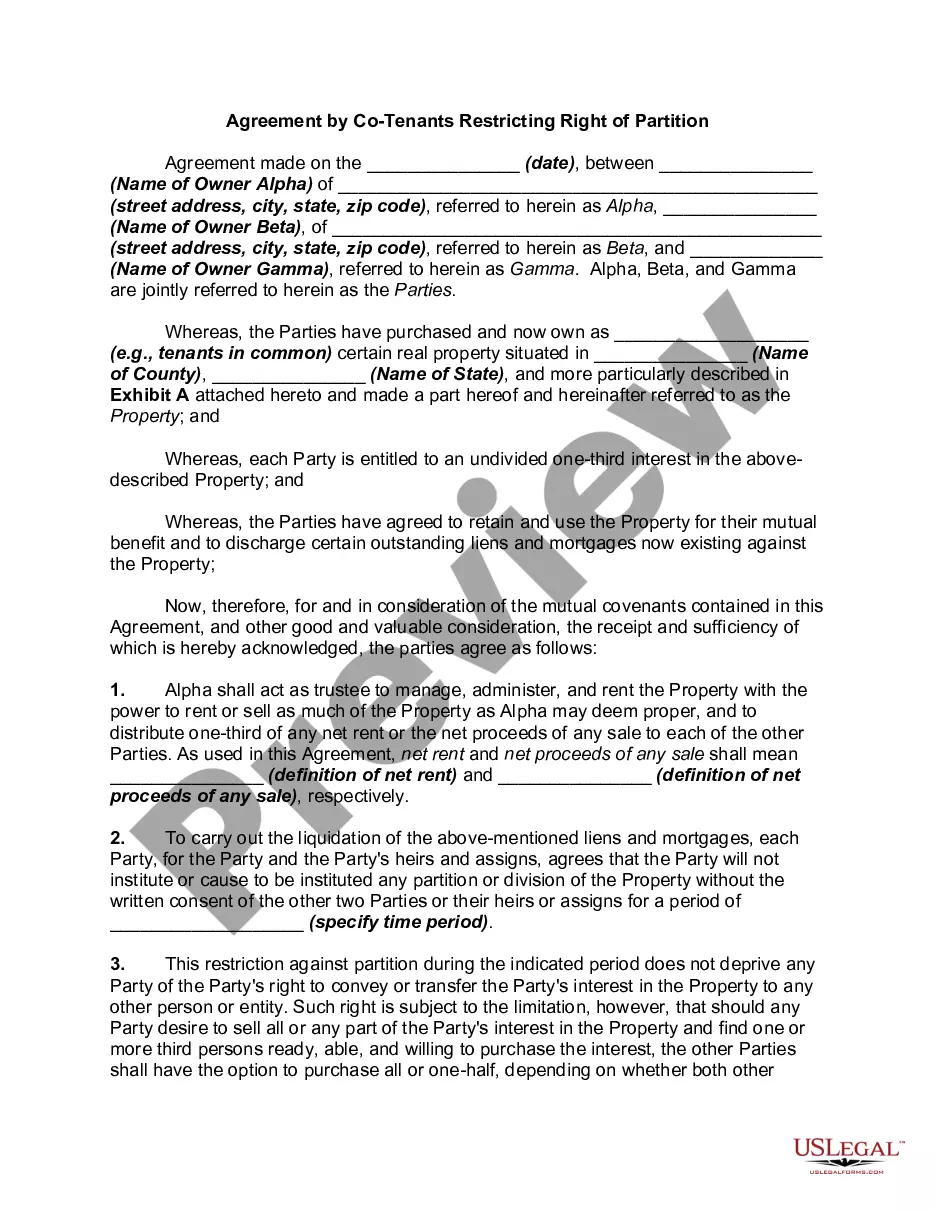

Get your form ready online
Our built-in tools help you complete, sign, share, and store your documents in one place.
Make edits, fill in missing information, and update formatting in US Legal Forms—just like you would in MS Word.
Download a copy, print it, send it by email, or mail it via USPS—whatever works best for your next step.
Sign and collect signatures with our SignNow integration. Send to multiple recipients, set reminders, and more. Go Premium to unlock E-Sign.
If this form requires notarization, complete it online through a secure video call—no need to meet a notary in person or wait for an appointment.
We protect your documents and personal data by following strict security and privacy standards.

Make edits, fill in missing information, and update formatting in US Legal Forms—just like you would in MS Word.

Download a copy, print it, send it by email, or mail it via USPS—whatever works best for your next step.

Sign and collect signatures with our SignNow integration. Send to multiple recipients, set reminders, and more. Go Premium to unlock E-Sign.

If this form requires notarization, complete it online through a secure video call—no need to meet a notary in person or wait for an appointment.

We protect your documents and personal data by following strict security and privacy standards.
Looking for another form?


How to fill out Agreement By Co-Tenants Restricting Right Of Partition?
It’s widely known that one cannot become a legal expert instantly, nor can one comprehend how to swiftly formulate Standard Tenant Regulations without possessing specialized knowledge.
Assembling legal documents is a lengthy undertaking that necessitates certain training and expertise. So, why not leave the crafting of the Standard Tenant Regulations to the professionals.
With US Legal Forms, which boasts one of the most comprehensive collections of legal documents, you can locate anything from court filings to templates for office communication. We recognize the significance of compliance and adherence to federal and local laws and regulations.
Create a free account and select a subscription plan to purchase the form.
Choose Purchase now. Once the payment is final, you can access the Standard Tenant Regulations, complete it, print it, and send or mail it to the relevant individuals or organizations.
- That’s why, on our platform, all templates are location-specific and updated.
- Start by visiting our website to obtain the document you require in just a few minutes.
- Find the document you need by utilizing the search bar at the page's top.
- If available, preview it and read the accompanying description to determine if Standard Tenant Regulations is what you seek.
- If you need another form, begin your search again.
Form popularity
FAQ
Your boyfriend can live with you without being on the lease, but you should check your lease terms and discuss it with your landlord. Many landlords allow guests to stay short-term, while others may enforce stricter rules. It's essential to remain compliant with the common tenant rules to avoid potential penalties or eviction.
Yes, you can generally live with your girlfriend without her being on the lease, provided this does not violate your lease agreement. However, it is important to inform your landlord about any additional occupants. Ignoring this could lead to lease violations or termination. Following common tenant rules can help ensure a harmonious living arrangement.
In Arizona, landlords cannot retaliate against tenants for exercising their rights, including filing complaints. They also must provide proper notice before entering a tenant's unit, usually 2 days. Additionally, landlords cannot discriminate based on race, religion, or other protected classes. Knowing these common tenant rules empowers you to stand up for your rights as a tenant.
Tenants in common have a legal right to rent payments if they are listed on the lease or agreement. Each tenant owns a share of the property and can collect rent based on their ownership percentage. However, this arrangement can vary depending on the agreement made between the tenants. It's best to clearly outline expectations about rent in your common tenant rules.
The duration you can stay with someone without being on the lease often depends on the lease terms and local laws. Typically, most landlords expect that guests stay for a limited time, often around two weeks. Prolonged stays can lead to complications, including potential eviction or fines. Understanding these common tenant rules will help you maintain a positive living arrangement.
In many cases, your girlfriend can move in without being on the lease, but it depends on your landlord's policies. Some landlords require all adult occupants to be listed on the lease for legal reasons. It is wise to review your lease agreement and consult your landlord to avoid potential issues. Keeping track of common tenant rules will help you navigate such situations smoothly.
The new 3 times the rent rule refers to a common tenant guideline that suggests your monthly income should be three times the amount of your rent. This rule aims to ensure tenants can afford their rent while covering other living expenses. Adhering to this rule helps prevent financial strain and promotes housing stability. It is essential to understand these common tenant rules when searching for affordable housing.