Workplace Harassment
Description

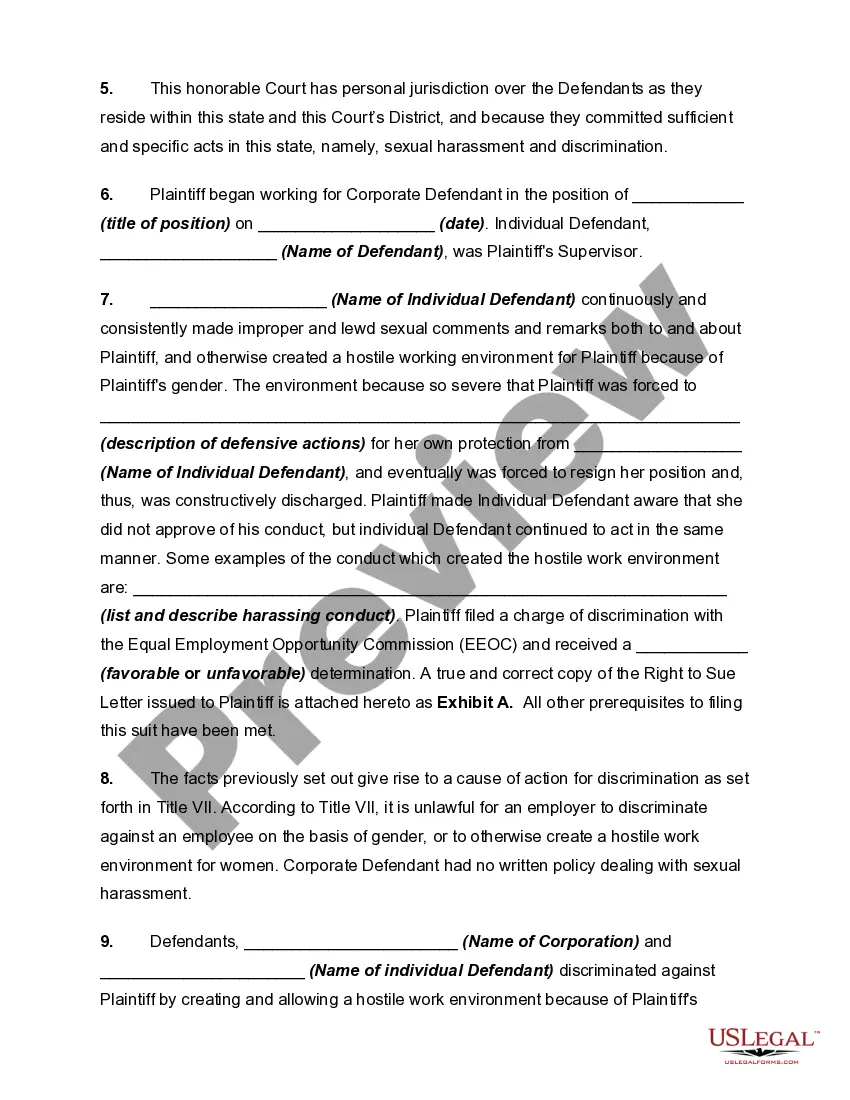
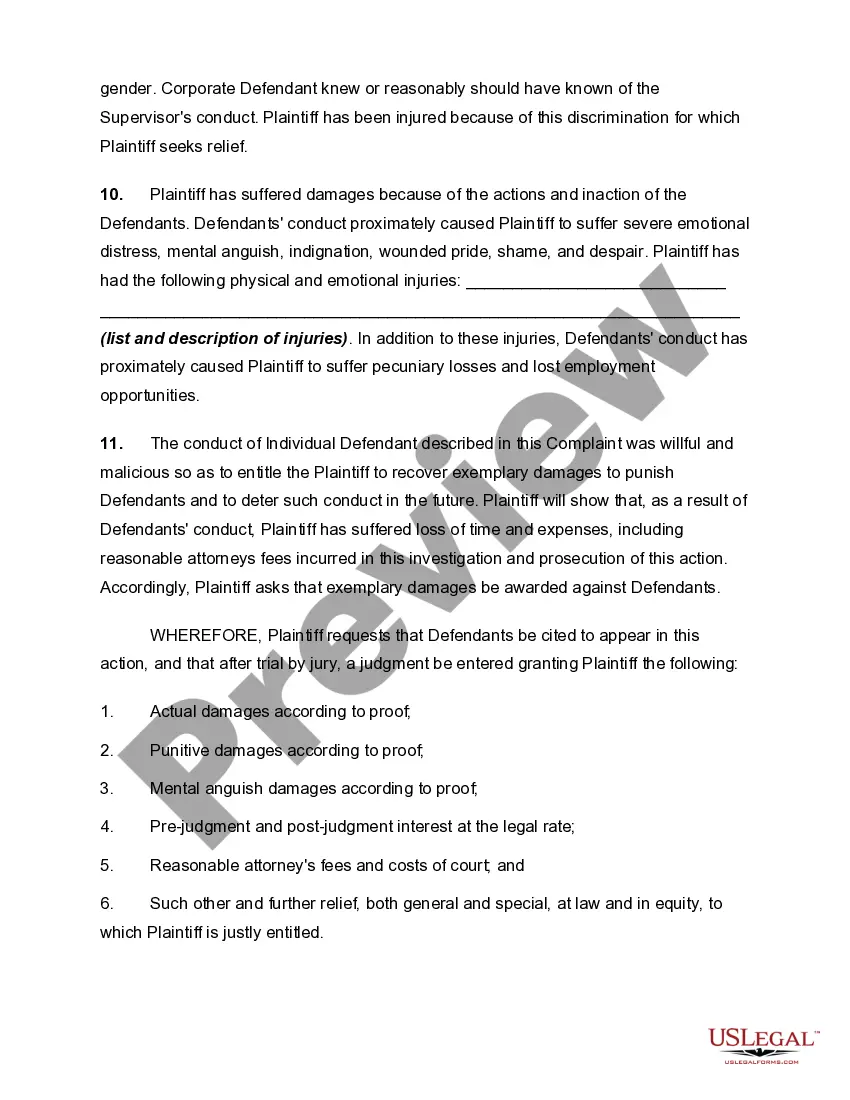
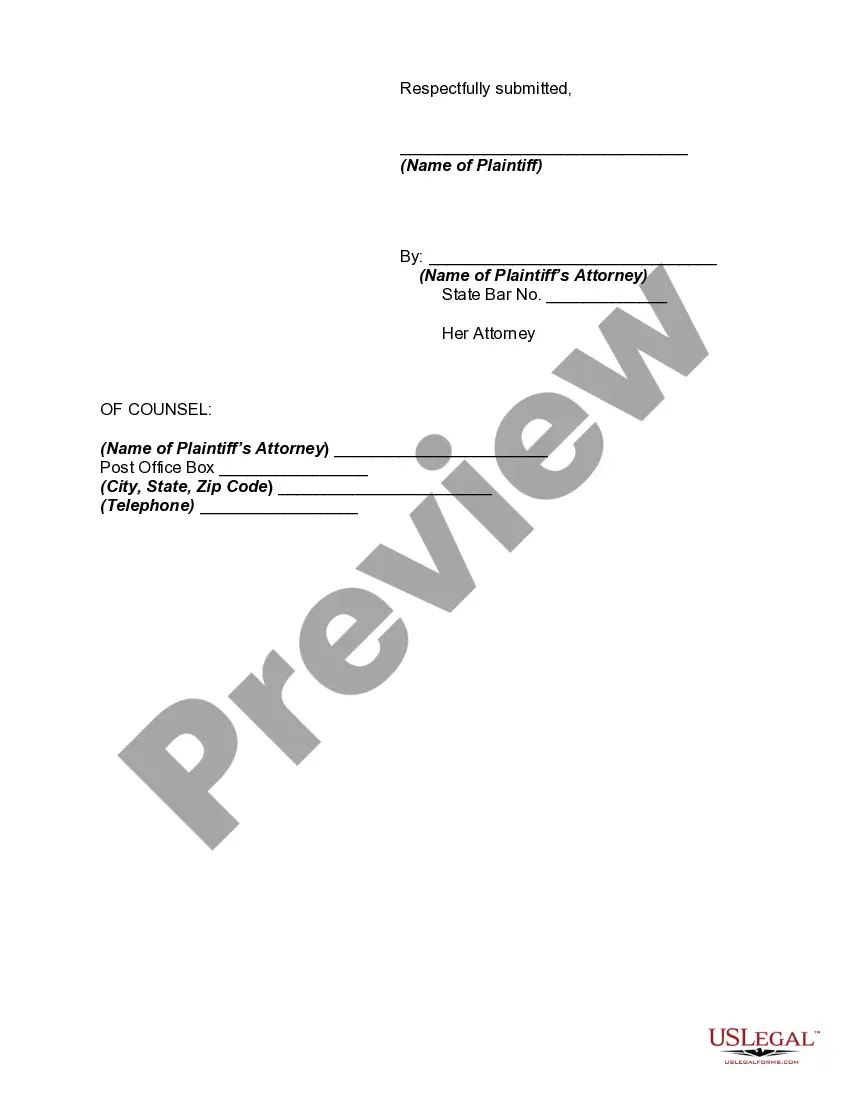


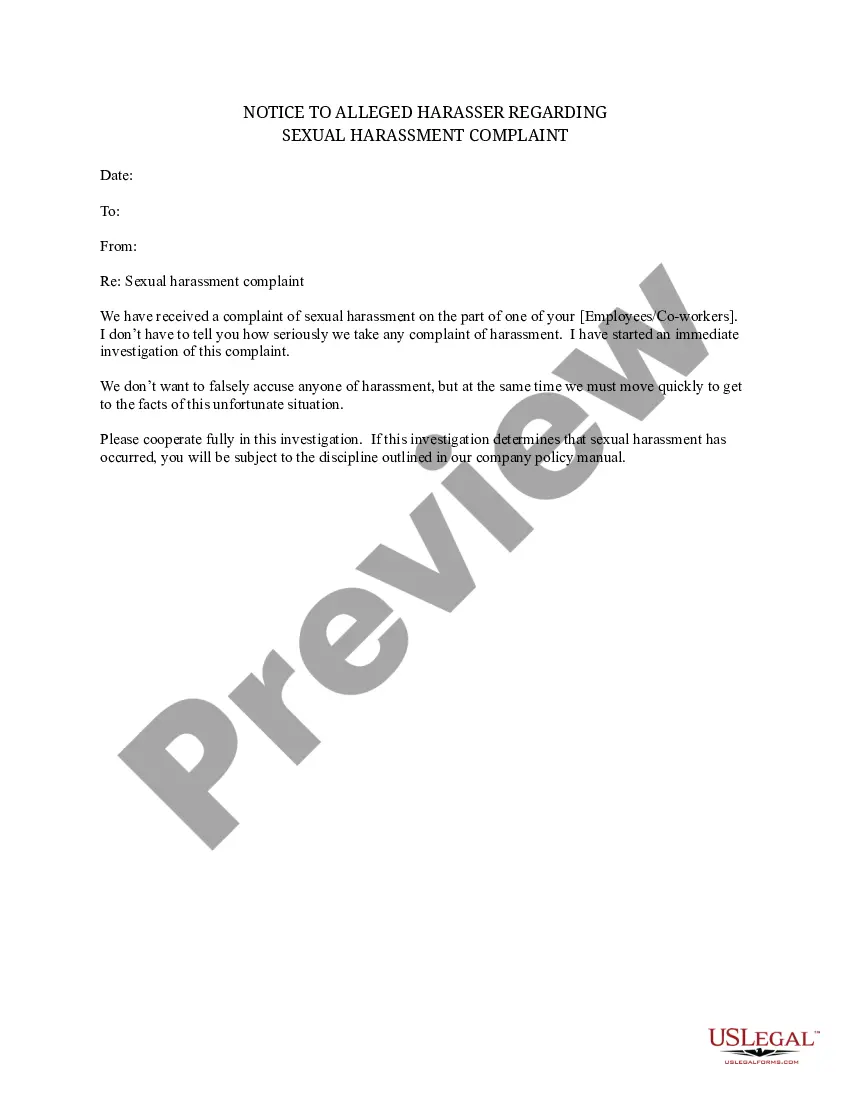
Get your form ready online
Our built-in tools help you complete, sign, share, and store your documents in one place.
Make edits, fill in missing information, and update formatting in US Legal Forms—just like you would in MS Word.
Download a copy, print it, send it by email, or mail it via USPS—whatever works best for your next step.
Sign and collect signatures with our SignNow integration. Send to multiple recipients, set reminders, and more. Go Premium to unlock E-Sign.
If this form requires notarization, complete it online through a secure video call—no need to meet a notary in person or wait for an appointment.
We protect your documents and personal data by following strict security and privacy standards.

Make edits, fill in missing information, and update formatting in US Legal Forms—just like you would in MS Word.

Download a copy, print it, send it by email, or mail it via USPS—whatever works best for your next step.

Sign and collect signatures with our SignNow integration. Send to multiple recipients, set reminders, and more. Go Premium to unlock E-Sign.

If this form requires notarization, complete it online through a secure video call—no need to meet a notary in person or wait for an appointment.

We protect your documents and personal data by following strict security and privacy standards.
Looking for another form?
How to fill out Complaint For Discrimination In Employment Based On Sex - Sexual Harassment And A Hostile Work Environment?
Locating a reliable source for the most up-to-date and pertinent legal templates constitutes a significant part of dealing with red tape.
Selecting the appropriate legal documents necessitates precision and meticulousness, which is why it is vital to acquire samples of Workplace Harassment exclusively from trustworthy providers, such as US Legal Forms.
Once the form is on your device, you can modify it using the editor or print it out to complete it manually. Eliminate the hassle associated with your legal documents. Explore the extensive US Legal Forms library to discover legal templates, verify their applicability to your circumstances, and download them instantly.
- Employ the library navigation or search bar to find your template.
- Examine the form’s description to confirm if it aligns with the requirements of your state and area.
- Access the form preview, if provided, to ensure the template is relevant to your needs.
- If the Workplace Harassment does not satisfy your criteria, return to the search for the correct document.
- If you're certain of the form’s applicability, proceed to download it.
- As a registered member, click Log in to verify your identity and access your selected forms in My documents.
- If you haven't created an account yet, click Buy now to acquire the template.
- Choose a pricing plan that caters to your requirements.
- Move forward with the registration process to complete your purchase.
- Conclude your purchase by selecting a payment method (credit card or PayPal).
- Opt for the document format for downloading Workplace Harassment.
Form popularity
FAQ
Proving workplace harassment involves demonstrating that the conduct was severe, pervasive, and problematic. This often requires documentation of specific incidents, such as dates, times, and details of what occurred, along with any witnesses present. Collecting this information can significantly strengthen your case. If you're unsure where to start, US Legal Forms offers tools and templates that can assist you in organizing your evidence and preparing for any necessary legal action.
To establish claims of workplace harassment, you need to gather evidence that demonstrates a pattern of unwelcome behavior affecting your work environment. This can include written communications, witness statements, and records of incidents. Documenting your experiences will be crucial in asserting your claims. Consider using the resources available on the US Legal Forms platform to help navigate the proof requirements effectively.
Workplace harassment includes any unwelcome behavior that creates a hostile or intimidating environment at work. This may involve verbal insults, unwanted advances, and discriminatory remarks based on race, gender, or other personal characteristics. It's important to note that such actions can occur from supervisors, colleagues, or even clients. If you feel uncomfortable or threatened in your workplace, it's essential to recognize these behaviors as potential workplace harassment.
Examples of workplace harassment include bullying, sexual harassment, and discriminatory comments. These behaviors can manifest as spreading rumors, making unsolicited advances, or engaging in retaliatory actions against those who report misconduct. Utilizing resources like USLegalForms can help victims navigate their rights and take appropriate action against workplace harassment.
Harassment in the workplace can range from offensive jokes to threats and unwanted physical contact. It is any action that targets an individual based on their race, gender, age, disability, or other protected characteristics. Understanding the scope of workplace harassment is essential for both employees and employers to ensure a safe and healthy work environment.
An example of workplace harassment is a supervisor repeatedly making derogatory remarks about an employee's background or personal appearance. This type of behavior not only affects the employee's morale but also disrupts team dynamics. Addressing and reporting such incidents promptly is vital for fostering a respectful and inclusive workplace.
Workplace harassment includes unwanted and inappropriate behavior that creates a hostile work environment. This can involve verbal comments, physical actions, or visual displays that demean or intimidate a colleague. Importantly, workplace harassment undermines employees' ability to work comfortably and effectively, and recognizing such behavior is crucial for maintaining a positive workplace culture.
Workplace harassment can manifest in various forms, including unwanted comments about a person's appearance, offensive jokes, or inappropriate touching. It can also include bullying behaviors like isolation or threats. Recognizing these actions is vital for creating a safe work environment. If you experience or observe such behavior, it's essential to report it and seek guidance, such as using platforms like US Legal Forms for proper documentation and support.
To effectively report workplace harassment, you need to gather comprehensive evidence. This may include emails, text messages, or any written communication that reflects the harassment. Additionally, recording dates, locations, and the names of witnesses helps strengthen your case. Having this detailed documentation ensures that you provide clear and convincing information to support your claim.