Eeoc Definition Of Discrimination
Description



Get your form ready online
Our built-in tools help you complete, sign, share, and store your documents in one place.
Make edits, fill in missing information, and update formatting in US Legal Forms—just like you would in MS Word.
Download a copy, print it, send it by email, or mail it via USPS—whatever works best for your next step.
Sign and collect signatures with our SignNow integration. Send to multiple recipients, set reminders, and more. Go Premium to unlock E-Sign.
If this form requires notarization, complete it online through a secure video call—no need to meet a notary in person or wait for an appointment.
We protect your documents and personal data by following strict security and privacy standards.

Make edits, fill in missing information, and update formatting in US Legal Forms—just like you would in MS Word.

Download a copy, print it, send it by email, or mail it via USPS—whatever works best for your next step.

Sign and collect signatures with our SignNow integration. Send to multiple recipients, set reminders, and more. Go Premium to unlock E-Sign.

If this form requires notarization, complete it online through a secure video call—no need to meet a notary in person or wait for an appointment.

We protect your documents and personal data by following strict security and privacy standards.
Looking for another form?
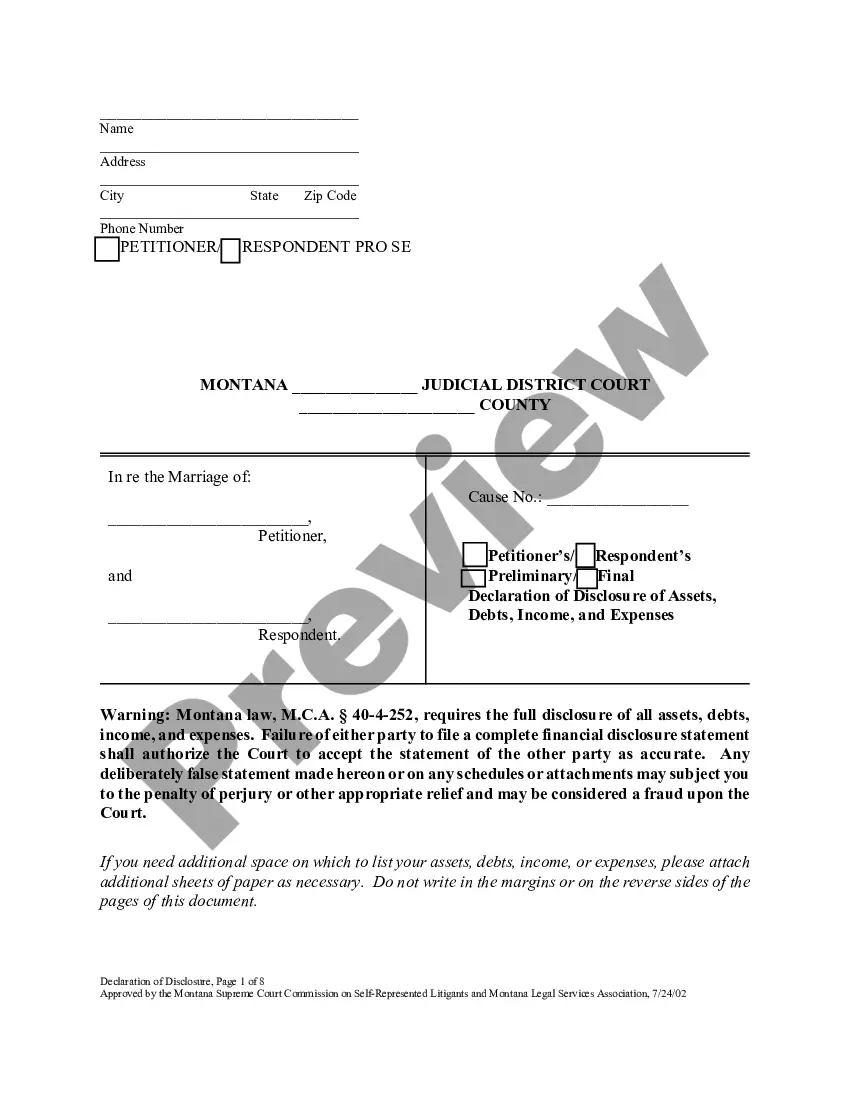



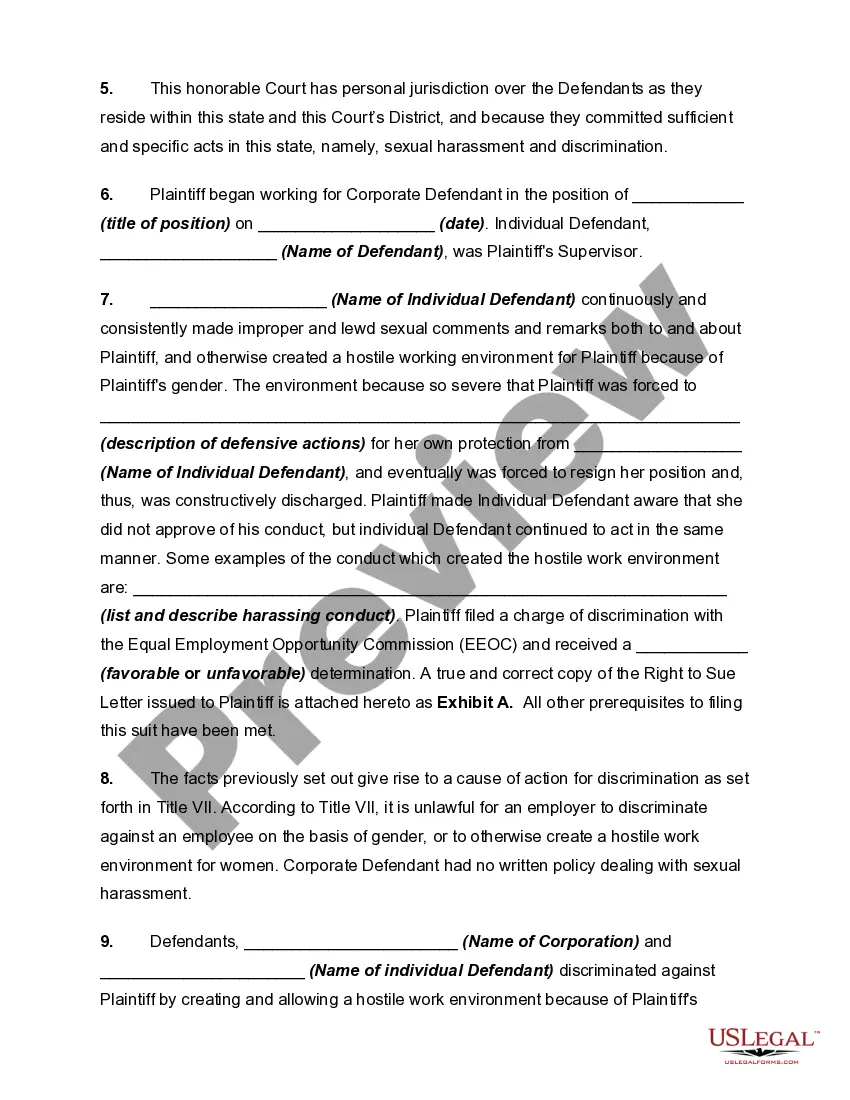
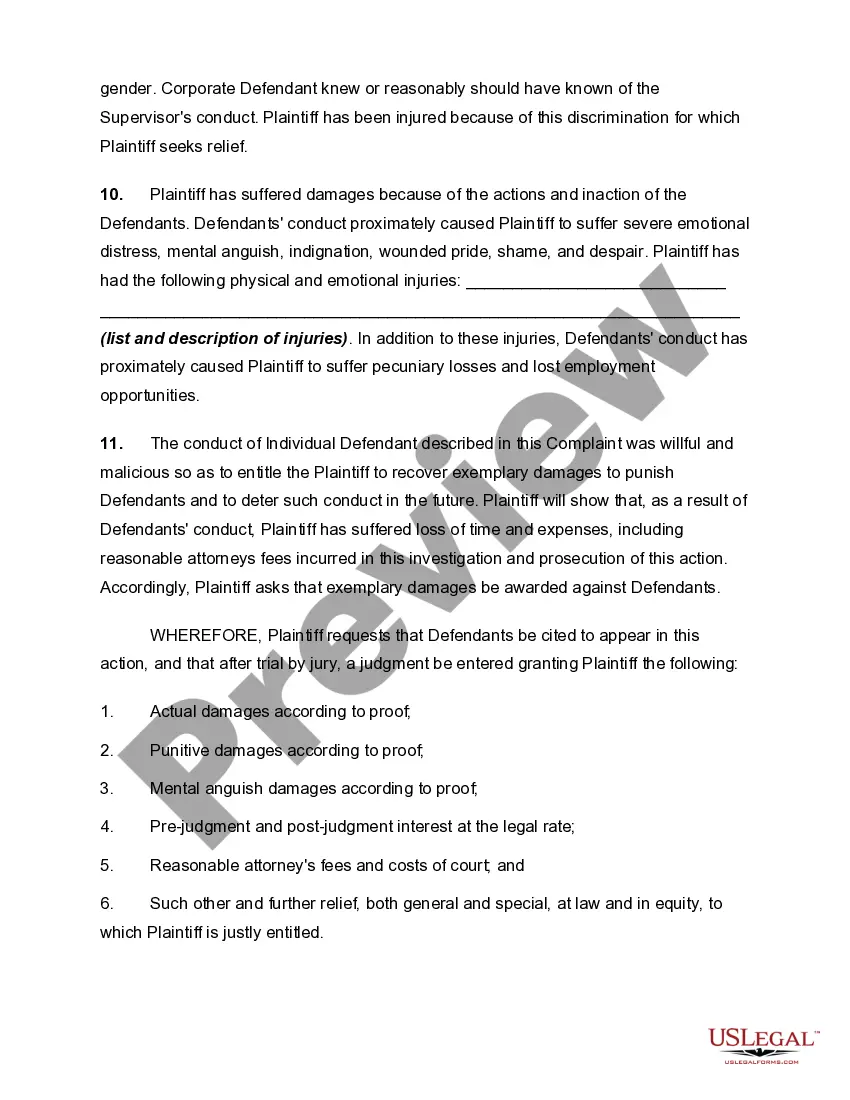
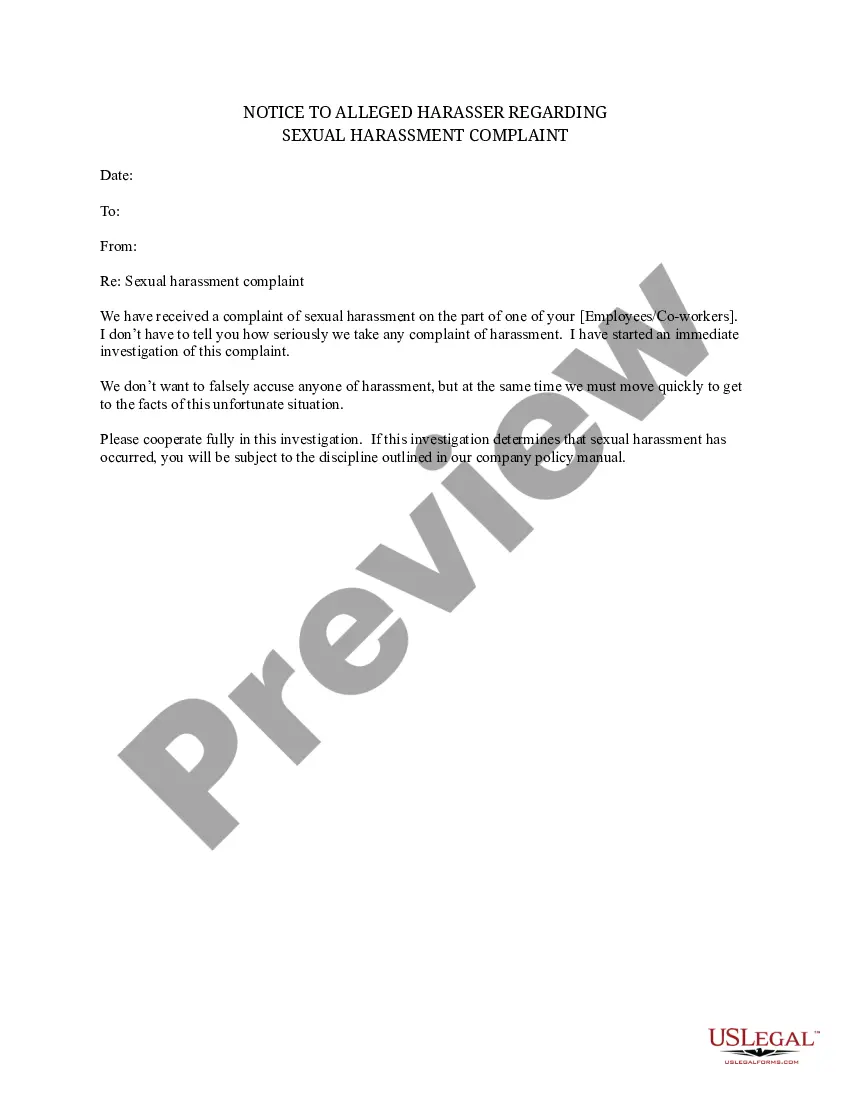
How to fill out Complaint For Discrimination In Employment Based On Sex - Sexual Harassment And A Hostile Work Environment?
It’s well-known that you cannot transform into a legal expert instantly, nor can you learn how to swiftly prepare the Eeoc Definition Of Discrimination without possessing a specialized foundation.
Assembling legal documents is a lengthy process that demands particular education and proficiency. So why not entrust the task of crafting the Eeoc Definition Of Discrimination to the experts.
With US Legal Forms, one of the most comprehensive legal document repositories, you can access everything from court papers to templates for internal business communication. We recognize how vital conformity and compliance with federal and state laws and regulations are. That’s why, on our platform, all forms are tailored to specific locations and current.
- Start with our platform and obtain the document you require in just a few minutes.
- Find the form you’re searching for using the search bar at the top of the page.
- Preview it (if this option is available) and review the accompanying description to determine if the Eeoc Definition Of Discrimination is what you need.
- Restart your search if you require a different template.
- Create a free account and select a subscription plan to acquire the template.
Form popularity
FAQ
The most common discrimination claim made to the EEOC involves allegations of retaliation. Individuals often report that they faced negative consequences after exercising their rights under the EEOC definition of discrimination. This highlights the importance of understanding your rights in the workplace. USLegalForms provides resources and tools to help you navigate such claims effectively.
The EEOC definition of discrimination refers to the unfair treatment of individuals based on specific characteristics, such as race, gender, age, or disability. Discrimination occurs when a person is treated less favorably than another in similar circumstances. Understanding this definition is crucial for both employees and employers, as it guides behaviors and policies in the workplace. If you want more clarity on your rights or need to navigate a discrimination situation, uslegalforms can provide valuable resources.
A description of the events or incidents you believed to be discriminatory, and when they occurred. You don't have to relay entire conversations or episodes ? just concentrate on the specific words or conduct at issue, and the key players. If other employees were there to witness the alleged discrimination, mention it.
The name, address, and telephone number of the person who is being treated unfairly; The name, address, and telephone number of the employer you are filing the complaint against; A brief description of the event or events that you believe are unfair or harassing; and. The dates these events occurred.
During the investigation, the organization and the Charging Party will be asked to provide information. The EEOC investigator will evaluate the information submitted and make a recommendation as to whether there is reasonable cause to believe that unlawful discrimination has taken place.
The four types of discrimination, as outlined by the Equality Act of 2020, include: Direct discrimination. Indirect discrimination. Harassment. Victimisation.
Who Has to Prove Discrimination Occurred? The burden of proof ultimately rests with the aggrieved person at all times; however, there is a three- step process utilized by the EEOC and the courts when deciding if discrimination occurred or not.