Lease Damage Charges
Description
Get your form ready online
Our built-in tools help you complete, sign, share, and store your documents in one place.
Make edits, fill in missing information, and update formatting in US Legal Forms—just like you would in MS Word.
Download a copy, print it, send it by email, or mail it via USPS—whatever works best for your next step.
Sign and collect signatures with our SignNow integration. Send to multiple recipients, set reminders, and more. Go Premium to unlock E-Sign.
If this form requires notarization, complete it online through a secure video call—no need to meet a notary in person or wait for an appointment.
We protect your documents and personal data by following strict security and privacy standards.

Make edits, fill in missing information, and update formatting in US Legal Forms—just like you would in MS Word.

Download a copy, print it, send it by email, or mail it via USPS—whatever works best for your next step.

Sign and collect signatures with our SignNow integration. Send to multiple recipients, set reminders, and more. Go Premium to unlock E-Sign.

If this form requires notarization, complete it online through a secure video call—no need to meet a notary in person or wait for an appointment.

We protect your documents and personal data by following strict security and privacy standards.
Looking for another form?



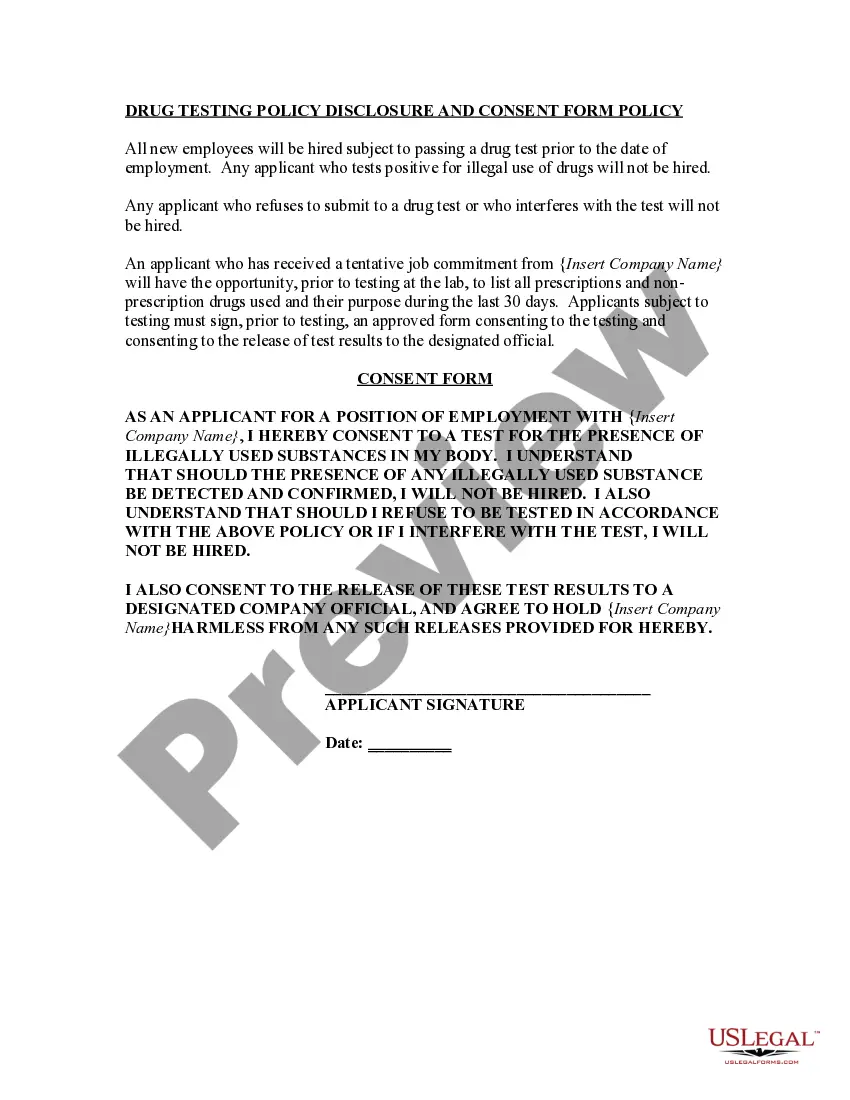
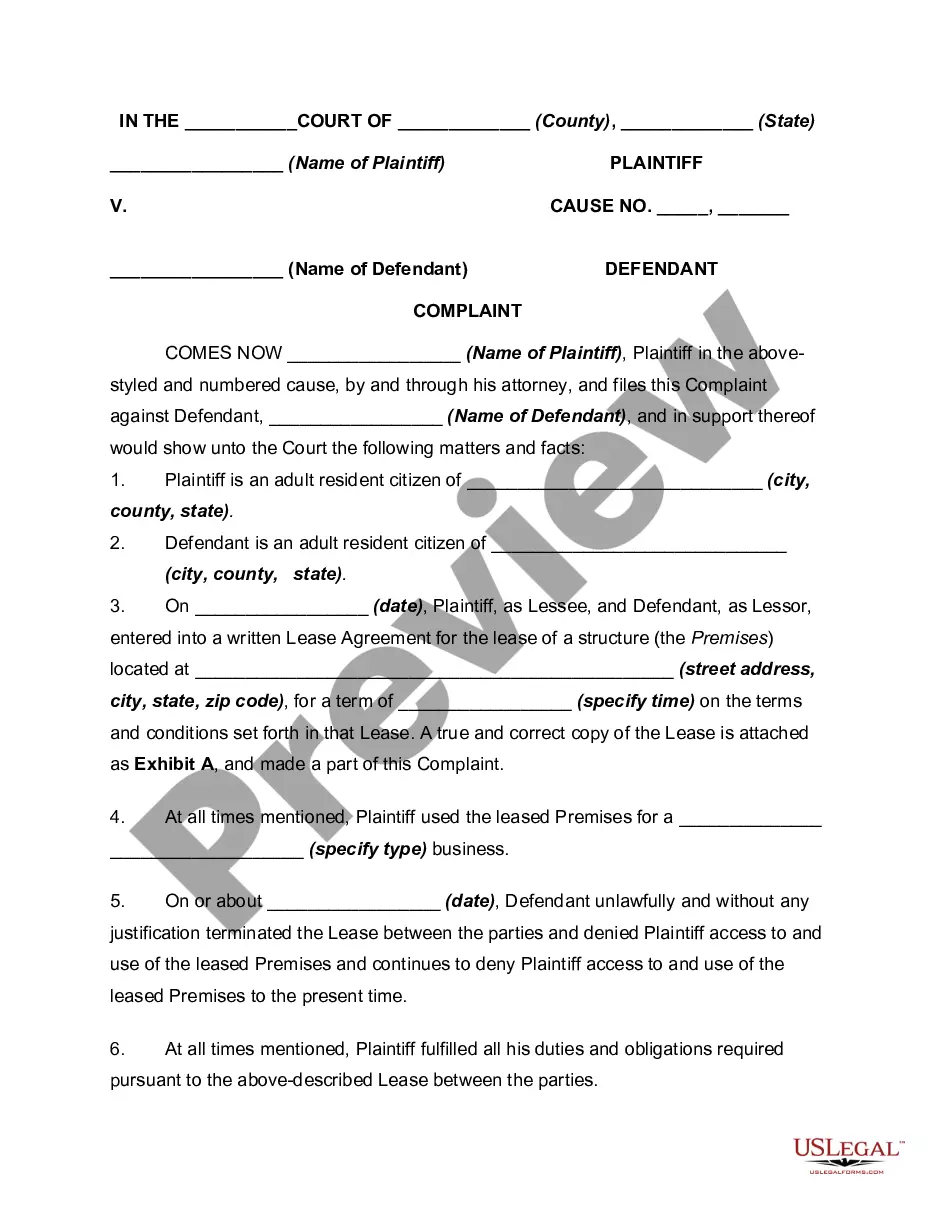
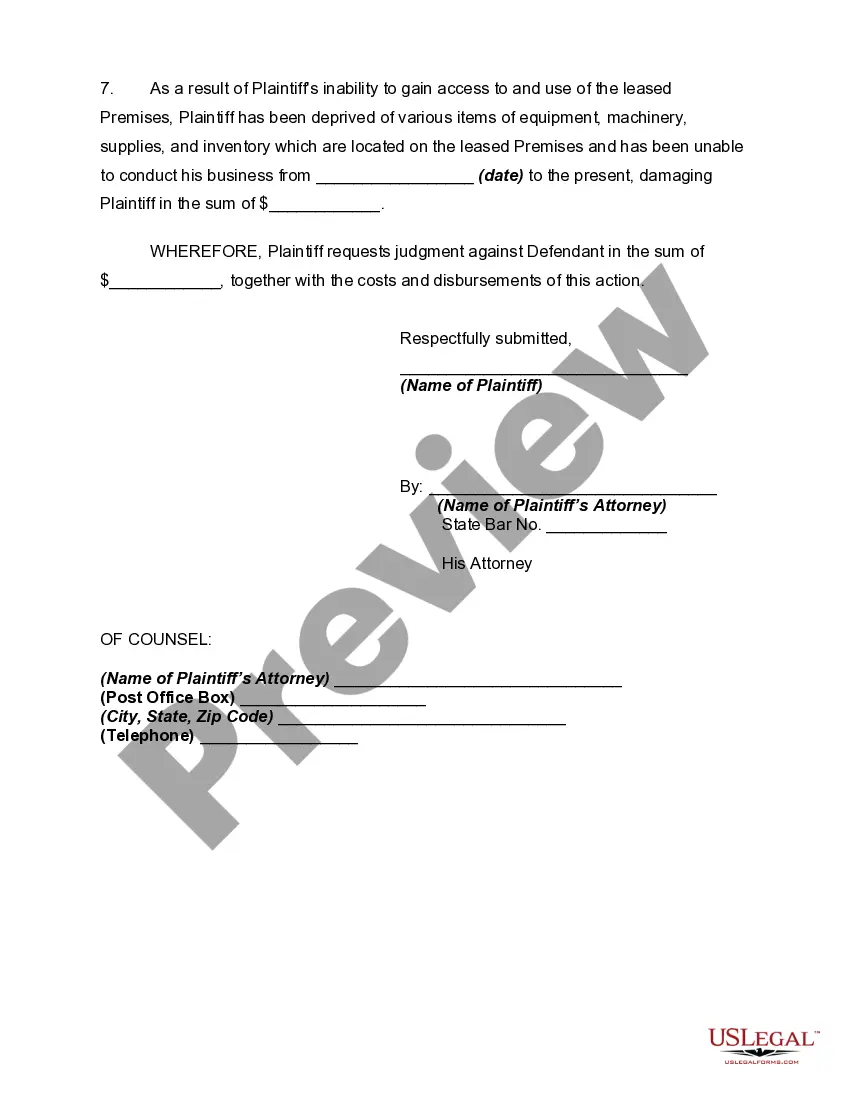
How to fill out Complaint - Damages For Wrongful Termination Of Lease?
Locating a reliable source to obtain the most up-to-date and pertinent legal templates is a significant part of navigating bureaucracy.
Identifying the correct legal documents requires accuracy and meticulousness, which is why it is essential to obtain Lease Damage Charges samples solely from trustworthy outlets, such as US Legal Forms. An incorrect template can squander your time and delay the situation you face.
Eliminate the hassle associated with your legal documentation. Explore the vast US Legal Forms repository where you can find legal templates, assess their relevance to your situation, and download them immediately.
- Use the catalog navigation or search bar to find your document.
- Review the form's details to confirm it meets the requirements of your state and locality.
- Access the form preview, if available, to verify that the form is the one you need.
- Return to the search and find the suitable template if the Lease Damage Charges does not meet your needs.
- If you are confident about the form's appropriateness, download it.
- If you are a registered user, click Log in to verify and access your selected templates in My documents.
- If you have not created an account yet, click Buy now to purchase the form.
- Select the pricing tier that matches your requirements.
- Proceed to registration to complete your transaction.
- Finalize your order by choosing a payment method (credit card or PayPal).
- Choose the document format for downloading Lease Damage Charges.
- After you have the form on your device, you can edit it or print it and fill it out by hand.
Form popularity
FAQ
Leaseplan typically defines acceptable damage thresholds in your lease agreement. Minor dings, small scratches, and minimal wear are often acceptable, but anything beyond this may result in lease damage charges. To ensure you remain within allowable limits, familiarize yourself with your lease terms. Being proactive can save you from incurring extra costs at the end of your lease.
If you scratch the rims of a leased car, you may incur lease damage charges when you return the vehicle. These charges are assessed based on the extent of the damage and your lease terms. It’s wise to document any damage before returning the car to avoid surprises. Proper care of your leased vehicle can help you mitigate these potential costs.
Generally, the lessee is responsible for repairs on a leased vehicle unless otherwise specified in the lease agreement. Any necessary repairs not covered by warranty, or due to wear and tear, may result in lease damage charges. To avoid unexpected costs, always communicate with your leasing company regarding maintenance obligations. Staying informed helps you manage potential repair expenses effectively.
You can return a leased car with damage, but it's likely you will incur lease damage charges. Leasing companies assess the vehicle for any damage that exceeds standard wear and tear. To avoid high charges, consider addressing minor damage before returning the car. Using services from uslegalforms can guide you in reviewing your lease terms and understanding your responsibilities.
Yes, you can dispute end of lease charges if you believe they are unjustified. It's important to document the vehicle's condition and any correspondence with the leasing company. Presenting your case effectively can lead to a reduction or removal of the lease damage charges. Platforms like uslegalforms can help provide the necessary legal documentation to support your dispute.
When a driver leases a car, they agree to maintain it in good condition. Lease damage charges may apply if the vehicle shows significant wear or damage beyond normal use. Typically, leasing companies conduct inspections at the end of the lease term to assess any damage. Understanding the terms of your lease agreement can help you avoid unexpected charges.
To bill a tenant for damages, landlords should prepare a detailed statement outlining the damages and associated lease damage charges. Clear documentation, including photos and repair estimates, provides transparency and justification. Sending the bill via certified mail ensures that the tenant receives it, establishing a record of communication. Platforms like US Legal Forms offer templates to assist landlords in crafting accurate and professional bills.
Yes, landlords must demonstrate the extent of damages to justify lease damage charges. This proof can include photographs, repair estimates, or itemized lists outlining the issues. In the absence of solid evidence, tenants can dispute the charges, potentially leading to conflict. Therefore, it's crucial for landlords to document conditions before and after the lease.