Property Disclosure Form Maine
Description
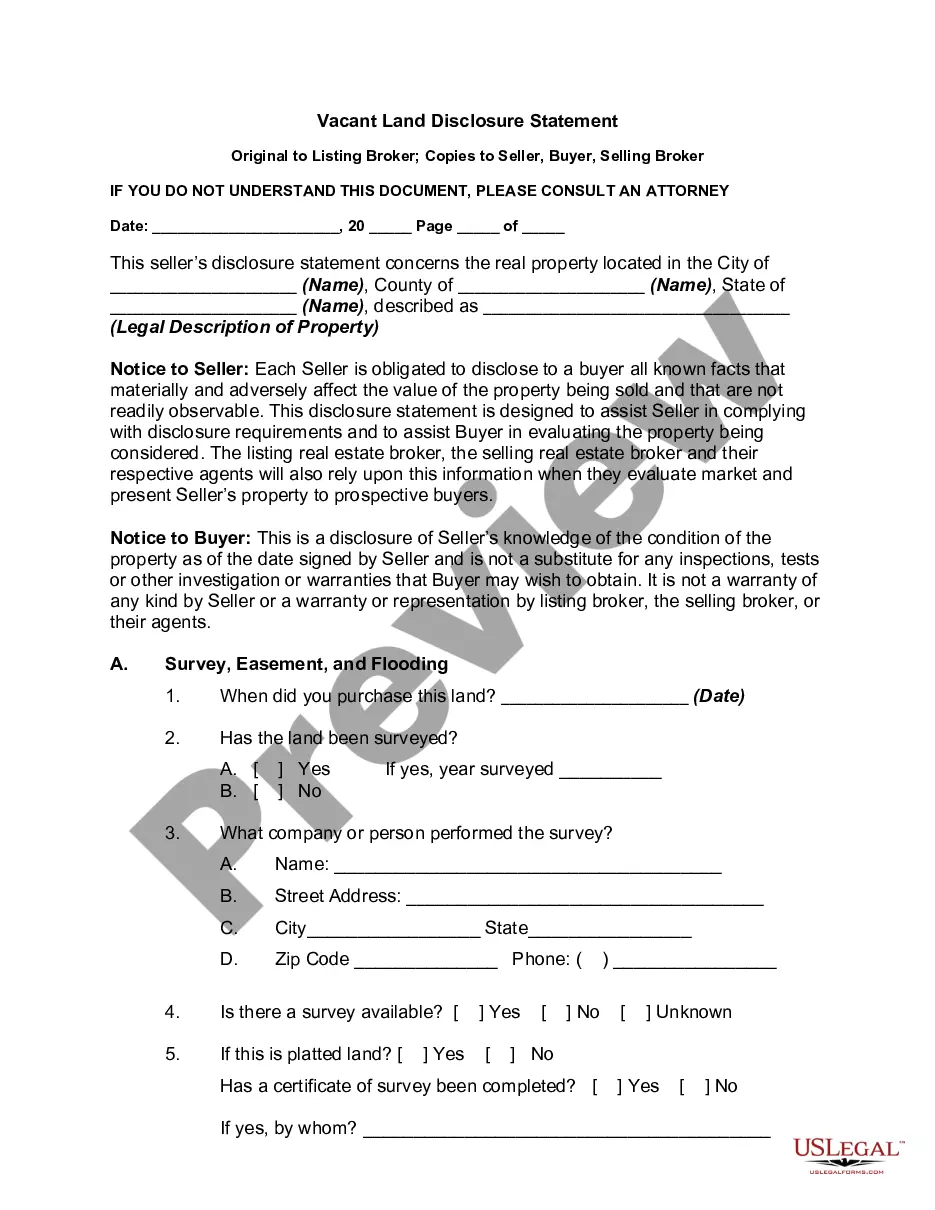


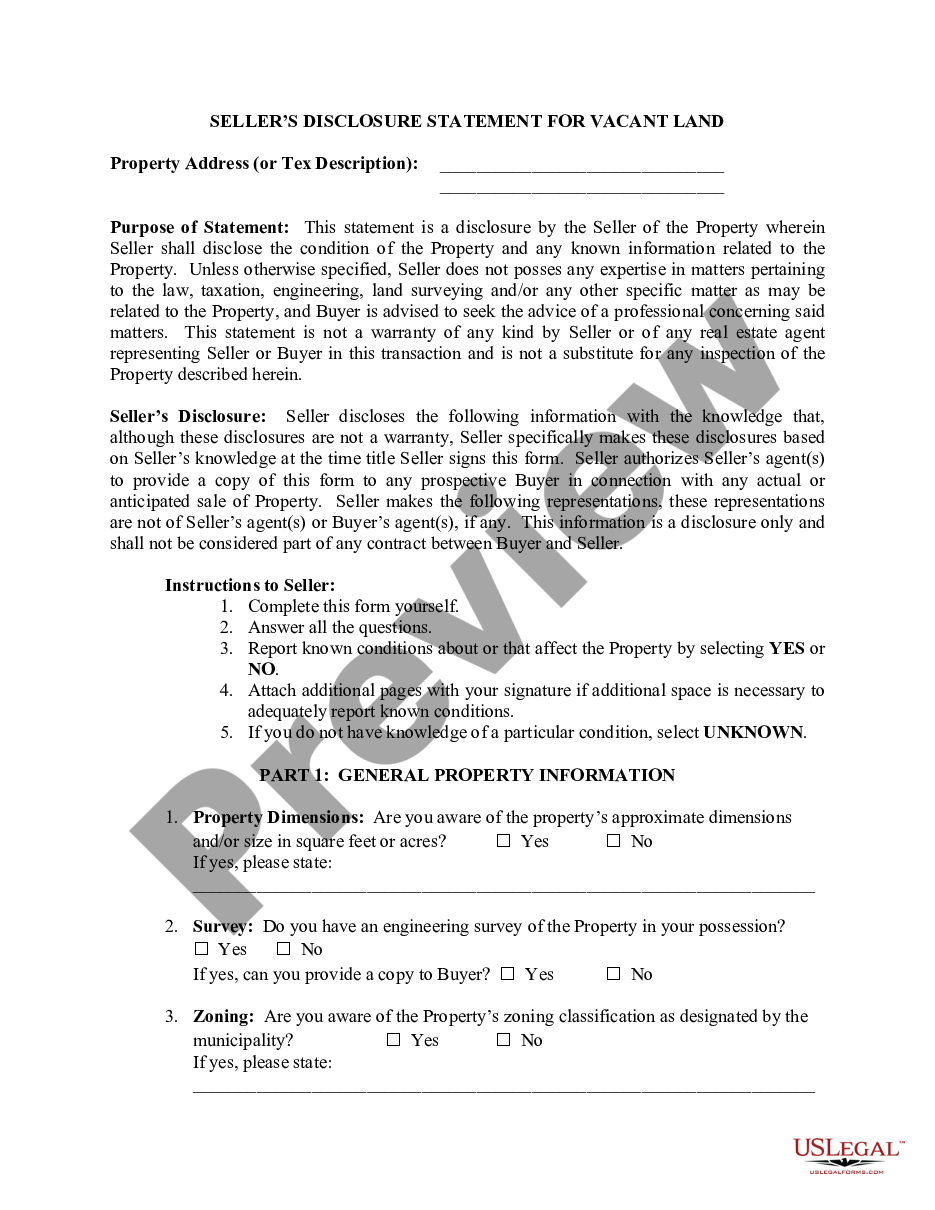
Get your form ready online
Our built-in tools help you complete, sign, share, and store your documents in one place.
Make edits, fill in missing information, and update formatting in US Legal Forms—just like you would in MS Word.
Download a copy, print it, send it by email, or mail it via USPS—whatever works best for your next step.
Sign and collect signatures with our SignNow integration. Send to multiple recipients, set reminders, and more. Go Premium to unlock E-Sign.
If this form requires notarization, complete it online through a secure video call—no need to meet a notary in person or wait for an appointment.
We protect your documents and personal data by following strict security and privacy standards.

Make edits, fill in missing information, and update formatting in US Legal Forms—just like you would in MS Word.

Download a copy, print it, send it by email, or mail it via USPS—whatever works best for your next step.

Sign and collect signatures with our SignNow integration. Send to multiple recipients, set reminders, and more. Go Premium to unlock E-Sign.

If this form requires notarization, complete it online through a secure video call—no need to meet a notary in person or wait for an appointment.

We protect your documents and personal data by following strict security and privacy standards.
Looking for another form?
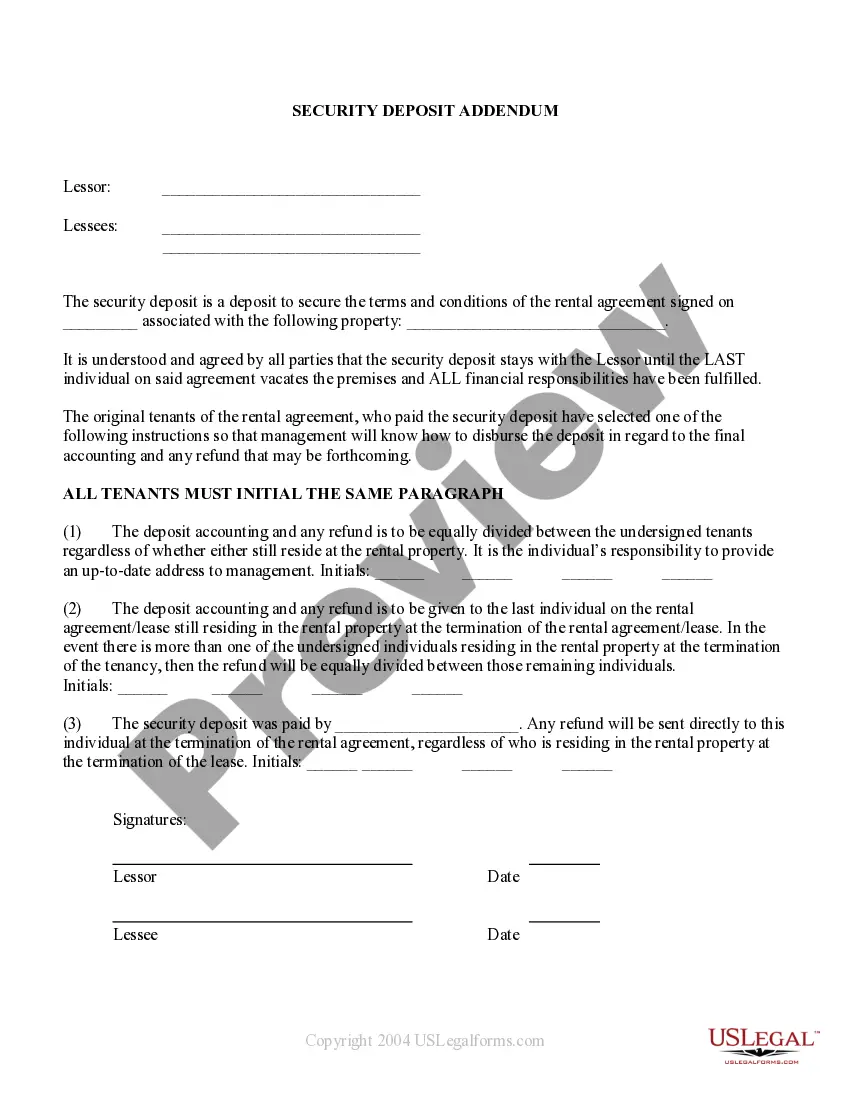
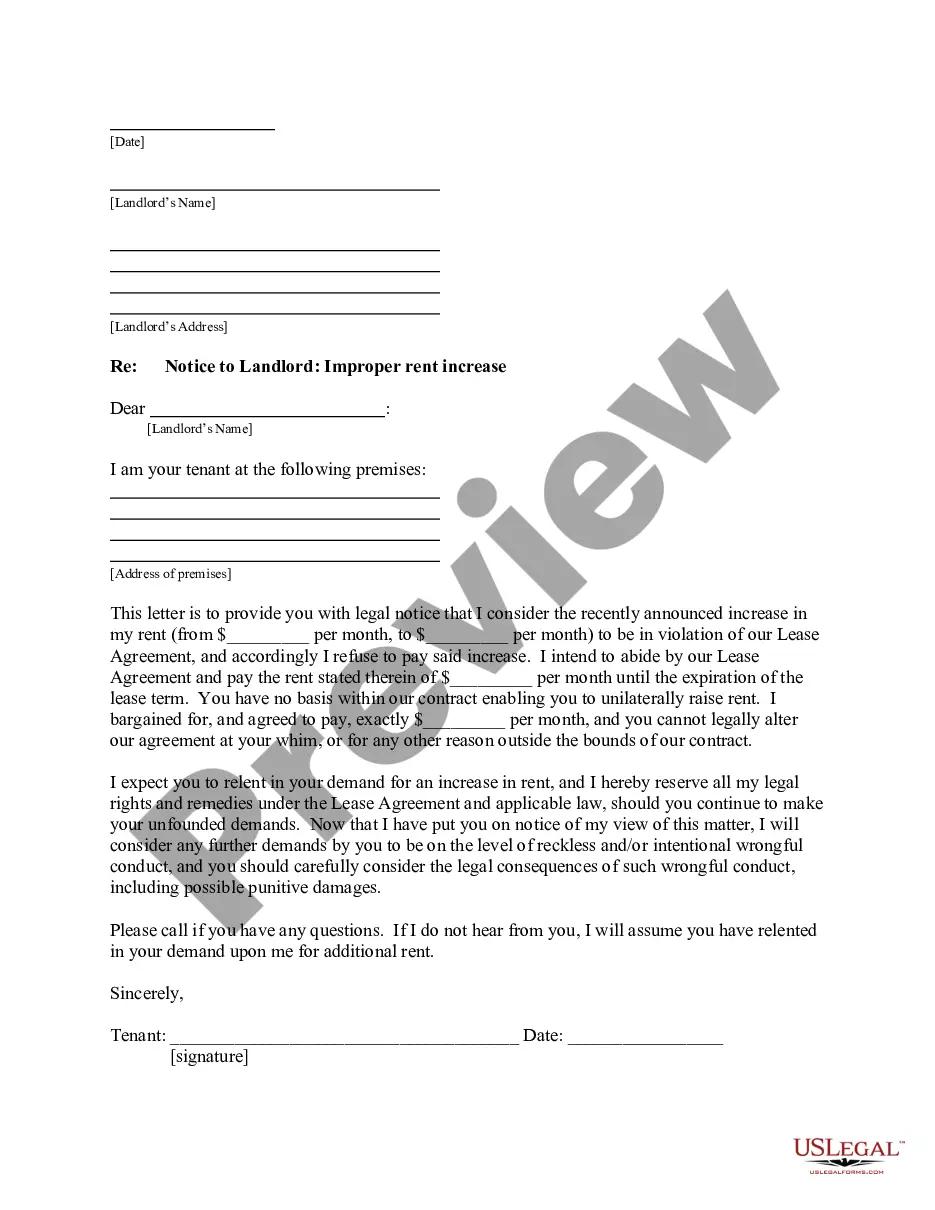

How to fill out Vacant Land Disclosure Statement?
Locating a reliable destination to get the latest and pertinent legal templates is a significant part of navigating through bureaucracy.
Selecting the correct legal forms necessitates accuracy and meticulousness, which highlights the importance of obtaining samples of the Property Disclosure Form Maine exclusively from trustworthy providers, such as US Legal Forms.
Eliminate the complications associated with your legal paperwork. Explore the vast US Legal Forms library to discover legal templates, evaluate their relevance to your situation, and download them immediately.
- Employ the library navigation or search function to identify your template.
- Access the form's details to verify its compatibility with the regulations of your state and area.
- View the form preview, if available, to confirm the template is what you need.
- If the Property Disclosure Form Maine does not fit your requirements, continue your search for the appropriate template.
- When you are confident about the form's suitability, download it.
- If you are a registered user, click Log in to verify and retrieve your selected forms in My documents.
- If you do not have an account yet, click Buy now to acquire the form.
- Choose the payment plan that meets your needs.
- Proceed with the registration to complete your transaction.
- Finalize your purchase by selecting a payment option (credit card or PayPal).
- Choose the file format for downloading the Property Disclosure Form Maine.
- After obtaining the form on your device, you may modify it using the editor or print it to complete manually.
Form popularity
FAQ
In Maryland, a valid will must be (1) in writing, (2) signed, and (3) attested and signed by two credible witnesses. It may be handwritten or typed and any two adults can be witnesses. A will does not require a notary, though a notary can be a witness. Electronic, oral, and video wills are not valid in Maryland.
However, there are many considerations in making your will, and although there is no law requiring you to use an attorney for your will, it is typically beneficial to have the knowledge and insight of someone familiar with Maryland's probate and estate laws to help you draft your last will and testament.
Unlike trust assets, pour-over property may not avoid the probate process. Probate is a court-supervised procedure in which a judge oversees the distribution of assets owned solely in your name at the time of death.
In Maryland, a valid will must be (1) in writing, (2) signed, and (3) attested and signed by two credible witnesses. It may be handwritten or typed and any two adults can be witnesses. A will does not require a notary, though a notary can be a witness. Electronic, oral, and video wills are not valid in Maryland.
Four Steps to Creating a Will in Maryland Step 1: Select a Personal Representative. Step 2: Choose Your Beneficiaries. Step 3: Assess and Divide Your Assets. Step 4: Record Your Wishes in Written Form and Get the Right Signatures.
Maryland Law requires that any one holding an original Will and/or Codicil(s) must file that document with the Register of Wills promptly after a decedent's death even if there are no assets. However, although the Will and/or Codicil are kept on file, no probate proceedings are required to be opened.
In Maryland, the average cost for a will typically ranges from $200 to $600, depending on the attorney's fees and the complexity of the will. The average cost for a trust in Maryland can range from $1,000 to $3,000 or more, depending on the type of trust, attorney's fees, and the complexity of the trust's provisions.
How do you write a pour-over will? Set up a living trust. Before you can make a pour-over will, you first need to create a living trust. ... Name your trustee as the beneficiary in your pour-over will. ... Name a will executor. ... Consider your other estate-planning needs.