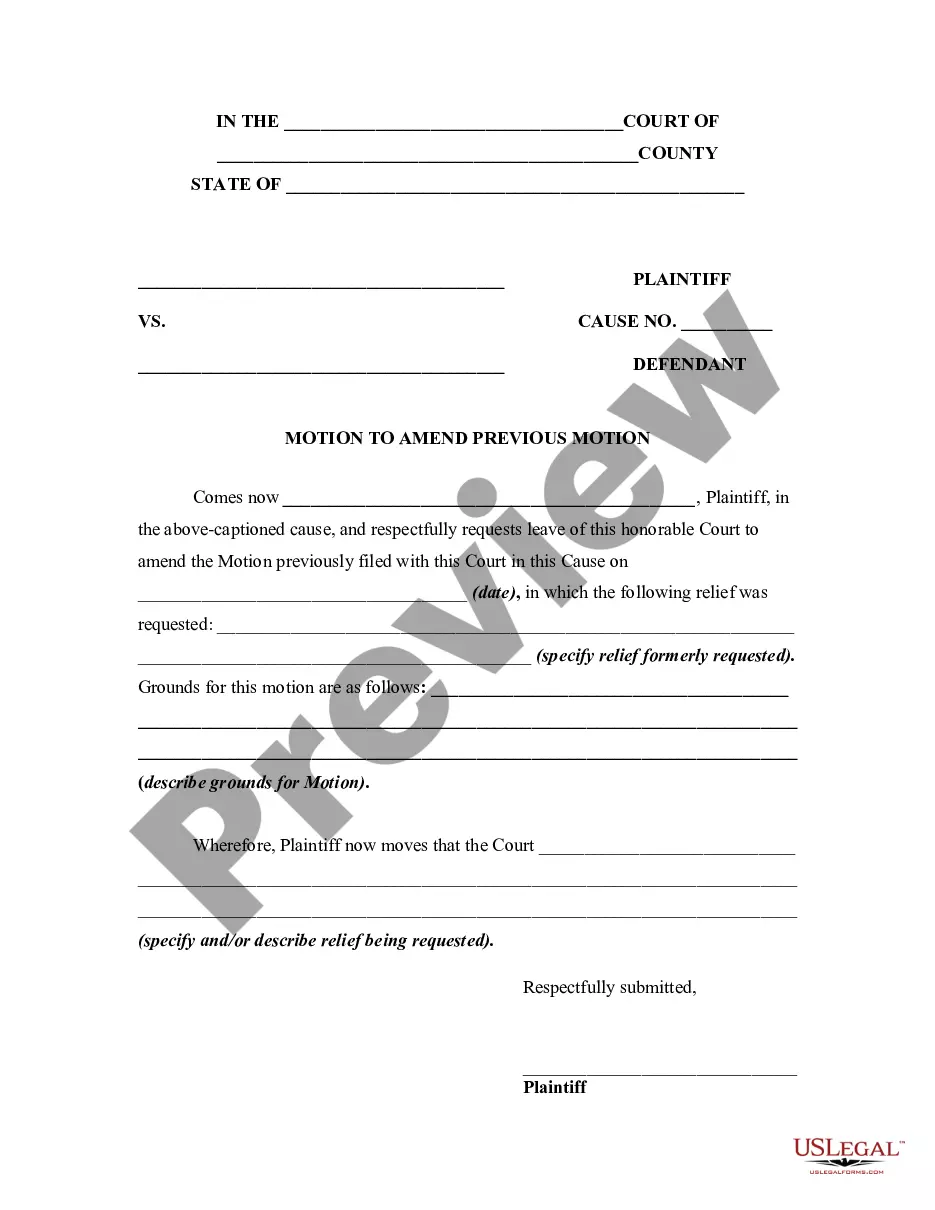
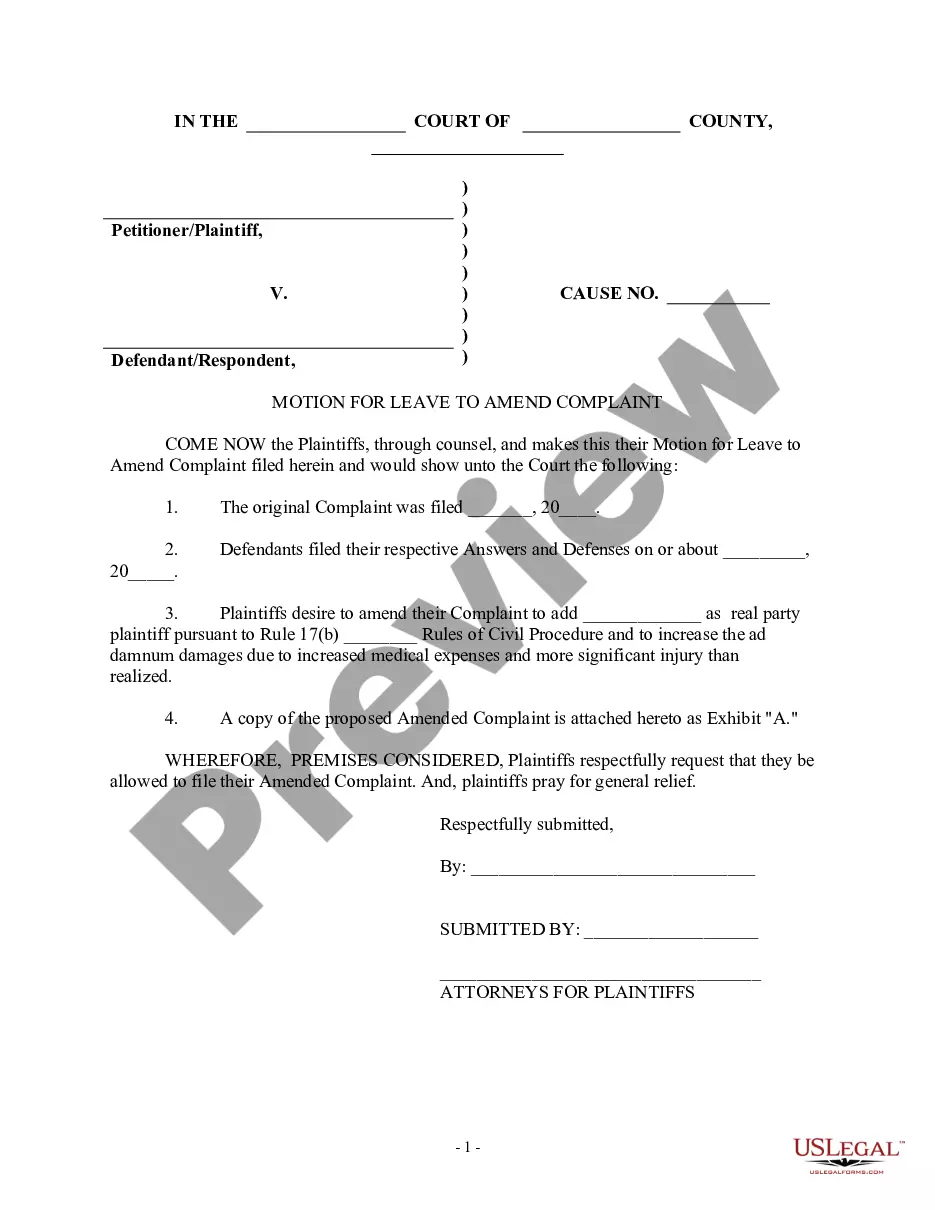
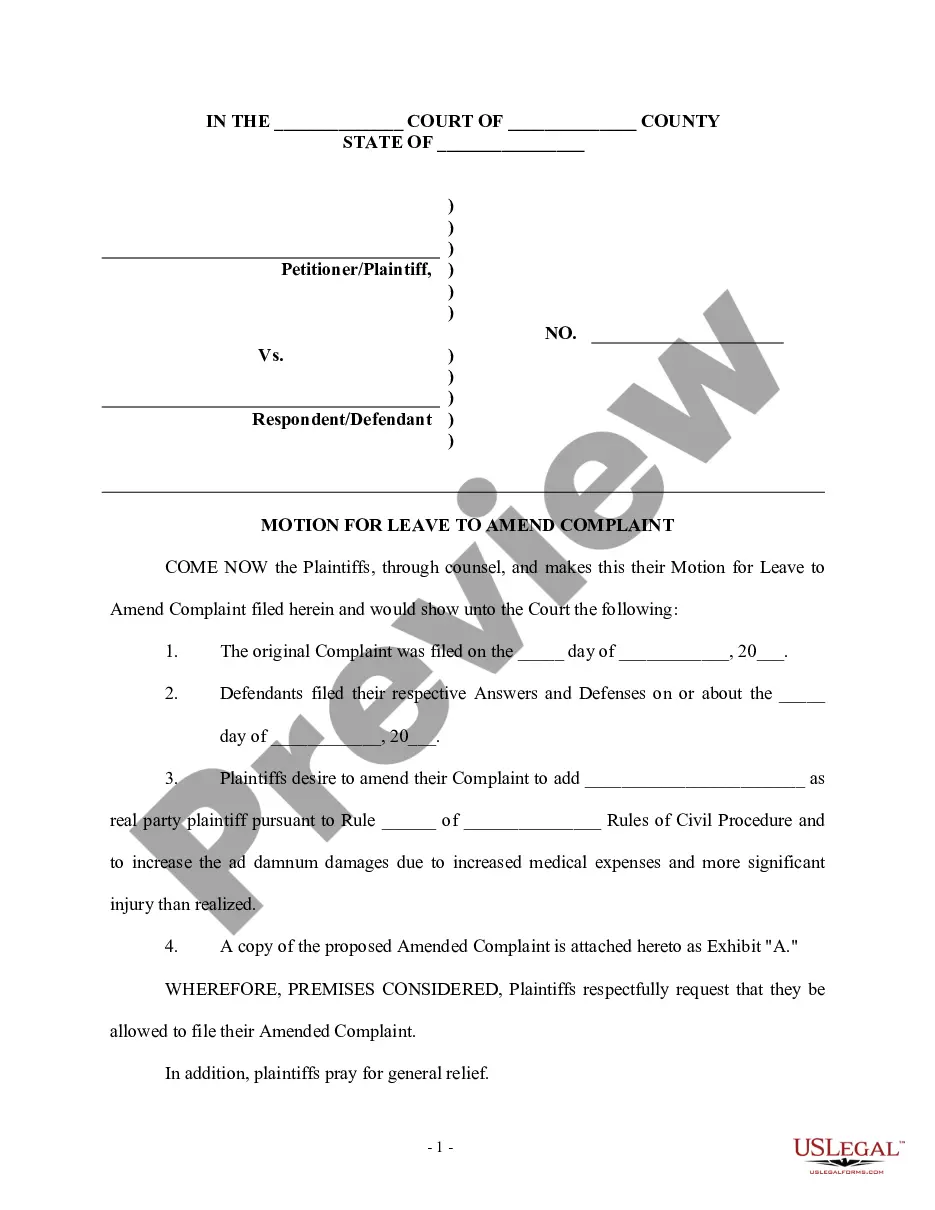
Motion For Leave To Amend By Interlineation Florida
Description
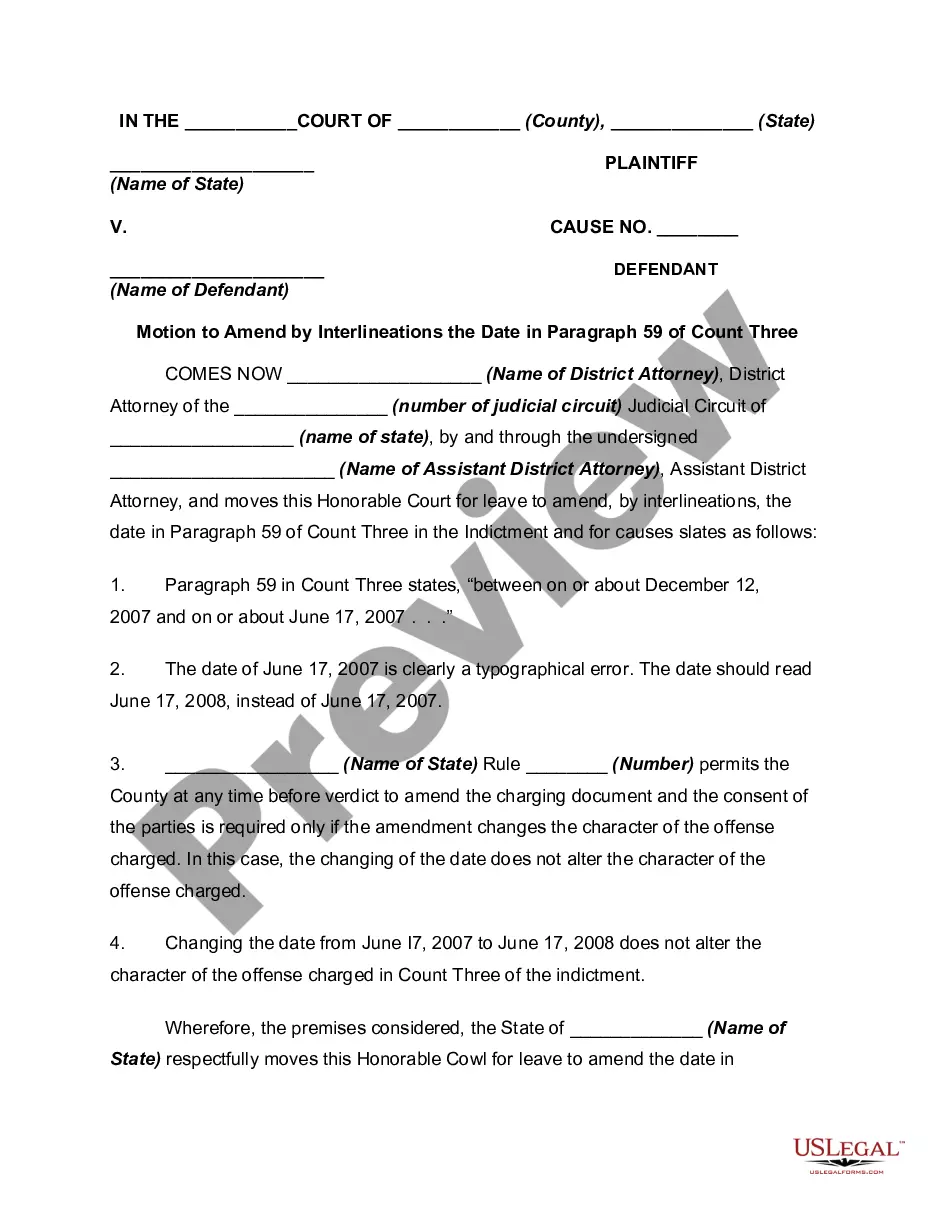
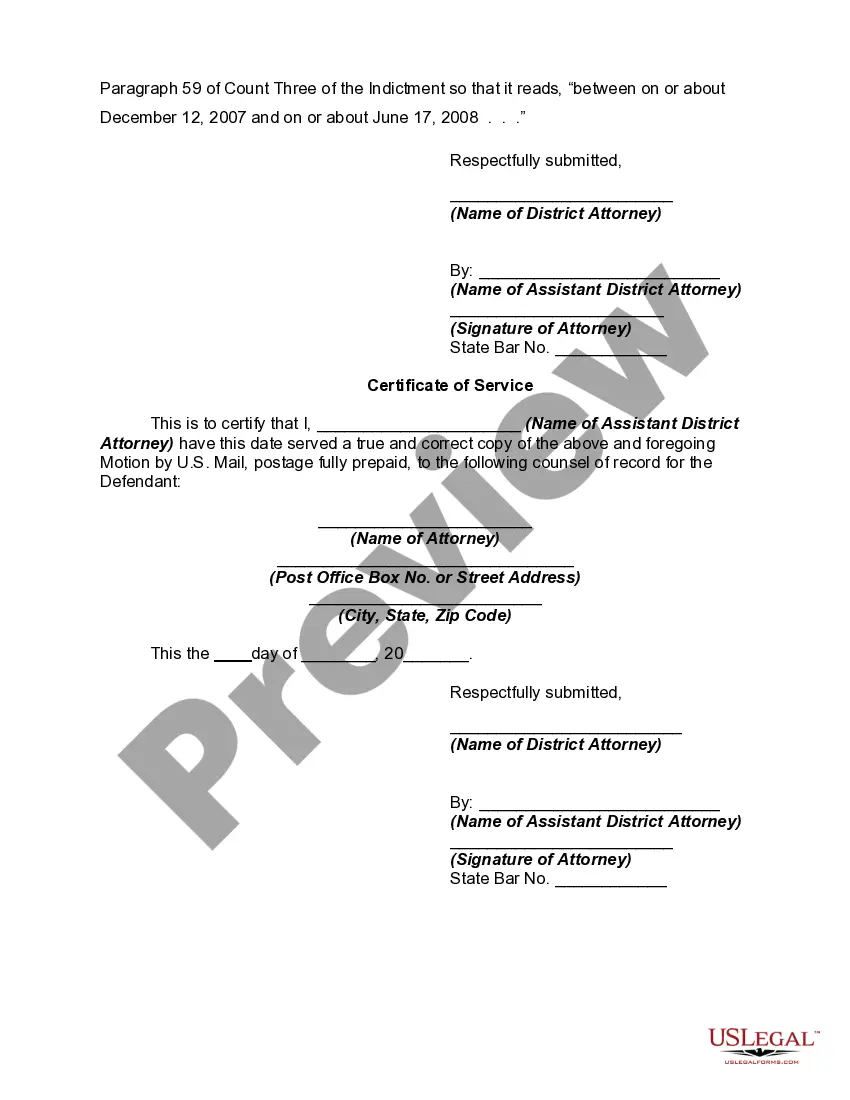
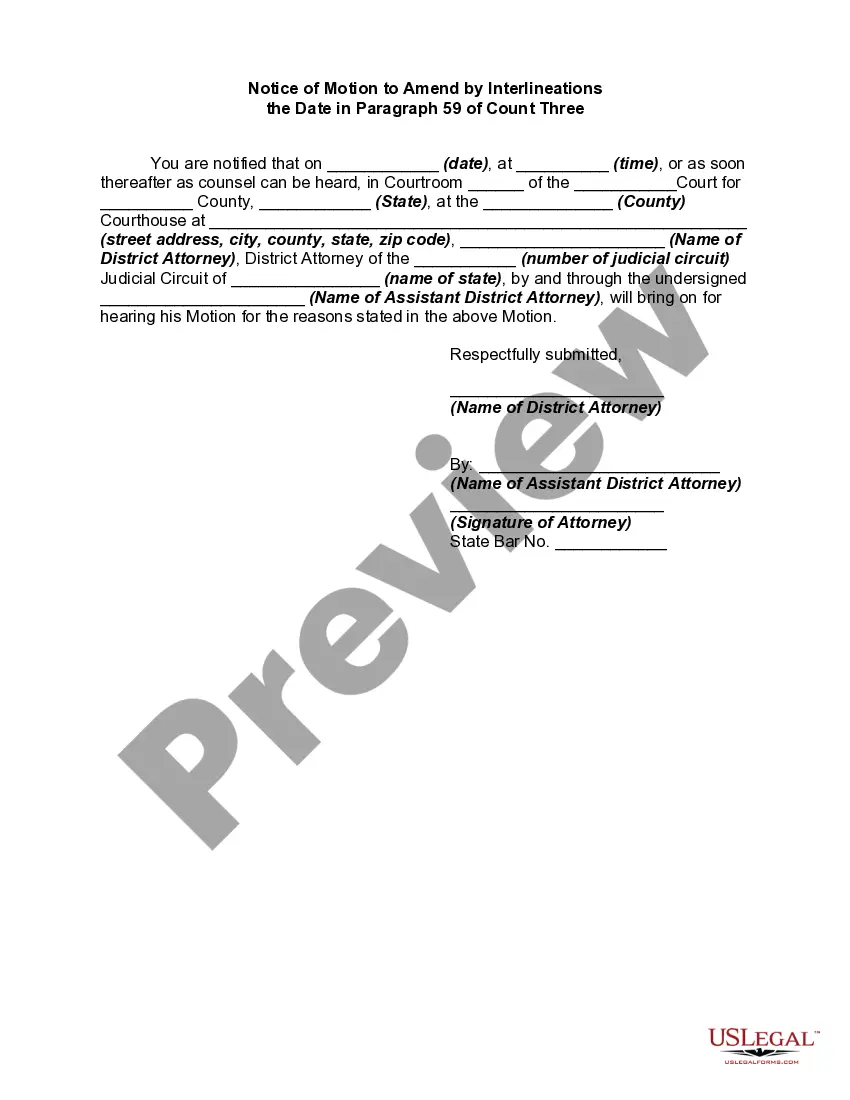
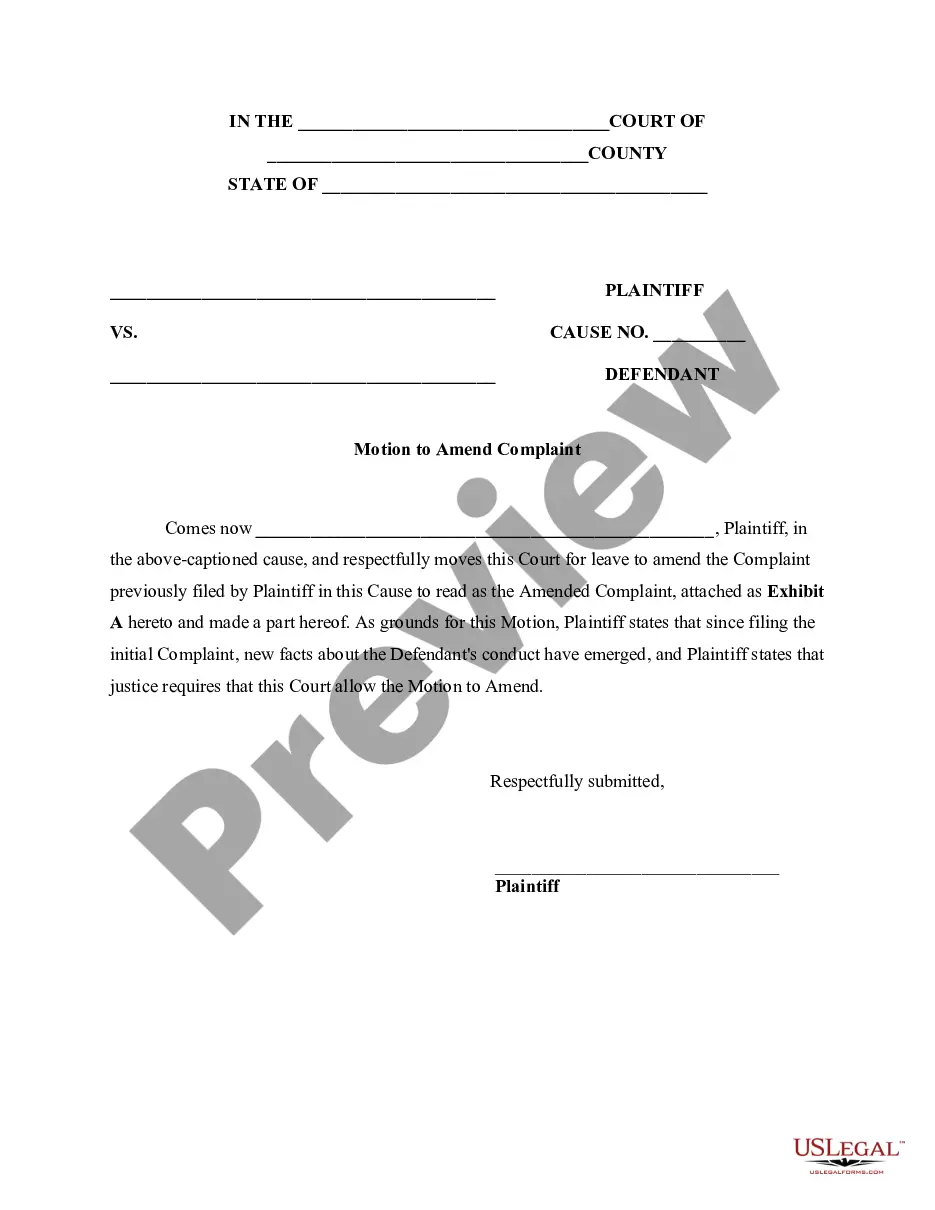

Get your form ready online
Our built-in tools help you complete, sign, share, and store your documents in one place.
Make edits, fill in missing information, and update formatting in US Legal Forms—just like you would in MS Word.
Download a copy, print it, send it by email, or mail it via USPS—whatever works best for your next step.
Sign and collect signatures with our SignNow integration. Send to multiple recipients, set reminders, and more. Go Premium to unlock E-Sign.
If this form requires notarization, complete it online through a secure video call—no need to meet a notary in person or wait for an appointment.
We protect your documents and personal data by following strict security and privacy standards.

Make edits, fill in missing information, and update formatting in US Legal Forms—just like you would in MS Word.

Download a copy, print it, send it by email, or mail it via USPS—whatever works best for your next step.

Sign and collect signatures with our SignNow integration. Send to multiple recipients, set reminders, and more. Go Premium to unlock E-Sign.

If this form requires notarization, complete it online through a secure video call—no need to meet a notary in person or wait for an appointment.

We protect your documents and personal data by following strict security and privacy standards.
Looking for another form?







How to fill out Motion To Amend By Interlineations?
It's clear that you cannot transform into a legal expert instantaneously, nor can you swiftly understand how to draft Motion For Leave To Amend By Interlineation Florida without a specific set of expertise.
Drafting legal documents is an extensive task that demands specialized training and abilities. So why not entrust the preparation of the Motion For Leave To Amend By Interlineation Florida to the professionals.
With US Legal Forms, which boasts one of the most comprehensive libraries of legal templates, you can locate everything from court documents to internal communication templates.
Select Buy now. Once your payment is processed, you can download the Motion For Leave To Amend By Interlineation Florida, fill it out, print it, and send or mail it to the appropriate parties.
You can regain access to your documents anytime from the My documents tab. If you are an existing client, you can simply Log In and find the template from the same section.
- Start off by visiting our website and obtaining the necessary form in just a few minutes.
- Use the search bar at the top of the page to find the form you need.
- If the preview option is available, review it and read the accompanying description to see if Motion For Leave To Amend By Interlineation Florida is what you seek.
- If you need another template, initiate your search again.
- Create a free account and select a subscription plan to purchase the template.
Form popularity
FAQ
Rule 1.190 outlines procedures for amending pleadings in Florida. It specifies when and how you can file a motion for leave to amend by interlineation Florida, focusing on ensuring that all parties receive fair notice of changes. Familiarity with this rule is essential for any legal practitioner working within Florida's court system.
A Loan Agreement, also known as a term loan, demand loan, or a loan contract, is a contract that documents a financial agreement between two parties, where one is the lender and the other is the borrower. This contract specifies the amount of the loan, any interest charges, the repayment plan, and payment dates.
A loan agreement is any written document that memorializes the lending of money. Loan agreements can take several forms. The most basic loan agreement is commonly called an "IOU." These are typically used between friends or relatives for small amounts of money, and simply state the dollar amount that is owed.
Do you need to notarize a Loan Agreement? First and foremost, understand that personal loan agreements fall into the classification of contracts. Technically, you don't have to notarize these documents. But if you want to make this document legally binding, then notarization is the best course of action.
A personal loan agreement is a legally binding contract that defines the expectations for both a borrower and a lender. It can be drawn up with an official lender, like a bank or credit union, or used in a more informal situation, such as with a friend who's lending you an amount of money.
No. Promissory notes do not need to be notarized. The borrower only needs to sign the document to make it legally enforceable. A witness may be helpful if one party contests the note, but a notary is not necessary.
There are 10 basic provisions that should be in a loan agreement. Identity of the parties. The names of the lender and borrower need to be stated. ... Date of the agreement. ... Interest rate. ... Repayment terms. ... Default provisions. ... Signatures. ... Choice of law. ... Severability.
Loan agreements typically include covenants, value of collateral involved, guarantees, interest rate terms and the duration over which it must be repaid. Default terms should be clearly detailed to avoid confusion or potential legal court action.