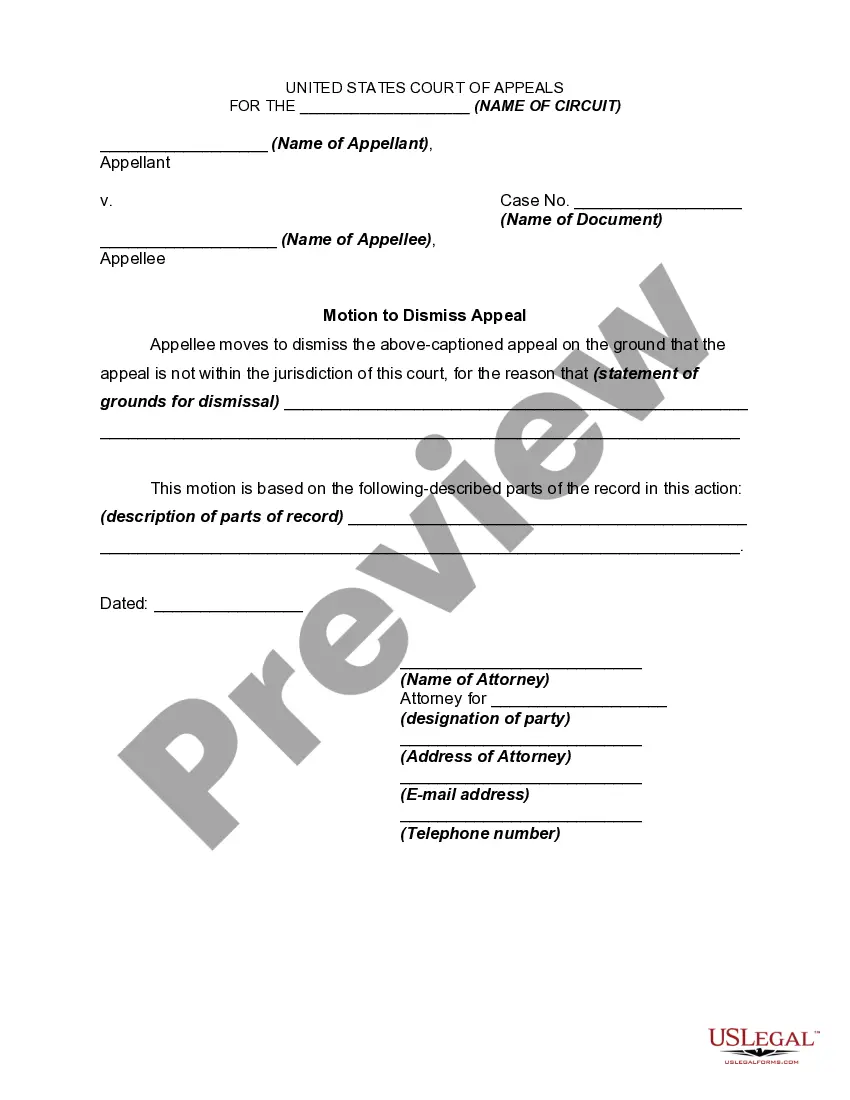
Criminal Appeal Process Steps
Description
Get your form ready online
Our built-in tools help you complete, sign, share, and store your documents in one place.
Make edits, fill in missing information, and update formatting in US Legal Forms—just like you would in MS Word.
Download a copy, print it, send it by email, or mail it via USPS—whatever works best for your next step.
Sign and collect signatures with our SignNow integration. Send to multiple recipients, set reminders, and more. Go Premium to unlock E-Sign.
If this form requires notarization, complete it online through a secure video call—no need to meet a notary in person or wait for an appointment.
We protect your documents and personal data by following strict security and privacy standards.

Make edits, fill in missing information, and update formatting in US Legal Forms—just like you would in MS Word.

Download a copy, print it, send it by email, or mail it via USPS—whatever works best for your next step.

Sign and collect signatures with our SignNow integration. Send to multiple recipients, set reminders, and more. Go Premium to unlock E-Sign.

If this form requires notarization, complete it online through a secure video call—no need to meet a notary in person or wait for an appointment.

We protect your documents and personal data by following strict security and privacy standards.
Looking for another form?


How to fill out Motion To Dismiss Appeal - Not Within Jurisdiction Of Court?
- Access your US Legal Forms account by logging in and verifying your subscription status. Download the necessary form template with a click of the Download button.
- If you're new to US Legal Forms, start by previewing the form descriptions and ensure you've selected one that aligns with both your requirements and local jurisdiction standards.
- Should you need a different template, utilize the Search tab to locate the appropriate form. Make sure it suits your needs before proceeding.
- Proceed to purchase the document by clicking the Buy Now button and selecting your preferred subscription plan. You will need to create an account for full access.
- Complete your transaction by entering your payment details through credit card or PayPal. After confirmation, you can download the form.
- Once downloaded, save it to your device. You can access it anytime through the My Forms section of your profile.
In conclusion, utilizing US Legal Forms not only provides you with access to a vast collection of over 85,000 legal forms but also connects you with premium experts for added support. This ensures that you create accurate and legally binding documents.
Get started today to streamline your criminal appeal process!
Form popularity
FAQ
In Georgia, you typically have 30 days from the date of the conviction to file an appeal. It is crucial to follow the specific criminal appeal process steps, as missing this deadline can forfeit your right to appeal. Engaging with a qualified attorney can help ensure that all necessary paperwork is filed timely and correctly. To streamline this process, consider using resources and services offered by platforms like US Legal Forms to guide you.
While this question pertains specifically to disability, understanding the criminal appeal process steps can be beneficial in navigating legal appeals. Generally, the five key steps include seeking a reconsideration, appealing to an administrative law judge, obtaining a decision, requesting further review, and finally, defending your case in federal court if necessary. Each step requires meticulous documentation and the presentation of compelling evidence. Platforms like US Legal Forms can provide essential resources and templates to support you through these intricate processes.
The success rate for criminal appeals varies significantly, but studies show that around 20% to 25% result in a favorable outcome. Success often depends on the strength of the arguments presented and the evidence available. Understanding these criminal appeal process steps can help identify potential weaknesses in your case. Engaging with a legal expert can improve your chances and guide you effectively through the appeal.
The procedure for appeal typically involves several critical stages, including filing the initial notice, preparing legal documents, and awaiting the court’s decision. You must ensure that all filings are completed by deadlines and are formatted according to court rules. Additionally, the appellate court will conduct a thorough review of the case without reevaluating the evidence. Utilizing platforms like uslegalforms can provide essential guidance through each stage of the criminal appeal process steps.
When you make an appeal, you are seeking to have a higher court review the decision made in your case. The goal is to identify any errors in the legal process or representation that may have affected the outcome. By demonstrating these issues, you aim to have the original verdict overturned or modified. This is a critical part of the criminal appeal process steps.
Appeals can get denied for various reasons. Commonly, courts find that there is not enough legal basis to challenge the original verdict or that there were no procedural errors that significantly impacted the case. Additionally, if the appeal lacks compelling evidence or arguments to show why the decision should change, it is likely to be denied. Understanding these points is crucial when navigating the criminal appeal process steps.
Writing a good appeal brief requires clarity and organization. Start by summarizing the trial court proceedings, then present your arguments supported by relevant legal precedents and documentation. Focusing on the significant legal points and structuring your brief effectively can enhance your chances of success in the criminal appeal process steps.
To write a powerful appeal letter, clearly state the reason for your appeal and provide specific details from your case that support your argument. Use straightforward language, and be respectful in your tone to strengthen your plea. Addressing the key errors made during the original trial is important, as this can significantly influence the outcome of your appeal.
An example of an appeal could involve a defendant arguing that new evidence has come to light, which could have influenced the trial’s outcome. This could include witness testimonies or documents that were not available during the initial trial. By presenting such evidence in the appeal, the defendant aims to show that the initial verdict was unjust.
Common grounds for criminal appeal include inadequate legal representation, improper admission of evidence, and jury misconduct. Additionally, you may also appeal based on issues like prosecutorial misconduct or the judge's errors in interpreting the law. Identifying the right grounds for appeal is crucial in strengthening your case during the criminal appeal process.