Motion To Withdraw Pleading Federal Court
Description
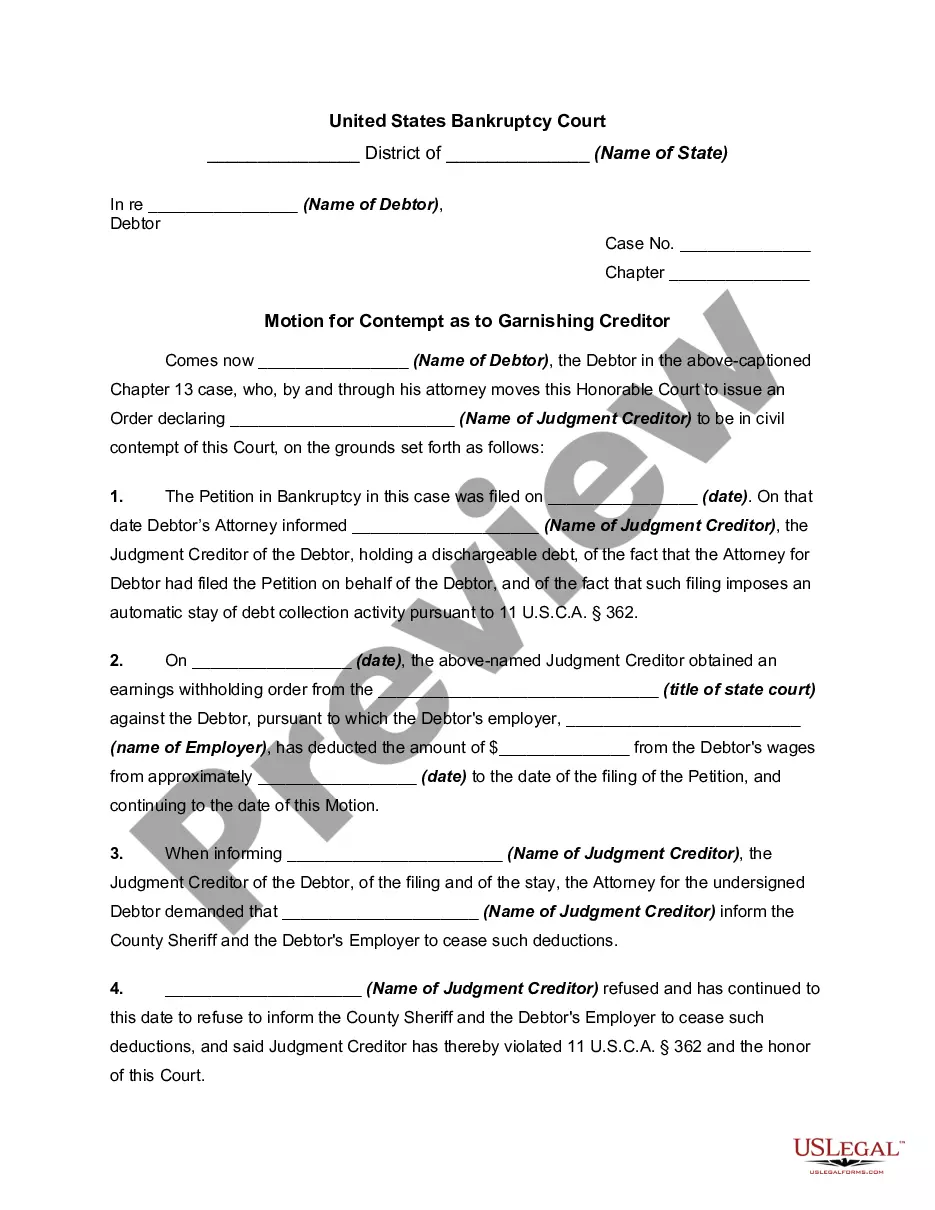
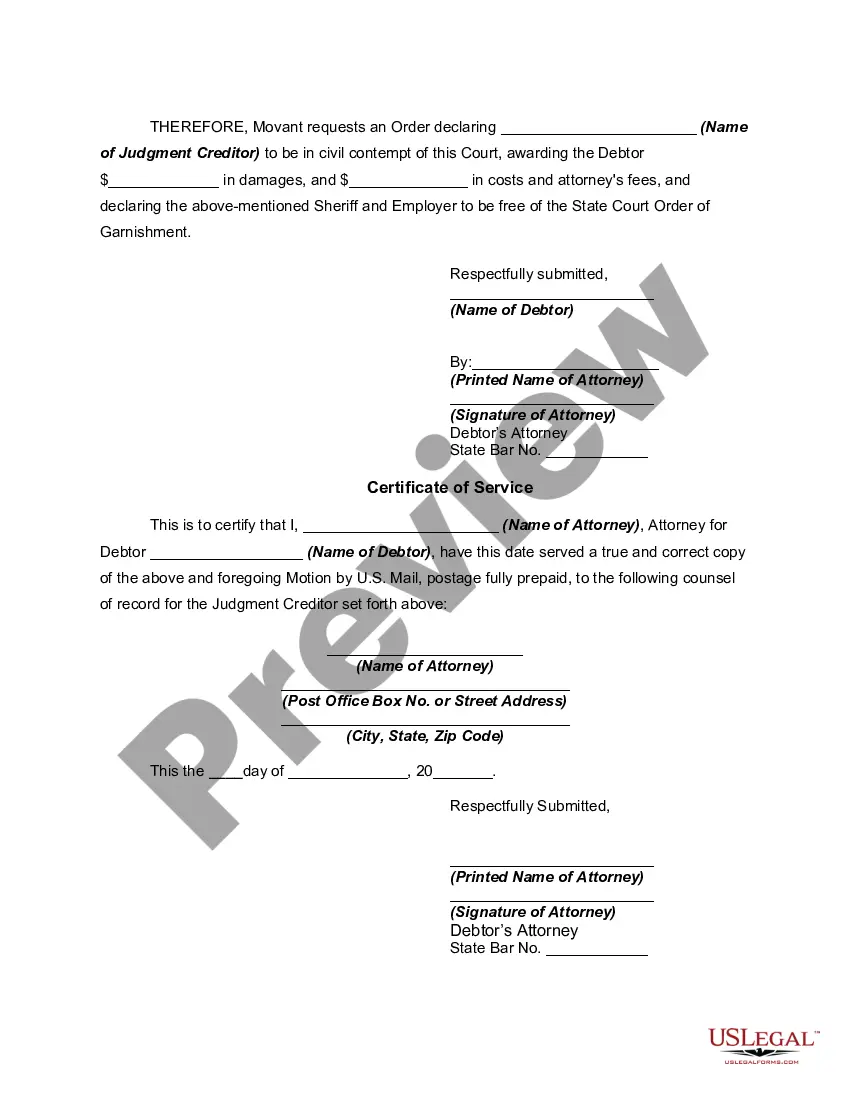
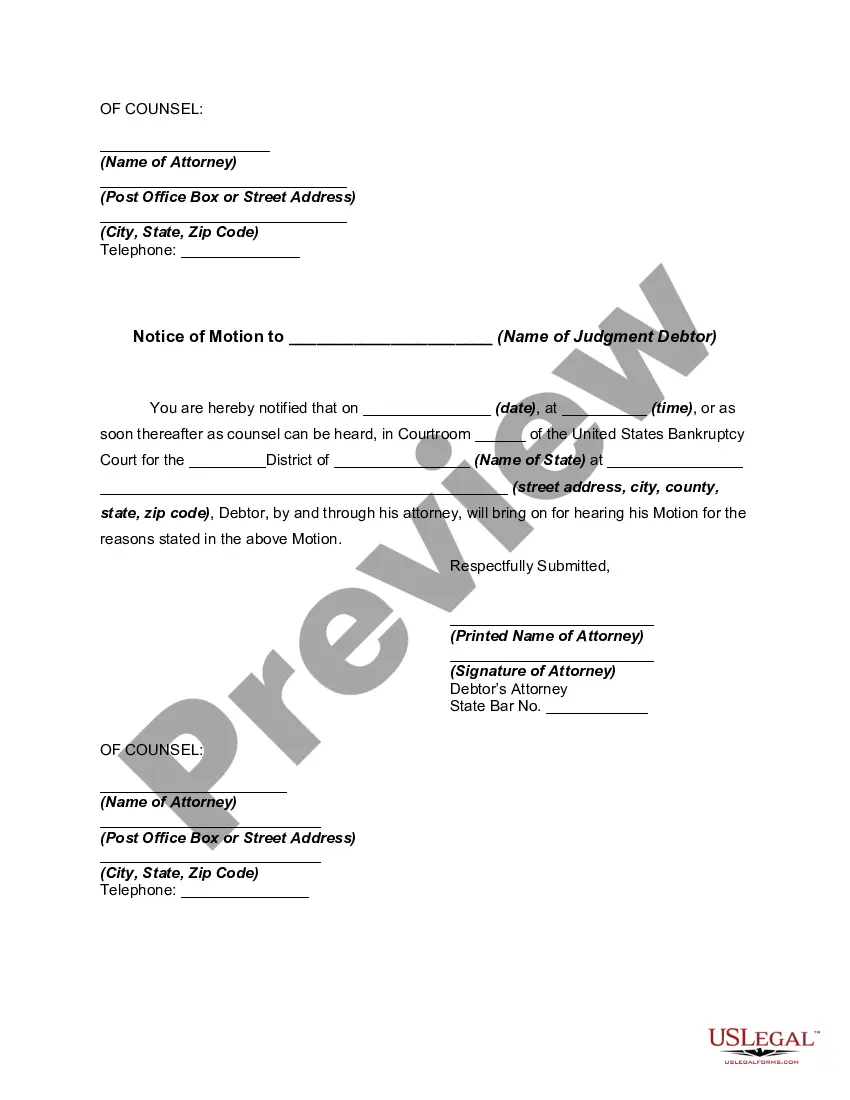
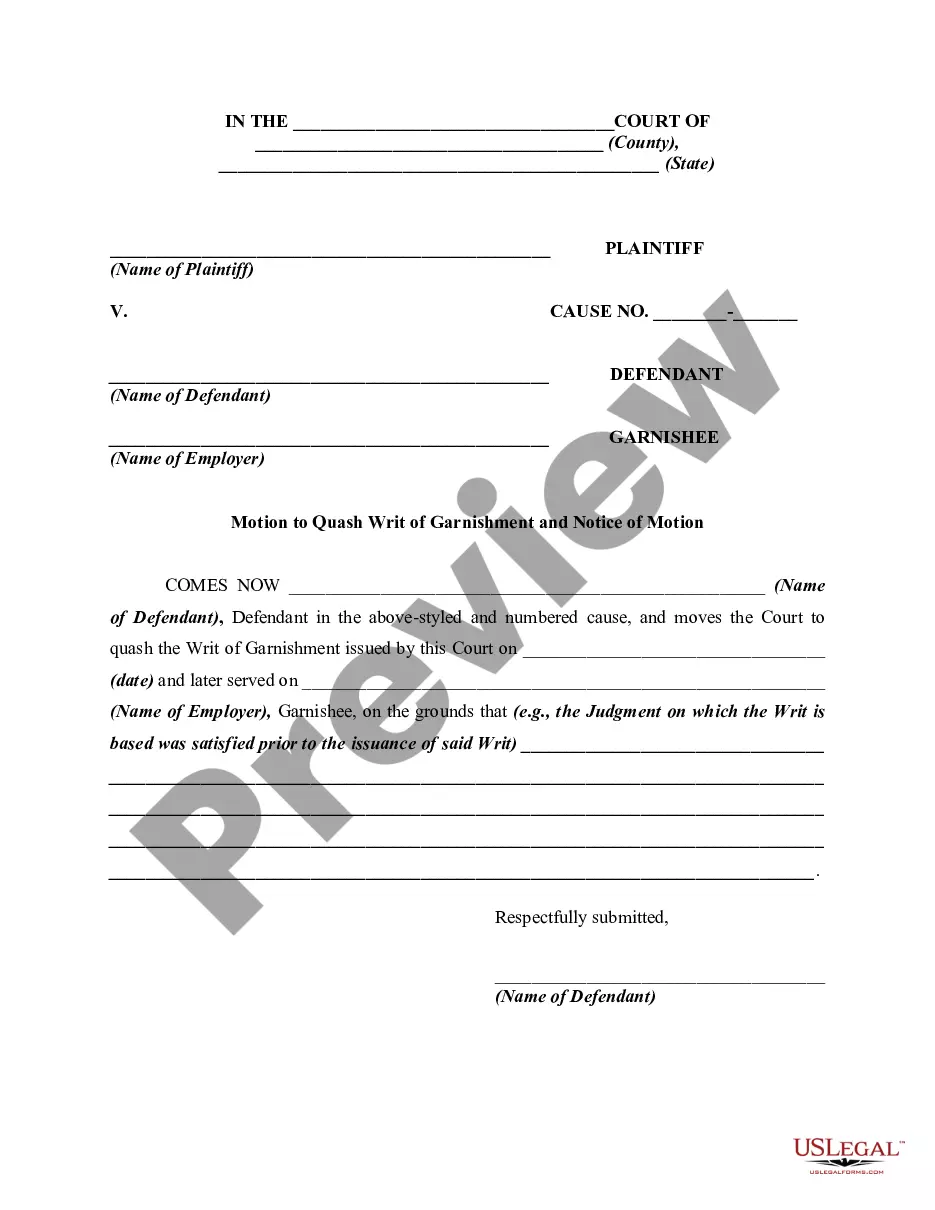
Get your form ready online
Our built-in tools help you complete, sign, share, and store your documents in one place.
Make edits, fill in missing information, and update formatting in US Legal Forms—just like you would in MS Word.
Download a copy, print it, send it by email, or mail it via USPS—whatever works best for your next step.
Sign and collect signatures with our SignNow integration. Send to multiple recipients, set reminders, and more. Go Premium to unlock E-Sign.
If this form requires notarization, complete it online through a secure video call—no need to meet a notary in person or wait for an appointment.
We protect your documents and personal data by following strict security and privacy standards.
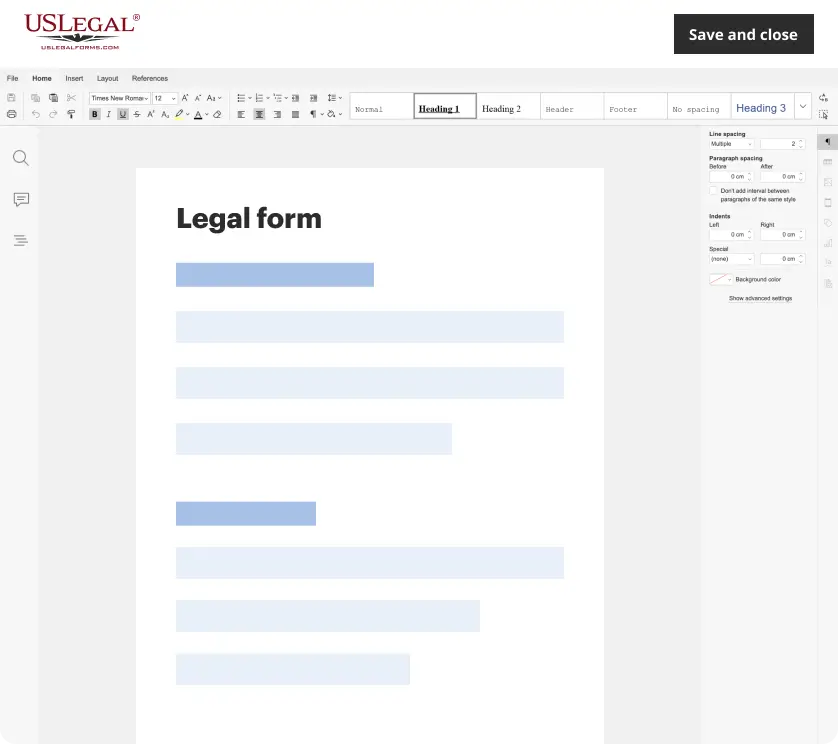
Make edits, fill in missing information, and update formatting in US Legal Forms—just like you would in MS Word.
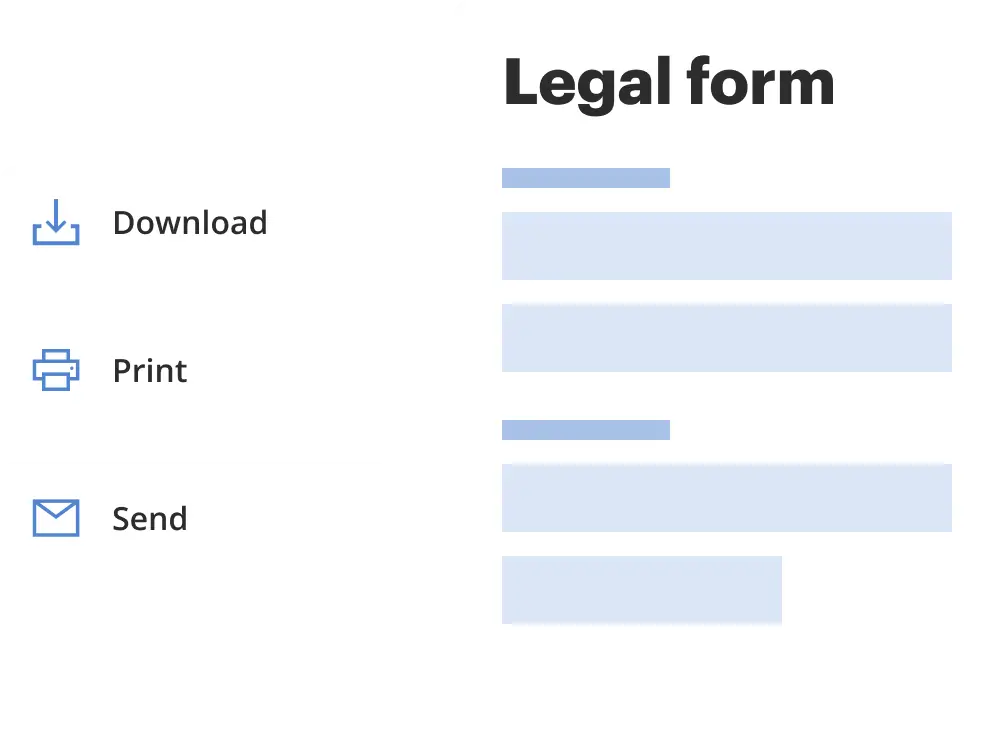
Download a copy, print it, send it by email, or mail it via USPS—whatever works best for your next step.
Sign and collect signatures with our SignNow integration. Send to multiple recipients, set reminders, and more. Go Premium to unlock E-Sign.
If this form requires notarization, complete it online through a secure video call—no need to meet a notary in person or wait for an appointment.
We protect your documents and personal data by following strict security and privacy standards.
Looking for another form?
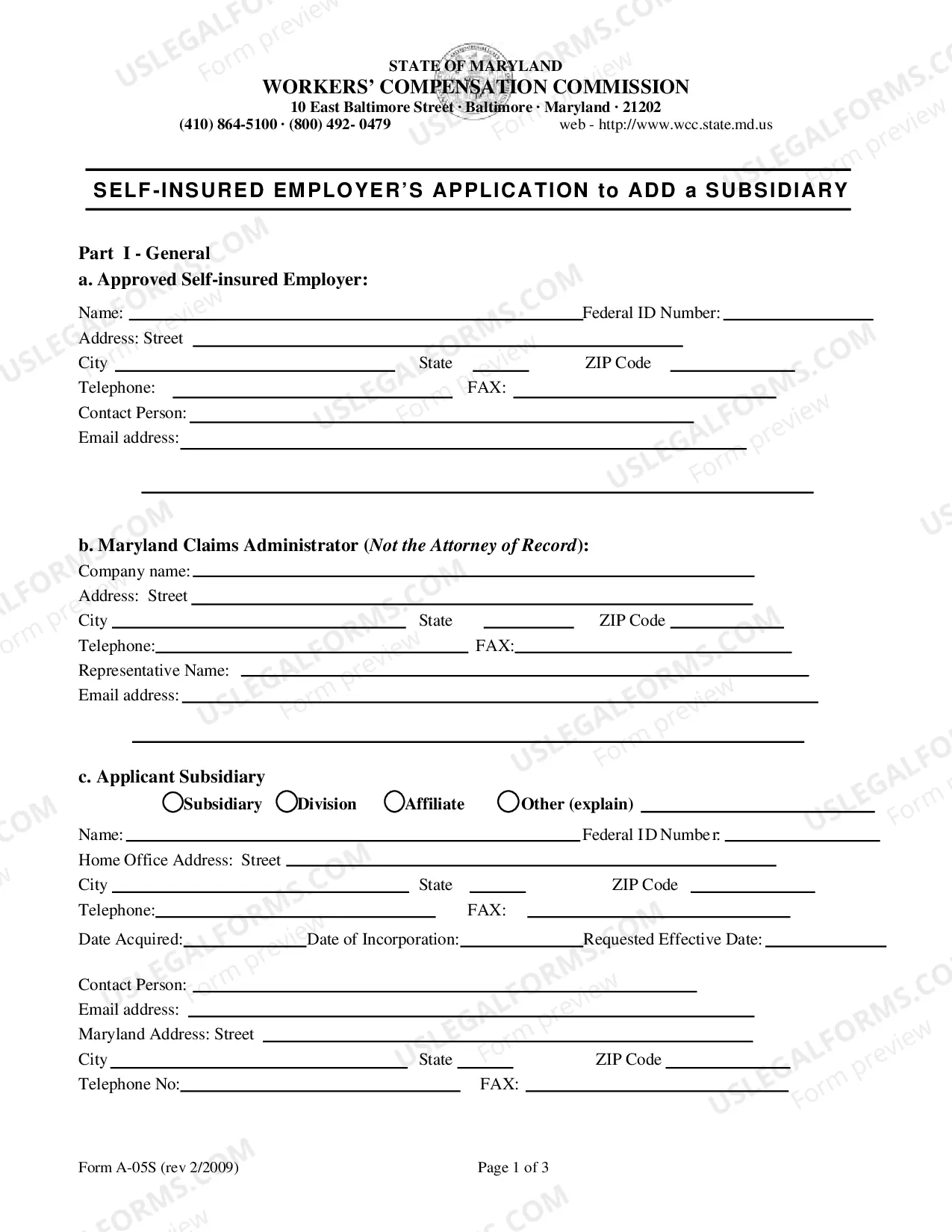
Form popularity
FAQ
The impact of withdrawal can vary depending on the specific circumstances of the case. Withdrawing a motion, such as a motion to withdraw pleading federal court, can lead to changes in the timeline and strategy of the legal process. Additionally, it may open up new avenues for negotiation or settlement, allowing parties to reassess their positions without the constraints of the prior motion.
The motion to rescind is designed to revoke or cancel a previous court order or agreement. If a party filed a motion to withdraw pleading federal court, they might use a motion to rescind if they believe the previous order should no longer be in effect. This can help parties realign their legal strategies and ensure that the court's records accurately reflect their current position.
To withdraw a motion means to retract or cancel a request that has been submitted to the court. For instance, if you filed a motion to withdraw pleading federal court, you are essentially telling the court that you no longer wish to pursue that request. This action must be formally documented, ensuring the court is aware of your decision and can adjust accordingly.
Withdrawing a motion can halt any further actions or decisions related to that specific motion. This means that if you initially filed a motion in federal court, such as a motion to withdraw pleading federal court, your request will no longer be considered by the judge. The impact can vary based on the case, but generally, it returns the situation to its status before the motion was filed.
Withdrawing from a case means that a party is officially removing themselves from the legal proceedings. This typically involves submitting a formal document to the court, indicating the intention to no longer engage with the case. In the context of federal court, this action could relate to various motions, including a motion to withdraw pleading federal court. It's important to understand the implications of this decision, as it can significantly affect your case.
Dismissal signifies the official end of a legal case, which often prevents future claims related to that case. Discharge typically refers to releasing a party from obligations, such as in bankruptcy cases. When dealing with sensitive matters like a motion to withdraw pleading in federal court, it is crucial to comprehend these distinctions fully, ensuring that your legal rights are preserved.
Dismissal is an official court decision that ends a case, while withdrawal is a voluntary action by a party to take back a pleading or motion. A dismissed case typically cannot be reintroduced, but a withdrawal allows the possibility of refiling later. With a clear understanding of the motion to withdraw pleading in federal court, you can protect your legal rights and determine the best course of action.
Withdrawal involves voluntarily pulling back a pleading or motion, allowing the party to potentially file it again in the future. Termination, however, often signifies a more permanent end to a broader legal process or agreement. If you are uncertain about the right approach regarding a motion to withdraw pleading in federal court, consult legal resources like US Legal Forms to understand your options better.
Dismissal refers to a court's action that ends a case, while termination generally is used to describe the conclusion of a specific legal process or agreement. In federal court, a dismissal may resolve a case without further legal proceedings, whereas termination can refer to various matters, including contracts. Clarifying whether you are considering a motion to withdraw pleading in federal court or seeking case termination is essential for appropriate legal action.
Withdrawal indicates that a party voluntarily retracts a pleading, such as a complaint or motion, without prejudice, meaning they can potentially refile it later. In contrast, a dismissal typically ends the case entirely, which may prevent future claims. Understanding the implications of a motion to withdraw pleading in federal court can help you make informed choices in your legal strategy.