Motion For Default Judgment Federal Court Form
Description
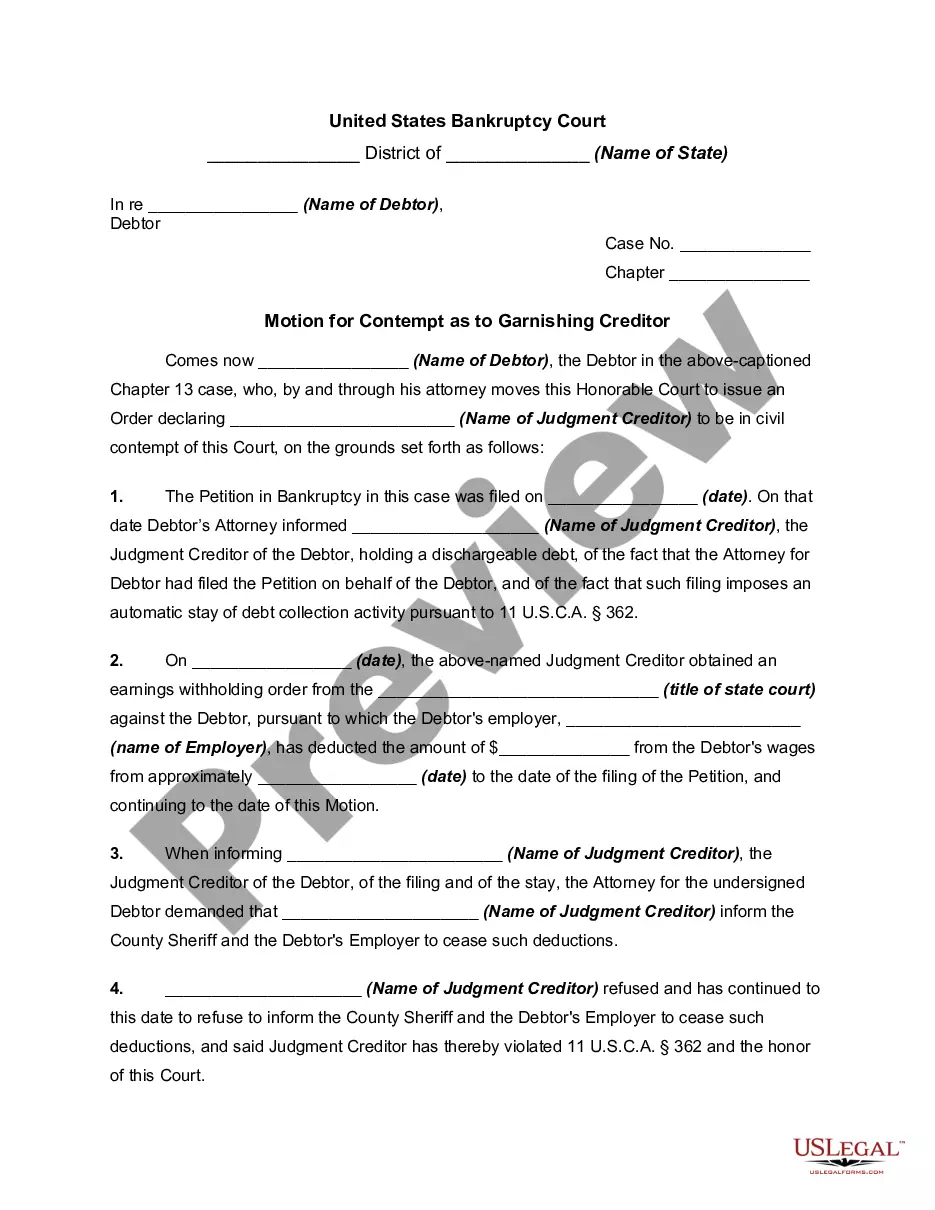
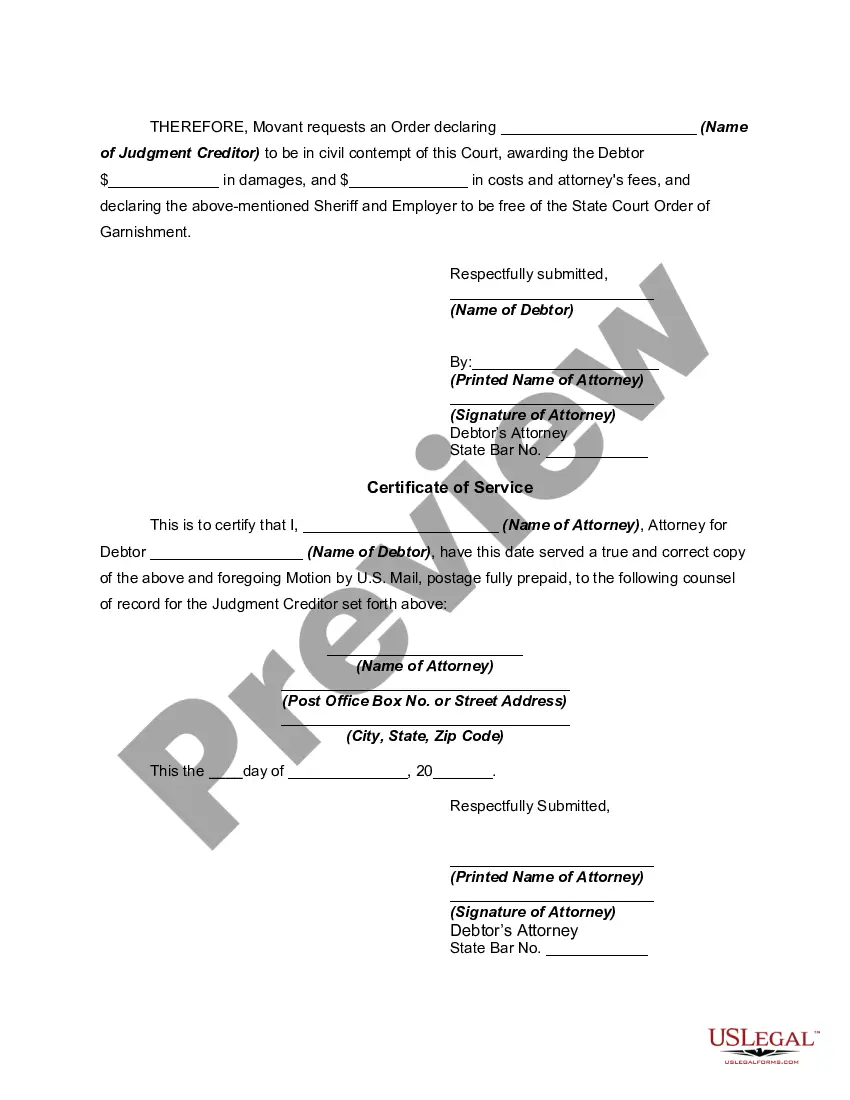
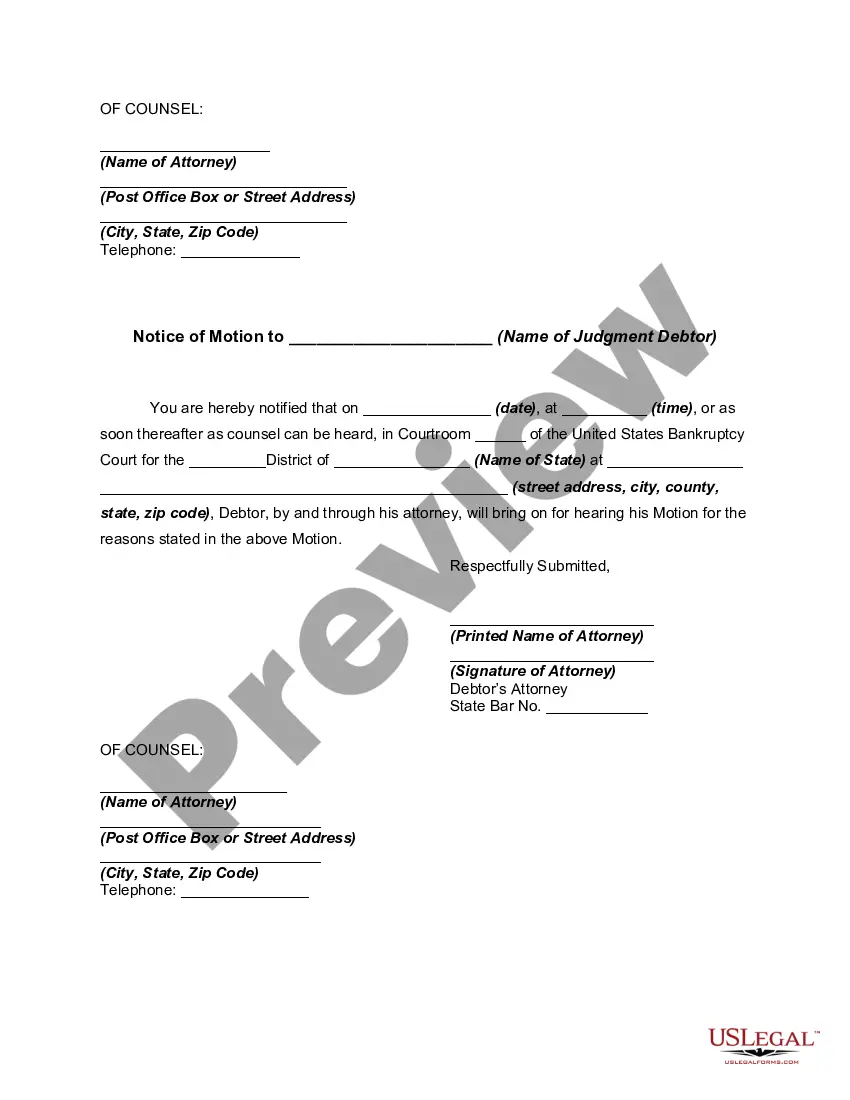
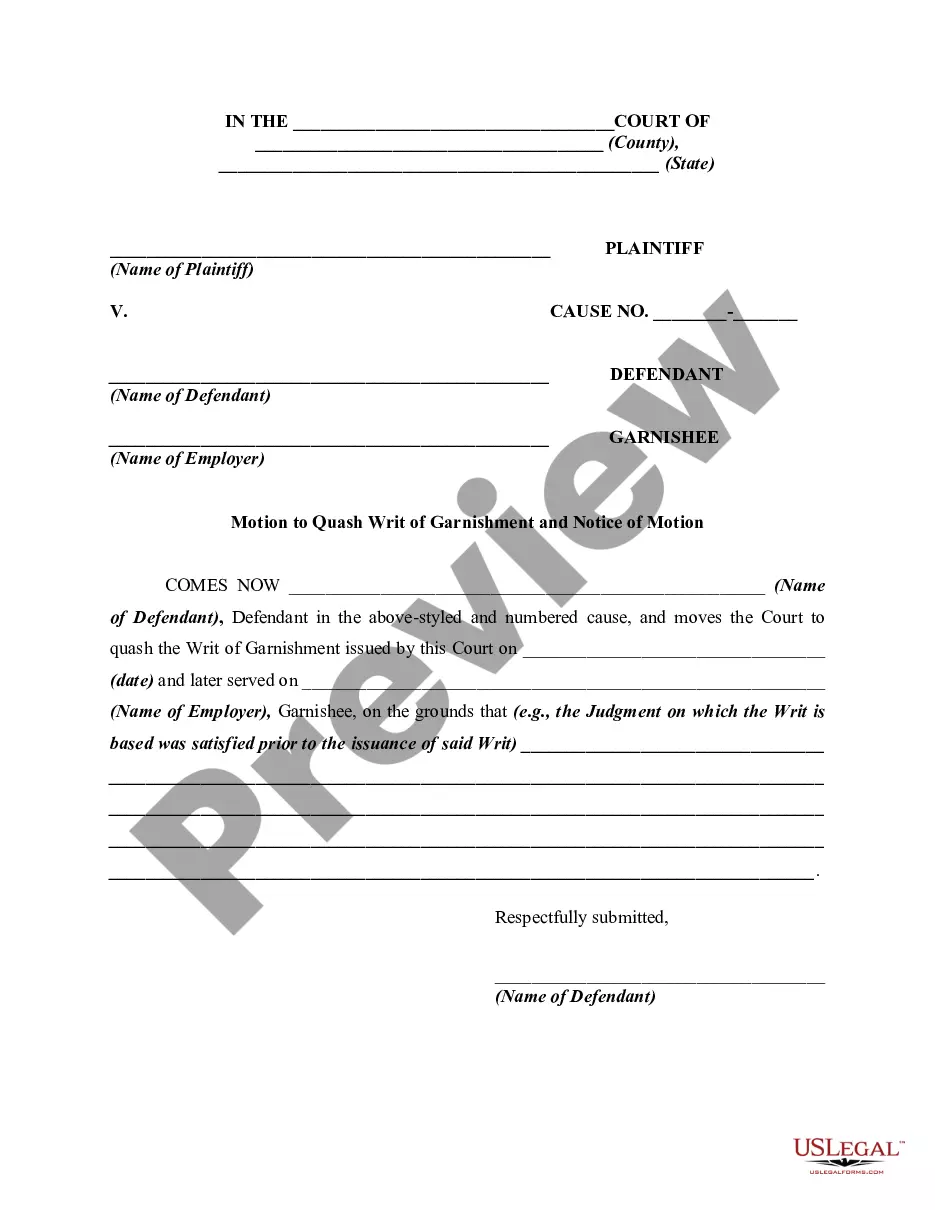
Get your form ready online
Our built-in tools help you complete, sign, share, and store your documents in one place.
Make edits, fill in missing information, and update formatting in US Legal Forms—just like you would in MS Word.
Download a copy, print it, send it by email, or mail it via USPS—whatever works best for your next step.
Sign and collect signatures with our SignNow integration. Send to multiple recipients, set reminders, and more. Go Premium to unlock E-Sign.
If this form requires notarization, complete it online through a secure video call—no need to meet a notary in person or wait for an appointment.
We protect your documents and personal data by following strict security and privacy standards.

Make edits, fill in missing information, and update formatting in US Legal Forms—just like you would in MS Word.

Download a copy, print it, send it by email, or mail it via USPS—whatever works best for your next step.

Sign and collect signatures with our SignNow integration. Send to multiple recipients, set reminders, and more. Go Premium to unlock E-Sign.

If this form requires notarization, complete it online through a secure video call—no need to meet a notary in person or wait for an appointment.

We protect your documents and personal data by following strict security and privacy standards.
Looking for another form?

Form popularity
FAQ
When a motion is defaulted, it means that the party against whom the motion was filed did not respond or take action within the required timeframe. This defaults the motion, often leading to a judgment being issued for the filing party. To prevent this, it’s vital to use a Motion for default judgment federal court form correctly and promptly, ensuring that all deadlines are met.
A default order is a court directive issued when one party does not respond to a lawsuit or fails to comply with court rules. This order typically favors the party that filed the motion for default, leading to a judgment without a trial. Understanding how to properly complete and file a Motion for default judgment federal court form helps in obtaining a default order efficiently.
A motion for default is a legal request asking the court to rule in favor of a party due to the other's failure to respond to legal proceedings. This motion asserts that the non-responding party has forfeited their right to contest the case. To file such a motion successfully, utilizing a precisely filled Motion for default judgment federal court form is essential in adhering to court procedures.
After filing a motion for default in a Florida eviction case, the court reviews the submitted documents. If found valid, the court grants the motion, and a default judgment may be entered against the tenant. It’s crucial to use an accurate Motion for default judgment federal court form to ensure proper handling of the eviction process and to protect your rights as a landlord.
Losing by default occurs when a party fails to respond to a lawsuit or motion within the specified time. This results in the court ruling in favor of the opposing party, as if the non-responsive party did not exist in the case. Utilizing a Motion for default judgment federal court form can effectively address this scenario, ensuring you take necessary action before a default occurs.
An entry motion refers to a formal request for the court to record a judgment against a defendant who has failed to respond. In cases where a Motion for default judgment federal court form has been submitted, the entry motion solidifies the judgment into the court record. It is an important step in affirming your rights and claims in the legal process.
A motion for entry of judgment is a request for the court to formally enter a judgment after a default has been established. This can occur after submitting a Motion for default judgment federal court form. It is essential to ensure that all procedures are followed correctly to have your judgment entered by the court.
Rule 55 of the Federal Rules of Civil Procedure addresses obtaining a default judgment. It outlines the process for defaulting parties and specifies the requirements for filing a Motion for default judgment federal court form. Understanding Rule 55 can help ensure you follow the necessary steps to secure your default judgment correctly.
To move for default in federal court, you must first file a Motion for default judgment federal court form with the court. This form should outline the grounds for default and any supporting evidence. Following your submission, the court will review your motion and may schedule a hearing to determine if the default judgment is appropriate.
The duration to obtain a default judgment can vary based on the court’s schedule and specific case factors. Generally, once you file your Motion for default judgment federal court form, it may take a few weeks to a couple of months to receive a ruling. Delays could occur if additional information is needed, so being prepared can significantly expedite the process.