Second Motion Examination Within A Body Cavity
Description

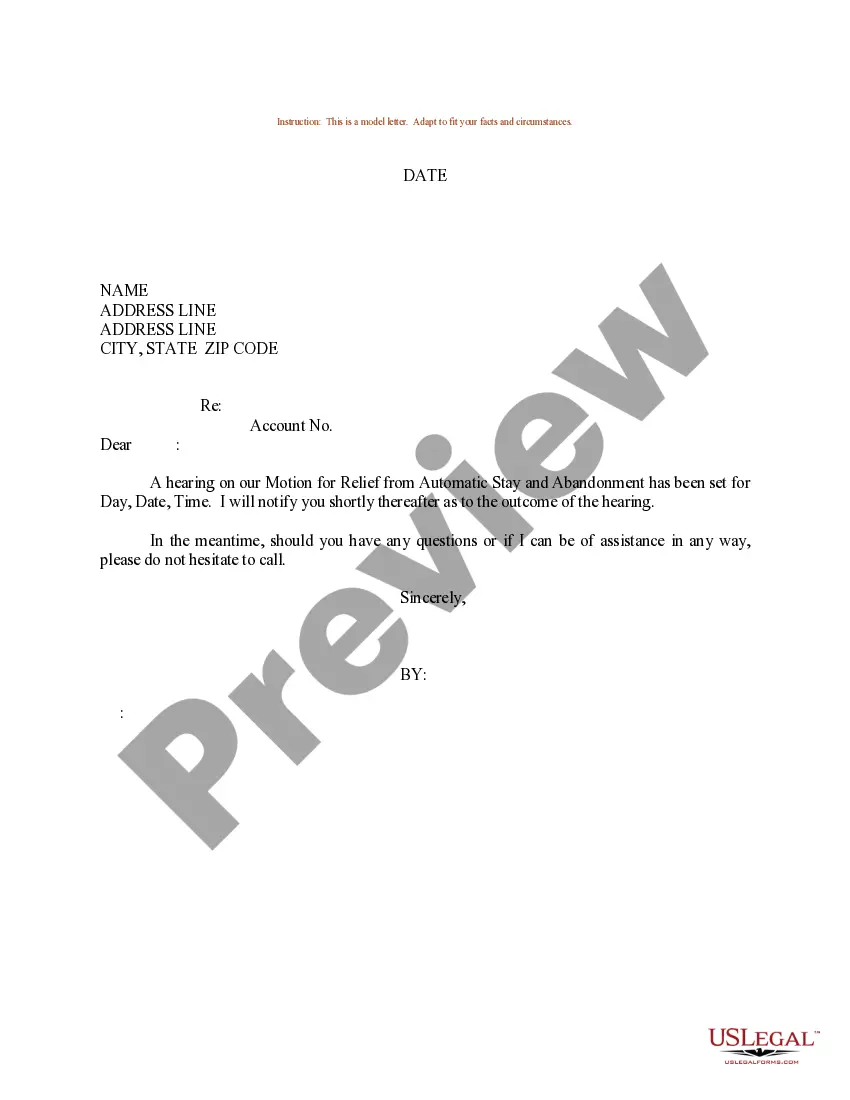

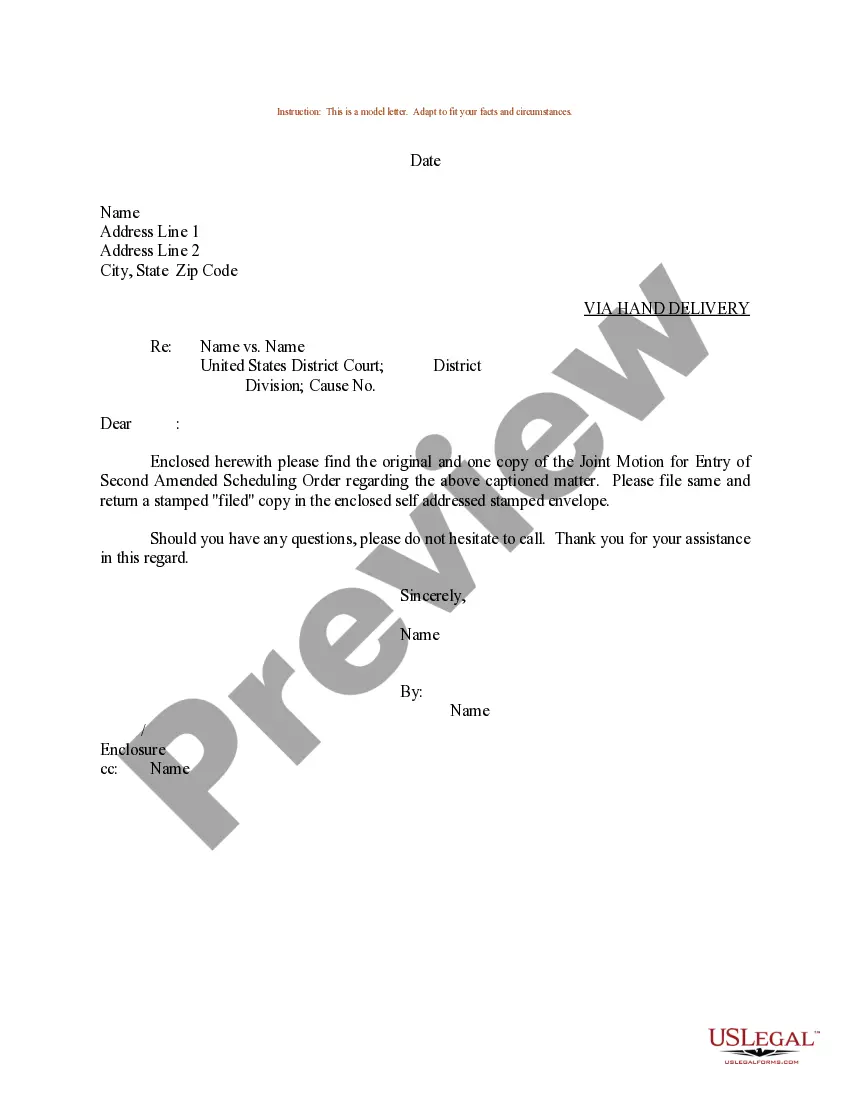
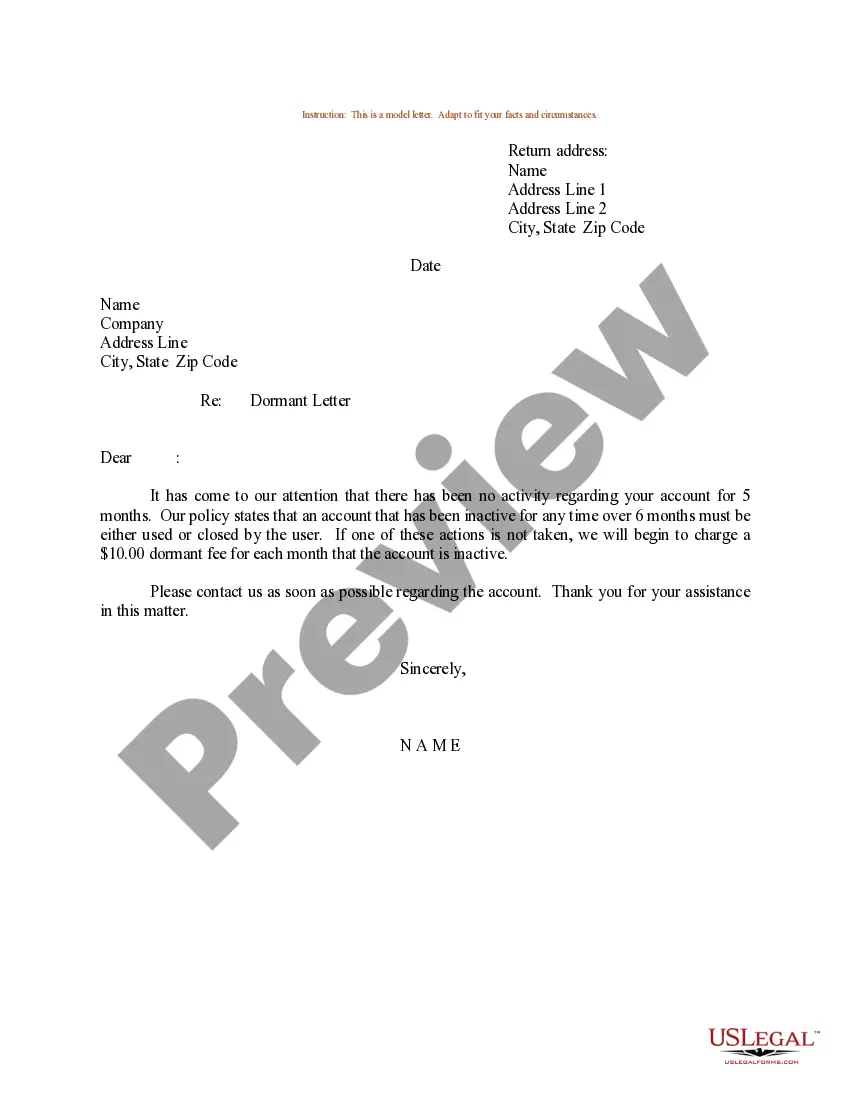
How to fill out Sample Letter For Second Motion For Examination Of Judgment - Debtor?
Managing legal documentation and processes can be a lengthy addition to your day.
Second Motion Examination Within A Body Cavity and similar forms typically necessitate you to search for them and comprehend how to fill them out properly.
Thus, whether you are addressing financial, legal, or personal issues, utilizing a thorough and user-friendly online repository of forms at your disposal will be immensely helpful.
US Legal Forms is the premier online source for legal documents, featuring over 85,000 state-specific forms and a range of tools to help you finalize your paperwork swiftly.
Is this your first time using US Legal Forms? Sign up and establish your account in a matter of minutes to gain access to the form repository and Second Motion Examination Within A Body Cavity. Next, follow the steps below to complete your document: Ensure you have located the correct form by using the Review feature and checking the form description. Select Buy Now when you are ready, and choose the monthly subscription plan that suits your requirements. Click on Download then fill out, sign, and print the document. US Legal Forms has twenty-five years of experience assisting customers with their legal paperwork. Find the form you need today and streamline any process without breaking a sweat.
- Browse the collection of relevant documents available to you with just a single click.
- US Legal Forms provides state- and county-specific documents ready for download at any moment.
- Protect your document management processes with a quality service that enables you to create any form within minutes without extra or hidden fees.
- Simply Log In to your account, locate Second Motion Examination Within A Body Cavity, and obtain it instantly from the My documents tab.
- You can also access forms you have previously saved.
Form popularity
FAQ
Assessing your patient's abdomen can provide critical information about his internal organs. Always follow this sequence: inspection, auscultation, percussion, and palpation.
The abdominal examination consists of four basic components: inspection, palpation, percussion, and auscultation. It is important to begin with the general examination of the abdomen with the patient in a completely supine position.
Normal findings might be documented as: ?General tympany with scattered dullness heard in all quadrants. Dullness heard in upper right quadrant over the liver.? Abnormal findings might be documented as: ?Dullness heard in left lower quadrant with general tympany and scattered dullness in all other quadrants.?
Percussion of the Abdomen Percussion is necessary to assess the size of the liver, percussion downward from the lung to the liver, and then the bowel; the examiner may be able to demonstrate the change in percussion notes from resonant to dull and then tympanitic.
Documentation of a basic, normal abdominal exam should look something along the lines of the following: Abdomen is soft, symmetric, and non-tender without distention. There are no visible lesions or scars. The aorta is midline without bruit or visible pulsation.