Second Motion Examination For Summary Judgment
Description

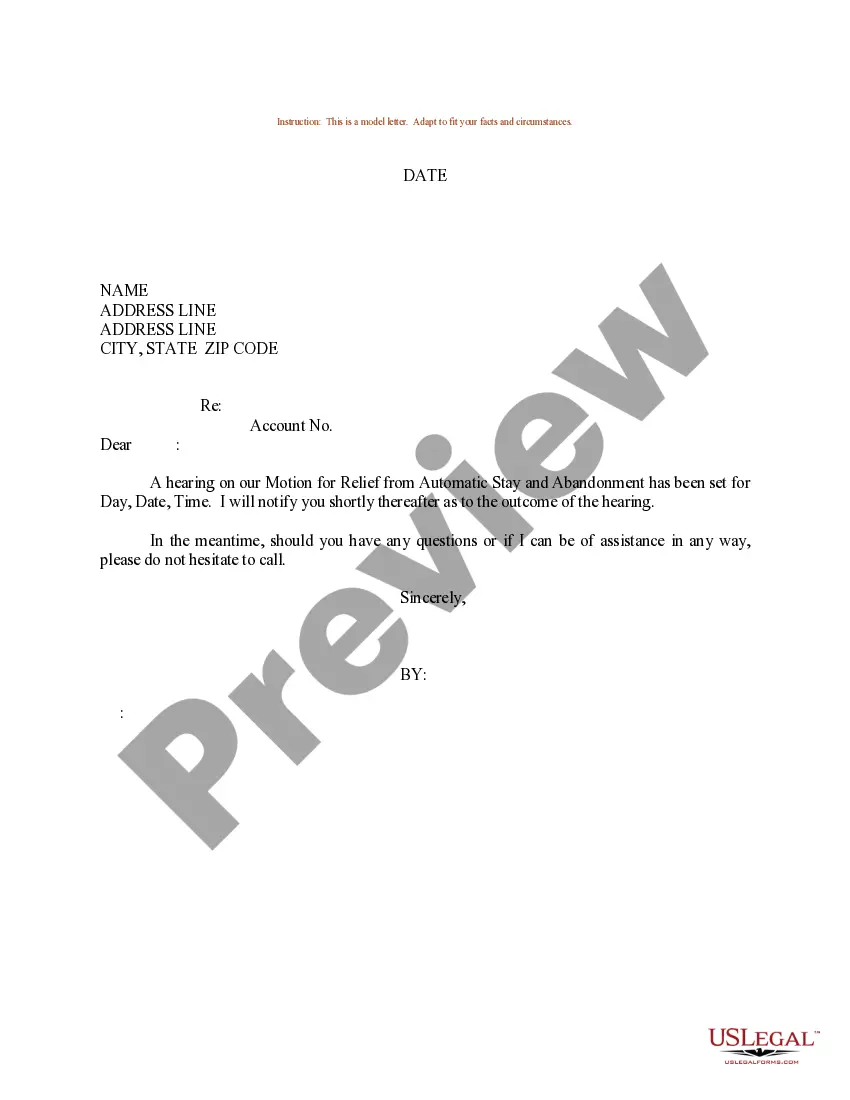

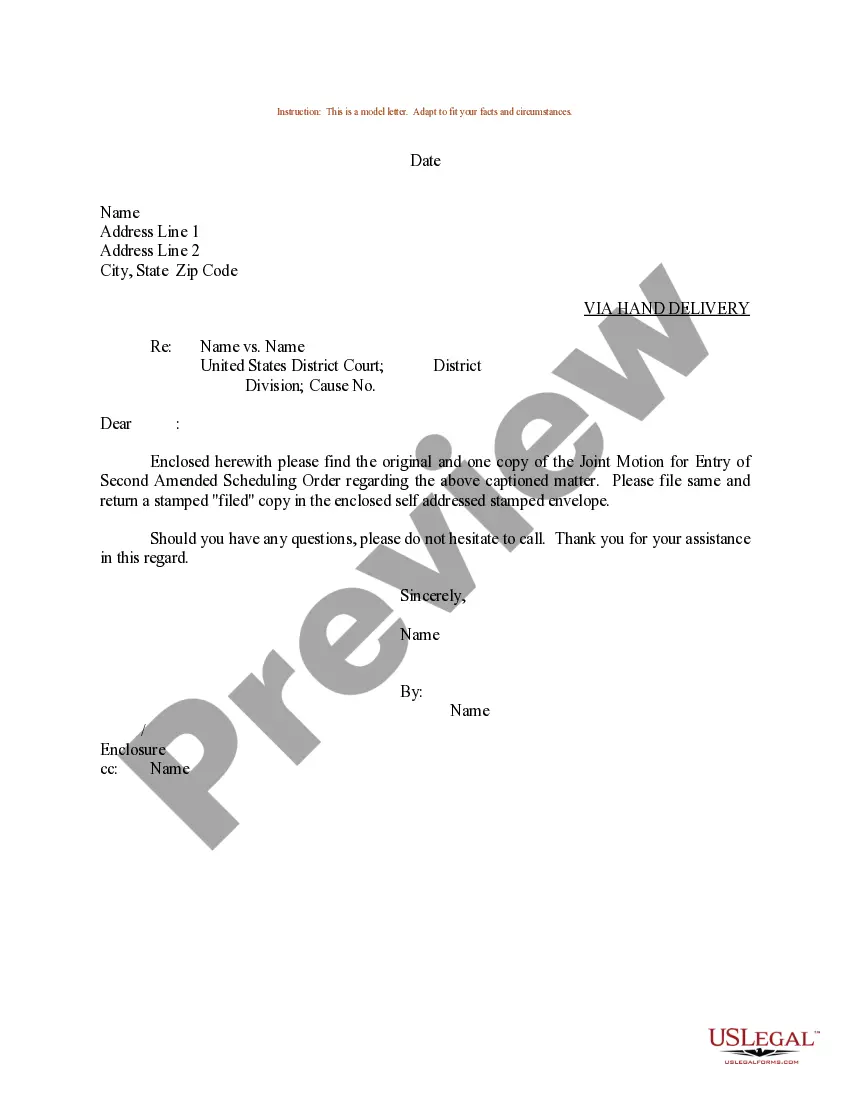
How to fill out Sample Letter For Second Motion For Examination Of Judgment - Debtor?
Creating legal documents from the ground up can often be daunting.
Some situations may require extensive research and significant expenses.
If you are looking for a simpler and more economical method of generating Second Motion Examination For Summary Judgment or any other paperwork without unnecessary complications, US Legal Forms is readily available.
Our online repository of over 85,000 current legal templates encompasses nearly every aspect of your financial, legal, and personal matters.
However, before proceeding to download the Second Motion Examination For Summary Judgment, remember these suggestions: Review the document preview and descriptions to ensure you have the correct form. Verify that the template you select meets the criteria of your state and county. Choose the most appropriate subscription option to obtain the Second Motion Examination For Summary Judgment. Download the form, fill it out, sign it, and print it. US Legal Forms prides itself on a strong reputation and over 25 years of expertise. Join us today and make form filling a straightforward and efficient process!
- With just a few clicks, you can quickly obtain state- and county-compliant templates meticulously prepared by our legal experts.
- Utilize our service whenever you require trustworthy and dependable assistance to swiftly locate and download the Second Motion Examination For Summary Judgment.
- If you are familiar with our offerings and have already created an account with us, simply sign in to your account, find the form and download it, or retrieve it again anytime in the My documents section.
- Not a member yet? No problem. It only takes a few minutes to register and browse the collection.
Form popularity
FAQ
To answer a summary judgment motion, you need to articulate your opposing arguments and present evidence that creates a genuine dispute of material fact. Start with a comprehensive review of the moving party's claims and counter each point with solid evidence. Engaging in a second motion examination for summary judgment is critical as it allows you to analyze the intricacies of the motion and respond effectively.
Preparing for a summary judgment involves gathering all relevant evidence and understanding the legal standards that apply to your case. Review case law to identify precedents and consult with legal resources to ensure your arguments are strong. A well-executed second motion examination for summary judgment during your preparation can significantly enhance your chances of success.
The odds of winning a summary judgment can vary significantly based on the facts of each case and the strength of the evidence presented. In a second motion examination for summary judgment, parties must effectively argue their positions and maintain clarity regarding material facts. Generally, those who prepare thoroughly and present compelling evidence have better chances of success. Utilizing platforms like US Legal Forms can assist you in crafting effective arguments and understanding the process.
Stated differently, to successfully defend against summary judgment the non-moving party (you) should seek to demonstrate that indeed there are material facts in dispute. Alternatively, the non-moving party (you) can argue that the undisputed facts support a judgment as a matter of law in your favor.
You must include a summary of the legal basis for your opposition, explain the reason you are opposing the motion, and state what you would like the judge to order.
Opposition to Summary Judgment: ?Unless otherwise ordered by the judicial authority, any adverse party shall file and serve a response to the motion for summary judgment within forty-five days of the filing of the motion, including opposing affidavits and other available documentary evidence.? Conn.
Summary Judgment Motions The Court will grant Summary Judgment ? i.e., either siding with the plaintiff and granting Judgment on their claim, or siding with the defendant and dismissing the claim ? if the Court is satisfied that there is no genuine issue requiring a trial.
Under a motion for summary judgment, the movant should assert that a fact cannot be genuinely disputed based on the record. The nonmovant is given notice and a reasonable time to respond, after which the court may grant or deny summary judgment.