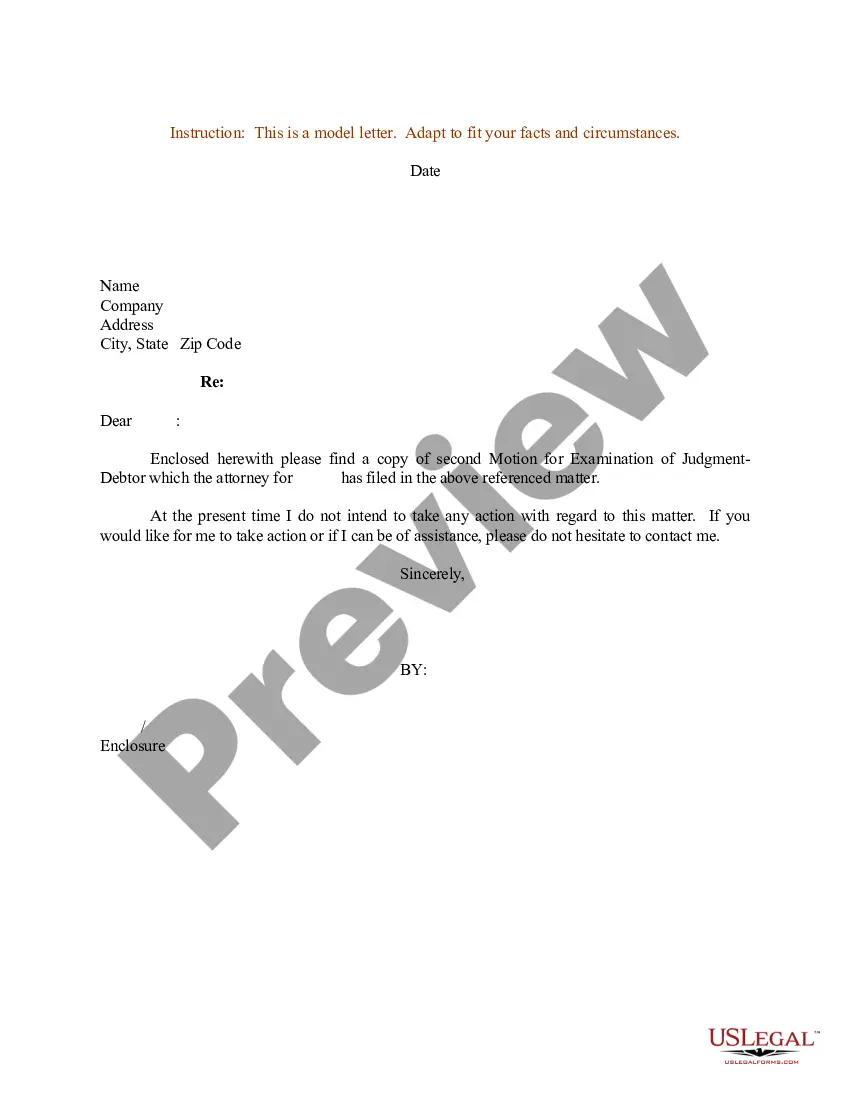
Questions To Ask At A Judgment Debtor Examination
Description
Get your form ready online
Our built-in tools help you complete, sign, share, and store your documents in one place.
Make edits, fill in missing information, and update formatting in US Legal Forms—just like you would in MS Word.
Download a copy, print it, send it by email, or mail it via USPS—whatever works best for your next step.
Sign and collect signatures with our SignNow integration. Send to multiple recipients, set reminders, and more. Go Premium to unlock E-Sign.
If this form requires notarization, complete it online through a secure video call—no need to meet a notary in person or wait for an appointment.
We protect your documents and personal data by following strict security and privacy standards.
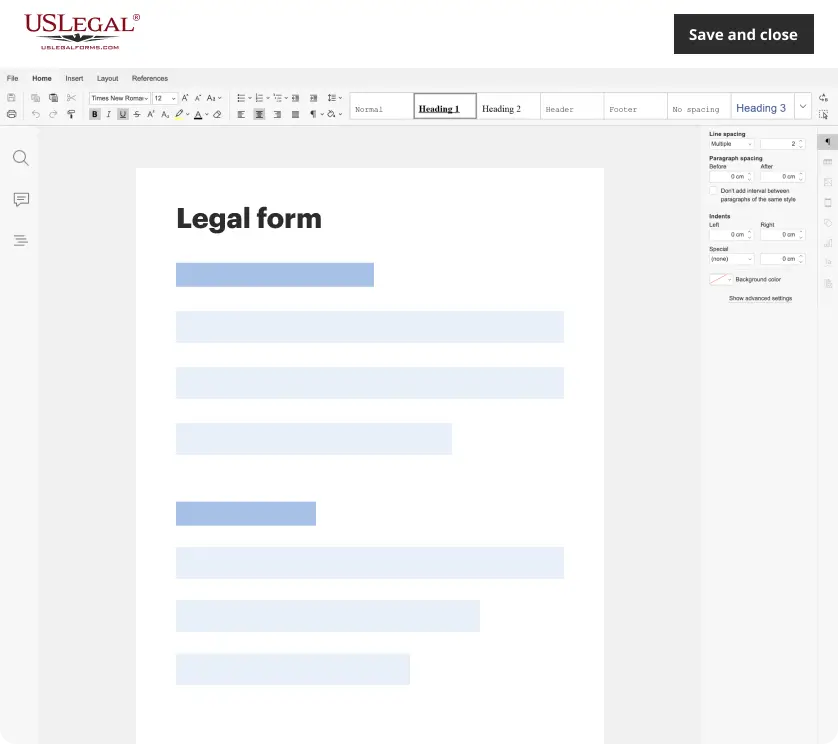
Make edits, fill in missing information, and update formatting in US Legal Forms—just like you would in MS Word.
Download a copy, print it, send it by email, or mail it via USPS—whatever works best for your next step.
Sign and collect signatures with our SignNow integration. Send to multiple recipients, set reminders, and more. Go Premium to unlock E-Sign.

If this form requires notarization, complete it online through a secure video call—no need to meet a notary in person or wait for an appointment.
We protect your documents and personal data by following strict security and privacy standards.
Looking for another form?
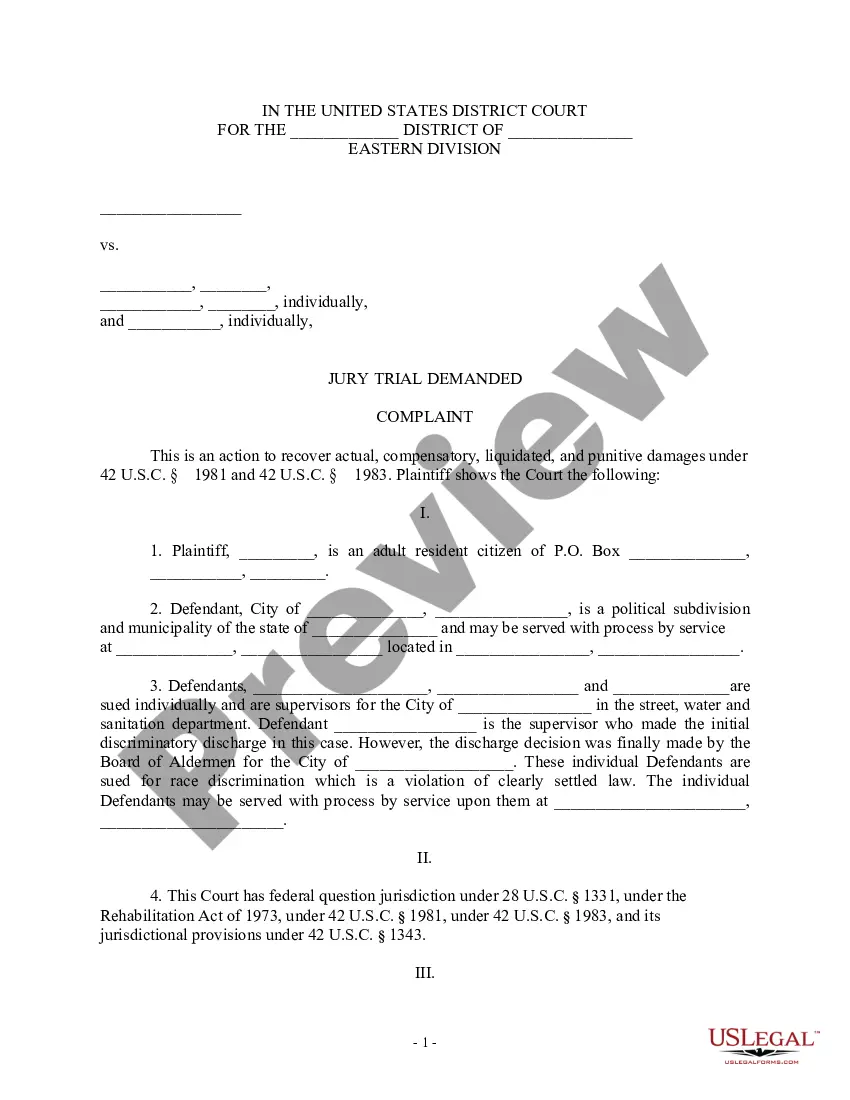
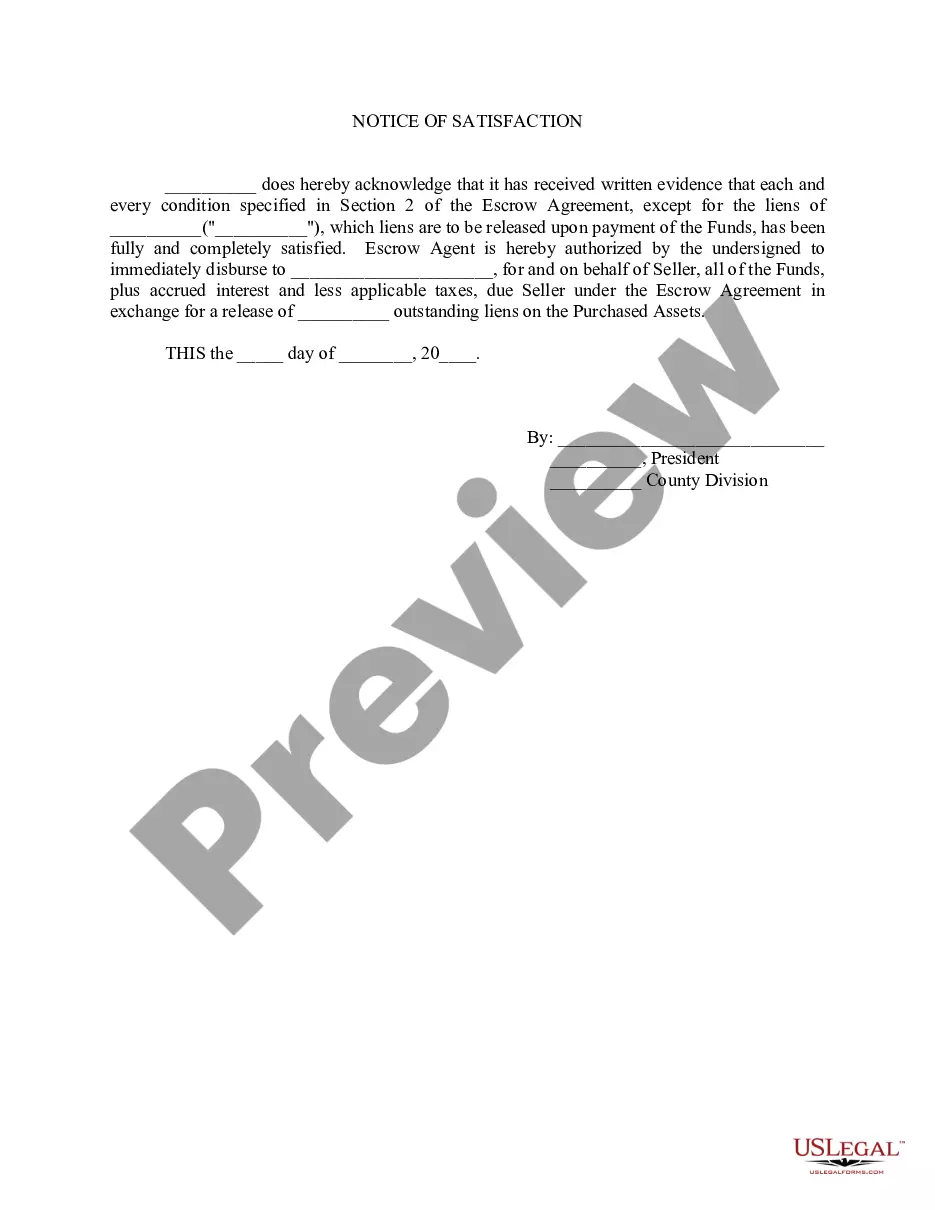
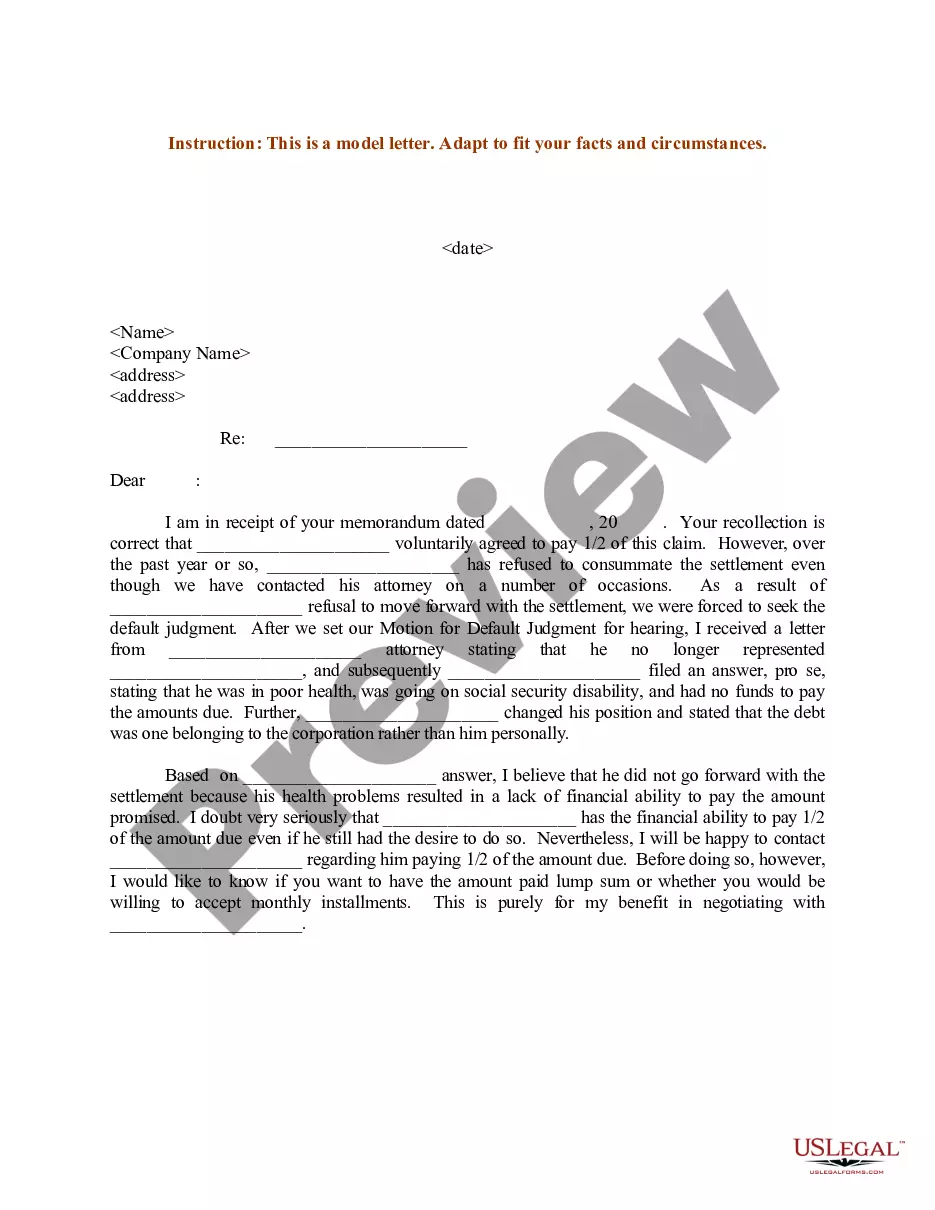
How to fill out Sample Letter For Second Motion For Examination Of Judgment - Debtor?
Acquiring legal forms that adhere to federal and local regulations is essential, and the internet provides a plethora of choices to select from.
However, what is the purpose of spending time searching for the properly formulated Questions To Ask At A Judgment Debtor Examination template online when the US Legal Forms digital library already has such documents gathered in one location.
US Legal Forms is the largest online legal repository with over 85,000 fillable forms created by lawyers for any business and personal situation. They are easy to navigate, with all documents categorized by state and intended use.
Utilize the search function at the top of the page for a different sample if needed.
- Our experts keep abreast of legislative changes, ensuring that you can always rest assured that your form is current and compliant when acquiring a Questions To Ask At A Judgment Debtor Examination from our site.
- Acquiring a Questions To Ask At A Judgment Debtor Examination is quick and straightforward for both existing and new users.
- If you already have an account with an active subscription, Log In and download the document sample you need in your chosen format.
- If you are new to our site, follow the steps outlined below.
- Review the template using the Preview function or via the text description to ensure it meets your requirements.
Form popularity
FAQ
The time it takes to obtain a judgment can vary based on factors like court schedules and the complexity of the case. Typically, it may take several weeks to months after filing the lawsuit. Factors such as the debtor's response and potential delays can influence this timeline. Engaging in a thorough examination can provide insight into the next steps you should take.
The best way to collect a judgment often involves understanding the debtor's financial situation. During a judgment debtor examination, ask relevant questions to uncover assets and income sources. This process can help determine the most effective collection strategy for your specific case. Utilizing platforms like USLegalForms can streamline this process, providing essential documents and guidance.
Rule 8.4(7) defines ?professional misconduct? by a Connecticut attorney as including speech that the lawyer knows or reasonably should know ?is harassment or discrimination on the basis of? any of 15 listed characteristics?among them race, sex, religion, disability, sexual orientation, and gender identity.
Connecticut Practice Book, Rules of Professional Conduct, Rule 1.15. The Rules of Professional Conduct, Rule 1.15 Safekeeping Property, provides lawyers with a framework for handling their clients' funds. Attorneys are responsible for maintaining and monitoring their clients' trust accounts properly.
Rule 1.7 - Conflict of interest: Current Clients. (a) Except as provided in paragraph (b), a lawyer shall not represent a client if the representation involves a concurrent conflict of interest.
Rule 1.10 - Imputation of Conflicts of Interest: General Rule (a) While lawyers are associated in a firm, none of them shall knowingly represent a client when any one of them practicing alone would be prohibited from doing so by Rules 1.7, 1.8(c), or 1.9, unless the prohibition is based on a personal interest of the ...
Rule 4.2 of the Rules of Professional Conduct provides that ?[i]n representing a client, a lawyer shall not communicate about the subject of the representation with a party the lawyer knows to be represented by another lawyer in the matter, unless the lawyer has the consent of the other lawyer or is authorized by law ...
Rule 7.1. A communication is false or misleading if it contains a material misrepresentation of fact or law, or omits a fact necessary to make the statement considered as a whole not materially misleading.