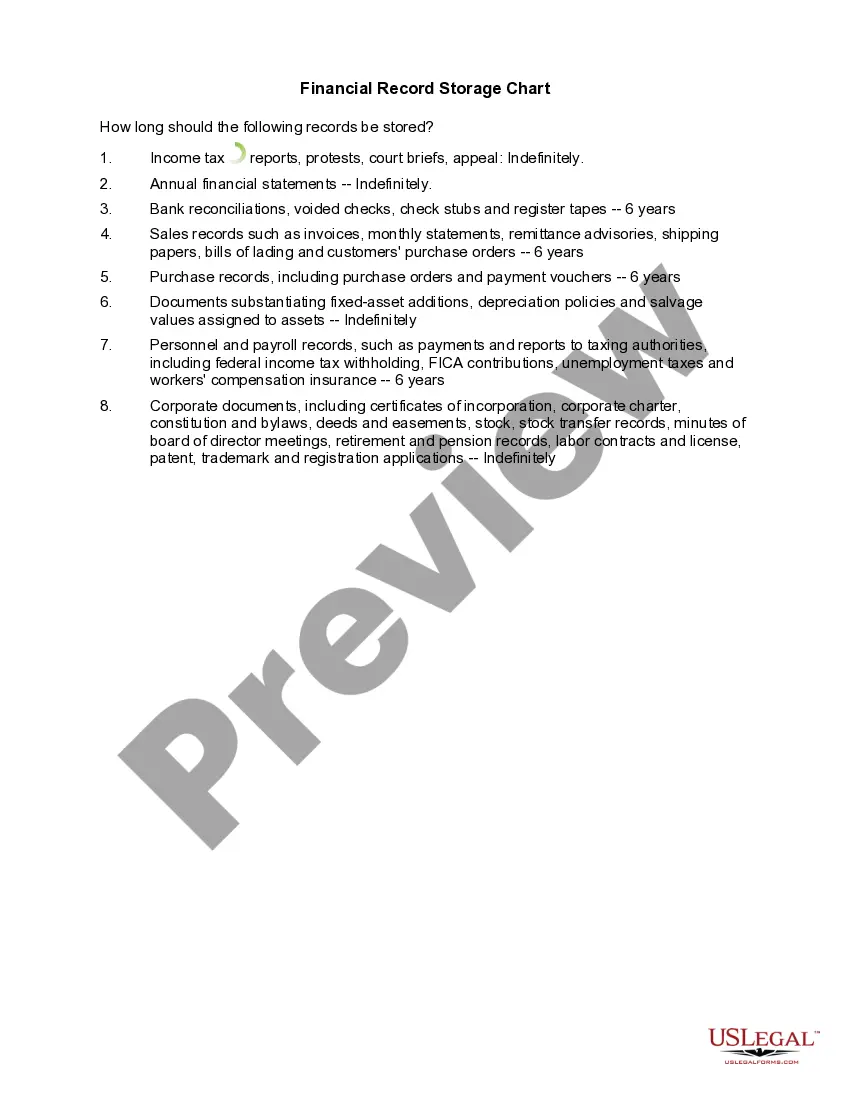
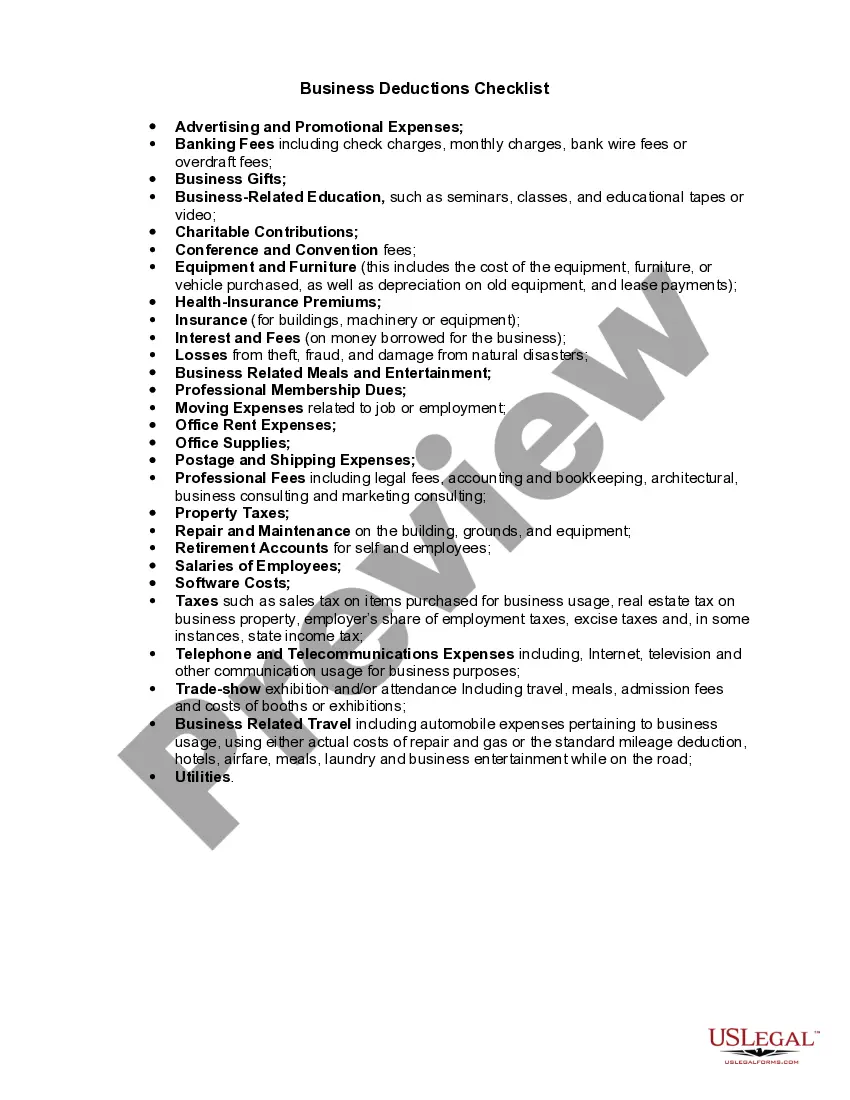
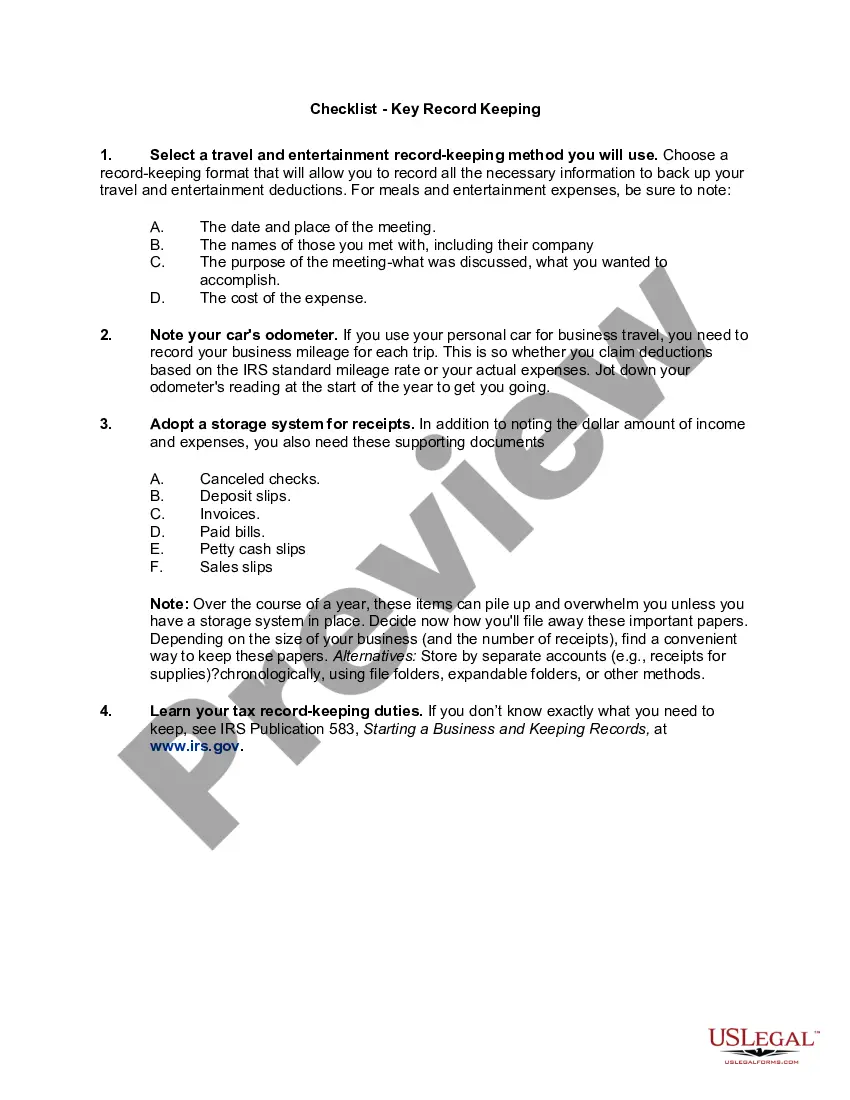
Financial Report For Business
Description
Get your form ready online
Our built-in tools help you complete, sign, share, and store your documents in one place.
Make edits, fill in missing information, and update formatting in US Legal Forms—just like you would in MS Word.
Download a copy, print it, send it by email, or mail it via USPS—whatever works best for your next step.
Sign and collect signatures with our SignNow integration. Send to multiple recipients, set reminders, and more. Go Premium to unlock E-Sign.
If this form requires notarization, complete it online through a secure video call—no need to meet a notary in person or wait for an appointment.
We protect your documents and personal data by following strict security and privacy standards.

Make edits, fill in missing information, and update formatting in US Legal Forms—just like you would in MS Word.

Download a copy, print it, send it by email, or mail it via USPS—whatever works best for your next step.

Sign and collect signatures with our SignNow integration. Send to multiple recipients, set reminders, and more. Go Premium to unlock E-Sign.

If this form requires notarization, complete it online through a secure video call—no need to meet a notary in person or wait for an appointment.

We protect your documents and personal data by following strict security and privacy standards.
Looking for another form?

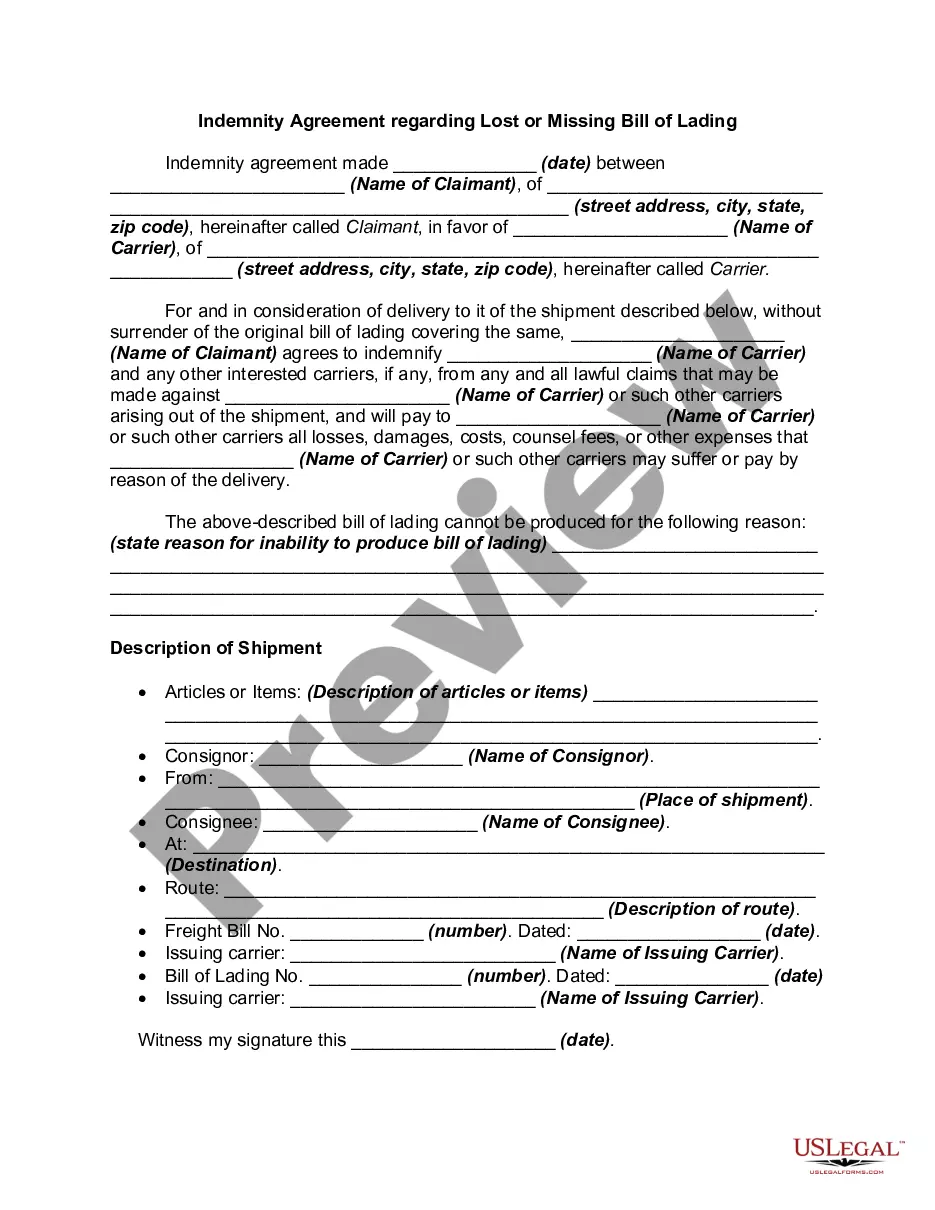

How to fill out Financial Record Storage Chart?
Whether for professional reasons or personal matters, everyone must face legal issues at some time in their life.
Filling out legal documents requires careful consideration, starting from selecting the correct form template.
Once it is saved, you can fill out the form using editing software or print it and complete it manually. With a comprehensive US Legal Forms catalog available, you will never have to waste time searching for the appropriate template online. Utilize the library’s straightforward navigation to find the correct form for any event.
- For example, if you choose an incorrect version of the Financial Report For Business, it will be rejected upon submission.
- Thus, it is crucial to obtain a reliable source of legal documents such as US Legal Forms.
- If you wish to acquire a Financial Report For Business template, follow these simple steps.
- Obtain the template you need by using the search bar or catalog browsing.
- Review the information on the form to ensure it corresponds with your situation, state, and county.
- Click on the form’s preview to take a look at it.
- If it is the wrong document, return to the search feature to locate the Financial Report For Business template you need.
- Download the file if it satisfies your requirements.
- If you possess a US Legal Forms account, click Log in to access previously saved files in My documents.
- If you do not have an account yet, you can purchase the form by clicking Buy now.
- Select the appropriate pricing option.
- Complete the account registration form.
- Choose your payment method: use a credit card or PayPal account.
- Select the file format you desire and download the Financial Report For Business.
Form popularity
FAQ
§ 25-61-2. It is the policy of this state that public records shall be available for inspection by any person unless otherwise provided by this chapter; furthermore, providing access to public records is a duty of each public body and automation of public records must not erode the right of access to those records.
Examples of records that are not considered public include: Adoption records. Education records. Medical records.
Public records include, but are not limited to, court records, government documents, and police reports. This rule has a few exceptions, such as records protected by confidentiality laws or considered trade secrets. However, these exceptions are few and far between.
Exceptions to Disclosure For example, academic records, personnel files, and trade secrets are exempt from disclosure.
Certain of these exemptions include judicial records, jury records, certain personnel records, attorney's work product, documents from third parties containing confidential information, certain appraisal records, academic records, archeological records, hospital records, investigative and criminal justice records, and ...
Like other states, Mississippi has a Public Records Act and an Open Meetings Act, otherwise known as ?sunshine laws.? These laws provide that all government meetings and records except those specifically exempt must be open to the public.
This chapter shall be known and may be cited as the "Mississippi Public Records Act of 1983." It is the policy of the Legislature that public records must be available for inspection by any person unless otherwise provided by Chapter 453, Laws of 1996.
The Mississippi Code of 1972 Title 25 Chapter 61 establishes the Mississippi Public Records Act. It is the policy of the Legislature that public records must be available for inspection by any person unless otherwise provided by this act [Laws, 1996, ch. 453].