What You Need For Business Plan
Description
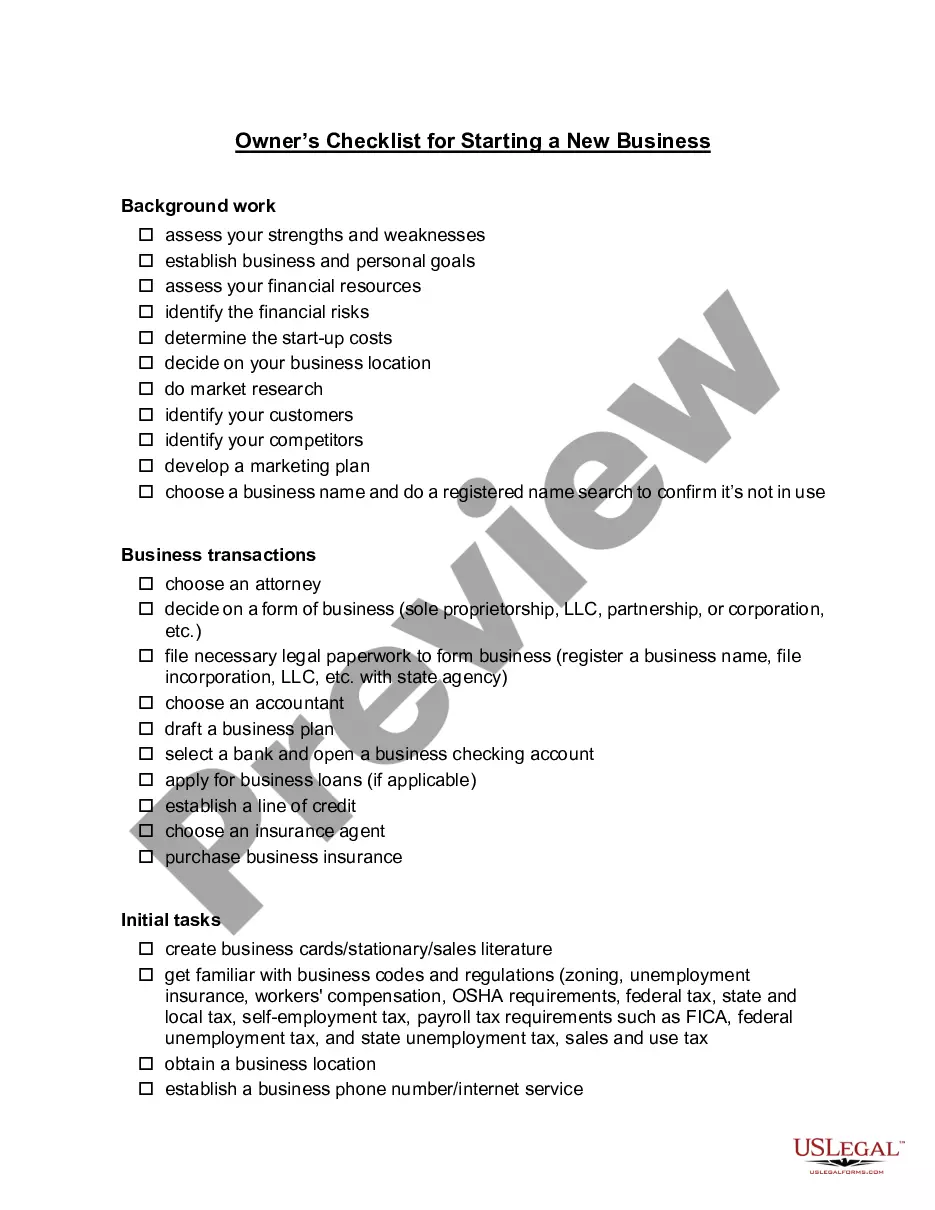
Get your form ready online
Our built-in tools help you complete, sign, share, and store your documents in one place.
Make edits, fill in missing information, and update formatting in US Legal Forms—just like you would in MS Word.
Download a copy, print it, send it by email, or mail it via USPS—whatever works best for your next step.
Sign and collect signatures with our SignNow integration. Send to multiple recipients, set reminders, and more. Go Premium to unlock E-Sign.
If this form requires notarization, complete it online through a secure video call—no need to meet a notary in person or wait for an appointment.
We protect your documents and personal data by following strict security and privacy standards.

Make edits, fill in missing information, and update formatting in US Legal Forms—just like you would in MS Word.

Download a copy, print it, send it by email, or mail it via USPS—whatever works best for your next step.

Sign and collect signatures with our SignNow integration. Send to multiple recipients, set reminders, and more. Go Premium to unlock E-Sign.

If this form requires notarization, complete it online through a secure video call—no need to meet a notary in person or wait for an appointment.

We protect your documents and personal data by following strict security and privacy standards.
Looking for another form?
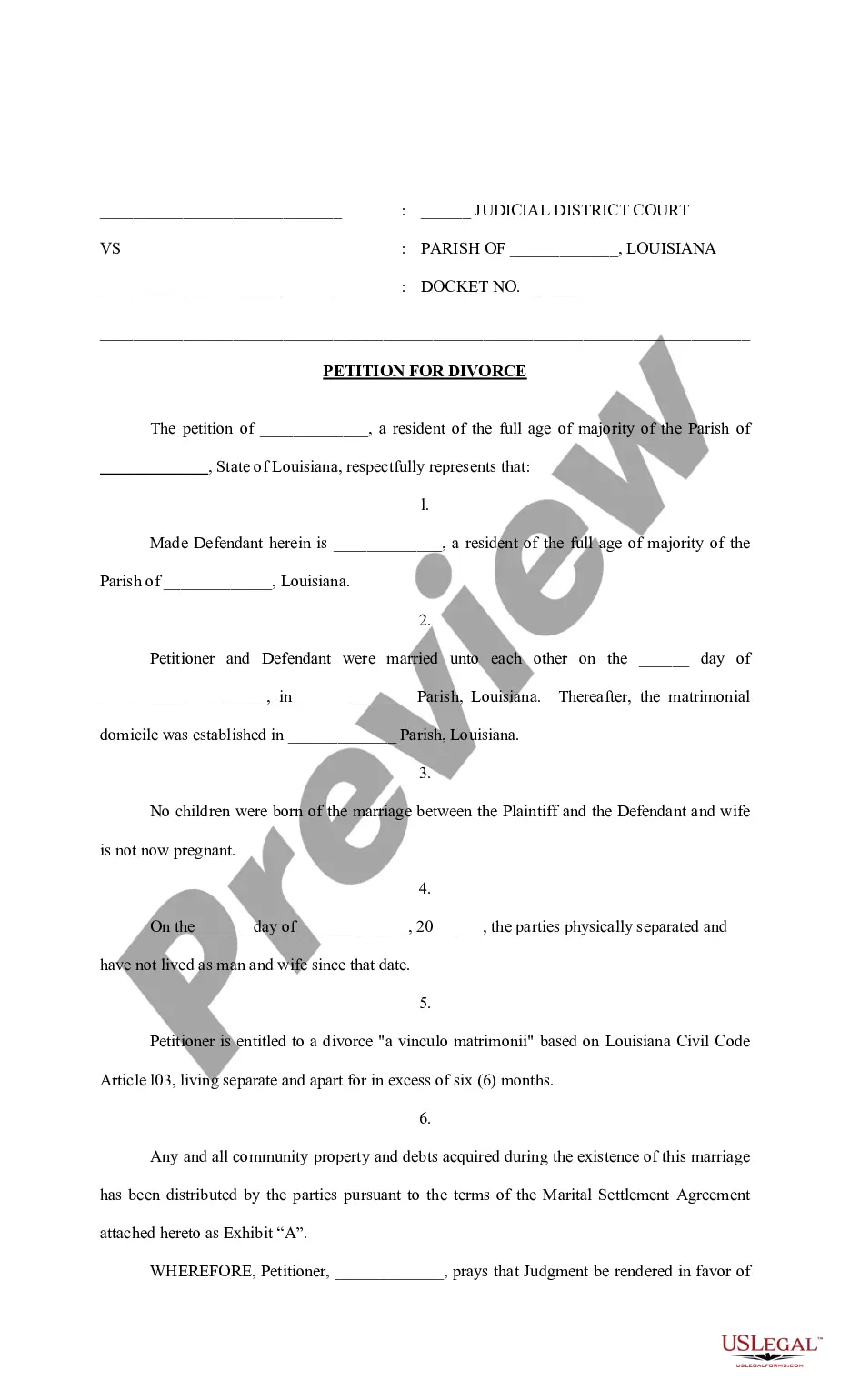







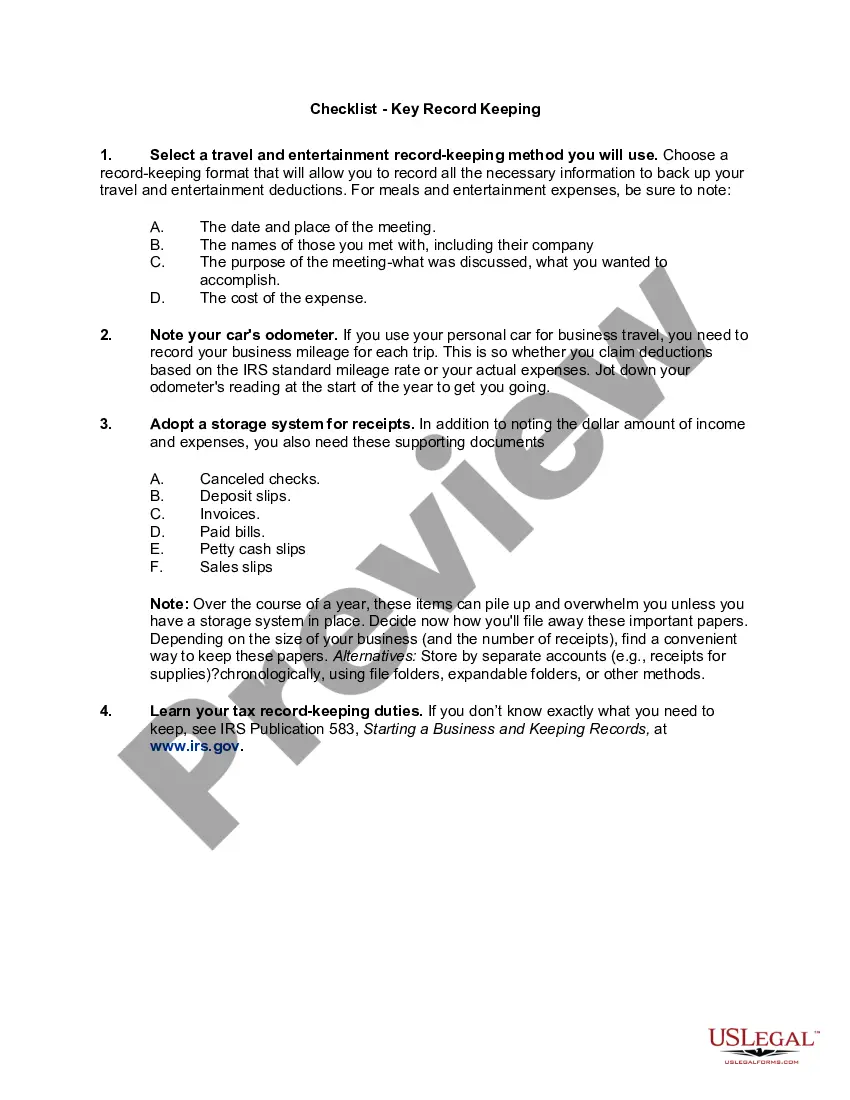
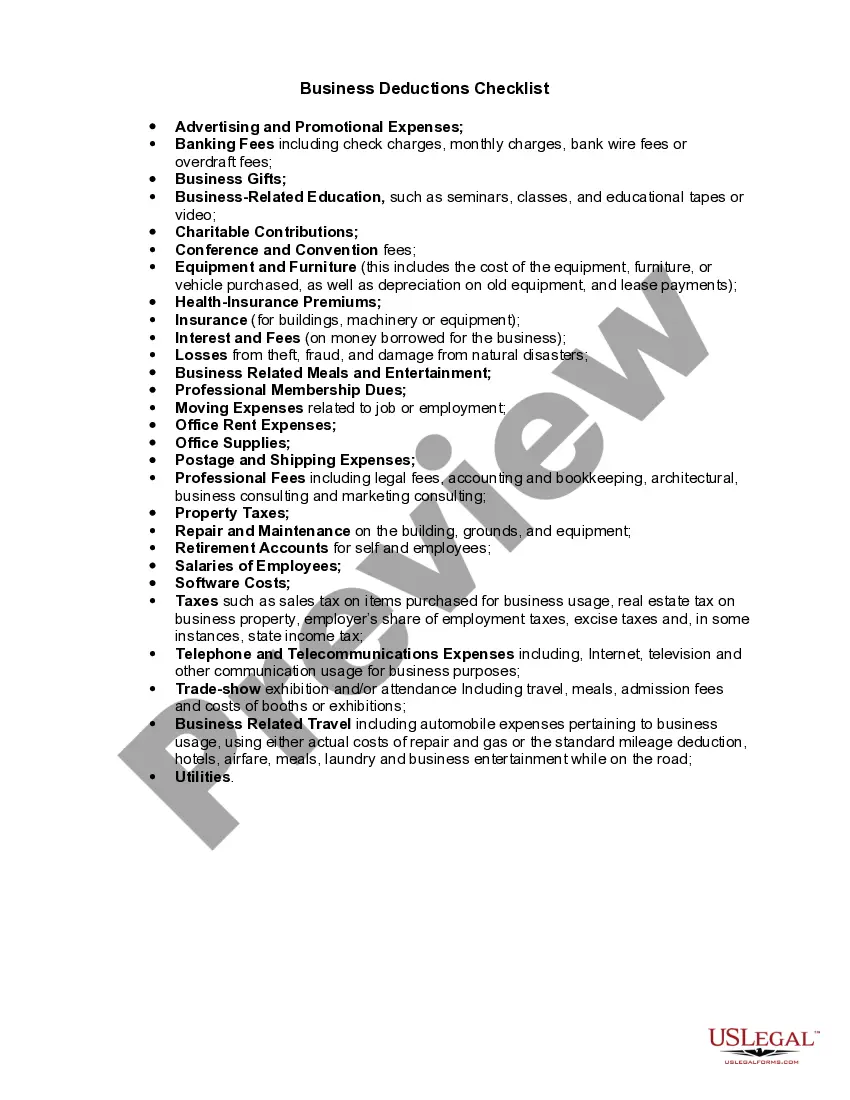
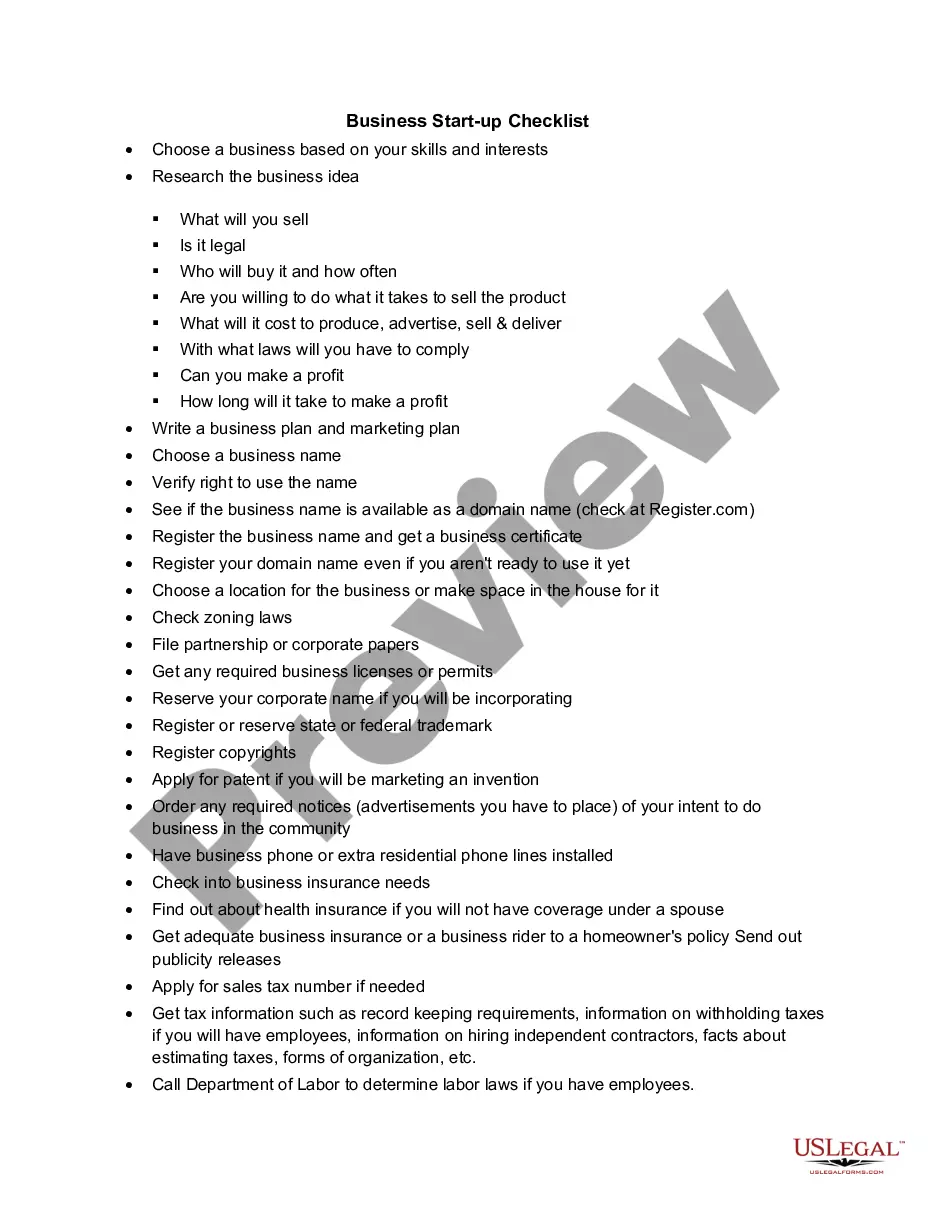
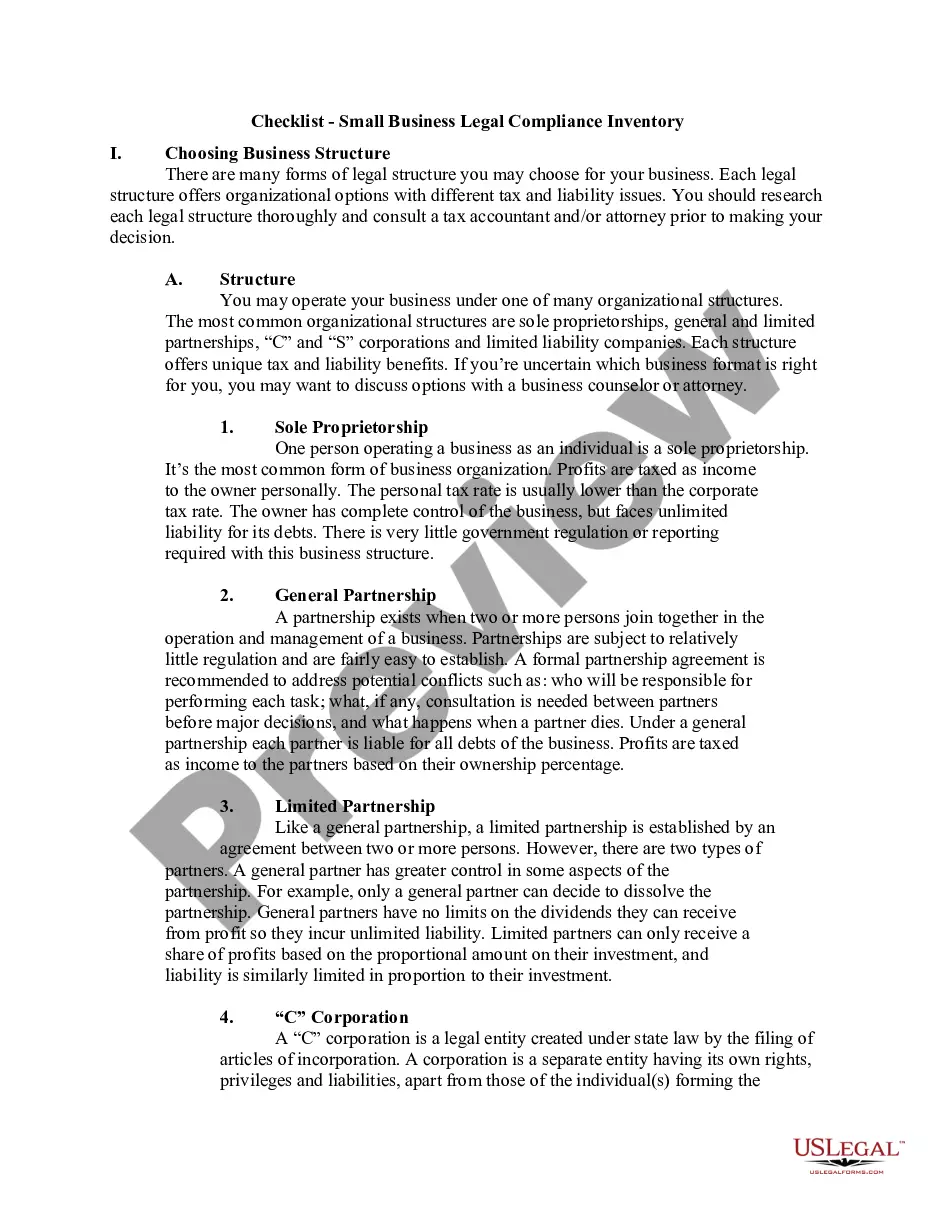
How to fill out Checklist - Key Record Keeping?
- Start by logging into your US Legal Forms account if you're an existing user. Ensure your subscription is current to access your documents.
- If this is your first time, browse through the preview mode and form description to choose the right template that meets your unique requirements.
- In case you don't find what you need, utilize the search feature to look for alternative templates that might better suit your business plan.
- Once you've identified the correct document, click the 'Buy Now' button and select an appropriate subscription plan. You'll need to create an account for full access.
- Enter your payment details to complete the purchase. You can use either a credit card or PayPal for convenience.
- Finally, download your completed form directly to your device. You can always retrieve it later from the 'My Forms' section of your profile.
By using US Legal Forms, you can benefit from a comprehensive library of over 85,000 legal documents, ensuring you have access to the right tools for effective business planning.
Take charge of your business's future by starting your plan today! Visit US Legal Forms to explore the templates available.
Form popularity
FAQ
Starting a business with $3,000 is possible but may limit your options. Carefully plan your expenses to ensure you allocate funds for essential areas such as marketing and legal requirements. Ultimately, your ability to succeed will depend on your business model and what you need for your business plan.
A comprehensive business plan should include an executive summary, a description of your business, market analysis, organization structure, and financial projections. Additionally, consider detailing your marketing strategies and funding needs. These components are vital, as they represent what you need for your business plan and guide your operations.
Starting your business planning requires a clear understanding of your market and a detailed assessment of your goals. Gather information about your industry, potential challenges, and customer preferences. By compiling this information, you will identify everything you need for your business plan and ensure you are on the right track.
To create a simple small business plan, outline your business's purpose, target market, and competitive advantages. Include essential elements such as your product or service offerings, marketing strategy, and financial projections. This concise structure will help you define what you need for your business plan and clarify your path to success.
The first step to starting a small business is to create a solid business idea. Once you clarify your concept, research its viability and identify your target market. This essential preparation is critical, as it lays the groundwork for what you need for your business plan.
To start planning for a small business, begin by conducting market research to understand your audience and competitors. Identify your business goals and develop a clear mission statement. This foundational work will provide what you need for your business plan and guide your decisions going forward.
When drafting your business plan, it's essential to include specific components that address your objectives and strategies. Start with an executive summary that highlights your vision, followed by detailed sections on your target market, competitive landscape, and operational structure. Additionally, you should include clear financial forecasts and funding requirements. By addressing these essentials, you will create a comprehensive guide that illustrates what you need for business plan and how your business will thrive.
To create a comprehensive business plan, you need various documents that outline key aspects of your venture. Critical items include financial statements, market research data, legal agreements, and permits relevant to your industry. Additionally, gathering past sales data, competitor analysis, and information on your management team will strengthen your business plan. These documents help you articulate what you need for business plan and create a credible roadmap for success.
When considering what you need for business plan, it is crucial to understand the seven major elements. These include an executive summary, business description, market analysis, organization and management structure, product line or service, marketing and sales strategy, and financial projections. Each element serves as a foundational pillar that supports your overall vision and goals. Ensuring you cover these areas will provide clarity and guidance for your business journey.
A solid business plan should include an executive summary, market analysis, organizational structure, financial projections, and a marketing strategy. By addressing these five components, you define what you need for a business plan efficiently. They not only provide insight into your business’s strategy but also help to attract investors and guide your efforts as you grow.