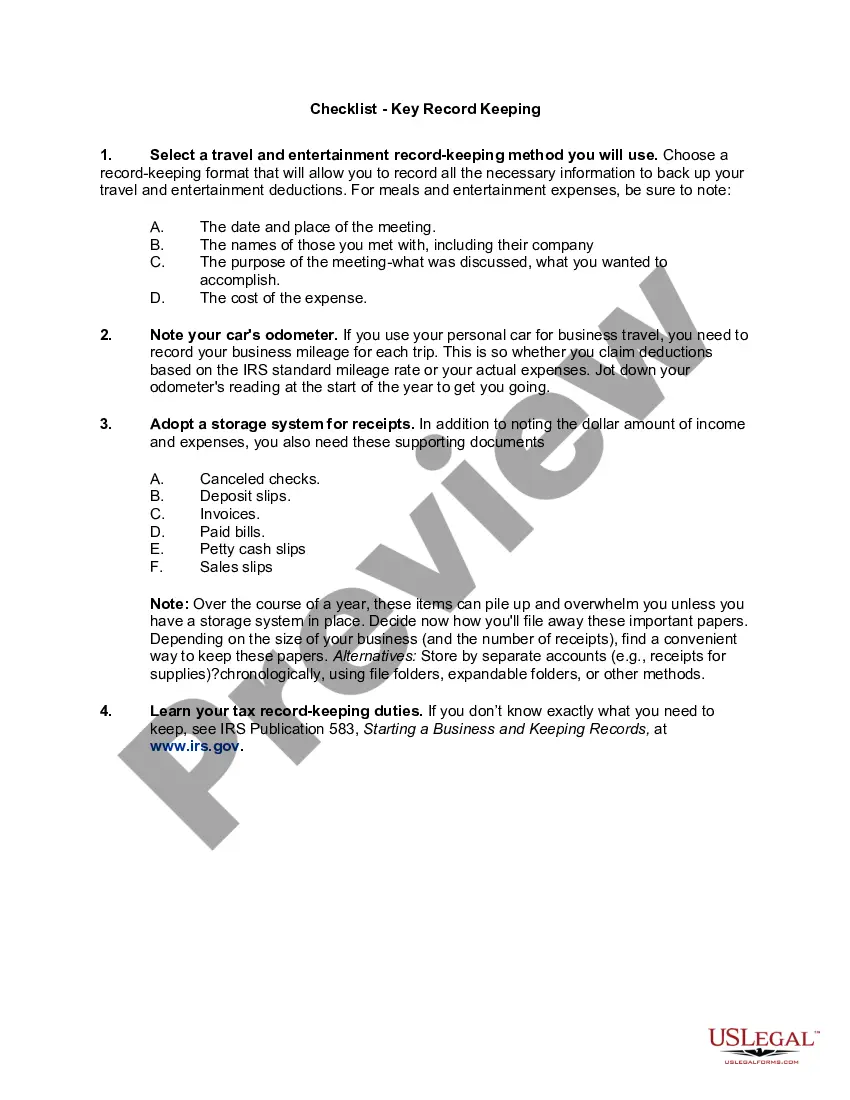
Keep Record Of Expenses
Description
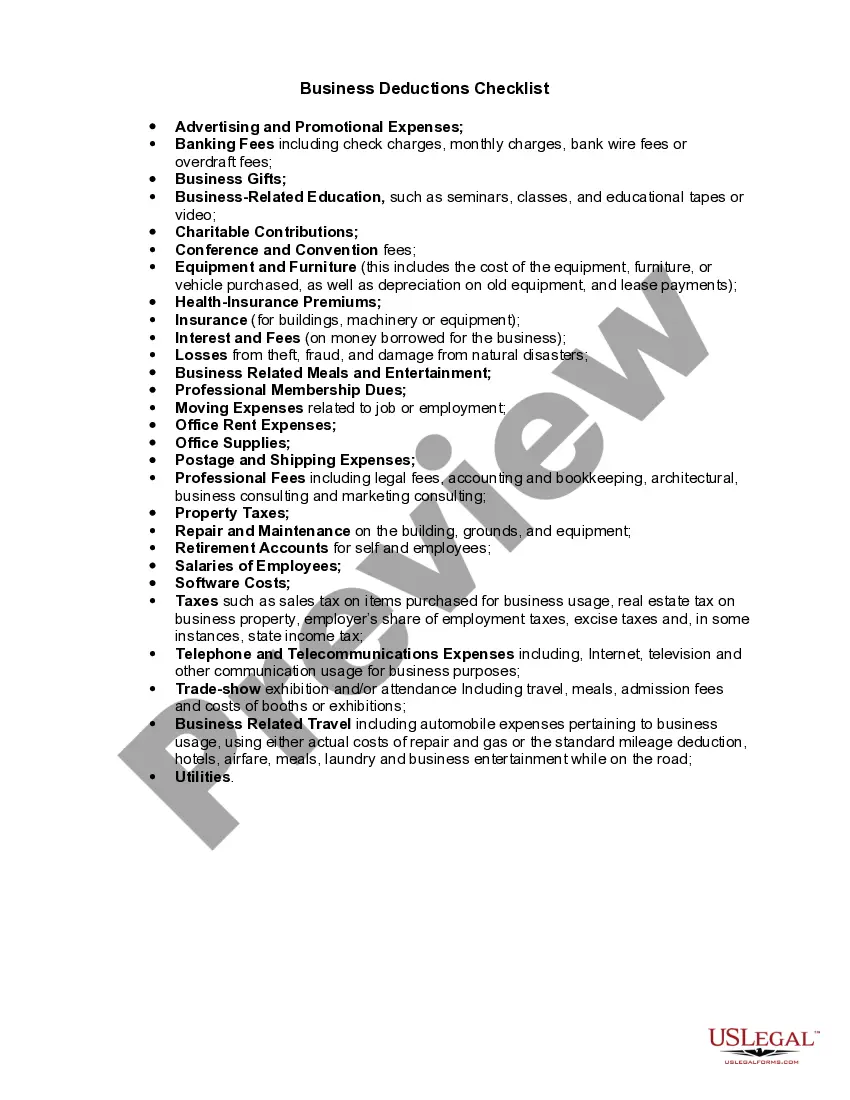
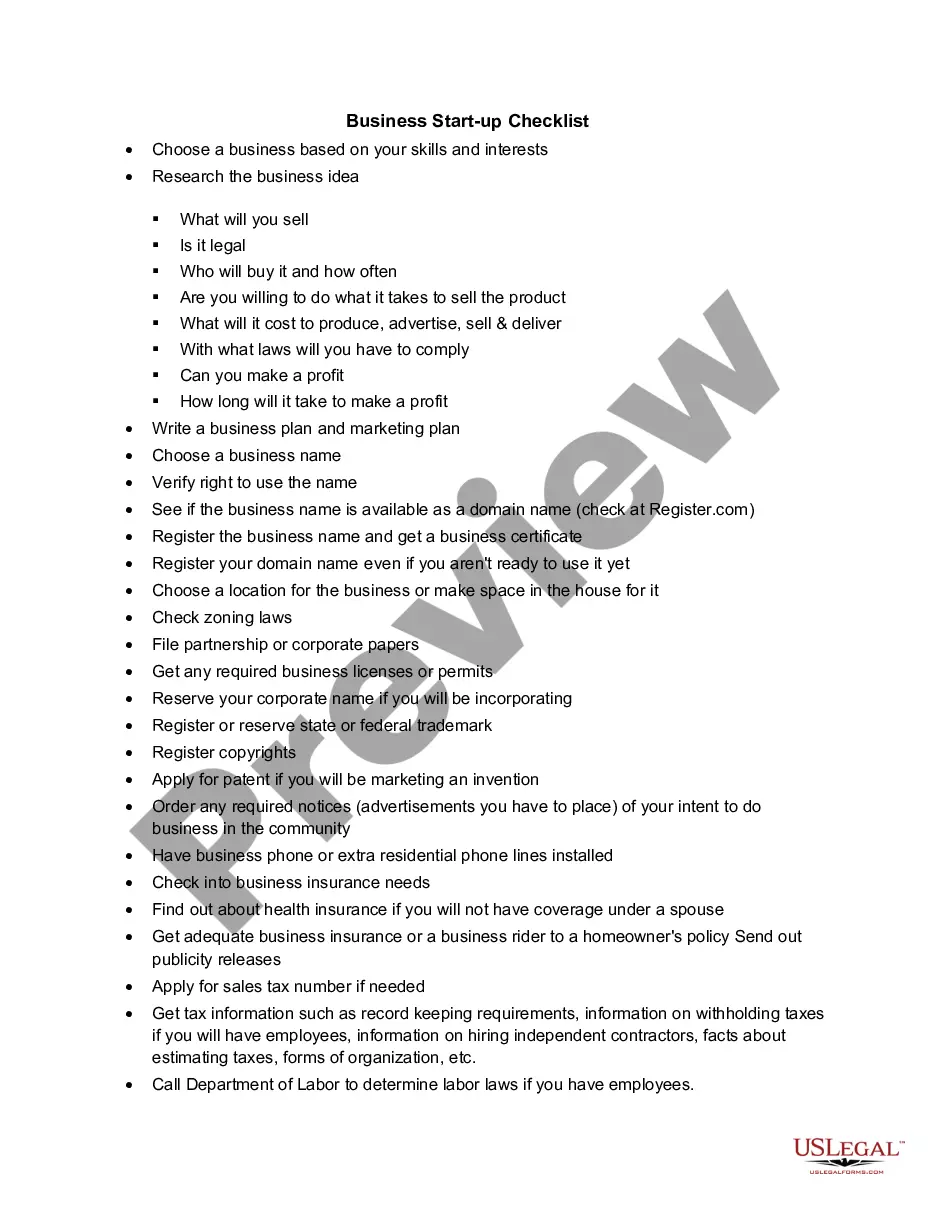
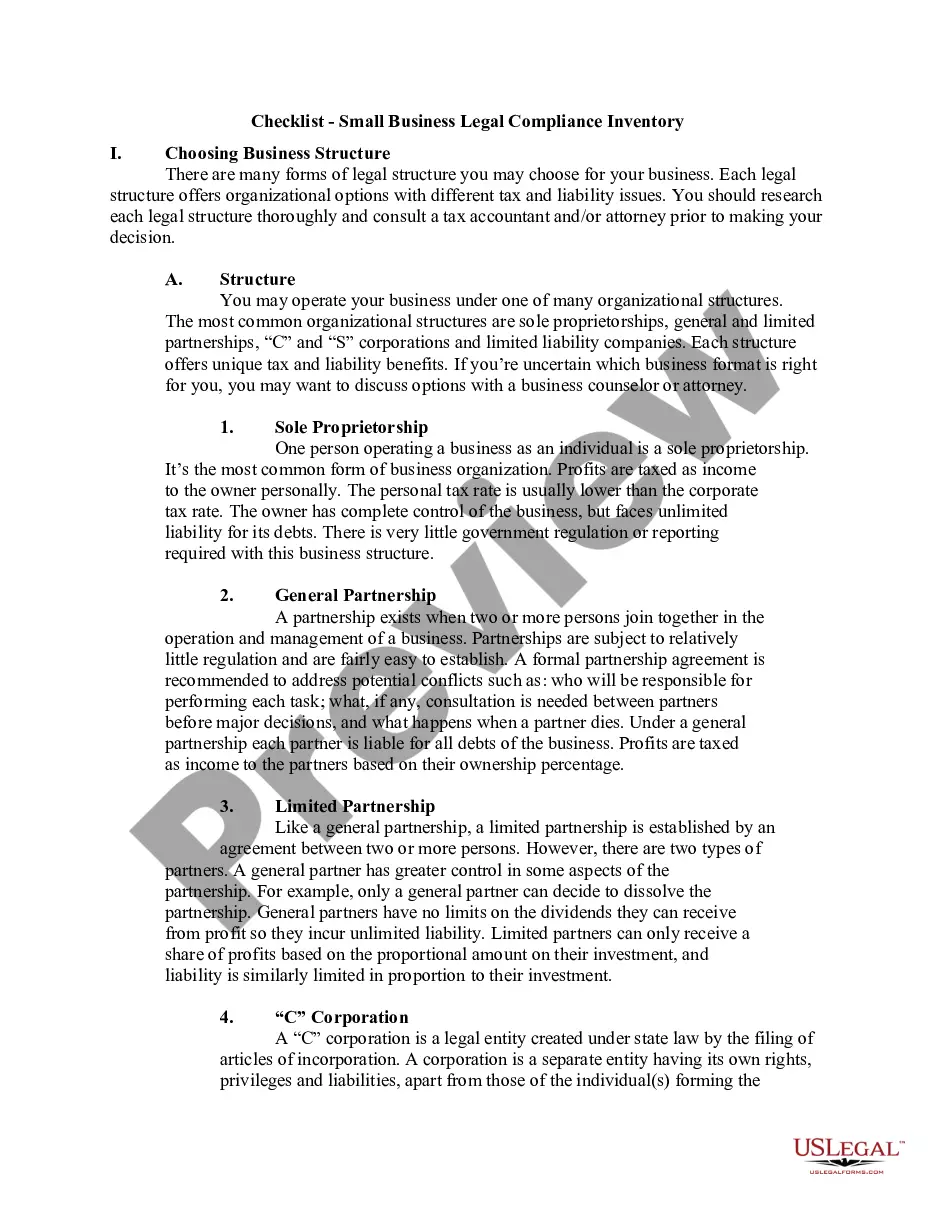
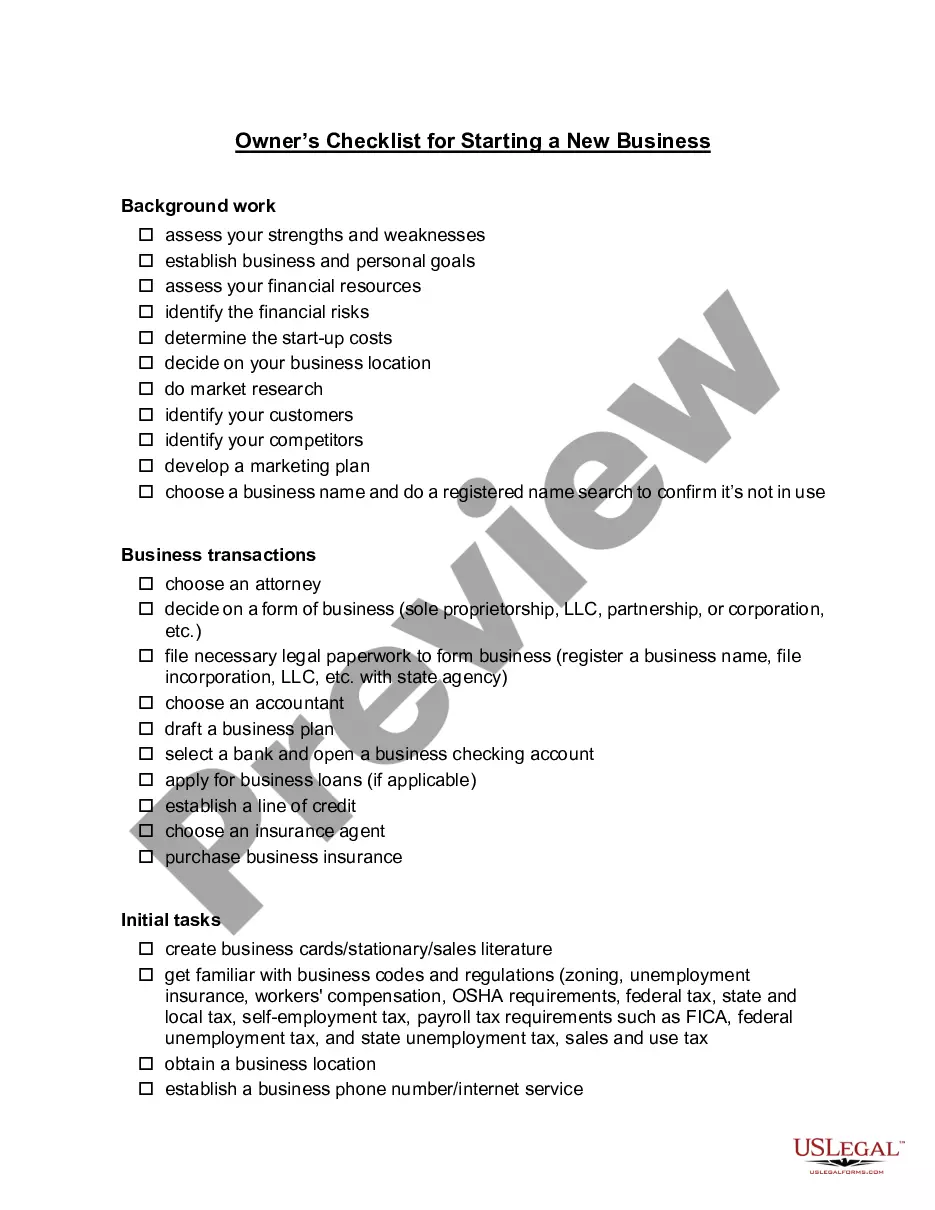
Get your form ready online
Our built-in tools help you complete, sign, share, and store your documents in one place.
Make edits, fill in missing information, and update formatting in US Legal Forms—just like you would in MS Word.
Download a copy, print it, send it by email, or mail it via USPS—whatever works best for your next step.
Sign and collect signatures with our SignNow integration. Send to multiple recipients, set reminders, and more. Go Premium to unlock E-Sign.
If this form requires notarization, complete it online through a secure video call—no need to meet a notary in person or wait for an appointment.
We protect your documents and personal data by following strict security and privacy standards.

Make edits, fill in missing information, and update formatting in US Legal Forms—just like you would in MS Word.

Download a copy, print it, send it by email, or mail it via USPS—whatever works best for your next step.

Sign and collect signatures with our SignNow integration. Send to multiple recipients, set reminders, and more. Go Premium to unlock E-Sign.

If this form requires notarization, complete it online through a secure video call—no need to meet a notary in person or wait for an appointment.

We protect your documents and personal data by following strict security and privacy standards.
Looking for another form?

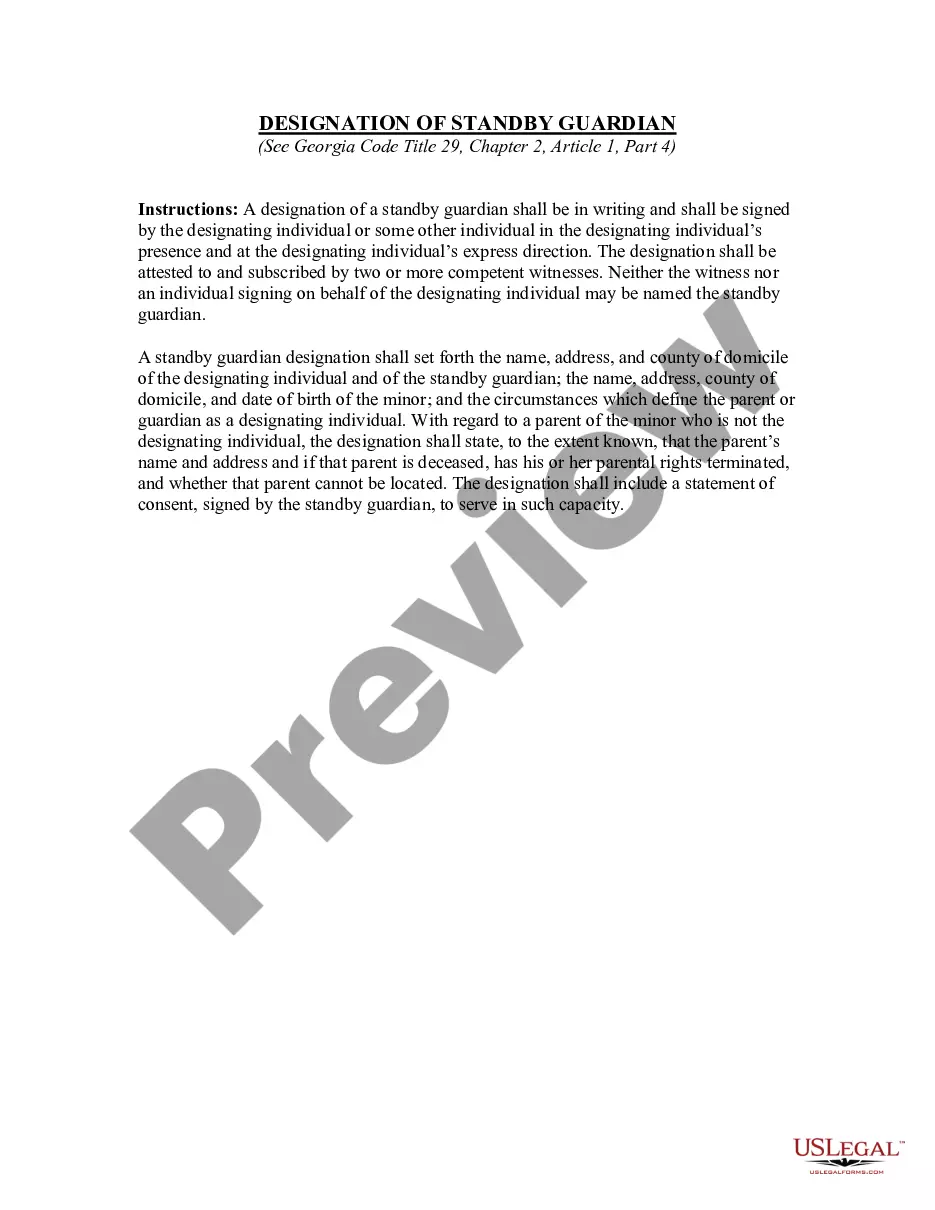
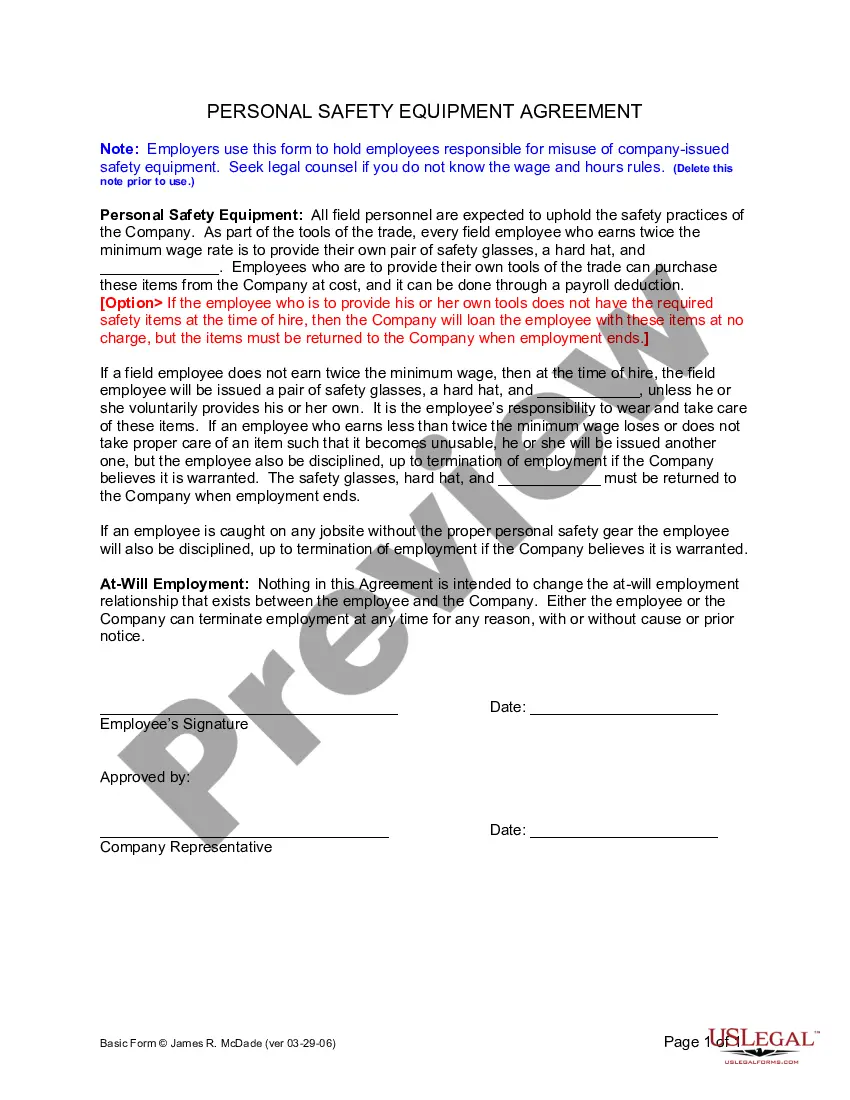

How to fill out Checklist - Key Record Keeping?
- If you are a returning user, log into your account and download your required form template by clicking on the Download button. Ensure that your subscription is current; otherwise, consider renewing it based on your payment plan.
- For first-time users, begin by accessing the US Legal Forms website. Review the available forms in Preview mode to choose the one that aligns with your specific needs and complies with your local laws.
- If you don't find the right template, utilize the Search tab at the top to locate additional options that meet your criteria before proceeding.
- Once you identify the appropriate document, click on the Buy Now button. Select your desired subscription plan and create an account to gain full access to our form library.
- Complete your purchase by entering your credit card information or using your PayPal account to finalize your subscription.
- Finally, download the template to your device for completion. You can also access it anytime in the My Forms section of your account.
By following these steps, you can ensure that your financial records are accurately maintained. US Legal Forms offers a vast collection of over 85,000 forms to meet your legal needs, making it the ideal resource for managing your expenses effectively.
Start documenting your expenses today with US Legal Forms and experience peace of mind! Visit us now to explore our extensive library and get started.
Form popularity
FAQ
Filling out an expense sheet involves entering the relevant details for each expense clearly and accurately. Start with the date, followed by the description of the expense, category, and amount spent. Ensure you tally your total expenses and keep the sheet organized to make tracking easier. By following these steps, you can efficiently keep record of expenses and stay on top of your financial management.
To keep a record of expenses effectively, start by documenting all your transactions regularly. Utilize expense tracking software or create a simple spreadsheet where you can categorize and enter your expenses. Remember to include the date, amount, and purpose of each expense for easier tracking. Consistent record-keeping enables you to maintain oversight of your finances and simplifies the task of reporting when tax season arrives.
The $75 rule states that for any business expense over $75, you must obtain a detailed receipt to keep a record of expenses properly. This rule ensures that you have the necessary documentation to support your claims during tax time. Without proper receipts for expenses over this amount, you may have difficulty substantiating your deductions. Therefore, maintaining thorough records is crucial for compliance and accurate bookkeeping.
Documenting your expenses involves collecting receipts and maintaining a record of all transactions. You can leverage tools such as expense tracking apps, which can simplify the process and allow easy access to your documentation. Regularly updating your records ensures you keep record of expenses without hassle.
While the IRS does not enforce strict requirements on how you keep record of expenses, it mandates that you maintain accurate records supporting your income and deductions. This can include receipts, bank statements, and invoices. Keeping good records simplifies tax filing and helps you verify your claims if needed.
To keep a record of all your expenses, start by collecting all your receipts and invoices. You can use software tailored for expense tracking, allowing you to categorize and review them easily. Setting a regular schedule to enter these expenses into your system will ensure you don’t overlook any transactions.
The IRS suggests retaining records that support your tax filings for at least three years, but some records, particularly those related to property, should be kept for much longer. To ensure compliance, focus on maintaining complete records that allow you to keep record of expenses effectively. Familiarizing yourself with IRS guidelines can save you time and trouble.
The IRS doesn’t specifically require bookkeeping, but maintaining a consistent system helps you keep record of expenses accurately. Proper bookkeeping allows you to prepare your tax returns correctly and ensures you have the necessary documentation in case of an audit. Investing in good bookkeeping practices is a wise choice.
Recordkeeping requirements vary depending on your business type and tax situation. Generally, you should keep records that support income and expenses reported on your tax returns. This includes receipts, invoices, and bank statements that can help you keep record of expenses accurately.
You should keep record of expenses and certain documents for at least seven years if they relate to tax filings. This includes receipts for major purchases, documents supporting any deductions, and records of income. Retaining these documents helps protect you in case of an audit.