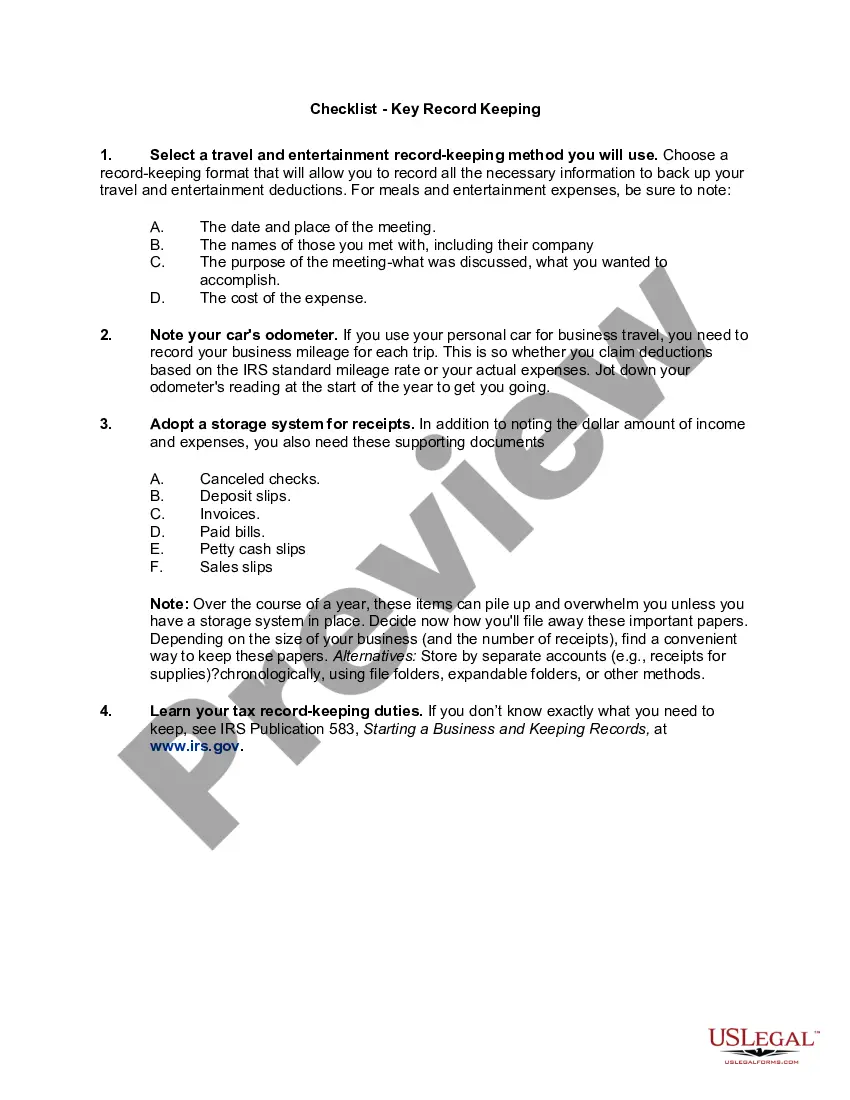
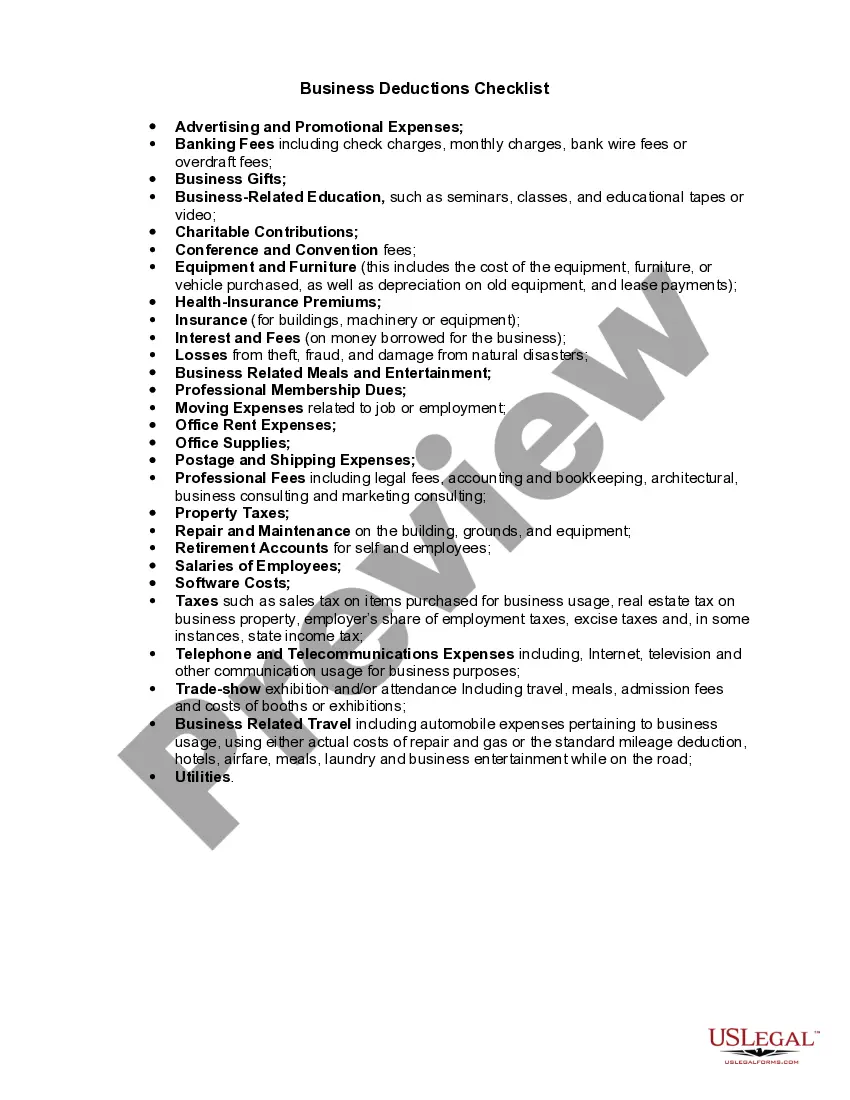
Checklist Key Record Keeping For Clinical Trials
Description
Get your form ready online
Our built-in tools help you complete, sign, share, and store your documents in one place.
Make edits, fill in missing information, and update formatting in US Legal Forms—just like you would in MS Word.
Download a copy, print it, send it by email, or mail it via USPS—whatever works best for your next step.
Sign and collect signatures with our SignNow integration. Send to multiple recipients, set reminders, and more. Go Premium to unlock E-Sign.
If this form requires notarization, complete it online through a secure video call—no need to meet a notary in person or wait for an appointment.
We protect your documents and personal data by following strict security and privacy standards.

Make edits, fill in missing information, and update formatting in US Legal Forms—just like you would in MS Word.

Download a copy, print it, send it by email, or mail it via USPS—whatever works best for your next step.

Sign and collect signatures with our SignNow integration. Send to multiple recipients, set reminders, and more. Go Premium to unlock E-Sign.

If this form requires notarization, complete it online through a secure video call—no need to meet a notary in person or wait for an appointment.

We protect your documents and personal data by following strict security and privacy standards.
Looking for another form?









How to fill out Checklist - Key Record Keeping?
- If you're an existing user, log in to your profile and locate the desired form. Click the Download button after confirming your subscription is active. If it is not valid, renew it as per your plan.
- For new users, start by checking the Preview mode and description of the forms available. Ensure you select the one that properly aligns with your jurisdiction's requirements.
- If the form doesn't meet your needs, use the Search tab at the top to find the correct template. Repeat this step until you find the right document.
- Once you find a suitable template, click the Buy Now button and select your preferred subscription plan. Account registration is necessary to access the forms.
- Proceed to payment by entering your credit card details or opting for your PayPal account to complete the purchase.
- Download the form to your device for completion. You can also find it later in the My Forms section of your account.
In conclusion, US Legal Forms provides a comprehensive solution for anyone needing legal documentation quickly and efficiently. Their extensive library and user-friendly interface empower users to manage their forms confidently.
Start your journey with US Legal Forms today and experience the convenience of professional-grade legal document management!
Form popularity
FAQ
All trial-related documentation should be stored in a secure and centralized location, preferably within a Document Management System. This ensures that all protocols, amendments, and essential records are easily accessible to authorized personnel. Implementing an organized approach to checklist key record keeping for clinical trials not only aids in compliance but also promotes efficient data retrieval and analysis.
PRS in clinical trials is essential for maintaining organized records of study protocols and revisions. It streamlines information access and keeps all stakeholders informed about the study's progress. Proper management through a PRS contributes significantly to checklist key record keeping for clinical trials, as it lays the foundation for systematic documentation practices and regulatory compliance.
In the medical field, PRS refers to the Protocol Registration System designed to enhance transparency and advance clinical research. This system enables researchers to register study protocols, which ultimately supports better data integrity and patient safety. Employing a PRS facilitates effective checklist key record keeping for clinical trials, allowing organizations to track and store vital information throughout the research process.
In the context of clinical trials, PR generally stands for Protocol Revision. This signifies any updates or changes made to the initial study design or methodology. Proper documentation of each Protocol Revision is essential for comprehensive checklist key record keeping for clinical trials, as it helps maintain a clear and accessible record of all modifications over time.
The PRS status indicates the current state of a protocol submission within the Protocol Registration System. Understanding your PRS status helps you track progress and compliance throughout the trial process. Keeping an accurate PRS status is crucial for checklist key record keeping for clinical trials, ensuring that all necessary documents are filed and updated correctly.
PRS, or Protocol Registration System, plays a vital role in clinical trials. It serves as a centralized platform to record and maintain essential study protocols. By ensuring clarity and transparency in clinical research, a PRS aids in effective checklist key record keeping for clinical trials. This facilitates smoother operations and better adherence to regulatory requirements.
The Alcoa principles as outlined by the FDA stress the need for clinical trial data to be attributable, legible, contemporaneous, original, and accurate. These guidelines are crucial for regulatory compliance and are designed to uphold the scientific integrity of trials. By understanding and applying these principles in your research, you can ensure that your findings meet industry standards. Utilizing these principles as part of your checklist for key record keeping for clinical trials will enhance your compliance and overall research quality.
The Alcoa standards for clinical research dictate that all data should be captured in a way that it is clear who recorded it, when it was recorded, and how it relates to the original source. This ensures that any data used in trials is reliable and follows proper documentation practices. Compliance with these standards is vital for validating results and maintaining regulatory approval. Incorporating these standards into your checklist for key record keeping for clinical trials can greatly improve your study's credibility.
The Alcoa principles guide clinical researchers to ensure that all recorded data is attributable, legible, contemporaneous, original, and accurate. These principles promote transparency and accountability in clinical trial processes. By following these principles, you enhance the quality of your research and comply with regulatory expectations. Effectively integrating these principles into your checklist for key record keeping for clinical trials can streamline your research operations.
The Alcoa standards, which stand for Attributable, Legible, Contemporaneous, Original, and Accurate, form the foundation for record keeping in clinical trials. These standards emphasize the importance of maintaining clear documentation that can be easily traced back to the source. By adhering to these principles, researchers uphold the integrity and reliability of data. This forms an essential part of your checklist for key record keeping for clinical trials.