Eap With Radius
Description
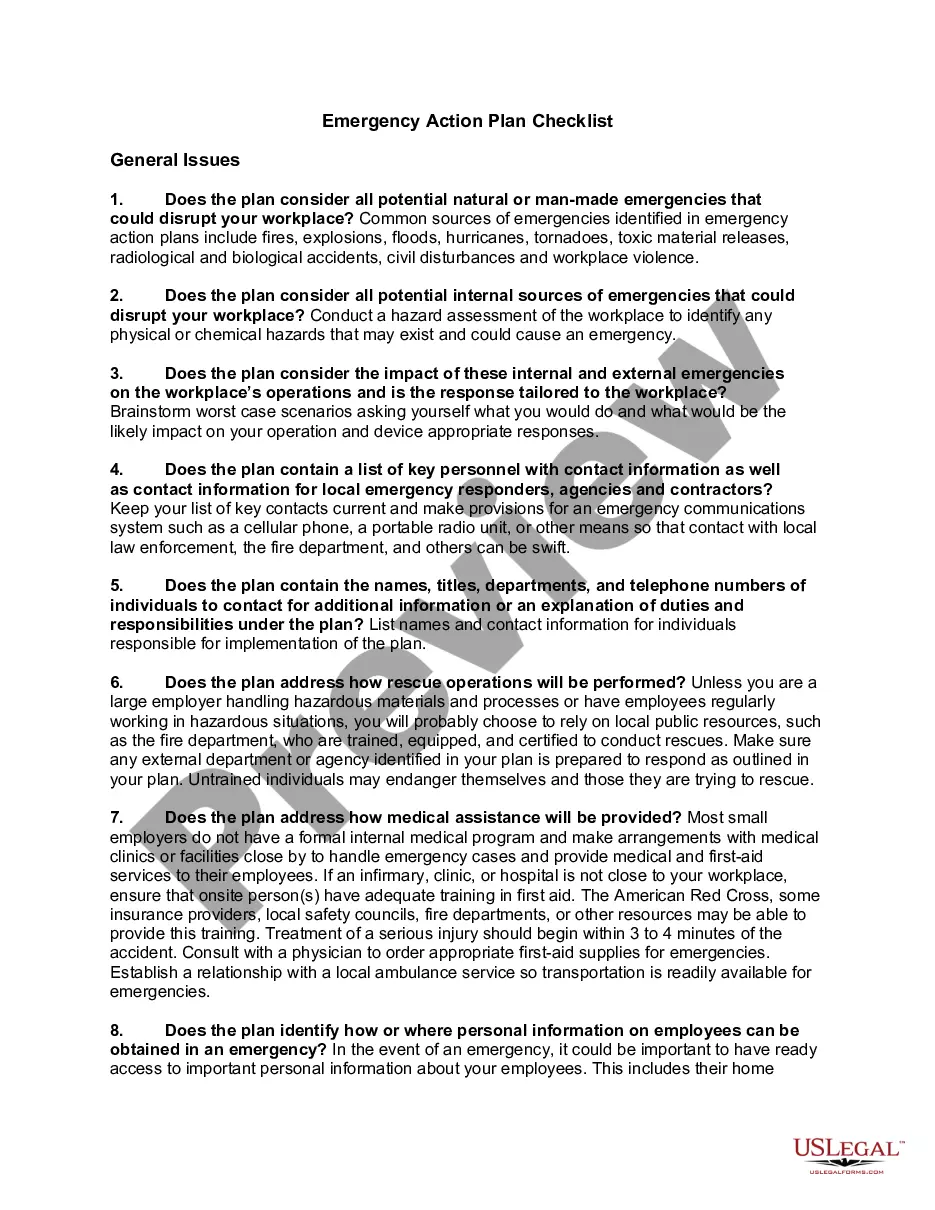
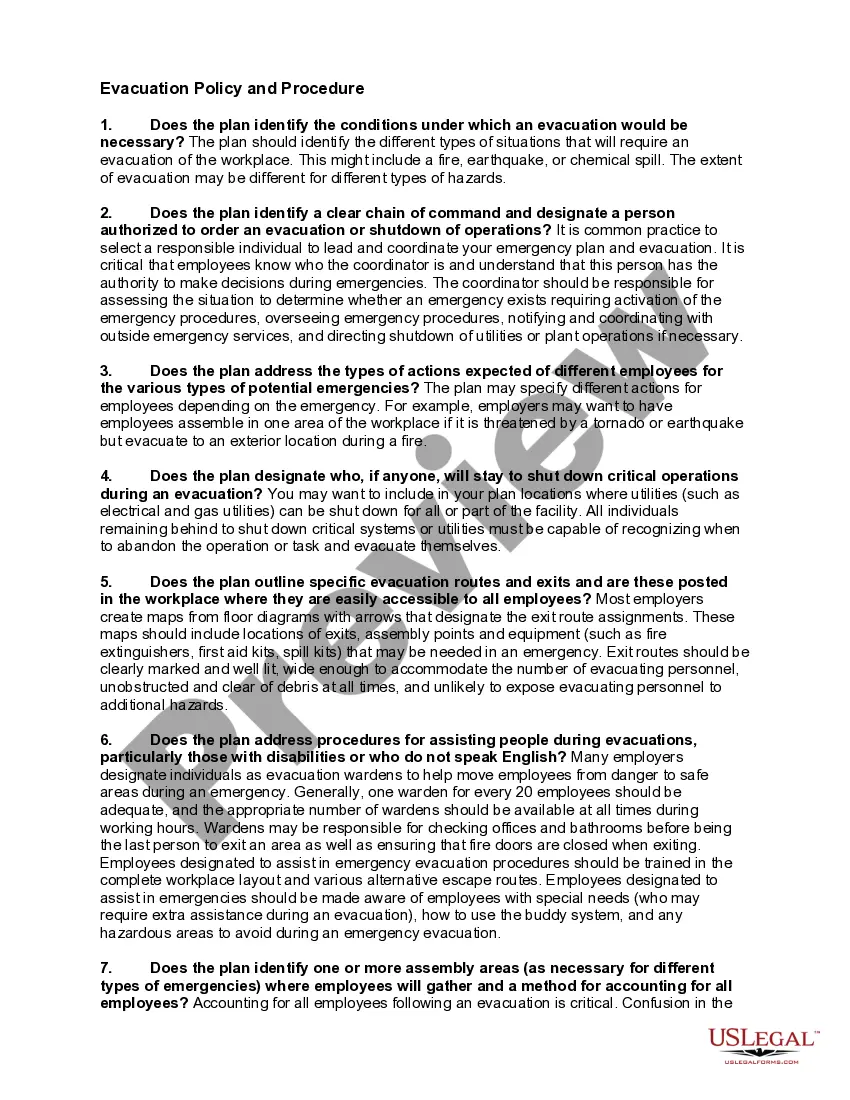
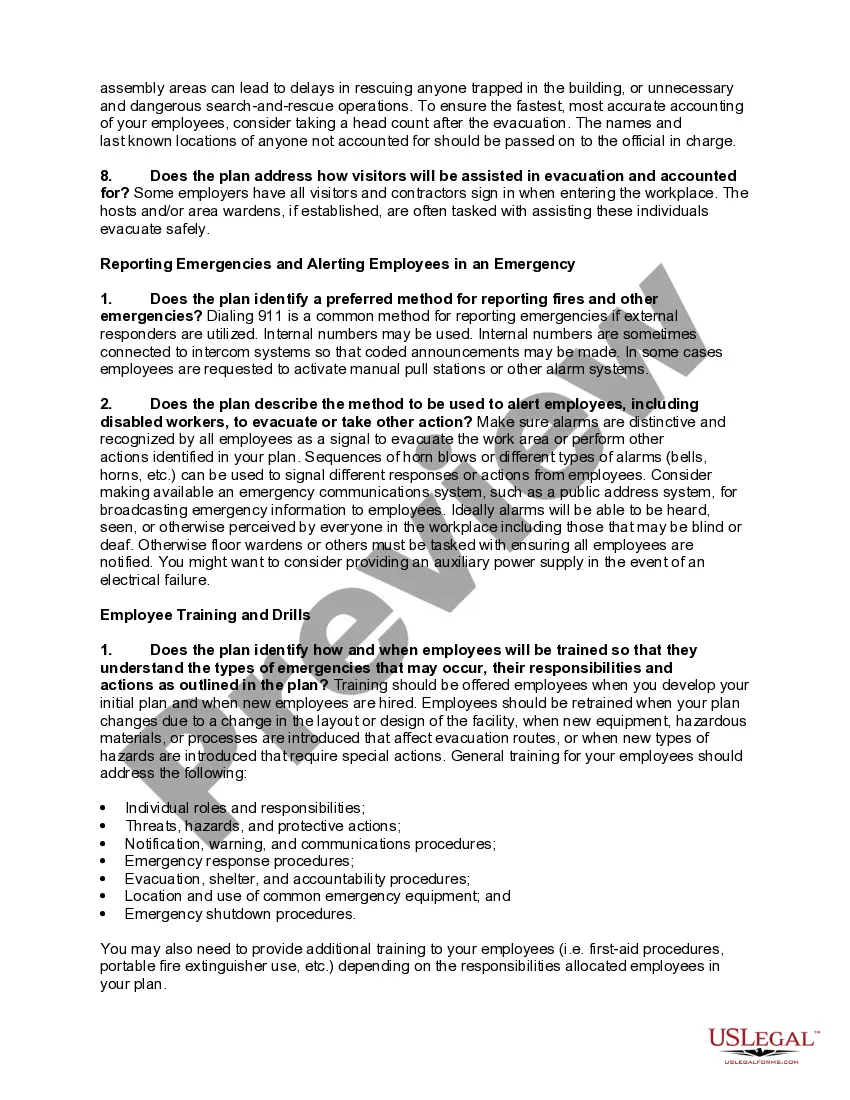
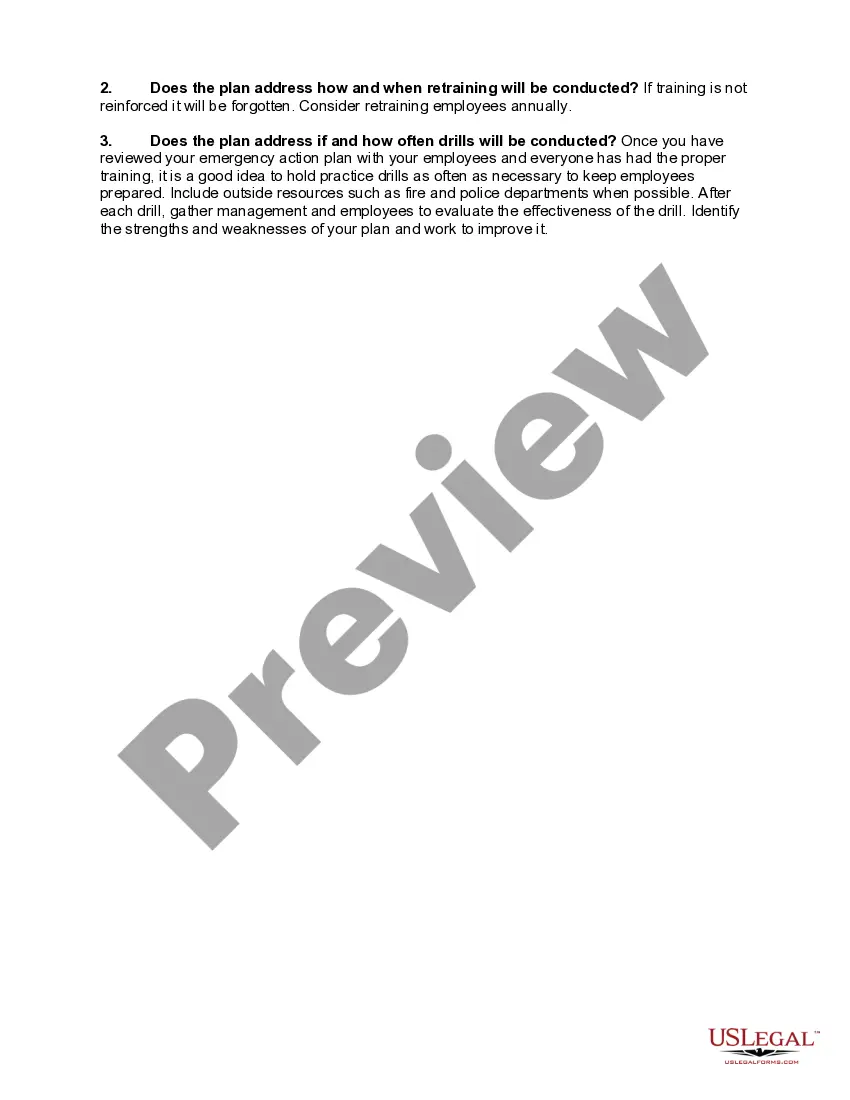
Get your form ready online
Our built-in tools help you complete, sign, share, and store your documents in one place.
Make edits, fill in missing information, and update formatting in US Legal Forms—just like you would in MS Word.
Download a copy, print it, send it by email, or mail it via USPS—whatever works best for your next step.
Sign and collect signatures with our SignNow integration. Send to multiple recipients, set reminders, and more. Go Premium to unlock E-Sign.
If this form requires notarization, complete it online through a secure video call—no need to meet a notary in person or wait for an appointment.
We protect your documents and personal data by following strict security and privacy standards.

Make edits, fill in missing information, and update formatting in US Legal Forms—just like you would in MS Word.

Download a copy, print it, send it by email, or mail it via USPS—whatever works best for your next step.

Sign and collect signatures with our SignNow integration. Send to multiple recipients, set reminders, and more. Go Premium to unlock E-Sign.

If this form requires notarization, complete it online through a secure video call—no need to meet a notary in person or wait for an appointment.

We protect your documents and personal data by following strict security and privacy standards.
Looking for another form?




How to fill out Emergency Action Plan Checklist - EAP?
- Start by checking the form preview and description to confirm it meets your needs. Ensure it aligns with your local jurisdiction.
- If you find any discrepancies, utilize the search feature to find another suitable template.
- Proceed to purchase the document by clicking the 'Buy Now' button and selecting a subscription plan.
- Create an account if you're a new user; this will grant you access to the full library.
- Complete the payment using your credit card or PayPal account.
- Finally, download your form and save it to your device for future reference, easily accessible in the 'My Forms' section of your account.
In conclusion, US Legal Forms empowers both individuals and attorneys with its vast collection of over 85,000 legal documents. With their user-friendly platform and access to premium experts, you'll ensure your documents are precise and legally sound.
Don't miss out on the benefits of using US Legal Forms. Start your journey today!
Form popularity
FAQ
EAP messages are a set of protocols used for authentication over networks, particularly when implementing EAP with RADIUS. These messages facilitate communication between the user device and the authentication server, determining the method and process for validating credentials. Understanding EAP messages is vital for network engineers and administrators seeking to ensure secure and efficient authentication methods. Tools and resources from US Legal Forms can help you grasp these concepts effectively.
Configuring a RADIUS server for authentication involves several key steps to ensure it operates smoothly with EAP. Start by installing the RADIUS server software and setting up your network environment. Once you've defined your clients and users, configure the server settings to implement EAP with RADIUS. For a seamless experience, consider using platforms like US Legal Forms to access reliable guidelines and templates that simplify the configuration process.
The Message Authentication Attribute (MAA) in RADIUS plays a crucial role in ensuring the integrity and authenticity of messages exchanged between clients and servers. This attribute secures communication by providing a cryptographic check, helping to prevent unauthorized access. When using EAP with RADIUS, the MAA becomes particularly important, as it enhances the security of authentication processes. Understanding this attribute aids in implementing a robust EAP with RADIUS solution.
The EAP-message RADIUS attribute is a crucial component that carries the encapsulated EAP messages between the client and the RADIUS server. This attribute ensures that the authentication process is streamlined and efficient, allowing for smooth communication during user verification. When implementing EAP with RADIUS, understanding this attribute helps organizations configure their systems correctly for optimal security and performance. Effective use of this feature can significantly enhance the overall authentication experience.
RADIUS primarily uses the User Datagram Protocol (UDP) for communication over the network. This service allows for fast transmission of data and ensures that authentication requests are processed without significant delays. By integrating EAP with RADIUS, users experience quick and efficient logins, making this setup ideal for organizations with a large number of users and devices. Reliable communication ensures a smooth user experience in secure environments.
EAP itself does not specify a single encryption method but supports various types, including TLS, PEAP, and EAP-TTLS. Each of these protocols offers different levels of security for data transmitted over the network. When implementing EAP with RADIUS, organizations should choose a strong encryption method to protect sensitive information during the authentication process. This combination helps maintain data integrity and user privacy.
Yes, EAP with RADIUS is a common authentication method used in various network environments. RADIUS manages the authentication process by acting as a centralized server for EAP requests. This means that when a user attempts to access the network, RADIUS verifies their credentials and allows or denies access based on them. By utilizing EAP with RADIUS, organizations can enhance security and manage user access effectively.
The default EAP type for RADIUS is EAP-TLS, which uses Transport Layer Security for authentication. This method requires both client and server certificates, ensuring that both parties are verified before any sensitive data is exchanged. Implementing EAP with RADIUS and choosing EAP-TLS can greatly enhance your network's security and trustworthiness.
EAP in RADIUS refers to the utilization of the Extensible Authentication Protocol within the RADIUS framework. This combination allows for dynamic authentication processes, which can include various methods like certificates and passwords. By leveraging EAP with RADIUS, organizations can establish robust security measures that adapt to their authentication needs.
EAP is a flexible authentication framework used in various network protocols, while RADIUS stands for Remote Authentication Dial-In User Service. Together, EAP and RADIUS provide a comprehensive authentication solution for networks, allowing for different methods of user verification. Businesses looking to strengthen their security can benefit greatly from integrating EAP with RADIUS, which is ideal for managing network access.