Eap For Resp
Description
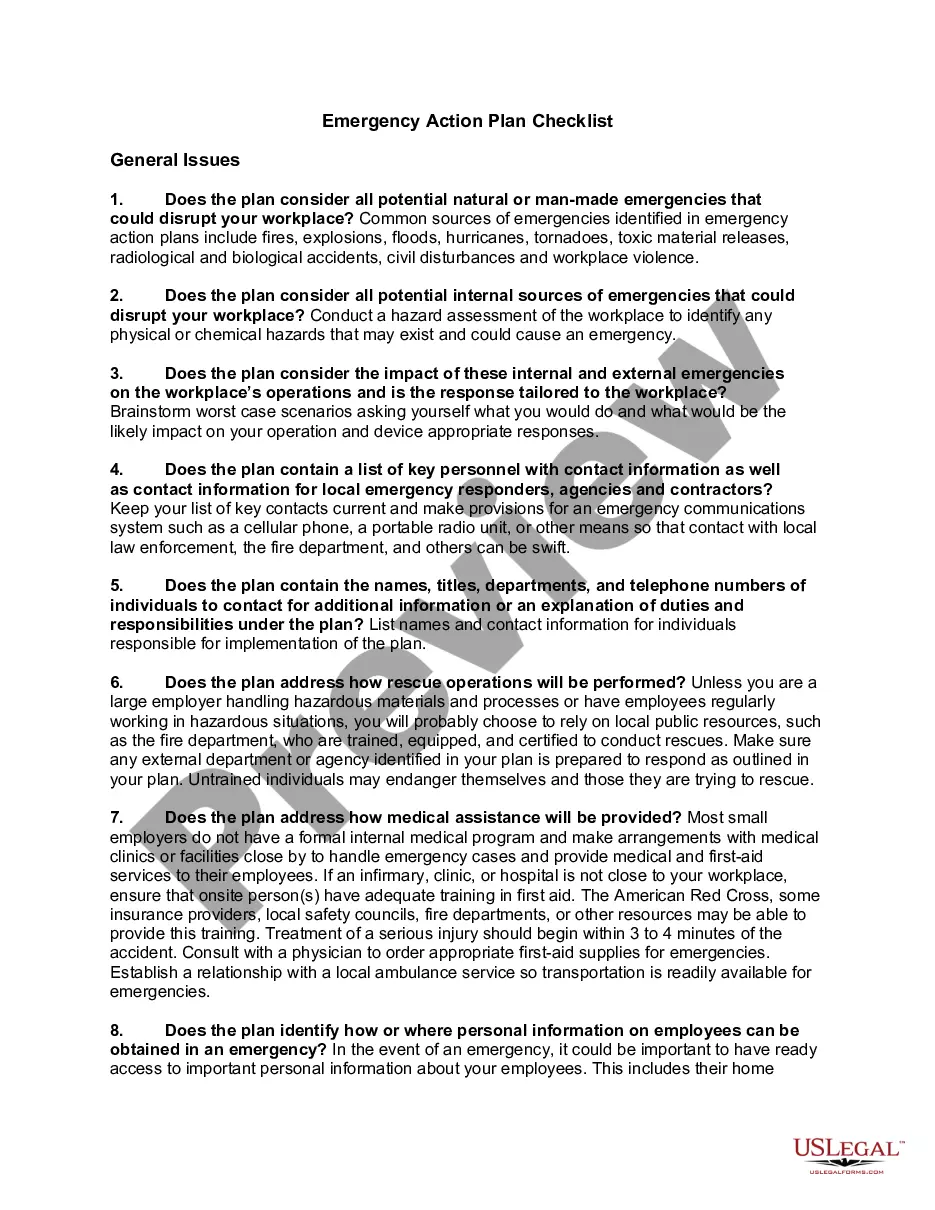
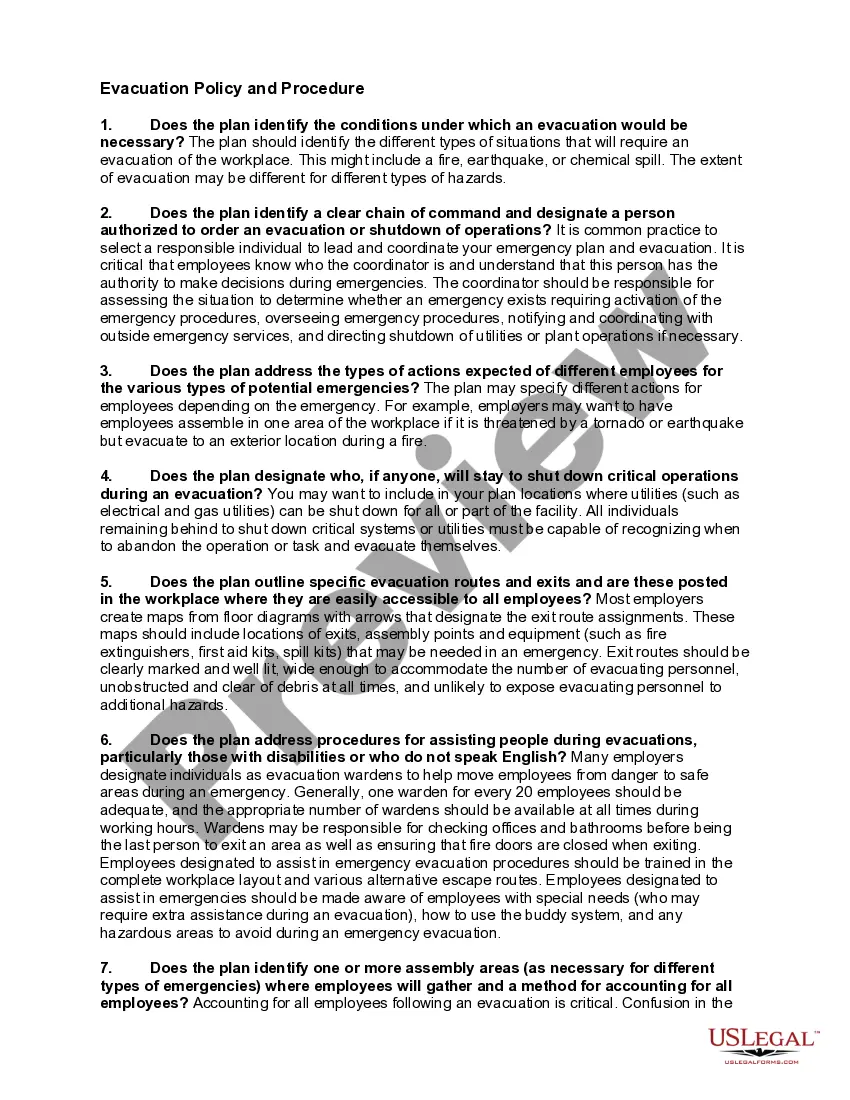
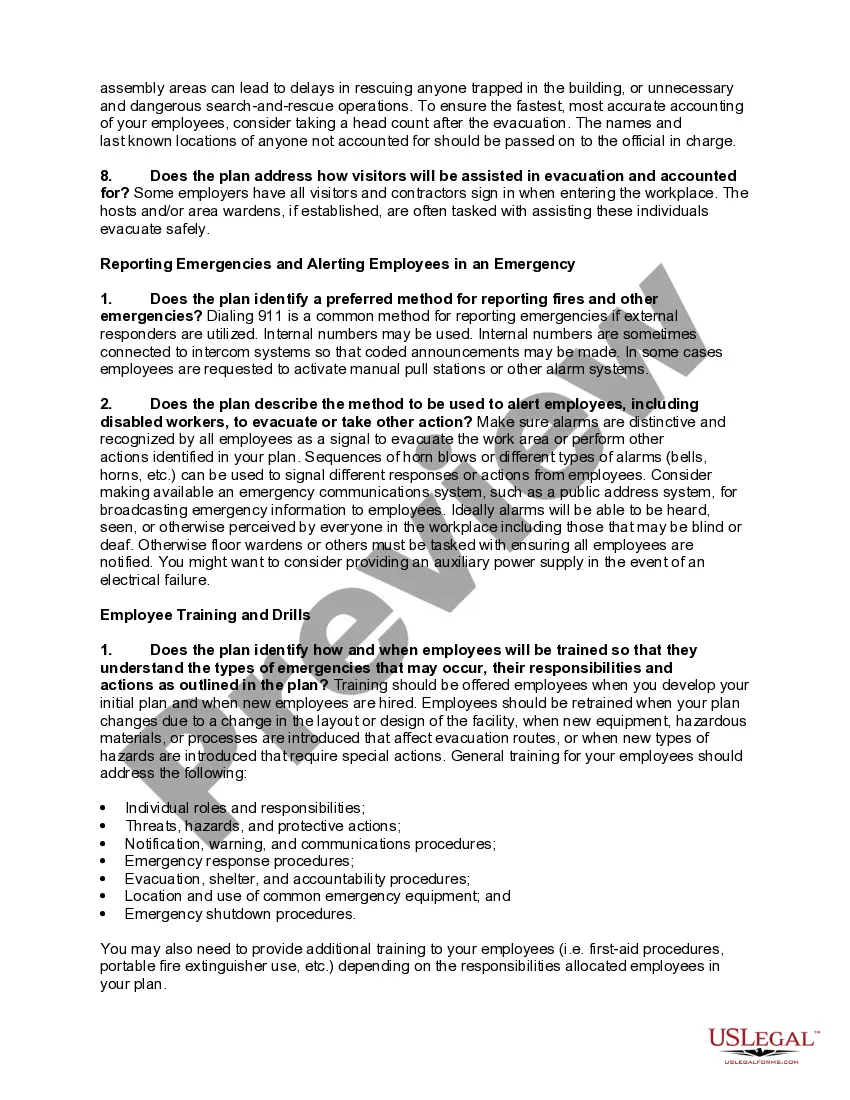
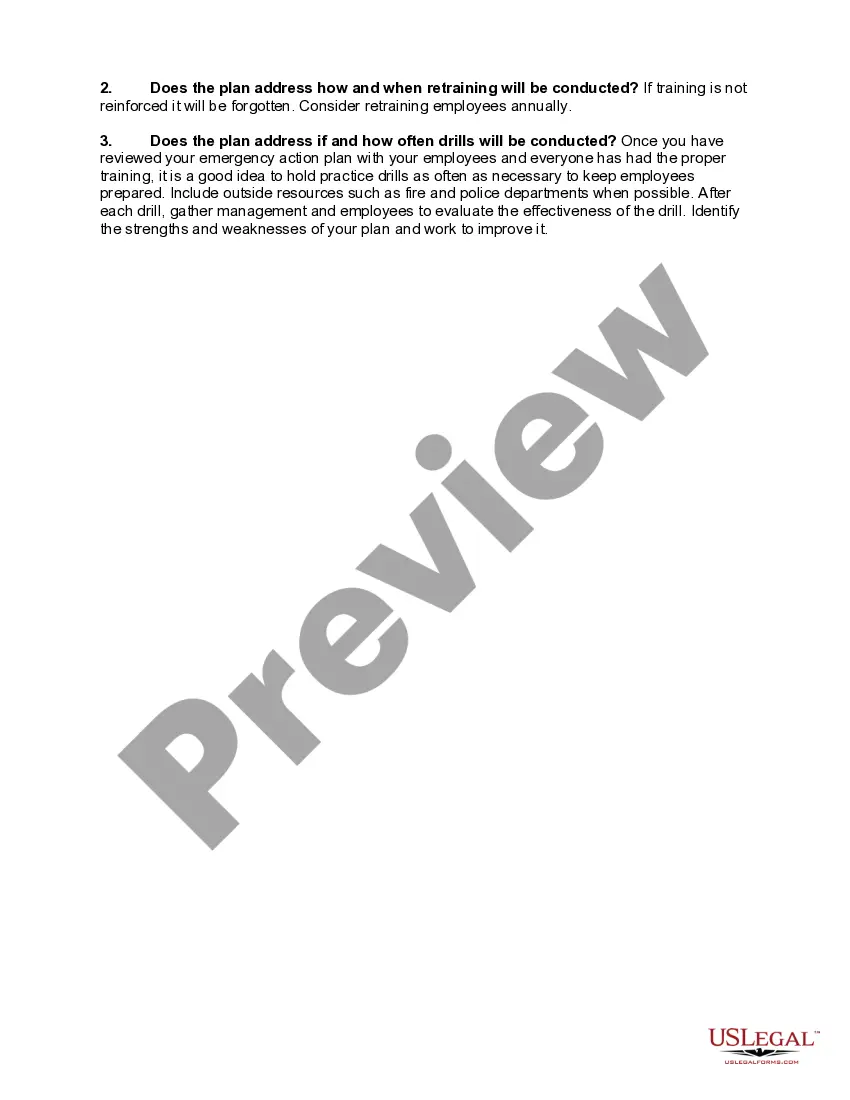
Get your form ready online
Our built-in tools help you complete, sign, share, and store your documents in one place.
Make edits, fill in missing information, and update formatting in US Legal Forms—just like you would in MS Word.
Download a copy, print it, send it by email, or mail it via USPS—whatever works best for your next step.
Sign and collect signatures with our SignNow integration. Send to multiple recipients, set reminders, and more. Go Premium to unlock E-Sign.
If this form requires notarization, complete it online through a secure video call—no need to meet a notary in person or wait for an appointment.
We protect your documents and personal data by following strict security and privacy standards.

Make edits, fill in missing information, and update formatting in US Legal Forms—just like you would in MS Word.

Download a copy, print it, send it by email, or mail it via USPS—whatever works best for your next step.

Sign and collect signatures with our SignNow integration. Send to multiple recipients, set reminders, and more. Go Premium to unlock E-Sign.

If this form requires notarization, complete it online through a secure video call—no need to meet a notary in person or wait for an appointment.

We protect your documents and personal data by following strict security and privacy standards.
Looking for another form?


How to fill out Emergency Action Plan Checklist - EAP?
- Log in to your account if you're a returning user and ensure your subscription is active. Access your downloaded forms in the 'My Forms' section.
- For first-time users, start by reviewing the form previews and descriptions to verify they align with your local jurisdiction's requirements.
- If you can't find the right template, utilize the Search tab to explore more options until you find one that suits your needs.
- Once you locate the appropriate document, click on 'Buy Now' to select your desired subscription plan and create an account if necessary.
- Complete your purchase by entering your credit card or PayPal details to confirm your subscription.
- After payment, download your document to your device and easily access it anytime from the 'My Forms' menu in your profile.
By utilizing US Legal Forms, you empower yourself with the tools needed to execute legal documents efficiently. The service not only provides extensive resources but also connects you with premium experts for added assistance on form completion, ensuring accuracy and compliance.
Start your journey towards seamless legal documentation today with US Legal Forms!
Form popularity
FAQ
ROP, or Reimbursement of Expenses Program, focuses on reimbursing employees for expenses incurred while pursuing education, whereas EAP for resp provides upfront costs covered by the employer. Both programs aim to support education but differ in their structure and the timing of financial support. Clarity around these differences can help in selecting the best option for employee development.
Educational assistance programs, or EAP for resp, are structured offerings by employers aiming to support their employees’ educational goals. These programs can help cover the costs of courses, workshops, and other learning opportunities. Businesses implement such programs to foster skill development and a committed workforce.
AIP, or Academic Incentive Program, typically focuses on providing incentives for academic achievement, while EAP for resp centers around subsidizing education costs for employees. Both programs aim to promote educational growth, but they target different objectives and audiences. Understanding these distinctions can aid employers in choosing the right program for their workforce.
An education assistant program is often confused with education assistance programs. However, it generally refers to programs aimed at providing support to students or learners with diverse needs in academic settings. On the other hand, an EAP for resp focuses on company-sponsored educational support for employees.
Educational assistance as a fringe benefit usually includes tuition reimbursement, fees for courses, and costs for books and supplies. The goal is to support employees in their pursuit of additional training and education related to their careers. An EAP for resp can serve as a valuable incentive for employees enhancing their professional development.
Typically, expenses related to education that are not directly tied to work responsibilities are not covered under an educational assistance plan, or EAP for resp. This includes costs like transportation, meals, or personal expenses related to attending school. Understanding these limitations can help employees make informed decisions.
An education assistance program, or EAP for resp, is designed to support employees in furthering their education. These programs often cover various educational expenses, making it easier for employees to gain new skills and knowledge. Many companies implement such programs to enhance employee satisfaction and retention.
The maximum EAP amount for RESP can be influenced by several factors, including the total contributions made and the type of institution the beneficiary attends. Typically, the total cumulative EAP received cannot exceed the amount of income earned from the RESP investments. To make the most of your EAP for RESP, you should provide appropriate documentation of educational expenses to maximize your withdrawals without exceeding limits. For tailored guidance, you might consider utilizing platforms like USLegalForms, which can assist you with the process.
The maximum EAP withdrawal for RESP, or Educational Assistance Payments, varies depending on the specific circumstances of the beneficiary. Generally, this amount is determined by the total contributions made to the RESP, along with any accumulated earnings. To maximize your EAP for RESP, it's important to ensure that eligible educational expenses are met, which includes tuition, fees, and other related costs. By understanding these parameters, you can effectively plan your withdrawals.
The maximum grant for RESP refers to the amount the government contributes to an account, which can significantly enhance your savings for education. Under the Canada Education Savings Grant, you can receive up to $7,200 per child, which includes a 20% match on contributions. These grants make saving for post-secondary education even more attractive, especially with options available through US Legal Forms to simplify your RESP plan. Understanding these limits can help you make the most of your educational savings.