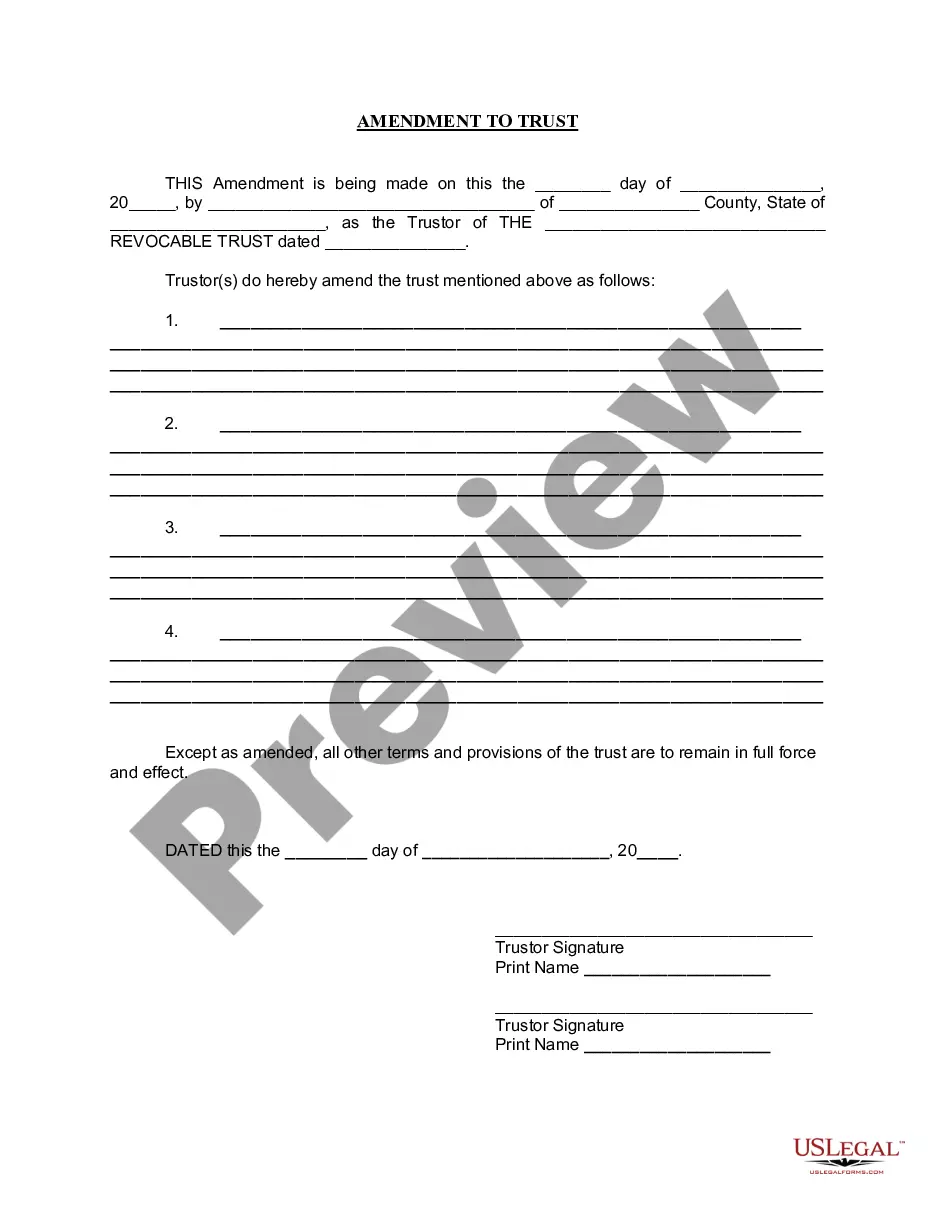
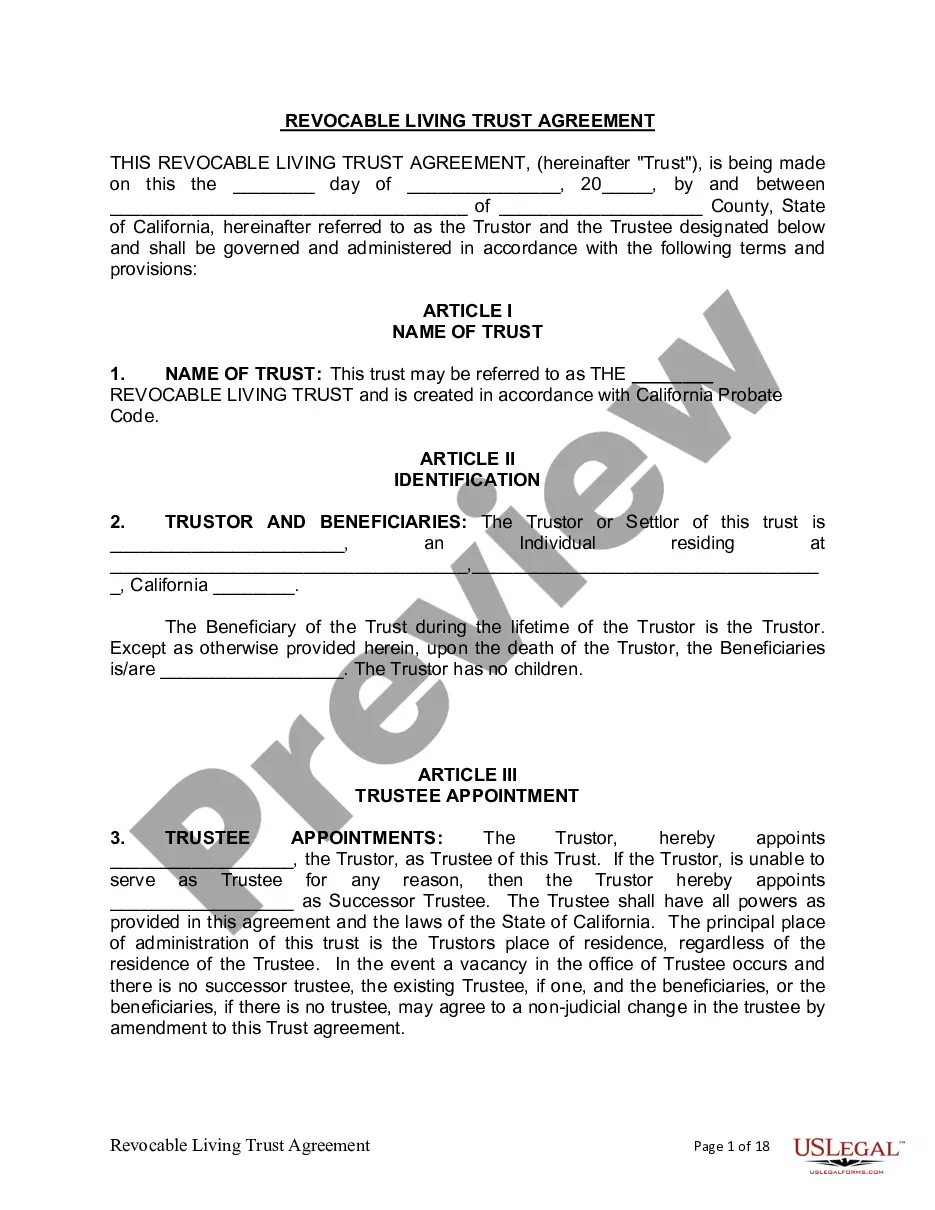
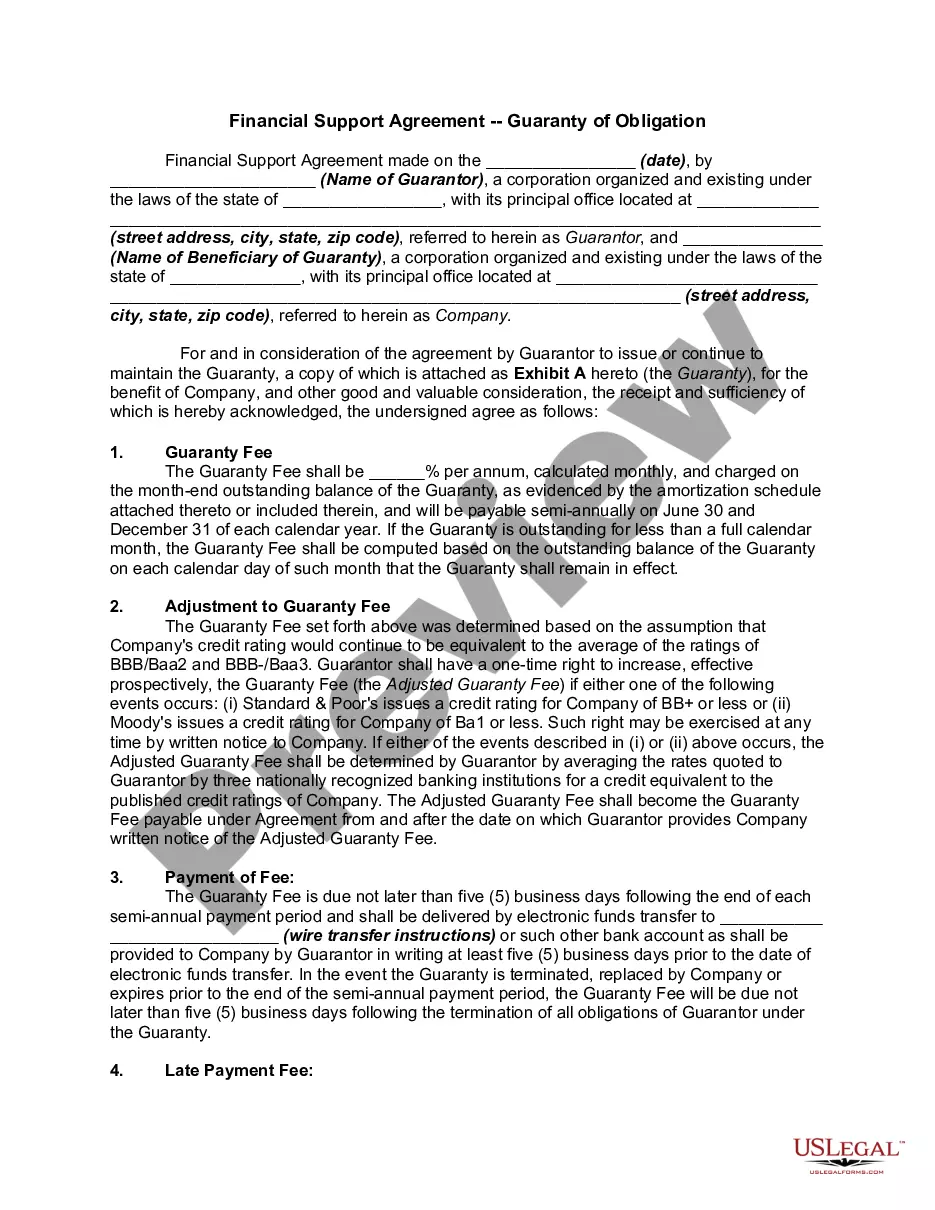
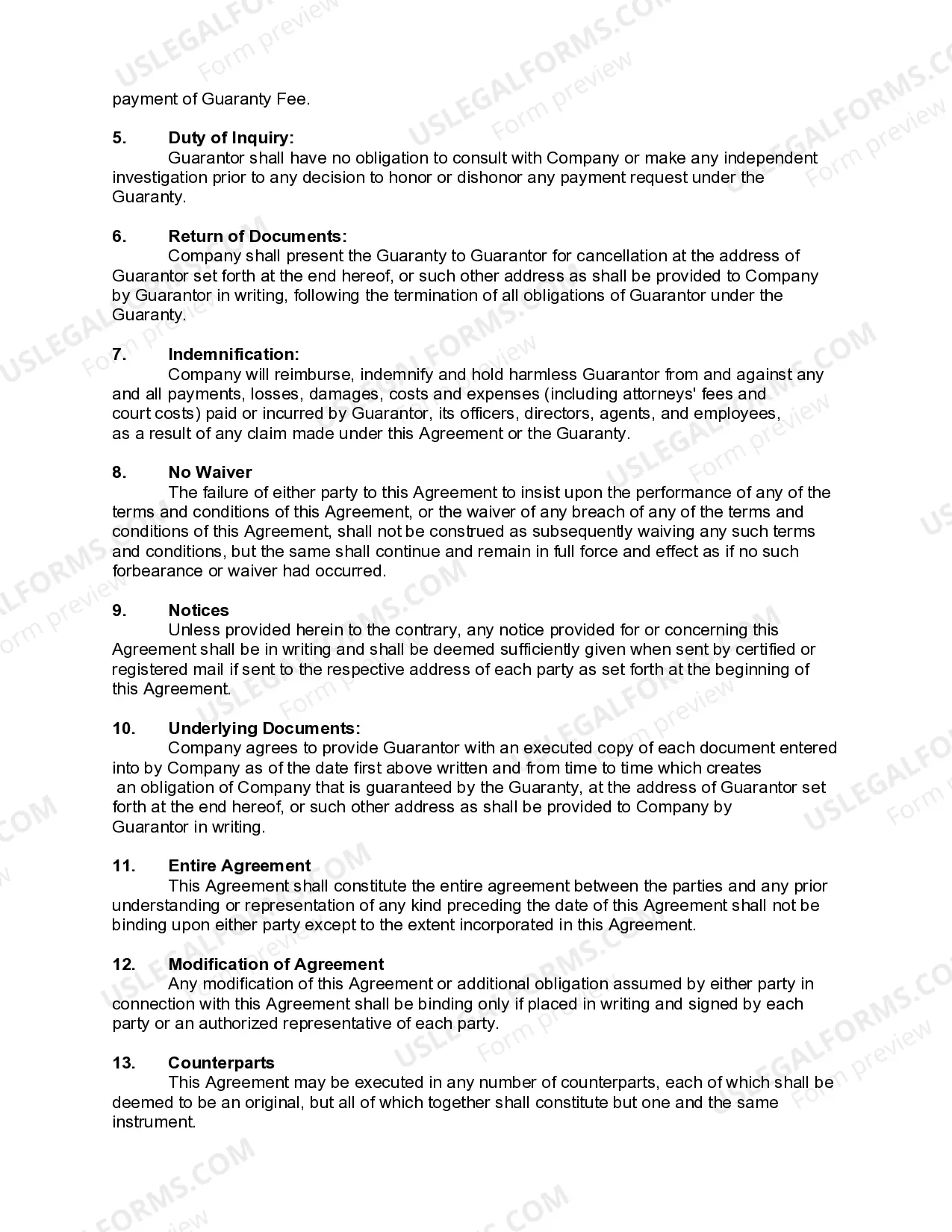
Financial Support Agreement With Eu
Description
Get your form ready online
Our built-in tools help you complete, sign, share, and store your documents in one place.
Make edits, fill in missing information, and update formatting in US Legal Forms—just like you would in MS Word.
Download a copy, print it, send it by email, or mail it via USPS—whatever works best for your next step.
Sign and collect signatures with our SignNow integration. Send to multiple recipients, set reminders, and more. Go Premium to unlock E-Sign.
If this form requires notarization, complete it online through a secure video call—no need to meet a notary in person or wait for an appointment.
We protect your documents and personal data by following strict security and privacy standards.

Make edits, fill in missing information, and update formatting in US Legal Forms—just like you would in MS Word.

Download a copy, print it, send it by email, or mail it via USPS—whatever works best for your next step.

Sign and collect signatures with our SignNow integration. Send to multiple recipients, set reminders, and more. Go Premium to unlock E-Sign.

If this form requires notarization, complete it online through a secure video call—no need to meet a notary in person or wait for an appointment.

We protect your documents and personal data by following strict security and privacy standards.
Looking for another form?

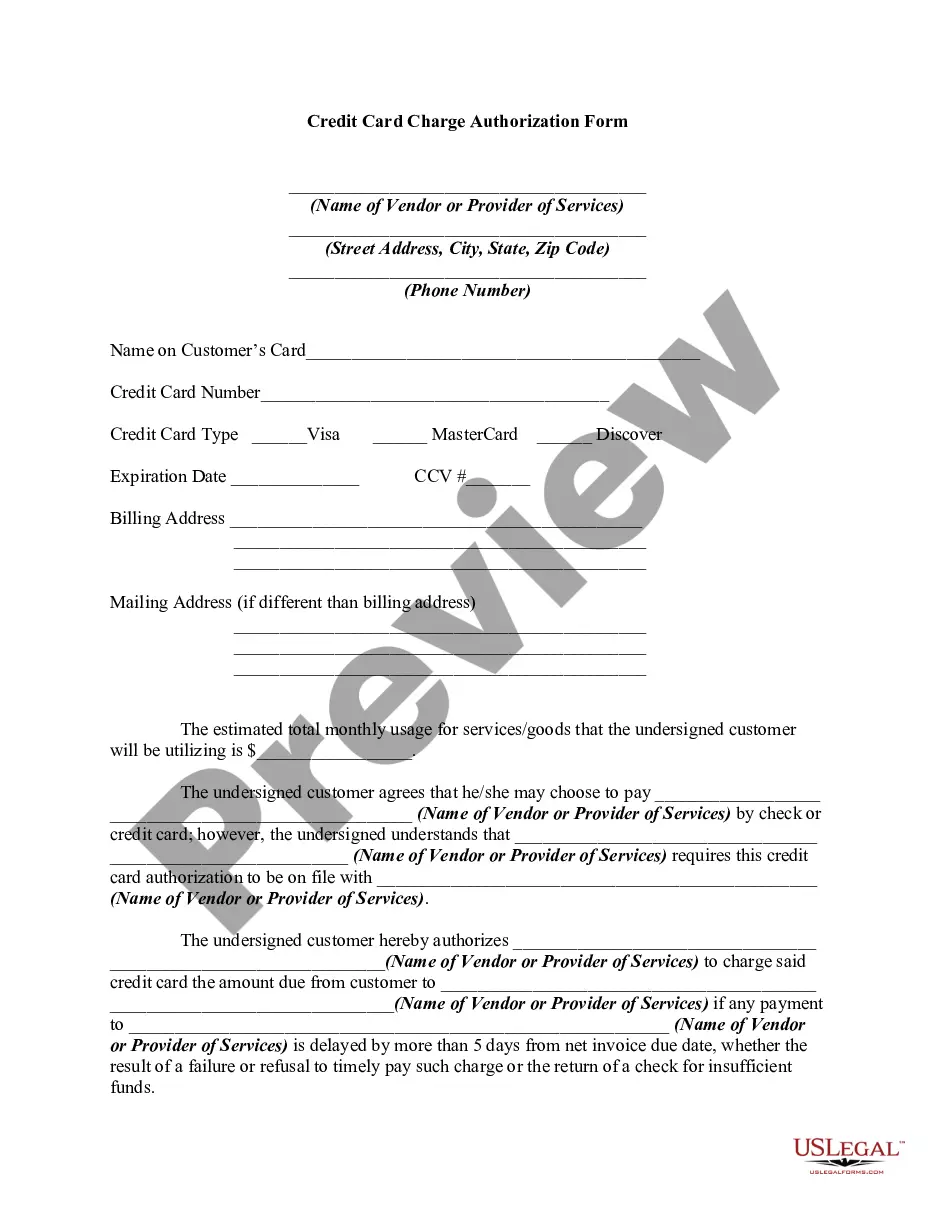



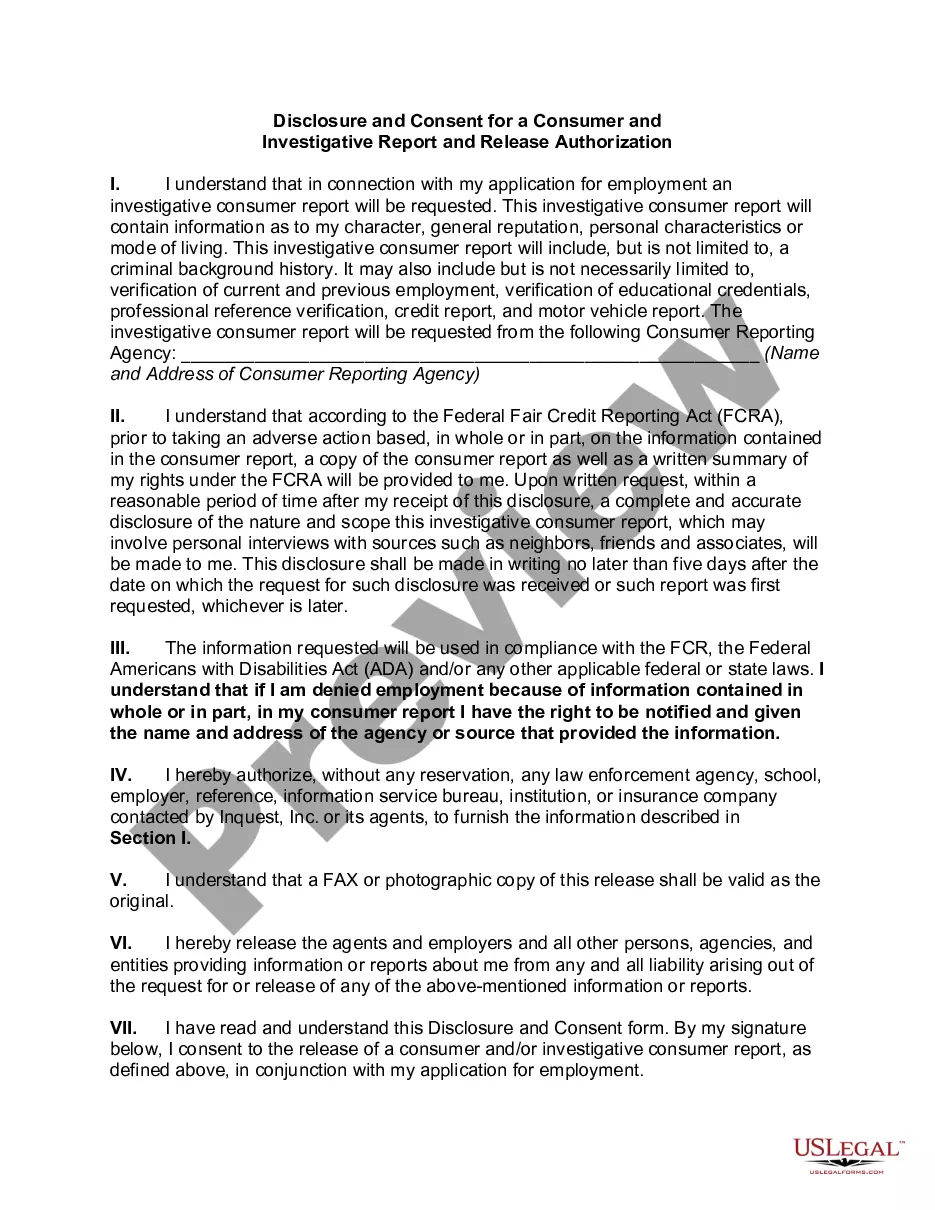




How to fill out Financial Support Agreement - Guaranty Of Obligation?
Whether or not you engage with documents frequently or need to submit a legal report occasionally, it is essential to secure a resource where all the samples are relevant and current.
One aspect you need to ensure with a Financial Support Agreement With Eu is that it is the most recent version, as this determines its submit ability.
If you wish to streamline your quest for the latest document examples, look for them on US Legal Forms.
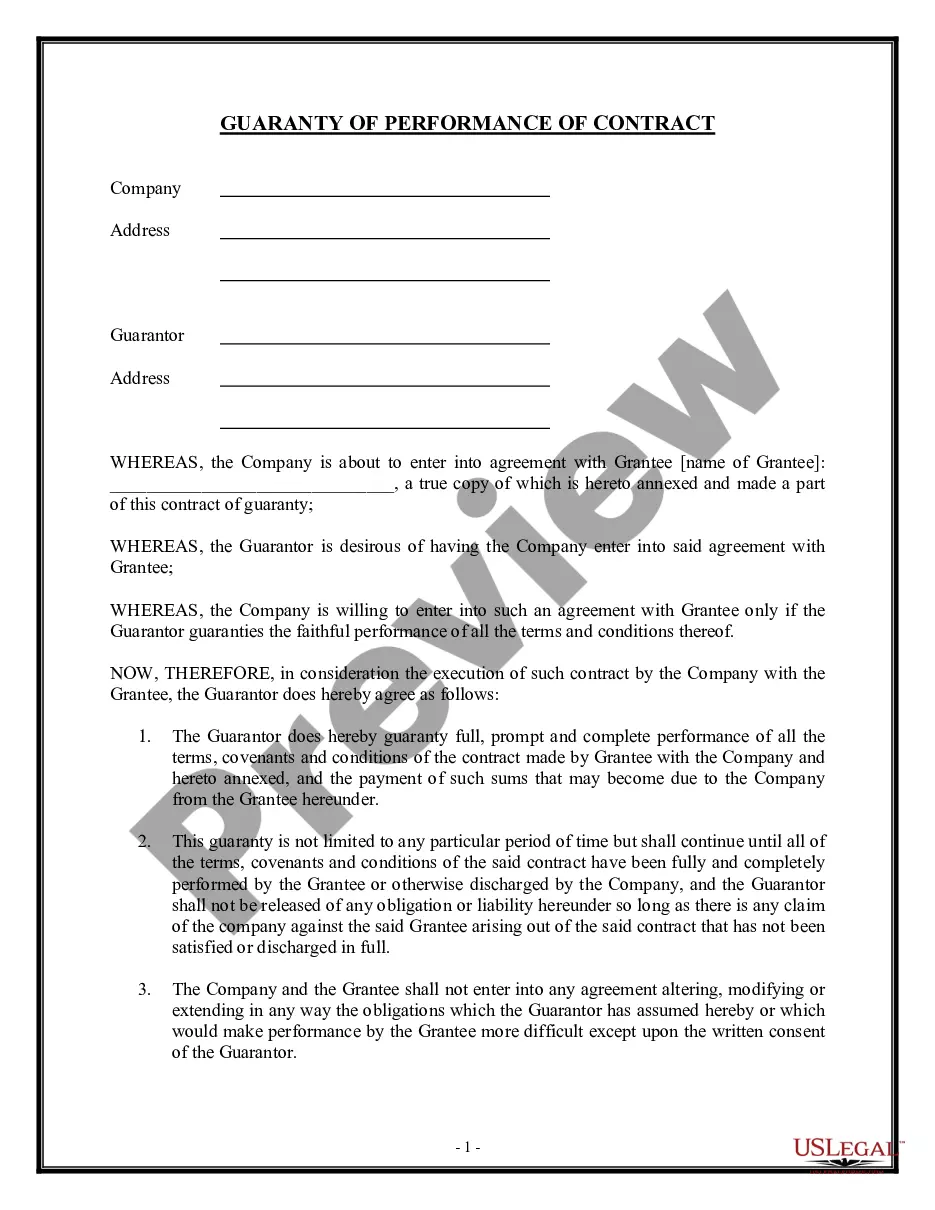
To acquire a form without an account, follow these procedures: Use the search menu to locate the form you need. Review the Financial Support Agreement With Eu preview and outline to confirm it is exactly what you are looking for. After verifying the form, click Buy Now. Select a subscription plan that suits you. Create an account or Log In to your existing one. Enter your credit card information or PayPal account to finalize the transaction. Choose your preferred file format for download and confirm it. Eliminate confusion when dealing with legal documents. All your templates will be organized and validated with an account at US Legal Forms.
- US Legal Forms is a collection of legal documents featuring nearly every sample you may require.
- Search for the templates you require, assess their applicability instantly, and learn more about their functionality.
- With US Legal Forms, you gain access to over 85,000 form templates spanning various fields.
- Fetch the Financial Support Agreement With Eu examples in just a few clicks and keep them accessible at any time in your profile.
- A US Legal Forms profile enables you to retrieve all the samples you need with extra convenience and ease.
- All you need to do is click Log In in the website header and navigate to the My documents section, where all your required forms are at your disposal, eliminating the need to spend time searching for the suitable template or verifying its authenticity.
Form popularity
FAQ
How to apply?Find a suitable call.Find your partners (where applicable)Register to EU Funding and Tenders Portal.Write your application.Convince the evaluators.Where to get help?
A grant is a financial donation awarded by the contracting authority to the grant beneficiary. It is funded by the EU general budget or the European Development Fund (EDF). There are two main types of grants: An action grant funds a specific action intended to help achieve one of our policy objectives.
Under the double-ceiling approach, the requirement that the enrichment be at the claimant's expense is directed also to a second question. It concerns not only title to sue, but also the measure of restitution available.
The EU provides funding for a broad range of projects and programmes covering various areas, from education, research, employment, regional development to the environment, humanitarian aid, agriculture, and the marine, among many others.
Over 76 % of the EU budget is managed by national and regional authorities. This includes the Structural Funds and agricultural subsidies. Third countries and international organisations (e.g. the Red Cross, UN) manage 2 %. Roughly 22 % are centrally managed programmes (e.g. research, education, health, youth actions).