Loan Between For Home Purchase
Description
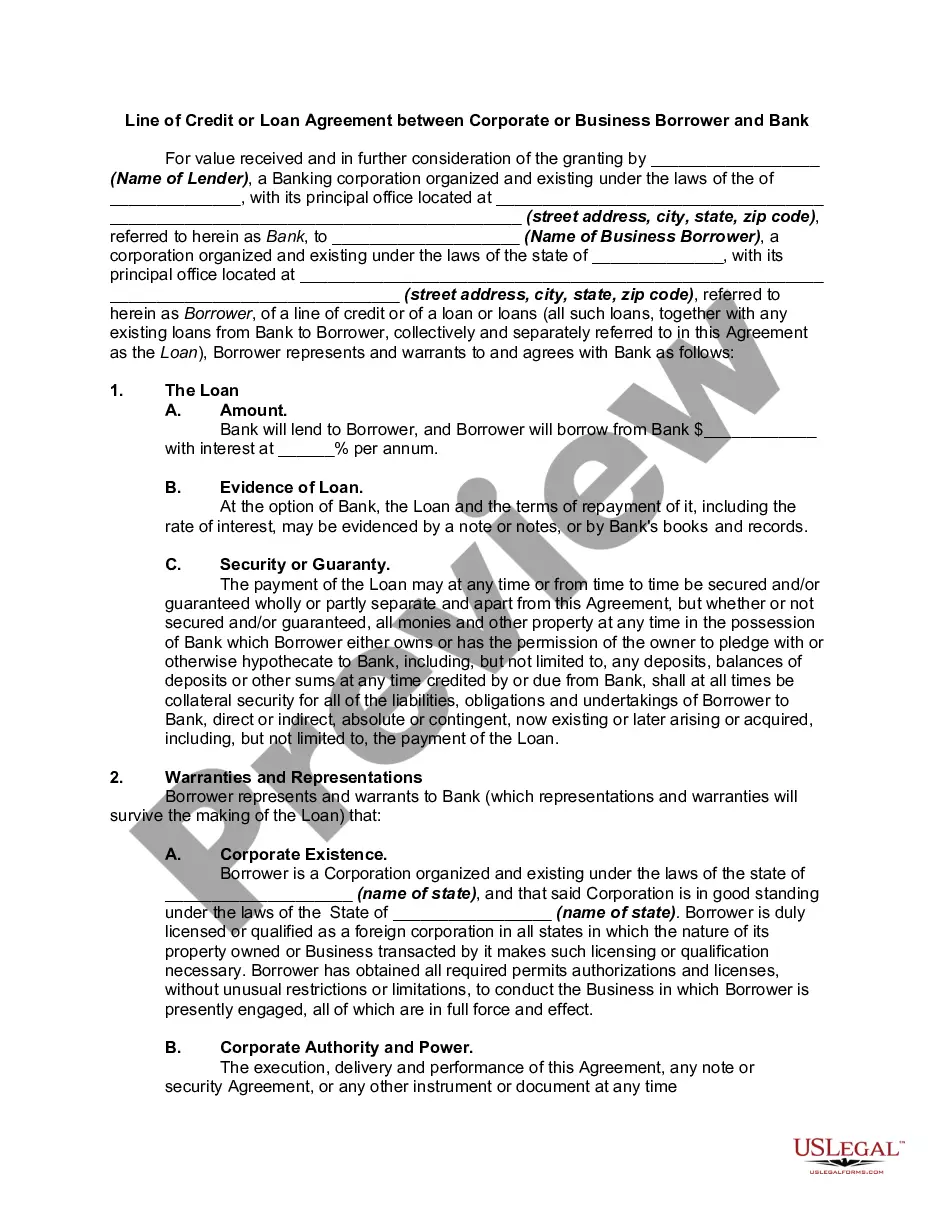
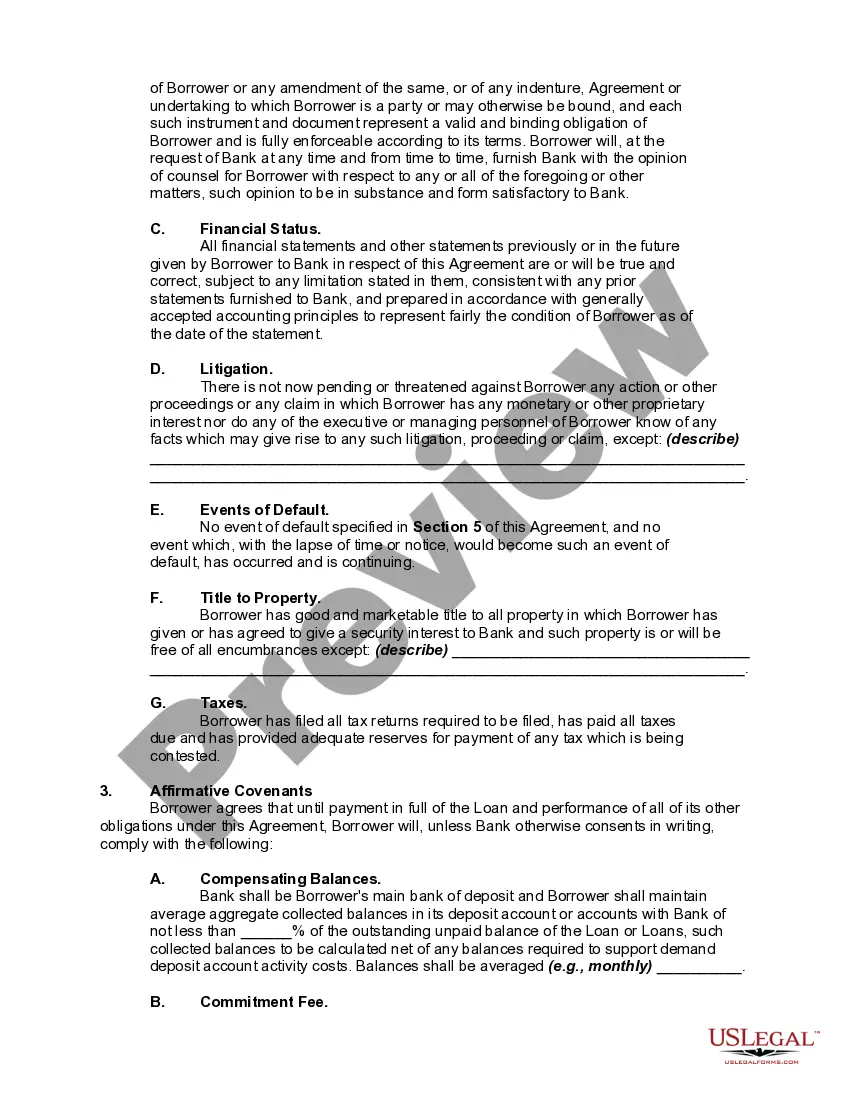
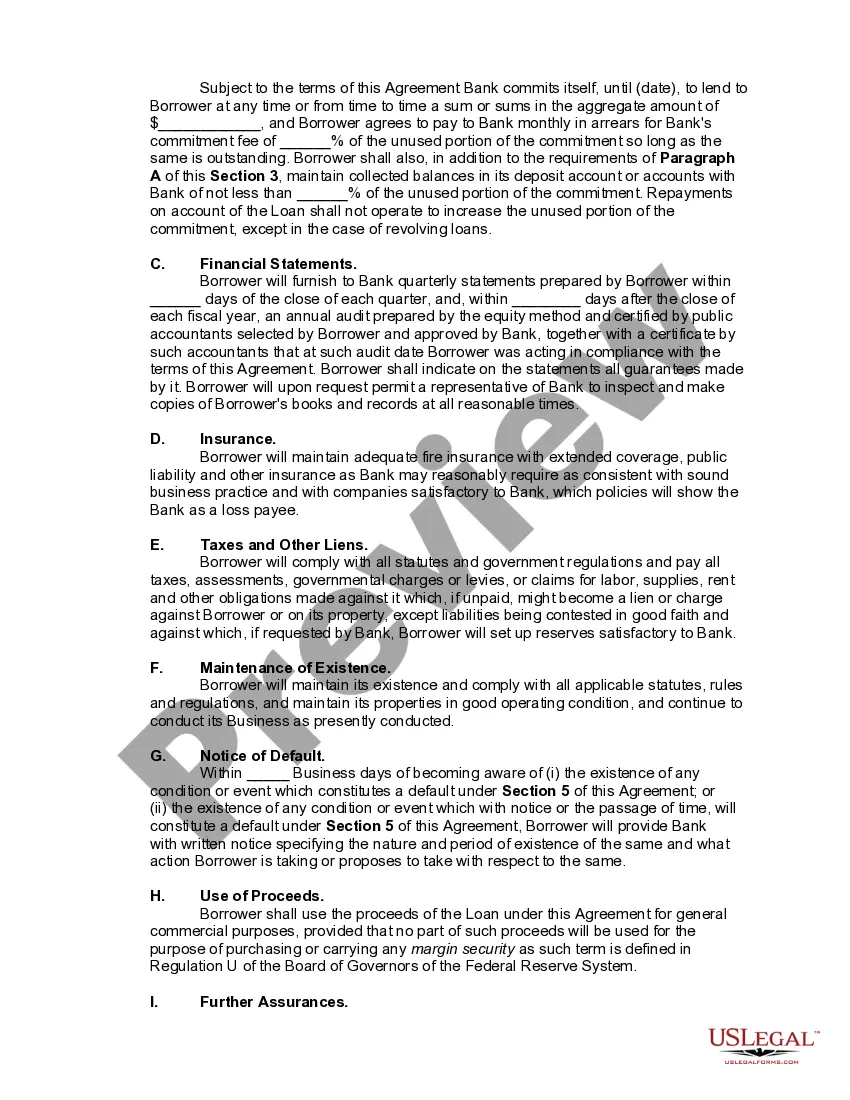
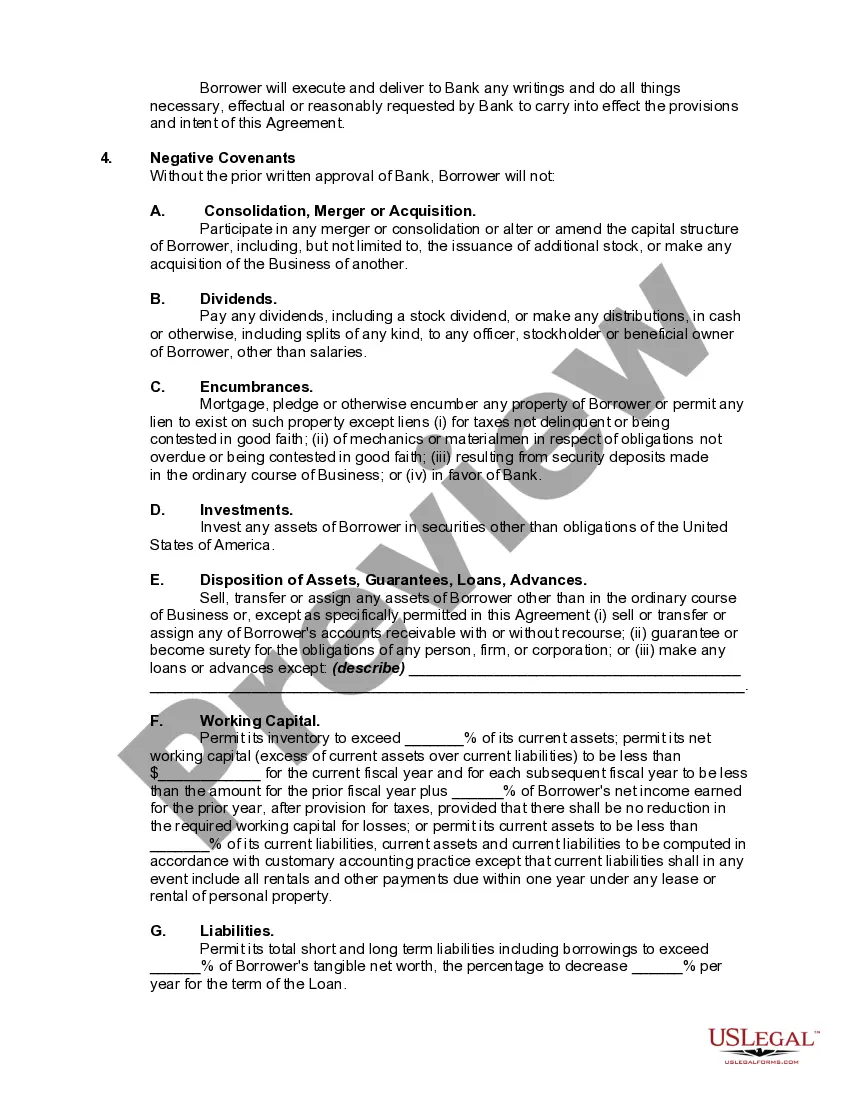
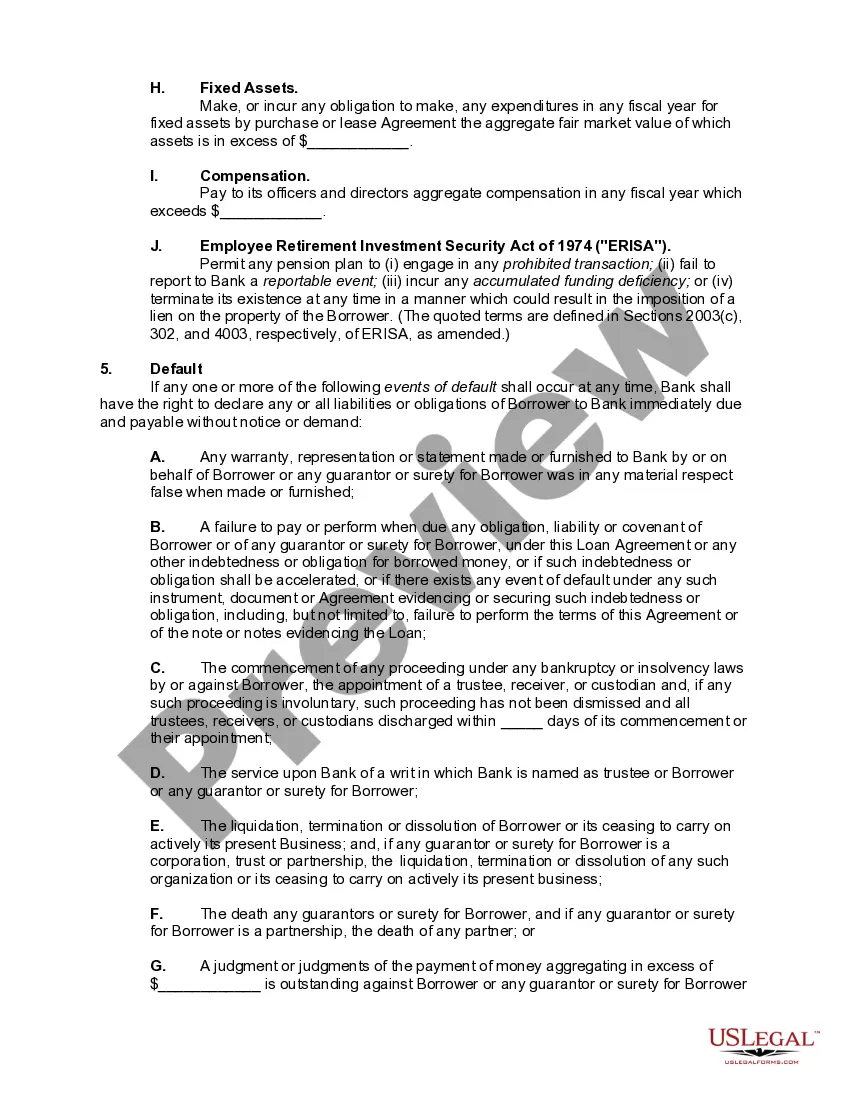
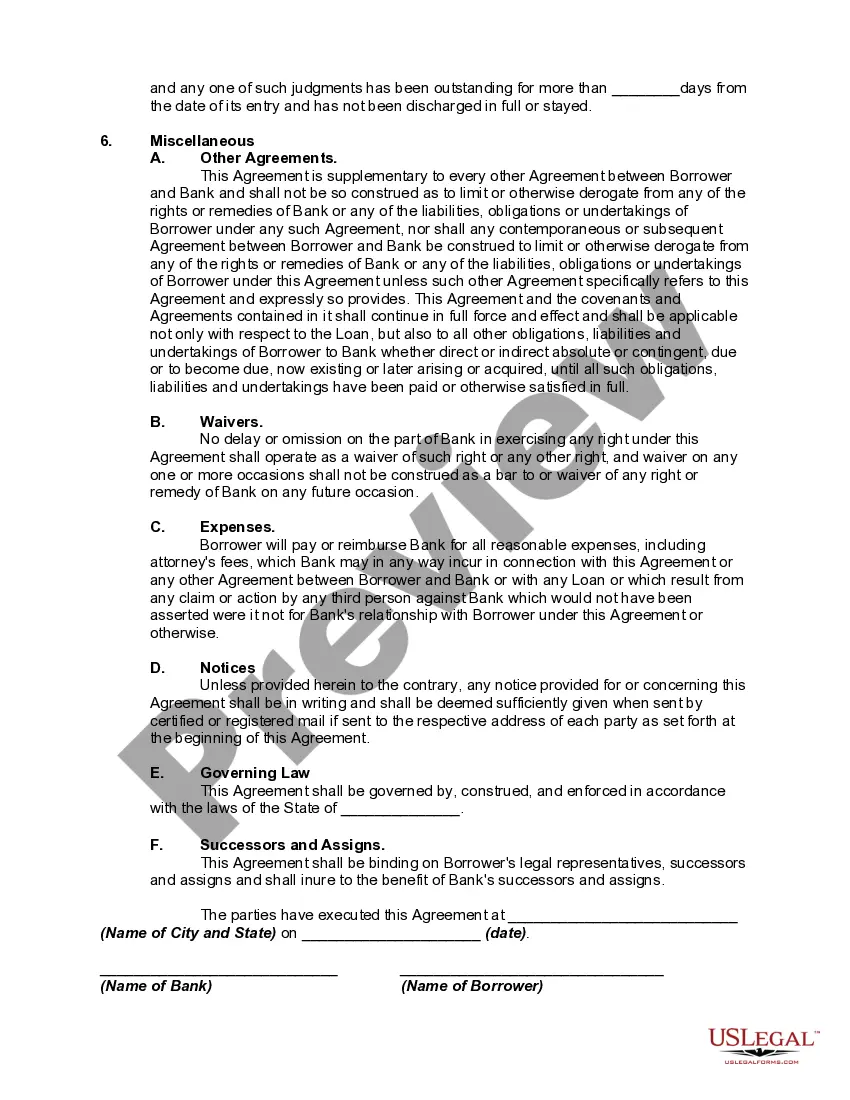
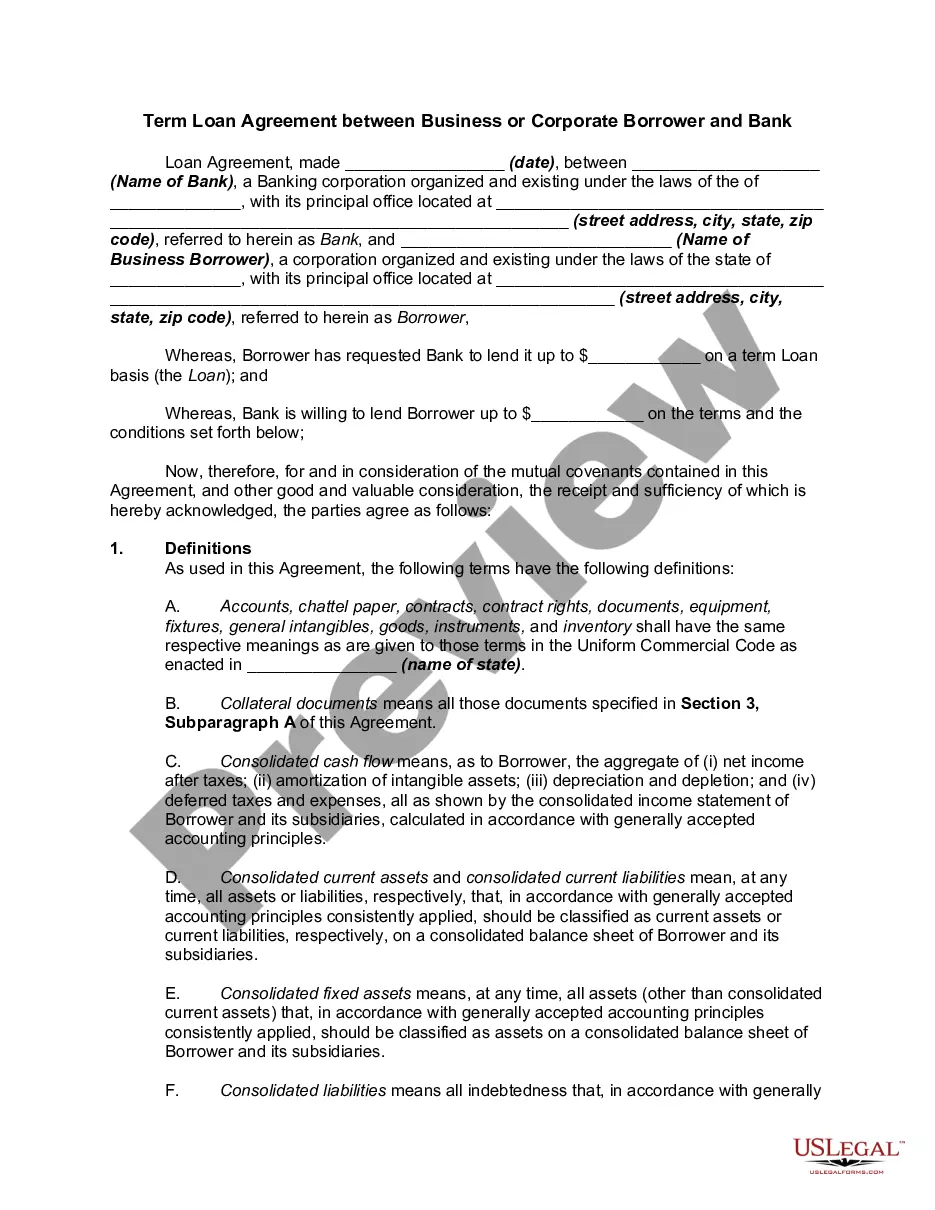


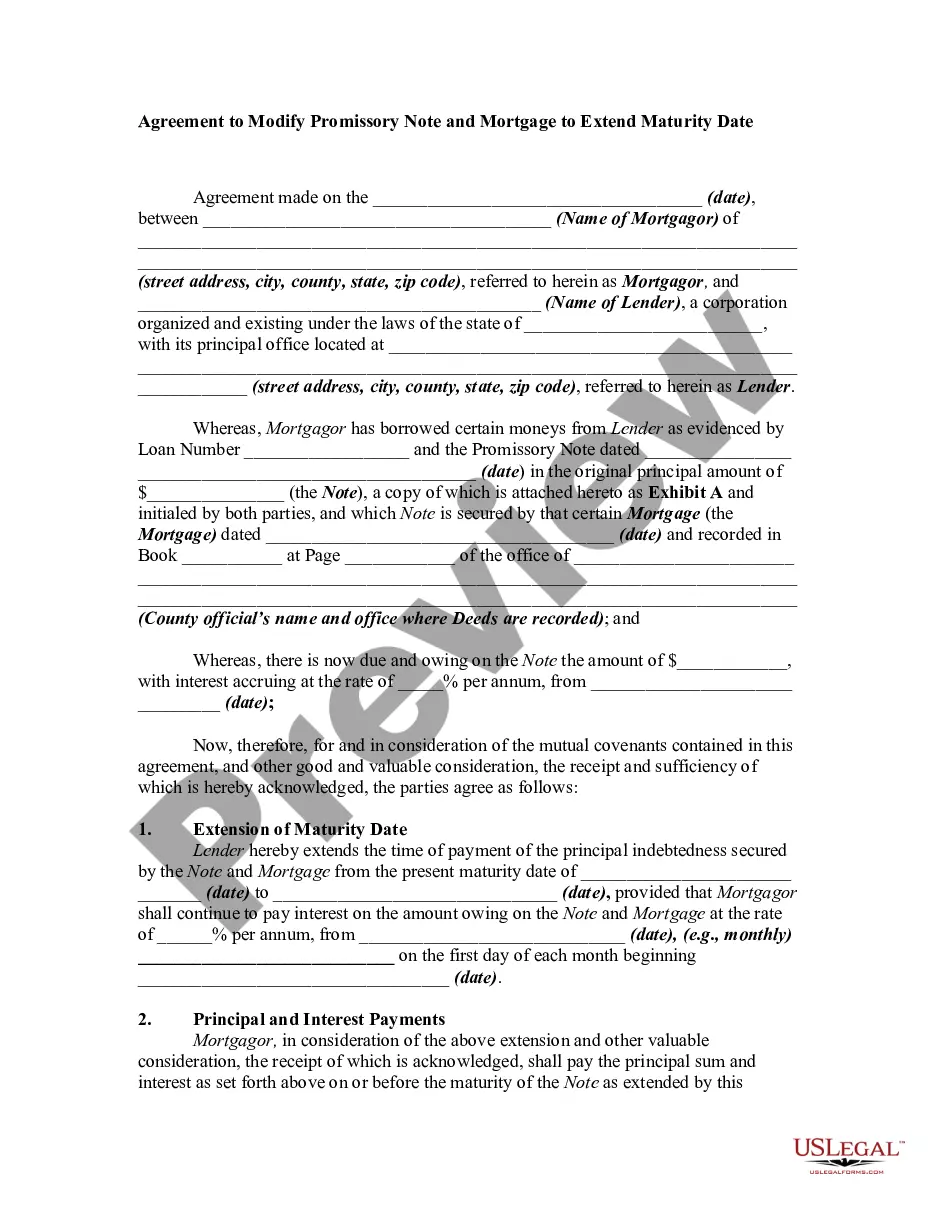

How to fill out Line Of Credit Or Loan Agreement Between Corporate Or Business Borrower And Bank?
Finding a reliable source for the latest and most suitable legal templates is a significant part of navigating bureaucratic processes.
Selecting the correct legal documents requires accuracy and meticulousness, which underscores the necessity of obtaining Loan Between For Home Purchase samples solely from trustworthy providers, such as US Legal Forms.
Once you have the document on your device, you can modify it using an editor or print it out to fill it in by hand. Eliminate the hassle associated with your legal documents by exploring the extensive US Legal Forms database where you can locate legal samples, verify their suitability for your needs, and download them instantly.
- Use the library search or navigation option to find your template.
- Review the form’s details to verify if it fulfills the criteria of your state and locality.
- View the form preview, if available, to confirm that it is indeed the document you need.
- Return to the search if the Loan Between For Home Purchase does not meet your requirements.
- Once you are confident about the form's applicability, download it.
- If you have an account, click Log in to verify your identity and access your chosen templates in My documents.
- If you lack a profile, click Buy now to acquire the template.
- Select the pricing option that best fits your needs.
- Proceed with registration to finalize your purchase.
- Complete your transaction by selecting a payment method (credit card or PayPal).
- Choose the file format for downloading Loan Between For Home Purchase.
Form popularity
FAQ
The $100,000 loophole allows family members to lend or borrow up to $100,000 without a gift tax under certain conditions. This can be beneficial for those looking at a loan between for home purchase, as it provides flexibility in financing. However, both parties should document the transaction properly to avoid complications with the IRS. Consider discussing this strategy with a tax professional to fully understand its implications.
To buy a $250,000 house, you generally need a credit score of at least 620, although better rates can be obtained with a score over 740. A good credit score improves your chances of securing favorable loan terms, especially for a loan between for home purchase. It's important to check your credit report and understand factors that could enhance your score before applying for financing.
When dealing with a loan between for home purchase, it's wise to steer clear of subprime loans and adjustable-rate mortgages with high initial rates. Subprime loans often come with prohibitive interest rates that can strain your budget. Adjustable-rate mortgages can lead to unpredictable payments as interest rates fluctuate, creating challenges in long-term planning.
You can typically borrow a percentage of your home's equity when considering a loan between for home purchase. Lenders often allow you to borrow up to 80% of your home’s value minus any outstanding mortgage balance. This means your total borrowing potential can vary significantly based on your equity. Always consult with a mortgage specialist to determine your unique borrowing power.
Several US banks provide international mortgages, catering to expatriates looking to purchase property abroad. Notable lenders include Citibank, HSBC, and Wells Fargo; these banks understand the complexities of financing overseas properties. By exploring a loan between for home purchase, you can leverage these banks' offerings effectively. For tailored assistance, USLegalForms can help you compile the necessary documents for your mortgage application.
Yes, US citizens living abroad can obtain a mortgage through international lenders or some US banks. It is crucial to investigate lenders that specifically offer loans to expatriates. Furthermore, using a loan between for home purchase could simplify your financing options. USLegalForms offers legal documentation that can help you with your mortgage application process.
To buy property overseas as an American, start by researching the local market and regulations. Many countries require foreign buyers to use local legal advice to navigate the legal landscape. Consider financing options like a loan between for home purchase to secure the property. Platforms like USLegalForms provide essential documents and resources to assist you in this process.
The easiest way to finance a house is by securing a loan between for home purchase. This type of loan can simplify the process by providing the necessary funds directly for buying a property. You may explore various options like traditional mortgages, government-backed loans, or even personal loans from reputable lenders. Utilizing services like US Legal Forms can help streamline your application and provide the necessary documentation to get you started on your journey to homeownership.
Choosing between two lenders for a loan between for home purchase can feel overwhelming, but you can simplify the process. First, compare interest rates, as even a small difference can add up over time. Next, review the fees associated with each lender, including origination and closing costs, to see the total financial impact. Lastly, consider the lender's customer service reputation; a lender who is responsive and helpful can make your home purchasing journey much smoother.