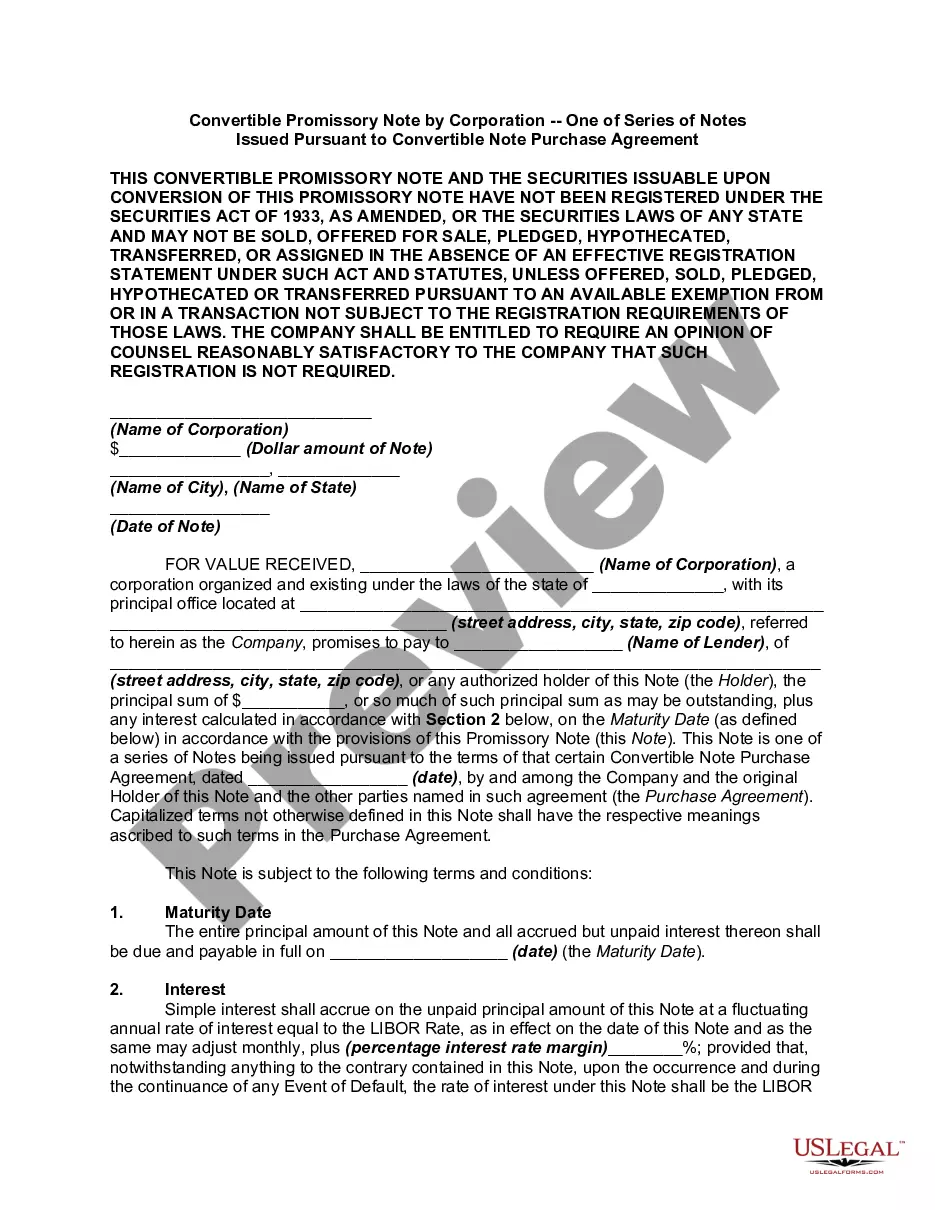
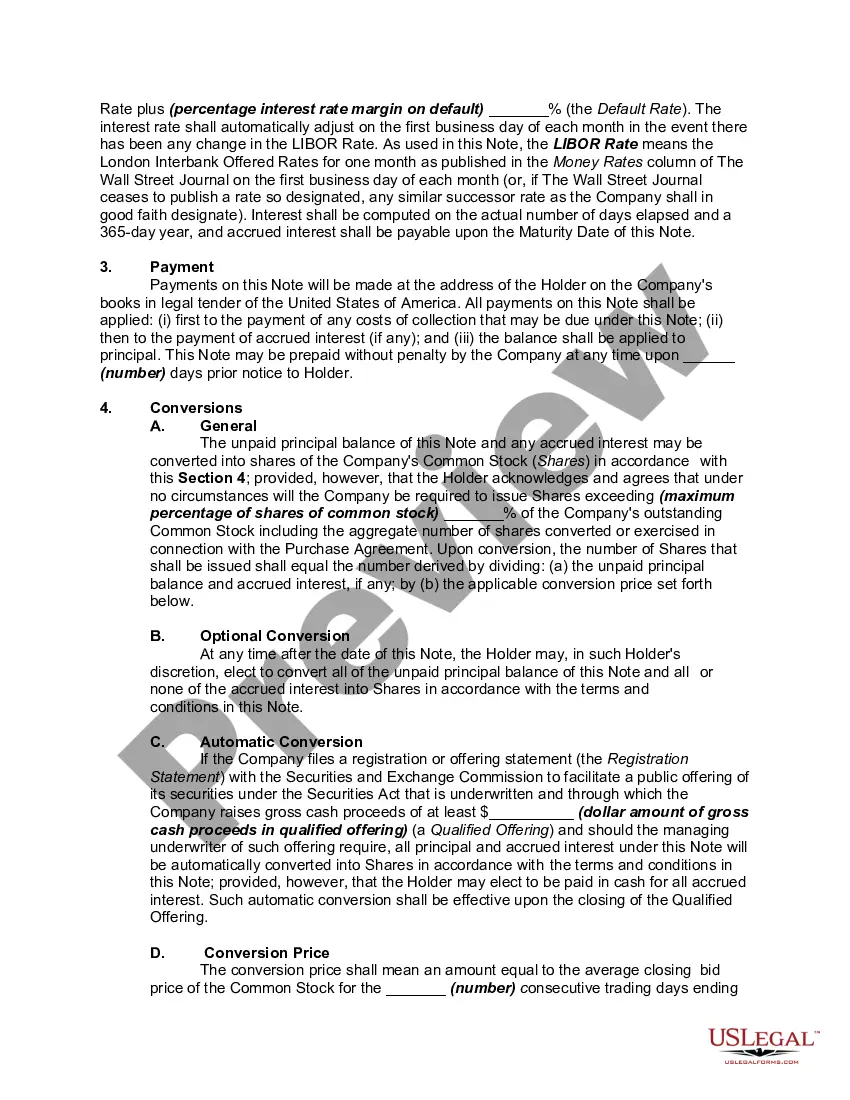
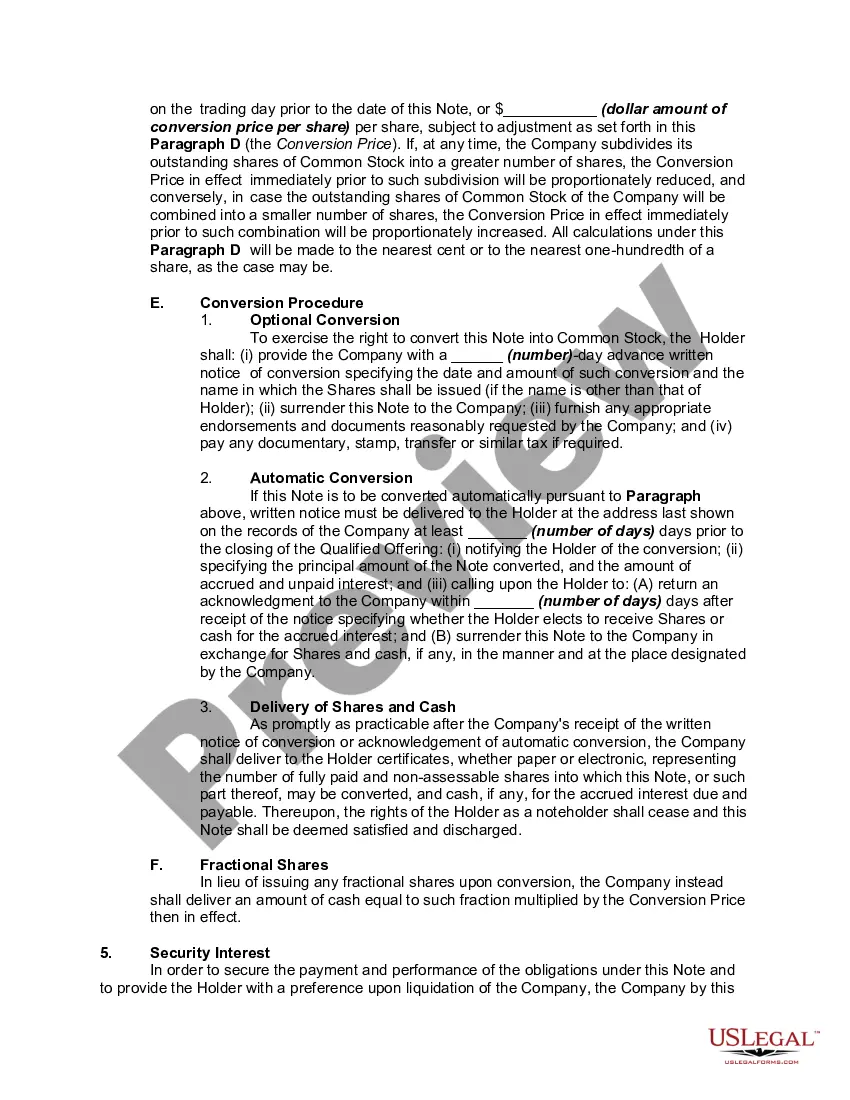
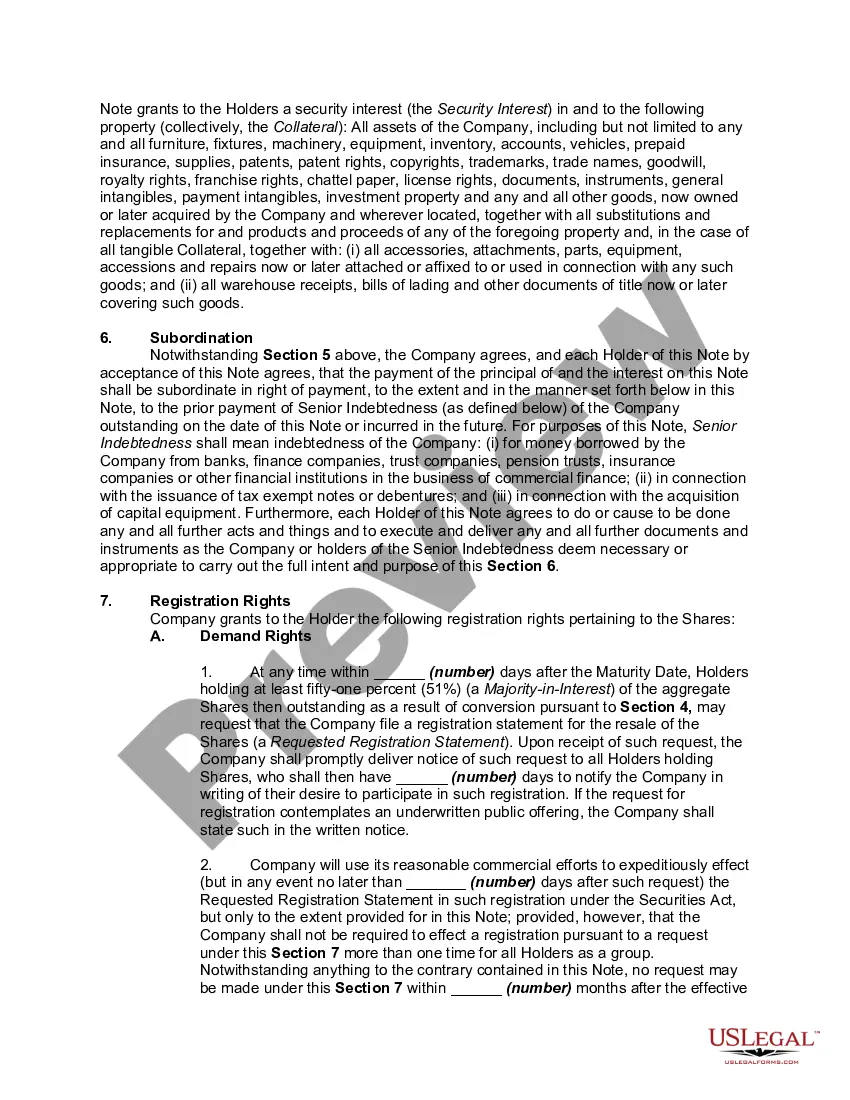
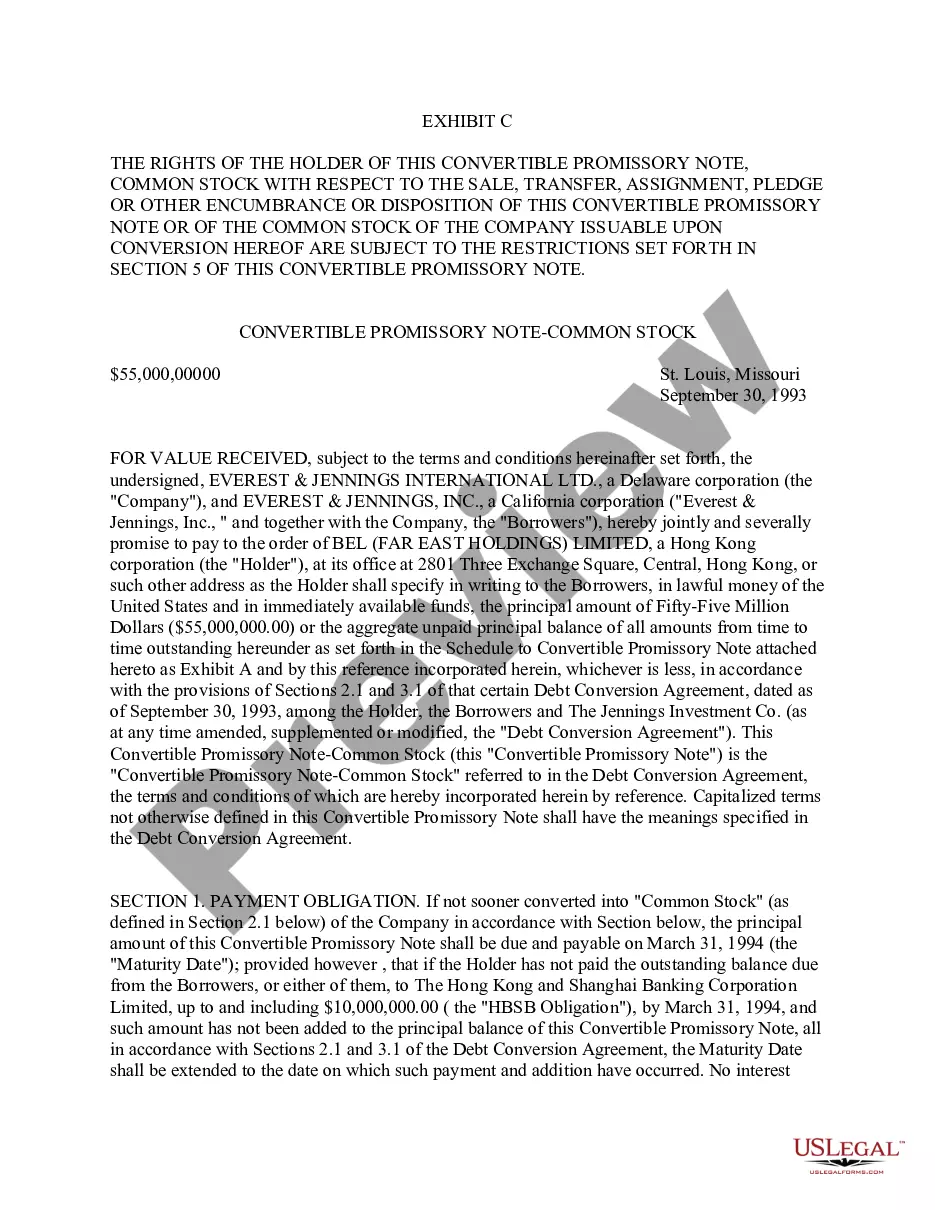
What Is A Convertible Promissory Note
Description
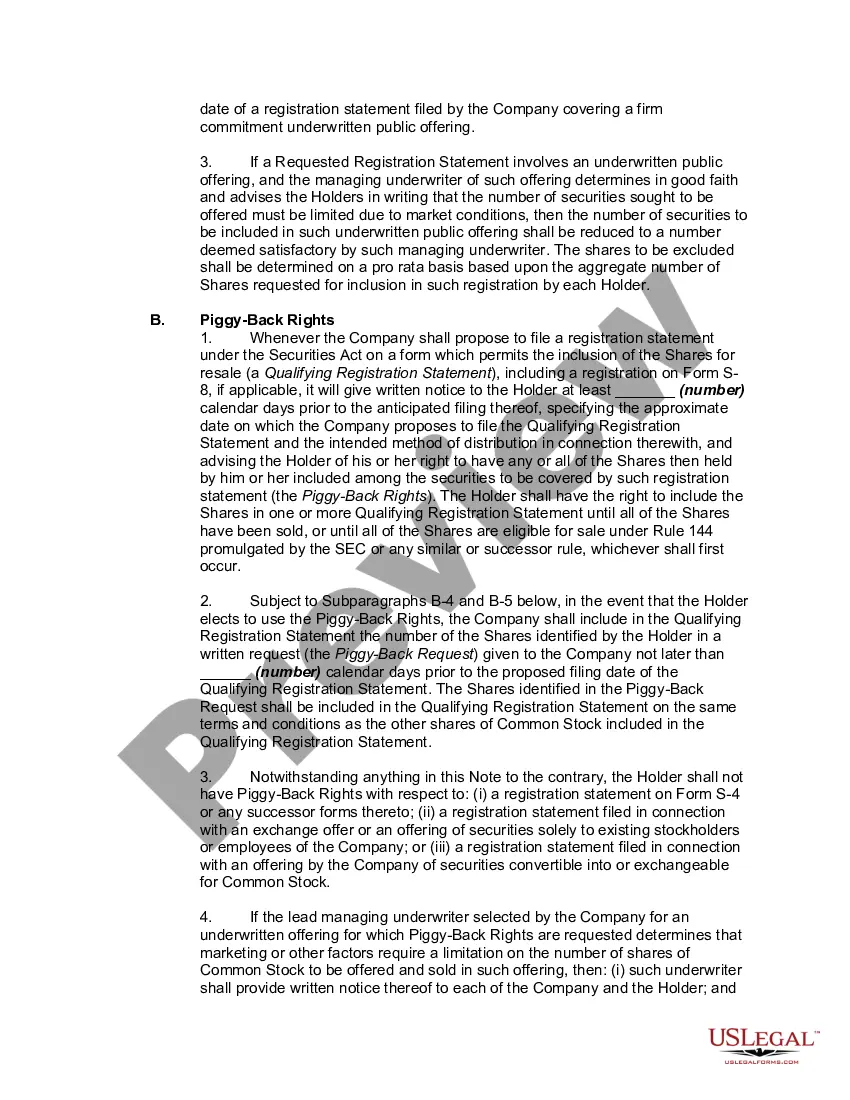
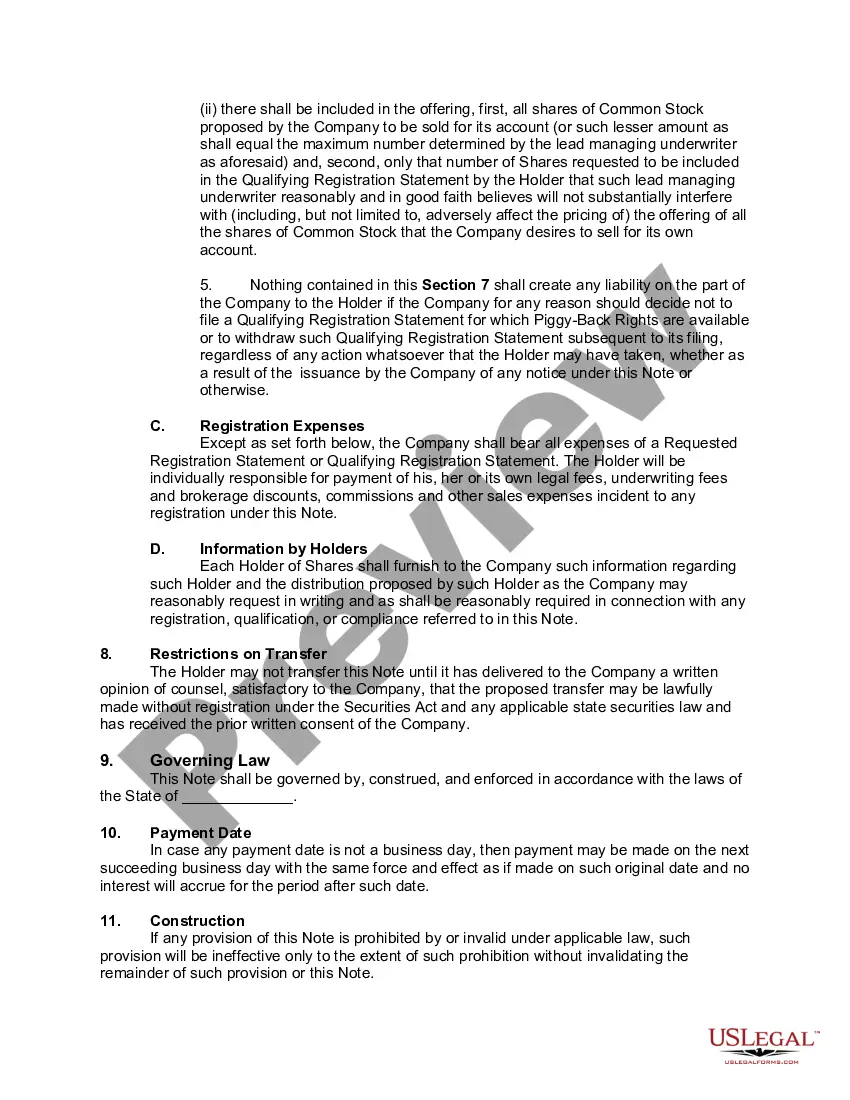
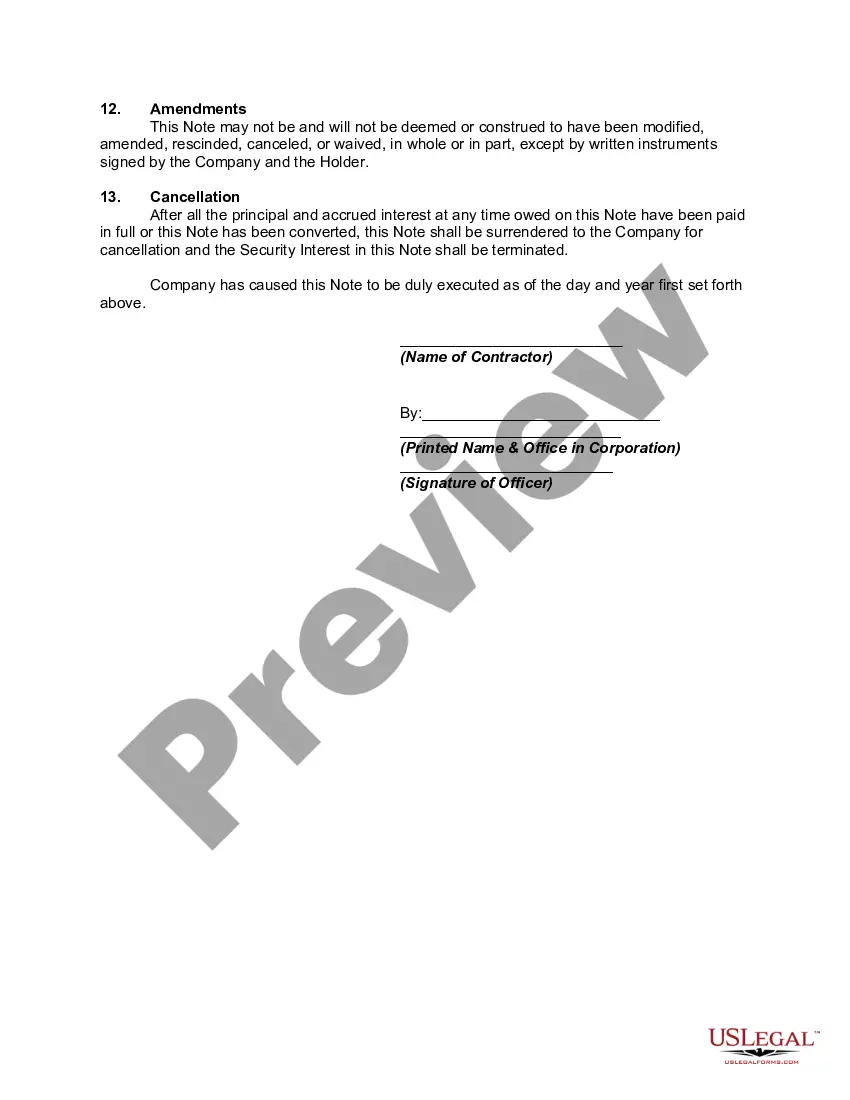
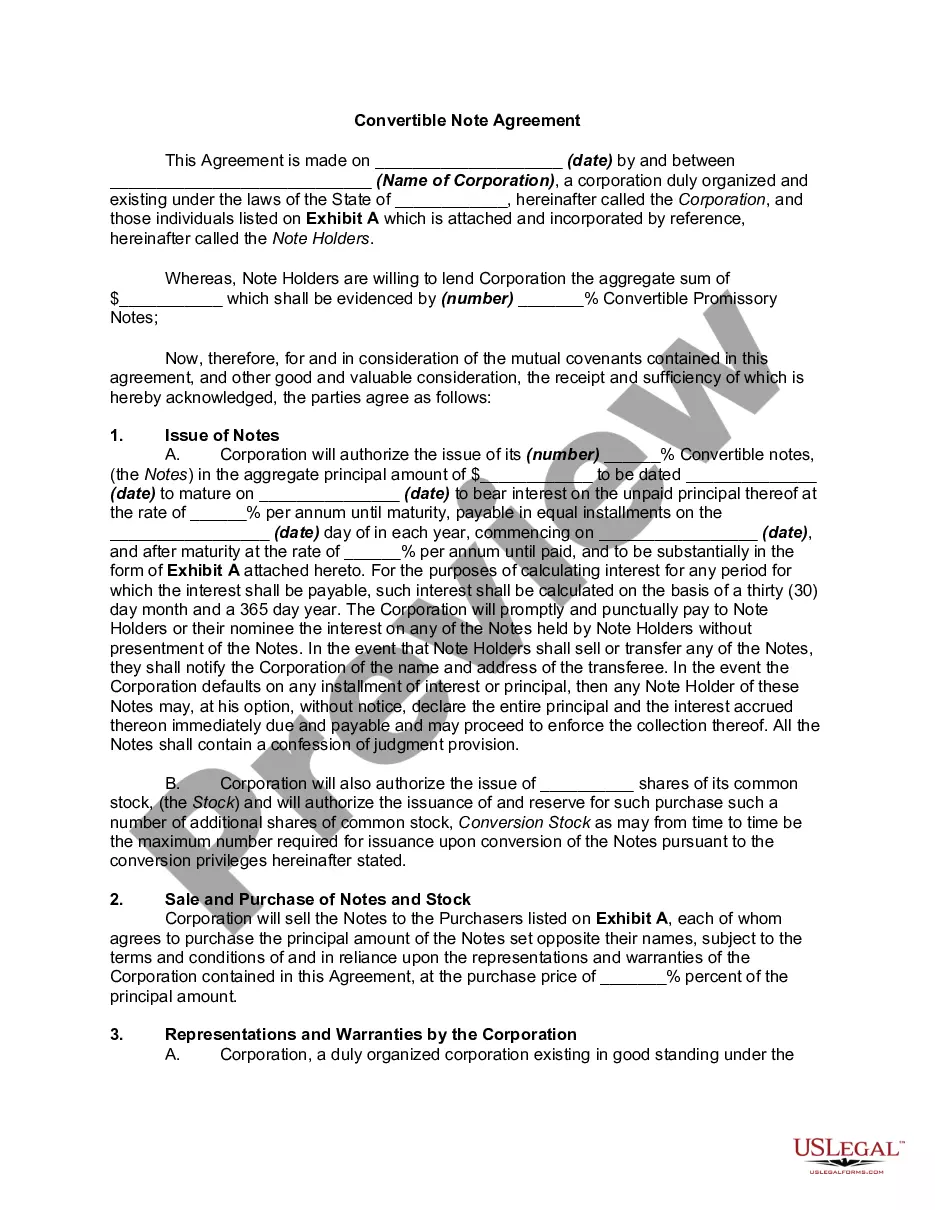
Get your form ready online
Our built-in tools help you complete, sign, share, and store your documents in one place.
Make edits, fill in missing information, and update formatting in US Legal Forms—just like you would in MS Word.
Download a copy, print it, send it by email, or mail it via USPS—whatever works best for your next step.
Sign and collect signatures with our SignNow integration. Send to multiple recipients, set reminders, and more. Go Premium to unlock E-Sign.
If this form requires notarization, complete it online through a secure video call—no need to meet a notary in person or wait for an appointment.
We protect your documents and personal data by following strict security and privacy standards.

Make edits, fill in missing information, and update formatting in US Legal Forms—just like you would in MS Word.

Download a copy, print it, send it by email, or mail it via USPS—whatever works best for your next step.

Sign and collect signatures with our SignNow integration. Send to multiple recipients, set reminders, and more. Go Premium to unlock E-Sign.

If this form requires notarization, complete it online through a secure video call—no need to meet a notary in person or wait for an appointment.

We protect your documents and personal data by following strict security and privacy standards.
Looking for another form?







How to fill out Convertible Promissory Note By Corporation - One Of Series Of Notes Issued Pursuant To Convertible Note Purchase Agreement?
- Log into your US Legal Forms account. If you're an existing user, simply visit the login page and ensure your subscription is active.
- Browse the library and preview the convertible promissory note template. Make sure it aligns with your requirements and complies with local jurisdiction.
- If needed, utilize the search function to find additional templates that might better suit your needs.
- Select the appropriate subscription plan by clicking on the Buy Now button after confirming your chosen document.
- Complete your purchase by entering your payment information via credit card or PayPal.
- Download the template directly to your device. Access it later anytime from the My Forms section of your account.
Once you have the convertible promissory note downloaded, you can fill it out as necessary with the peace of mind that comes from knowing you’re utilizing a reliable legal resource.
Utilizing US Legal Forms not only provides you with a robust selection of legal documents but also connects you with experts for assistance. Start your journey towards hassle-free legal documentation today!
Form popularity
FAQ
Convertible notes are classified as debt instruments with the potential to convert into equity. This hybrid nature allows for a unique treatment in financial statements. Understanding this classification helps investors and companies manage their finances better.
A promissory note typically appears on the balance sheet under 'Current Liabilities' if it is due within one year. If the note has a longer-term maturity, it may be classified as 'Long-term Liabilities.' Accurate classification ensures a true representation of your company’s financial position.
One disadvantage of convertible notes is the risk of dilution for existing shareholders when notes convert to equity. Additionally, the terms can sometimes be confusing, leading to misunderstandings between investors and companies. Always review the terms carefully to understand their implications.
Yes, a promissory note can be classified as convertible debt when it includes a provision allowing conversion into equity. This gives the lender the option to transition from being a creditor to a shareholder, enhancing potential returns. Knowing this distinction can help you navigate investment opportunities.
Generally, convertible notes do not need to be registered with the SEC due to exemptions for private offerings. However, it’s crucial to understand state laws and ensure compliance with local regulations. This ensures your convertible promissory notes are valid and enforceable.
To account for a convertible promissory note, you need to recognize the note as a liability on your balance sheet. When the note converts, you will reclassify the liability to equity. Proper documentation and journal entries will ensure accurate accounting and compliance with regulations.
If you're looking for promissory notes, you can find various templates and examples online. Websites like US Legal Forms offer easy access to a range of legal documents tailored to your needs. Additionally, consider checking with financial institutions or local attorneys for specific guidance on promissory notes. Knowing what is a convertible promissory note can also help you choose the right document.
When a convertible note matures, the borrower must either repay the principal amount or convert it into equity. This situation arises because a convertible promissory note typically includes a specific maturity date. If the note reaches maturity without triggering the conversion process, the lender can demand repayment according to the terms outlined in the agreement. Understanding what happens when a convertible note matures is crucial, as it affects both the lender's and borrower's financial strategies.
Yes, a handwritten promissory note can be legal as long as it includes essential elements like the amount, terms, and signatures of both parties. However, it is wise to ensure that the terms are clear and comprehensive. A typed note might be easier to read and enforce, but legal enforceability is primarily about content. To ensure your handwritten note meets necessary standards, US Legal Forms offers templates that can guide you.
Generally, a promissory note does not need to be notarized for it to be legally binding. However, notarization can provide added security and reassurance for both parties involved. It can help verify identities and dates associated with the agreement. If you are unsure, consider using US Legal Forms to create a promissory note that suits your needs.