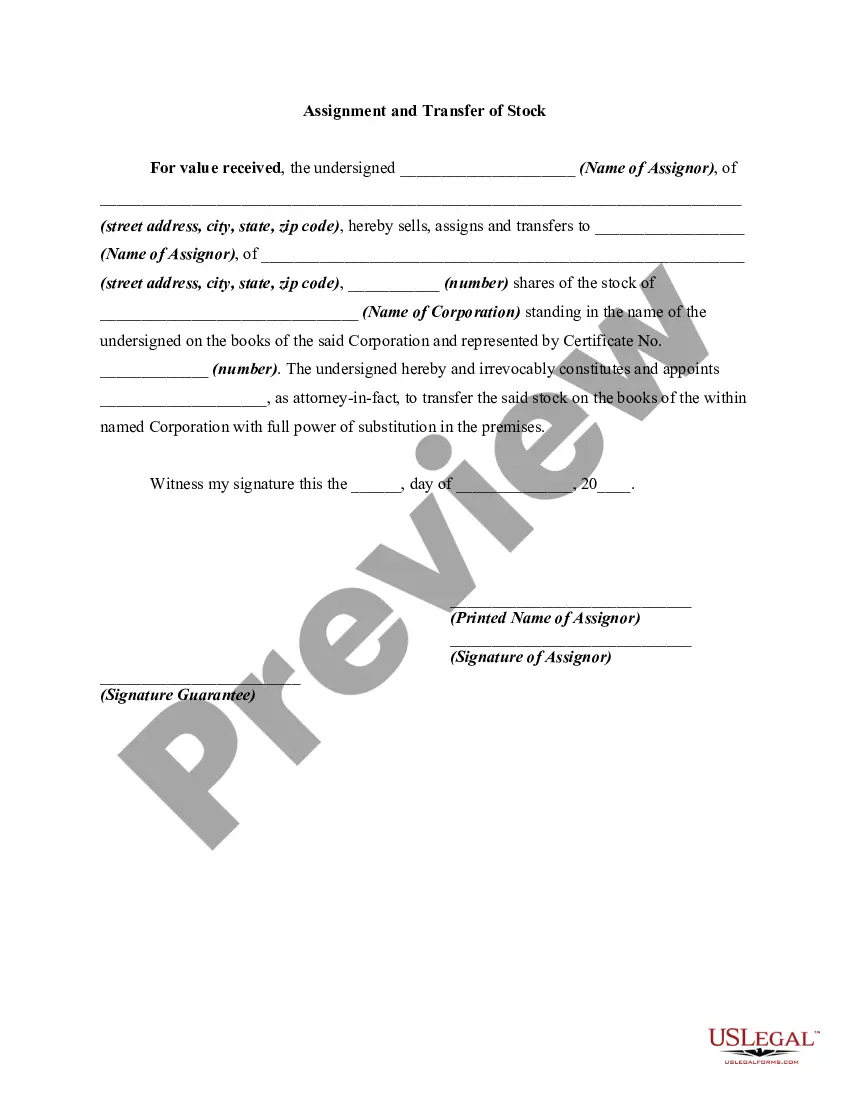
Transfer Stock To Another Person
Description
Get your form ready online
Our built-in tools help you complete, sign, share, and store your documents in one place.
Make edits, fill in missing information, and update formatting in US Legal Forms—just like you would in MS Word.
Download a copy, print it, send it by email, or mail it via USPS—whatever works best for your next step.
Sign and collect signatures with our SignNow integration. Send to multiple recipients, set reminders, and more. Go Premium to unlock E-Sign.
If this form requires notarization, complete it online through a secure video call—no need to meet a notary in person or wait for an appointment.
We protect your documents and personal data by following strict security and privacy standards.

Make edits, fill in missing information, and update formatting in US Legal Forms—just like you would in MS Word.

Download a copy, print it, send it by email, or mail it via USPS—whatever works best for your next step.

Sign and collect signatures with our SignNow integration. Send to multiple recipients, set reminders, and more. Go Premium to unlock E-Sign.

If this form requires notarization, complete it online through a secure video call—no need to meet a notary in person or wait for an appointment.

We protect your documents and personal data by following strict security and privacy standards.
Looking for another form?


Form popularity
FAQ
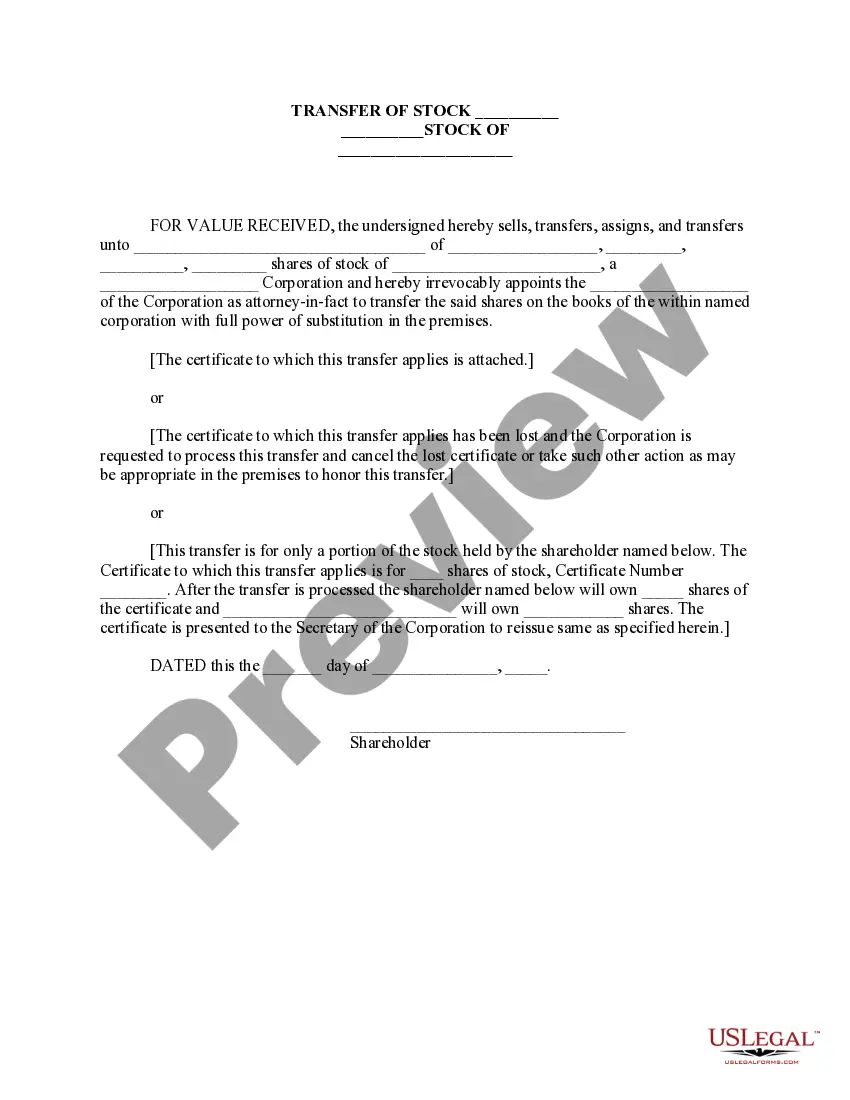
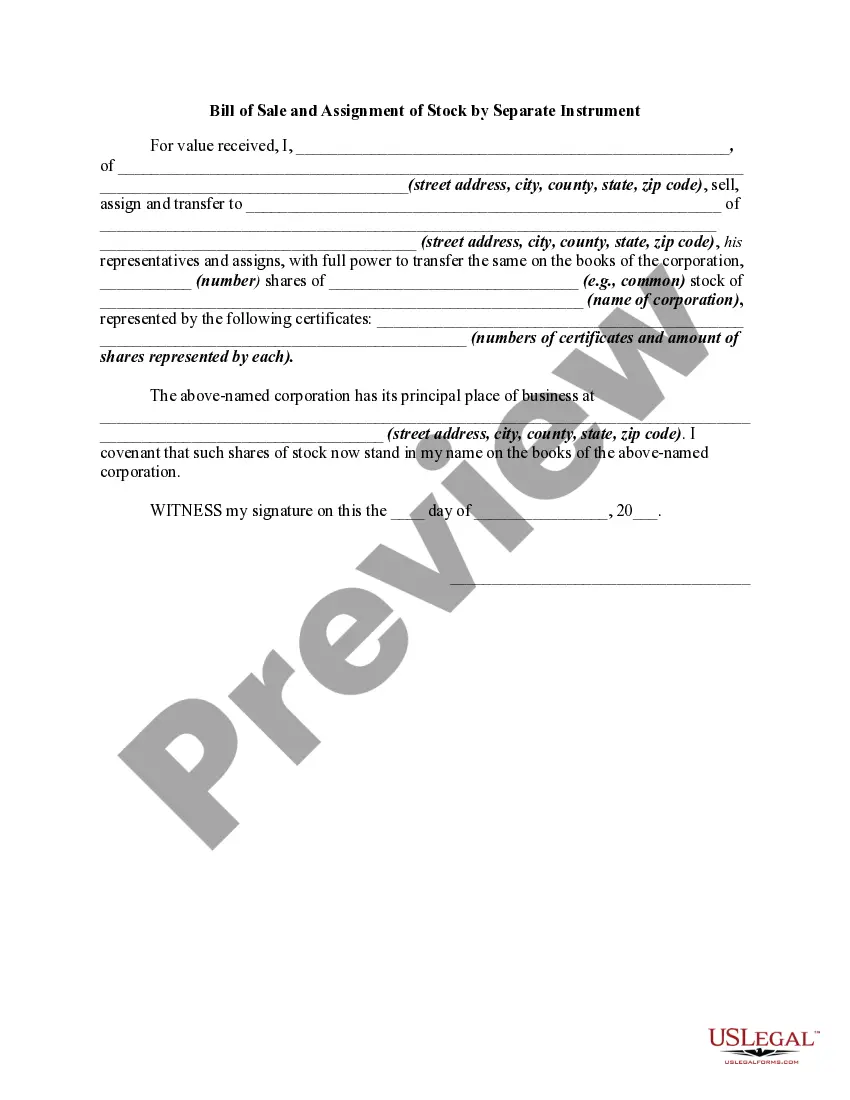
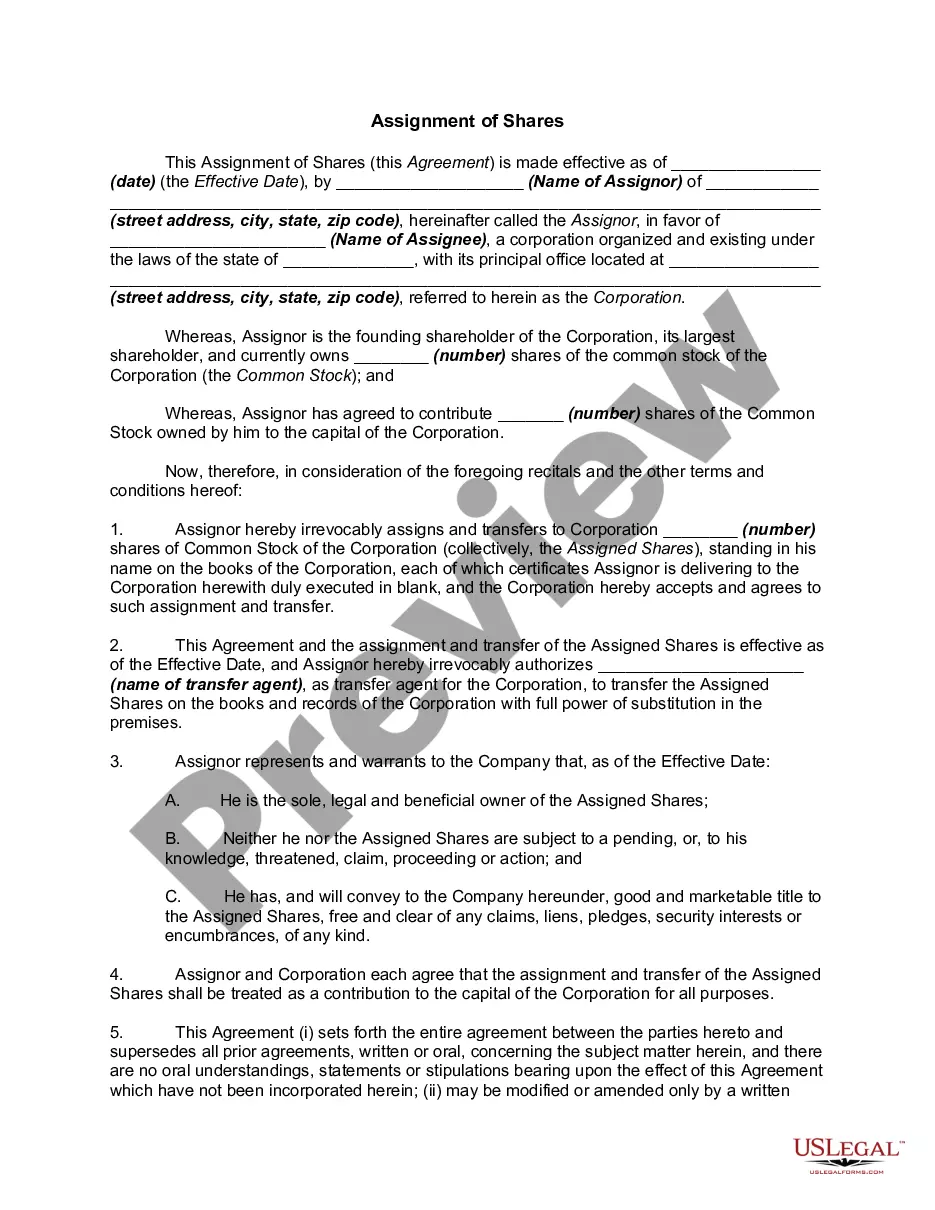
To transfer stock to another person, you first need to gather the necessary documentation, including the stock certificate and any required forms from your brokerage or company. Next, fill out a stock transfer form, sign it, and provide it to the new owner for their signature. After that, submit the completed forms to the company's transfer agent or your broker to finalize the transfer, ensuring all parties are informed of the change. Utilizing US Legal Forms can help you easily navigate this process.
Yes, you can transfer stock to another person by changing the ownership on the stock certificate or through an online brokerage firm. It's important to follow the proper procedures to ensure the transfer is valid and complies with legal requirements. Using US Legal Forms can simplify this process, providing you with the necessary documents and instructions to effectively transfer stock to another person.
When you transfer stock to another person as a gift, it may be considered a taxable event depending on the value. In the United States, if the total value of the gift exceeds the annual exclusion limit, you may need to file a gift tax return. However, you typically will not owe taxes unless your total gifts exceed the lifetime exemption. Always consult with a tax professional to ensure you understand the implications of transferring stock.
Gifting stock is typically not a taxable event for the recipient, but there may be tax implications for the giver. If the value of the gifted stock exceeds the annual exclusion limit, you may need to file a gift tax return. Therefore, if you plan to transfer stock to another person as a gift, getting informed about these rules is essential for a smooth transaction.
Transferring shares can trigger tax, particularly if you are selling the shares for a profit. However, if you are gifting your stock to someone, you might avoid triggering tax. It's advisable to understand the specifics of your situation to navigate the tax consequences effectively when you decide to transfer stock to another person.
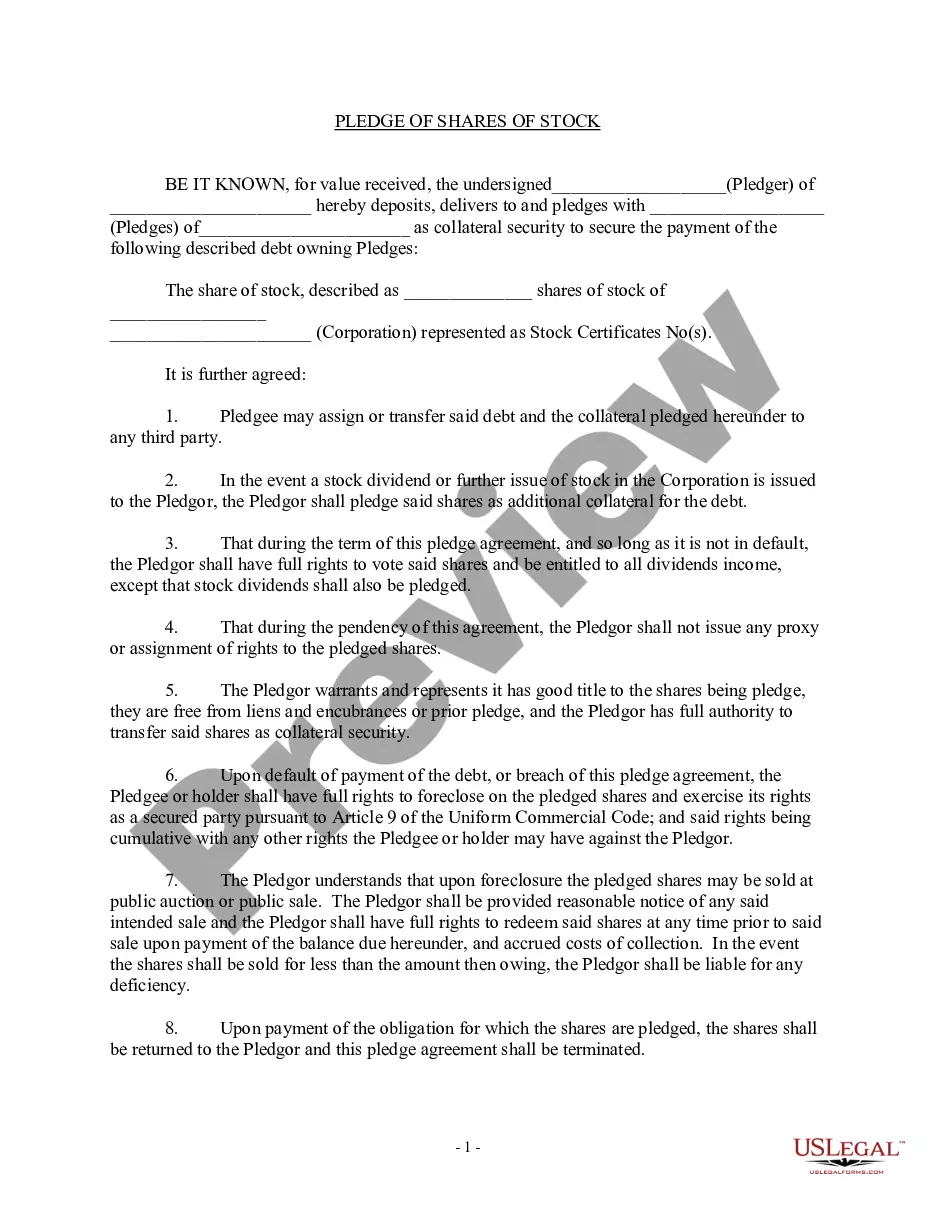
Yes, you can transfer your stock shares to another person through various methods, including selling, gifting, or transferring directly. Each method comes with its own set of rules and potential tax implications, so doing your research is crucial. Platforms like uslegalforms can provide clear guidance when you want to transfer stock to another person.
You may be able to transfer stock to another person without incurring taxes in certain situations, such as when gifting stock. If you gift stock valued below the annual exclusion amount, you generally won’t owe taxes. Nevertheless, specific rules apply, so it's wise to consult a tax professional when considering how to effectively transfer stock to another person.
Transferring stock can indeed be a taxable event, depending on how you do it. When you transfer stock to another person, the IRS may consider this a sale, resulting in capital gains tax if the stock has appreciated in value. However, various exemptions may apply, so it’s essential to understand the tax implications before you transfer stock to another person.
Whether to gift or inherit stock depends on your specific situation and tax implications. Gifting stock allows the recipient to appreciate any potential gains, while inherited stock offers a step-up in basis, which may reduce capital gains taxes. Weigh the pros and cons to decide the best approach for you and the recipient.
To transfer ownership of stock, obtain a stock transfer form from your brokerage or the company that issued the shares. Fill out the details accurately, including your information and that of the recipient. After signing the form, send it to the appropriate party to process the transfer and update the stock ownership records.