Not Profit Statement With Loss
Description
Get your form ready online
Our built-in tools help you complete, sign, share, and store your documents in one place.
Make edits, fill in missing information, and update formatting in US Legal Forms—just like you would in MS Word.
Download a copy, print it, send it by email, or mail it via USPS—whatever works best for your next step.
Sign and collect signatures with our SignNow integration. Send to multiple recipients, set reminders, and more. Go Premium to unlock E-Sign.
If this form requires notarization, complete it online through a secure video call—no need to meet a notary in person or wait for an appointment.
We protect your documents and personal data by following strict security and privacy standards.

Make edits, fill in missing information, and update formatting in US Legal Forms—just like you would in MS Word.

Download a copy, print it, send it by email, or mail it via USPS—whatever works best for your next step.

Sign and collect signatures with our SignNow integration. Send to multiple recipients, set reminders, and more. Go Premium to unlock E-Sign.

If this form requires notarization, complete it online through a secure video call—no need to meet a notary in person or wait for an appointment.

We protect your documents and personal data by following strict security and privacy standards.
Looking for another form?
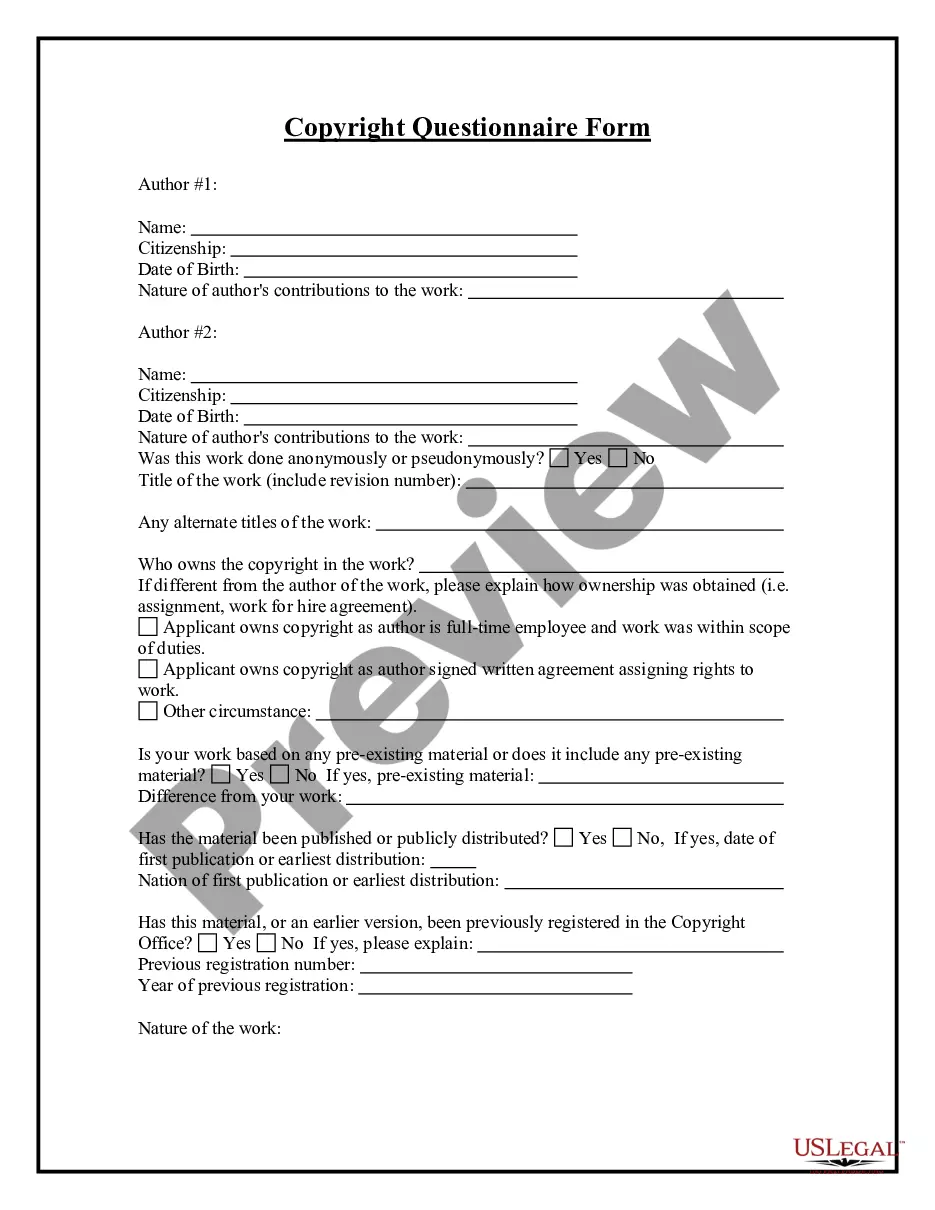
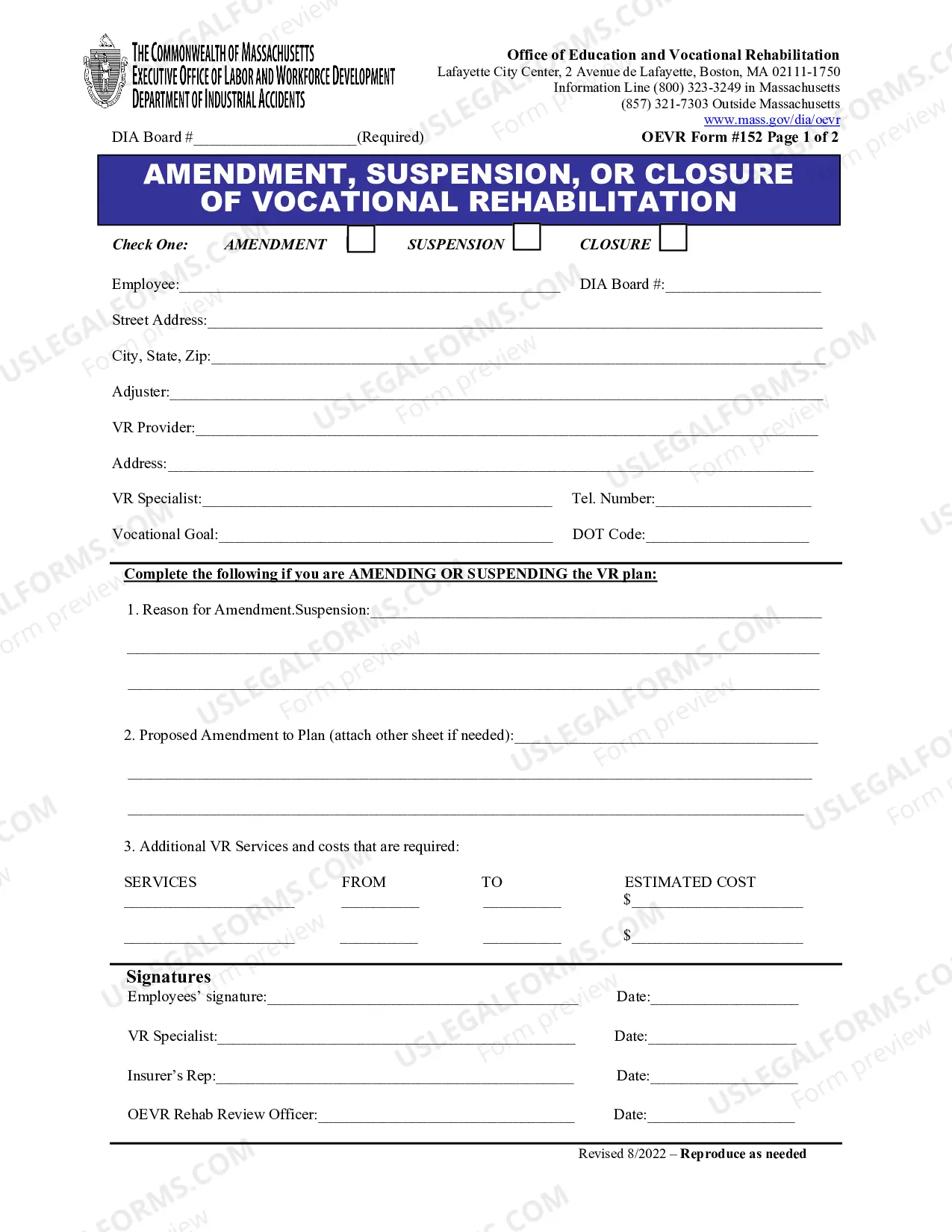




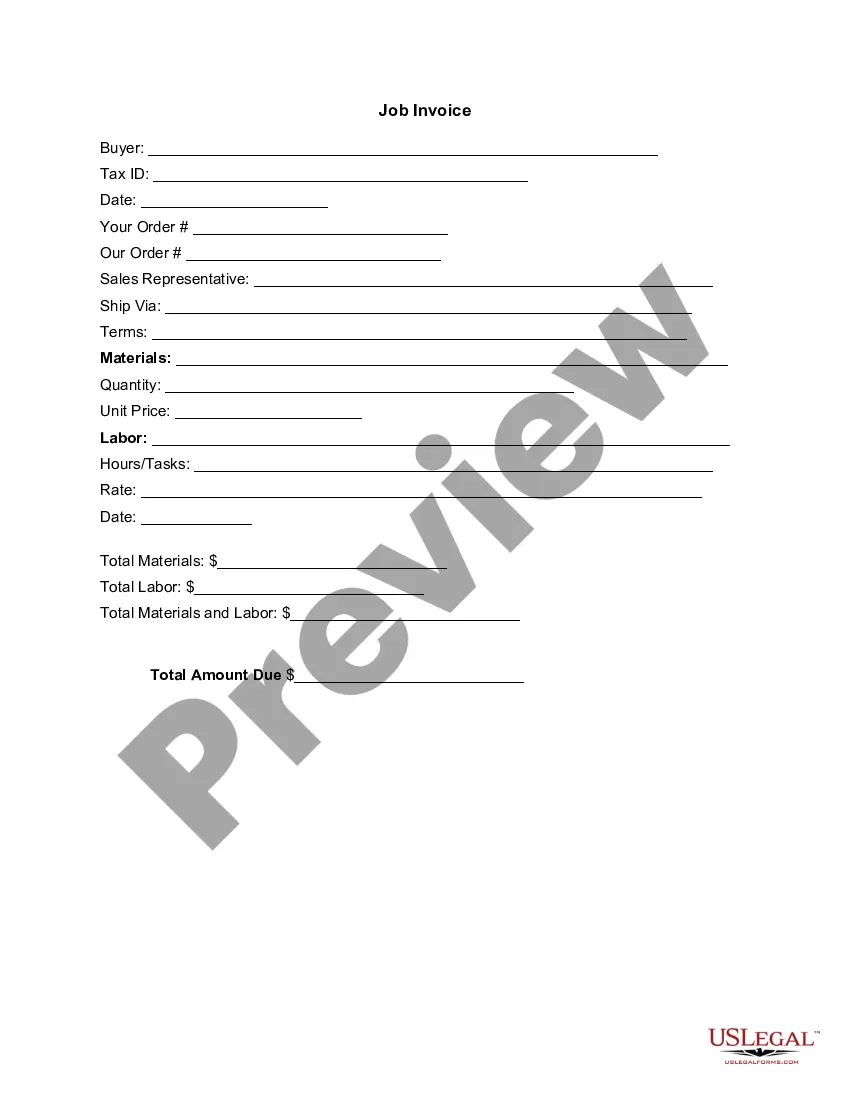
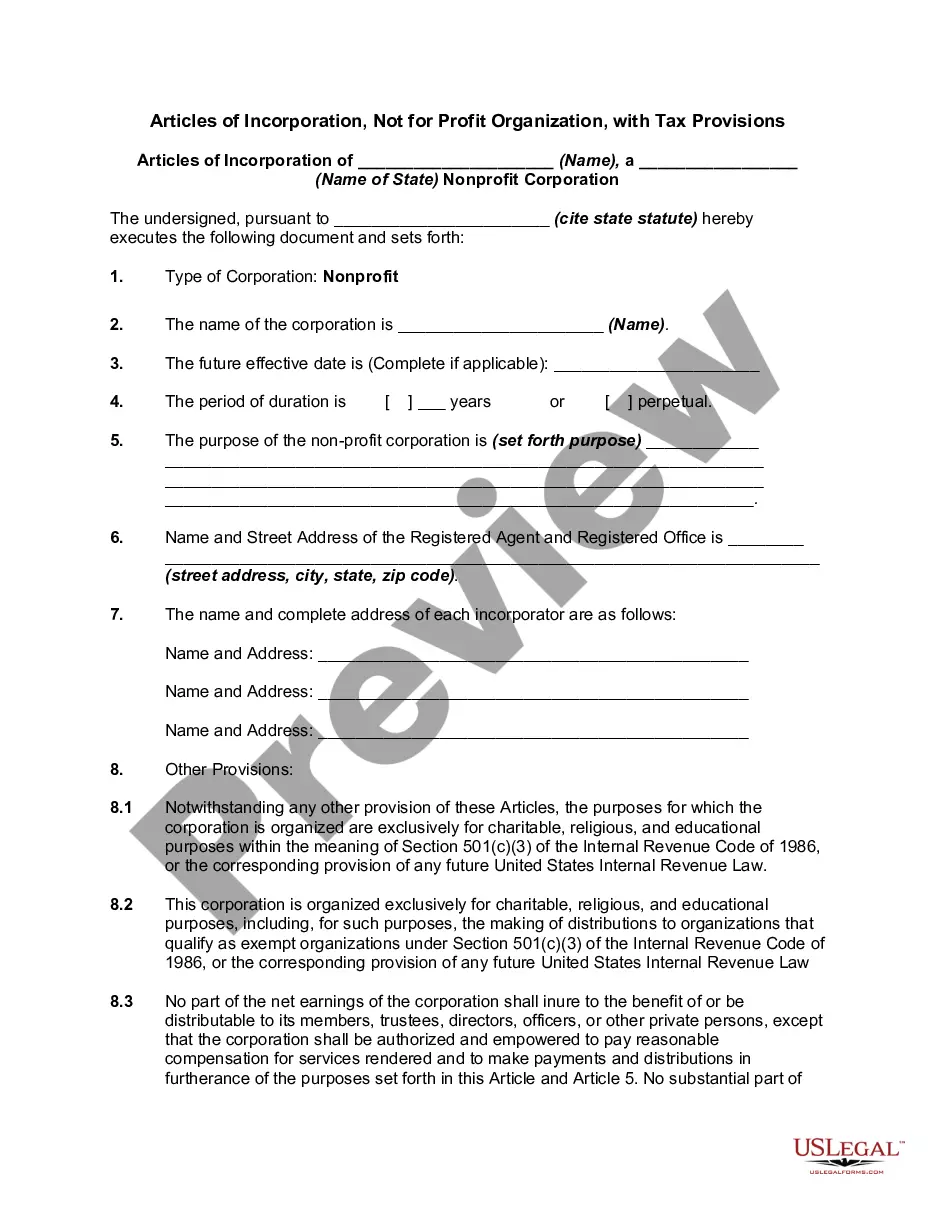
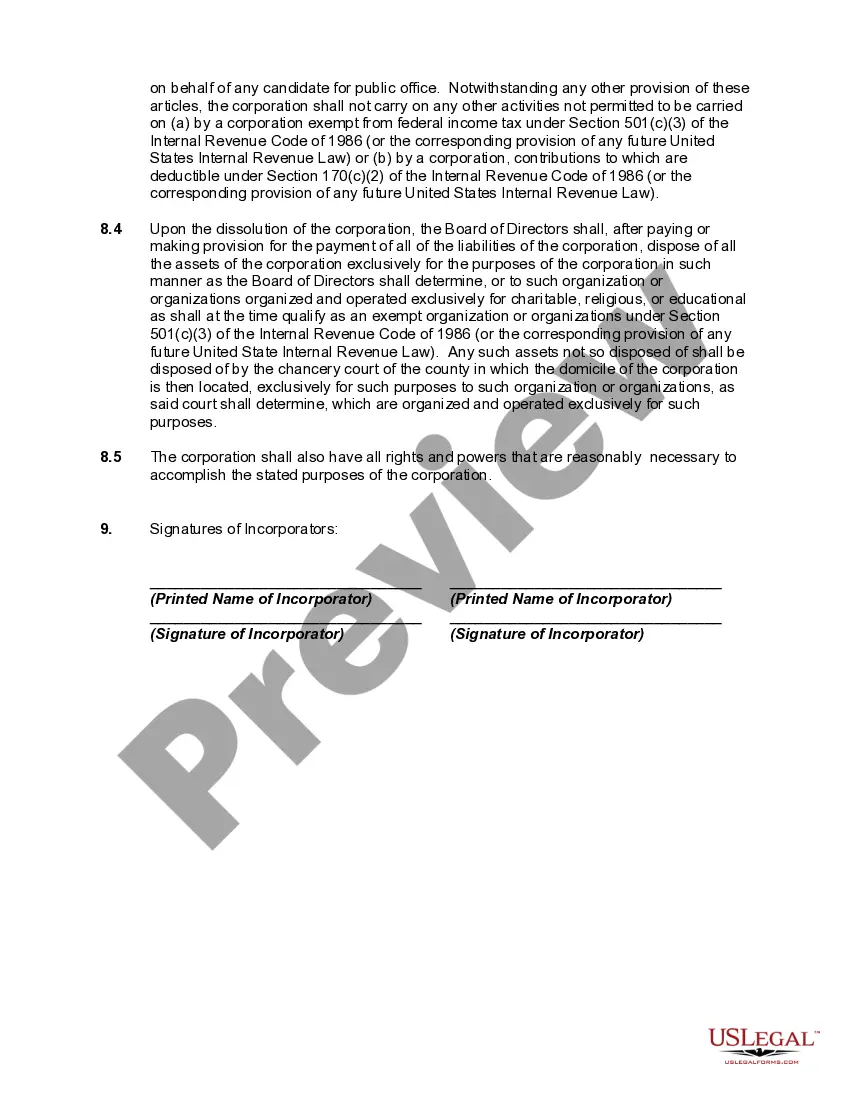
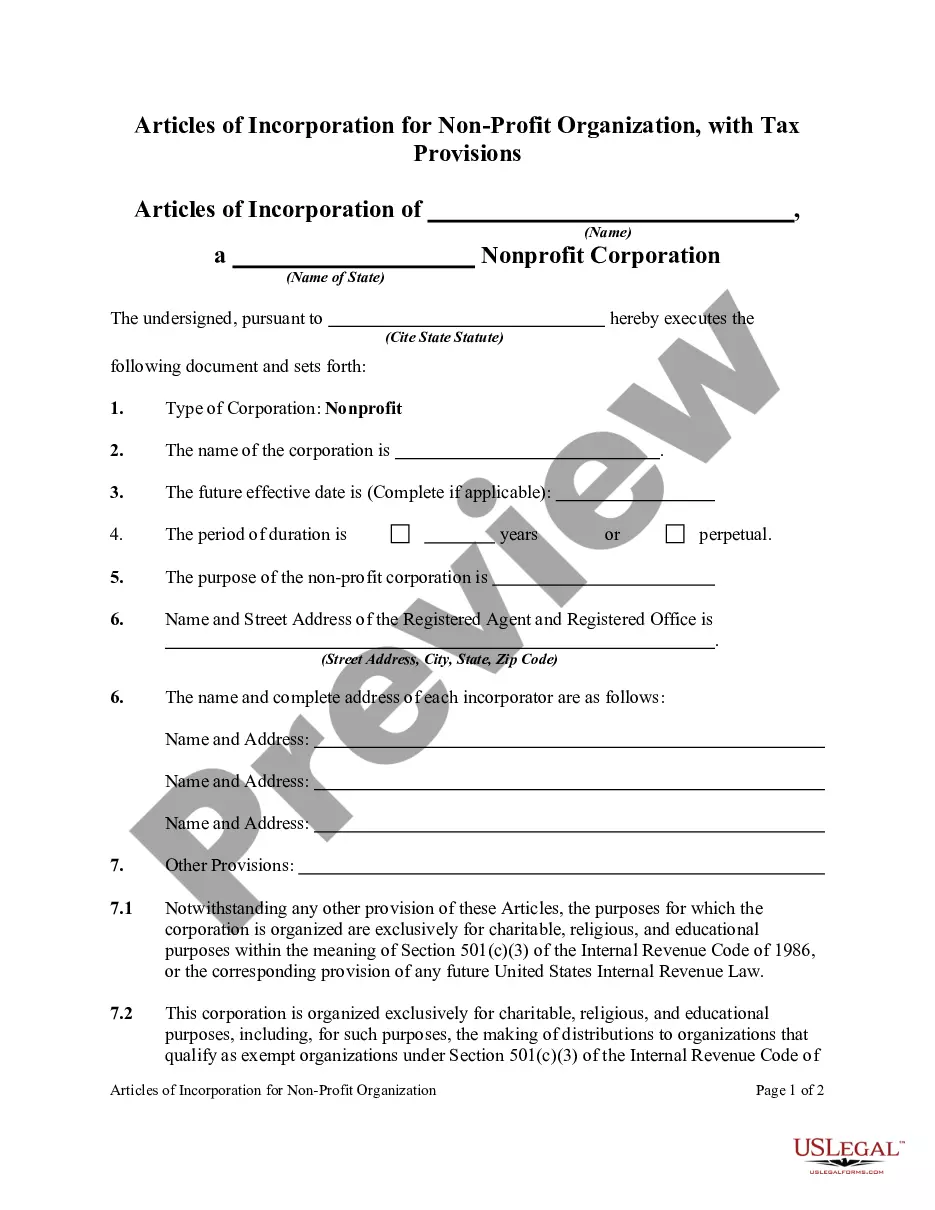
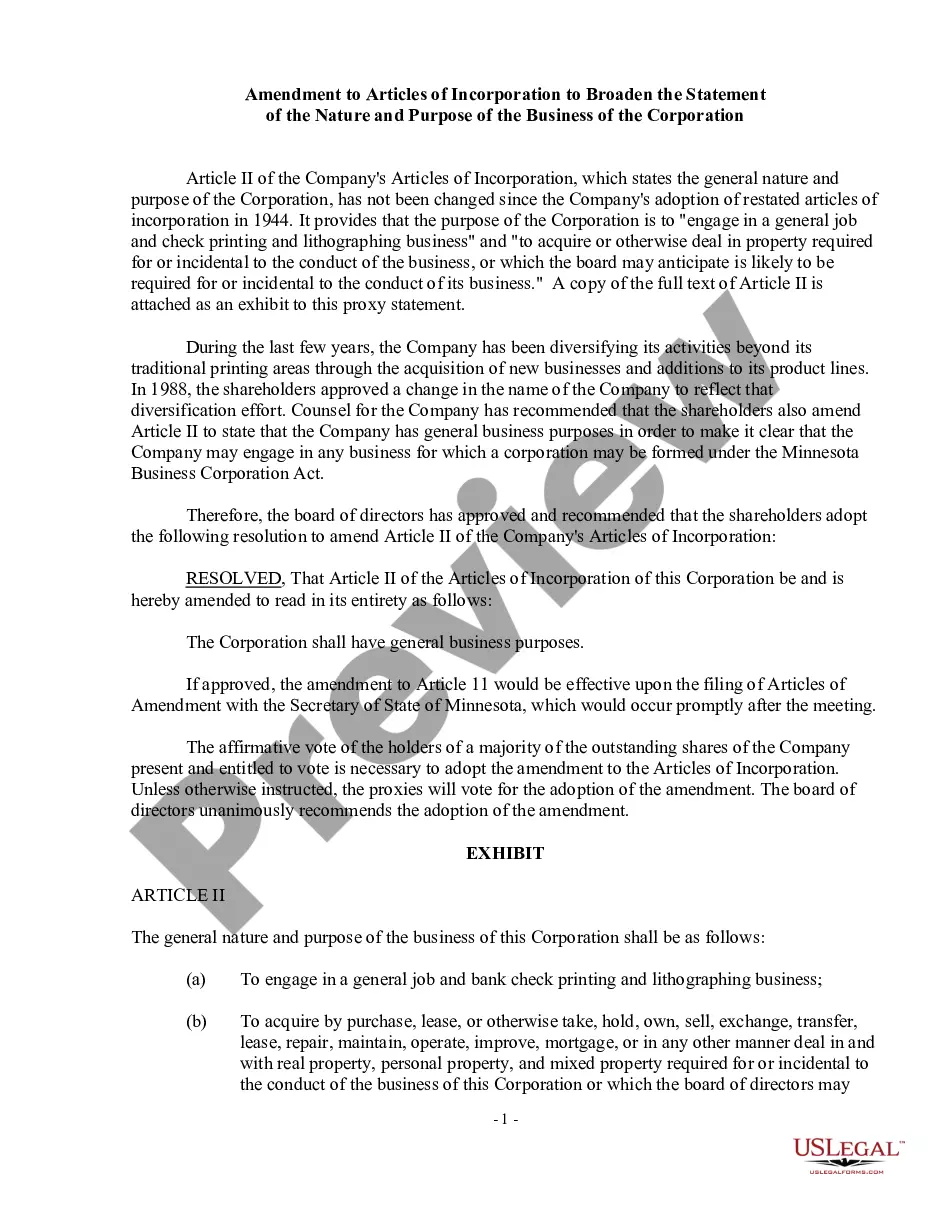
How to fill out Articles Of Incorporation, Not For Profit Organization, With Tax Provisions?
It’s clear that you can’t become a legal authority in a short span, nor can you swiftly learn how to draft a Nonprofit Statement with Loss without possessing a specialized background.
Formulating legal documents is a lengthy endeavor necessitating particular education and expertise. So why not entrust the creation of the Nonprofit Statement with Loss to the professionals.
With US Legal Forms, which boasts one of the most comprehensive legal template collections, you can find anything from court documents to templates for internal company communications.
You can regain access to your documents at any time from the My documents tab. If you’re an existing client, you can simply Log In and find and download the template from the same tab.
Regardless of the nature of your documentation—be it financial and legal, or personal—our platform has you covered. Try US Legal Forms today!
- Search for the form you require using the search bar located at the top of the page.
- Preview it (if this feature is available) and review the supporting description to see if the Nonprofit Statement with Loss is what you are looking for.
- Start your search again if you need another template.
- Sign up for a free account and choose a subscription plan to purchase the template.
- Click Buy now. Once the purchase is completed, you can obtain the Nonprofit Statement with Loss, fill it out, print it, and either send it or mail it to the required individuals or organizations.
Form popularity
FAQ
The expenses of the real estate tax, income tax, and interest paid on mortgages or other debt are also deducted from the income to calculate profit. The amount of money left over gives the profit. Nonprofits do have profit and loss statements, but they take the form of a Statement of Activities.
A nonprofit organization that has unrelated business deductions that exceed its unrelated business income for a tax year has a net operating loss (NOL) equal to the amount of the excess. An NOL can be carried back to the two proceeding years to offset unrelated business income in those years.
The components of a non-profit income statement include revenue, expenses, gains, and losses. Revenue: Includes all sources of income for the organization, such as donations, grants, and program fees. Expenses: Include all costs associated with running the organization, such as salaries, rent, and supplies.
How to write a profit and loss statement Step 1: Calculate revenue. ... Step 2: Calculate cost of goods sold. ... Step 3: Subtract cost of goods sold from revenue to determine gross profit. ... Step 4: Calculate operating expenses. ... Step 5: Subtract operating expenses from gross profit to obtain operating profit.
While the goal of a nonprofit organization is not to earn a profit, these organizations do make money. Excess revenue can be used to fund further programs or saved as a reserve for future expenses or to offset periods where the expenses exceeded income and there is a shortfall or loss.