Petition With Court
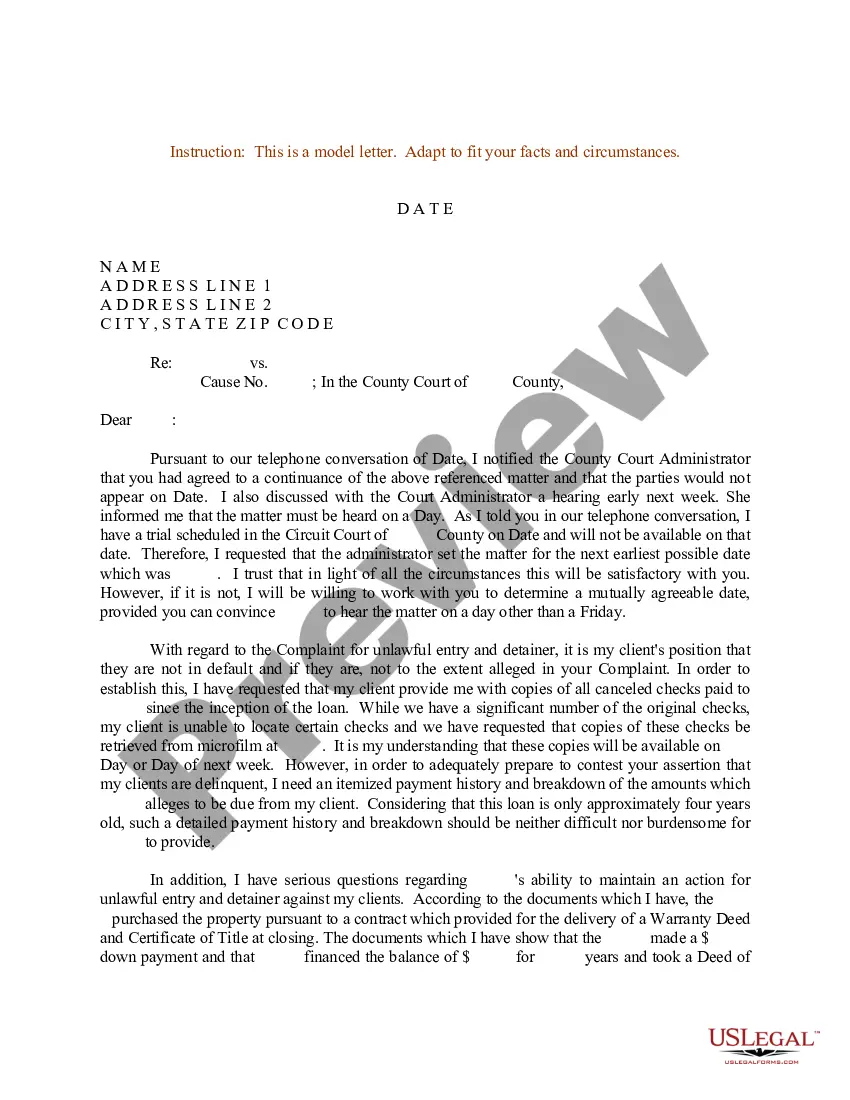
Description
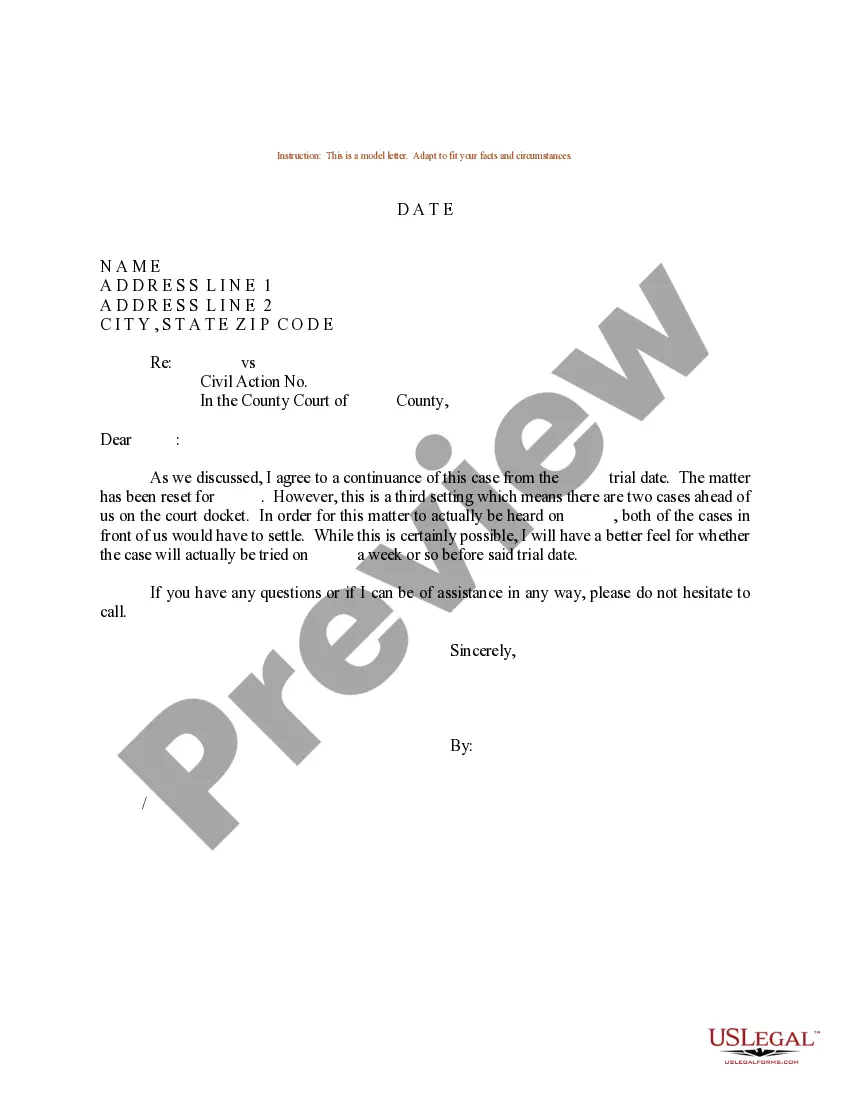
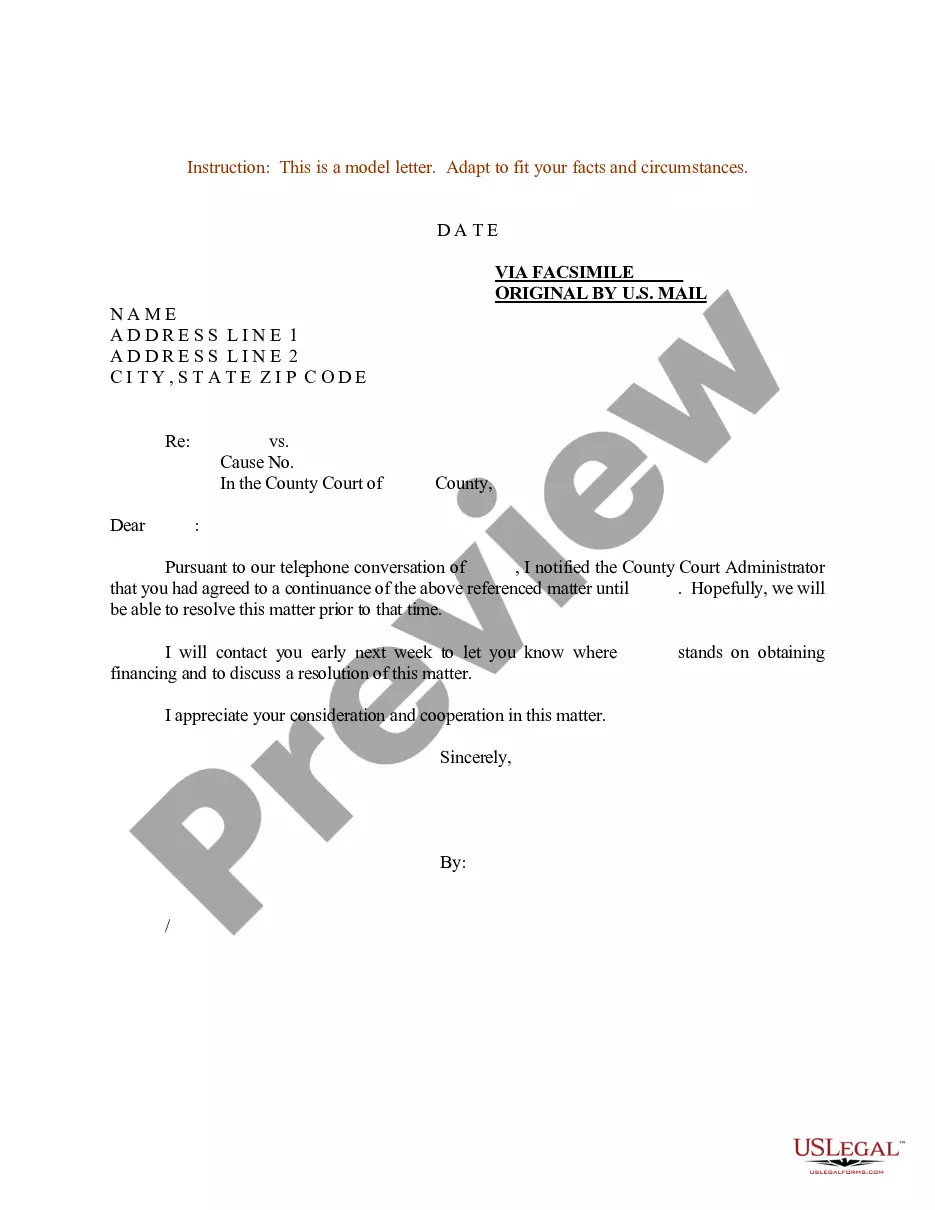
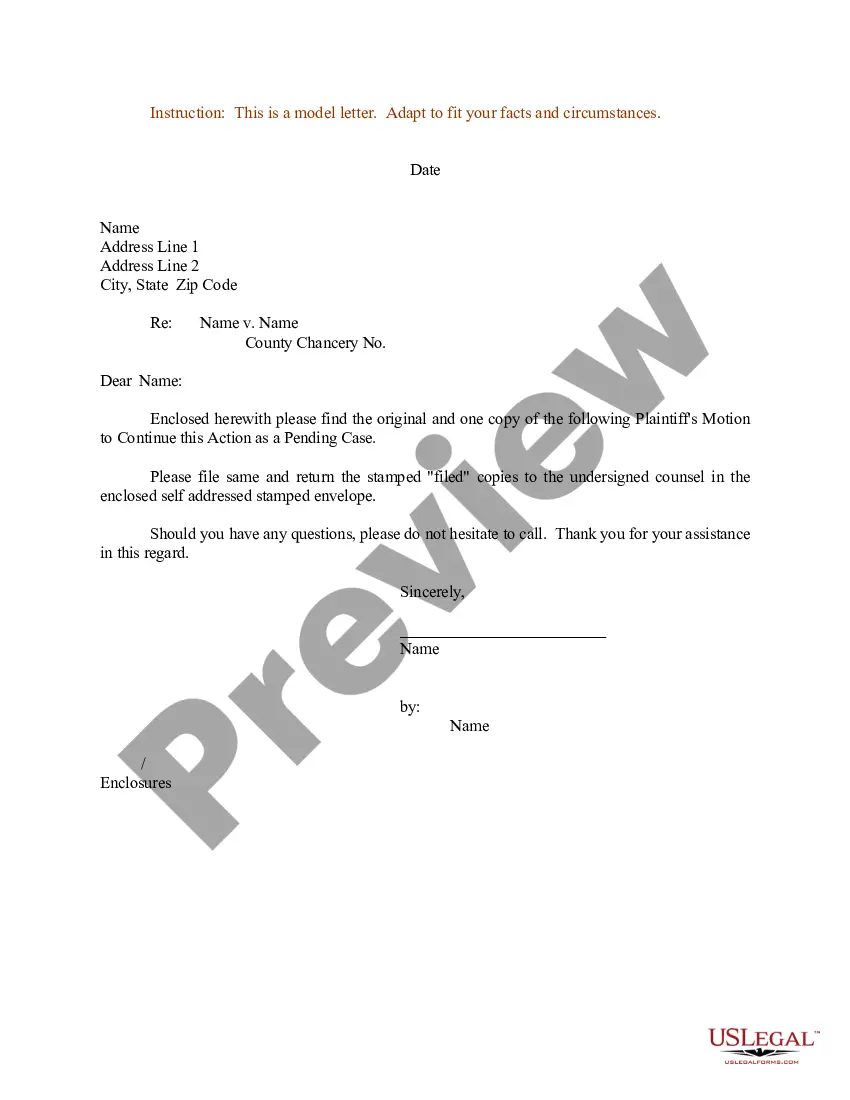
Get your form ready online
Our built-in tools help you complete, sign, share, and store your documents in one place.
Make edits, fill in missing information, and update formatting in US Legal Forms—just like you would in MS Word.
Download a copy, print it, send it by email, or mail it via USPS—whatever works best for your next step.
Sign and collect signatures with our SignNow integration. Send to multiple recipients, set reminders, and more. Go Premium to unlock E-Sign.
If this form requires notarization, complete it online through a secure video call—no need to meet a notary in person or wait for an appointment.
We protect your documents and personal data by following strict security and privacy standards.

Make edits, fill in missing information, and update formatting in US Legal Forms—just like you would in MS Word.

Download a copy, print it, send it by email, or mail it via USPS—whatever works best for your next step.

Sign and collect signatures with our SignNow integration. Send to multiple recipients, set reminders, and more. Go Premium to unlock E-Sign.

If this form requires notarization, complete it online through a secure video call—no need to meet a notary in person or wait for an appointment.

We protect your documents and personal data by following strict security and privacy standards.
Looking for another form?
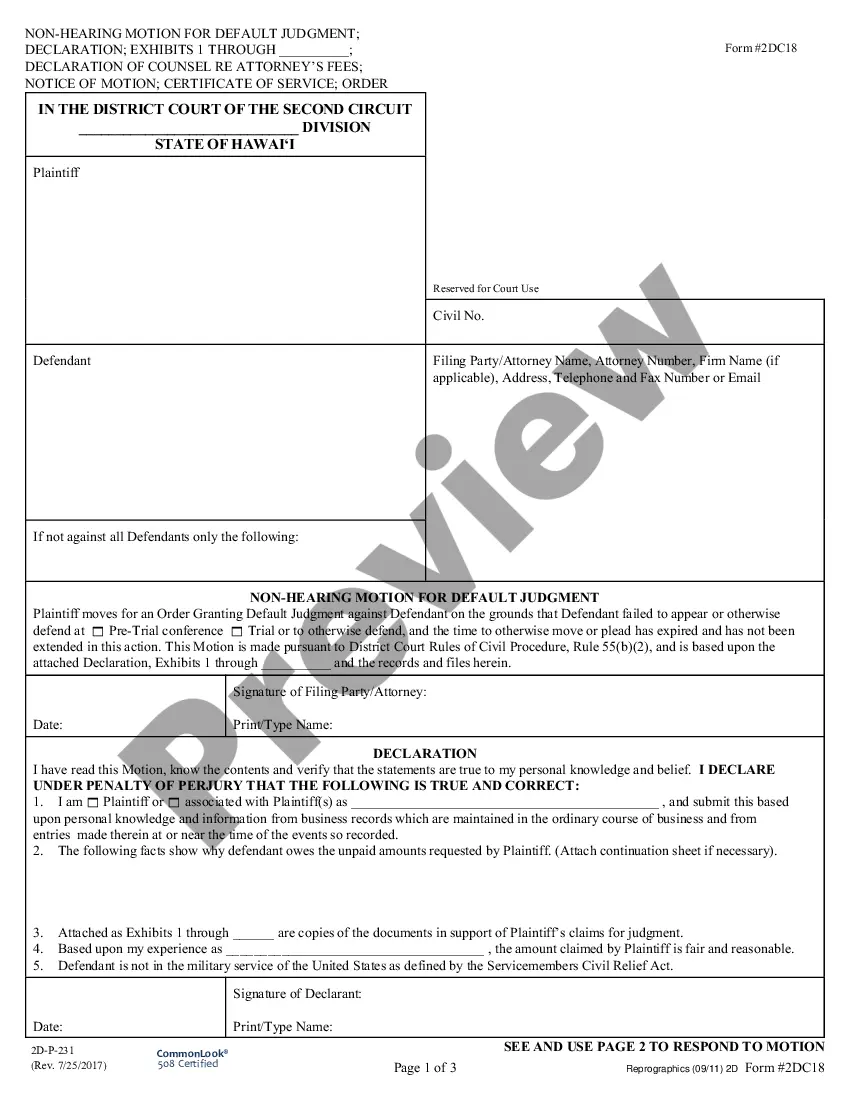
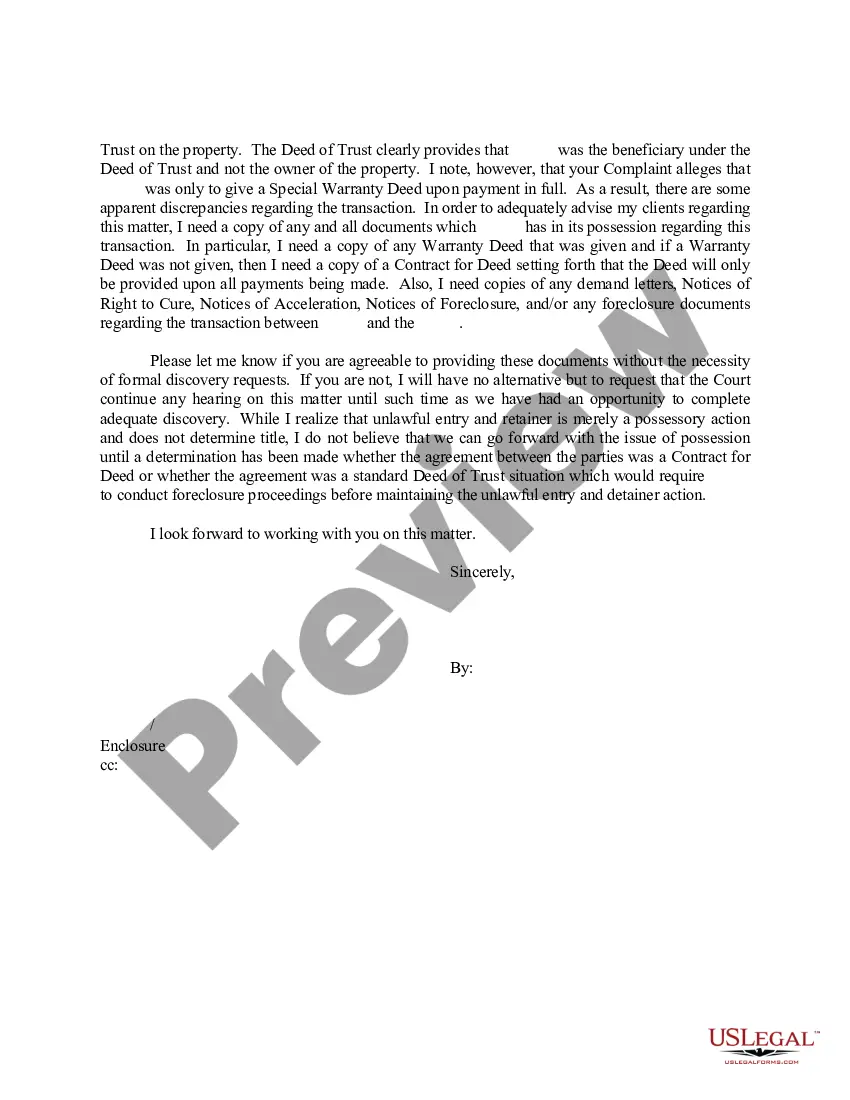
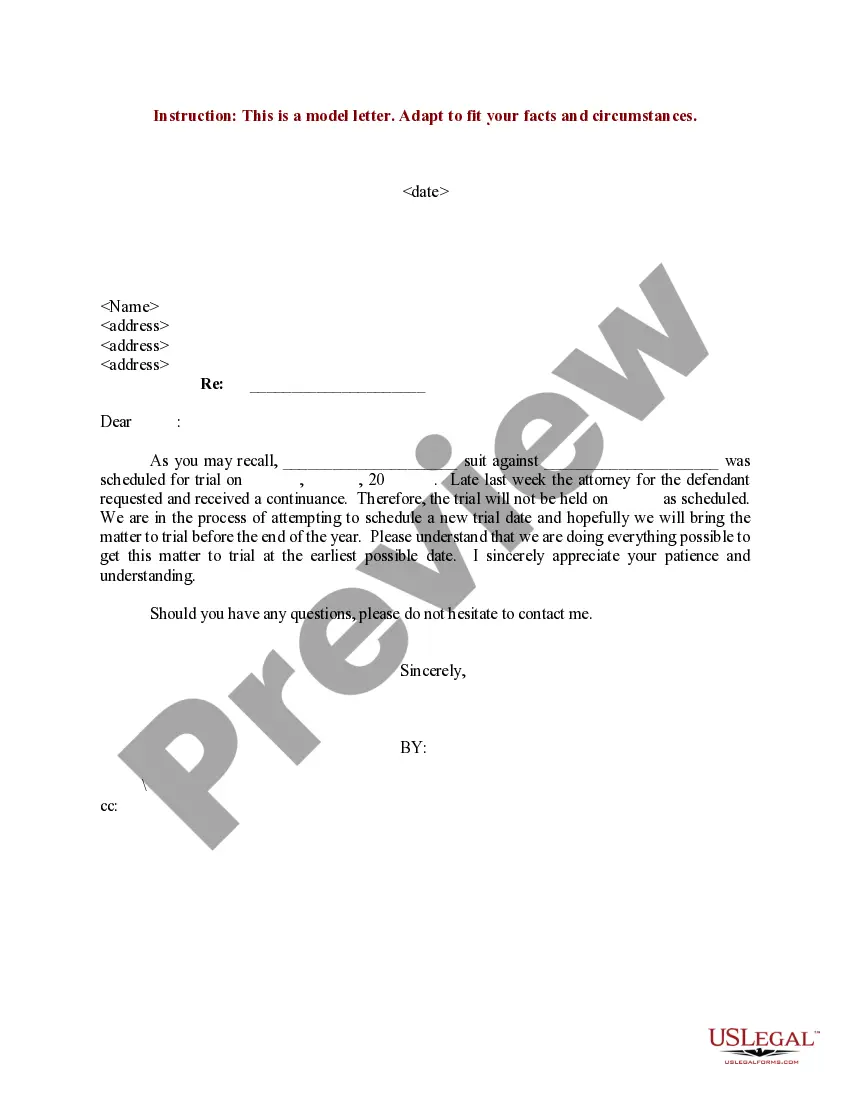
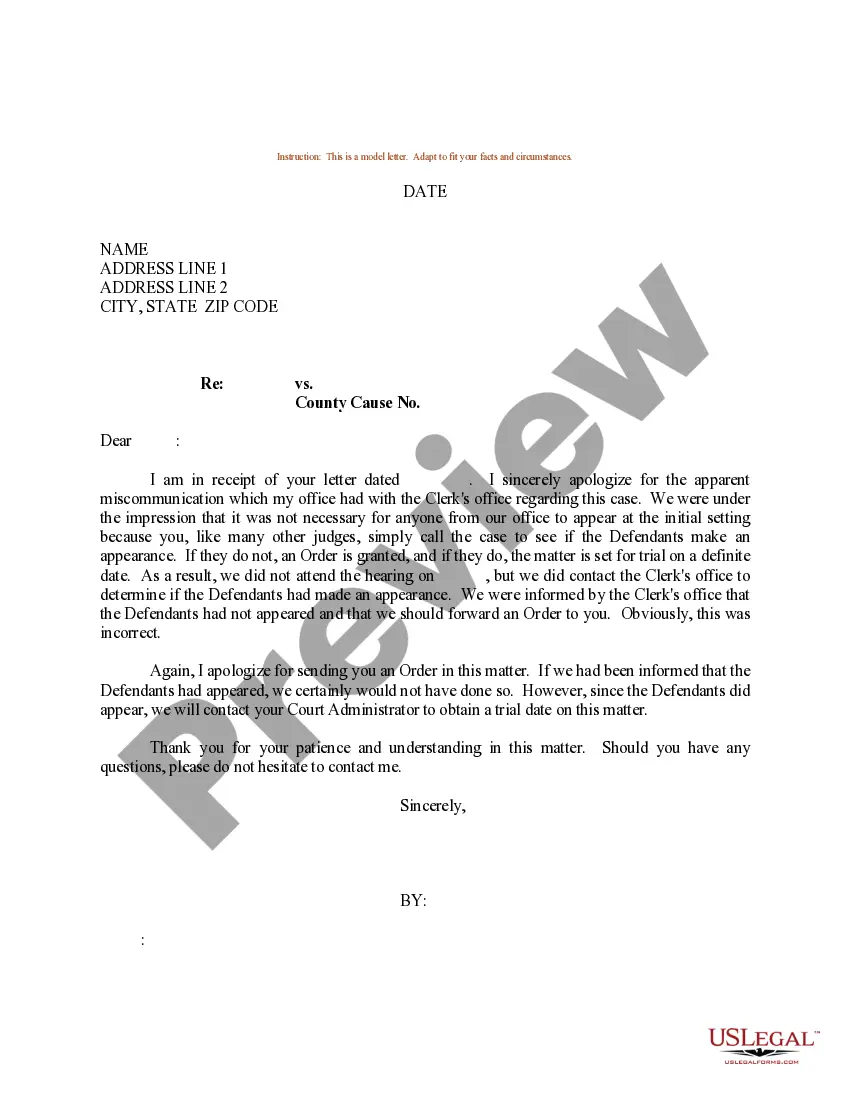
How to fill out Sample Letter For Continuance - Request For Earliest Court Date Possible?
Whether for commercial endeavors or for personal matters, everyone must manage legal circumstances sooner or later in their lifetime.
Filling out legal documents demands careful consideration, starting with selecting the correct form template.
After it is saved, you can fill out the form using editing software or print it and complete it manually. With a vast US Legal Forms catalog available, you never need to waste time searching for the right sample online. Utilize the library’s straightforward navigation to acquire the suitable template for any occasion.
- Locate the sample you need utilizing the search bar or catalog navigation.
- Examine the form’s details to ensure it suits your situation, state, and locality.
- Click on the form’s preview to view it.
- If it is the incorrect form, return to the search feature to find the Petition With Court template you require.
- Obtain the template when it satisfies your criteria.
- If you possess a US Legal Forms account, click Log in to access previously saved templates in My documents.
- In case you don’t have an account yet, you can download the form by clicking Buy now.
- Select the appropriate pricing option.
- Complete the account registration form.
- Choose your payment method: you can use a credit card or PayPal account.
- Select the file format you prefer and download the Petition With Court.
Form popularity
FAQ
When speaking in court, clarity and respect are key. Clearly state your position, presenting facts and evidence that support your petition with court. Use straightforward language, focus on your main arguments, and maintain a respectful tone toward the judge and other parties involved. This approach will enhance the credibility of your case.
Yes, you can file a petition with court without an attorney, but it may be challenging. It is essential to understand the rules and procedures of your specific court. While DIY options are available, many individuals find it beneficial to use resources like uslegalforms to navigate the process more effectively and accurately.
Writing your own petition to the court requires clarity and organization. Begin by outlining your case, clearly stating both what you seek and why, in a straightforward manner. Provide any evidence or documents that back your claims, and ensure that you conform to the required format and rules, which uslegalforms can conveniently guide you through.
To begin a petition with court, you need to gather specific information about your case. This typically includes details about the parties involved, the legal basis for your petition, and any evidence that supports your claims. Additionally, you will require the proper forms, which uslegalforms can assist you with, ensuring you start on the right path.
To fill a petition form, start by reading the instructions carefully. Fill in your personal information, along with the details relevant to your case. Be concise and thorough in explaining your request and provide any required evidence or documentation. If you need assistance, platforms like US Legal Forms offer easy-to-follow templates that can help you successfully navigate filling out a petition with court.
Filling a petition involves gathering necessary information and documenting your request clearly. Begin by reviewing any specific requirements from the court regarding formatting and content. Make sure to include details such as your name, the opposing party's name, and a clear statement of your request. Utilizing user-friendly platforms like US Legal Forms can guide you through this process, ensuring your petition with court is complete and accurate.
An example of a petition is a petition for child custody, where a parent requests the court to grant them custody of their child. This type of petition outlines relevant circumstances and legal reasons justifying the request. Other examples include petitions for divorce, name changes, or restraining orders. Each example demonstrates how a petition with court can address diverse legal matters.
Filing a petition with the court means submitting a formal request for the court to take action on a specific legal matter. This process allows you to seek legal relief or initiate a legal proceeding in front of a judge. A petition typically outlines the issue at hand, the relief requested, and the basis for that relief. Understanding this process will help you navigate your legal journey effectively.
To properly write a petition, start by clearly stating the purpose of the petition. Use simple, direct language to outline your request and include relevant facts to support your case. It is essential to format the document correctly, ensuring it meets the court's requirements. You can also find helpful templates on platforms like US Legal Forms, which simplify the process of drafting a petition with court.
In court, a petition refers to a formal document that seeks a specific judicial order. It establishes the basis for the court’s involvement in a legal matter. Understanding the meaning of a petition with court helps you navigate the legal process and effectively present your case.