Petition Court For Custody
Description
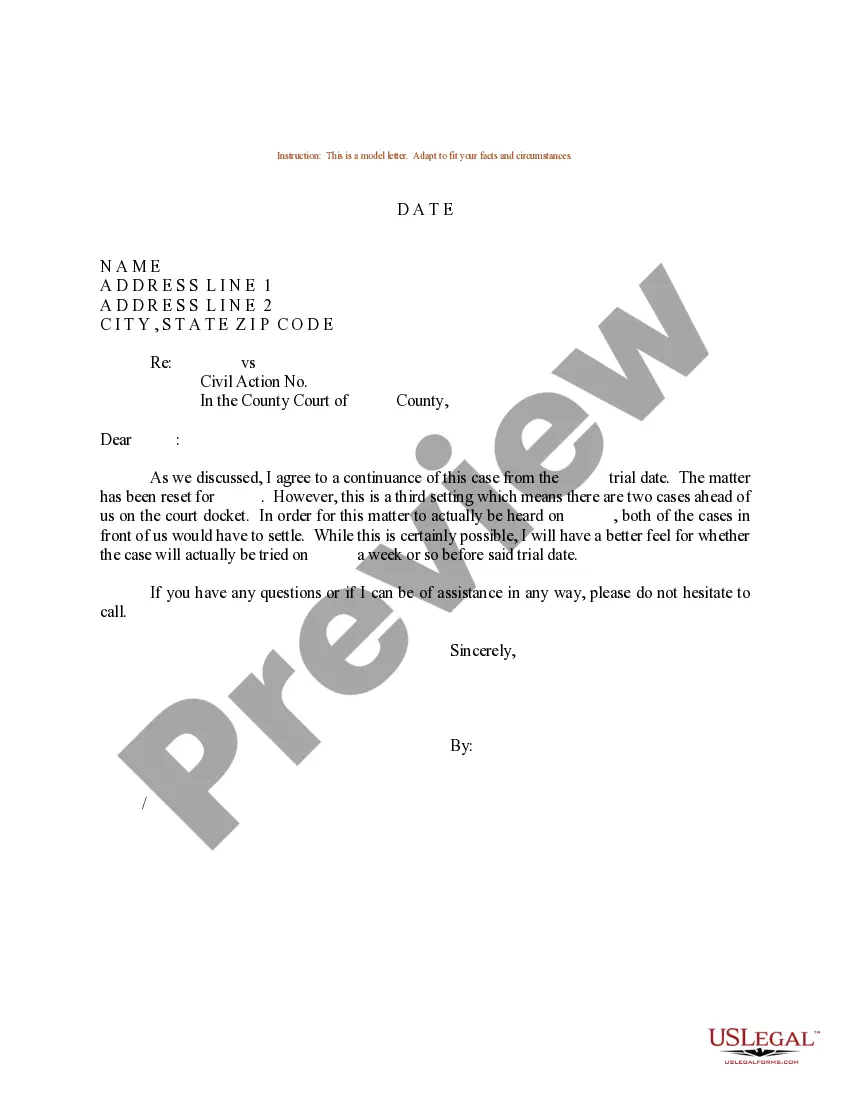
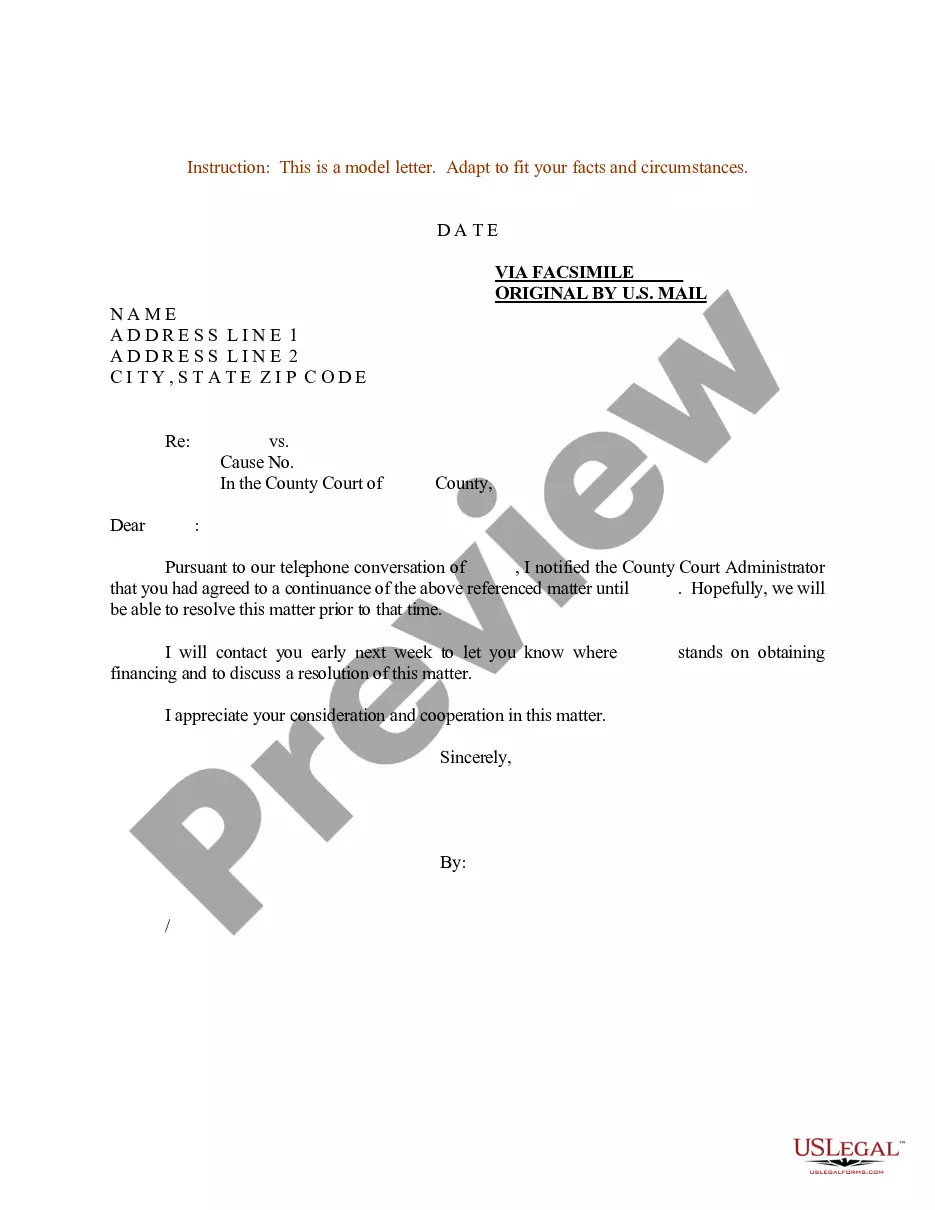
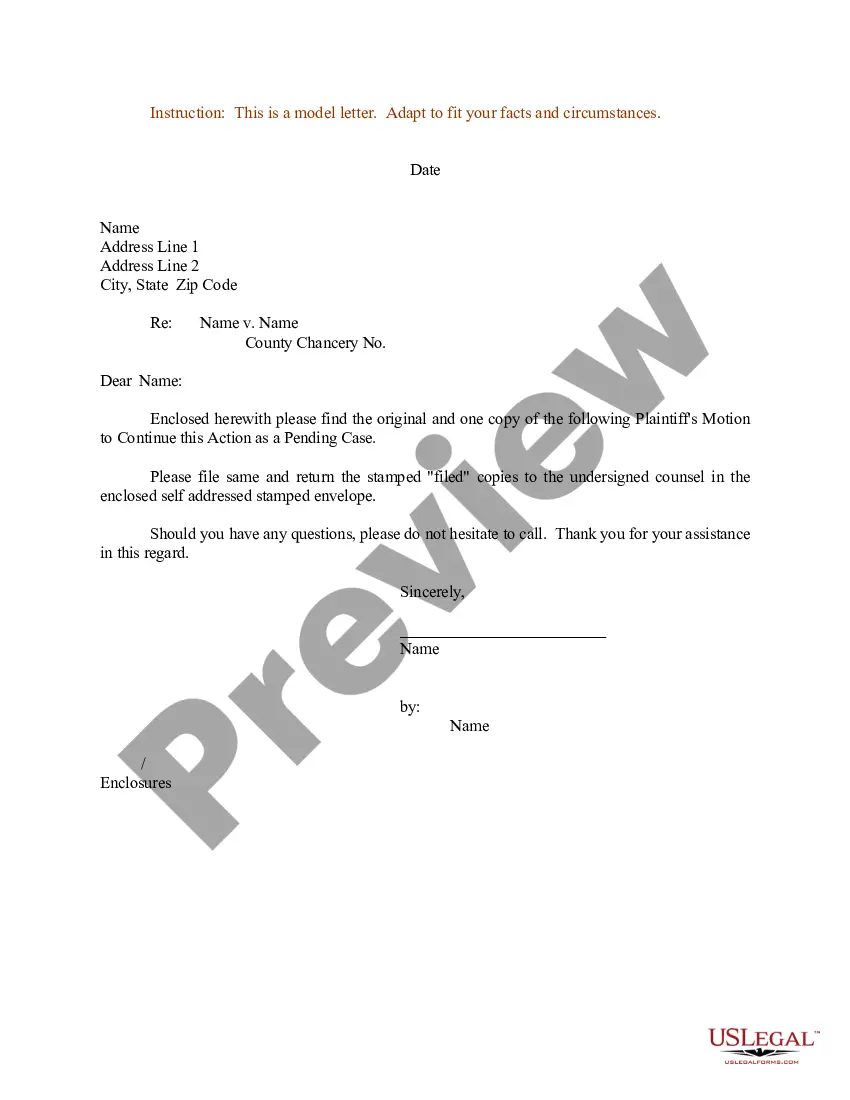
Get your form ready online
Our built-in tools help you complete, sign, share, and store your documents in one place.
Make edits, fill in missing information, and update formatting in US Legal Forms—just like you would in MS Word.
Download a copy, print it, send it by email, or mail it via USPS—whatever works best for your next step.
Sign and collect signatures with our SignNow integration. Send to multiple recipients, set reminders, and more. Go Premium to unlock E-Sign.
If this form requires notarization, complete it online through a secure video call—no need to meet a notary in person or wait for an appointment.
We protect your documents and personal data by following strict security and privacy standards.

Make edits, fill in missing information, and update formatting in US Legal Forms—just like you would in MS Word.

Download a copy, print it, send it by email, or mail it via USPS—whatever works best for your next step.

Sign and collect signatures with our SignNow integration. Send to multiple recipients, set reminders, and more. Go Premium to unlock E-Sign.

If this form requires notarization, complete it online through a secure video call—no need to meet a notary in person or wait for an appointment.

We protect your documents and personal data by following strict security and privacy standards.
Looking for another form?
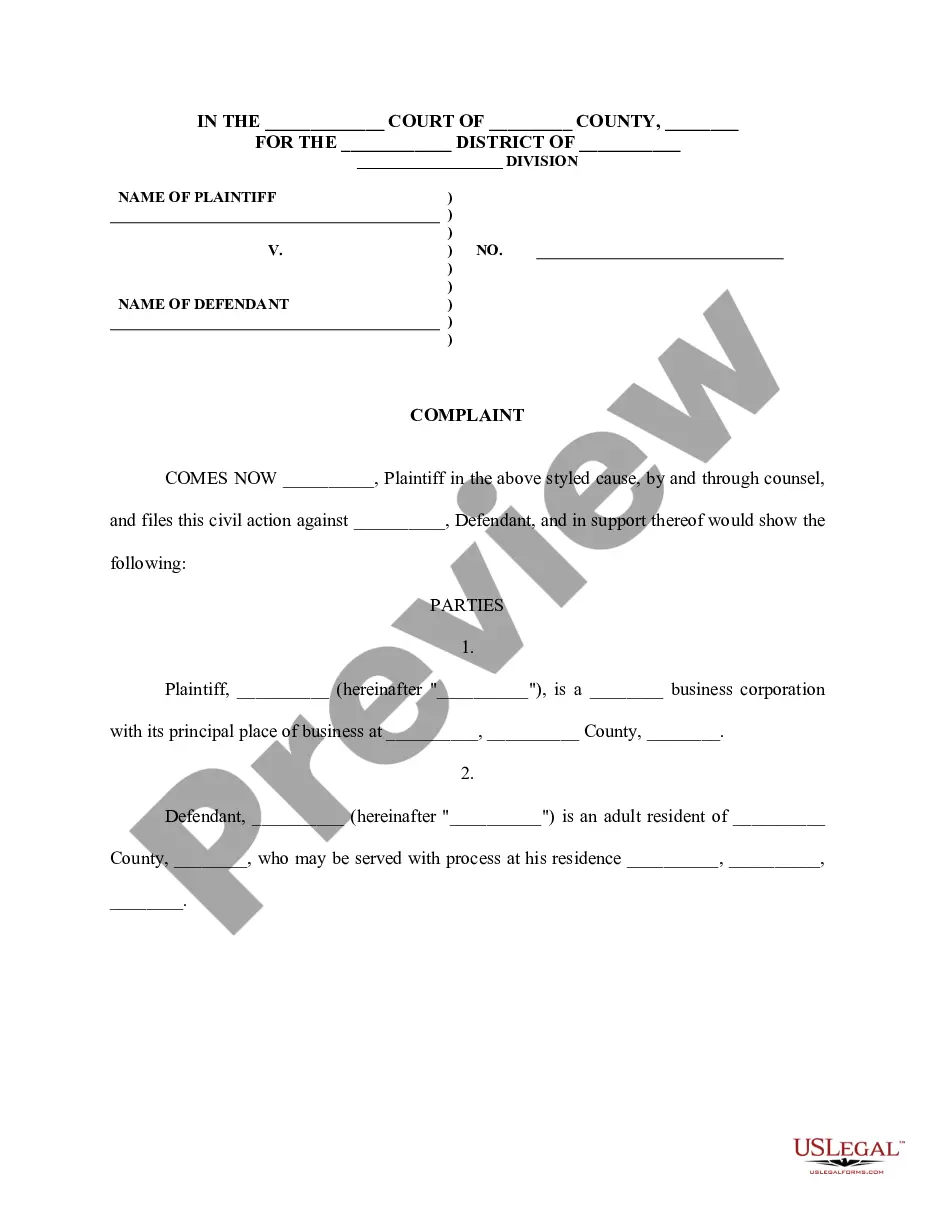
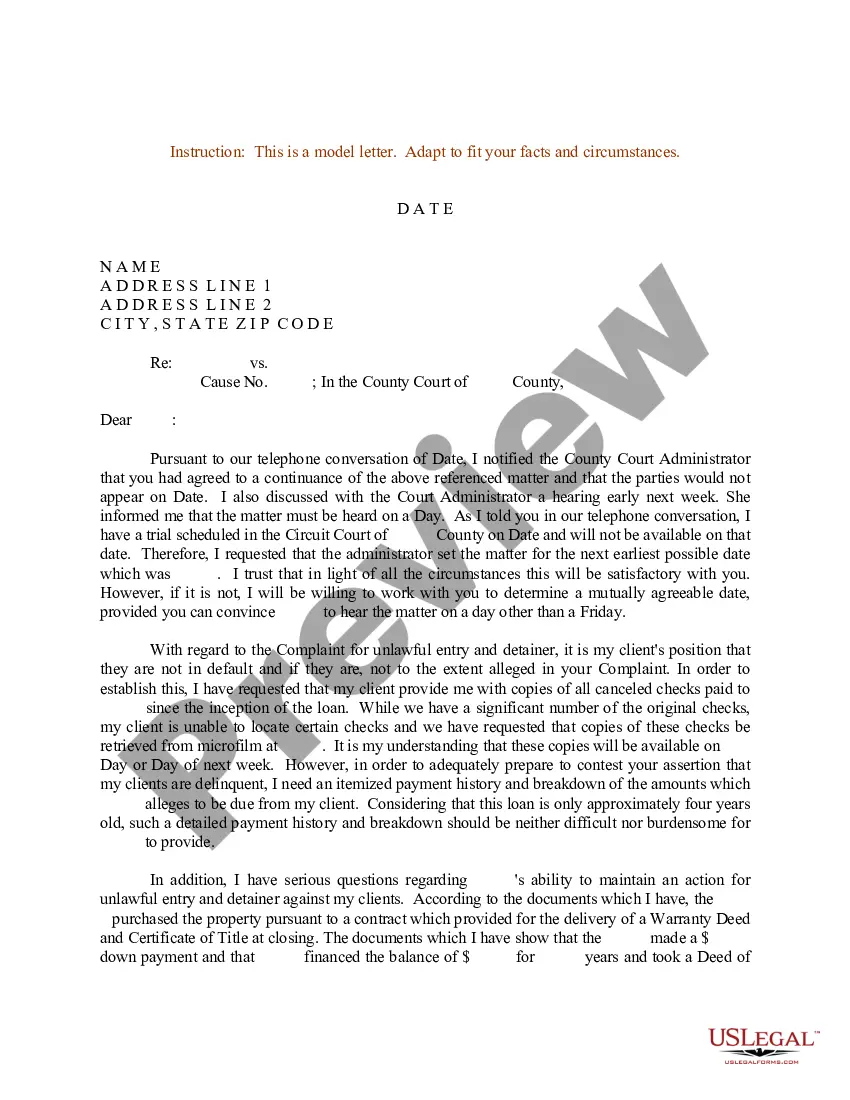
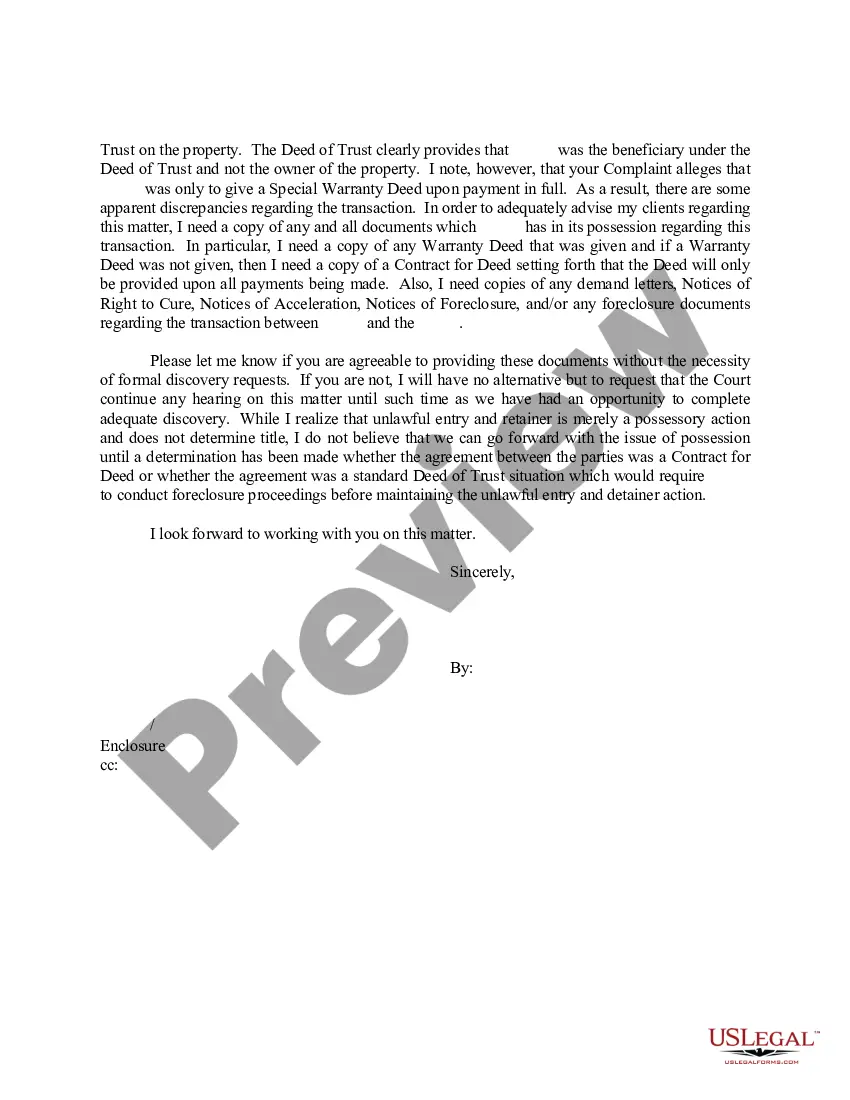
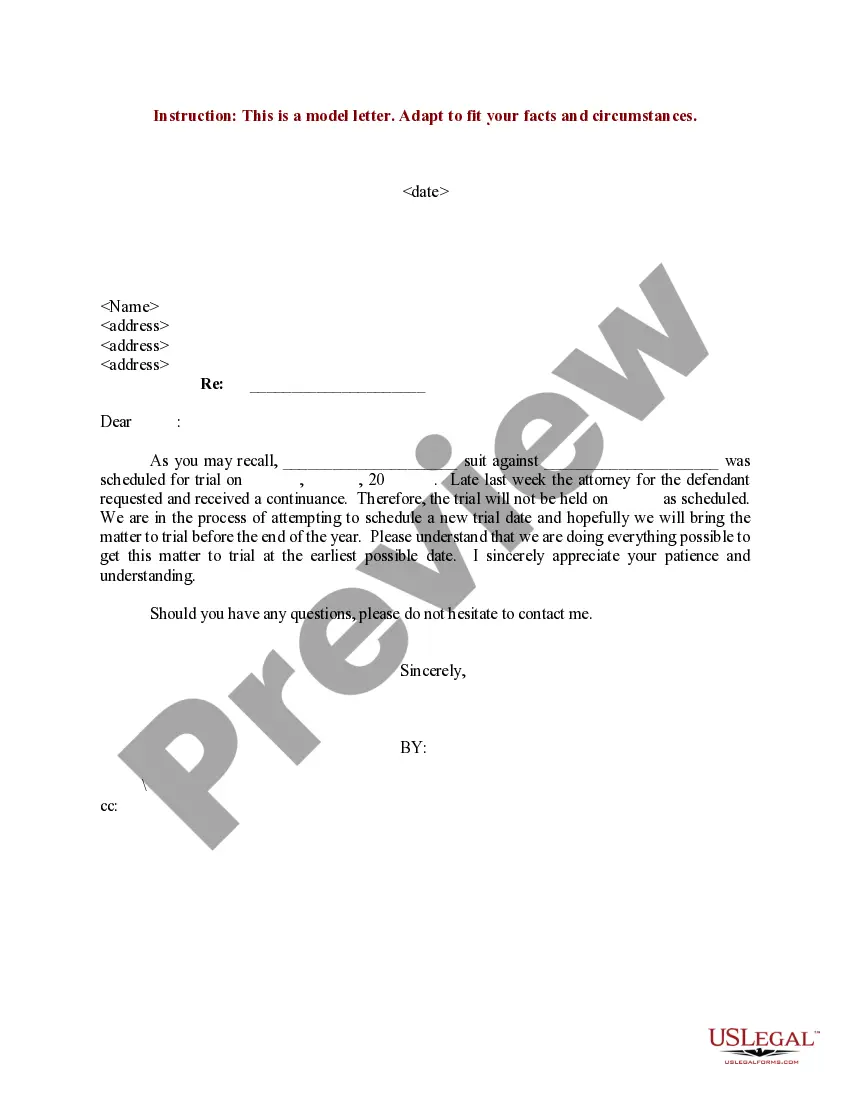
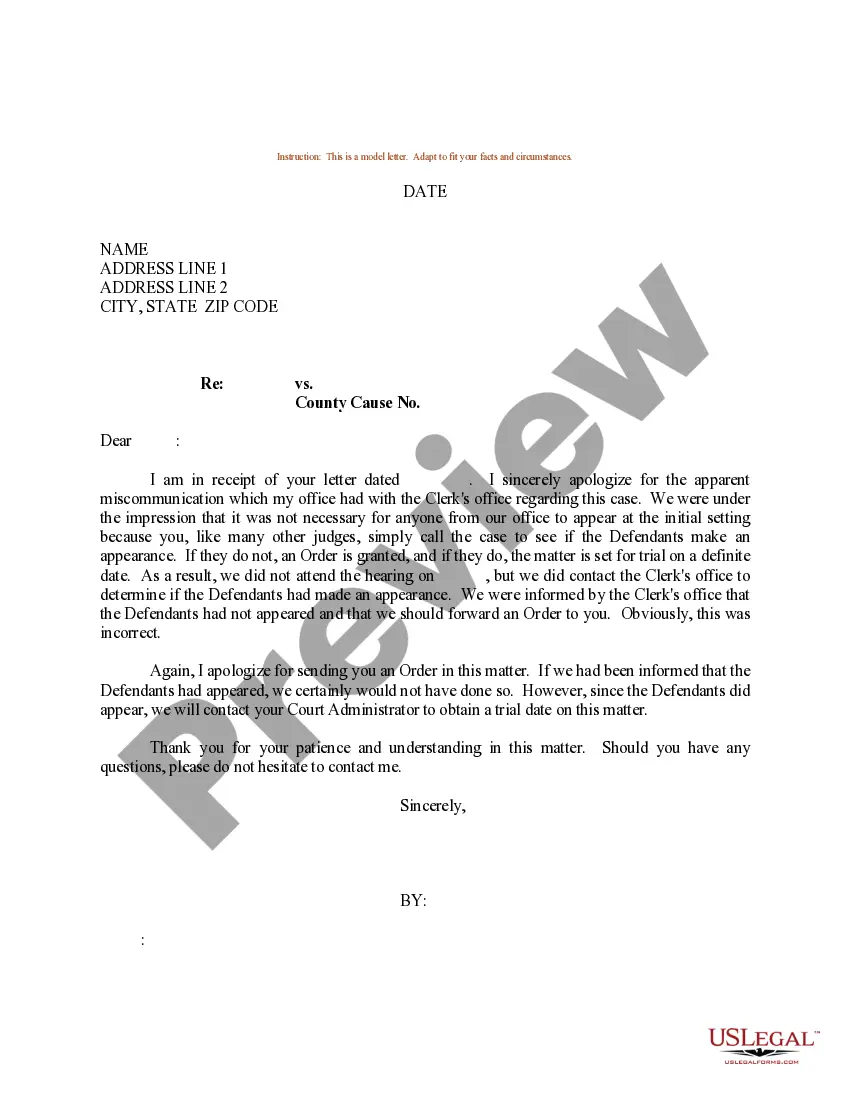
How to fill out Sample Letter For Continuance - Request For Earliest Court Date Possible?
Managing legal documents and processes can be a lengthy task added to your whole day.
Petition Court For Custody and similar forms usually necessitate you to locate them and comprehend how to fill them out accurately.
Thus, regardless of whether you are handling financial, legal, or personal issues, having a comprehensive and accessible online directory of forms readily available will greatly assist you.
US Legal Forms is the leading online service for legal templates, providing over 85,000 state-specific documents and a variety of resources to help you easily prepare your paperwork.
- Explore the selection of relevant files available to you with just one click.
- US Legal Forms offers state- and county-specific documents available for download at any time.
- Safeguard your document management processes with a premium service that enables you to draft any form in minutes without additional or concealed fees.
- Just Log Into your account, locate Petition Court For Custody, and obtain it instantly from the My documents section.
- You can also access forms you have downloaded before.
Form popularity
FAQ
Typically, the parent who can best demonstrate a stable, nurturing environment stands a greater chance of winning custody. Factors such as emotional, financial stability, and active involvement in the child's life are crucial. When you petition court for custody, be prepared to showcase your parenting strengths. Having well-documented evidence and testimonials can effectively support your case.
Several behaviors can negatively impact a custody battle. Unfounded allegations against the other parent, unstable living conditions, or a history of legal troubles may raise red flags. When you petition court for custody, presenting yourself as responsible and reliable can strengthen your case. Courts prefer parents who prioritize the child's welfare over personal disputes.
A mother may not receive custody if evidence suggests she cannot provide a safe environment. Factors such as neglect, substance abuse, or a lack of engagement in the child's life can influence a judge's decision. When you petition court for custody, provide solid proof of your parenting capabilities. This may help parents understand the criteria courts use to decide custody.
An unstable parent may demonstrate erratic behavior that jeopardizes a child's well-being. This may include substance abuse, frequent job changes, or severe emotional issues. When you petition court for custody, the stability of each parent is a critical factor in custody decisions. Judges look for a consistent, safe environment for the child.
When you petition court for custody, focus on your child's best interests. Clearly express your commitment to providing a stable, loving environment. Explain your involvement in your child's life, including support, education, and daily care. This approach can help demonstrate your capability as a custodial parent.
Writing a petition letter for child custody involves structuring your document in a clear and organized manner. Begin with an introduction, outline the facts of your case, and specify the custody arrangement you seek. By using resources from US Legal Forms, you can access templates that simplify the process and ensure you meet all legal requirements for your petition court for custody.
One common mistake in a custody battle is failing to prepare adequately for court. It's essential to gather evidence and documents that support your case. If you don't present a strong argument, it may affect the judge's decision. Understanding how to petition court for custody effectively can help you avoid this pitfall.
To write a petition letter for custody, start by clearly stating your relationship to the child and the purpose of your petition. Be sure to include details about your living situation, the child's needs, and any relevant history. You can utilize US Legal Forms to find templates that guide you in drafting a comprehensive and effective petition court for custody.
To write a letter of support for child custody, start by clearly stating your relationship to the child and your intent to support the custody petition. Include specific examples of your positive experiences with the child, demonstrating your commitment to their wellbeing. Make sure to mention any relevant qualifications or experiences that strengthen your position. This letter can help when you petition the court for custody, providing necessary context and support.