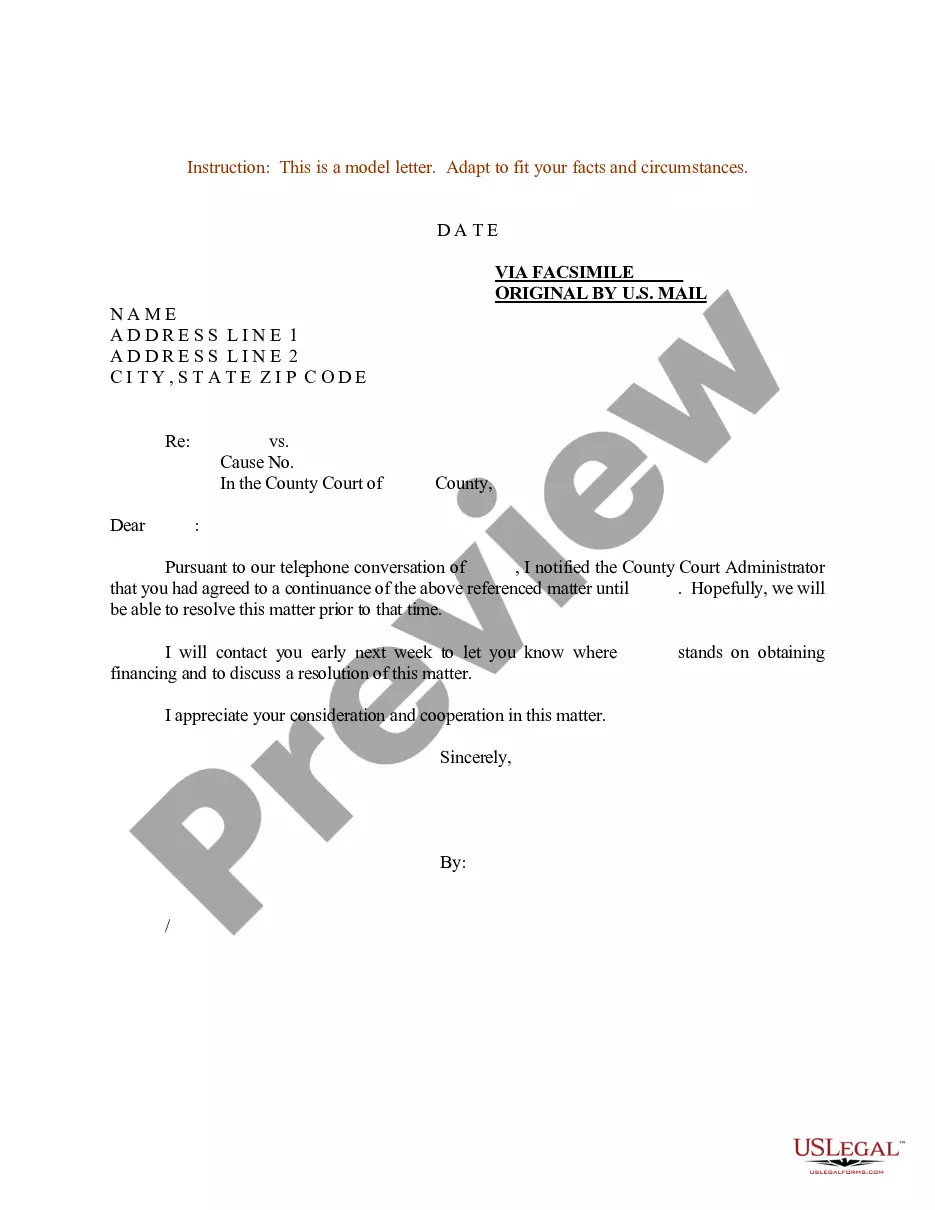
Sample Court Document With Annex
Description
Get your form ready online
Our built-in tools help you complete, sign, share, and store your documents in one place.
Make edits, fill in missing information, and update formatting in US Legal Forms—just like you would in MS Word.
Download a copy, print it, send it by email, or mail it via USPS—whatever works best for your next step.
Sign and collect signatures with our SignNow integration. Send to multiple recipients, set reminders, and more. Go Premium to unlock E-Sign.
If this form requires notarization, complete it online through a secure video call—no need to meet a notary in person or wait for an appointment.
We protect your documents and personal data by following strict security and privacy standards.

Make edits, fill in missing information, and update formatting in US Legal Forms—just like you would in MS Word.

Download a copy, print it, send it by email, or mail it via USPS—whatever works best for your next step.

Sign and collect signatures with our SignNow integration. Send to multiple recipients, set reminders, and more. Go Premium to unlock E-Sign.

If this form requires notarization, complete it online through a secure video call—no need to meet a notary in person or wait for an appointment.

We protect your documents and personal data by following strict security and privacy standards.
Looking for another form?
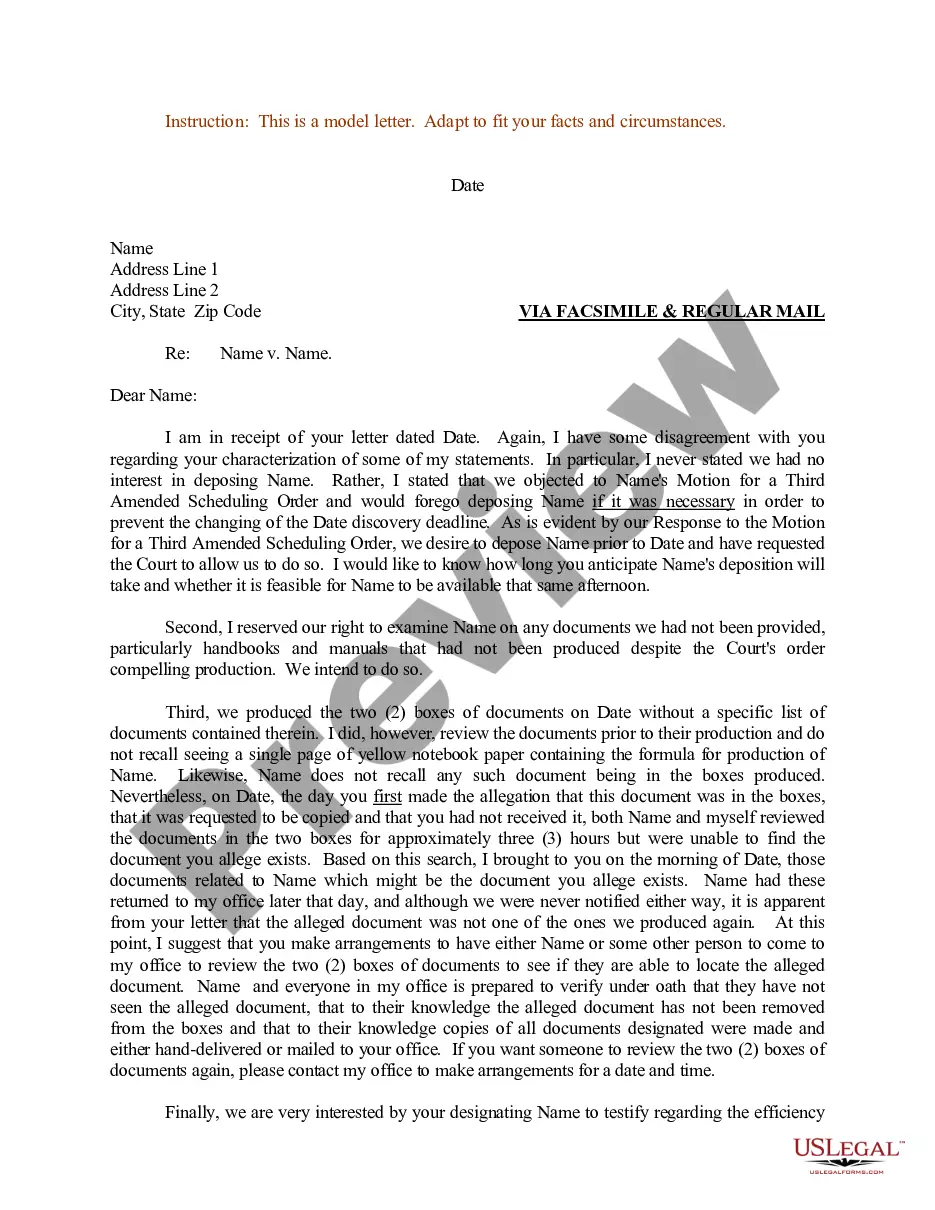
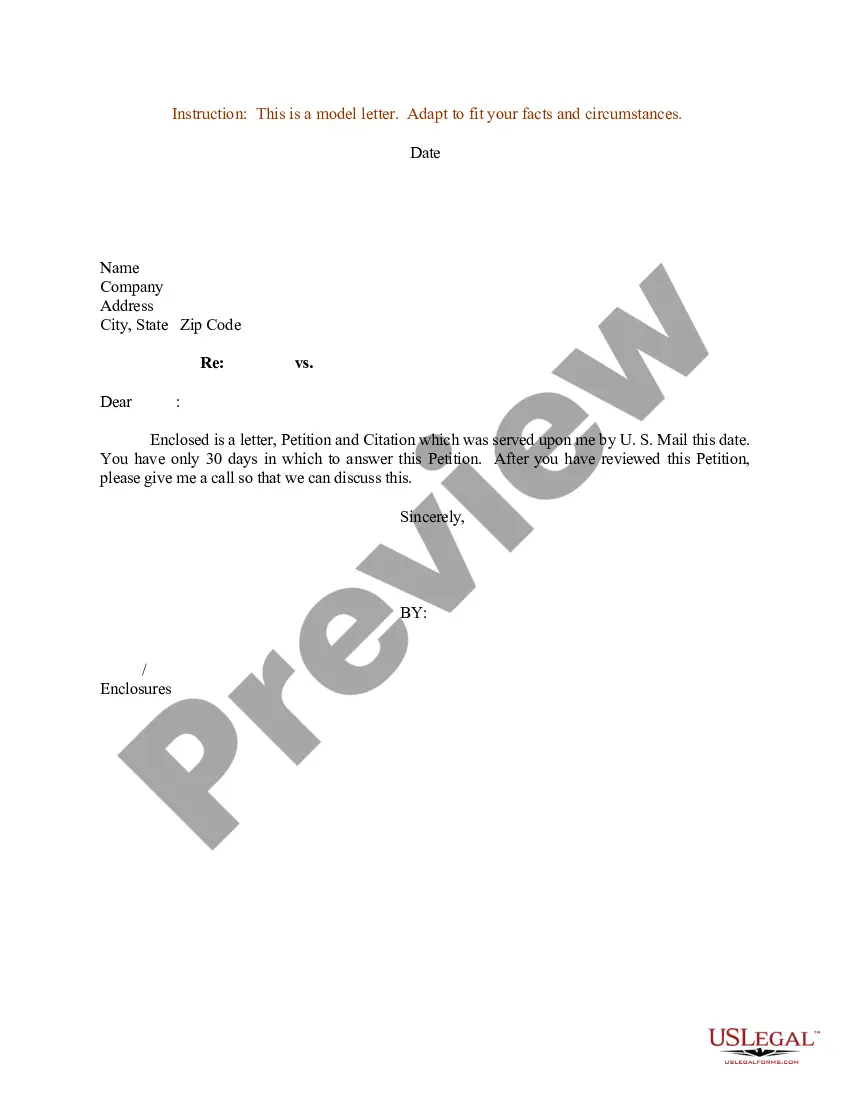
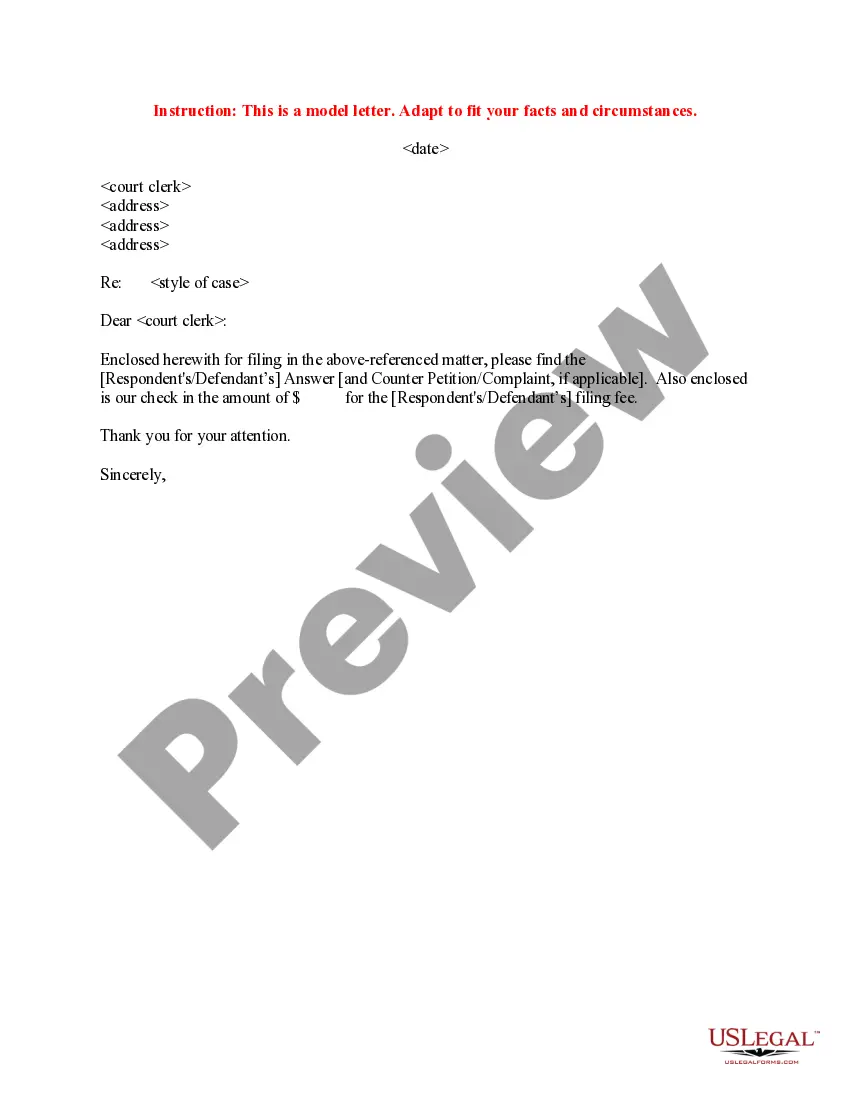
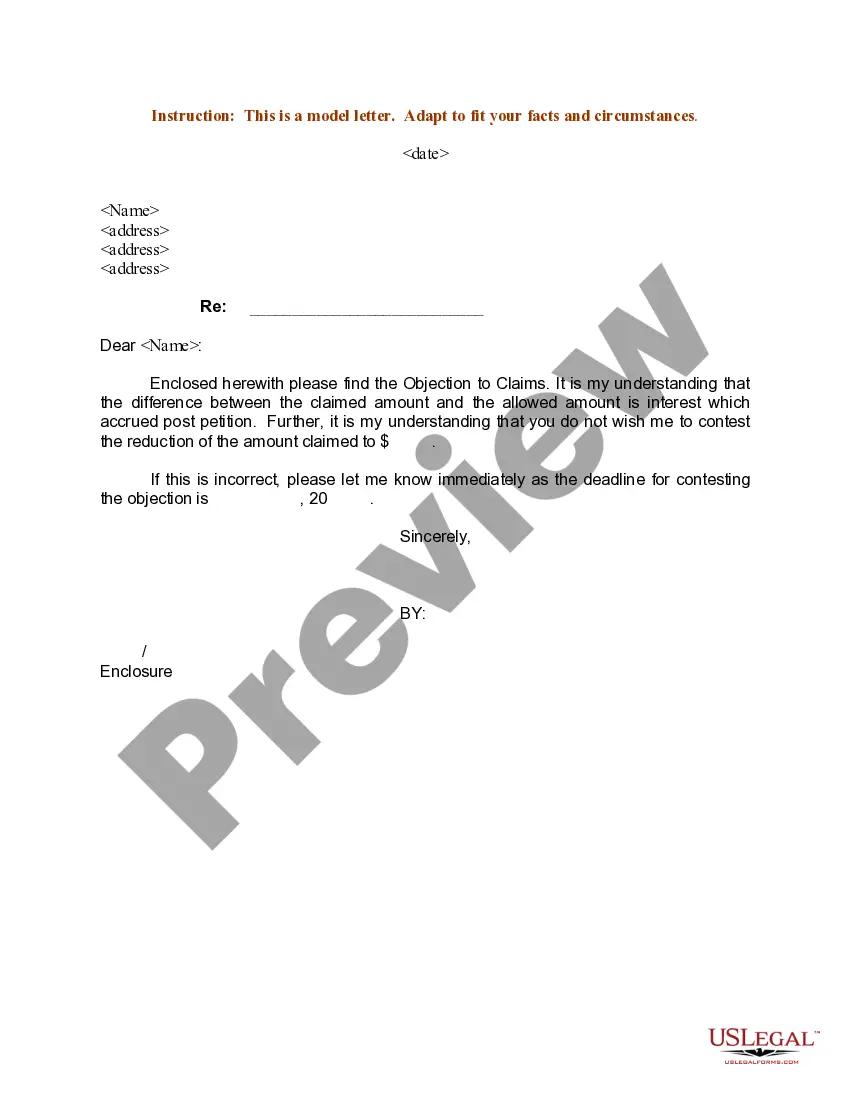
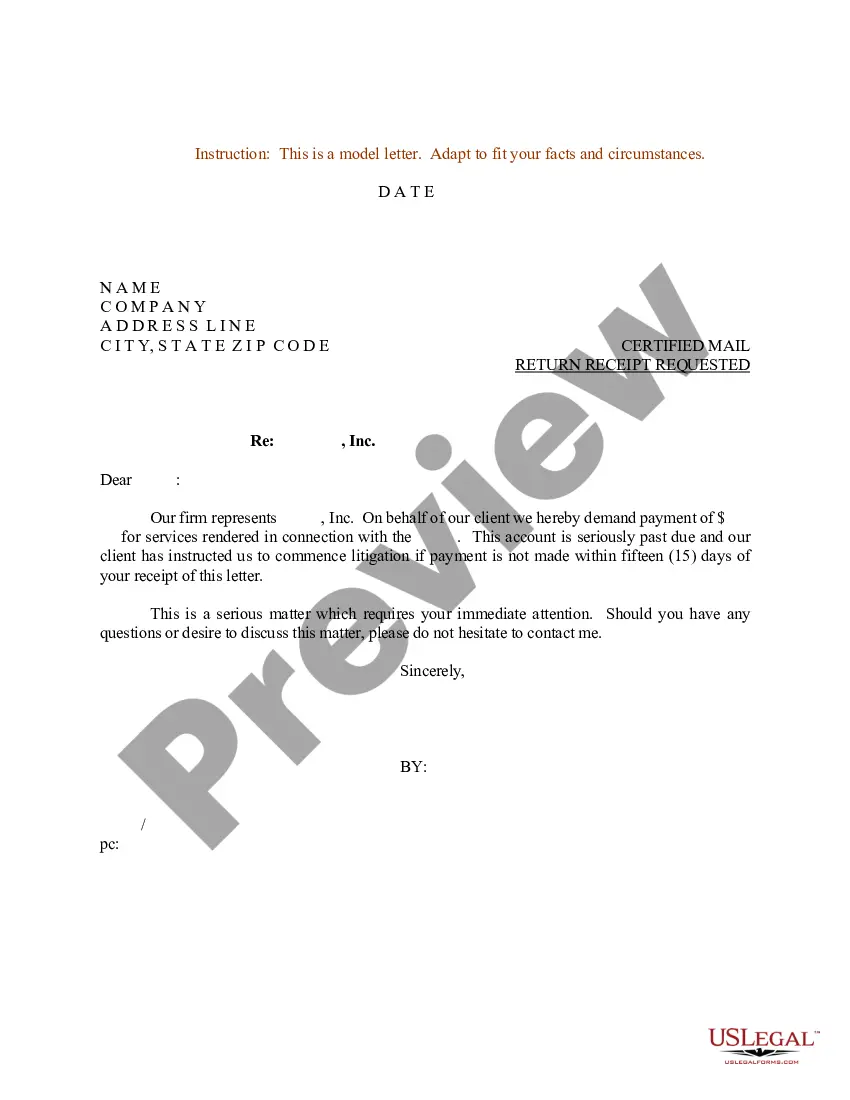
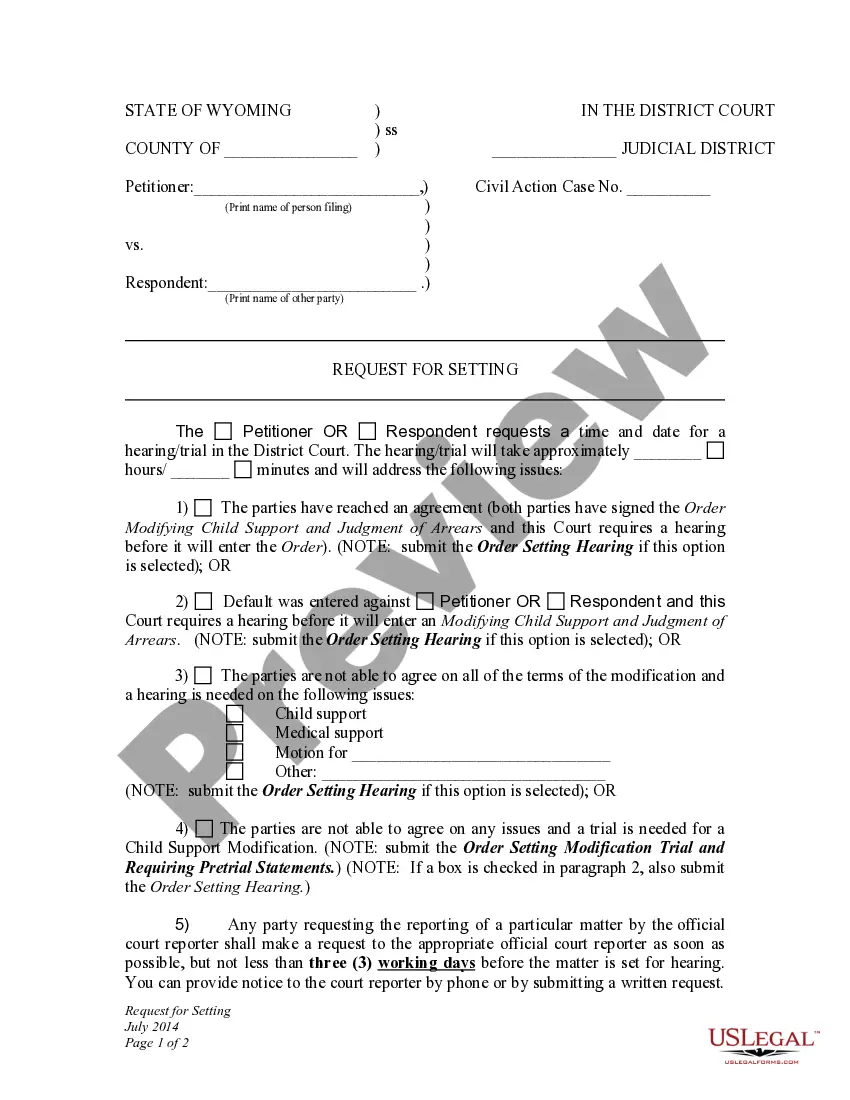
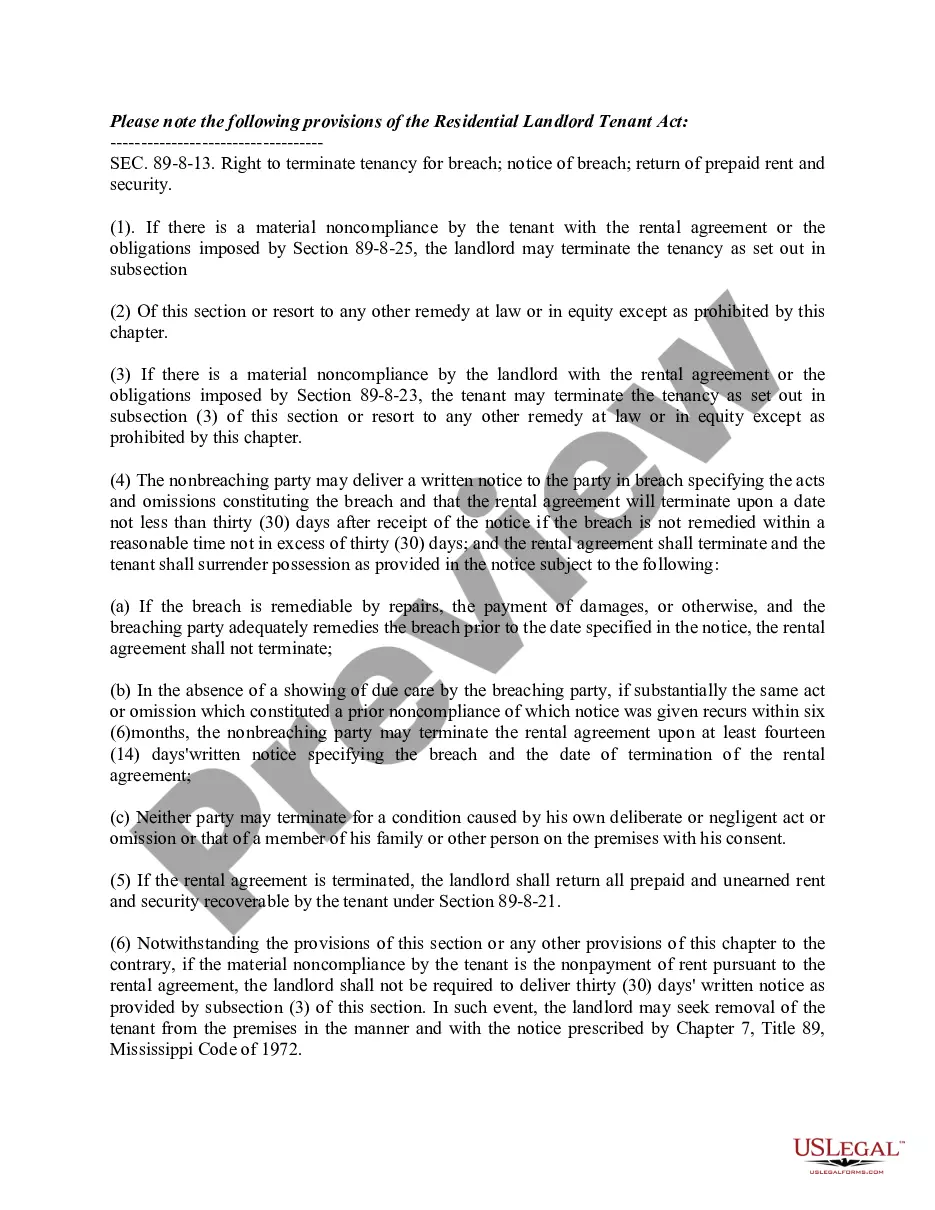
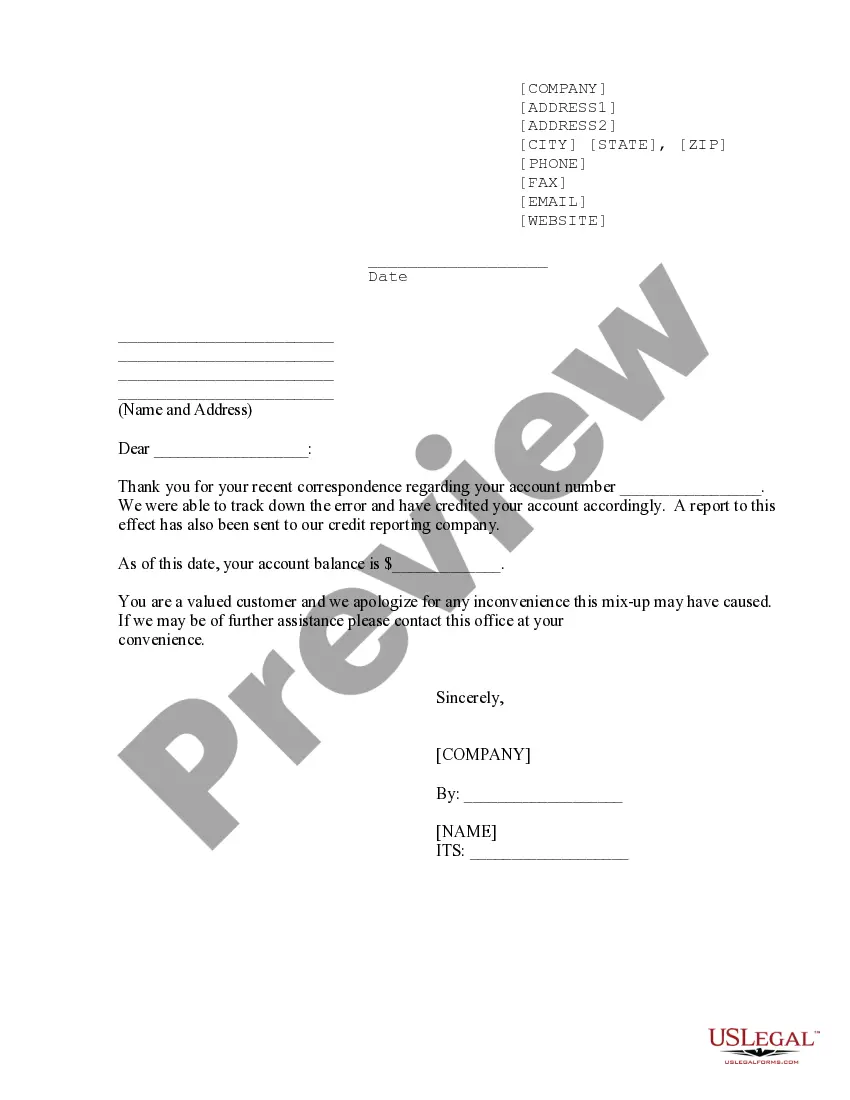
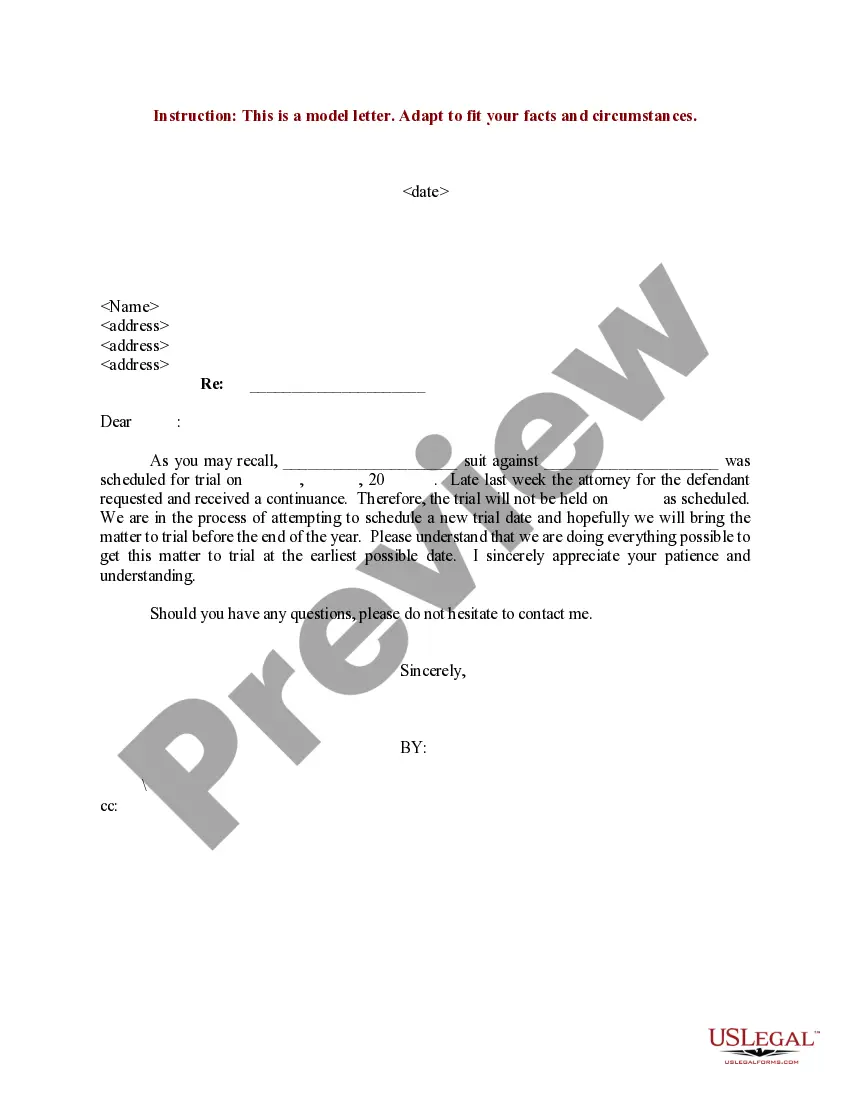
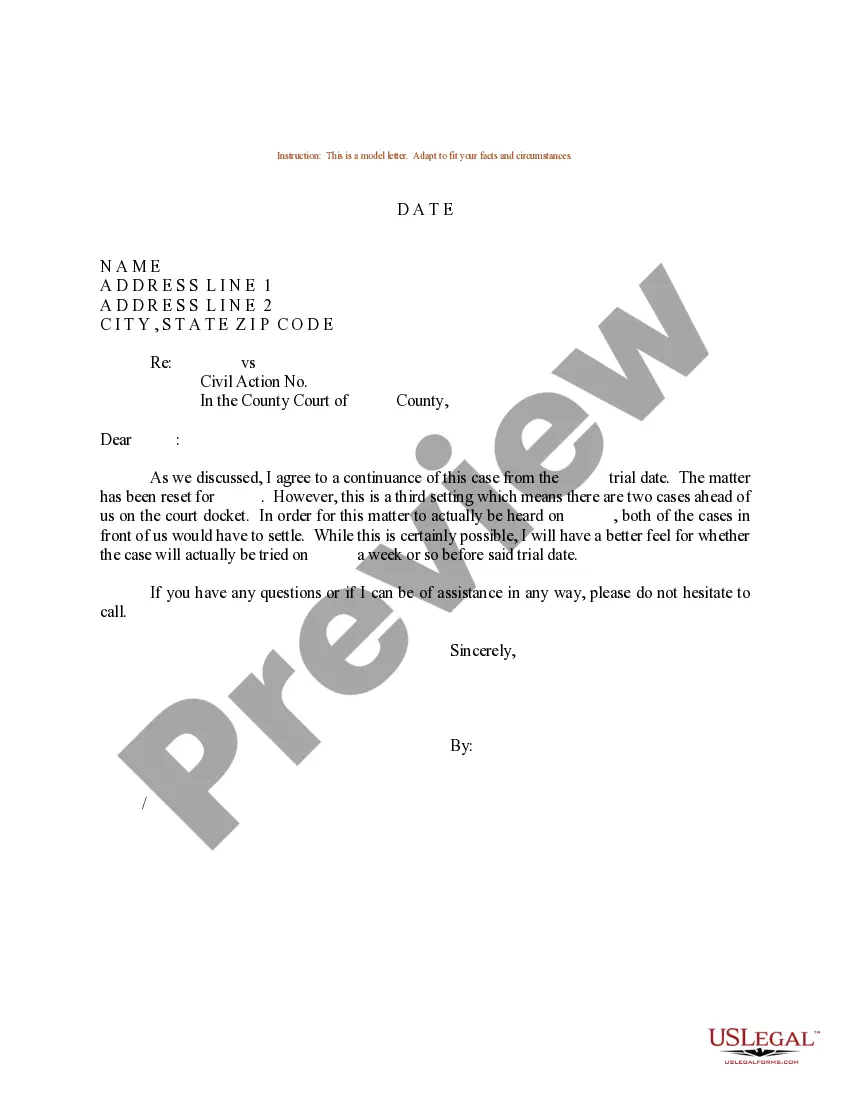
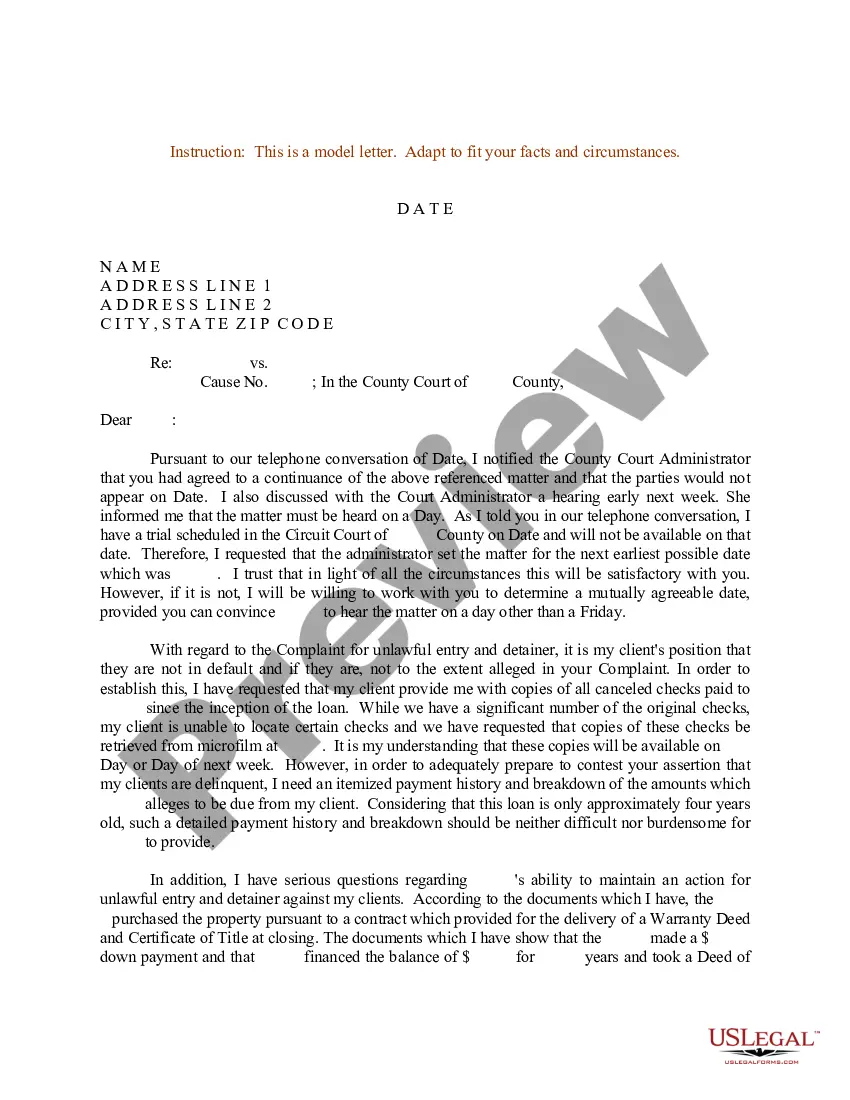
How to fill out Sample Letter For Continuance - Notification Of Court Administrator?
Creating legal paperwork from the ground up can frequently be intimidating.
Certain situations may require extensive research and considerable financial investment.
If you’re looking for a more uncomplicated and budget-friendly option for crafting Sample Court Document With Annex or other papers without unnecessary hassle, US Legal Forms is readily available.
Our digital catalog of over 85,000 current legal forms encompasses nearly every aspect of your financial, legal, and personal matters.
Before proceeding to download the Sample Court Document With Annex, consider these guidelines: Review the document preview and descriptions to confirm that you have located the form you need. Verify that the template you select adheres to your state and county’s regulations. Opt for the appropriate subscription option to acquire the Sample Court Document With Annex. Download the file, then complete, sign, and print it out. US Legal Forms prides itself on an impeccable reputation and over 25 years of experience. Join us now and simplify your document preparation process!
- With just a few clicks, you can swiftly access state- and county-compliant documents meticulously assembled by our legal experts.
- Utilize our platform whenever you require a dependable and trustworthy source to easily find and retrieve the Sample Court Document With Annex.
- If you’re a returning user and have previously set up an account with us, simply Log In to your account, select the template, and download it instantly or access it again anytime later in the My documents section.
- Not registered yet? No worries. Setting it up and navigating the library takes only a few minutes.
Form popularity
FAQ
An annex in a document is essentially an addition that provides extra information, typically not included in the main body. It allows authors to present supplementary details, such as tables, images, or extended explanations without distracting from the primary narrative. In a sample court document with annex, you’ll find that these sections help ensure clarity and depth in legal arguments. They prepare your document for comprehensive understanding and thorough analysis by all parties involved.
To add an annex in a document template, start by concluding the main content, then create a clear heading for the annex. Next, include the information or additional documents you want to attach, ensuring they are well organized. If you're using a sample court document with annex, this might include legal references, case studies, or charts that complement your arguments. Make sure to refer to the annex within the main document to guide your readers effectively.
Yes, an annexure can function as a legal document, especially when it supports or elaborates on the main legal document. In a sample court document with annex, the annexure may contain evidence, supporting calculations, or crucial information relevant to the case. These annexes hold legal significance as they can influence the interpretation and understanding of the primary document. Thus, you should treat them with the same care as the main text.
An annex in a document serves to supplement the main content by providing additional information or detailed explanations. For instance, in a sample court document with annex, you might find charts, graphs, or detailed case studies that support the claims made in the main text. This structure enhances clarity and offers readers further insights without overcrowding the main document. Including annexes makes your documents more comprehensive and easier to navigate.
Including an annex in a document involves labeling it appropriately and providing detailed content that complements your main text. Each annex should start on a new page, and you should add references in the body of the document. When creating your Sample court document with annex, think about how the annex supports the legal arguments or evidence you present. Such organization helps maintain clarity and effectiveness in your legal paperwork.
To include an annex, position it at the end of your main document. Clearly indicate its title, ensuring it aligns with the content it supports. As you draft your Sample court document with annex, add a brief description of what the annex contains to guide your readers. This practice streamlines the flow of information and underlines the importance of the annex.
To incorporate an annex into a document, first clearly label it as 'Annex' followed by the designation, such as 'A' or 'B'. After this, refer to the annex within the main text where applicable, ensuring that readers understand its relevance. If you are creating a Sample court document with annex, maintaining clear references throughout your document enhances its professionalism and coherence.
In a legal context, an annex serves as an attachment that expands on the content of the main document. It might include evidence, detailed descriptions, or other relevant materials that support the primary arguments. When dealing with a Sample court document with annex, remember that the annex should directly relate to the case or issue at hand, enhancing the overall quality of the legal submission.
An annex is a supplementary document that provides additional information related to a main document. For instance, in a Sample court document with annex, you might find charts or detailed lists that clarify statements made in the primary text. This helps to offer a more comprehensive understanding of the legal matters discussed. Including such details is essential for thoroughness and clarity.
Examples of documents commonly used as annexures include reports, charts, or appendices that provide supporting evidence or additional context. These documents can help clarify complex information presented in the main text. In a sample court document with annex, you may include witness statements, expert reports, or relevant legal precedents to bolster your case.