Discrimination Laws In Canada
Description
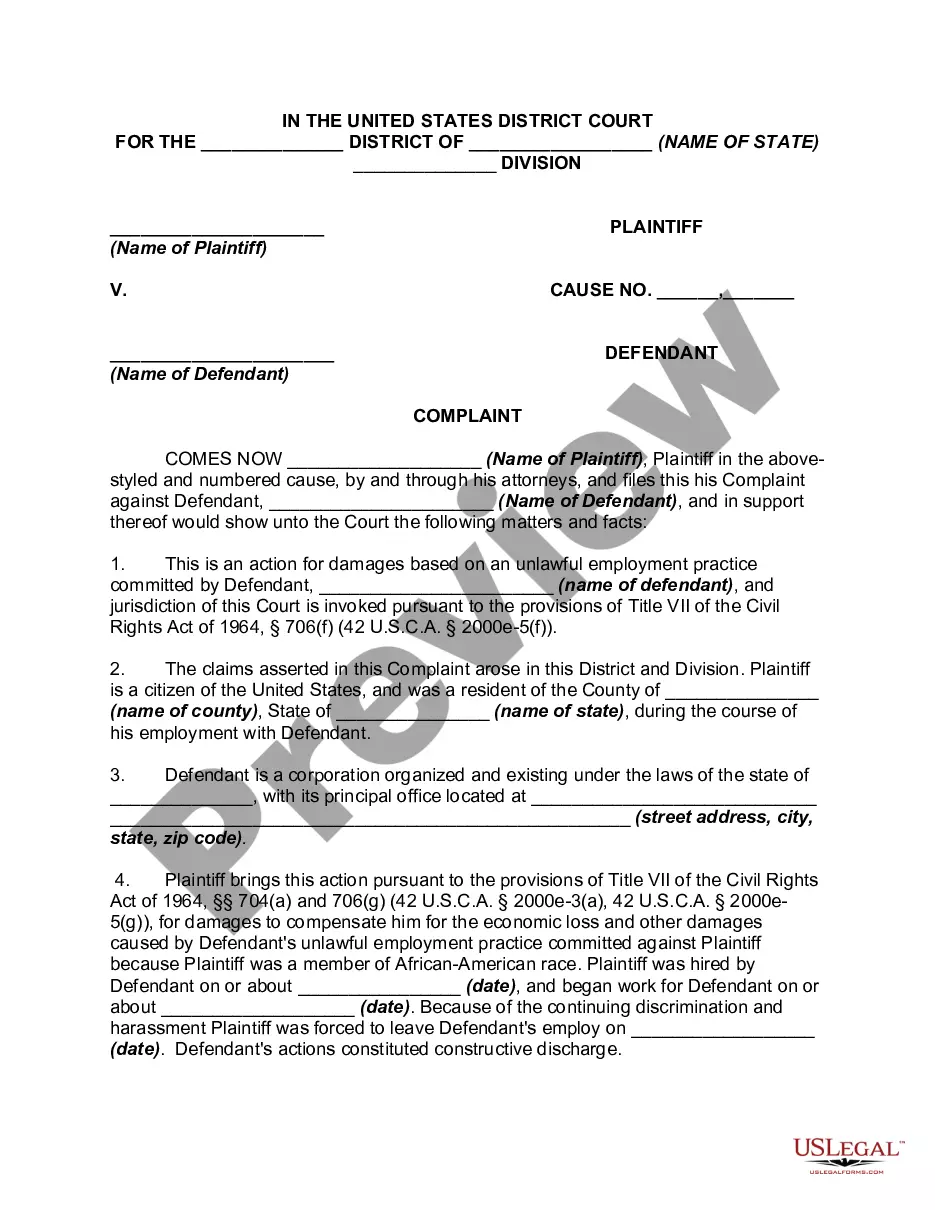



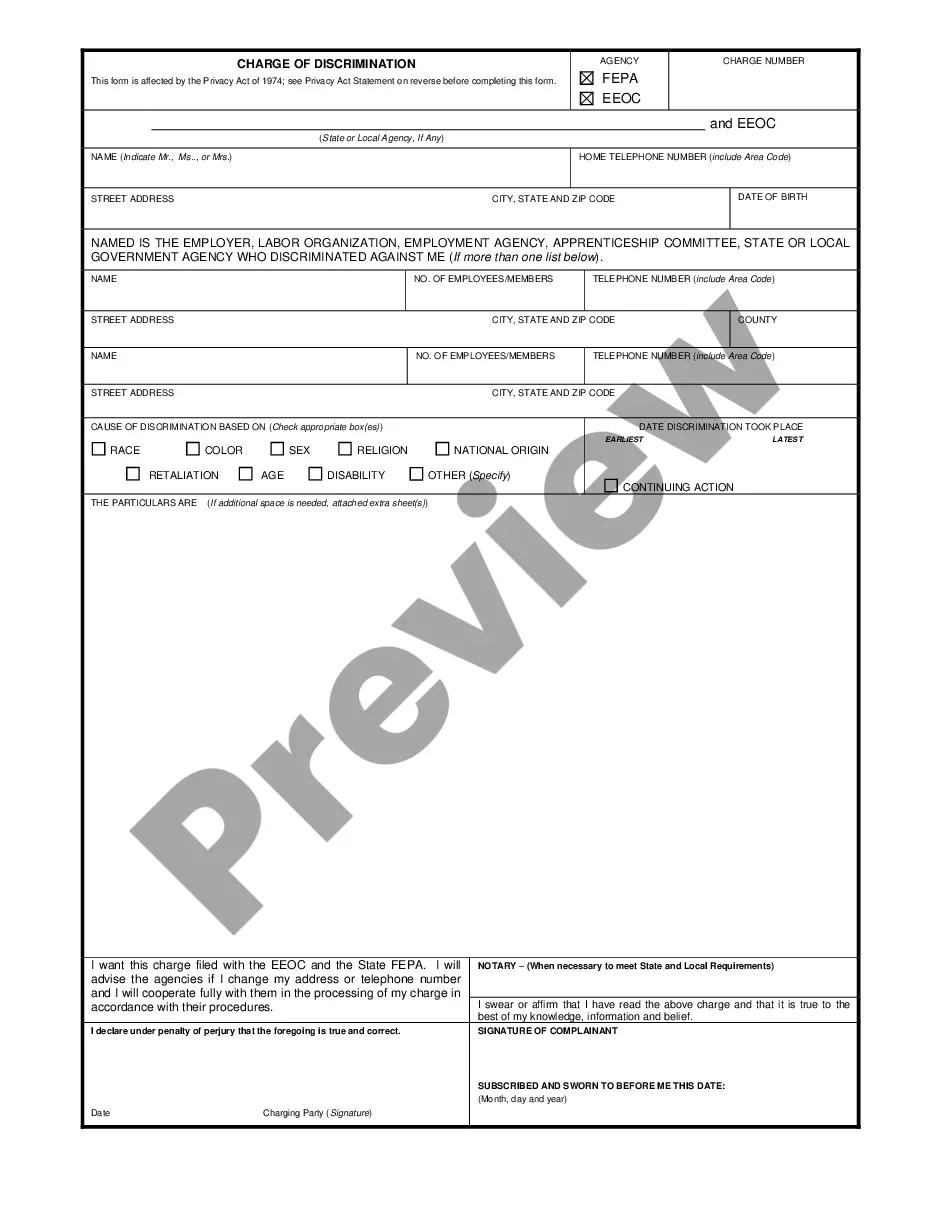



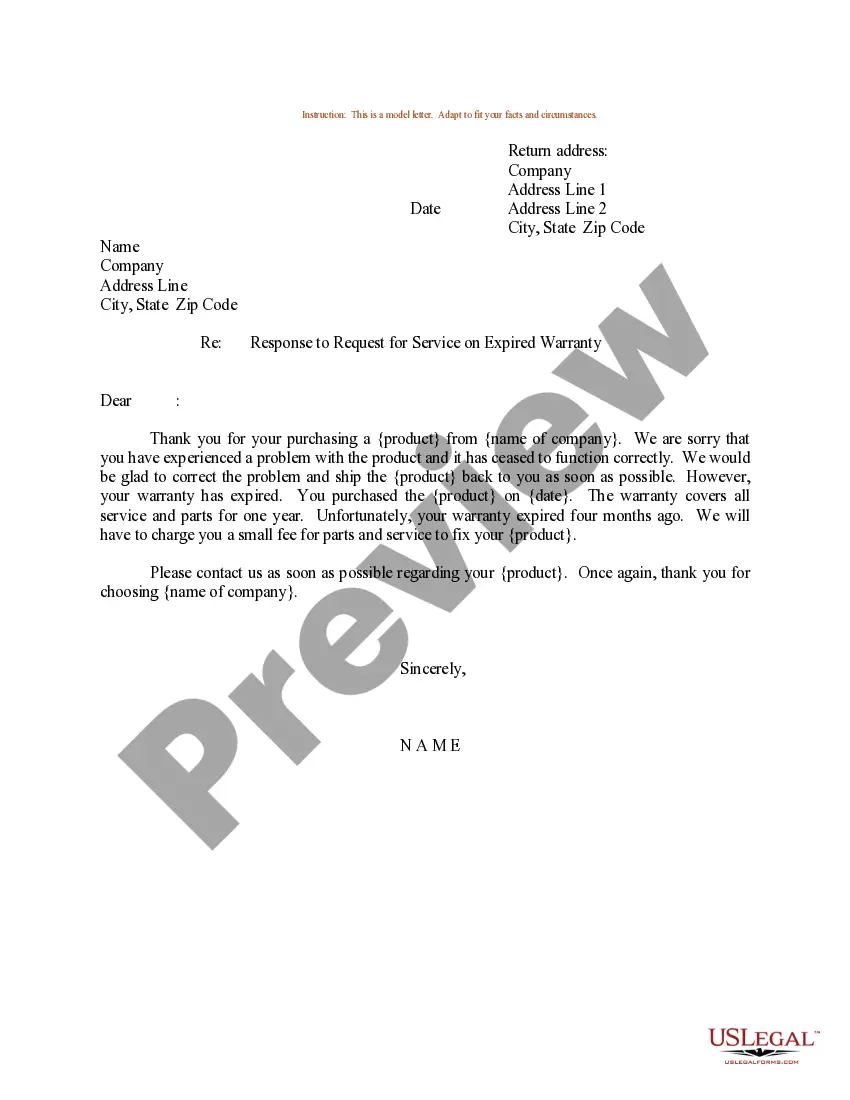
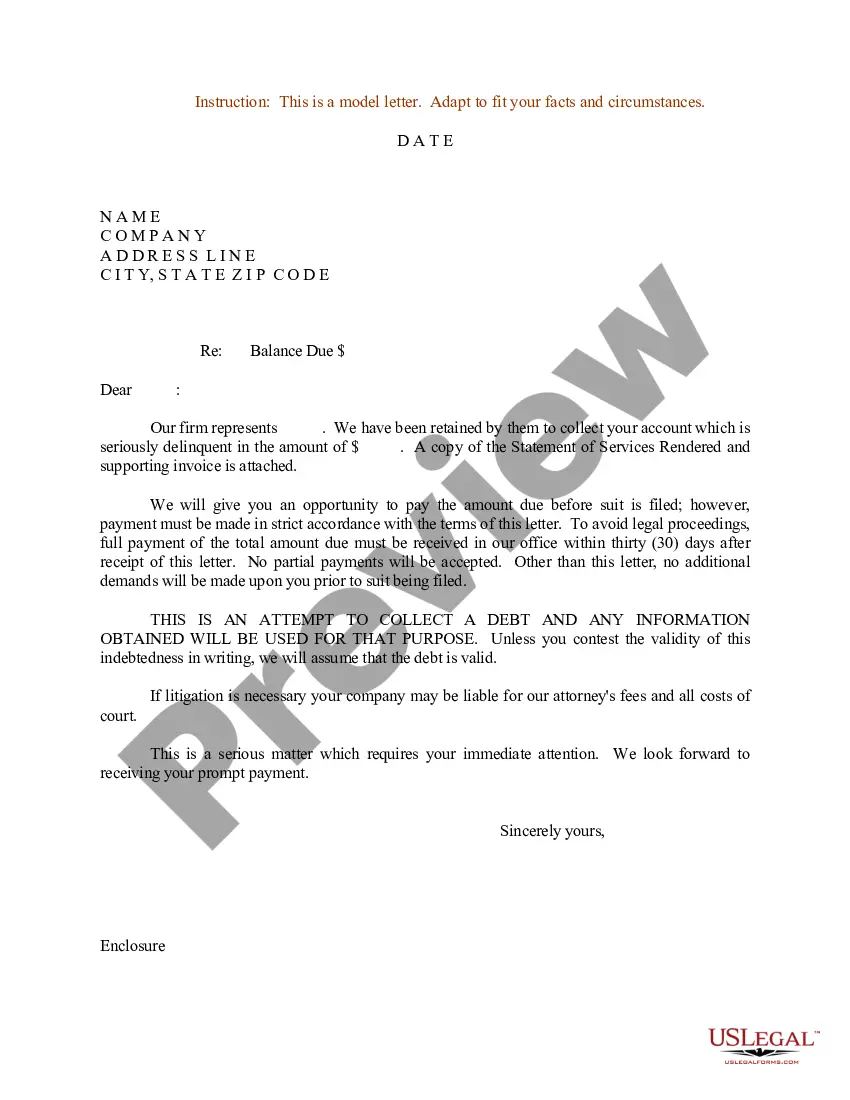

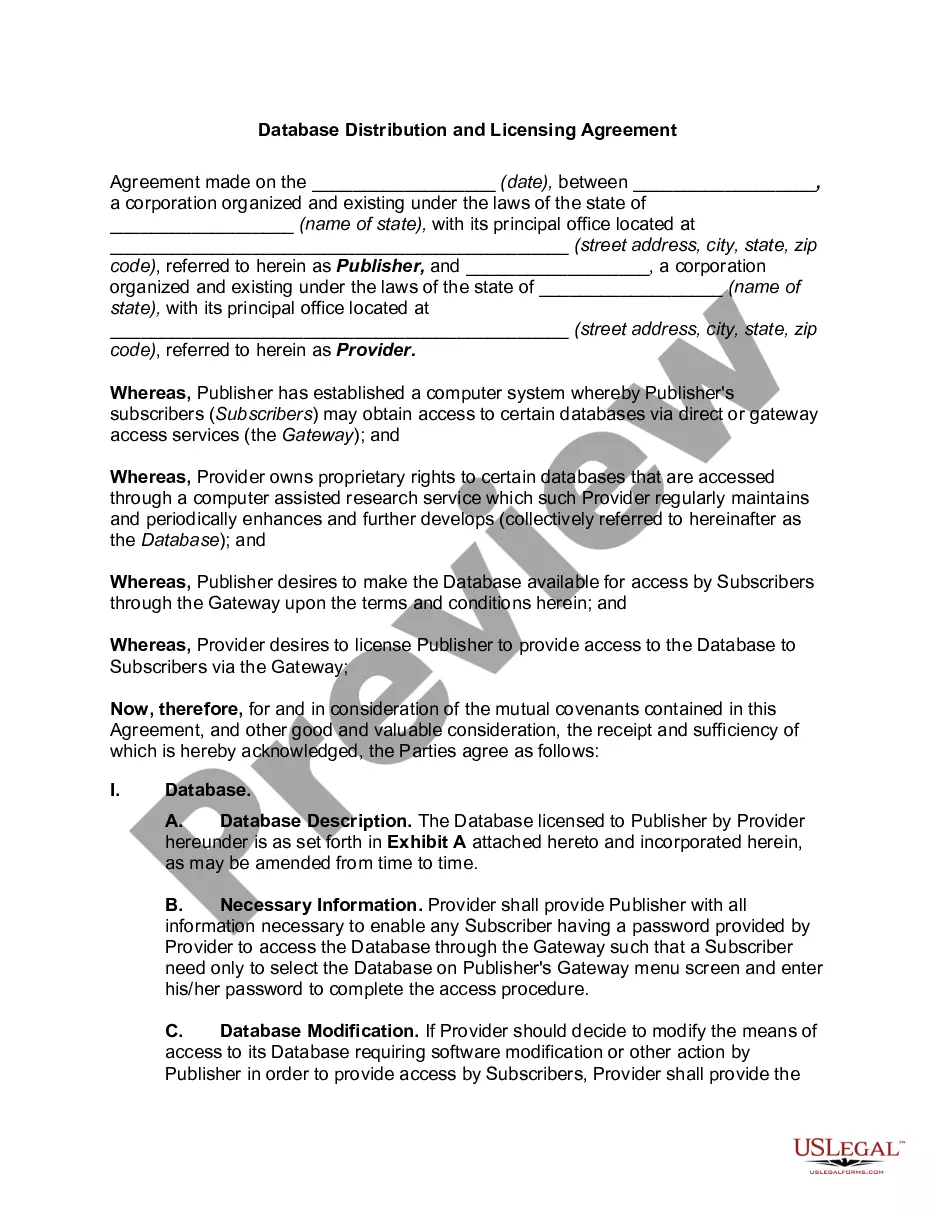
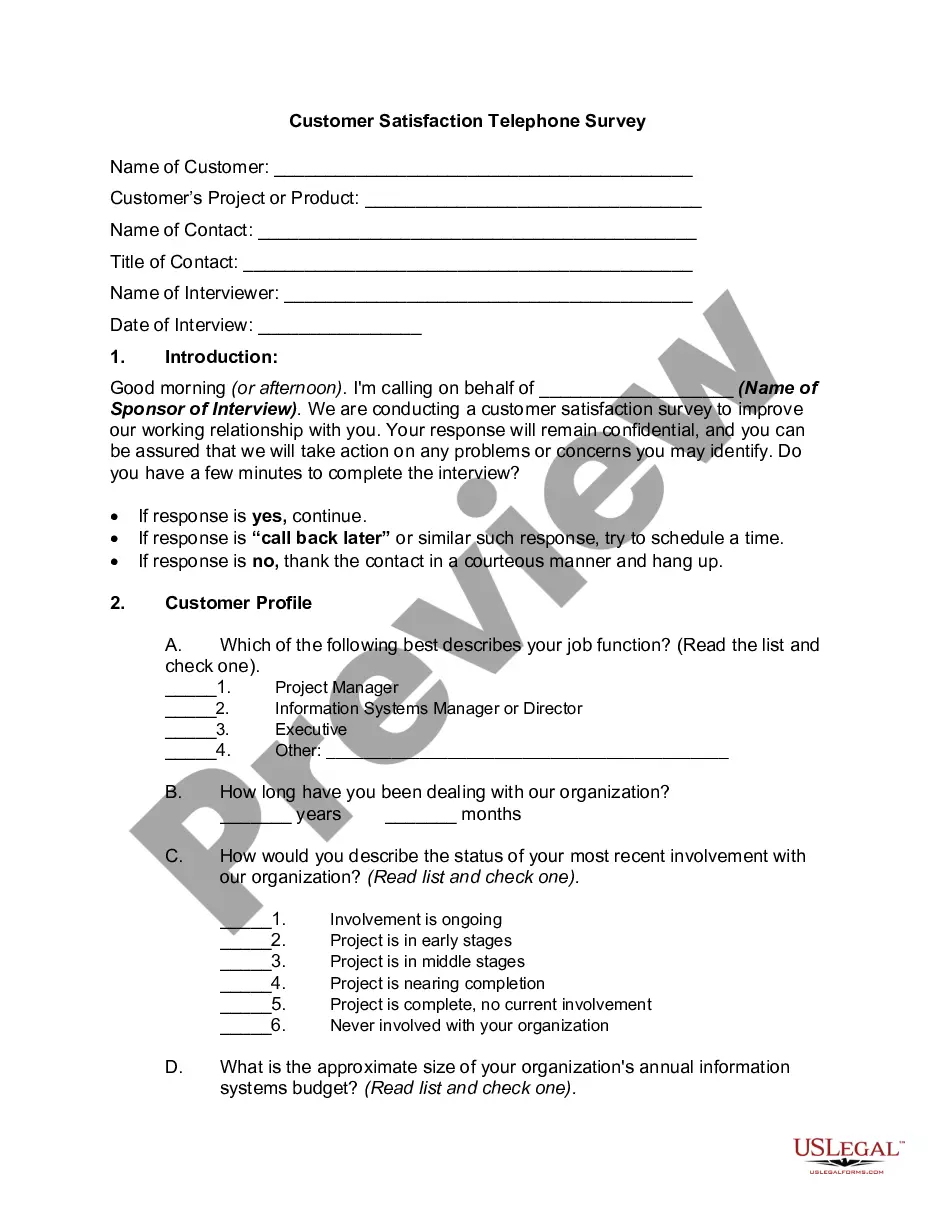
How to fill out Complaint For Racial Discrimination In Employment, Constructive Discharge And For Damages For Discrimination In Promotion By Employer - Equal Employment?
The Discrimination Legislation In Canada presented on this page is a versatile legal template created by experienced attorneys in alignment with national and local statutes and regulations.
For over 25 years, US Legal Forms has delivered individuals, businesses, and legal practitioners with more than 85,000 authenticated, state-specific documents for any commercial and personal circumstances.
Register for US Legal Forms to access validated legal templates for every situation in life.
- Search for the document you require and review it.
- Browse the file you searched and preview it or examine the form description to confirm it meets your needs. If it does not, use the search function to find the correct one. Click Buy Now once you have identified the template you need.
- Register and Log In to your account.
- Select the pricing option that best fits you and create an account. Use PayPal or a credit card for an instant payment. If you already have an account, Log In and review your subscription to continue.
- Acquire the editable template.
- Choose the format you prefer for your Discrimination Legislation In Canada (PDF, Word, RTF) and download the sample to your device.
- Fill out and sign the document.
- Print the template for manual completion. Alternatively, use an online multifunctional PDF editor to quickly and accurately fill in and sign your form with an eSignature.
- Redownload your documentation.
- Utilize the same document again whenever necessary. Navigate to the My documents tab in your profile to redownload any previously saved documents.
Form popularity
FAQ
The most discriminated group in Canada may vary based on context, but many studies indicate that Indigenous peoples often face significant discrimination in various areas such as employment, healthcare, and housing. The discrimination laws in Canada strive to address these inequalities and promote social justice for all. Increased awareness and education about these issues can help foster empathy and support for affected communities. Everyone's experience is valid and deserves recognition.
The Canadian law on discrimination prohibits individuals and organizations from treating someone unfairly based on specific characteristics such as race, gender, age, and disability. These laws are designed to promote equality and protect all citizens in various aspects of life, including employment and housing. Understanding these laws can help you assert your rights and challenge discriminatory practices effectively. You can find resources and support for navigating these laws through legal platforms.
To write a discrimination complaint, start by clearly stating the facts of your experience. Include details such as the date, location, and involved parties while referring to the discrimination laws in Canada. Make sure to outline how the discriminatory act affected you and what resolution you seek. If needed, platforms like uslegalforms can provide templates and guidance to help you through the process.
Three examples of discrimination in Canada involve denying someone employment due to their age, refusing service based on sexual orientation, and bullying a student because of their disability. Each of these actions contravenes the discrimination laws in Canada designed to protect individuals from unfair treatment. Understanding these examples can help you identify and combat discrimination in daily life. By being aware, you empower yourself and others.
An example of discrimination in Canada includes a scenario where an employer decides not to hire someone based on their ethnicity or gender. Such actions violate the discrimination laws in Canada, which are in place to promote fairness and equality. Discrimination can occur in various settings, including workplaces, schools, and public services. Recognizing these issues is the first step toward addressing them.
Discrimination in Canada occurs when individuals are treated unfairly or unequally based on protected characteristics, such as race, gender, age, or disability, as defined by the discrimination laws in Canada. It is crucial to recognize that discrimination can manifest in various forms, including direct actions, policies, or systemic practices. Understanding these definitions can empower you to recognize your rights and take action if necessary. Resources from uslegalforms can assist you in documenting incidents of discrimination and filing complaints efficiently.
If your rights are violated in Canada, it’s essential to understand your options under the discrimination laws in Canada. You can file a complaint with the relevant human rights commission or tribunal in your province or territory. Additionally, seeking legal advice can help you navigate the process effectively and ensure your voice is heard. Utilizing platforms like uslegalforms can provide you with the necessary legal documents to support your case.
Unfair laws can stem from outdated legislation or policies that do not adequately protect individuals against discrimination. In the context of discrimination laws in Canada, some may argue that certain laws lack the necessary updates to reflect current societal values. Addressing and reforming these laws is critical for ensuring equal treatment for everyone in society. If you're facing challenges related to unfair laws, the US Legal Forms platform offers valuable tools and resources to assist you.
Discrimination can occur in various areas across Canada, such as employment, housing, education, and public services. Each of these areas is governed by specific discrimination laws in Canada that aim to protect individuals from unfair treatment based on the 13 grounds of discrimination. Knowing where discrimination might happen enables you to understand your rights better and seek justice. For guidance, you can utilize resources available on the US Legal Forms platform.
The test for discrimination in Canada assesses whether an individual faces unequal treatment based on one of the protected grounds. Authorities typically evaluate if the actions or decisions made negatively impact a person's access to opportunities or services. This test helps determine if discrimination occurred under the Canadian Human Rights Act. If you suspect you have been a victim, consulting resources from platforms like US Legal Forms can provide valuable guidance.