Overtime Pay For Law Enforcement
Description
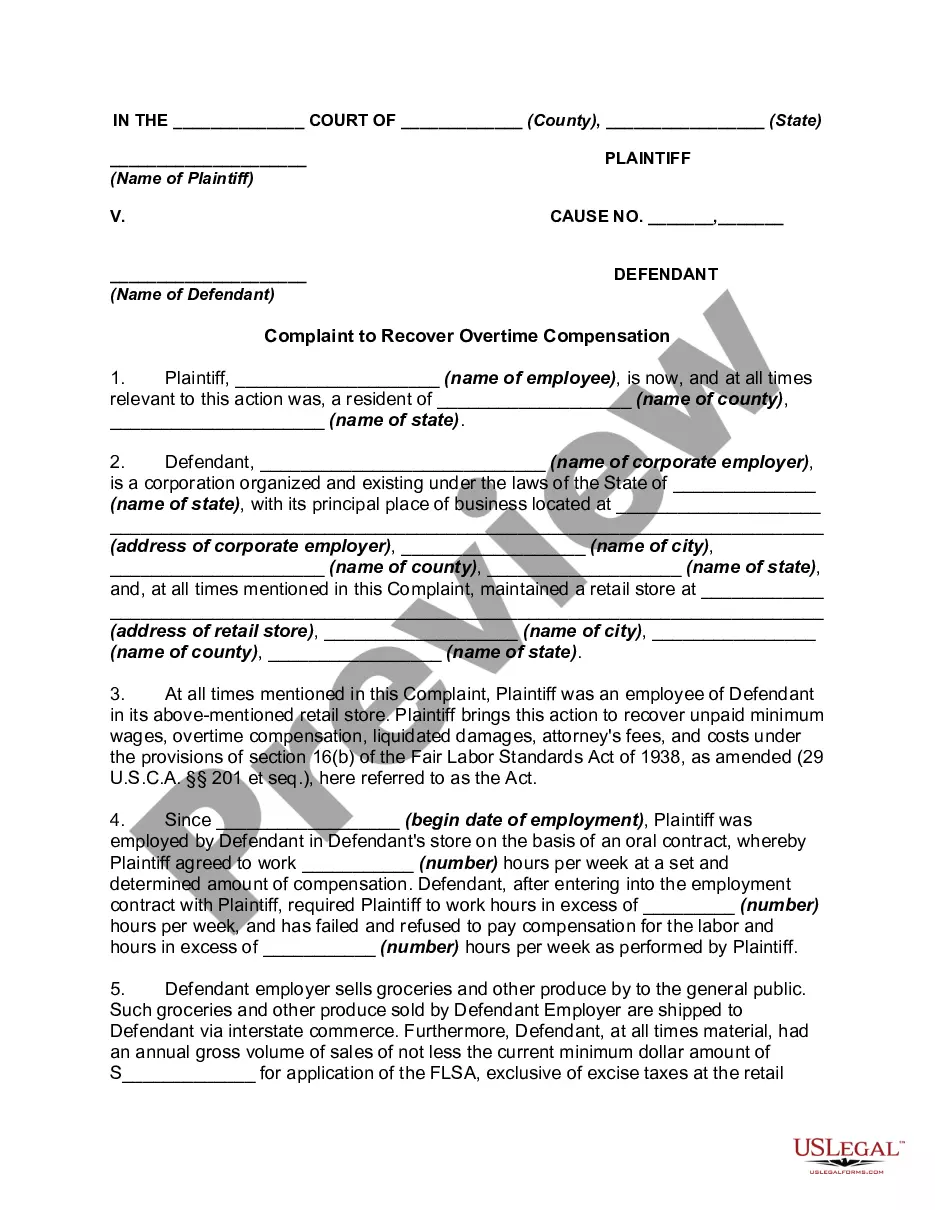
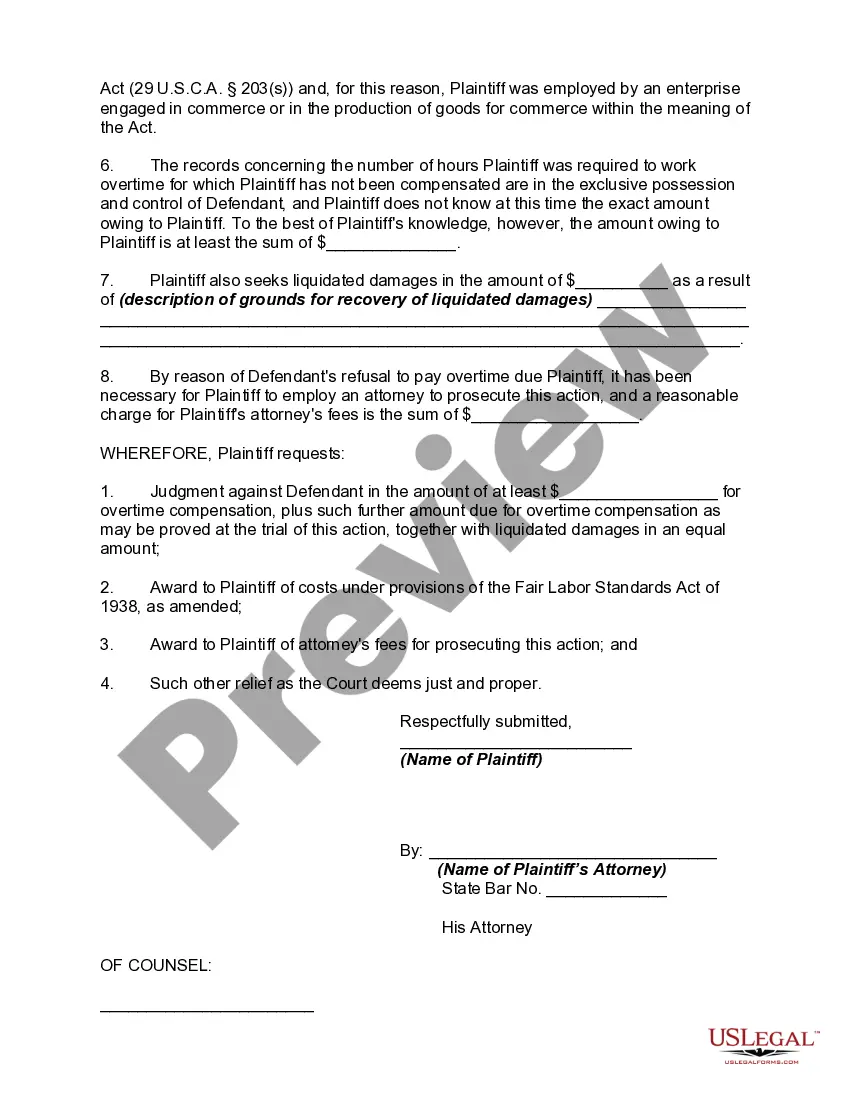

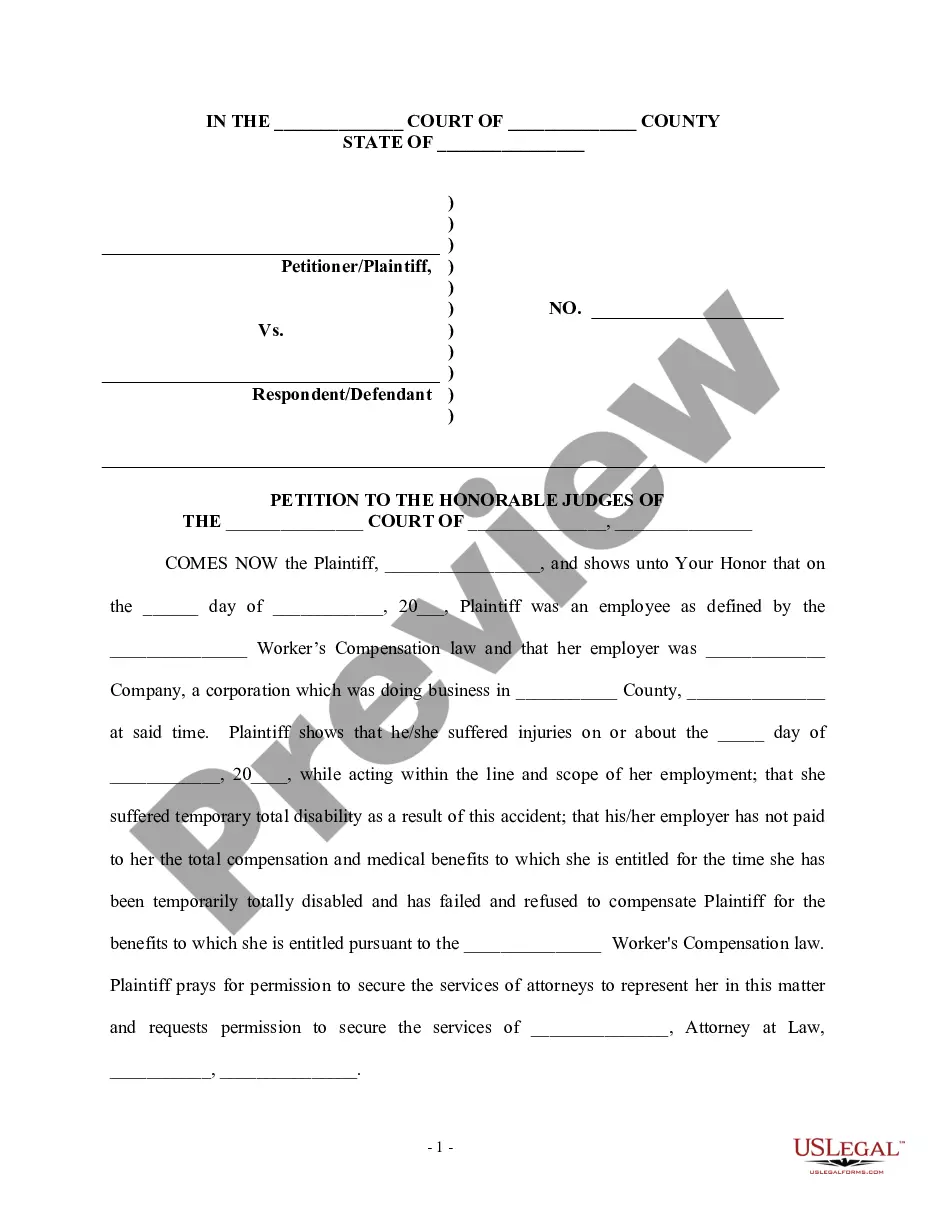

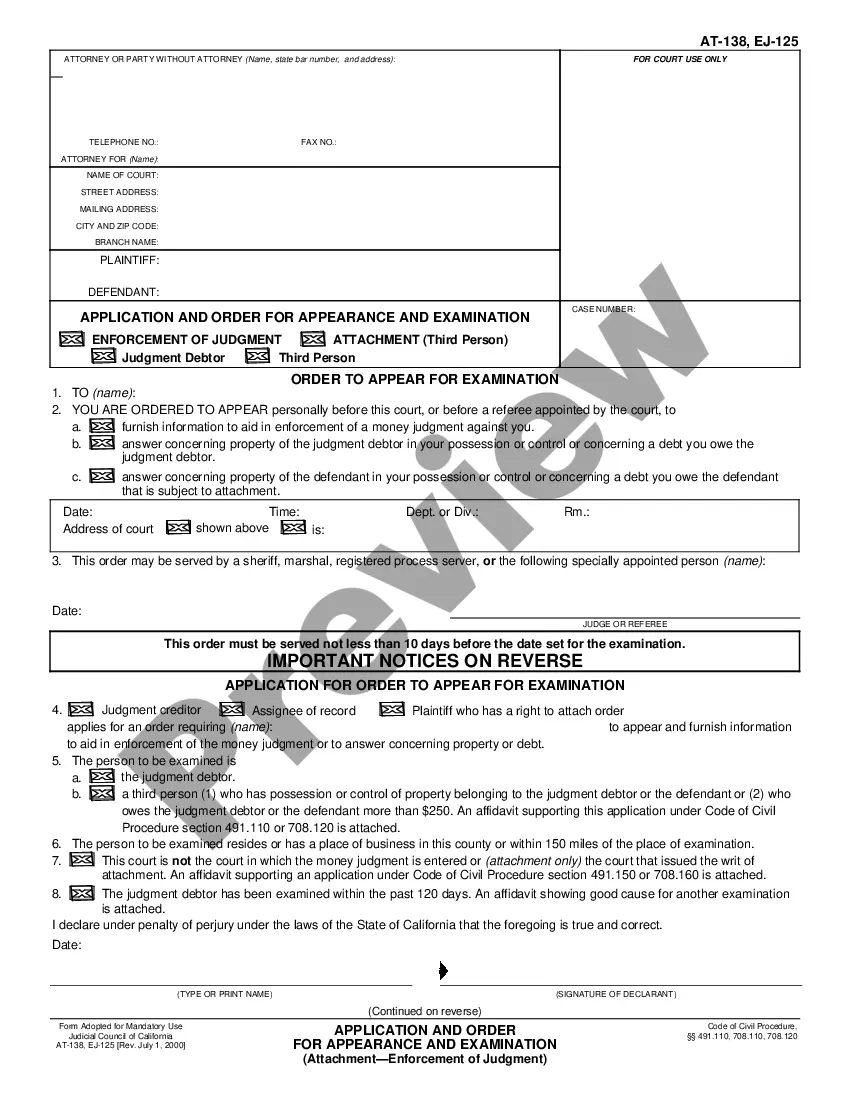



How to fill out Complaint To Recover Overtime Compensation Or Wages In State Court Under Section 16(b) Of Fair Labor Standards Act?
Finding a reliable source for obtaining the most up-to-date and pertinent legal documents is a significant part of dealing with bureaucracy.
Locating the appropriate legal paperwork demands precision and careful consideration, which is why it is essential to acquire Overtime Pay For Law Enforcement samples exclusively from credible providers like US Legal Forms. An incorrect document will squander your time and delay your circumstances.
Once you have the form on your device, you can edit it using the editor or print it out and fill it in by hand. Eliminate the hassle associated with your legal paperwork. Browse the extensive US Legal Forms catalog where you can find legal templates, verify their applicability to your situation, and download them instantly.
- Utilize the library navigation or search bar to find your template.
- Examine the description of the form to verify if it meets the standards of your region and locality.
- Check the form preview, if available, to confirm it is the document you need.
- Return to the search and locate the correct document if the Overtime Pay For Law Enforcement does not meet your requirements.
- If you are confident about the form’s applicability, download it.
- If you are an authorized user, click Log in to verify your identity and access your chosen forms in My documents.
- If you haven’t set up an account yet, click Buy now to acquire the form.
- Select the pricing plan that aligns with your needs.
- Proceed with registration to finalize your transaction.
- Complete your purchase by choosing a payment option (credit card or PayPal).
- Select the document format for downloading the Overtime Pay For Law Enforcement.
Form popularity
FAQ
To receive your overtime pay for law enforcement, you need to follow a few key steps. First, confirm your eligibility for overtime, as it often depends on your job classification. Next, track and document your work hours accurately; this is crucial for ensuring you receive the correct compensation. Finally, submit your hours to your department according to their established procedure. If you need assistance with the documentation process, US Legal Forms offers templates that can help you manage records efficiently.
Yes, many law enforcement officers earn over $100,000 a year, especially those in larger cities. Factors like experience, specialty assignments, and overtime contribute to surpassing this salary threshold. The overtime pay for law enforcement can be a crucial part of achieving higher earnings. Knowing the salary potential can help attract new candidates to the field.
While it’s rare, some law enforcement officers can earn up to $200,000 a year. This often depends on various factors, such as location, rank, and amount of overtime they work. Overtime pay for law enforcement can significantly influence overall earnings. However, it is not the norm for most officers across the country.
Calculating overtime pay for law enforcement involves a few straightforward steps. First, determine the officer's regular hourly rate by dividing their salary by the total hours worked during a pay period. Next, multiply the regular rate by 1.5 for any hours worked beyond 40 in a week. If you need assistance with this process, uslegalforms can provide valuable resources and templates.
Availability pay for law enforcement typically does not qualify as overtime. Overtime pay for law enforcement usually requires actual hours worked beyond the standard workweek. Officers earn availability pay for being on call but may not receive extra pay unless they engage in duty. To understand your specific situation, it may be beneficial to consult a legal expert.
Yes, government employees can receive overtime pay, but the rules can be specific. Many law enforcement personnel fall under guidelines that allow for overtime compensation when they exceed regular hours. This makes it essential for officers to comprehend the implications of overtime pay for law enforcement, ensuring they receive fair compensation for their hard work.
Law enforcement officers typically do not work a standard 40-hour week. Their shifts can vary and often include nights, weekends, and holidays. In many cases, they may be required to work overtime, which can impact their overall pay. Understanding overtime pay for law enforcement is crucial for officers to plan their finances.
In Minnesota, eligible law enforcement employees generally receive overtime pay for hours worked over 40 in a week. Local laws may also establish specific conditions under which overtime pay for law enforcement applies, including holiday pay calculations. Officers should familiarize themselves with their department's policies and state regulations for comprehensive understanding.
In California, certain law enforcement personnel may be exempt from overtime pay based on their job duties and salary levels. For example, sworn officers who are classified as 'Exempt' under the Fair Labor Standards Act may not receive overtime. It's vital to understand these classifications and how they relate to overtime pay for law enforcement in your specific department.
Yes, cops typically qualify for overtime pay, especially if they work more than 40 hours a week. Overtime pay for law enforcement is mandated by federal law but can vary based on state regulations and department policies. Officers should confirm their eligibility and understand how overtime is calculated to ensure accurate compensation.