Overtime Labor Standards Withholding Tax
Description

Get your form ready online
Our built-in tools help you complete, sign, share, and store your documents in one place.
Make edits, fill in missing information, and update formatting in US Legal Forms—just like you would in MS Word.
Download a copy, print it, send it by email, or mail it via USPS—whatever works best for your next step.
Sign and collect signatures with our SignNow integration. Send to multiple recipients, set reminders, and more. Go Premium to unlock E-Sign.
If this form requires notarization, complete it online through a secure video call—no need to meet a notary in person or wait for an appointment.
We protect your documents and personal data by following strict security and privacy standards.

Make edits, fill in missing information, and update formatting in US Legal Forms—just like you would in MS Word.

Download a copy, print it, send it by email, or mail it via USPS—whatever works best for your next step.

Sign and collect signatures with our SignNow integration. Send to multiple recipients, set reminders, and more. Go Premium to unlock E-Sign.

If this form requires notarization, complete it online through a secure video call—no need to meet a notary in person or wait for an appointment.

We protect your documents and personal data by following strict security and privacy standards.
Looking for another form?
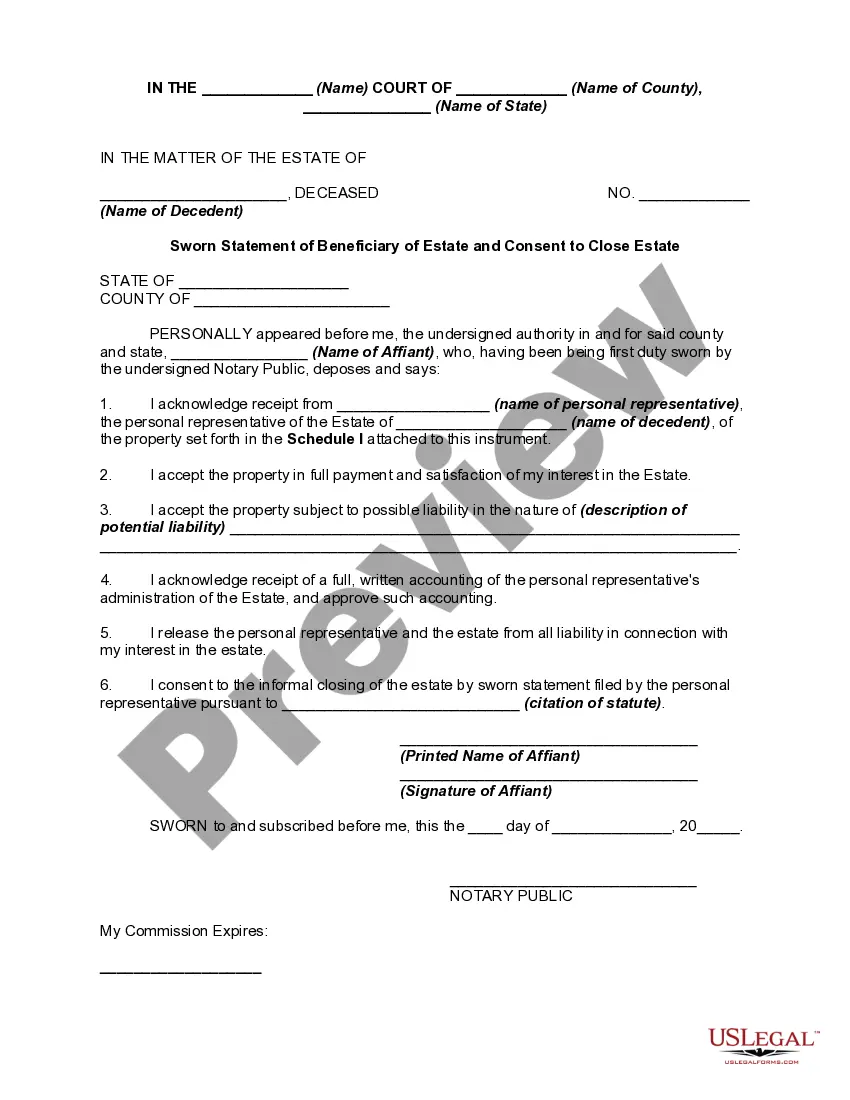

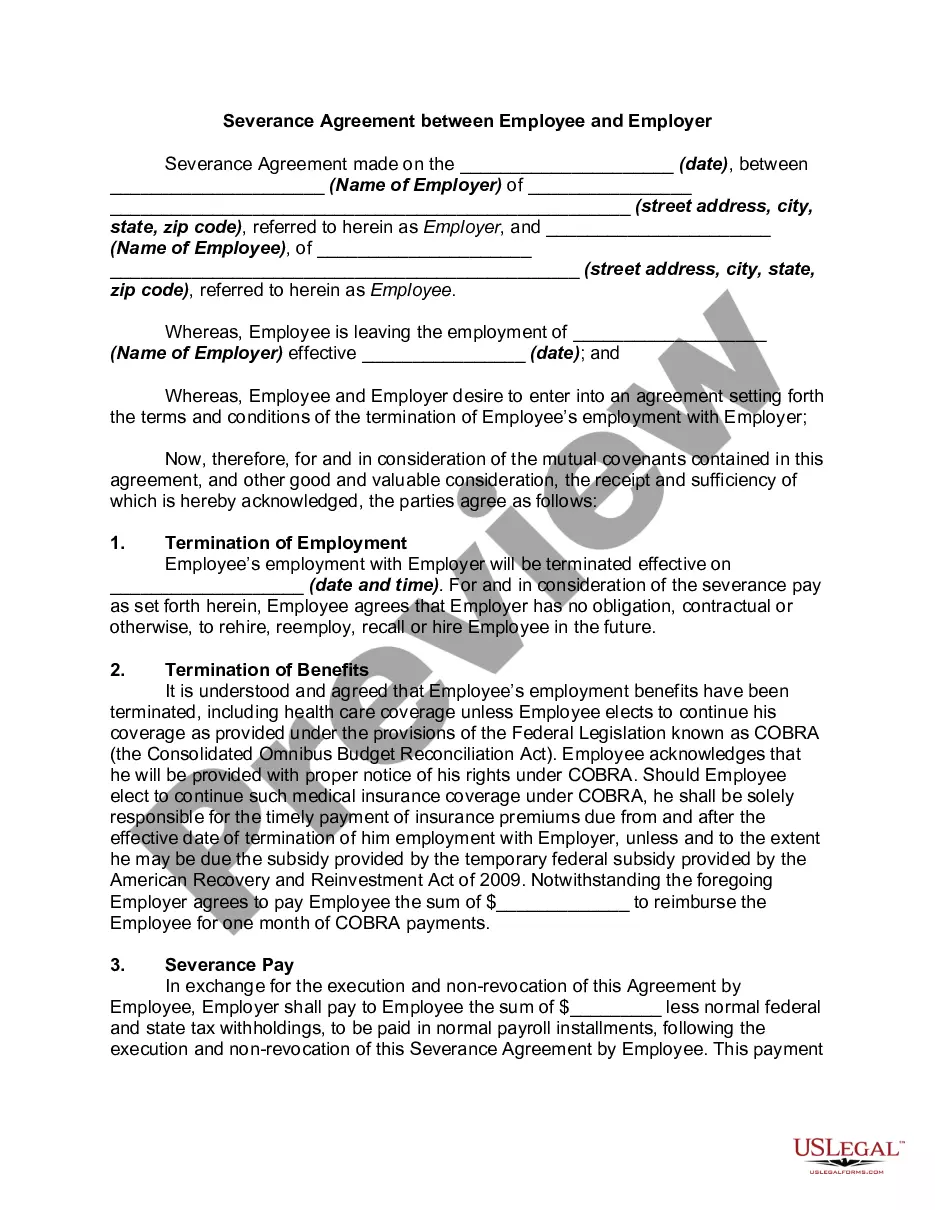

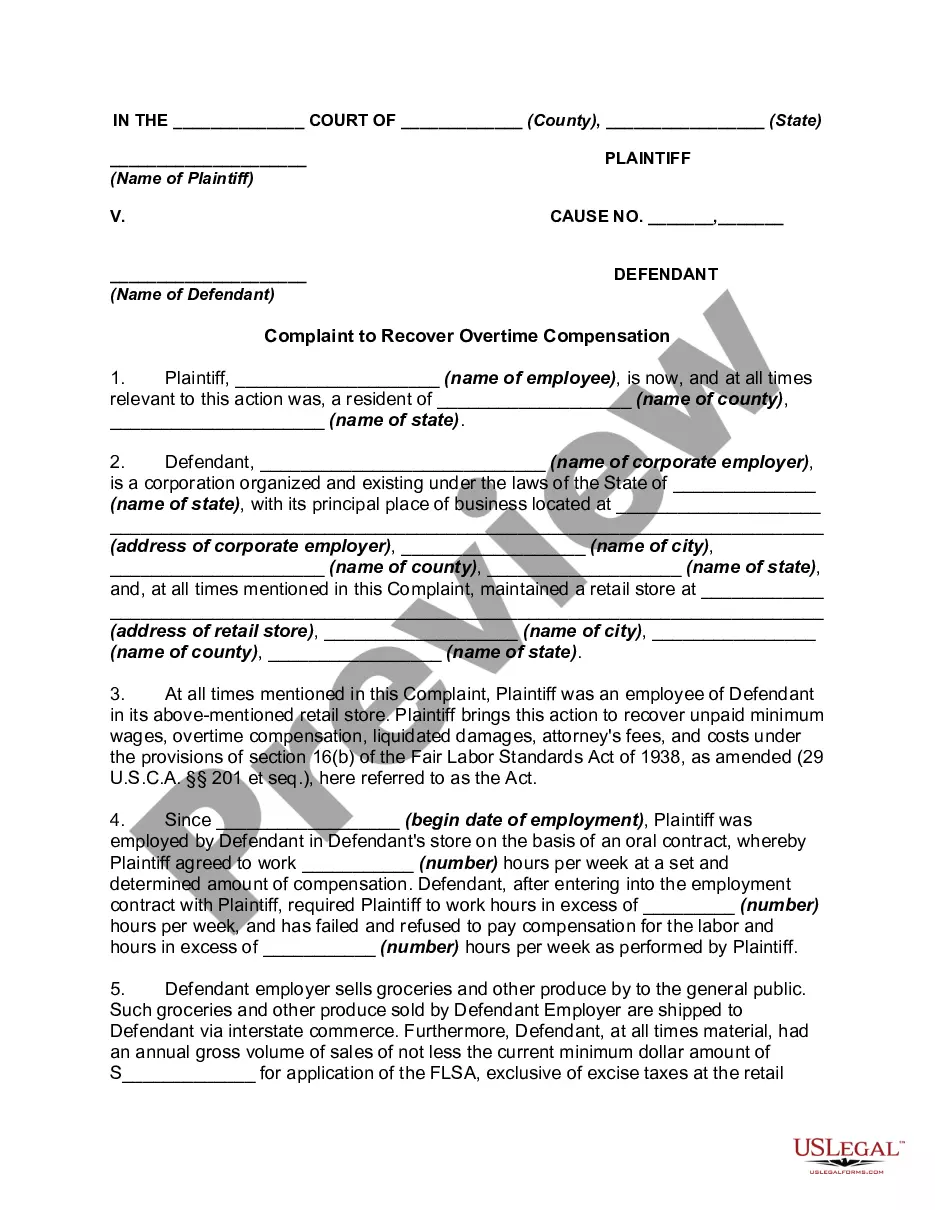
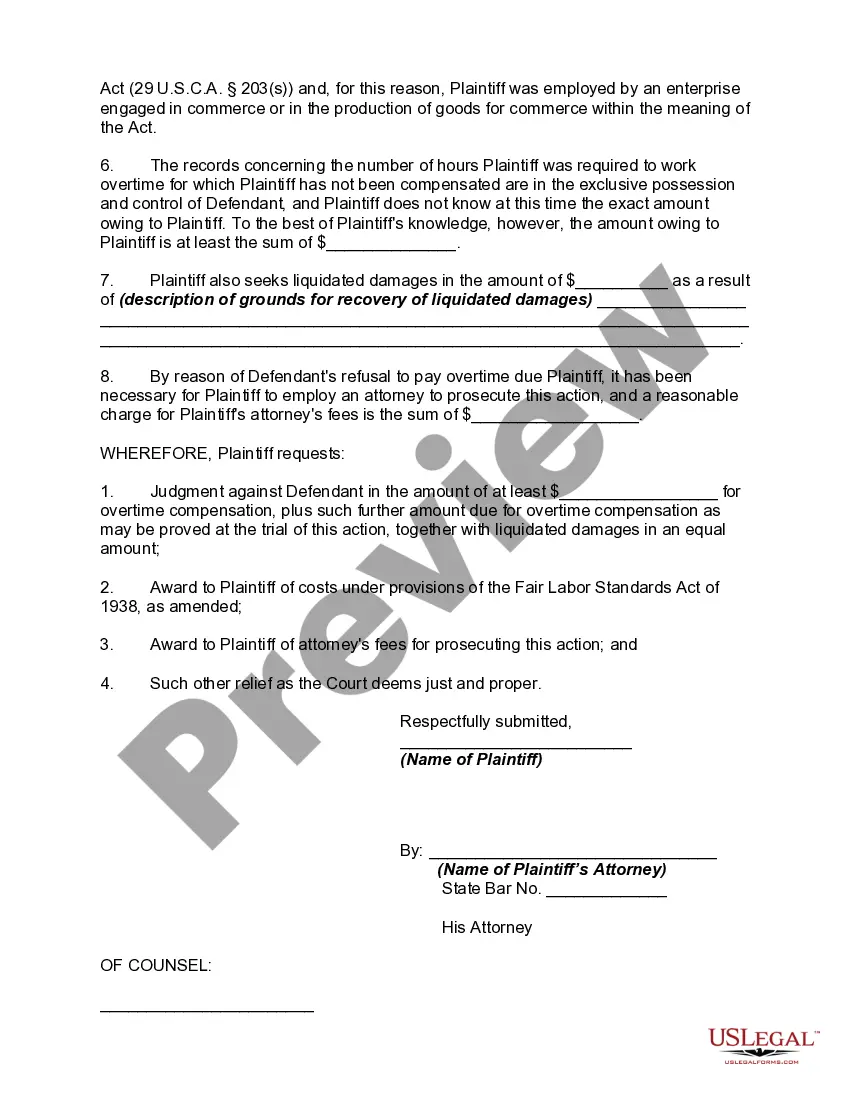
How to fill out Complaint To Recover Overtime Compensation Or Wages In State Court Under Section 16(b) Of Fair Labor Standards Act?
Creating legal documents from the beginning can occasionally feel a bit daunting.
Some situations may require extensive research and significant financial investment.
If you are looking for an easier and more economical method of producing Overtime Labor Standards Withholding Tax or any other document without unnecessary complications, US Legal Forms is always available to assist you.
Our online repository of over 85,000 current legal documents encompasses nearly every facet of your financial, legal, and personal matters.
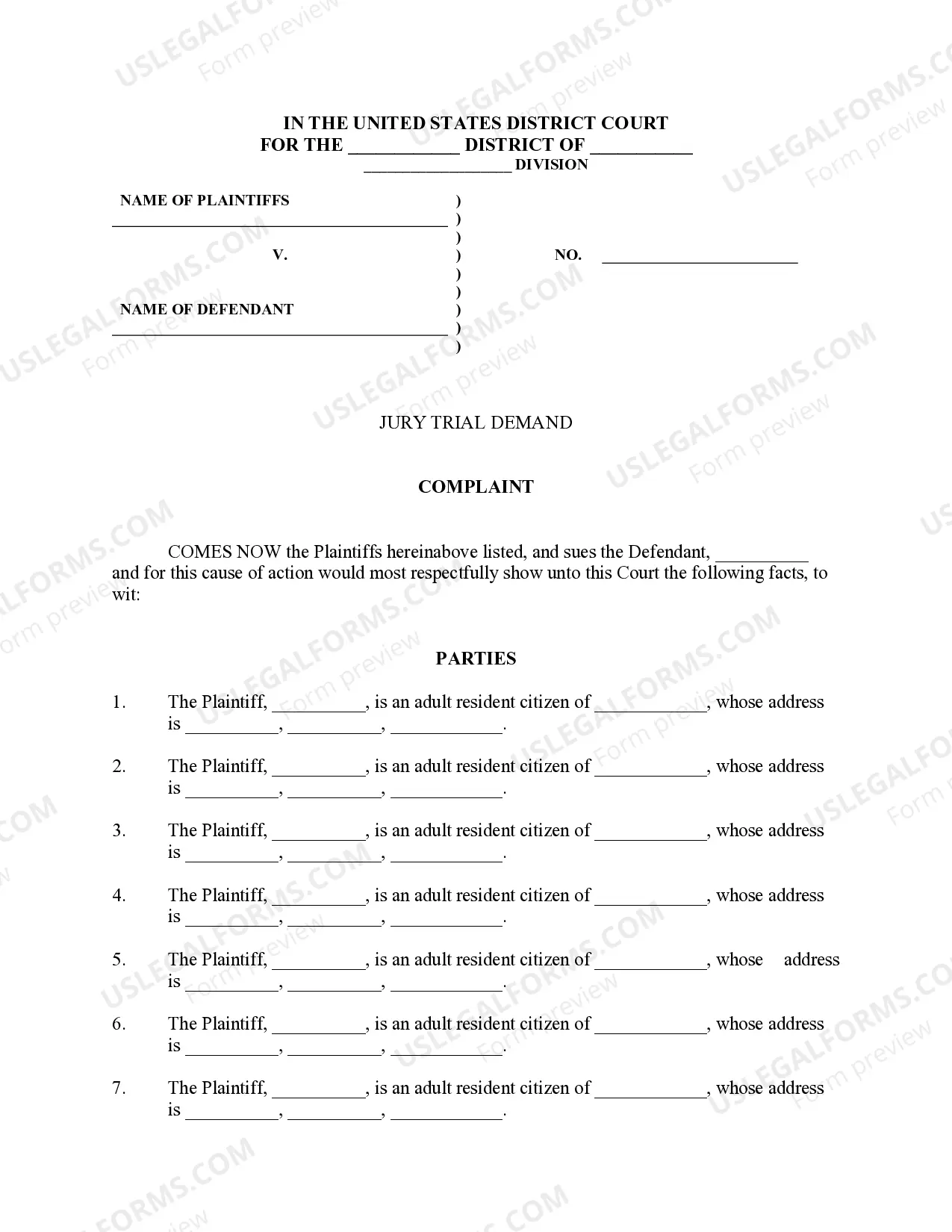
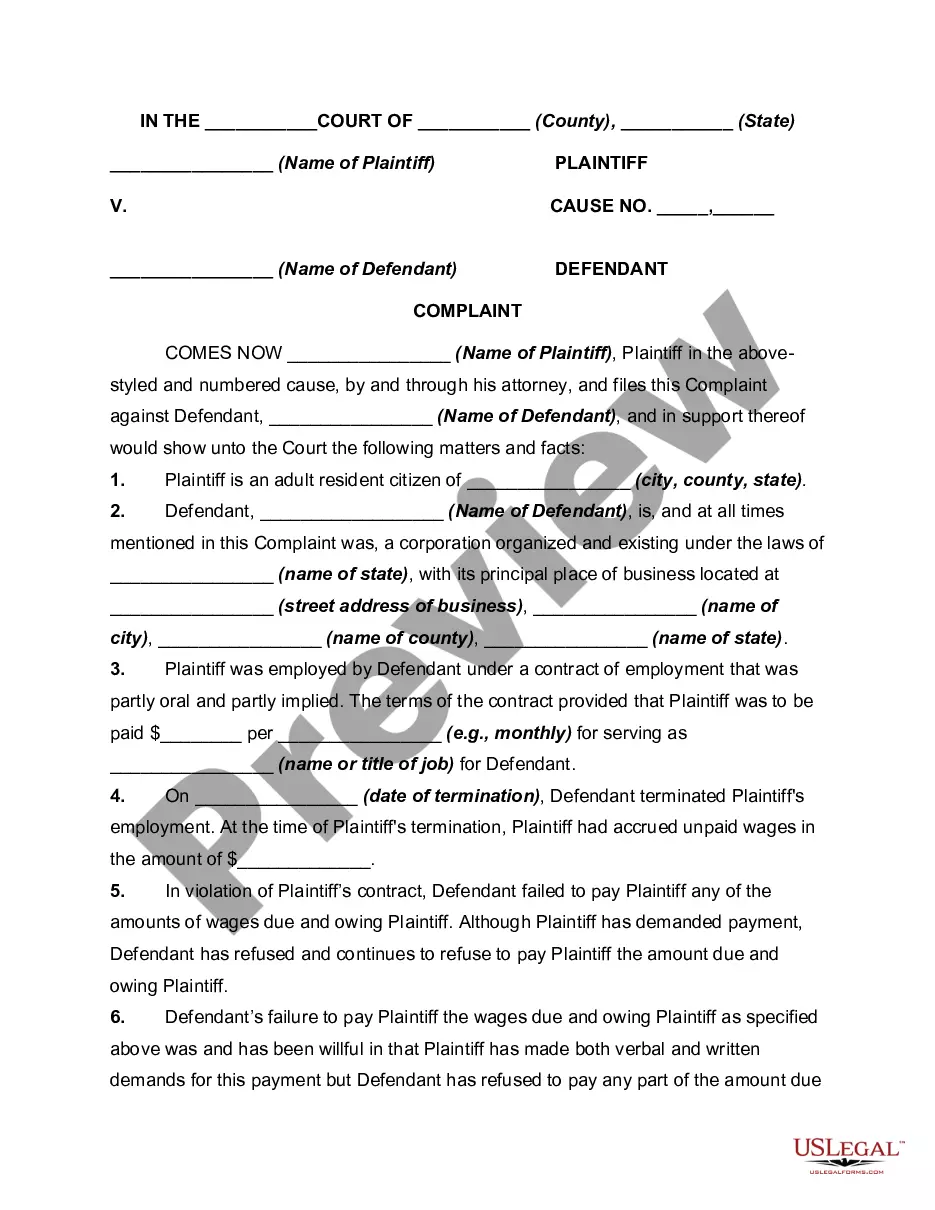
Check the document preview and descriptions to ensure it is indeed the form you are looking for.
- With only a few clicks, you can quickly access region- and county-specific templates meticulously designed for you by our legal experts.
- Utilize our website whenever you require trustworthy and dependable services to swiftly find and download the Overtime Labor Standards Withholding Tax.
- If you are a returning user and have already registered an account with us, simply Log In, find the form, and download it or re-download it later through the My documents section.
- Don’t have an account? No problem. It only takes a few minutes to sign up and browse the catalog.
- However, before you start downloading Overtime Labor Standards Withholding Tax, consider these suggestions.
Form popularity
FAQ
To claim for overtime, you must first determine your eligibility based on the Fair Labor Standards Act. You need to document the hours worked beyond your standard schedule, ensuring you keep accurate records. Once you have this information, you can submit a claim to your employer. If your employer does not respond or deny your claim, consider consulting resources like US Legal Forms to better understand your rights regarding the overtime labor standards withholding tax.
Your standard hours of work for a period of 2 or more weeks cannot exceed an average of 40 hours in a week. the maximum hours for the same period cannot exceed an average of 48 hours in a week. your employer must pay overtime when your daily or weekly hours exceed those established under the modified work schedule.
You will need to complete and file a separate T4 return for each payroll account you have. You will need to total all the T4 slips and report these totals on the T4 summary: employment income. the employees' CPP contributions and EI premiums.
The standard overtime rate is 1.5 times the employee's regular hourly wage. This number is also commonly known as ?time-and-a-half.? So if one employee makes $15 per hour, their overtime rate is $22.50 per hour ($15 x 1.5).
Under the FLSA, overtime pay is determined by multiplying the employee's ?straight time rate of pay? by all overtime hours worked PLUS one-half of the employee's ?hourly regular rate of pay? times all overtime hours worked. All overtime work that is ordered or approved must be compensated.
If an employer does not withhold deductions, or if it makes deductions but does not remit them, it becomes liable for the amount that should have been remitted. The CRA can go as far as taking legal action, such as garnishing your salary or other sources of income or seizing and selling property.