Extra Wages For Overtime Work
Description

Get your form ready online
Our built-in tools help you complete, sign, share, and store your documents in one place.
Make edits, fill in missing information, and update formatting in US Legal Forms—just like you would in MS Word.
Download a copy, print it, send it by email, or mail it via USPS—whatever works best for your next step.
Sign and collect signatures with our SignNow integration. Send to multiple recipients, set reminders, and more. Go Premium to unlock E-Sign.
If this form requires notarization, complete it online through a secure video call—no need to meet a notary in person or wait for an appointment.
We protect your documents and personal data by following strict security and privacy standards.

Make edits, fill in missing information, and update formatting in US Legal Forms—just like you would in MS Word.

Download a copy, print it, send it by email, or mail it via USPS—whatever works best for your next step.

Sign and collect signatures with our SignNow integration. Send to multiple recipients, set reminders, and more. Go Premium to unlock E-Sign.

If this form requires notarization, complete it online through a secure video call—no need to meet a notary in person or wait for an appointment.

We protect your documents and personal data by following strict security and privacy standards.
Looking for another form?

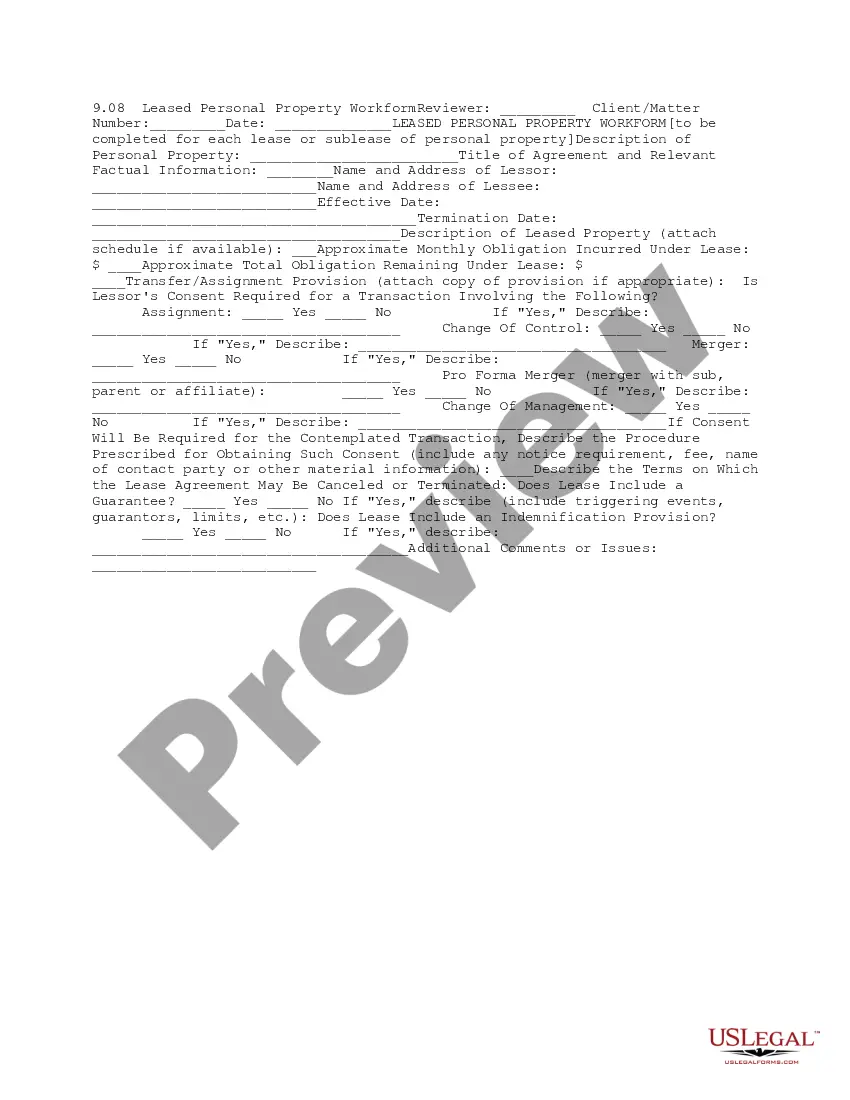
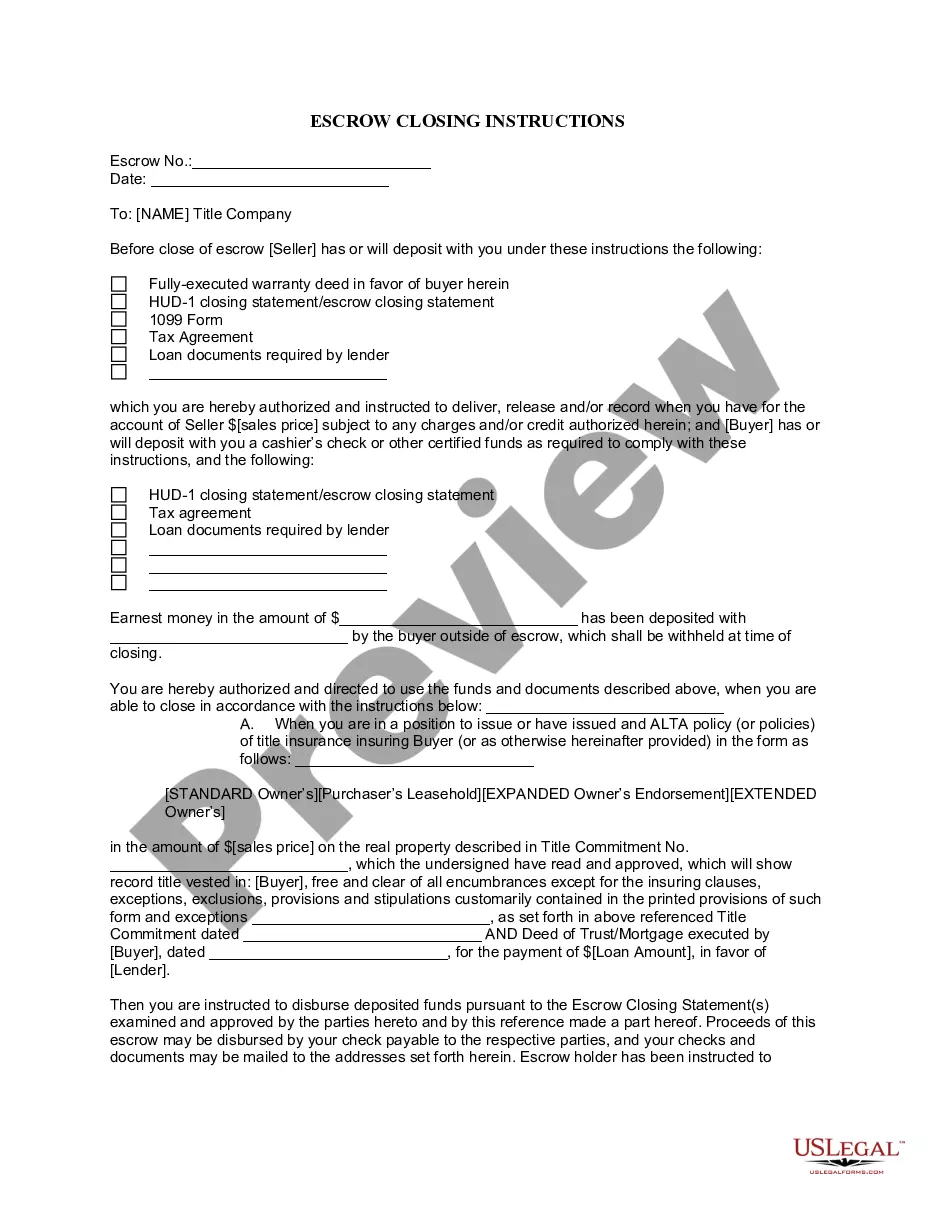
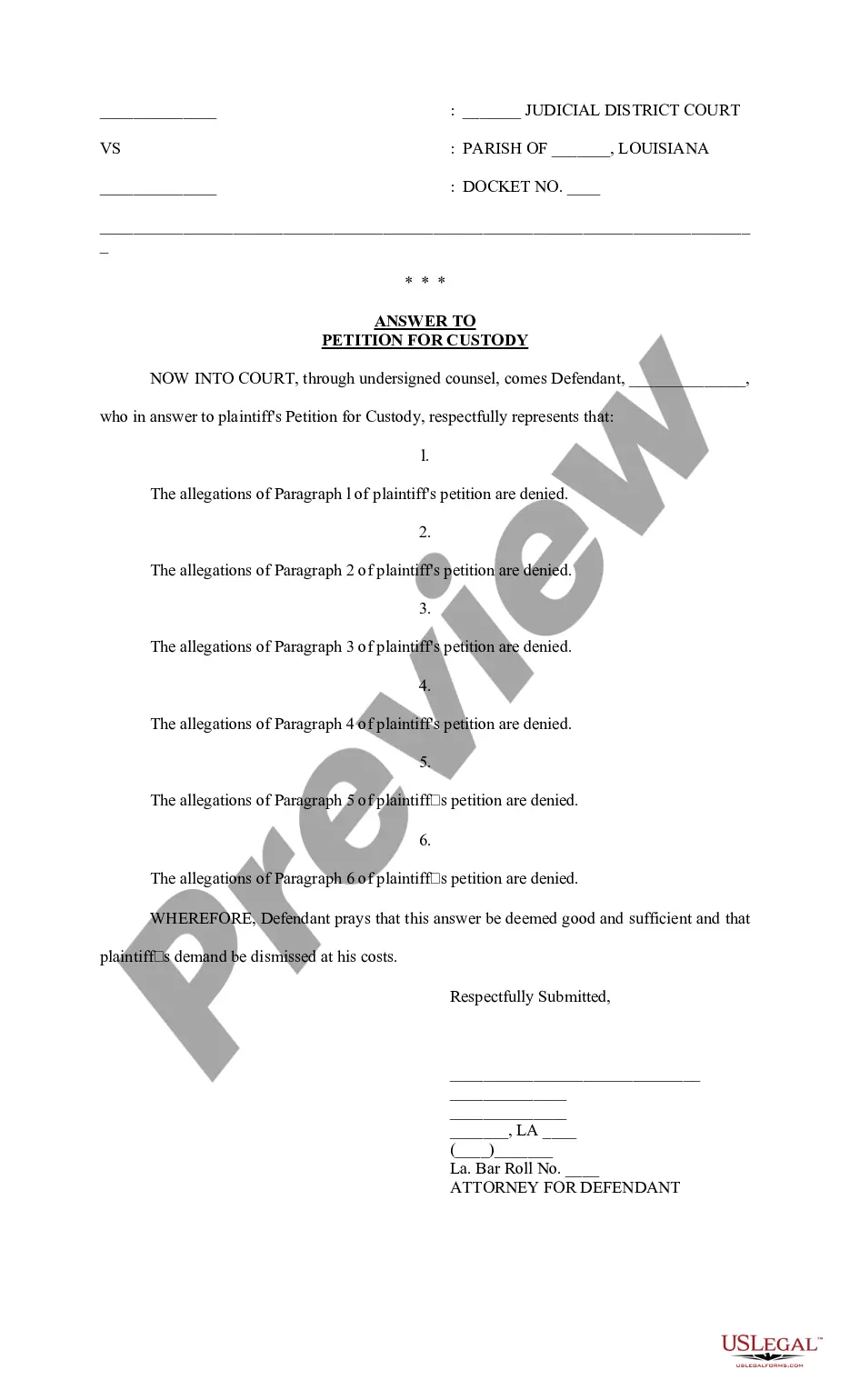




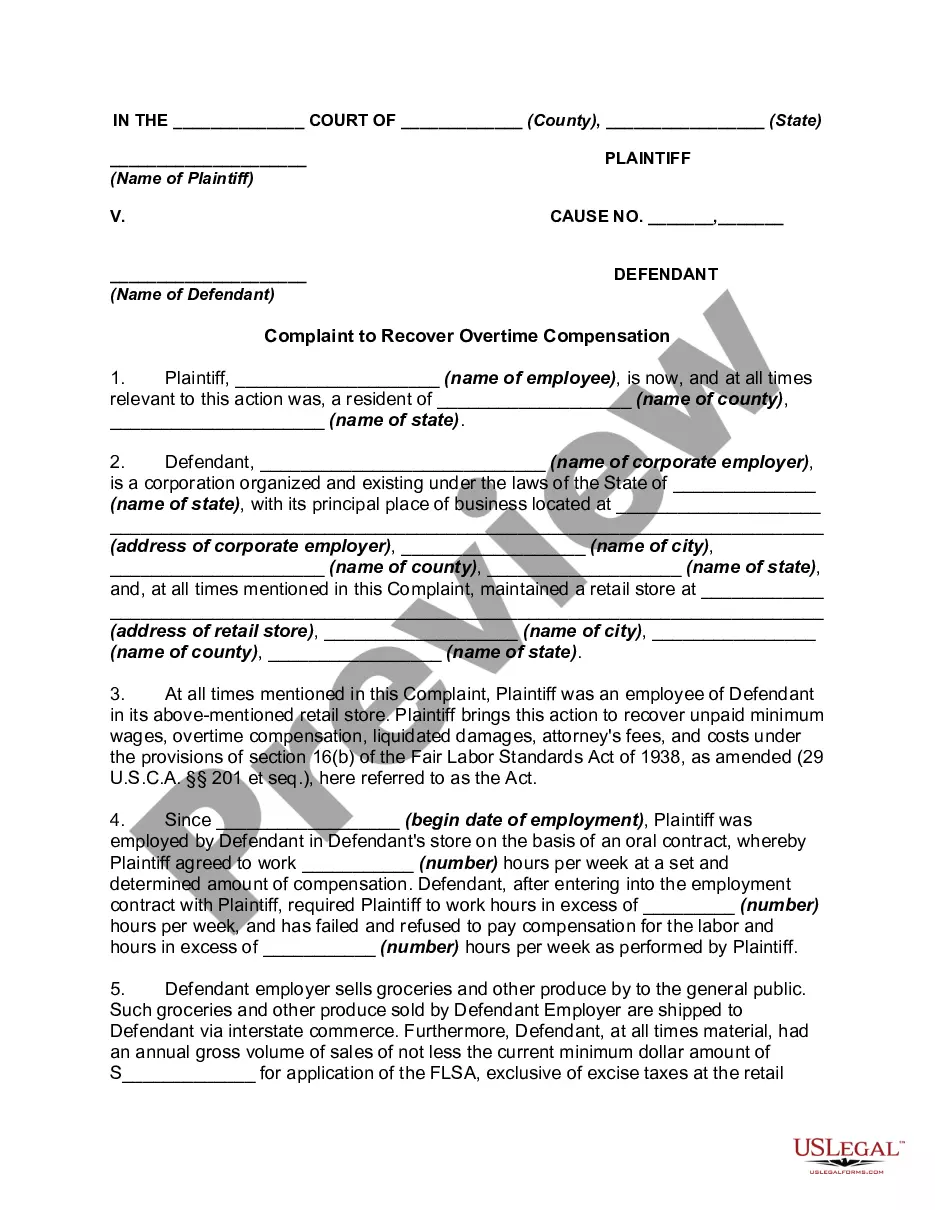
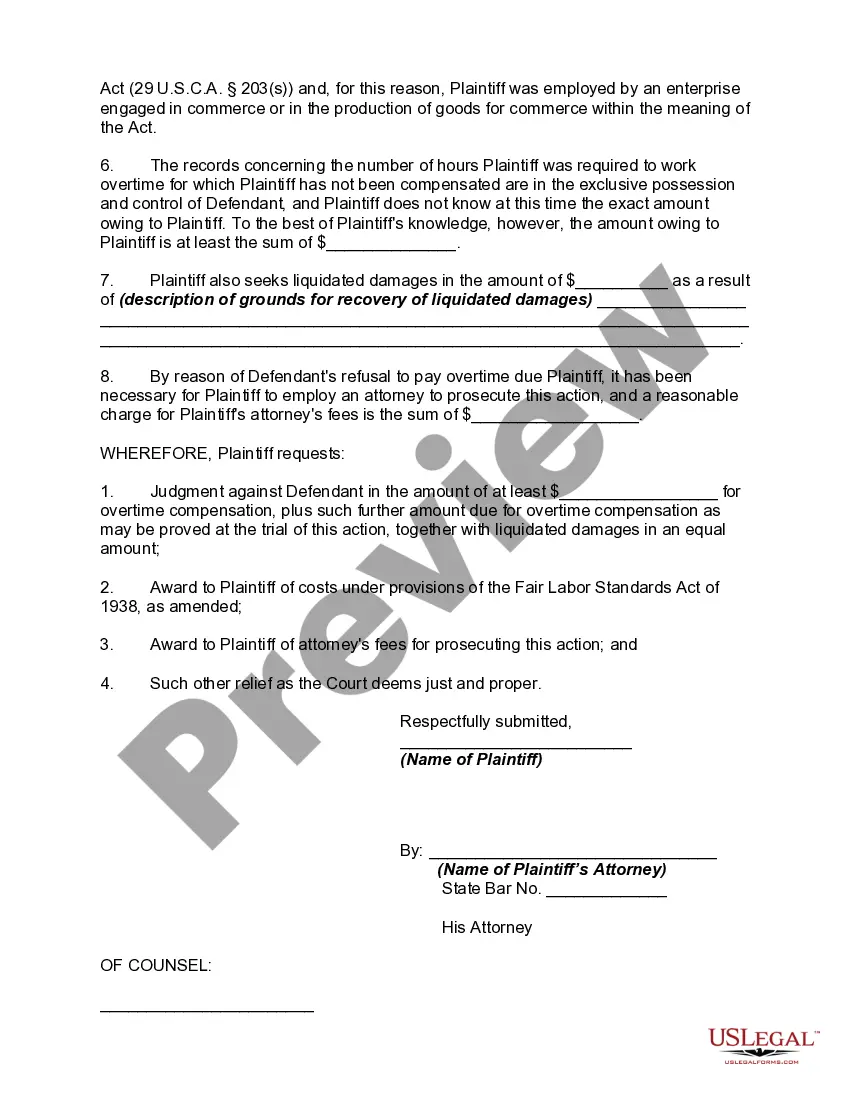
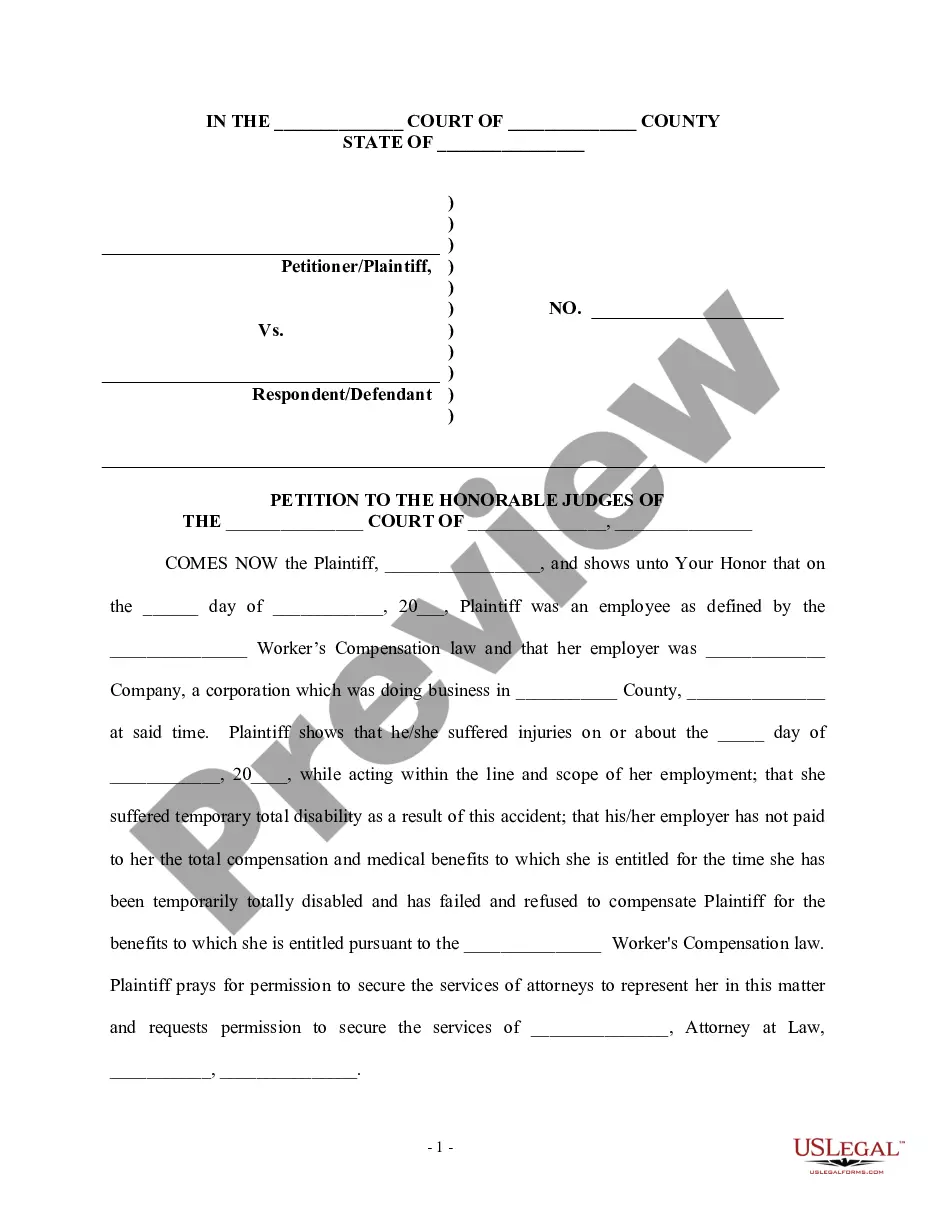
How to fill out Complaint To Recover Overtime Compensation Or Wages In State Court Under Section 16(b) Of Fair Labor Standards Act?
- Log into your existing US Legal Forms account. Before downloading, ensure your subscription remains active.
- In the form library, preview the required documents, verifying they align with your needs and jurisdiction.
- If necessary, utilize the Search feature to discover alternative templates that fit your requirements.
- Select your desired document by clicking the Buy Now button and choose the appropriate subscription plan.
- Complete your purchase by entering your payment information, either via credit card or PayPal.
- Once your payment is processed, download the form to your device for easy access or further modification.
Utilizing US Legal Forms, you're empowered to create legally sound documents with ease. The platform boasts a library of over 85,000 fillable and editable forms, alongside access to premium experts for complex issues.
Take charge of your overtime rights today! Sign up for US Legal Forms and gain access to a comprehensive collection of legal documents that cater specifically to your needs.
Form popularity
FAQ
To calculate extra wages for overtime work, first determine the employee's standard hourly rate. Then, identify the number of hours worked beyond the normal threshold, typically over 40 hours per week. Multiply the standard rate by 1.5 for the overtime hours. This will give you the total extra wages for overtime work that the employee is entitled to.
To calculate bonus into overtime, first determine the total amount of bonus received. Next, add this amount to your regular wages to find the adjusted total. Divide this total by the total hours worked, including overtime hours. By using this method, you ensure that extra wages for overtime work accurately reflect both your bonus and regular earnings.
The two types of overtime are mandatory overtime and voluntary overtime. Mandatory overtime occurs when employers require employees to work additional hours, usually beyond the 40-hour workweek, while voluntary overtime allows employees to choose to work extra hours. Knowing the type of overtime you may encounter can help you plan accordingly and ensure you receive extra wages for overtime work.