Staging Examples
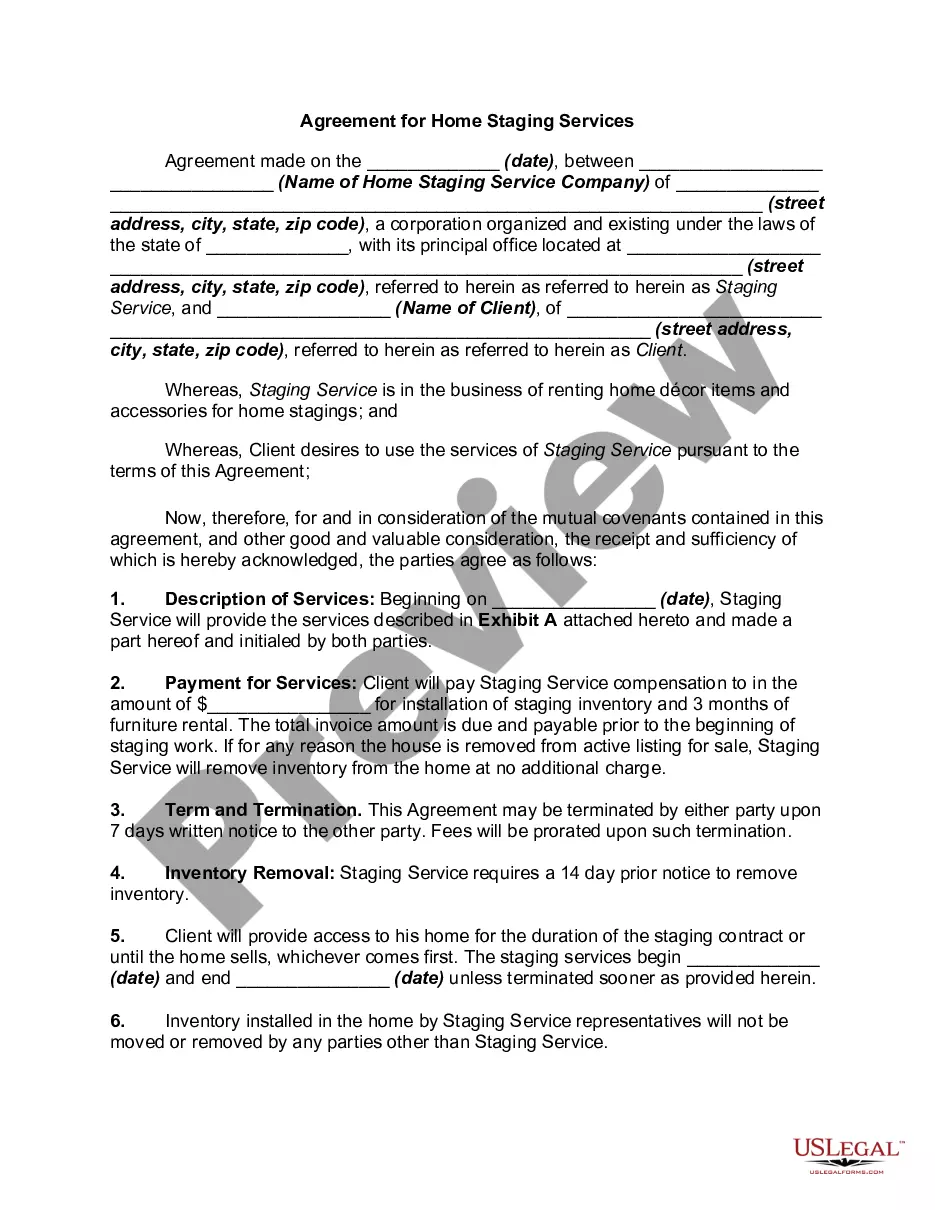
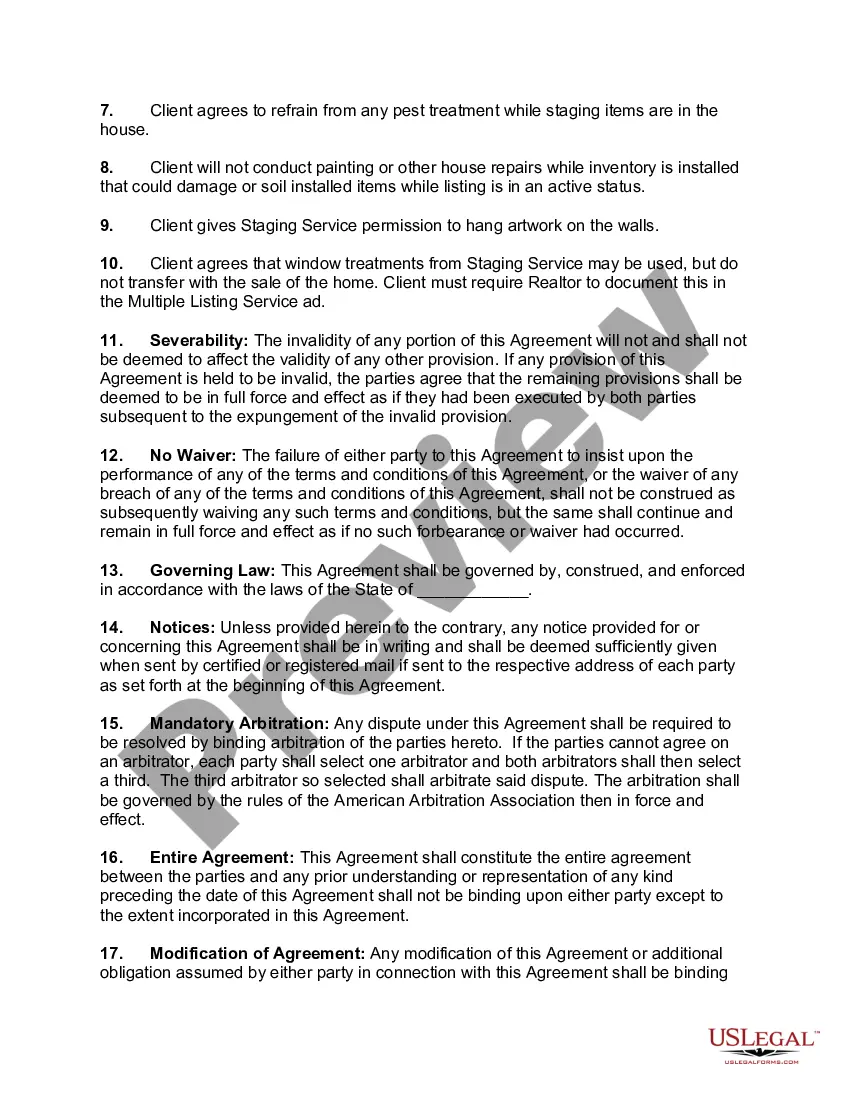
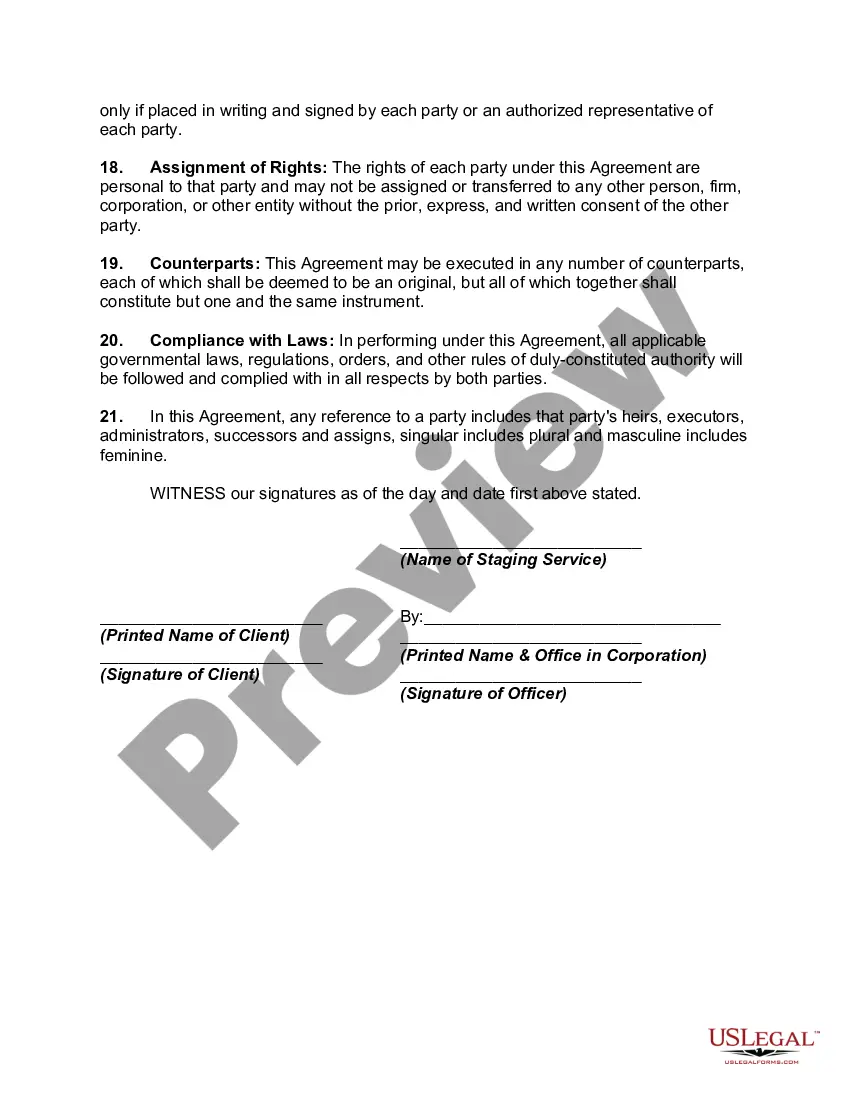
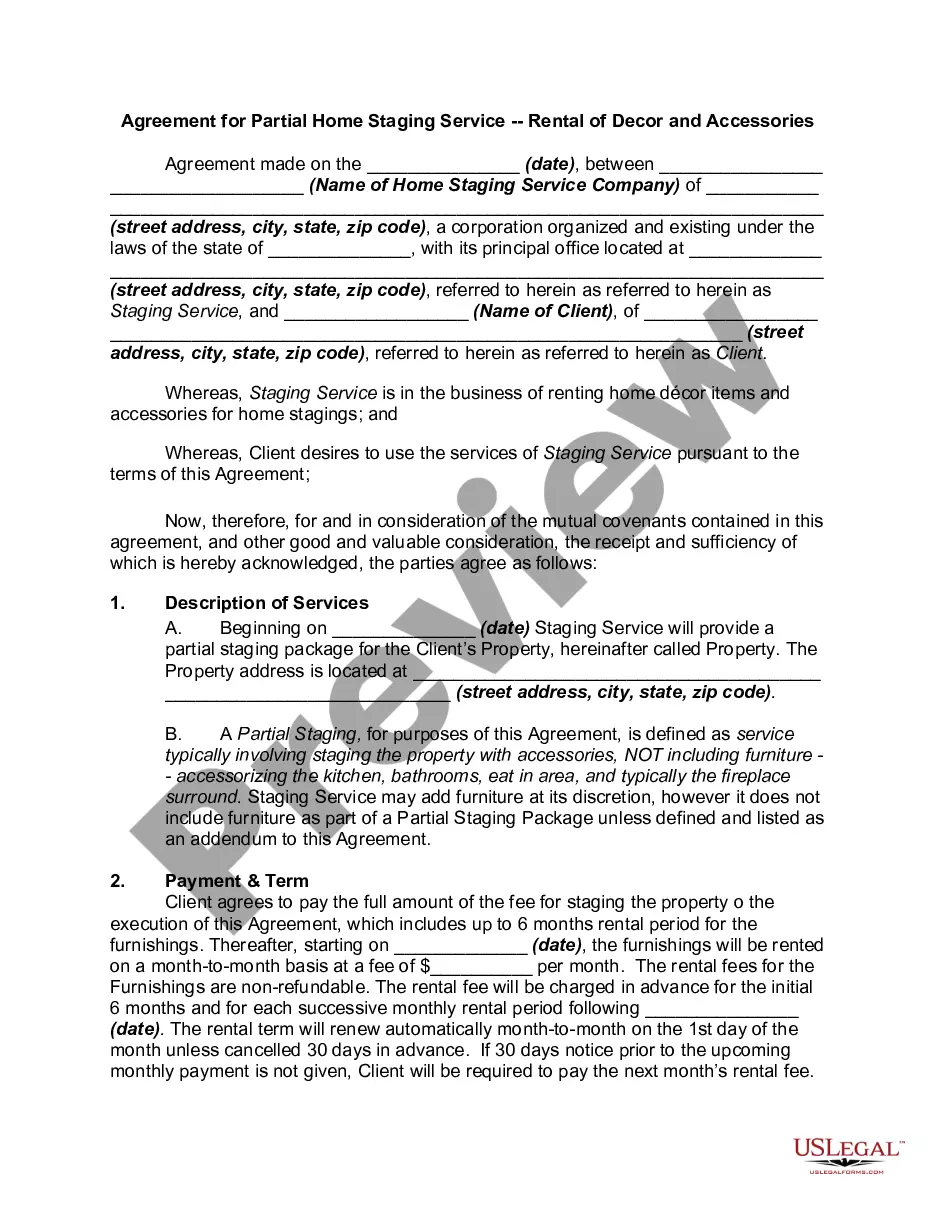
Description
Get your form ready online
Our built-in tools help you complete, sign, share, and store your documents in one place.
Make edits, fill in missing information, and update formatting in US Legal Forms—just like you would in MS Word.
Download a copy, print it, send it by email, or mail it via USPS—whatever works best for your next step.
Sign and collect signatures with our SignNow integration. Send to multiple recipients, set reminders, and more. Go Premium to unlock E-Sign.
If this form requires notarization, complete it online through a secure video call—no need to meet a notary in person or wait for an appointment.
We protect your documents and personal data by following strict security and privacy standards.

Make edits, fill in missing information, and update formatting in US Legal Forms—just like you would in MS Word.

Download a copy, print it, send it by email, or mail it via USPS—whatever works best for your next step.

Sign and collect signatures with our SignNow integration. Send to multiple recipients, set reminders, and more. Go Premium to unlock E-Sign.

If this form requires notarization, complete it online through a secure video call—no need to meet a notary in person or wait for an appointment.

We protect your documents and personal data by following strict security and privacy standards.
Looking for another form?

How to fill out Agreement For Home Staging Services?
It's clear that one cannot become a legal authority instantly, nor can one swiftly learn to draft Staging Examples without possessing a specialized expertise.
Drafting legal documents is a prolonged journey that necessitates specific education and competencies.
So why not entrust the creation of the Staging Examples to the experts.
Preview it (if this feature is available) and read the accompanying description to ascertain if Staging Examples suit your needs.
If you require a different form, begin your search again. Register for a complimentary account and select a subscription option to purchase the form. Click Buy now. Once the payment is finalized, you can download the Staging Examples, complete it, print it, and send or mail it to the appropriate individuals or organizations.
- With US Legal Forms, one of the most extensive legal template repositories, you can locate anything from court documents to templates for office communication.
- We recognize how crucial compliance and adherence to federal and state laws and regulations are.
- Hence, on our platform, all templates are location-specific and current.
- Start by visiting our website and obtaining the form you need in just a few minutes.
- Find the required form by utilizing the search bar at the top of the page.
Form popularity
FAQ
An example of staging includes arranging furniture to create distinct living areas within an open floor plan. This approach showcases the functionality of the space and helps buyers visualize how they might use it. By referring to various staging examples, you can see how effective arrangements can foster a connection between potential buyers and the property.
When staging a property, consider three key factors: the target audience, the property's strengths, and the overall flow of the space. Understanding your audience helps tailor the staging to their preferences. Highlighting the property’s strengths and ensuring a logical flow makes the space feel larger and more welcoming, as seen in many successful staging examples.
The 3 foot 5 foot rule in staging emphasizes the importance of visual appeal at varying distances. This means that at three feet away, the space should look inviting and well-organized, while at five feet, it should maintain a cohesive look without clutter. By applying staging examples that adhere to this rule, you can create a more appealing environment for potential buyers.
A staging area is typically a designated space where items are organized and prepared for a specific purpose. For instance, in real estate, a living room might serve as a staging area where furniture is arranged to highlight the room's size and functionality. Effective staging examples often include strategically placed decor and lighting to enhance the overall impression.
Staging refers to the process of preparing a property for sale by showcasing its best features. This involves rearranging furniture, decluttering spaces, and enhancing the overall aesthetic appeal. By utilizing effective staging examples, sellers can create an inviting atmosphere that allows potential buyers to envision themselves in the space.
The 3 foot 5 foot rule for staging emphasizes the importance of sightlines and first impressions. When standing three feet away, your home should look inviting and well-arranged, while five feet away, it should appear clean and cohesive. This guideline helps ensure that your staging examples create a positive impact from various distances. By following this rule, you can enhance the overall appeal of your home and attract more potential buyers.
When staging a house, avoid over-personalizing the space with your items. This includes family photos and unique decor that may not appeal to a broad audience. Additionally, refrain from cluttering rooms with unnecessary furniture, as this can make spaces feel cramped. Remember, effective staging examples highlight the home’s best features while allowing potential buyers to envision themselves in the space.
To make your home look staged, start by decluttering each room. Remove personal items and excess furniture to create an open space. Next, consider using staging examples to guide your choices for furniture arrangement and decor. Finally, ensure that each room has a focal point, like a well-placed piece of art or an attractive plant, to draw the eye and enhance the appeal of your home.
To add a file to the staging area, use the command 'git add <filename>' in your terminal. This command signals to Git that you want that file to be included in the next commit. By mastering how to add files to the staging area, you can control what changes are recorded, resulting in a more streamlined development process.
Staging a file prepares it for a future commit in a version control system. This process allows you to select specific changes and organize them before finalizing your updates. By understanding what staging a file does, you can better manage your development process and ensure that your project remains organized.